Balustrade: Meaning, Types, and Structure at a Glance
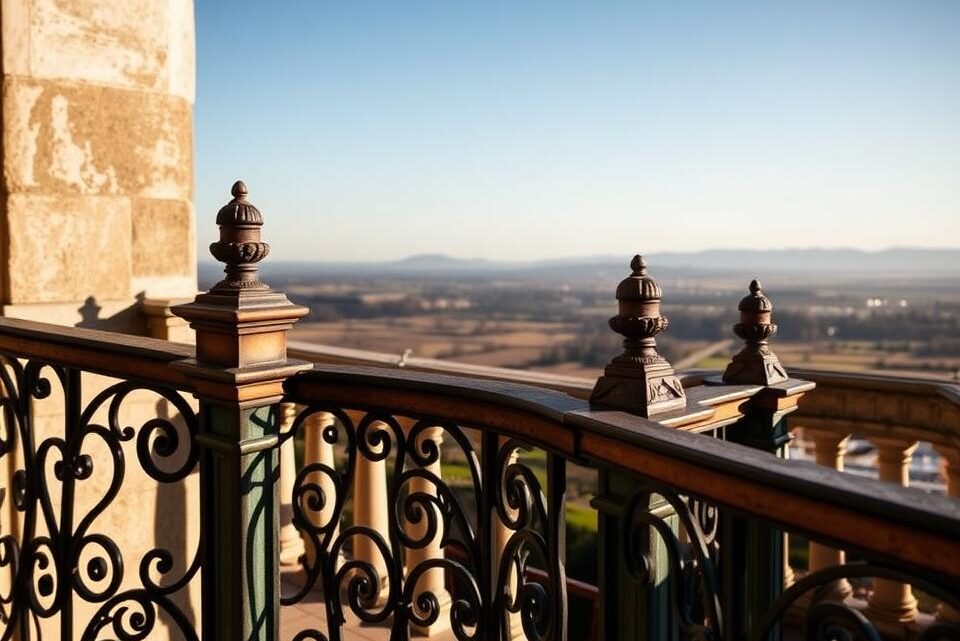
You are likely familiar with the term balustrade, but do you know its significance in architectural design? A balustrade is a structural element that serves as a barrier between different areas, typically consisting of a row of vertical pillars topped with a railing.
Balustrades are used to edge various structures, including terraces, patios, staircases, and balconies, enhancing both the safety and aesthetic appeal of these areas. Historically, balustrades date back to the 7th century BC and have evolved through different architectural periods, including the Renaissance.
Today, balustrades continue to play a crucial role in building design, providing a critical safety barrier while adding visual appeal to elevated platforms. You can explore the various types of balustrades available, tailored to suit different architectural styles and functional requirements.
Inhaltsverzeichnis
Key Takeaways
- Balustrades combine aesthetic appeal and functional safety features in various building structures.
- The historical significance of balustrades dates back to the 7th century BC.
- Balustrades serve as critical safety barriers while enhancing visual appeal.
- The fundamental structure of balustrades includes main components that work together.
- Various types of balustrades are available to suit different architectural styles.
What is a Balustrade?
The term ‘balustrade’ refers to a railing system supported by balusters, posts, or other structural elements. It is a feature that has been integral to architectural design for centuries, serving both functional and aesthetic purposes.
Definition and Origin
A balustrade is essentially a barrier consisting of a row of balusters (also known as spindles or pickets) that are typically topped with a handrail. The word ‘balustrade’ originates from the French term ‘balustre,’ which is derived from the Italian ‘balaustro,’ referring to a pomegranate flower. This etymology is linked to the shape of the balusters, which often resemble pomegranate flowers.
In modern times, balustrades have remained a popular feature in both traditional and contemporary designs. You can find them in residential and commercial buildings, outdoor spaces, and interior settings.
Historical Development
The historical development of balustrade designs is a rich and varied one, reflecting changing architectural styles and cultural influences. From ancient civilizations through medieval architecture to the ornate styles of the Renaissance period, balustrades have evolved significantly over time.
“The elegance of a balustrade lies not just in its design, but in its ability to enhance the overall aesthetic of a building while providing safety and support.”
During the 18th century, balustrade designs became particularly elegant, incorporating slender piers with beautifully moulded rails and plinths. This period saw balustrades become a defining feature of classical architecture. As building regulations developed, balustrades transitioned from being purely decorative elements to essential safety features.
| Period | Characteristics | Influence |
|---|---|---|
| Ancient Civilizations | Early forms of balustrades, often simple and robust | Roman and Greek architectural influences |
| Renaissance | Ornate designs, intricate carvings | Revival of classical styles |
| 18th Century | Elegant designs with slender piers and moulded rails | Classical architecture peak |
The variety of styles and design options available today is a testament to the enduring appeal of balustrades. Whether you’re looking at modern minimalist interpretations or classic traditional designs, balustrades continue to be an essential element in architectural design.
The Essential Components of a Balustrade
The essential components of a balustrade work together to provide both safety and visual appeal. A well-designed balustrade is crucial for staircases and balconies, serving as both a protective barrier and an architectural feature.
Balusters (Spindles)
Balusters, or spindles, are the vertical supports between the base and top rails of a balustrade. They can be made from various materials, including wood, metal, and glass, and come in a range of designs to suit different architectural styles. The spacing between balusters is critical for safety, as it must comply with building regulations to prevent accidents.
Handrails and Top Rails
Handrails and top rails provide the upper support for the balustrade, offering a secure grip for users. The design and material of these components can significantly impact the overall aesthetic of the balustrade. A well-designed handrail can enhance the strength and functionality of the balustrade.
Base Rails and Plinths
Base rails and plinths form the foundation of the balustrade, anchoring it to the floor or staircase. The base rail, often referred to as the bottom rail, adds additional security and can enhance the overall design. Plinths can be both functional and decorative, featuring mouldings or other architectural details. As highlighted by experts, “A sturdy base rail is fundamental to the stability of the entire balustrade system.” 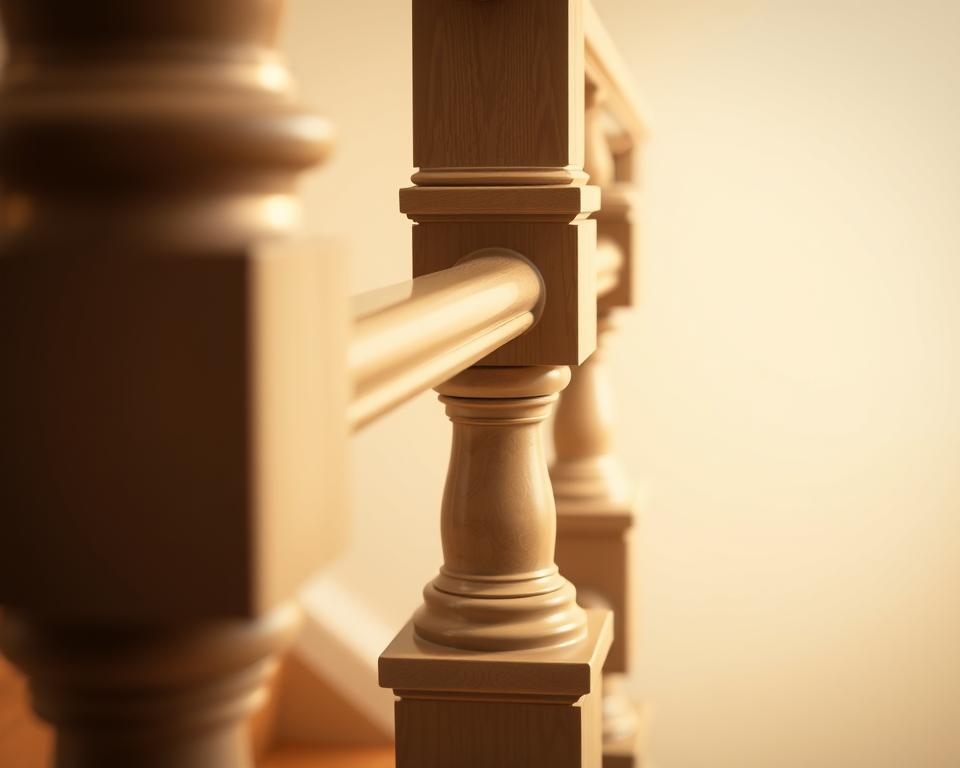
The dimensions and materials of base rails and plinths must be carefully considered to ensure they provide adequate support while maintaining visual proportions. These components work in conjunction with the flooring or staircase material to create a secure fixing that meets building regulations for strength and stability.
Balustrade: Meaning, Types, and Structure at a Glance
A well-designed balustrade can be a defining feature of a building’s character and style. Beyond their functional purpose, balustrades play a significant role in enhancing the aesthetic appeal of a structure.
Functional Purpose
The primary function of a balustrade is to provide safety and support on staircases, balconies, and other elevated areas. By installing a balustrade, you can ensure a secure environment for occupants and visitors alike.
Architectural Significance
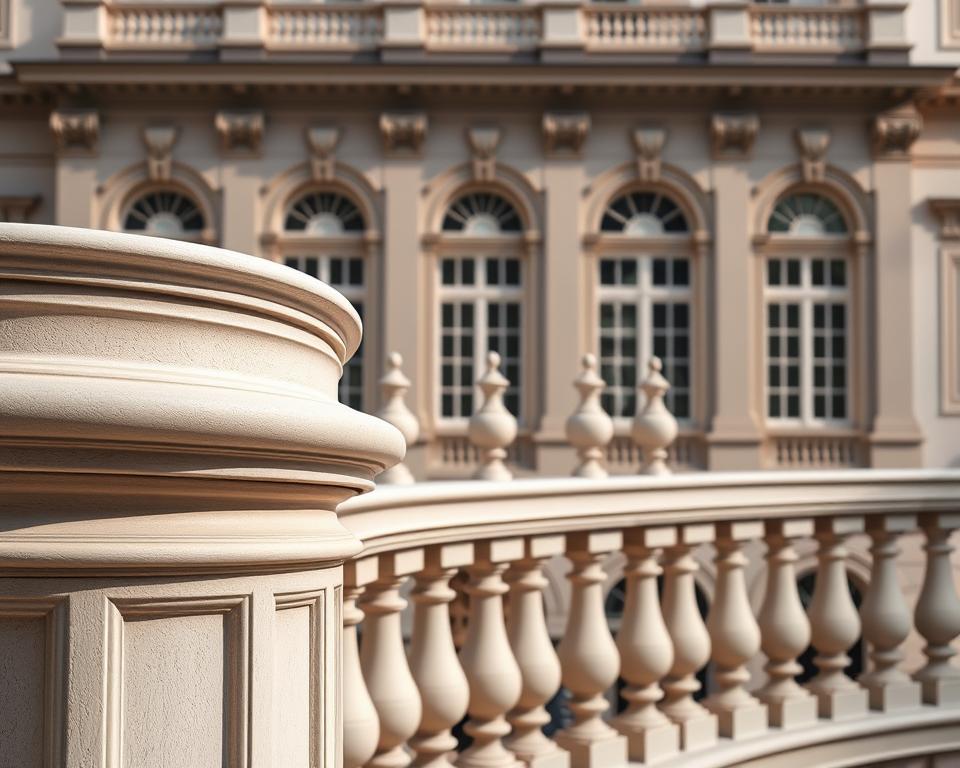
Balustrades are significant architectural features that can define the character and style of a building. They can create visual rhythm and proportion in architectural spaces, guiding the eye and creating a sense of harmony in the overall design. The choice of balustrade can add an elegance and sophistication to your home or building, making it a consideration for those who wish to create a beautiful and cohesive aesthetic with visual appeal.
As noted by architectural experts, “The incorporation of balustrades into the design can elevate the overall visual appeal of a structure.” This is particularly evident in how different architectural periods have utilized balustrades as signature elements, from classical designs to modern minimalist styles.
“The right balustrade can transform a building’s facade, adding a touch of sophistication and elegance.” – Architectural Review
Materials Used in Balustrade Construction
The choice of material for balustrades significantly influences their appearance, durability, and overall performance. You have a wide range of options to choose from, depending on your specific needs and preferences.
Cast Stone Balustrades
Cast stone balustrades offer a classic and timeless look, often made from materials such as marble or granite. They provide a durable and long-lasting solution for both indoor and outdoor applications.
Glass Balustrades
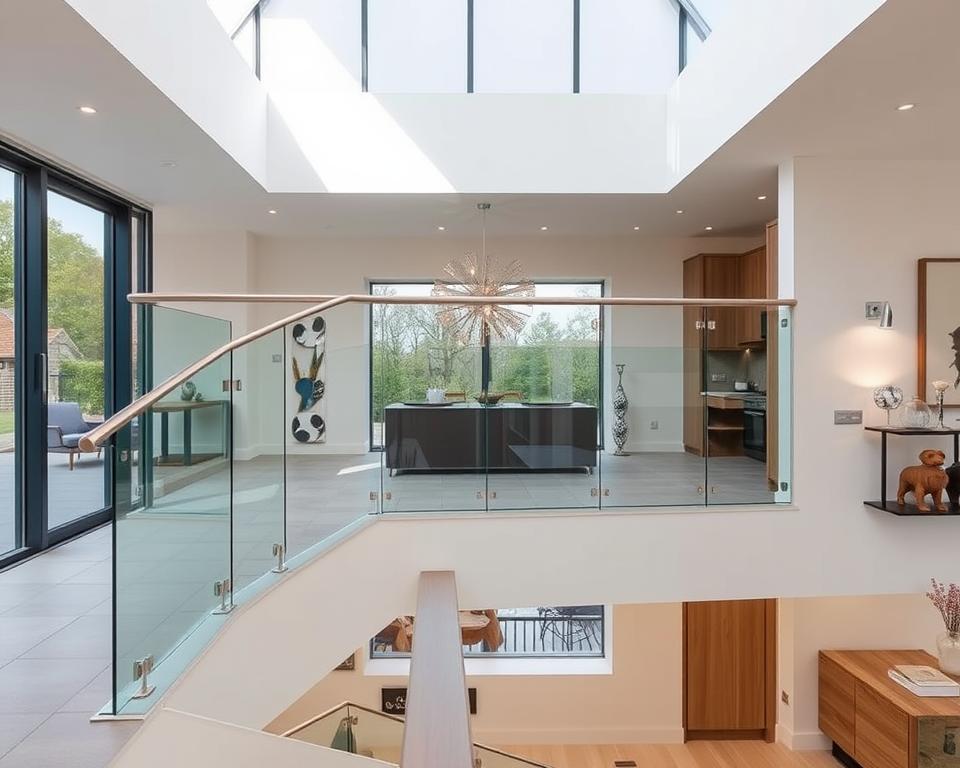
Glass balustrades provide a sleek and contemporary look, ideal for modern homes in the UK. They offer unobstructed views and are often used in minimalist designs.
Steel and Stainless Steel Options
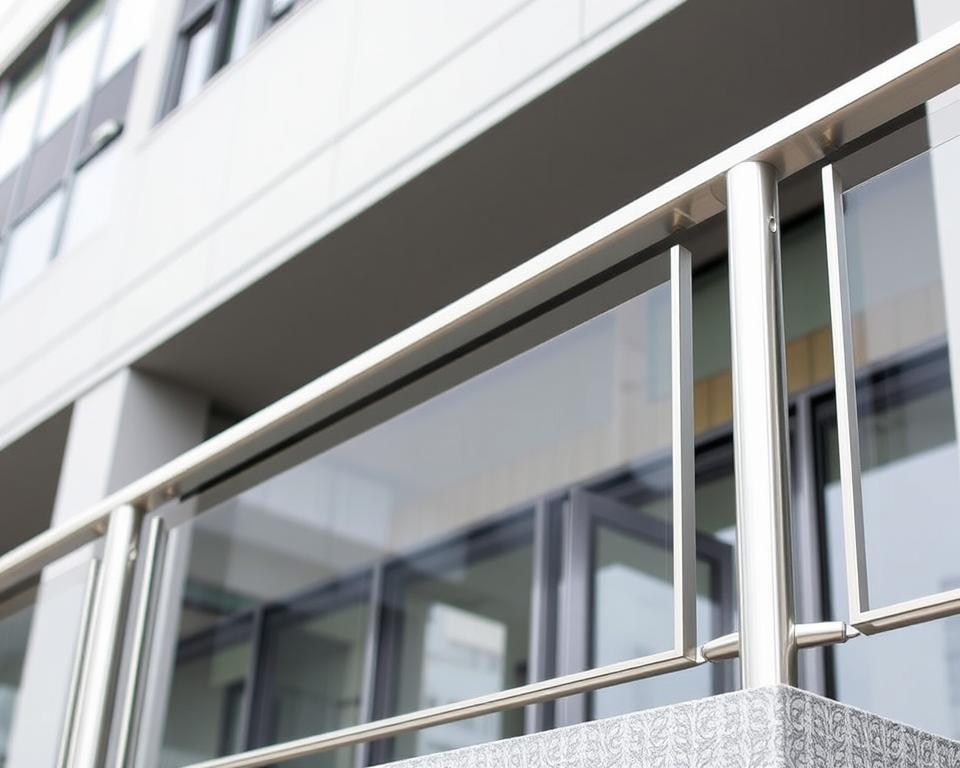
Steel and stainless steel balustrades are known for their strength and durability. They are a popular choice for both residential and commercial properties in the UK.
Wooden Balustrades
Wooden balustrades offer a warm and traditional aesthetic. They can be made from various types of wood and are suitable for both indoor and outdoor use.
Other Materials (Wire, Aluminium, Wrought Iron)
Other materials used for balustrades include wire, aluminium, and wrought iron. Wrought iron balustrades, for example, offer a classic and ornate look, known for their strength and intricate designs.
Different Types of Balustrade Designs
You can choose from a multitude of balustrade designs, each with its unique characteristics and aesthetic appeal. The variety in balustrade styles allows you to select the perfect fit for your space, whether you’re leaning towards a modern, sleek look or a more traditional, ornate design.
Modern Minimalist Styles
For a contemporary twist, consider balustrades with clean lines and minimal ornamentation. Glass balustrades, especially those framed in stainless steel or aluminium, offer a sleek appearance while maintaining safety. These modern minimalist styles are perfect for homes or buildings with a contemporary architectural style.
Classic and Traditional Designs
If you prefer a more traditional look, classic balustrade designs are available in various materials, including wood and cast stone. These designs often feature intricate details and ornate patterns, adding a touch of elegance to any setting. Traditional balustrades can be used to maintain the historical integrity of older buildings or to add a classic touch to modern constructions.
Ornate and Decorative Options
Ornate balustrades offer a rich decorative potential, serving as statement architectural features that showcase craftsmanship. You can find wrought iron balustrades with elaborate scrollwork, carved wooden balustrades with intricate relief work, or cast stone balustrades with classical motifs. These decorative options allow you to add a unique touch to your space.
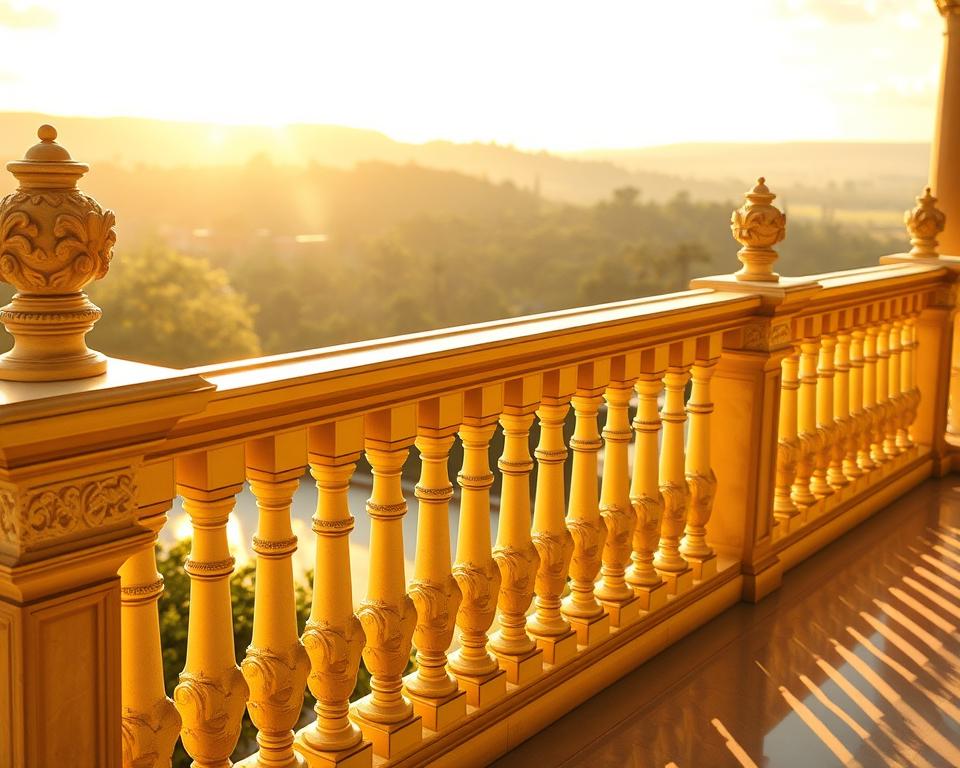
| Balustrade Style | Material | Aesthetic Appeal |
|---|---|---|
| Modern Minimalist | Glass, Stainless Steel | Sleek, Contemporary |
| Classic Traditional | Wood, Cast Stone | Elegant, Ornate |
| Ornate Decorative | Wrought Iron, Carved Wood | Intricate, Statement Piece |
Applications of Balustrades
In modern construction, balustrades play a significant role in enhancing safety and design in both domestic and commercial environments. You can find balustrades in various settings, from residential homes to large commercial projects, each with its unique requirements and challenges.
Residential Applications
In residential settings, balustrades are primarily used for safety and to comply with building regulations. They are commonly found on staircases, balconies, and landings. When designing a balustrade for a residential project, you should consider the style of your home, the material that will best suit your needs, and the level of safety required.
A well-designed balustrade can significantly enhance the aesthetic appeal of your home while providing the necessary protection. For instance, a wooden balustrade can add a touch of warmth and traditional charm, while a glass balustrade can provide a sleek, modern look.
Commercial Applications
In commercial developments, balustrades combine architectural interest and safety compliance. For your project, our team can offer technical expertise to help you meet building regulations and provide custom solutions to create a personalised balustrade that reflects your brand’s style and vision.
- Understand the specific requirements for balustrades in commercial settings, where they must meet stringent safety standards while contributing to the overall design aesthetic of the space.
- Learn how balustrades in commercial buildings often need to accommodate higher traffic volumes and more intensive use than residential applications, requiring enhanced durability and structural integrity.
| Application | Safety Considerations | Aesthetic Considerations |
|---|---|---|
| Residential | Compliance with building regulations, protection from falls | Style and material choice to match home decor |
| Commercial | Stringent safety standards, high traffic durability | Brand identity, corporate aesthetics, design statement |
Exterior vs Interior Balustrades
When considering balustrades, it’s essential to differentiate between exterior and interior applications. The design, material, and functionality of a balustrade can vary significantly depending on whether it’s used indoors or outdoors.
Outdoor Balustrade Applications
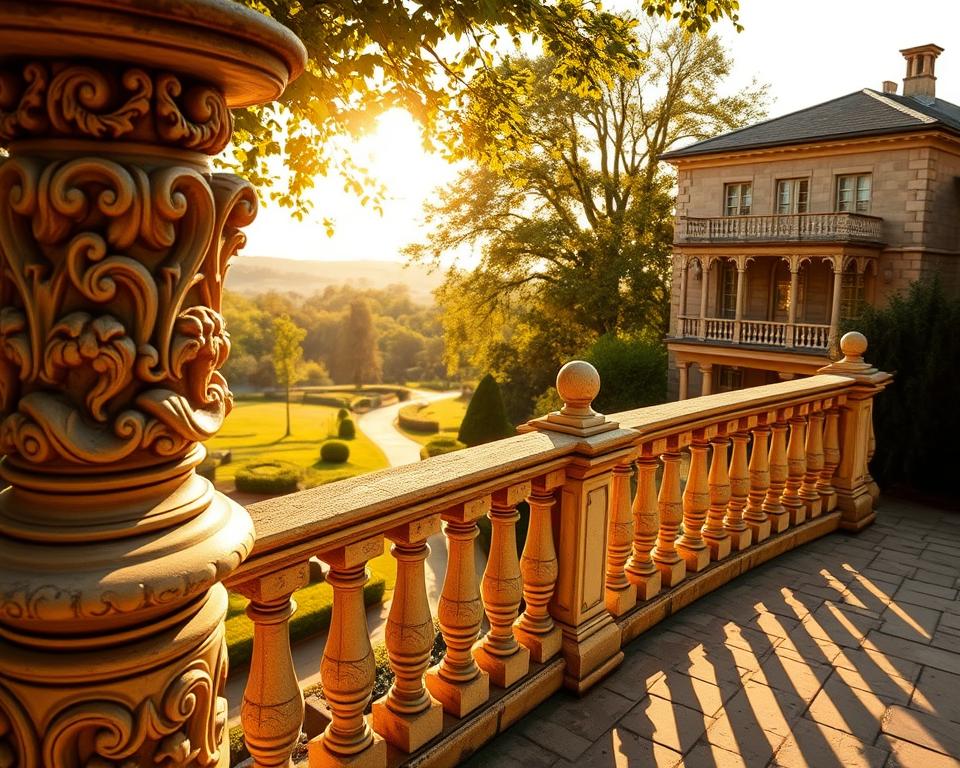
Exterior balustrades are typically exposed to various weather conditions, requiring durable materials like cast stone, stainless steel, or hardwood. These balustrades not only provide safety but also enhance the exterior aesthetics of a building. Outdoor balustrades can be used on balconies, terraces, or staircases, adding both functionality and visual appeal.
Indoor Balustrade Applications
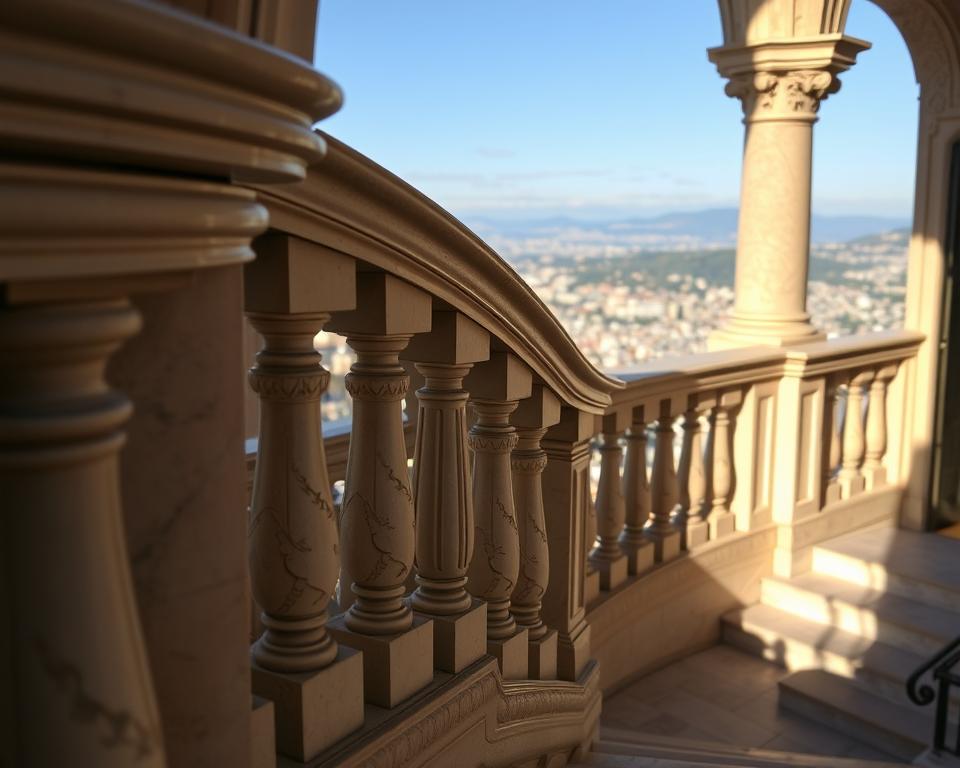
Indoor balustrades, on the other hand, are used to define interior space and can be a significant architectural feature. They are often used on staircases, mezzanine floors, and interior balconies. The choice of material for indoor balustrades can vary from wood to glass or metal, depending on the desired aesthetic and the overall interior design. Incorporating lighting elements, such as LED strips, into indoor balustrades can further enhance their visual impact.
| Application | Typical Materials | Design Considerations |
|---|---|---|
| Outdoor | Cast stone, stainless steel, hardwood | Durability, weather resistance |
| Indoor | Wood, glass, metal | Aesthetic appeal, integration with interior design |
In conclusion, whether you’re installing a balustrade indoors or outdoors, it’s crucial to consider the specific requirements of each application to ensure both functionality and aesthetic appeal. By choosing the right materials and design, you can enhance the overall look and feel of your space while providing safety and support.
Benefits of Installing Balustrades
Balustrades offer numerous benefits, from safety to aesthetic appeal. Installing a well-designed balustrade can significantly enhance your property’s overall value and appeal.
Safety and Protection
A balustrade provides essential safety and protection, particularly in areas such as staircases, balconies, and terraces. It acts as a barrier, preventing accidents and ensuring the safety of occupants and visitors.
Aesthetic Enhancement
Balustrades can greatly enhance the aesthetic appeal of your property. With various materials and designs available, you can choose a balustrade that complements your property’s architectural style, creating a visually appealing feature.
Property Value Improvement
The presence of well-designed and well-maintained balustrades can increase your property’s value. Potential buyers appreciate the visual appeal and safety features provided by balustrades, making your property more desirable and potentially increasing its market value.
Balustrade Design Considerations
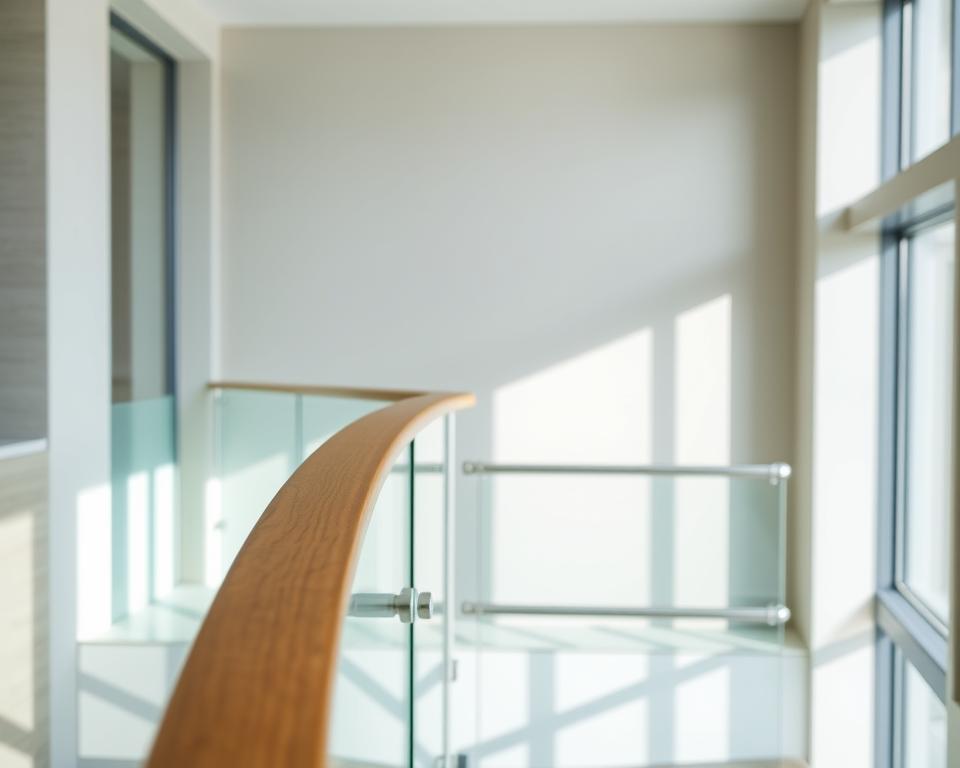
Effective balustrade design hinges on understanding the interplay between material choice, surroundings, and user needs. When designing a balustrade, you must consider several factors to ensure it meets both functional and aesthetic requirements.
Material Selection Factors
You should choose materials that are durable, require minimal maintenance, and comply with building regulations. The right material can enhance the overall look of your balustrade while ensuring safety and longevity. Consider factors such as weather resistance, cost, and the ability to withstand wear and tear.
Integration with Surroundings
A well-designed balustrade should complement its surroundings, whether it’s a modern interior or a traditional exterior. You need to consider the architectural style, colour scheme, and other design elements to create a cohesive look. The balustrade should enhance the overall aesthetic without being obtrusive.
Functionality Requirements
Balustrades must meet specific requirements to ensure they are safe and functional. This includes ergonomic handrail design, appropriate spacing between balusters, and compliance with safety standards. You should consider the needs of all users, including children, elderly individuals, and people with disabilities.

By balancing these factors, you can create a balustrade that is both visually appealing and safe. Key considerations include ergonomic handrail design, appropriate baluster spacing, and compliance with safety standards to prevent entrapment risks.
- Understand the primary function of a balustrade as a safety barrier.
- Consider ergonomic considerations for handrails, including optimal height and diameter.
- Recognise varying functional requirements for different locations, such as staircases and balconies.
Building Regulations for Balustrades in the UK
To ensure the safety and structural soundness of balustrades, the UK has established specific building regulations that must be followed. Compliance with these regulations is crucial for preventing accidents and ensuring the durability of the balustrade.
Height Requirements
The UK building regulations specify minimum height requirements for balustrades. Typically, the height should be at least 900mm for domestic buildings and 1100mm for commercial buildings. Ensuring that your balustrade meets these height requirements is vital for ensuring safety.
Structural Integrity Standards
Balustrades must be capable of withstanding a certain amount of force to prevent collapse. The regulations dictate that balustrades should be able to resist a horizontal force of 0.36 kN/m for domestic buildings and 0.74 kN/m for commercial buildings, ensuring they provide a secure barrier.
Gap Limitations and Safety Measures
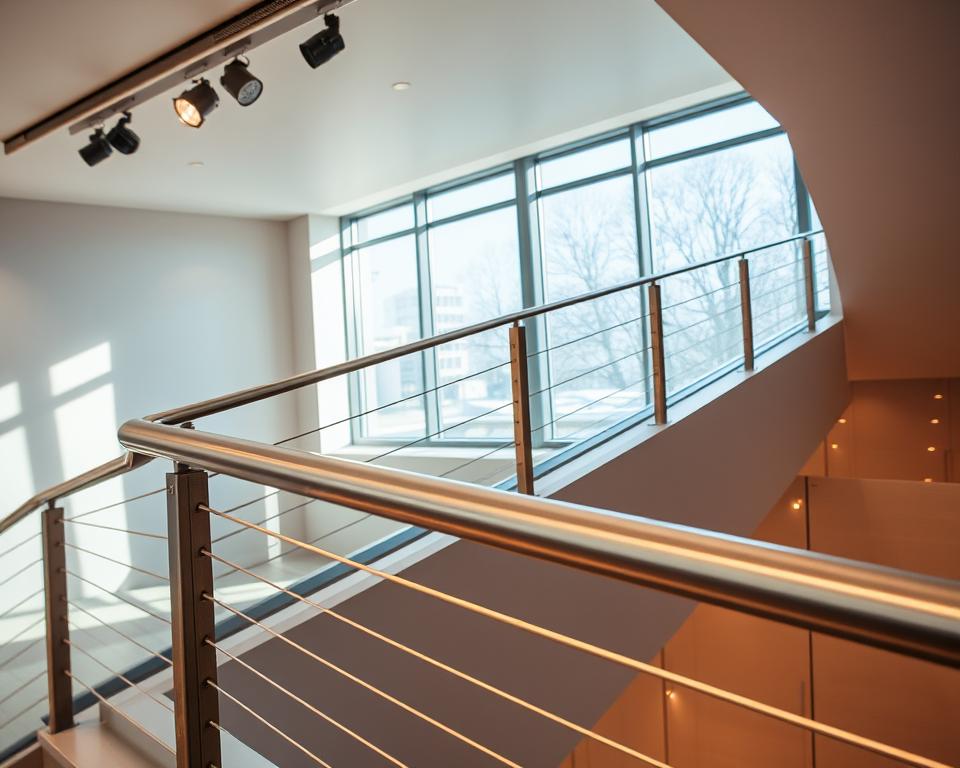
The regulations also specify that no gap in a balustrade should allow a 100mm sphere to pass through, preventing children from getting stuck or falling. Additional safety measures include using toughened or laminated safety glass for glass balustrades and minimizing horizontal elements that could be used as footholds.
- Understand the critical gap limitations specified in UK Building Regulations.
- Learn about specific regulations for balustrades on staircases.
- Discover additional safety measures required for glass balustrades.
By adhering to these regulations, you can ensure that your balustrade is both safe and compliant with UK standards.
Cost Factors for Balustrade Installation
When considering a balustrade for your project, it’s essential to understand the factors that influence the overall cost. The total expense of a balustrade installation depends on various elements, including the type of material used and the complexity of the installation.
Material Cost Comparisons
The choice of material significantly affects the cost of your balustrade. Different materials have varying price points; for instance, glass balustrades are generally more expensive than traditional wooden ones. You should compare the costs of different materials to find the one that best fits your budget.
Installation Expenses
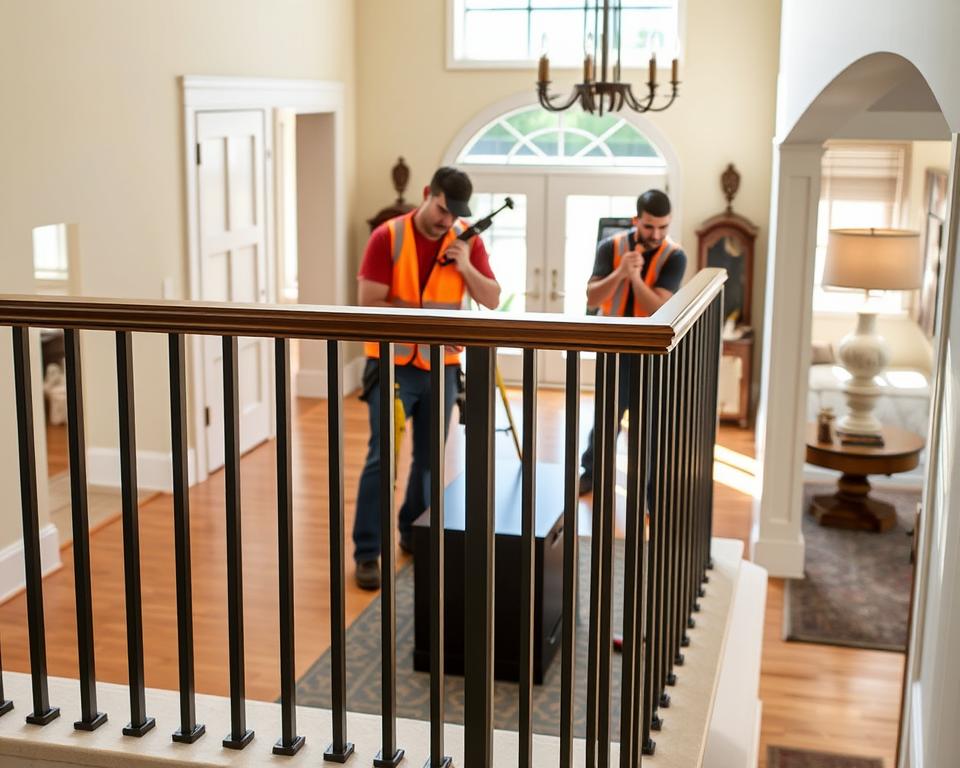
Installation expenses are another crucial factor to consider. Labour costs, site preparation, and the need for specialized equipment can all impact the final cost. For example, installations requiring work at heights or on irregular surfaces tend to be more costly due to the increased complexity and safety measures needed.
As noted by industry experts, “The complexity of the installation can significantly affect the overall cost, with factors such as difficult access or working at height increasing labour time and equipment needs.” Understanding these factors can help you better plan and budget for your balustrade installation project.
- Assess the various components that contribute to installation expenses.
- Consider how the complexity of the installation impacts costs.
- Be aware that commercial installations typically require more robust fixing methods and additional safety measures.
Conclusion
As we’ve explored, the right balustrade can significantly enhance your property’s safety and aesthetic appeal. With a wide range of materials and designs available, you can make an informed choice that complements your architectural context. Balustrades have evolved to combine traditional craftsmanship with modern engineering, offering both functionality and visual appeal. By investing in quality balustrades and balustrade solutions, you can improve property value while ensuring long-term safety and design integrity. Our team is here to help you find the perfect balustrade solution for your project.
What materials are commonly used for balustrades?
You can choose from a variety of materials, including stainless steel, glass, wood, cast stone, and aluminium, each offering unique benefits in terms of durability, maintenance, and aesthetic appeal.
How do I choose the right balustrade design for my property?
When selecting a balustrade design, consider factors such as the architectural style of your property, the intended use of the space, and your personal preferences. You can opt for modern minimalist styles or classic traditional designs, depending on your needs.
Are balustrades a safety requirement?
Yes, balustrades are a crucial safety feature, particularly in areas with a risk of falling, such as staircases and balconies. They provide a barrier that prevents accidents and ensures compliance with building regulations.
Can I install balustrades in both indoor and outdoor spaces?
Absolutely, balustrades can be installed in both indoor and outdoor areas, including residential and commercial properties. The choice of material and design will depend on the specific application and environmental conditions.
How do I ensure my balustrade complies with UK building regulations?
To comply with UK building regulations, your balustrade must meet specific requirements regarding height, structural integrity, and gap limitations. Consult with a professional to ensure your balustrade meets these standards.
What are the benefits of using glass balustrades?
Glass balustrades offer a sleek, modern appearance, unobstructed views, and a high level of safety. They are also relatively low maintenance and can be used in a variety of settings, from residential to commercial.
Can I customise my balustrade to fit my specific needs?
Yes, you can customise your balustrade in terms of material, design, and size to suit your specific requirements. This allows you to achieve a perfect balance between functionality and aesthetic appeal.