Build a Low-Cost Pool Yourself: Step-by-Step Guide
Creating a swimming pool at home can be a dream come true, and it doesn’t have to break the bank. With careful planning and smart choices, you can enjoy a beautiful water feature in your backyard without the hefty price tag of professional installation.
You can save thousands of pounds by taking on the pool project yourself. This comprehensive guide will walk you through every step of the process, from initial design to finishing touches. You’ll learn about different types of pools and how to choose the best one for your home.
By following this guide, you’ll be able to create a customised swimming area that perfectly suits your needs and preferences, all while staying within your budget.
Inhaltsverzeichnis
Key Takeaways
- Save thousands by installing a pool yourself
- Choose from various pool types to suit your home
- Follow a step-by-step guide for a successful project
- Create a customised swimming area within your budget
- Enjoy a beautiful water feature in your backyard
Why Building Your Own Pool Can Save Thousands
Building your own pool can be a cost-effective alternative to hiring professionals. The dream of having a swimming pool in your own backyard often feels like it comes with a giant price tag. However, with a DIY approach, you can significantly reduce the costs associated with professional installation.
Cost Comparison: DIY vs Professional Installation
Professional pool installation can cost anywhere from £20,000 to £50,000. In contrast, a DIY pool project can reduce this cost by 20-30%, potentially saving you thousands of pounds. By controlling costs at every stage, from materials selection to labour, you can avoid significant markups charged by contractors.
| Cost Component | Professional Installation | DIY Installation |
|---|---|---|
| Initial Construction | £15,000 – £30,000 | £10,000 – £20,000 |
| Materials and Labour | £5,000 – £10,000 | £3,000 – £6,000 |
| Total Cost | £20,000 – £50,000 | £13,000 – £26,000 |
The Satisfaction of Creating Your Own Backyard Oasis
Building your own pool not only saves you money but also gives you a sense of accomplishment and personal investment in your home. You have complete control over the design, allowing you to create a swimming area that perfectly complements your existing landscape. The cost savings can be redirected to higher-quality materials or additional water features that might otherwise be unaffordable.
By understanding the true costs of both approaches, you can make an informed decision about whether a DIY pool project is right for your situation. With careful planning and execution, you can enjoy a beautiful pool in your backyard without breaking the bank.
Planning Your DIY Pool Project
Before you start digging, thorough planning is essential for a successful DIY pool project. A good plan helps you avoid costly mistakes and ensures that your pool meets your needs and budget.
Choosing the Right Pool Type for Your Budget
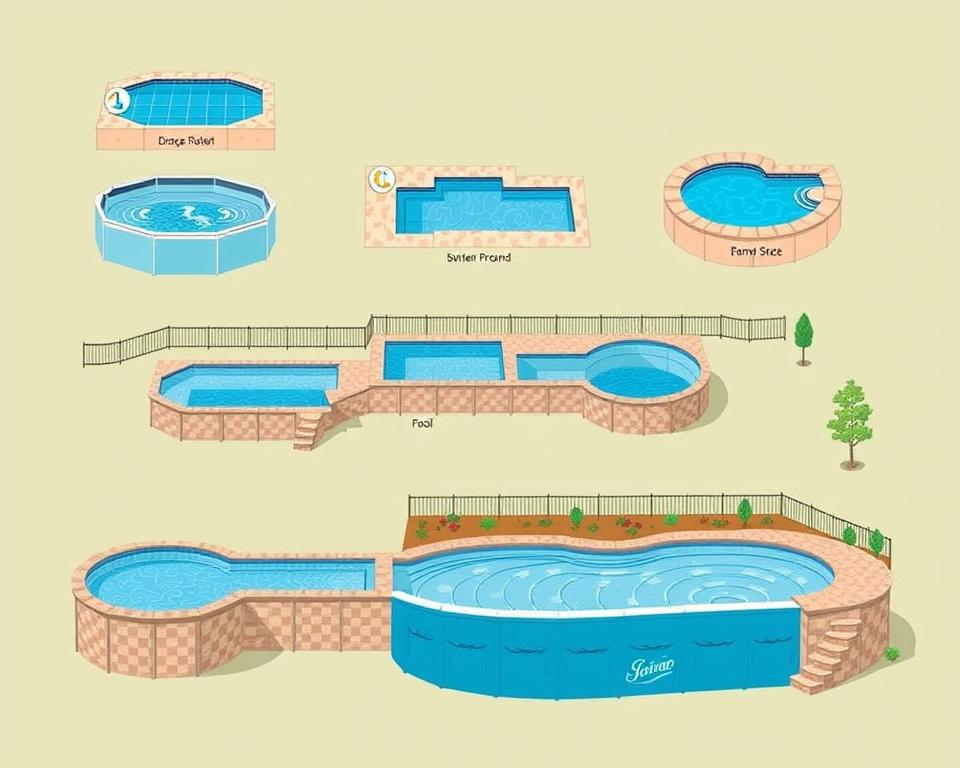
When it comes to selecting a pool type, your budget plays a significant role. Above-ground pools are generally more affordable and easier to install, making them an excellent choice for those on a tight budget. On the other hand, in-ground pools provide a more permanent and integrated look, but are typically more expensive.
Determining the Ideal Location in Your Garden
The location of your pool is crucial for both aesthetic and practical reasons. Consider factors such as sun exposure, proximity to trees, and distance from your home when deciding where to install your pool. You should also take into account any existing landscape features that could impact your pool’s placement.
Obtaining Necessary Permits and Checking Regulations
Before commencing construction, it’s vital to research local building regulations and obtain all necessary permits. Failure to do so could result in fines or having to remove your pool. Check with your local town or city for specific requirements regarding pool fencing, depth, and electrical wiring.
By carefully planning your DIY pool project, you can create a beautiful and functional backyard oasis that meets your needs and budget. Remember to consider factors such as pool type, location, and local regulations to ensure a successful project.
Essential Tools and Materials You’ll Need
The success of your DIY pool project hinges on having the correct equipment and materials from the outset. To ensure a smooth construction process, it’s crucial to be well-prepared.
Must-Have Equipment for Excavation and Construction
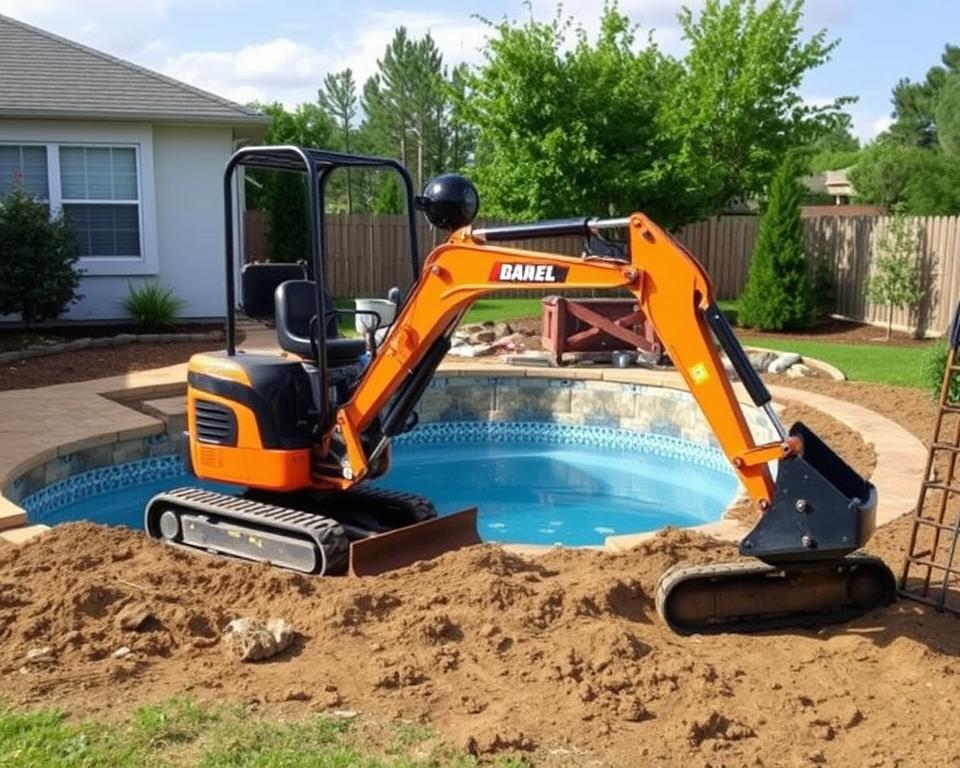
For excavation work, consider renting heavy equipment like a mini-excavator or bobcat to save on your project costs. Basic construction tools needed include shovels, rakes, levels, measuring tapes, and compacting equipment for preparing a solid foundation.
Materials Shopping List with Budget Options
Your materials shopping list should include items for the pool structure itself, plus plumbing components, filtration systems, and finishing materials. Budget-friendly options include vinyl liners instead of concrete, stock tank conversions, and prefabricated pool kits that come with most necessary components.
By prioritising the right tools and equipment, and choosing budget-friendly materials, you can keep your project costs under control while still achieving a fantastic result. This step-by-step guide will help you navigate the process of building your own pool, ensuring that you have a beautiful and functional pools area to enjoy for years to come.
Preparing Your Site: The Foundation of Success
The key to a successful pool installation lies in the preparation of the site, ensuring it’s level, clear, and ready for construction. This step is crucial for both above-ground and in-ground pools, as it directly impacts the longevity and stability of your swimming area.
Clearing and Marking Your Pool Area
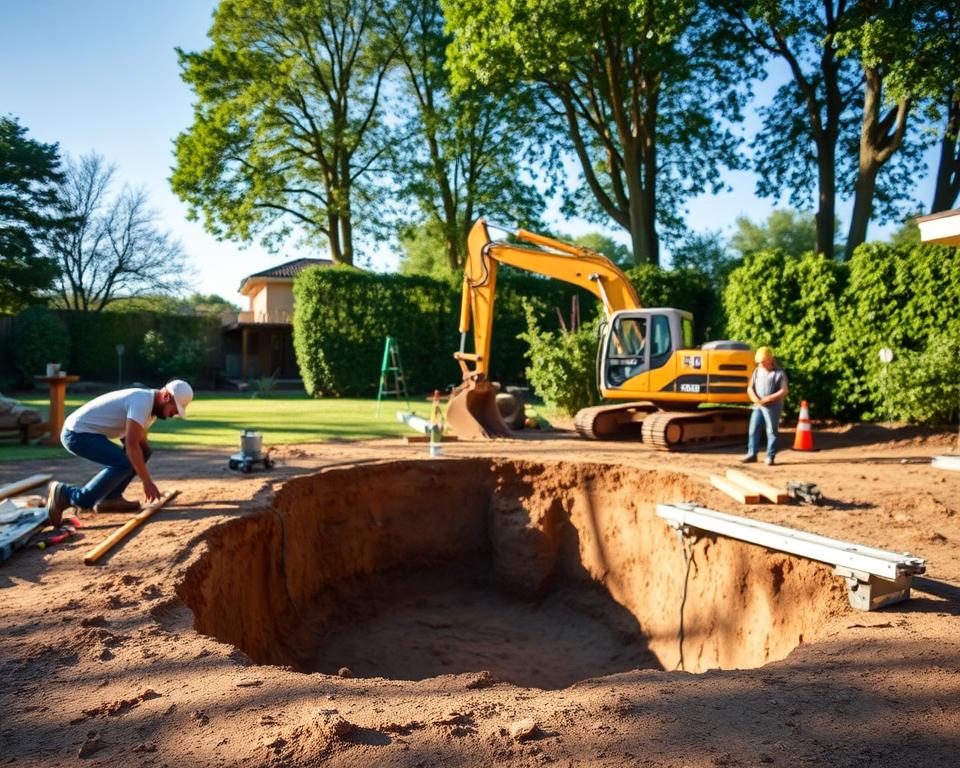
Begin by thoroughly clearing the designated pool area of all vegetation, rocks, and debris that could compromise your pool’s foundation. Accurately mark the pool’s perimeter using stakes and string, ensuring your measurements are precise and the shape matches your design plans. This initial step is vital in creating a solid base for your pool.
Proper Excavation Techniques
For in-ground pools, excavation is a critical step that requires careful planning. Consider the depth requirements for your specific pool type and allow extra space for plumbing, electrical components, and any required drainage systems. You can rent a mini-excavator for a day or enlist the help of friends to dig it out by hand. Proper excavation techniques will ensure that your pool is safely and correctly installed.
Creating a Level Base
Creating a perfectly level base is essential for the structural integrity of your pool. Even minor variations can cause significant problems, including uneven water distribution and structural damage. For above-ground pools, prepare a sand or crushed stone base that extends beyond the pool’s dimensions to provide additional stability. For in-ground pools, ensure the excavated area is level and compact the ground to prevent future settling issues.
| Pool Type | Base Preparation | Key Considerations |
|---|---|---|
| Above-Ground | Sand or crushed stone base | Ensure base extends beyond pool dimensions |
| In-Ground | Compacted ground | Check for level and compact soil |
By following these steps and ensuring your site is properly prepared, you’ll be well on your way to creating a beautiful and functional swimming pool that will provide years of enjoyment for you and your family. Make sure to double-check your work at each stage to avoid costly corrections later on.
Build a Low-Cost Pool Yourself: Step-by-Step Guide
When it comes to building a swimming pool on a budget, you have several options to consider. The key to a successful DIY pool project is choosing the right type of pool for your needs and budget.
Above-Ground Options: Stock Tanks and Kit Pools
Above-ground pools are a popular choice for those looking to save money. Two popular above-ground options are stock tank pools and kit pools.
Stock tank pools use large metal tubs, typically used for farm animals, and offer a rustic, trendy vibe. They’re incredibly durable and can cost between £500-£1,500, depending on the size and filtration setup. On the other hand, above-ground pool kits come with everything you need to get started and can range from £1,500-£5,000.
| Pool Type | Cost | Installation Complexity |
|---|---|---|
| Stock Tank Pool | £500-£1,500 | Low |
| Above-Ground Kit Pool | £1,500-£5,000 | Moderate |
In-Ground Options: Vinyl Liner and Concrete Pools
If you’re looking for a more permanent solution, in-ground pools are worth considering. Vinyl liner pools and concrete pools are two popular options.
Vinyl liner pools are the most affordable in-ground option, with costs starting from around £8,000 for a DIY installation. However, they require more extensive excavation and construction work. Concrete pools, on the other hand, offer the most durability and customization but come with a higher price tag, starting at around £10,000 for materials alone.
| Pool Type | Cost | Durability |
|---|---|---|
| Vinyl Liner Pool | £8,000+ | Moderate |
| Concrete Pool | £10,000+ | High |

When choosing between these options, consider your long-term plans for the property and your budget. Each pool type has its advantages and disadvantages, and the right choice will depend on your specific needs and preferences.
Installing Proper Pool Plumbing Systems
To maintain clean and clear water, a correctly installed plumbing system is essential. A properly installed system ensures efficient water circulation, filtration, and chemical distribution, making it a crucial aspect of your pool’s overall functionality.
Setting Up Filtration and Circulation
The filtration and circulation system is vital for maintaining clean and safe pool water. The basic components include the main drain, skimmer, return jets, filtration system, and pump, all working together to ensure efficient water circulation.
When setting up your filtration and circulation system, consider the type of pool you have. For above-ground pools, flexible PVC pipes are easier to install, while in-ground pools typically require rigid PVC pipes buried below the frost line to prevent winter damage.
Essential Tips for Leak-Free Connections
To ensure leak-free connections, use proper primer (the “purple stuff”) and PVC cement (the “blue stuff”) when installing PVC pipes and fittings. Make sure to push the pipes completely into fittings and give a quarter turn before holding for at least 30 seconds to allow the cement to set.
Testing Your Plumbing System
Pressure testing your plumbing system before covering or completing construction is crucial. Maintaining 35 PSI without loss for at least 15 minutes indicates a leak-free system. This step helps identify any potential issues early on, saving you time and money in the long run.
By following these guidelines and taking the time to properly install your pool plumbing system, you can enjoy a safe and enjoyable swimming experience. Remember to plan your plumbing layout to minimise sharp turns and maximise efficiency, reducing strain on your pump and lowering operating costs.
Electrical Considerations for Your DIY Pool
As you embark on constructing your DIY pool, understanding the electrical considerations is vital for a safe and enjoyable experience. The electrical portion of your pool is a serious aspect that demands careful attention to detail, as mistakes can be dangerous if done incorrectly.
Safety First: Understanding Pool Electrical Requirements
Pool electrical systems must adhere to strict safety codes and regulations to prevent the risk of electric shock. All electrical work should comply with local regulations and may require inspection and certification by a qualified electrician, even for DIY pool projects. Equipotential bonding is essential for pool safety, ensuring that all metal components maintain the same electrical potential to prevent voltage differences that could cause shock hazards.
Furthermore, all outdoor electrical outlets serving the pool area must be protected by ground fault circuit interrupters (GFCIs) and weatherproof covers to ensure safety in wet environments.
Energy-Efficient Pump Options
Investing in a Variable Speed pump is a worthwhile consideration for your pool system. These pumps typically reduce energy consumption by 30-90% compared to single-speed alternatives. Although Variable Speed pumps cost more initially (£500-£1,200 versus £200-£400 for single-speed), they can save hundreds of pounds annually in operating costs and often qualify for energy efficiency rebates.
Additionally, consider solar options for powering your pool system, which can provide significant long-term savings and environmental benefits, particularly for smaller pools with modest power requirements.
Finishing Your Pool: Liners, Concrete, and More
When it comes to finishing your pool, the choices you make can significantly impact both its appearance and its longevity. The interior finish of your pool is a critical aspect that affects not only its visual appeal but also its maintenance requirements and overall durability.
Choosing the Right Interior Finish
For vinyl liner pools, selecting the right thickness, typically between 20-30 mil, is crucial for balancing durability with cost. The pattern and colour choices you make will influence both the aesthetics of your swimming area and its perceived size. Concrete pools, on the other hand, offer multiple finishing options, including plaster, aggregate finishes, or tile, each with different price points, durability characteristics, and maintenance requirements.
The waterline tiles serve both functional and decorative purposes, protecting the liner or concrete from staining at the water line while adding a professional touch to your pool’s appearance. It’s essential to consider the long-term maintenance implications of your finish choices, as some options may cost more initially but require less maintenance and replacement over the pool’s lifetime.
| Finish Type | Durability | Maintenance Requirements | Cost |
|---|---|---|---|
| Vinyl Liner | Moderate | Regular cleaning and inspections | £1,000 – £3,000 |
| Concrete with Plaster | High | Periodic re-plastering required | £3,000 – £6,000 |
| Tile Finish | High | Regular cleaning; grout maintenance | £5,000 – £10,000 |
Professional-Looking Results on a Budget
Achieving professional-looking results for your pool finish doesn’t have to break the bank. Focusing on precision in installation rather than opting for the most expensive materials can make a significant difference. Perfectly level tiles with consistent spacing can look better than premium materials that are poorly installed.
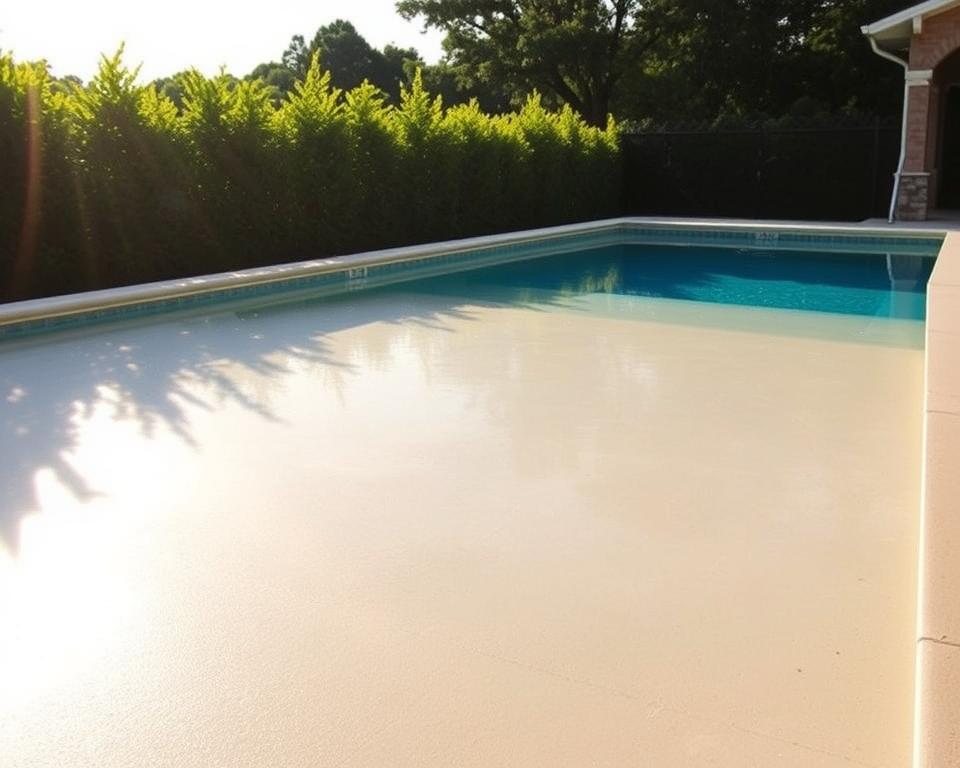
For concrete finishes, allowing adequate curing time, typically between 7-28 days depending on the specific material, before filling your pool with water is crucial for ensuring proper setting and durability. By considering both the initial cost and the long-term maintenance implications, you can make informed decisions that balance your budget with your desire for a beautiful and durable pool.
Creating an Attractive Pool Deck and Surroundings
Creating an inviting pool area involves more than just the pool itself; it’s about crafting a complete outdoor space that enhances your home’s aesthetic appeal and provides a relaxing environment for family and friends.
Affordable Decking Materials
When it comes to decking, you have several budget-friendly options to choose from, including concrete pavers, composite decking, treated timber, and gravel. Each material offers different benefits in terms of cost, installation difficulty, and maintenance requirements.
For a long-lasting deck, it’s crucial to prepare a good foundation. This involves grading the yard with a slight pitch away from the pool and filling it with 4-6 inches of concrete fines, compacting every 6 inches to prevent sagging.
Simple Landscaping to Enhance Your Pool Area
Simple landscaping elements can dramatically enhance your pool area. Consider strategic plantings, container gardens, and defined borders to create a visually appealing space. Think about how you’ll use your pool space and include areas for lounging, dining, and shade to create a versatile outdoor living environment.
Don’t forget to incorporate practical elements like storage for pool equipment and toys, outdoor showers, or changing areas to make your pool space more functional and enjoyable.
Water Features and Accessories on a Budget
You can elevate your swimming experience by incorporating budget-friendly water features and accessories into your pool design. Water features add movement, sound, and visual interest to your swimming pool, transforming it from a simple water container to a dynamic outdoor retreat.
DIY Waterfalls and Fountains
DIY waterfalls can be created using pre-formed units or custom-built using rocks, pumps, and flexible tubing, with costs ranging from £200-£1,000 depending on complexity and materials. Simple fountains and bubblers represent the most affordable water features, typically requiring only a dedicated return line and specialised fitting, often for less than £100.
Lighting and Other Affordable Enhancements
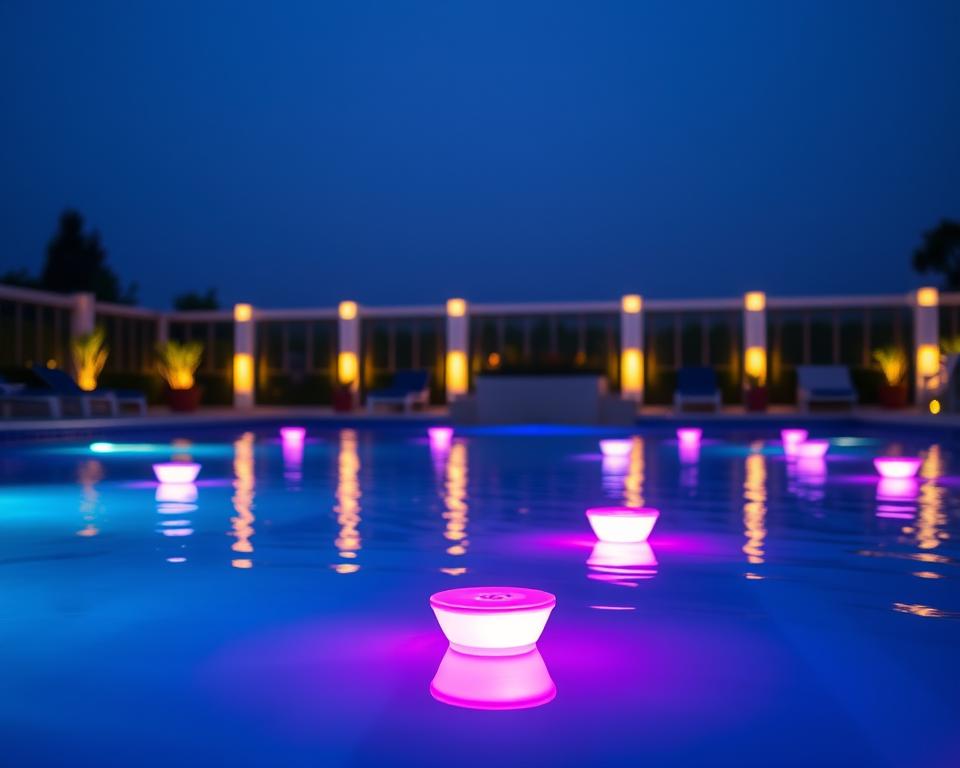
LED lighting dramatically enhances your pool’s appearance after dark and is surprisingly affordable, with DIY-friendly solar or low-voltage systems available from £50-£300. Consider practical accessories that enhance the swimming experience, such as pool steps, ladders, and handrails, which can be added to most pool types for improved accessibility.
Even simple additions like floating LED lights, poolside planters, or decorative tiles at the waterline can serve as finishing touches that elevate your pool’s appearance without significant expense.
Maintaining Your DIY Pool Without Breaking the Bank
To keep your swimming pool in top condition without overspending, regular maintenance is key. Proper upkeep ensures your pool remains clean, safe, and functional, protecting your investment for years to come.
Essential Water Chemistry Basics
Understanding basic water chemistry is crucial for preventing common pool problems. Regular testing and adjustment of chlorine, pH, alkalinity, and calcium hardness are essential. Maintain the right chemical balance to prevent algae growth and staining.
- Test water chemistry weekly during peak swimming season.
- Adjust chlorine levels to maintain a safe swimming environment.
- Monitor pH levels to prevent eye irritation and equipment damage.
Seasonal Maintenance Schedule
Creating a seasonal maintenance schedule helps address specific needs throughout the year. From spring opening procedures to autumn winterisation, a consistent routine ensures your pool remains in good condition.
- Clean or backwash filters according to manufacturer recommendations.
- Check your pump’s efficiency and inspect for debris regularly.
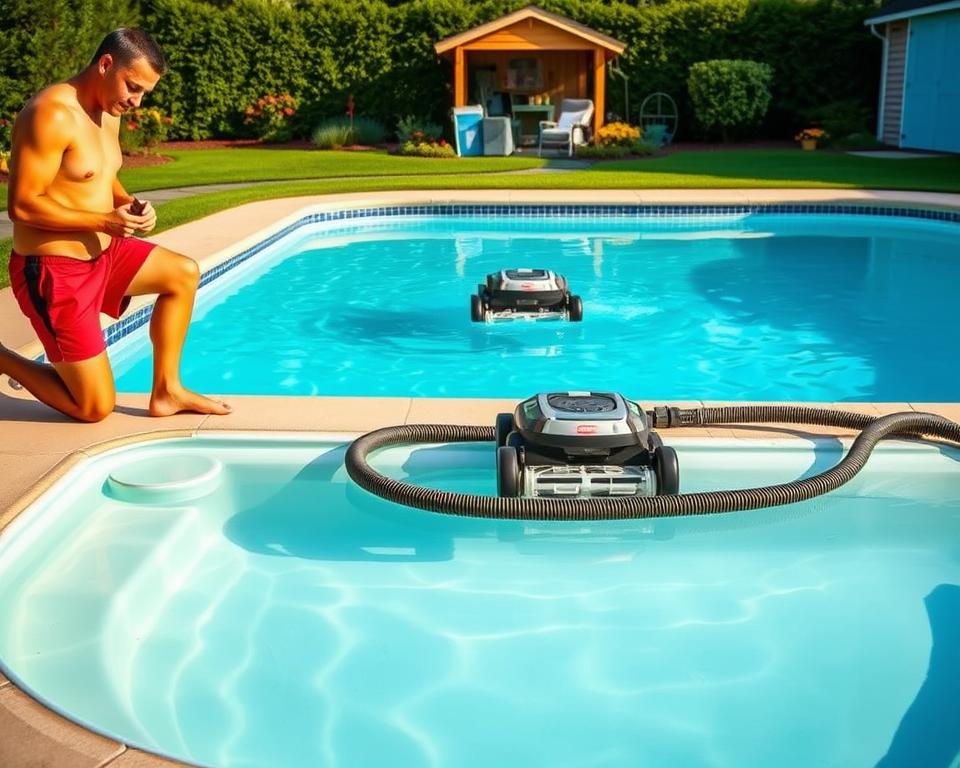
- Consider investing in affordable maintenance tools like automatic pool cleaners.
By following these guidelines, you can enjoy your DIY pool while saving time and money. Regular maintenance not only extends the lifespan of your pool but also enhances your swimming experience.
Conclusion: Enjoying Your Handcrafted Pool Oasis
As you stand back to admire your newly completed pool, the sense of accomplishment is undeniable. You’ve successfully brought your DIY pool project to life, creating a wonderful swimming space for your family and friends.
Your handcrafted pool not only enhances your home‘s value but also provides a private retreat for relaxation and a focal point for your outdoor living space. The time and effort you’ve invested will pay off with years of enjoyment.
Now, you can enjoy the finishing touches that make your pool area truly special, from comfortable furniture to beautiful landscaping enhancements. Take pride in your achievement and relish the joy of your new pool.
FAQ
What is the average cost of installing a swimming pool?
The average cost can vary greatly depending on the type and size of the pool, but you can expect to pay between £15,000 to £30,000 for a professionally installed pool. By doing it yourself, you can significantly reduce this cost.
How long does it take to complete a DIY pool project?
The time required to complete a DIY pool project depends on the complexity of the design, the size of the pool, and your level of experience. On average, it can take several weeks to a few months to complete.
What type of pool is best for a small garden?
For small gardens, above-ground pools or compact in-ground pools are often the most suitable options. These can be more space-efficient and still provide a wonderful swimming experience.
Do I need special permits to install a pool?
Yes, you may need to obtain permits and comply with local regulations. It’s essential to check with your local authority to determine the specific requirements for your area.
How do I maintain the water quality in my pool?
Regularly testing the water, adjusting the chemical balance, and running the filtration system are crucial for maintaining good water quality. You should also clean the pool regularly to prevent debris buildup.
What are the benefits of using a concrete pool?
Concrete pools offer durability and flexibility in design, allowing you to create a custom shape and size that suits your garden. They can also be finished with various materials to achieve the desired appearance.
Can I install a pool on a sloping site?
Yes, but it requires careful planning and excavation to create a level base. You may need to consult with a professional to ensure the site is properly prepared.
What are the most energy-efficient pump options for my pool?
Variable speed pumps are highly energy-efficient as they can be adjusted to run at different speeds, reducing energy consumption. Look for pumps with high Energy Efficiency Ratings.
How can I enhance the lighting around my pool?
You can use solar-powered lights, LED lights, or fibre-optic lighting to create a beautiful ambiance around your pool. These options are not only energy-efficient but also add to the aesthetic appeal.
What are the key considerations for pool safety?
Ensuring pool safety involves installing appropriate fencing, using safety covers, and implementing alarm systems. It’s also crucial to follow electrical safety guidelines and maintain the pool area to prevent accidents.