Bathroom Ideas for Garden Sheds: Planning and Design Tips
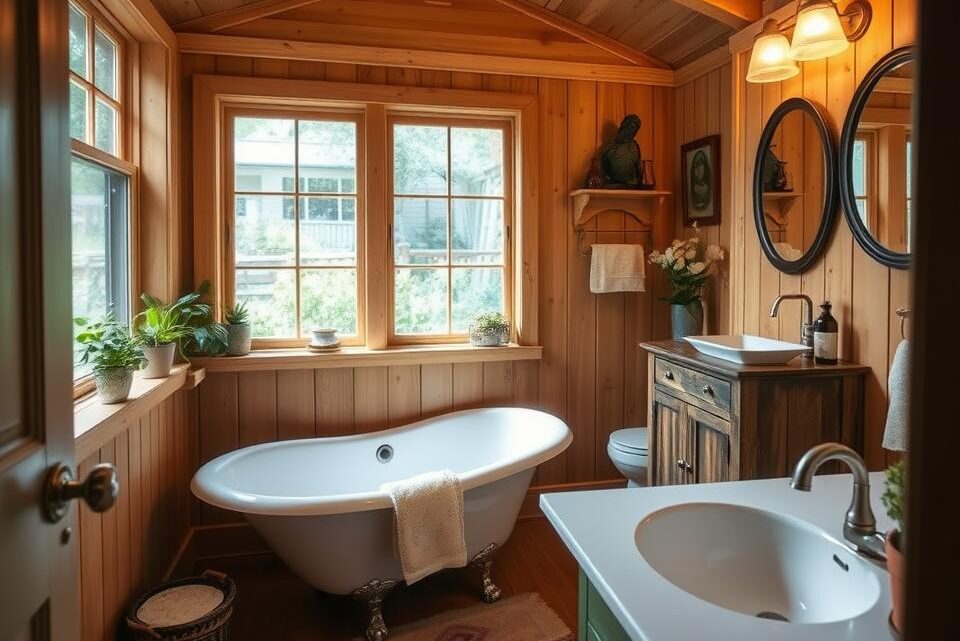
Outdoor structures are evolving beyond simple storage solutions. Many homeowners now seek to create versatile living areas in their gardens. Adding washing facilities transforms these spaces into truly functional rooms.
This trend represents a significant shift in how people utilise their outdoor areas. A well-planned addition can dramatically enhance a building’s usability. It provides practical solutions for modern living requirements.
Homeowners typically face two main installation approaches. Off-grid systems offer cost-effective solutions with quicker implementation. Mains-connected options require more extensive groundwork but provide seamless integration.
Professional suppliers often manage the entire process on a turnkey basis. This includes groundworks, connections, and final installation. Such comprehensive services ensure a stress-free experience for property owners.
Careful planning is essential for any successful outdoor room project. Considerations range from initial design concepts to regulatory compliance. This guide provides expert advice throughout the transformation journey.
Inhaltsverzeichnis
Key Takeaways
- Outdoor structures are increasingly being converted into functional living spaces
- Adding washing facilities significantly enhances a building’s usability
- Two primary installation options exist: off-grid and mains-connected systems
- Professional turnkey services simplify the entire implementation process
- Proper planning covers design, utilities, and regulatory requirements
- This transformation adds value and functionality to any property
- The project should balance budget, timeline, and complexity considerations
Understanding the Concept of a Garden Shed Bathroom
Modern property enhancements now extend to creating fully equipped outdoor rooms with complete amenities. This transformation turns basic structures into versatile living spaces suitable for extended use. The concept has gained significant popularity for its practical benefits.
Adding washing facilities creates a self-contained environment that operates independently from the main residence. This development represents a smart investment in property functionality.
Benefits for Home Office and Guest Use
A dedicated garden office with its own facilities offers remarkable convenience for remote workers. Professionals can maintain focus without interruptions from household activities. This setup eliminates the need to return to the main house during the workday.
The time savings are substantial, potentially accumulating to over 90 hours annually. For guest accommodation, these self-contained units provide privacy and comfort for visiting family members. They function as ideal spaces for overnight visitors.
Design Flexibility and Multi-functionality
These adaptable spaces serve multiple purposes throughout the week. A garden room can function as a productive workspace during daytime hours. Evenings and weekends allow for transformation into entertainment or leisure areas.
The design accommodates changing needs over time, from home office to guest suite. This multi-functionality ensures long-term value and utility for the entire family. Proper planning enables seamless transitions between different uses.
Investing in these enhancements increases property value while delivering immediate lifestyle benefits. The flexibility supports various activities without compromising on comfort or convenience.
Planning and Legal Considerations
Understanding legal requirements forms the foundation of any successful garden building project. Proper planning ensures compliance from the outset. This prevents costly modifications later.
UK Building Regulations and Permitted Development
Many outdoor structures benefit from permitted development rights. These allow certain works without full planning permission. However, adding washing facilities can change a building’s classification.
Structures intended for permanent habitation must meet stricter building control regulations. Early consultation with local councils is essential. This helps determine the correct path for your project.
| Scenario | Permitted Development | Planning Permission Required |
|---|---|---|
| Structure under 2.5m height | Usually allowed | If over height limit |
| Less than 50% garden space | Typically permitted | If exceeding 50% |
| Standard garden office | Often covered | With bathroom addition |
| Conservation areas | Rarely permitted | Almost always required |
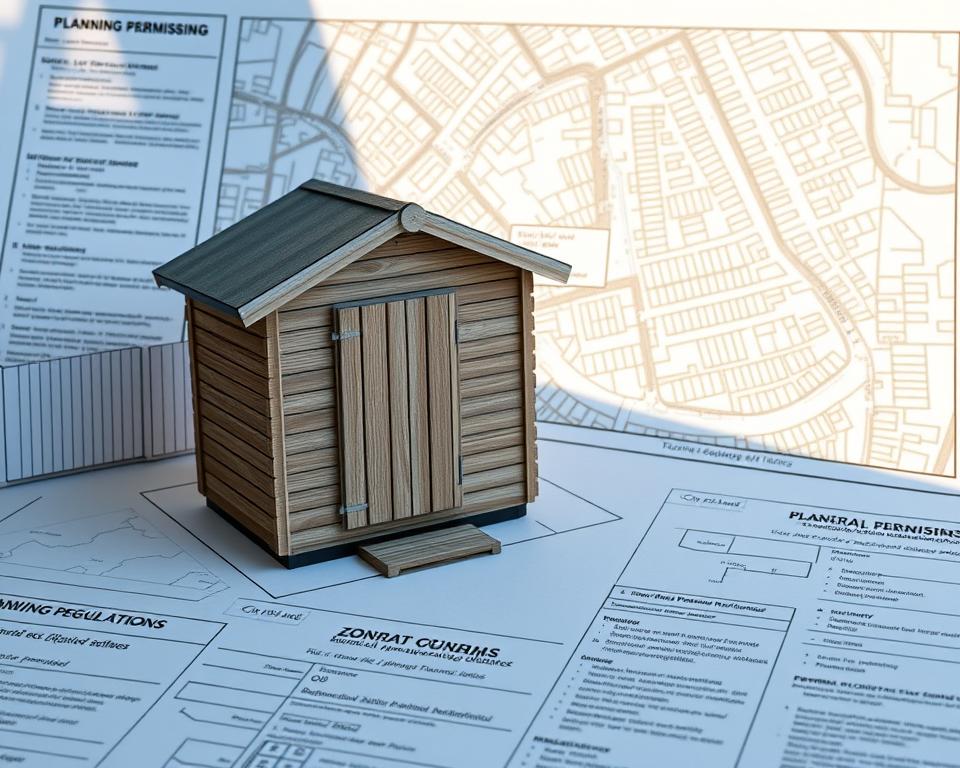
Planning Permission Guidelines
Specific scenarios trigger the need for formal planning permission. These include when the addition exceeds 50% of total outdoor space. Height restrictions also apply, with 2.5 metres being a key threshold.
Location plays a crucial role in the planning process. Buildings in conservation areas or near listed structures face additional scrutiny. Professional advice should be sought for such projects.
The application process involves submitting detailed architectural drawings and site plans. Neighbour consultation may be required. Regular inspections ensure compliance throughout the construction phase.
Bathroom Ideas Garden Shed: Key Design Options
Strategic layout planning forms the cornerstone of successful installations in compact spaces. Thoughtful consideration of flow and function ensures every square metre serves a purpose.

Customising Layouts for Style and Function
Homeowners can choose from various configuration possibilities. Minimal cloakroom setups offer basic facilities with maximum efficiency.
Full shower installations provide comprehensive washing capabilities. Each option balances aesthetic preferences with practical requirements.
Bespoke designs allow for personalisation according to specific needs. The result is a unique space tailored to individual lifestyles.
Incorporating Shower, Toilet, and Storage Solutions
Space-efficient layouts accommodate essential fixtures without compromise. Wall-hung units create visual spaciousness in smaller areas.
Recessed shelving and multi-functional fixtures maximise storage capacity. These solutions keep the area organised and clutter-free.
“Good design is about creating harmony between form and function in constrained spaces.”
| Layout Type | Space Required | Best For | Key Features |
|---|---|---|---|
| Cloakroom Setup | 2-3 sq metres | Basic needs | Toilet and basin only |
| Shower Room | 4-6 sq metres | Full functionality | Walk-in shower included |
| Corner Installation | 3-4 sq metres | Space optimisation | Angled fixtures |
Contemporary styling choices enhance the overall appeal. These design approaches create inviting spaces that encourage regular use.
Utility Planning: Water, Waste and Electricity Requirements
Proper utility planning is the cornerstone of creating a functional and compliant outdoor space. Integrating essential services requires foresight and technical understanding. This phase ensures the garden room operates seamlessly and safely.
Coordinating the installation of power, water supply, and waste disposal during initial groundworks is the most efficient approach. This strategy minimises disruption and cost.

Effective Water Supply and Drainage Options
A reliable water supply is fundamental. Pipes must be buried deep enough to avoid freezing in winter. Insulation is crucial for any sections above ground.
For waste drainage, a clever solution exists if the structure sits below the main sewer level. A domestic pumping station can be installed. This unit macerates waste, allowing it to be pumped upwards and over distances.
This system uses small-bore pipes, offering greater flexibility in placement. It ensures the toilet and other fixtures work effectively.
Ensuring Safe Electrical Installations
Electrical safety is non-negotiable, especially with water present. All work must be performed by a certified electrician. This guarantees adherence to strict building regulations.
Underground cables need to be steel-wired and armoured for protection. Conduit pipes are often used to shield the wiring and allow for future upgrades.
Proper planning accounts for the total power demand. High-draw appliances like water heaters need dedicated circuits. Correct cable gauge prevents voltage drop over long distances.
Safety devices like RCD switches are essential. They provide critical protection against electrical faults in damp environments.
Off-Grid vs Mains-Connected Systems
Utility connectivity options for detached spaces involve careful consideration of both immediate and long-term requirements. The choice between independent and mains-connected systems significantly impacts project timelines and overall expenditure.

Evaluating Cost-effectiveness and Installation Time
Off-grid systems typically offer lower initial costs and faster implementation. These independent solutions can often be operational within days rather than weeks.
Mains-connected installations require extensive planning and coordination. They involve connecting to existing household utilities, which increases both time and construction complexity.
| System Type | Average Cost | Installation Time | Best For |
|---|---|---|---|
| Off-Grid | £2,000-£5,000 | 2-5 days | Temporary or remote use |
| Mains-Connected | £5,000-£15,000 | 2-4 weeks | Permanent installations |
Comparing Groundwork Requirements for Each System
Independent systems require minimal ground disturbance. They’re ideal for situations where preserving the existing landscape is a priority.
Mains-connected options involve significant excavation work. Trenching for pipes and cables must be considered, adding to the overall construction timeline.
Homeowners should keep in mind that site-specific factors influence the final solution. Professional assessment ensures the chosen system meets both practical needs and regulatory requirements.
Integration of Amenities in Garden Rooms
Self-contained functionality represents the next evolution in garden room development and utilisation. These spaces transition from basic structures to comprehensive living environments through strategic amenity integration.
Incorporating Toilets and Full Shower Areas
Thoughtful placement of washing facilities ensures optimal use of available space. Compact toilet units and space-saving shower enclosures maintain room functionality.
Proper zoning creates distinct areas within the same room. This separation preserves privacy while maximising the utility of each section.
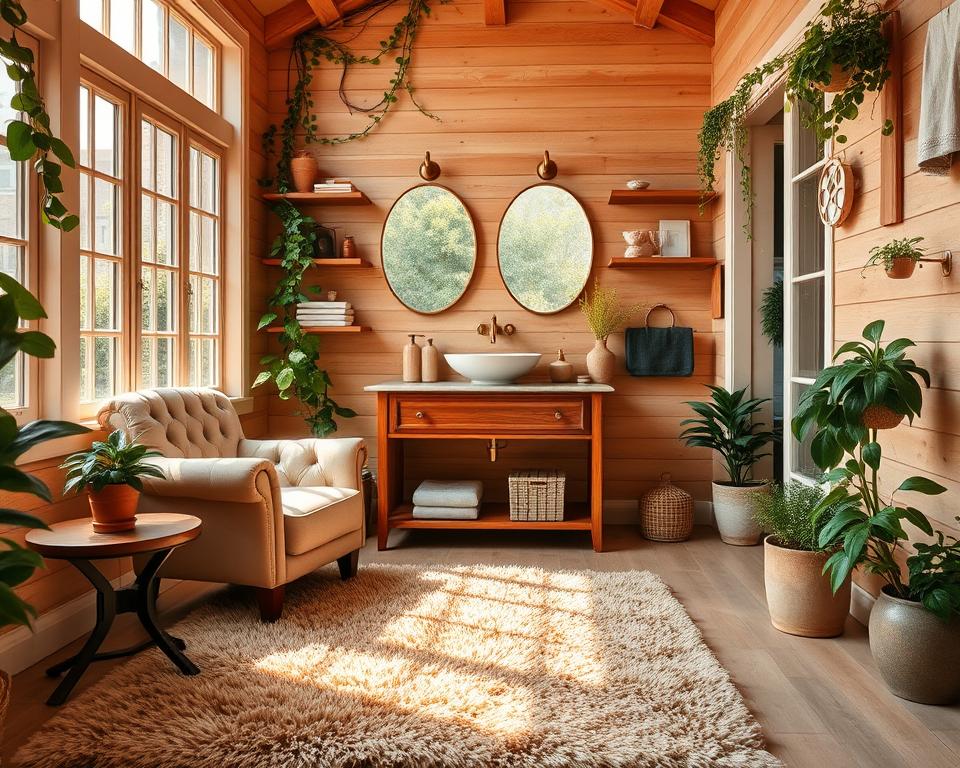
Enhancing Functionality with Kitchen or Office Elements
Combining work areas with convenience facilities creates truly independent spaces. A garden office with adjacent washing amenities supports uninterrupted productivity.
Multi-purpose configurations allow these rooms to serve various functions throughout the day. The same space can function as a productive work area during business hours.
Evenings and weekends see it transform into entertainment or guest accommodation. This versatility represents significant value for homeowners.
| Configuration | Primary Use | Key Features | Space Required |
|---|---|---|---|
| Office with Toilet | Professional workspace | Basic facilities, work zone | 8-10 sq metres |
| Multi-purpose Room | Office/Guest combination | Shower, compact kitchenette | 12-15 sq metres |
| Leisure Space | Entertainment/Relaxation | Full amenities, open layout | 15-20 sq metres |
These integrated solutions provide exceptional convenience for daily use. They eliminate the need for frequent returns to the main residence.
Ventilation and Insulation for Bathroom Functionality
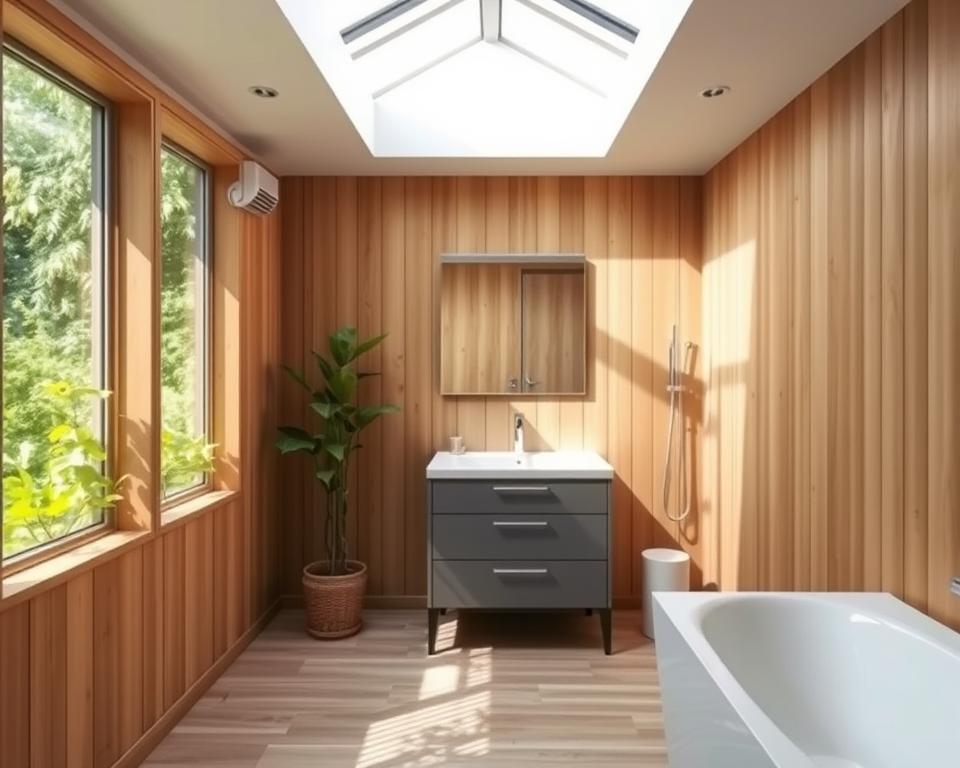
Managing the internal climate is a fundamental consideration for any timber garden room with washing facilities. Effective systems prevent moisture damage and ensure year-round comfort.
A well-designed approach combines airflow management with thermal control. This creates a healthy and pleasant environment.
Ensuring Proper Ventilation for Damp Environments
Ventilation is critical in humid spaces. It protects the timber structure from rot and mould.
An opening window provides natural airflow. This should be paired with a mechanical extractor fan.
Advanced models with run-on timers or humidity sensors offer optimal performance. They automatically remove steam after use.
Insulation Techniques for Temperature Control
Proper insulation maintains comfortable temperatures in all seasons. It also prevents condensation on cold surfaces.
Using moisture-resistant materials is essential in this setting. They provide thermal efficiency without degrading in damp conditions.
| Feature | Ventilation Solution | Insulation Benefit |
|---|---|---|
| Moisture Control | Extractor fan with timer | Prevents condensation |
| Air Quality | Opening window for cross-flow | Reduces heating costs |
| Structural Protection | Humidity sensor activation | Maintains thermal envelope |
Combining these features ensures the room remains functional and durable. It is a key investment for long-term enjoyment.
Materials and Finishes for a Contemporary Look
Choosing the right finishes transforms a basic structure into a sophisticated retreat. The selection process balances aesthetic appeal with practical performance requirements. Durable materials withstand outdoor conditions while maintaining their appearance.

Selecting Durable and Stylish Materials
Interior surfaces require special consideration in humid environments. Water-resistant wall panels and sealed timber cladding offer practical solutions. These materials combine moisture resistance with visual appeal.
Modern alternatives like luxury vinyl provide excellent performance. They withstand temperature fluctuations while supporting contemporary design themes. The right selection ensures long-term satisfaction.
Exterior components need robust protection from weather exposure. Quality cladding systems create attractive facades. They enhance the building’s integration with the surrounding landscape.
Roof materials should complement the overall design. Adequate pitch ensures proper drainage. Ventilation provisions maintain comfortable interior conditions.
Windows serve dual purposes in these spaces. They provide natural light while ensuring privacy. Strategic placement and obscured glazing are effective solutions.
Doors require moisture-resistant materials and proper sealing. Modern composite alternatives offer superior durability. These choices protect the structure from humidity.
“The quality of materials determines the longevity of any outdoor living space.”
Neutral colour palettes create spa-like atmospheres. Natural textures connect with outdoor settings. These finishes contribute to a harmonious living environment.
Investing in quality components ensures long-term performance. It reduces maintenance requirements over time. This approach preserves the space’s functionality and appearance.
Involving Professionals: Installation and Compliance
Engaging qualified specialists ensures compliance and safety throughout the installation process. Their expertise guarantees that all work meets current regulations. This approach provides peace of mind for homeowners.

Engaging Certified Electricians and Plumbers
Certified electricians handle complex technical calculations for cable specifications. They ensure proper circuit protection for all appliances. Their self-certifying status eliminates the need for separate inspections.
Accredited plumbers understand UK building regulations thoroughly. They select approved materials for pipes and fixtures. Safety features like thermostatic valves prevent scalding from hot supply.
Working with Turnkey Suppliers for Seamless Installations
Turnkey suppliers coordinate all aspects of the project. They manage groundworks, connections, and final fitting. This single-point contact simplifies the entire process.
These professionals deliver completed premium garden offices ready for immediate use. Their comprehensive service includes scheduling all tradespeople. The result is a seamless addition to any home.
Investing in professional services ensures optimal functionality. It guarantees regulatory compliance while delivering superior long-term performance. This approach transforms any outdoor space into a functional place for work.
Conclusion
Investing in a well-equipped outdoor room represents a significant step towards enhancing everyday living. These spaces provide a dedicated area for work or leisure, separate from the main house. The addition of facilities like a toilet or shower brings genuine independence and convenience.
Successful projects require careful planning, from initial design to professional installation. Attention to legal requirements, utility connections, and quality materials is essential. This ensures the new living space is both functional and compliant.
Ultimately, this type of home improvement offers a strong return on investment. It creates a versatile area that adapts to changing family needs. The result is a valuable addition that improves property appeal and daily life.
By working with experienced specialists, homeowners can realise their vision. They gain a comfortable, self-contained environment for years to come.
FAQ
What are the primary advantages of adding a bathroom to a garden structure?
This addition offers significant convenience, especially for those using the space as a home office or guest accommodation. It provides privacy and eliminates the need to return to the main house, enhancing the overall functionality of the area.
Are there specific legal requirements for installing a bathroom in a garden building?
Yes, it is crucial to consider UK Building Regulations, particularly for plumbing and electrical work. While the structure itself may fall under Permitted Development, adding facilities like a toilet or shower often requires compliance checks. Checking local Planning Permission guidelines is always recommended.
How can the interior layout be optimised for both style and practicality?
Careful planning allows for a custom layout that maximises the available area. Incorporating space-saving fixtures, clever storage solutions, and a well-considered placement for a shower unit can create a highly functional and aesthetically pleasing environment.
What utilities are needed for a fully functional garden room bathroom?
A complete installation requires a connection to a water supply, drainage for waste, and a safe electrical supply. The specific requirements depend on the chosen fixtures, such as a toilet, basin, or shower.
What is the difference between off-grid and mains-connected systems?
Mains-connected systems link directly to the house’s water and waste services, often involving significant groundwork. Off-grid options, like composting toilets and water tanks, offer more flexibility in remote locations and can reduce installation time.
Can other amenities be integrated into the same garden room?
A> Absolutely. Many designs successfully incorporate a shower area alongside other functions, such as a small kitchenette or a dedicated work zone. This multi-purpose approach maximises the utility of the extra living space.
Why are ventilation and insulation so important in these structures?
Proper ventilation is essential to manage moisture and prevent dampness, ensuring a healthy environment. Effective insulation helps maintain a comfortable temperature throughout the year, making the space usable in all seasons.
What materials are best suited for a garden room bathroom?
Selecting materials designed for durability and style is key. Moisture-resistant options like ceramic tiles, vinyl flooring, and waterproof wall panels are excellent for creating a contemporary look that withstands the conditions.
Is it necessary to hire professionals for the installation?
A> Engaging certified electricians and plumbers is strongly advised to ensure all work meets safety standards and regulations. Working with a turnkey supplier can streamline the process, managing everything from design to a fully compliant installation.