Garden Office Interior Guide
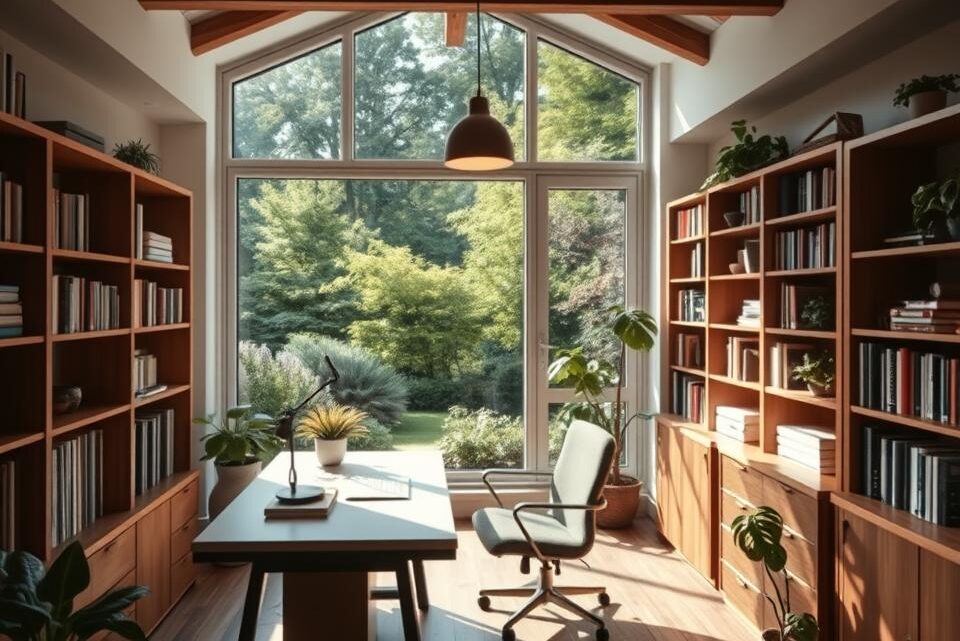
Creating a dedicated workspace in your garden has become an increasingly popular choice for modern professionals. This separate environment offers a peaceful retreat from household distractions while maintaining proximity to the main home. The design of this specialised area significantly influences productivity and overall wellbeing.
Thoughtful planning transforms a basic structure into an inspiring and functional workspace. The right interior design balances practical needs with personal aesthetic preferences. It creates an atmosphere that supports both focused work and creative thinking.
This comprehensive resource explores essential considerations for optimising your outdoor working environment. Readers will discover professional insights on space planning, furniture selection, and lighting solutions. The principles apply whether working with a compact pod or a spacious multi-room layout.
Inhaltsverzeichnis
Key Takeaways
- Garden offices provide a dedicated workspace separate from household distractions
- Thoughtful interior design significantly impacts productivity and wellbeing
- Balancing functionality with aesthetic appeal creates an optimal working environment
- Natural light maximisation and appropriate colour schemes enhance the space
- Space planning considerations vary based on the size and configuration available
- Sustainable materials and personal touches make the workspace truly individual
- Professional insights help create environments that support both work and creativity
Introduction to Garden Office Interiors
Modern professionals increasingly seek separate working environments that offer both productivity and connection to nature. These specialised structures represent a sophisticated approach to remote working arrangements.
Understanding the Concept and Benefits
A garden room serves as a versatile extension of the main home. It provides a dedicated area for focused work away from household distractions.
The primary advantage lies in creating a multifunctional space that maximises outdoor living areas. These buildings come fully equipped with essential infrastructure for efficient operation.
Blending Indoor and Outdoor Environments
Large windows and bi-fold doors create a seamless transition between interior and exterior spaces. This design philosophy enhances the working experience through natural light and garden views.
Materials like cedar and Scandinavian redwood help these structures harmonise with their surroundings. The result is a peaceful sanctuary that supports wellbeing while maintaining professional functionality.
Garden Office Interior Guide for a Productive Workspace
A well-planned layout distinguishes work zones from relaxation areas, enhancing focus during the working day. This approach creates a multifunctional environment that serves professional needs while allowing for necessary breaks.
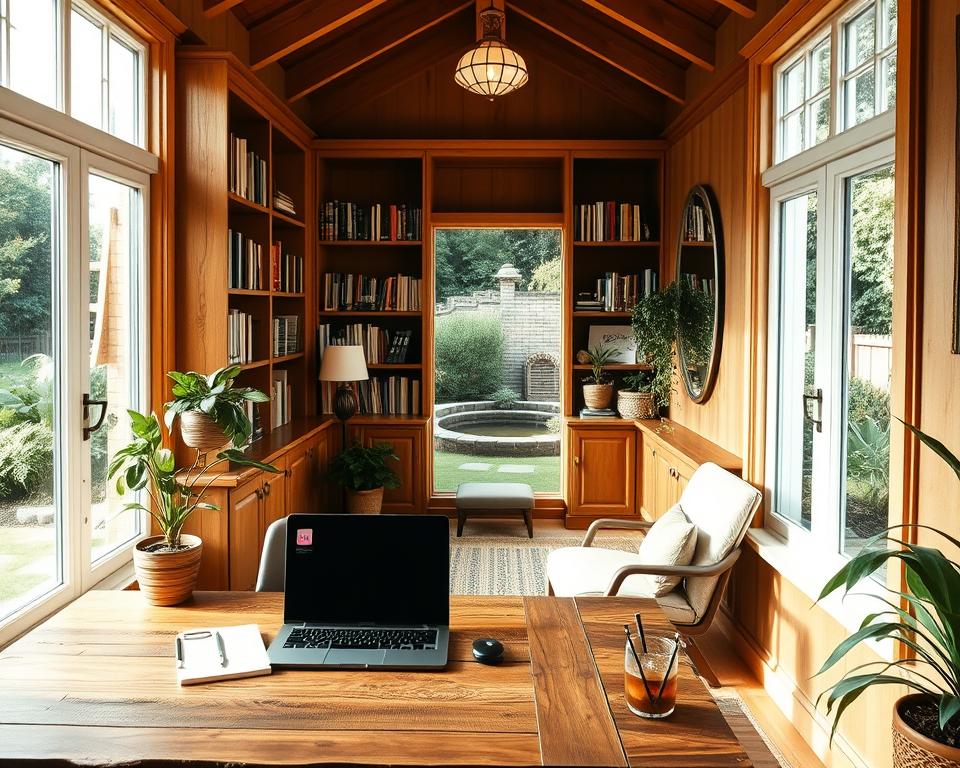
Creating Defined Zones for Work and Leisure
Strategic zoning transforms any structure into an efficient workspace. Larger configurations benefit from clear separation between task-oriented and leisure spaces.
Room dividers offer flexible solutions for creating distinct areas. They can be moved or removed to adapt the space for different uses throughout the day.
| Zoning Method | Best Use | Flexibility | Visual Impact |
|---|---|---|---|
| Room Dividers | Large spaces | High | Moderate |
| Floor Rugs | Defining work area | Medium | Strong |
| Colour Coding | Smaller zones | Low | High |
| Furniture Layout | Any configuration | Medium | Moderate |
Colour differentiation helps establish clear boundaries between functional areas. A dedicated corner with distinct wall colour signals the primary working zone.
Maximising Natural Light and Ambience
Abundant natural light creates an uplifting atmosphere for productive sessions. Large windows and glass doors connect the interior with outdoor surroundings.
Skylights enhance illumination from above, reducing eye strain. This design consideration supports wellbeing throughout long working periods.
Careful planning ensures each zone receives appropriate lighting levels. The result is a harmonious environment that balances functionality with comfort.
Inspiring Design Ideas for a Contemporary Garden Office
Biophilic principles offer a foundation for transforming outdoor work areas into productive sanctuaries. This approach creates environments that naturally inspire creativity and focus.

Embracing Biophilic Design
Biophilic design connects indoor and outdoor spaces beautifully. It uses natural elements to enhance wellbeing. Living walls and abundant plants improve air quality. They also create a greener, more inspiring environment.
Natural materials like wood and stone reinforce this connection. Water features add soothing sounds. These elements work together to create a harmonious space.
Selecting the Perfect Colour Palette
Colour choices significantly impact mood and productivity. Light, airy colours create an ideal atmosphere for focused work. They make the room feel spacious and calm.
Green tones are particularly effective. They enhance the natural feel of the space. Pastel shades and neutral colours work well together.
| Colour Type | Effect on Mood | Best For |
|---|---|---|
| Light Greens | Calming and refreshing | Walls and accents |
| Neutral Whites | Clean and spacious | Main surfaces |
| Warm Pastels | Inviting and creative | Feature walls |
Personalising with Unique Finishing Touches
Personal elements make the space truly unique. Artwork and photographs add character. They reflect individual style and personality.
These finishing touches create an environment that inspires. They ensure the space feels comfortable and motivating. Personal keepsakes make long hours more enjoyable.
Customising Your Garden Office with Functional Storage Solutions
Custom storage transforms a basic work area into an efficient, clutter-free environment. Smart storage solutions ensure everything has its place while maintaining aesthetic appeal.
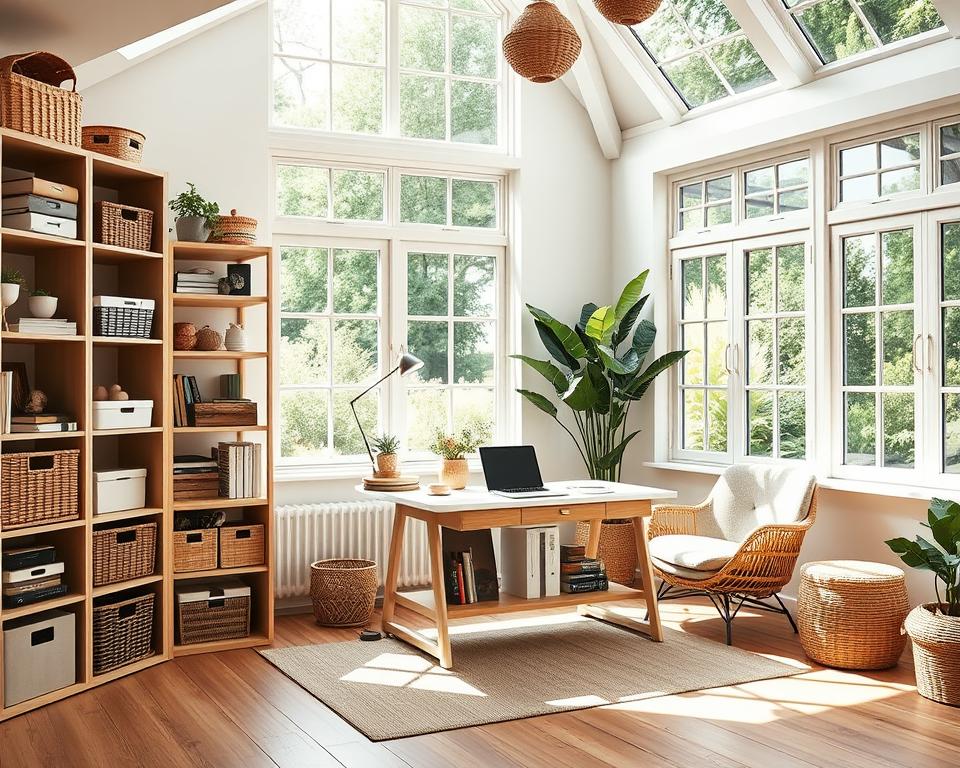
Innovative Storage Concepts
Wall-mounted shelving makes excellent use of vertical space in compact areas. These systems keep essentials organised without consuming valuable floor space. Open shelving works well for displaying inspirational items.
Multipurpose furniture offers clever storage solutions. Chairs with hidden compartments or ottomans with storage inside maximise utility. These pieces maintain a clean appearance while providing practical benefits.
Flexible Layout and Room Division Ideas
The desk serves as the central focus of any workspace. Mobile desks can be repositioned as needed. Standing desks and corner units offer versatility for different working styles.
Room dividers create distinct zones within larger spaces. They allow for flexible use of the available area. This approach supports both focused work and collaborative sessions.
Effective storage planning considers daily workflow and accessibility needs. The right layout enhances productivity while keeping the space organised and inviting.
Sustainable and Stylish Materials for Garden Office Interiors
Eco-friendly material choices transform garden offices into showcases of sustainable design principles and modern environmental awareness. These structures present unique opportunities to incorporate responsible building practices that benefit both the workspace and surrounding environment.

Eco-friendly Design Approaches
Sustainable designs prioritise materials with low environmental impact throughout the construction process. This approach considers everything from structural elements to interior finishes.
Natural lighting reduces electricity use while improving air quality. LED systems offer an effective way to enhance energy efficiency without compromising illumination quality.
Reused items add character while demonstrating circular economy principles. These choices create spaces that inspire through their alignment with environmental values.
Choosing Durable and Sustainable Finishes
Material selection extends to cladding options like cedar and Scandinavian redwood. These choices ensure garden rooms blend harmoniously with their natural surroundings.
Furniture crafted from bamboo or recycled wood provides stylish, durable alternatives. The roof and building components should balance longevity with ecological credentials.
Natural paints and reclaimed flooring complete the sustainable aesthetic. These finishes create beautiful, functional spaces that minimise environmental footprint.
Integrating Modern Appliances and Lighting for Enhanced Comfort
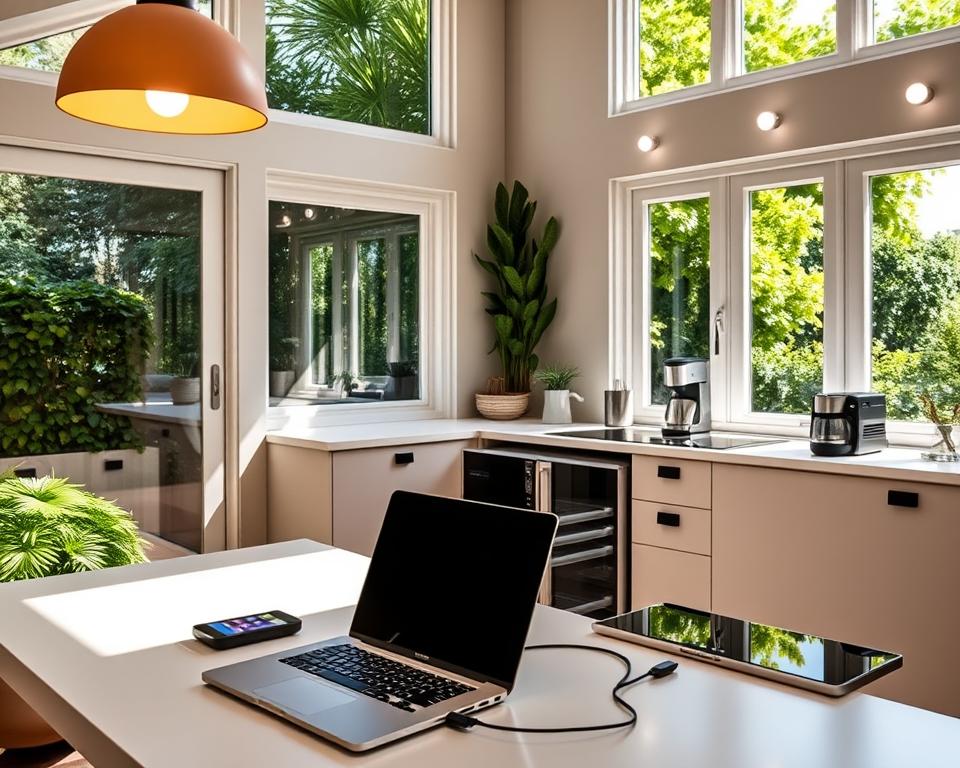
Thoughtful integration of modern appliances and intelligent lighting transforms a basic structure into a year-round sanctuary for productivity. These elements address fundamental comfort needs across all seasons, ensuring the space remains functional and inviting.
Smart Technology for a Connected Workspace
Contemporary technology seamlessly connects the outdoor workspace to the main home. A compact electric heater represents an excellent heating option for winter months. Its simple plug-in operation offers immediate warmth.
For warmer periods, cooling appliances like quiet fans maintain comfortable air quality. A dedicated kettle allows for refreshments without disrupting workflow. Voice-controlled assistants provide hands-free convenience for managing tasks.
Effective lighting combines different layers to support various activities. Ambient light creates a general glow, while a focused desk lamp illuminates specific work areas. Energy-efficient LED options offer adjustable colour temperatures.
Soft furnishings like curtains control natural light to prevent screen glare. They also add warmth during colder months. A well-chosen rug defines the work zone and adds comfort underfoot, complementing an ergonomic chair.
Selecting appliances that match the room’s aesthetic ensures a cohesive look. This careful selection process creates an environment that truly supports professional needs.
Conclusion
A thoughtfully designed garden room offers a remarkable solution for those working from home. It creates a dedicated workspace that supports focus and creativity. This space becomes a personal retreat tailored to individual needs.
The journey involves careful planning of the layout and selection of key elements. Choosing the right desk and a supportive chair is crucial for comfort during the day. Natural lighting from large windows enhances the experience.
Ultimately, this building is more than just a place to work. It is a personal sanctuary that reflects one’s style. By prioritising functionality and connection to nature, people can create an environment that truly enhances their daily life.
FAQ
What are the primary benefits of a garden room for working from home?
A garden room offers a dedicated workspace that separates professional life from home life, which can significantly boost productivity. It provides a quiet, private area away from household distractions. These buildings also allow for a greater connection to nature, improving well-being and creating a more pleasant work environment.
How can I maximise natural light in my garden office design?
To maximise natural light, consider installing large windows, glazed doors, or even a skylight in the roof. Positioning the desk to face or be perpendicular to the main source of light helps reduce screen glare. Using light-coloured walls and reflective surfaces can also enhance the brightness and airy feel of the space.
What are some effective storage solutions for a compact workspace?
For a compact area, built-in shelving, wall-mounted units, and multi-functional furniture like a desk with integrated drawers are excellent choices. Utilising vertical space keeps the floor clear. Flexible storage solutions, such as modular cabinets or rolling carts, allow the layout to adapt to changing needs.
Which materials are best for a sustainable and durable interior?
Sustainable materials include bamboo for flooring, reclaimed wood for furniture, and low-VOC paints for walls. These choices are not only eco-friendly but also durable, ensuring the room stands up to daily use. Choosing high-quality, long-lasting materials reduces waste and maintenance over time.
How can I create distinct zones for different tasks within one room?
Defining zones can be achieved through furniture arrangement, such as using a bookcase as a room divider. Different lighting schemes or area rugs can also signal a change in function, creating a clear separation between a work area and a small relaxation space without the need for permanent walls.
What role does technology play in a modern garden office?
Smart technology is key for a connected and efficient workspace. This includes robust Wi-Fi extenders, smart lighting systems that adjust throughout the day, and integrated climate control for year-round comfort. These elements create a seamless and productive working environment.