How to Insulate a Log Cabin: Tips and Techniques
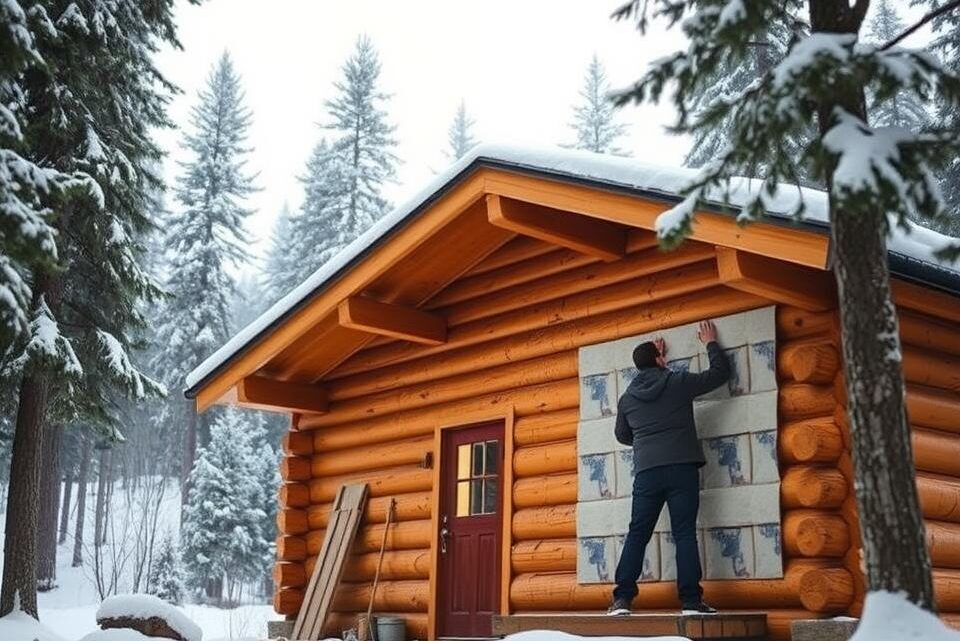
A well-insulated log cabin offers far more than just rustic charm. It becomes a versatile, year-round space for work, hobbies, and relaxation. Proper cabin insulation is the key to unlocking this potential, ensuring the structure remains warm during chilly winters and pleasantly cool in the summer.
Unlike traditional designs that rely solely on thick timber, modern approaches to insulating a log cabin create a comprehensive thermal envelope. This system manages temperature and moisture effectively. It transforms a basic garden building into a comfortable, energy-efficient room.
This guide explores the essential principles for achieving effective insulation. It covers the importance of thermal protection, material selection, and installation methods. The advice applies to both new constructions and retrofitting an existing cabin.
By implementing these techniques, property owners can achieve professional results. They gain a functional space that provides comfort, security, and long-term value. This process can also lead to significant savings compared to buying a pre-insulated structure.
Inhaltsverzeichnis
Key Takeaways
- Effective insulation transforms a seasonal log cabin into a comfortable, year-round usable space.
- A modern thermal envelope is crucial for regulating temperature and preventing moisture issues.
- The right insulation materials and techniques are essential for both new builds and existing structures.
- Proper installation enhances energy efficiency, leading to lower heating and cooling costs.
- A well-insulated cabin adds significant comfort, security, and value to a property.
- Following a professional guide can help achieve high-quality results and potentially save thousands of pounds.
Understanding the Importance of Insulation in Log Cabins
Beyond temperature control, effective insulation introduces critical benefits like enhanced security and acoustic privacy. It fundamentally upgrades the cabin from a simple shelter into a high-performance space.
Benefits of Enhanced Thermal Comfort and Security
The primary goal is achieving consistent thermal comfort. A well-insulated structure maintains stable temperatures, making it pleasant in both summer and winter. This stability is key for a home office or a relaxing retreat.
Thicker, insulated walls also provide a substantial security boost. They create a more robust barrier against potential vandalism. Better-sealed doors and windows further deter forced entry, adding peace of mind.
Energy Efficiency and Noise Pollution Reduction
Superior insulation directly cuts heating costs. The cabin retains heat efficiently, requiring less energy to stay warm. This leads to lower bills and supports sustainability goals.
Furthermore, these materials excel at dampening external noise. This is invaluable for log cabins used as studios or quiet spaces. Effective cabin insulation ensures the environment remains undisturbed, promoting focus and productivity for year round use.
How to Insulate a Log Cabin: A Step-by-Step Approach
Proper thermal enhancement is not a single task but a comprehensive project requiring a logical order. Rushing or skipping stages can create weak points, drastically reducing efficiency.
A methodical process ensures every part of the building contributes to a continuous thermal barrier. This systematic way prevents heat loss and protects the structure long-term.
Planning Your Insulation Process
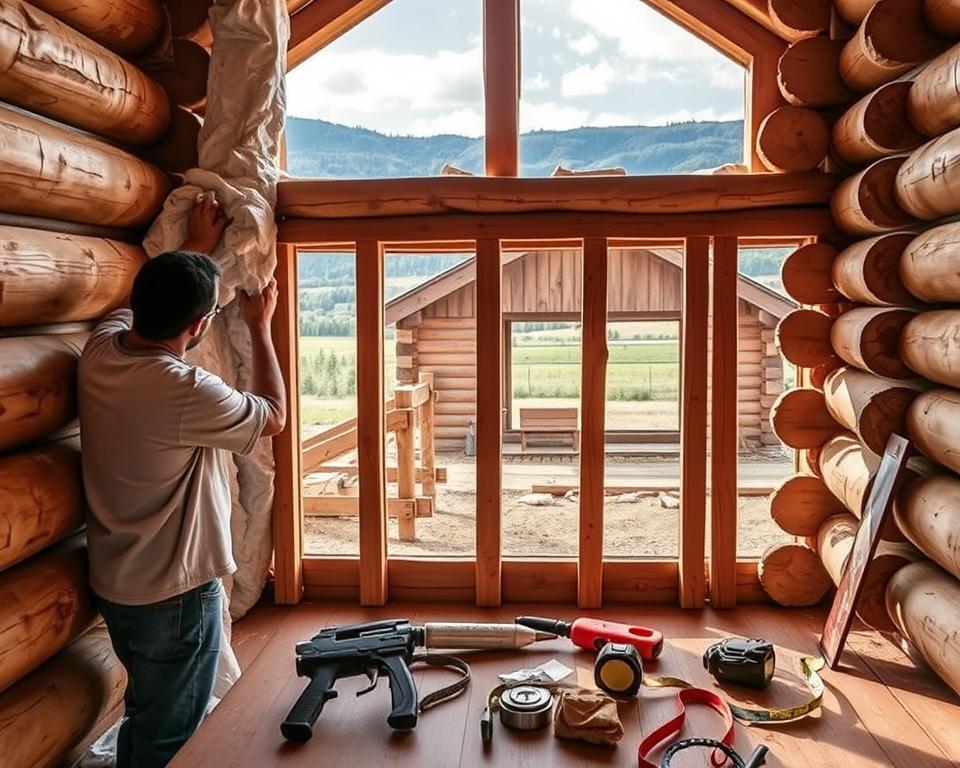
Thorough planning is the cornerstone of success. Homeowners should first assess their log cabin’s current state. Identifying draughty windows or cold spots guides the entire process.
Selecting the right materials is crucial. Choices depend on thermal performance, moisture resistance, and budget. This decision impacts the project’s effectiveness and timeframe.
A well-planned insulation project not only saves energy but also adds significant value and comfort to the property.
The most effective sequence follows a bottom-to-top approach. Starting with the floor, then moving to walls, and finishing with the roof creates a seamless envelope. This way traps heat efficiently.
Homeowners must also decide between DIY and professional installation. This choice affects cost, time, and the final quality of the insulation.
| Factor | DIY Approach | Professional Installation |
|---|---|---|
| Cost | Lower initial outlay | Higher labour costs |
| Time Investment | Significant personal time required | Faster completion |
| Skill Level | Requires good DIY skills | Expert knowledge applied |
| Result Guarantee | Dependent on own workmanship | Often includes warranties |
Finally, setting a realistic schedule is vital. Some stages, like allowing plaster to dry, cannot be rushed. Patience during this process ensures a durable and high-performing result for your log cabin.
Insulating the Structure: Walls, Floors and Roof
A systematic approach to each structural element is essential for creating a complete thermal envelope. Each area demands specific techniques to maximise energy efficiency.
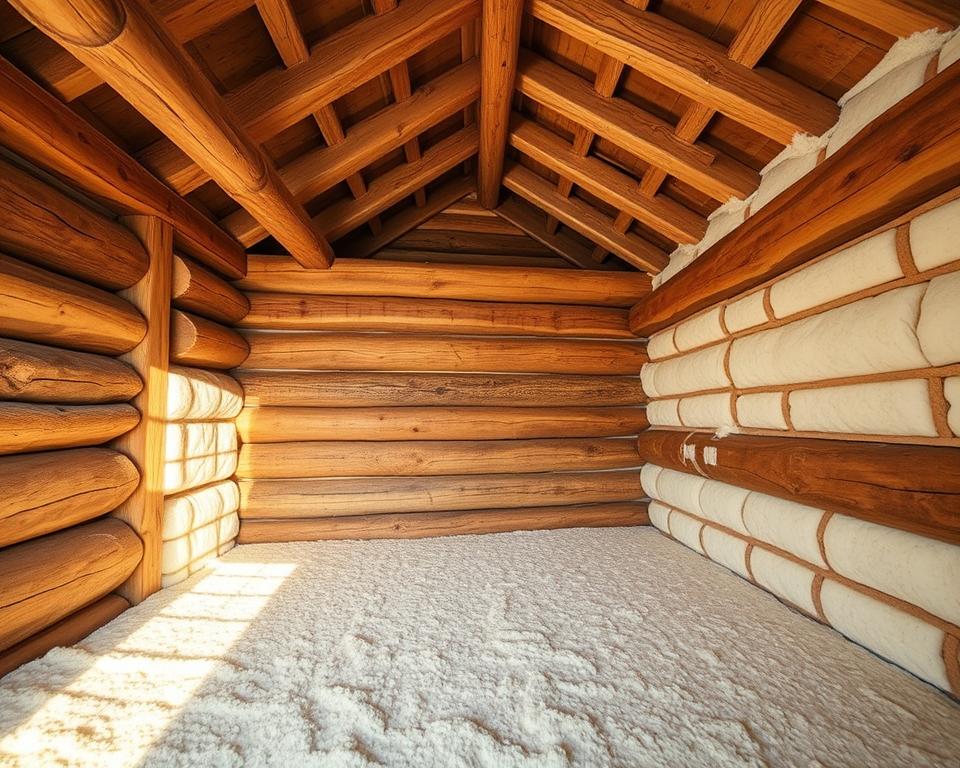
Focusing on the floor, roof, and walls in turn ensures no weak points are left. This method builds a continuous barrier against the cold.
Effective Floor and Roof Insulation Methods
The floor is a primary source of heat loss. Proper insulation here can cut heating costs by up to 20%. For a new build, start with a damp-proof membrane on the base.
Insert foil-backed boards beneath the floorboards and between joists. This creates a robust thermal barrier. For existing floors, fill any gaps with sealant first.
Then, install a breathable membrane and battens. This stops damp rising while letting vapour escape. Avoid laying carpet directly onto an uninsulated floor, as trapped moisture causes mould.
Heat rises, making the roof critical. An uninsulated roof can account for 70% of total heat loss. The most effective method is external roof insulation.
This approach prevents heat escape without reducing interior space. It maintains the aesthetic of exposed rafters while ensuring excellent thermal performance.
Techniques for Wall and Window Sealing
Wall thickness is crucial. Timber logs of 44mm or more provide good natural insulation. Interlocking logs create tight seals, resisting wind and damp.
For added performance, seal any gaps and apply a breathable membrane. Secure rigid insulation boards to the interior walls, finishing with plywood.
Windows are another key area. They can lose 15% of a building’s heat. For walls 44mm thick or more, double-glazing is highly effective.
Carefully seal all gaps around windows and frames. This prevents draughts and thermal bridging, ensuring the cabin remains comfortable.
| Area | Primary Benefit | Key Consideration |
|---|---|---|
| Floor | Reduces heating bills by up to 20% | Prevent moisture penetration from the ground |
| Roof | Prevents up to 70% of heat loss | External insulation saves interior space |
| Walls | Provides structural insulation and security | Use 44mm+ logs for effective natural barrier |
| Windows | Minimises 15% heat loss | Double-glazing and tight sealing are essential |
Selecting the Right Insulation Materials
The selection of appropriate insulation materials is a pivotal step in the thermal upgrade of a timber structure. This decision balances thermal performance, budget, durability, and environmental impact for long-term comfort.
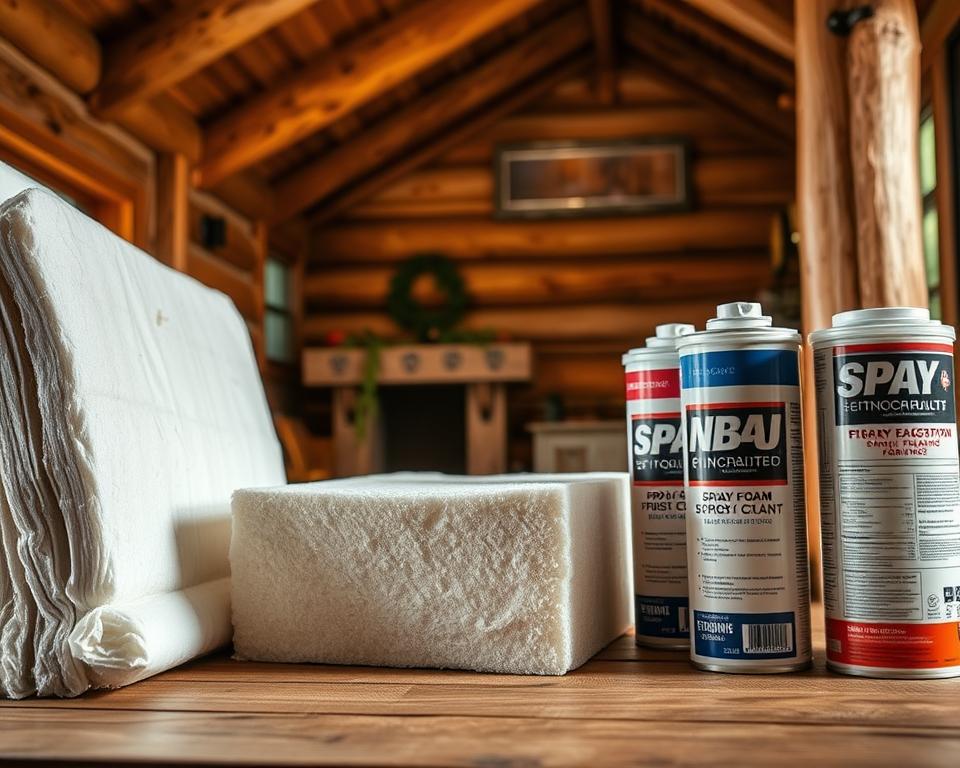
Foil-Backed Insulation Boards and PIR Panels
Foil-backed insulation boards offer excellent thermal efficiency. The reflective surface bounces radiant heat back into the cabin while providing crucial moisture resistance.
PIR (polyisocyanurate) panels are a premium choice. They deliver superior thermal performance at a reasonable cost of £5-£15 per m². These boards are also flame-resistant, enhancing safety.
For a natural alternative, cork boards provide impressive sustainability. They are fully recyclable but come at a higher price point of £17-£22 per m².
Comparing Material Costs and Durability
Durability is essential for long-term performance. Rigid PIR and polyurethane boards maintain their properties for decades without degrading.
Budget-friendly multifoil insulation costs just £3-£4 per m². It is suitable for occasional-use buildings but offers weaker performance than rigid panels.
The right product depends on the specific application. Floor insulation requires high moisture resistance, while roof materials prioritise thermal efficiency.
| Material Type | Cost per m² | Key Benefit |
|---|---|---|
| PIR Boards | £5 – £15 | High thermal performance & fire resistance |
| Cork Boards | £17 – £22 | Natural, sustainable, and recyclable |
| Multifoil Insulation | £3 – £4 | Most budget-friendly option |
Addressing Moisture, Damp and Ventilation Concerns
Effective moisture control stands as a fundamental consideration when upgrading any timber structure. Without proper management, condensation and damp can undermine even the best insulation investments.

Preventing Condensation and Damp Issues
A vapour barrier forms the first line of defence against moisture problems. This protective layer prevents humid air from penetrating insulation materials. When warm, moist air meets cold surfaces, it creates condensation.
For flooring systems, a breathable membrane is essential. It stops ground damp rising while allowing vapour to escape naturally. Without this barrier, trapped moisture leads to mould growth between layers.
Wall surfaces require similar protection. Apply a breathable membrane before installing insulation to reduce condensation buildup. This approach is vital for log cabin structures where timber integrity depends on proper moisture management.
Comprehensive gap sealing throughout the cabin prevents both heat loss and damp ingress. Even small gaps allow wind-driven rain to penetrate. Seal all openings regardless of size to maintain a dry environment.
Proper ventilation balances air quality with thermal efficiency. Overly sealed spaces trap moisture, while excessive ventilation wastes energy. Strategic airflow prevents damp accumulation without compromising warmth.
Maximising Energy Efficiency and Cost Savings
Investing in effective thermal protection yields substantial returns through reduced energy consumption. The primary financial benefit is seen in significantly lower heating bills. A structure that retains warmth efficiently requires far less energy to remain comfortable.
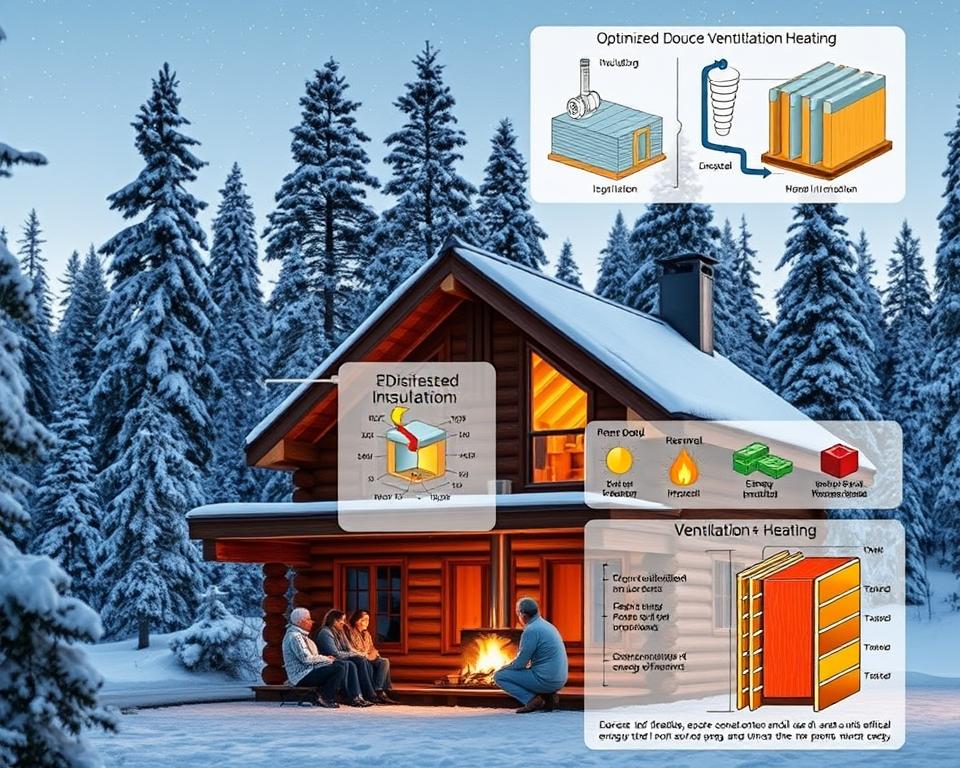
This makes the space viable for enjoyment throughout all seasons. Property owners can use their retreat year after year, regardless of the weather.
Reducing Annual Heating Bills
Targeted improvements deliver measurable financial benefits. For instance, floor insulation alone can reduce heating costs by up to 20%. When walls and the roof are also properly treated, the savings become even more pronounced.
This comprehensive approach minimises heat loss through every potential pathway. As a result, energy bills are consistently lower because the internal temperature remains stable.
Sustainable and Carbon Reduction Benefits
The advantages extend beyond personal finance. Lower energy demand means fewer carbon emissions are produced. This directly contributes to a smaller domestic carbon footprint.
Well-insulated buildings support a more sustainable lifestyle. They align with modern environmental values by conserving resources. The home becomes a more eco-friendly asset.
In essence, effective cabin insulation is a wise long-term investment. It delivers comfort, financial savings, and environmental responsibility. A well-protected log cabin is an asset that pays back for decades.
Advanced Techniques for Insulation Upgrades
Fine-tuning a cabin’s insulation involves implementing additional strategies that seal remaining weak points in the thermal barrier. These measures build upon foundational work to create a comprehensive thermal envelope.
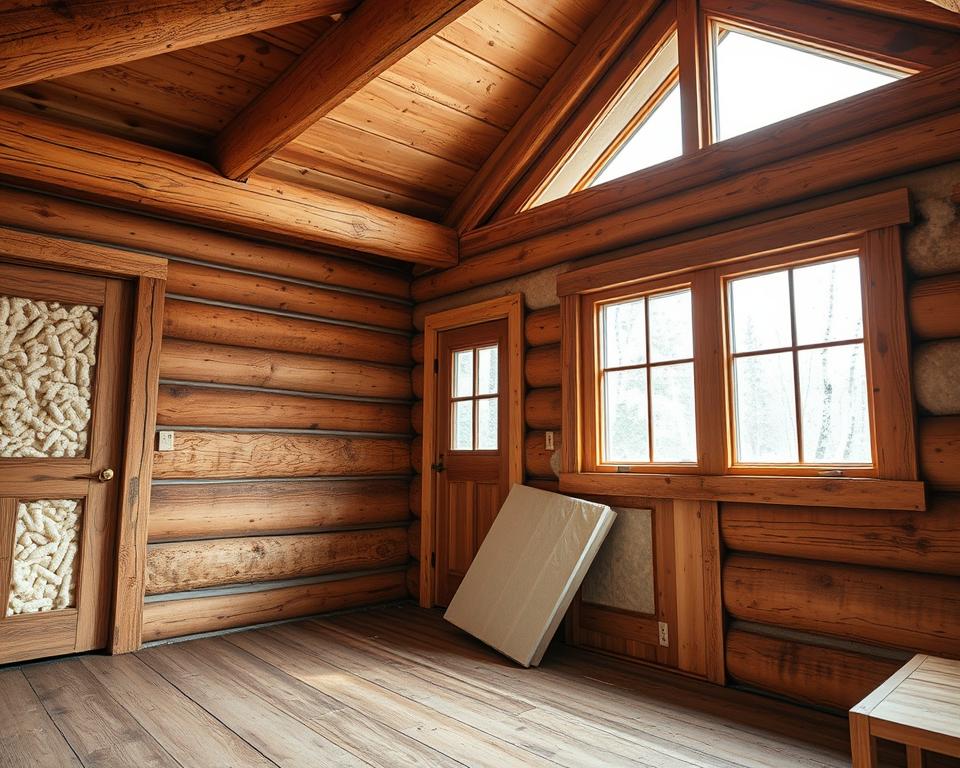
Integrating Additional Measures like Draft Proofing
Draught proofing represents a highly cost-effective upgrade for any timber structure. It seals gaps around openings, preventing cold air infiltration with minimal investment.
Window treatments extend beyond basic double-glazing. Homeowners can add secondary glazing options or thermal curtains. Even simple DIY solutions like additional Perspex layers deliver measurable improvements.
Door upgrades focus on both the panel and sealing systems. Thicker timber construction combined with proper weather strips prevents air leakage. This approach enhances the overall insulation performance significantly.
| Technique | Primary Benefit | Difficulty Level | Cost Estimate |
|---|---|---|---|
| Draught Proofing | Eliminates air leaks around openings | Beginner | £20-£50 |
| Secondary Glazing | Adds extra thermal barrier to windows | Intermediate | £30-£100 per window |
| Roof Shingles | Enhances weather resistance & insulation | Advanced | £15-£25 per m² |
| Thermal Underlay | Adds floor insulation layer | Beginner | £5-£15 per m² |
Electrical integration requires careful planning during insulation installation. Cable routing should avoid creating thermal bridges. Proper placement maintains wall insulation continuity throughout the log cabin.
These advanced methods ensure every component works together synergistically. They address thermal weak points that might otherwise compromise energy efficiency. The result is a truly comfortable cabin for year-round use.
Professional Versus DIY Insulation Installation
Choosing between a DIY project and professional services is a critical decision for any log cabin insulation upgrade. This choice significantly impacts the project’s cost, duration, and final quality.
Homeowners must evaluate their skills, available time, and the job’s complexity. A balanced assessment ensures the right approach for their specific building.
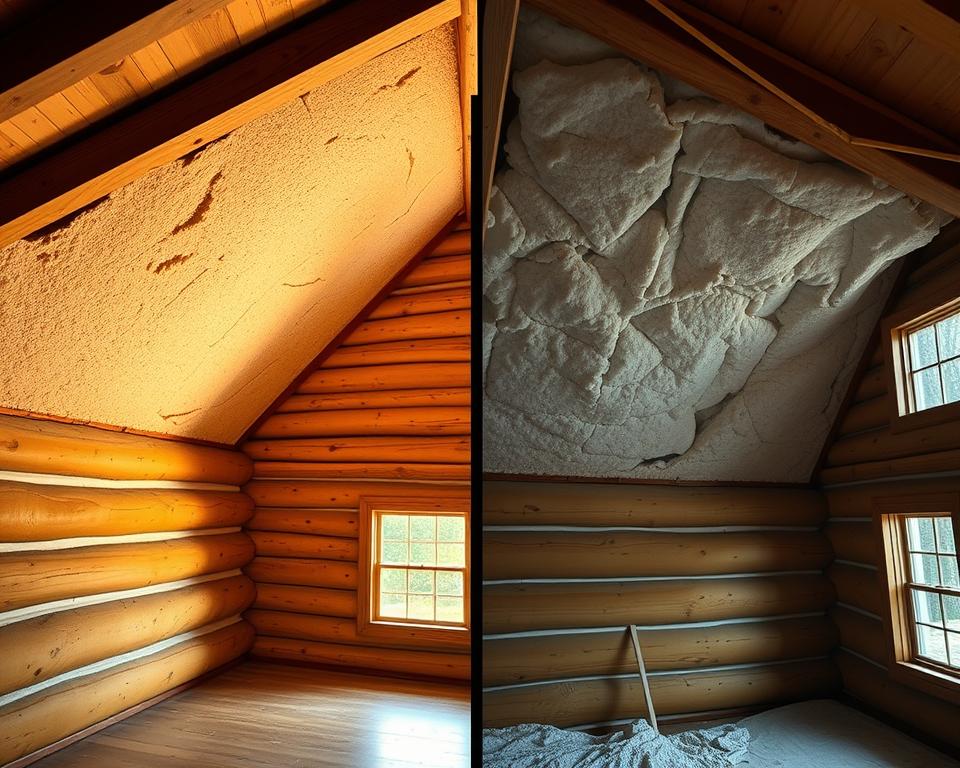
Pros and Cons of DIY Methods
DIY insulation can be feasible for experienced individuals. Simple tasks like draught-proofing or fitting boards between joists are manageable. The primary draw is potential cost savings.
One documented garden office build cost £5,800 DIY versus £20,000 professionally. This shows substantial financial benefits. However, significant risks accompany these savings.
Faulty installation can lead to structural damage or moisture issues. Poor electrical work or fire safety oversights pose real dangers. These problems can become very costly to fix.
DIY jobs also consume considerable time. Research, material sourcing, and solo work extend the project timeline. What takes professionals a day might take weeks for a DIYer.
When to Consult Professional Installers
Hiring professional installers offers peace of mind. Their expertise ensures compliance with regulations and manufacturer specs. They complete work quickly and to a high standard.
Complex tasks like plastering highlight the value of professional skill. A cost of £250 for all walls represents good value for a quality finish. This avoids potential DIY mishaps.
For many, a hybrid model works best. Handle simple prep and finishing yourself. Engage professionals for technical work like electricals or complex carpentry. This balances savings with safety and quality for your cabin.
| Factor | DIY Approach | Professional Installation |
|---|---|---|
| Primary Benefit | Potential for significant cost savings | Guaranteed quality, speed, and safety |
| Ideal For | Simple tasks; skilled handymen | Complex projects; ensuring compliance |
| Timeframe | Weeks or months (part-time) | Often completed in days |
| Risk Level | Higher risk of errors and future costs | Lower risk, often includes warranties |
Conclusion
Transforming a garden building into a year-round functional space represents a valuable investment. Most quality timber structures can achieve this enhancement with proper cabin insulation.
The result is a versatile room that maintains comfort in all seasons. During heatwaves, temperatures stay manageable, while winter brings cosy warmth. This makes the space perfect for home offices, studios, or gyms.
Following the systematic way outlined ensures professional results. Attention to walls, windows, and moisture control creates a high-performance building. The transformation adds both character and value to any garden.
With comprehensive insulation complete, a basic log cabin becomes a comfortable retreat. It serves as a practical place for work and leisure throughout the year. Property owners can enjoy peace of mind knowing their investment delivers lasting benefits.
This guide demonstrates that any determined homeowner can achieve excellent insulation results. The initial effort pays dividends through enhanced functionality and energy savings. A well-insulated log cabin truly becomes an extension of the home.
FAQ
Why is insulating a log cabin so important?
Insulation is vital for transforming a basic garden building into a comfortable, year-round space. It significantly reduces heat loss, lowers heating costs, and prevents issues like condensation and damp. Proper insulation also enhances acoustic comfort by reducing noise pollution.
What is the best way to insulate a log cabin floor?
A highly effective method involves placing rigid insulation boards, such as PIR panels, between the floor joists before laying the final floorboards. It is crucial to install a damp-proof membrane beneath the insulation to act as a moisture barrier from the base.
Which materials are recommended for wall insulation?
Foil-backed insulation boards are an excellent choice for log cabin walls. Their rigid nature makes them easy to fit, and the foil layer creates a vapour barrier. This combination effectively manages moisture while providing strong thermal performance to keep the room warm.
How can I prevent condensation after insulating my cabin?
Preventing condensation requires a balanced approach. A correctly installed vapour barrier on the warm side of the insulation is essential. Equally important is ensuring adequate ventilation to allow any trapped moisture to escape, maintaining a healthy indoor environment.
Is insulating a log cabin a realistic DIY project?
Many insulation tasks, such as fitting boards in the roof and floor, are achievable for competent DIY enthusiasts. However, for complex wall insulation or if there are concerns about creating an effective airtight seal, consulting professional installers is advisable to ensure optimal results.
What are the long-term benefits of a well-insulated cabin?
Beyond immediate comfort, a properly insulated building delivers substantial energy savings, reducing annual heating bills. It also increases the property’s usability and value, making it a sustainable upgrade that pays for itself over time while reducing its carbon footprint.