Secure Your Space: Burglar-Proof Garden Shed Tips
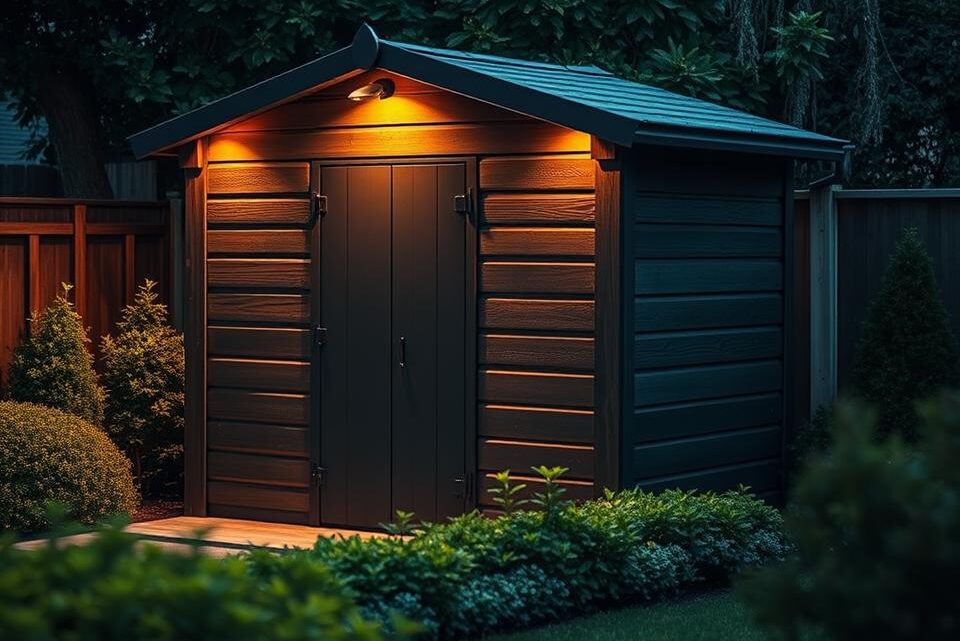
Garden sheds and outbuildings store valuable items such as bicycles, power tools and lawnmowers. A Burglar-proof garden shed is not a luxury; it is essential for protecting these goods and reducing the risk of theft from your property. Office for National Statistics and police reports show repeated incidents of theft from sheds and garages across towns and countryside, so taking action now can prevent loss and disruption.
This guide offers practical, cost-effective shed security tips you can apply quickly. You will learn how to evaluate vulnerability, fit better locks and hardware, improve lighting and layout, and use simple tech to boost outbuilding security. The focus is on hands-on advice that meets UK standards and aligns with insurance requirements.
Whether you own a detached house, rent a flat with garden access, manage a smallholding or oversee multiple properties, these measures will strengthen garden storage protection and give you greater peace of mind.
Inhaltsverzeichnis
Key Takeaways
- Understand why a Burglar-proof garden shed matters in reducing theft and insurance risk.
- Simple hardware upgrades and correct installation make a big difference.
- Good perimeter design and lighting are effective, low-cost deterrents.
- Smart but practical tech options can provide ongoing monitoring without complex wiring.
- Regular checks and basic inventory steps improve recovery chances and claims handling.
Burglar-proof garden shed: Why securing your outbuilding matters
Garden sheds and outbuildings hold tools and equipment that keep gardens tidy and properties functioning. Reports on outbuilding crime UK show many losses result from simple opportunism. Securing your outbuilding reduces the chance of becoming a target and protects time, money and peace of mind.
Common targets and what thieves look for
Thieves take items that are easy to move and sell. Typical examples include lawnmowers, strimmers, bicycles, electric drills and petrol cans. Knowledge of what thieves steal from sheds helps owners prioritise which items need extra protection.
Opportunistic burglars look for unlocked doors, broken windows and cheap locks that can be forced quickly. Professional thieves scan for valuable equipment and poor anchorage before acting.
Impact of shed theft on homeowners and garden maintenance
Theft of garden tools disrupts routines such as mowing, pruning and planting. Replacing specialised power tools brings unexpected expense and delays seasonal tasks. Small landscaping businesses face lost income and missed client appointments when equipment is stolen.
Victims report a strong emotional reaction after a break-in. Homeowners often feel violated and less safe in their own property. Secondary costs can include repairing doors, fitting new locks and coping with higher premiums.
Insurance considerations and claims prevention
Many policies include cover for contents in outbuildings, but limits are often lower than for the main home. Insurers such as Aviva, Direct Line and Admiral set conditions that must be met to avoid declined claims. Typical requirements include secure locks and specified fittings.
To reduce the risk of a rejected claim, keep receipts, photograph items and note serial numbers. Ensure locks meet insurer standards, declare high-value items and consider specialist cover for expensive equipment. Report theft to the police to obtain a crime reference and contact your insurer promptly with documentation.
Assessing risks: How to evaluate your shed’s vulnerability
Begin with a quick walk-round to spot obvious problems. A focused shed risk assessment helps you see weak points before a thief does. Use a simple checklist so you do not miss doors, windows or roof fixings.
Spotting weak entry points and structural issues
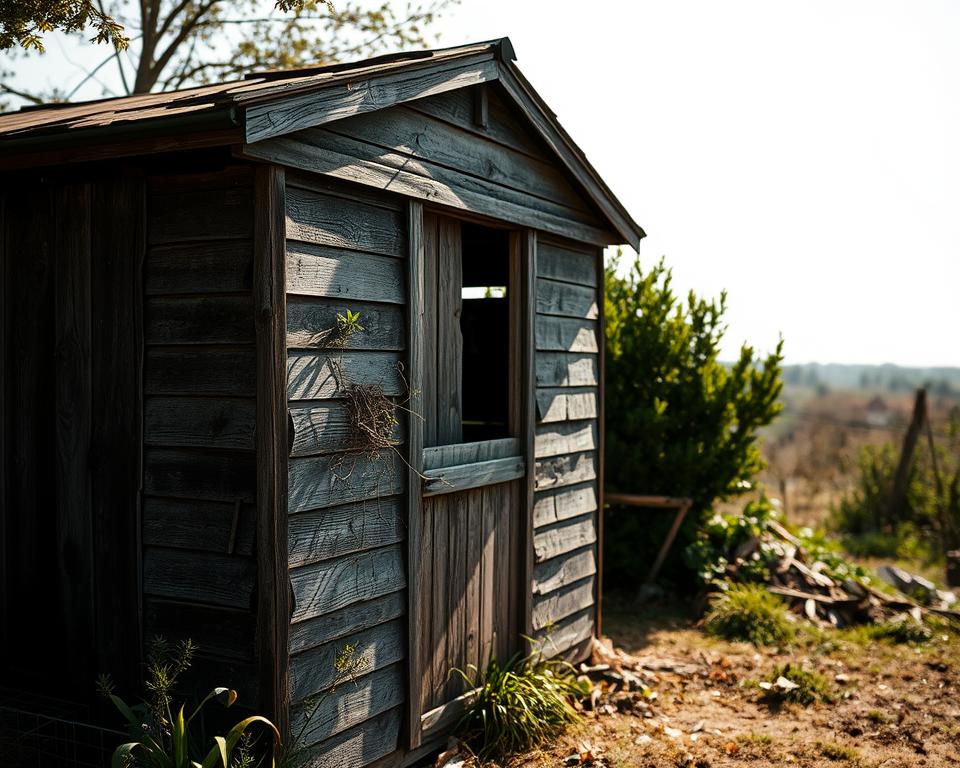
Check doors, hinges and frames for rot, loose screws or warped panels. Wooden sheds are at particular risk where timber has decayed. Look for gaps that could be pried open or hinges exposed on the outside.
Examine windows for single-pane glass and weak frames. Test roof fixings and the joins where the roof meets walls; thieves can lift roof panels that are poorly secured. Inspect the base: sheds on soft or uneven ground are easier to lever free than those on concrete or solid timber bases.
Note common exploit methods such as removing screws, levering with a crowbar, cutting thin metal sheeting or lifting improperly secured doors. Record any signs of previous tampering.
Location-based risks: visibility, boundaries and access routes
Evaluate how visible the shed is from the house and neighbouring properties. Sheds hidden behind tall fences or dense planting increase concealment. High visibility from the street or gardens reduces overall shed vulnerability.
Check boundaries for shared alleys, insecure side gates or rear accesses. Terraced and semi-detached properties often have higher risk where neighbouring routes allow quick entry. Look for nearby public footpaths or gaps in fencing.
Assess access routes such as driveways, rear alleyways and garden gates without locks. Consider proximity to public lighting and any local CCTV coverage. These factors should shape your outbuilding security audit and the priority of improvements.
Creating a simple security audit checklist
Start with a visual inspection covering doors, windows, roof, base, hinges, locks and surrounding vegetation. Use a functional check to test locks, ensure windows latch and attempt to move the shed non-destructively to verify fixings.
Document findings by photographing the shed and its contents. Log serial numbers and receipts for high-value items. Assign a low, medium or high risk rating to each element—door, window, base and location—and list priority improvements.
Schedule audits seasonally in spring and autumn and repeat after storms or any vandalism. A written garden security checklist keeps actions clear and helps track progress through follow-up audits.
| Audit Item | What to Check | Risk Level | Recommended Action |
|---|---|---|---|
| Doors | Hinges, frames, locks, gaps, warped panels | High if rot or loose fixings present | Replace weak timber, fit rated lock and reinforce hasp |
| Windows | Glass type, frame strength, latches | Medium for single-pane or poorly fitted frames | Install laminated glass or bars and secure frames |
| Roof and base | Roof fixings, joins, base stability, anchoring | Medium to high for loose panels or soft bases | Secure fixings, add concrete or solid timber base |
| Location | Visibility, boundary security, access routes | High if hidden from view or near shared alleys | Improve sightlines, lock gates, add lighting or CCTV |
| Vegetation and surroundings | Overgrown hedges, cover for intruders, sightlines | Medium | Trim planting, create natural surveillance routes |
| Documentation | Photos, serial numbers, receipts | Low if fully recorded | Maintain records and update after purchases |
Robust locks and hardware for enhanced security
Choosing the right locks and fittings makes the difference between a nuisance theft and a prevented attempt. This short guide covers padlocks, hasps and deadbolts you can trust, what standards to check for and practical tips for shed lock installation that reduce the chance of tampering.

Choosing the right padlocks, hasps and deadbolts
For padlocks pick closed-shackle or shrouded-shackle designs to limit access for bolt cutters. Disc detainer mechanisms resist picking and brands such as Abus, Yale and Cisa supply robust options widely available in the UK market.
Use heavy, closed-body hasps rated for exterior use. Fit security hasps that conceal fixings and, where possible, secure them with coach bolts from the inside. For wooden doors fit a mortice deadbolt or a heavy-duty rim deadlock with anti-saw features. Multipoint locks greatly increase resistance on larger doors.
Material and rating standards to look for in the UK
Look for BS EN padlock ratings and practical resistance classifications such as BS EN 12320 when choosing locks. Many insurers ask for Sold Secure or Police Preferred ratings, with Gold or Silver often required for high-value contents.
Choose corrosion-resistant metals for external hardware. A2 or A4 stainless steel and galvanised steel fittings will give long service life and keep mechanisms operating in wet conditions.
Installation best practice to prevent tampering
Correct installation reduces the risk of forced entry. Fit hasps with coach bolts from inside and use bolt-through plates or security rosettes to stop torqueing. Pack out weak frames and fix hinges and strike plates with long screws (75–100 mm) into solid framing rather than just into thin panels.
Position locks away from the hinge side when possible to keep shackles out of reach of cutters. Use shrouded fittings and anti-tamper hardware where screws would otherwise be exposed. Regular maintenance helps: lubricate with graphite or a specialist lock lubricant and inspect for rust or wear.
| Component | Recommended features | Why it matters |
|---|---|---|
| Padlocks | Closed/shrouded shackle, disc detainer, BS EN 12320 or Sold Secure rated | Limits cutter access and resists picking, meets insurer requirements |
| Hasps | Closed-body, concealed screws, coach bolts, galvanised or stainless steel | Prevents screw removal and corrosion for long-term security |
| Deadbolts & multipoint locks | Mortice or heavy rim with anti-saw features, multipoint for large doors | Improves door resistance to forced entry and spreading |
| Fixings & frames | Long screws (75–100 mm), metal strike plates, packed frames | Transfers load into solid structure, resists levering and jacking |
| Maintenance | Graphite or specialist lubricant, regular inspections | Keeps mechanisms smooth and highlights wear before failure |
Doors and windows: Reinforcement strategies
Solid doors and well-protected windows form the first line of defence for any outbuilding. Upgrading weak panels, reinforcing frames and fitting robust glazing will reduce the chance of a quick break-in. Balance security with ventilation and escape routes so the shed remains practical for everyday use.
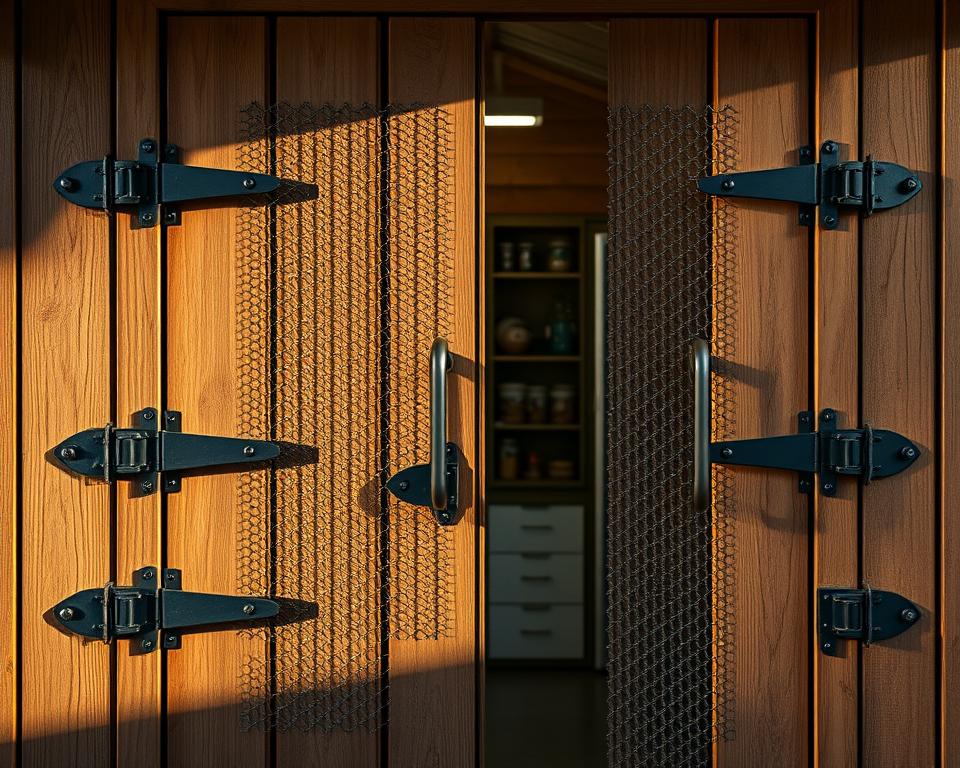
Swap tongue-and-groove or thin plywood doors for solid core timber or steel-skinned options. Look for welded frames and reinforced strike plates to prevent levering. Brands such as Yale and Hampton supply suitable locks and hardware for outbuildings in the UK.
Fit hinge bolts or security studs to stop attackers removing doors from their hinges. Add a door closer where gaps allow levering. Strengthen the frame with timber lining or a metal liner to make it much harder to force the entrance.
Securing windows
Fixed bars or grilles are a visible deterrent and work well when bedded into masonry or screwed into robust timber. Choose removable grilles only if you can secure them with internal fixings for maintenance access.
Use laminated glass for sheds where break-in resistance is needed. A PVB interlayer keeps panes intact even when struck. Toughened glass or polycarbonate glazing offer alternative impact resistance for vulnerable positions without blocking light.
Keep airflow in mind. Opt for grille designs that allow ventilation while maintaining shed window security, or combine trickle vents with stronger glazing to retain both comfort and protection.
Shutters and internal locks
External metal roller shutters provide a strong visible barrier and suit sheds used to store valuable equipment. If a roller is not practical, internal steel security shutters or lockable bars give an extra layer that protects even if outer fittings are breached.
Fit internal locking bars, panic bars or padlockable internal hasps so the shed remains secure from the inside. These measures pair well with efforts to reinforce shed door hardware and improve overall access control.
When upgrading, prioritise measures that slow an intruder long enough for neighbours or alarms to respond. Practical reinforcement reduces risk and preserves the shed as a useful, safe space.
Perimeter and garden layout changes to deter intruders
A thoughtful garden layout for security improves protection without turning your plot into a fortress. Small changes to planting, fences and paths can raise the chance that someone approaching your shed will be seen. These measures work with locks and alarms to create a layered defence that feels natural in a domestic garden.
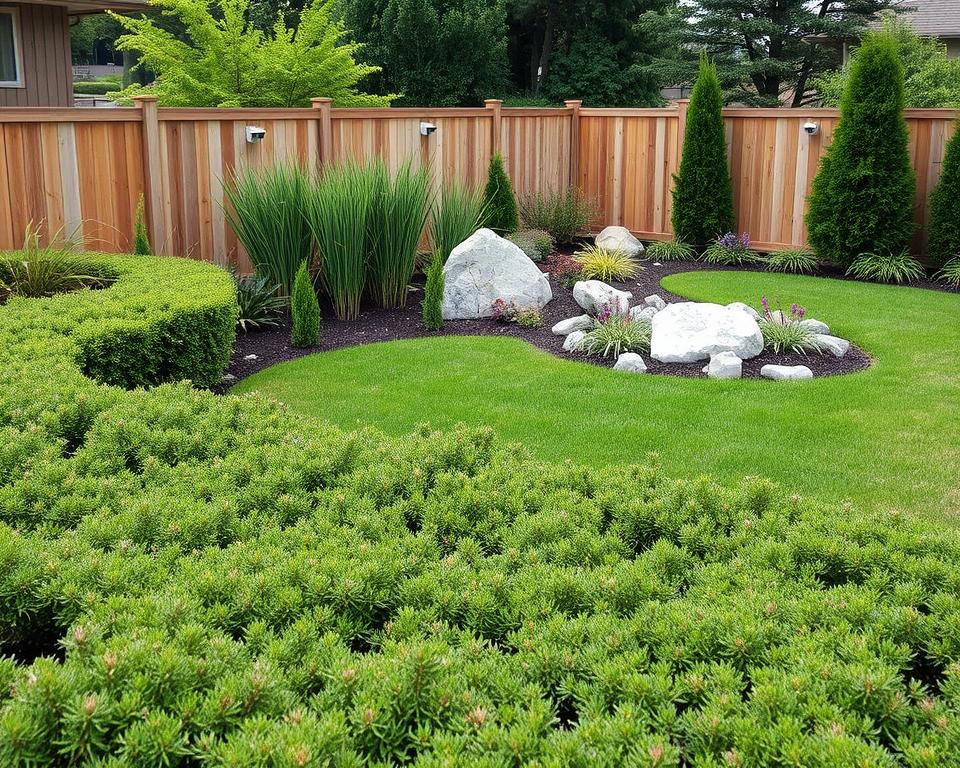
Planting schemes that increase natural surveillance
Use defensive planting close to vulnerable access points. Thorny shrubs such as pyracantha, berberis and hawthorn deter climbing and slow intruders. Place these in a narrow band in front of gates or beside a shed to make quick approach uncomfortable.
Keep hedges and bushes trimmed below eye level so neighbours or passers-by can spot suspicious activity. Low, neat hedging keeps the visibility to shed clear while retaining a pleasant garden look.
Introduce noisy or textured surfaces, such as statice borders or gravel beds, along routes to the shed. These surfaces make movement audible and increase the chances that an intruder is detected, supporting natural surveillance.
Create a layered landscape: tough, deterrent planting closest to the shed and more decorative plants further away. This gives visual interest while prioritising security.
Fence and gate improvements to control access
Repair or replace broken panels promptly. Opt for featherboard or hit-and-miss fencing where privacy is needed but hiding spots are reduced. These styles keep lines of sight partially open, helping neighbours check on the property.
Fit gates with robust latches and padlocks. Set gate posts into concrete and use anti-lift pins on sliding or folding gates where applicable. A solid gate reduces the risk of easy entry and signals a secured boundary.
Secure rear alleyways with a locked gate to stop casual access. Install a Sheffield stand or bollard if vehicle approach to the rear space is possible. Always check local planning rules and neighbour agreements before altering boundaries.
Pathway lighting and clear sightlines to the shed
Keep paths to the shed clear and well maintained. Prune overhanging branches and lift canopies to improve sightlines and reduce hiding places. Clear paths also speed safe access for gardeners and emergency services.
Use gravel or paved surfaces to make movement audible. Combine these with low-level lighting or motion-sensor lamps to make any approach visible at night. Good lighting raises the opportunity for detection and discourages opportunistic thieves.
Avoid excessive screening that creates dark voids. Balance privacy with the need for natural surveillance so neighbours can see the shed area. Clear sightlines and well-chosen defensive planting work together with secure fencing for sheds to form a coherent protective perimeter.
| Element | Practical action | Security benefit |
|---|---|---|
| Defensive planting | Plant pyracantha, berberis or hawthorn near access points | Deters climbing and delays entry, increases noise |
| Hedge management | Keep below sightline; trim regularly | Improves visibility to shed; boosts natural surveillance |
| Fence style | Featherboard or hit-and-miss panels | Maintains privacy while reducing hiding spaces |
| Gate hardware | Concrete-set posts, secure latches, anti-lift pins | Controls access and prevents easy forced entry |
| Path surfaces | Gravel or paving to shed | Makes movement audible, speeds detection |
| Lighting | Low-level or motion-sensor lamps on routes | Illuminates approach, deters opportunistic thieves |
Lighting and electronic deterrents for visible security
Good lighting and clear electronic deterrents make a shed less tempting. A simple mix of motion sensor lights, alarms and well-placed signage raises the perceived risk for intruders and helps protect tools and equipment.
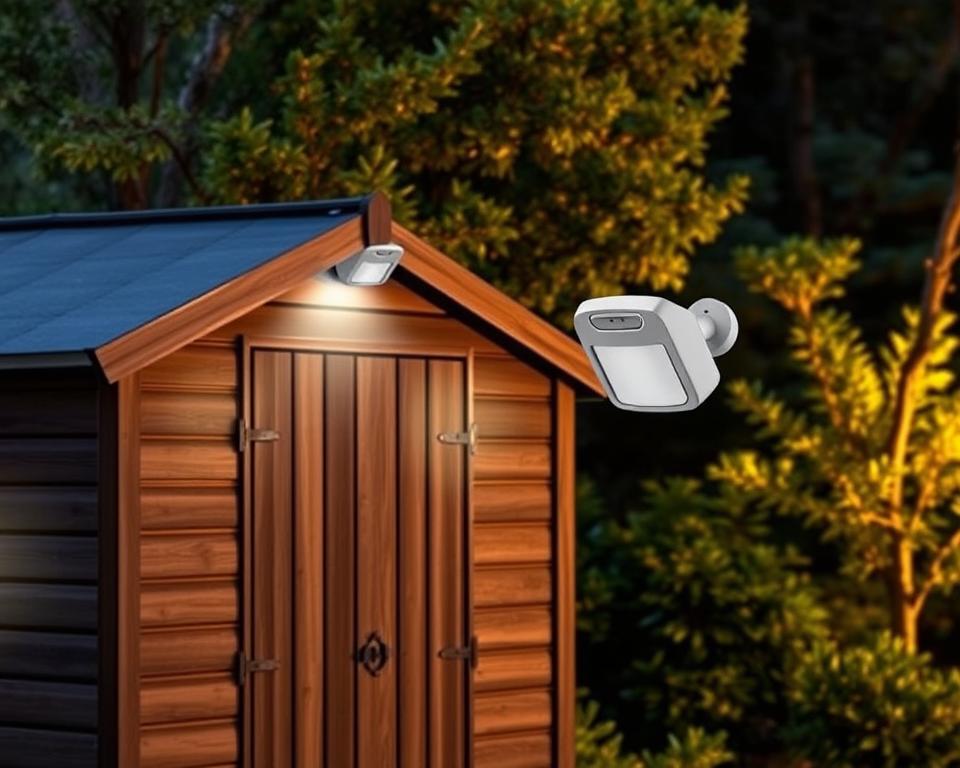
Fit motion-sensor lights at least 2.5–3 metres high around the perimeter to reduce tampering. Wide-angle PIR sensors with adjustable sensitivity cut down on false triggers from wildlife. Choose LED floodlights for bright, efficient illumination.
Place lights to cover access routes, gates and the shed entrance while avoiding direct glare into neighbours’ windows. Combine dusk-to-dawn photocells with motion activation to give low-level baseline lighting and brighter bursts when movement occurs.
Standalone shed alarm systems are a cost-effective choice for garden outbuildings. Battery-operated vibration sensors and door/window contacts detect forced entry without complex wiring. Look for units with sirens around 100 dB and tamper switches for added protection.
Consider alarms from trusted brands such as Yale or Ajax if you need a reliable option. For commercial-grade tools, integrate the shed with your home alarm or a monitored service, keeping in mind subscription costs and installation needs.
Dummy cameras for deterrence can slow opportunists, especially when paired with a visible real camera or clear signage. Use honest wording on signs, for example stating that items are registered, and avoid misleading claims about continuous monitoring.
If you install live cameras, follow ICO guidance when images could capture public areas or neighbours’ property. Visible security measures that combine lighting, alarms and cameras create a layered defence that is cheap to maintain and effective at discouraging theft.
| Deterrent | Best use | Pros | Cons |
|---|---|---|---|
| Motion sensor lights | Perimeter mounting 2.5–3m high, cover access routes | Energy efficient, bright, low maintenance | Can trigger from wildlife if sensitivity not set |
| Standalone shed alarm systems | Doors, windows and internal vibration detection | Affordable, simple to fit, loud sirens deter intruders | Limited range without wireless modules; battery changes needed |
| Integrated monitored alarms | High-value equipment; link to home alarm or monitoring | Professional response, remote alerts to phone | Subscription costs and more complex setup |
| Dummy cameras for deterrence | Supplement real cameras and signage | Low cost, adds perceived risk for thieves | Less effective alone; can be identified as fake |
| Visible signage | Entrances and fence lines | Clear deterrent, informs intruders items are tracked | Must be truthful to avoid misleading statements |
Securing valuable items inside the shed
Store high-value items with a clear plan to reduce theft risk. Start by anchoring bulky kit and creating secure storage zones. Small changes in layout and habit make a big difference when you need to hide valuable items in shed spaces.
Anchoring equipment
Fix bicycles, lawnmowers and heavy power tools to the floor or wall using ground anchors, ground bolts or hardened steel loops. Use purpose-made chains or U-locks that pass through the frame, not just a wheel. Fit Sheffield stands or anchors set in concrete for long-term security. Make sure anchors are bedded into concrete pads or reinforced timber so they cannot be levered out.
Using a shed safe
Consider a compact floor- or wall-mounted safe rated to British standards for keys, passports and small electronics. Brands such as Chubbsafes produce domestic safes that fit neatly into workshop corners. Bolt the safe to the base or wall to avoid easy removal, and keep its location discreet rather than obvious to visitors.
Marking tools for theft prevention
Mark tools and equipment with a UV pen or forensic property marker such as SmartWater or SelectaDNA. Record make, model and serial numbers in a spreadsheet and store photographs and receipts securely in cloud backup or a home filing system. Register bikes with BikeRegister and list items on national databases to aid police recovery and support insurance claims.
Inventory and records
Take clear photos of each item in good light, including close-ups of serial numbers. Keep instruction manuals and original receipts together with boxed items where possible. A short written log that notes purchase dates and values speeds up insurance paperwork if you need to report theft.
Storage organisation to conceal high-value items
Avoid placing prized items in plain view near the door. Use lockable cabinets, bolt-down chests or internal safes to store batteries, chargers and small power tools. Fit shelving and pegboard to make organisation simple and reduce the time spent searching for gear.
Practical concealment and rotation
Disguise valuable boxes with generic labelling and rotate storage locations for particularly prized items to prevent predictable placement. Keep smaller expensive items in internal locked containers and consider concealing the key in a secure, separate location rather than left inside the shed.
| Item | Recommended security | Typical cost guide (GBP) | Why it helps |
|---|---|---|---|
| Bicycle | Sheffield stand or ground anchor + U-lock; register on BikeRegister | £30–£150 | Secures frame, deters opportunist theft, aids recovery |
| Lawnmower / Strimmer | Hardened steel loop anchor fixed to concrete pad | £20–£80 | Anchored base prevents removal and quick grab |
| Small power tools / phones | Shed safe or lockable internal chest; bolt to floor | £80–£250 | Locked container conceals and protects from quick theft |
| Hand tools | Marking tools for theft prevention (UV/fingerprint markers) + photographed inventory | £5–£50 | Marked items are harder to sell and easier to identify |
| Documentation / passports | Shed safe rated to British standards, bolted to wall or floor | £100–£300 | Secure, fire-resistant storage for irreplaceable documents |
Smart technology options and integration
Adding smart devices to your outbuilding makes security more proactive and easier to manage. Choose gear that suits a shed’s limited power and exposed position. Think about how wireless garden cameras, smart locks for sheds and remote alerts will work together before you buy.
Opt for outdoor-rated wireless garden cameras from trusted brands such as Ring, Arlo, Hikvision (consumer range) or Reolink. Look for IP65 or higher, built-in night vision and motion detection. Pair cameras with smartphone apps to get push notifications, two-way audio and cloud or local storage.
Battery-operated smart padlocks and retrofit kits from Yale or August can grant temporary codes and logs of access. Check that devices use strong encryption and secure protocols before linking them to a hub.
Power solutions: solar panels, batteries and low-voltage setups
Solar-powered shed cameras are ideal where mains power is absent. Use a panel sized to the expected load, for example 10–50W, and a deep-cycle battery with a suitable charge controller. Fit fuses and consider a small low-voltage (12V) system to cut power use.
If you opt for a mains feed, have a qualified electrician install an outdoor-rated fused consumer unit and RCD protection. Regularly check battery health and plan for weaker winter solar yield.
Privacy, connectivity and data security considerations
Place cameras so they do not record public paths or neighbours’ gardens. Follow guidance from the Information Commissioner’s Office on domestic CCTV use. Limit audio capture unless strictly necessary.
Protect access with strong, unique passwords and enable two-factor authentication where available. Keep firmware current and prefer encrypted cloud services with clear retention settings. For extra reliability, use local SD storage and routine downloads of critical footage.
When integrating alarms, lights and cameras, link devices to a simple hub such as Samsung SmartThings or Amazon Alexa for central control. Avoid overcomplex networks that complicate maintenance and raise the risk of poor data security for CCTV systems.
Maintenance, habits and community measures to keep security effective
Keeping a shed secure requires regular attention, simple habits and local support. A short, practical routine reduces weak points and makes intrusion less likely. Use a shed maintenance checklist to guide monthly and seasonal work.
Routine checks and seasonal maintenance tasks
Carry out monthly inspections of locks, hinges, lights and alarms. Look for rust, loose fixings or signs of tampering. Tighten bolts and replace worn screws to keep fittings solid.
Adopt seasonal tasks such as clearing gutters, treating timber with preservative and recharging batteries before winter. Replace weatherstripping and seal gaps to stop levering. Repaint exposed metal to prevent corrosion that weakens security hardware.
Update your inventory after purchases or disposals. Record serial numbers and photographs so you can act quickly if items are stolen.
Good habits: locking up, hiding keys and reporting suspicious activity
Form good security habits by always locking doors and gates, closing windows and removing keys from external locks. Avoid leaving tools in plain sight or high-value items near the door.
Never hide spare keys under pots or mats. Use a secure key safe or keep a spare off-site if someone else needs access. Small changes in routine make it harder for opportunist thieves to predict when the property is unattended.
If you see suspicious people or vehicles, report suspicious activity to local police using the non-emergency 101 service or their online tools. For crimes in progress, dial 999.
Neighbourhood watch and community collaboration
Join a neighbourhood watch UK group to share information on local risks and coordinate property-marking events. Registering SmartWater or recording serial numbers improves recovery chances and deters thieves.
Exchange contact details with immediate neighbours and set up informal rota checks for shared alleyways. Use community channels such as Nextdoor or local Facebook groups to alert others and circulate details of stolen items.
Work with local police crime prevention officers for a free CPTED assessment or community property-marking days. Small, co‑ordinated steps across a street make every shed harder to target.
Conclusion
This burglar-proof garden shed summary pulls together simple, effective steps to protect your outbuilding. Start by assessing vulnerability with a secure shed checklist: check weak entry points, fit robust locks and hasps, reinforce doors and windows, and clear sightlines around fences and gates. Small changes often make the biggest difference, so prioritise low-cost fixes such as a Sold Secure padlock, a motion-sensor light or trimming hedges.
Secure valuables by anchoring equipment and recording serial numbers for insurance. Consider one sensible technology upgrade soon — a battery alarm or a basic wireless camera — and make it part of your secure shed checklist. These measures, combined with good habits like locking up and hiding keys, improve everyday protection and help with any future claims.
Long-term shed security is an ongoing process. Regular maintenance, seasonal checks and community vigilance reduce risk over time. Investing in quality hardware and professional installation pays dividends in lower theft risk and better insurance outcomes. Review your shed this week, make a small improvement and register your valuables to start protecting outdoor assets for the long term.
FAQ
What is a burglar-proof garden shed and why is it important?
A burglar-proof garden shed is an outbuilding reinforced to resist unauthorised entry and deter theft. Sheds commonly contain lawnmowers, bicycles, power tools and other resellable items, making them frequent targets. Securing your shed reduces loss, prevents disruption to garden maintenance and may protect your home insurance cover. Simple measures — robust locks, good lighting, clear sightlines and basic alarms — provide a strong deterrent without large expense.
Which items are most at risk in garden sheds?
Typical targets include cordless drills, chainsaws, lawnmowers, strimmers, bicycles, petrol cans and garden furniture. Thieves favour items that are easy to remove and sell. High-value or portable equipment such as battery packs, power-tool kits and bike frames are particularly attractive and should be stored and marked accordingly.
What locks and hardware should I use to secure my shed?
Use closed-shackle or shrouded padlocks from reputable brands like Abus or Yale, and pair these with steel, closed-body hasps that conceal fixings. Look for Sold Secure or BS EN-rated products and meet any insurer minimums. Fit long coach bolts from the inside, reinforce frames with metal strike plates and use long screws (75–100 mm) into solid framing to resist levering and cutting.
Do insurers cover theft from sheds and what do they require?
Many UK home insurance policies cover contents in outbuildings but often with lower limits and specific conditions. Insurers such as Aviva, Direct Line and Admiral may require particular lock standards or Sold Secure ratings for high-value items. Keep receipts and serial numbers, photograph valuables and check policy wording to avoid declined claims. Report thefts to police and obtain a crime reference for insurers.
How can I assess my shed’s vulnerability?
Carry out a simple security audit: inspect doors, hinges, frames, roof fixings and the base for rot, gaps or loose screws. Check windows for single-pane glass and weak frames. Rate each element (door, window, base, location) as low/medium/high risk, photograph weaknesses and log serial numbers of valuables. Repeat the audit seasonally and after storms.
Should I upgrade doors and windows, and how?
Yes. Replace thin tongue-and-groove doors with solid-core or steel-skinned doors and reinforce frames. Fit hinge bolts and use reinforced strike plates. For windows, install fixed bars or security grilles, laminated glazing or security film, or use polycarbonate to resist shattering. Balance security with ventilation and emergency egress when fitting heavy shutters or internal locks.
What perimeter changes help deter intruders?
Improve natural surveillance by keeping sightlines clear and planting low, thorny species near access points. Repair fences, fit robust gates with padlocks, and secure rear alleyways. Use gravel or paved approaches to make movement noisy. Combine these with pathway and motion-sensor lighting to reduce concealment and increase the chance of detection.
Are motion-sensor lights and alarms effective for sheds?
Yes. PIR motion-sensor LED lights positioned about 2.5–3 metres high reduce tampering and illuminate access routes. Battery-operated shed alarms and vibration sensors from brands such as Yale or Chubb provide cost-effective detection. Choose alarms with loud sirens and, where needed, options for phone alerts or integration with a home system. Regular battery checks and correct positioning maximise effectiveness.
Can smart tech (cameras, smart locks) be used in sheds safely?
Wireless cameras and smart locks can be effective if chosen and installed correctly. Use weatherproof IP65+ cameras from trusted brands (Arlo, Ring, Reolink) and secure smart locks with strong passwords and two-factor authentication. Ensure devices do not capture neighbours’ property to comply with ICO guidance, keep firmware updated and consider local storage as a backup to cloud recording.
How should I store and mark valuables inside the shed?
Anchor bikes and machinery to ground or wall points using purpose-made ground anchors and hardened chains. Use floor- or wall-mounted safes rated to recognised standards for small valuables. Mark tools with forensic markers such as SmartWater or SelectaDNA, photograph items, record serial numbers and register bicycles on BikeRegister to aid recovery and insurance claims.
What routine maintenance and habits help keep shed security effective?
Conduct monthly checks of locks, hinges, lights and alarms; treat timber annually and tighten fixings after winter. Always lock doors and gates, avoid leaving keys on-site and never hide keys in obvious places. Report suspicious activity to police and engage neighbours or Neighbourhood Watch for extra vigilance. Good habits and regular maintenance are as important as hardware upgrades.
Are there low-cost improvements I can start with?
Yes. Begin with a Sold Secure padlock, a motion-sensor light and clearing vegetation to improve sightlines. Mark valuables and photograph serial numbers. These measures are relatively inexpensive and often meet basic insurer expectations while significantly reducing opportunistic theft risk.