Buying, planting, caring for, pruning & fertilizing pampas grass

Pampas grass has become a popular choice for UK gardeners, thanks to its striking feathery plumes and architectural presence. To ensure this ornamental grass thrives, it’s essential to understand its specific needs.
This comprehensive guide will walk you through the process of selecting the right variety, planting, and maintaining pampas grass. Whether you’re a seasoned gardener or just starting out, you’ll learn how to achieve spectacular results with this stunning ornamental grass.
Inhaltsverzeichnis
Key Takeaways
- Choose a suitable variety of pampas grass for your UK garden.
- Understand the specific planting requirements for optimal growth.
- Learn effective maintenance techniques for long-term health.
- Discover how to prune and fertilize pampas grass for maximum impact.
- Ensure your pampas grass thrives with proper care and attention.
Understanding Pampas Grass: An Overview
Pampas grass is a South American native that has become a favourite among UK gardeners due to its unique appearance and hardiness. As a perennial ornamental grass, it is renowned for its impressive size and beautiful plumes that add visual interest throughout the year.
What Is Pampas Grass?
Pampas grass (Cortaderia selloana) is a striking perennial ornamental grass that can grow up to 3 metres tall in ideal conditions. Its most distinctive feature is its large, feathery plumes that appear in late summer and can persist through winter, adding dramatic visual interest to gardens.
Popular Varieties for UK Gardens
Several varieties of pampas grass are well-suited to UK gardens. These include the compact ‘Pumila’, reaching about 1.5m, the silvery ‘Sunningdale Silver’, growing up to 3m, and the pink-plumed ‘Rendatleri’, which reaches about 2.5m. Each variety offers a unique size and color option for gardeners.
Benefits and Potential Concerns
Pampas grass offers numerous benefits, including drought tolerance and low maintenance requirements. However, potential concerns include its sharp-edged leaves that can cause cuts and its flammability when dry. Despite these concerns, pampas grass remains a popular choice for UK gardens due to its year-round visual interest and architectural form.
Buying Pampas Grass: What to Look For
To get the best out of your pampas grass, it’s crucial to know what to look for when making a purchase. Pampas grass is a significant investment for your garden, and selecting the right type can enhance its beauty.
Choosing Between Seeds, Plugs and Established Plants

When buying pampas grass, you have three main options: seeds, plugs (young plants), or established plants. Seeds are the most economical option but require the longest time to mature. Plugs offer a middle ground, providing a head start on growth while being relatively affordable. Established plants provide instant impact but come at a premium price.
Selecting the Right Variety for Your Garden
When selecting varieties, consider the ultimate size of the plant in relation to your garden space. Dwarf varieties like ‘Pumila’ are more suitable for smaller gardens or container growing.
Where to Purchase Quality Pampas Grass
Quality pampas grass can be purchased from reputable garden centres, specialist nurseries, and online retailers. Spring is the ideal time to buy for immediate planting.
When and Where to Plant Pampas Grass
To successfully cultivate pampas grass, it’s essential to understand when and where to plant it. The timing and location of planting are crucial for the establishment and longevity of this ornamental grass.
Best Time of Year for Planting in the UK
The best time to plant pampas grass in the UK is during spring (April to May) when soil temperatures have warmed but before summer heat arrives. This allows the plants ample time to establish before winter. Early autumn (September) can also be a good planting time, provided you allow at least 6-8 weeks before the first frost for the roots to establish properly.
Ideal Growing Conditions and Location
Pampas grass thrives in full sun positions but will tolerate partial shade, though this may reduce flowering. Aim for a location that receives at least 6 hours of direct sunlight daily. The ideal soil conditions include well-draining, moderately fertile soil with a neutral to slightly acidic pH. Heavy clay soils should be amended with grit and organic matter to improve drainage.
Spacing Requirements and Garden Planning
Proper spacing is crucial for pampas grass due to its eventual size. Allow at least 1.5-2 metres between plants and at least 2 metres from buildings, paths, or seating areas due to the sharp-edged leaves. When planning your garden layout, consider the mature height of your chosen variety and position pampas grass where it won’t overshadow smaller plants or create unwanted shade.

Planting Pampas Grass Successfully
When planting pampas grass, it’s essential to consider the soil conditions and the plant’s specific needs. Pampas grass can be a stunning addition to your garden, providing a dramatic flair with its feathery plumes.
Preparing the Soil Properly
Proper soil preparation is crucial for the successful establishment of pampas grass. You should start by removing all weeds and breaking up compacted soil to a depth of at least 30cm. Incorporating organic matter such as well-rotted compost or manure will improve soil structure and drainage, which is vital because pampas grass dislikes waterlogged conditions.
Step-by-Step Planting Guide
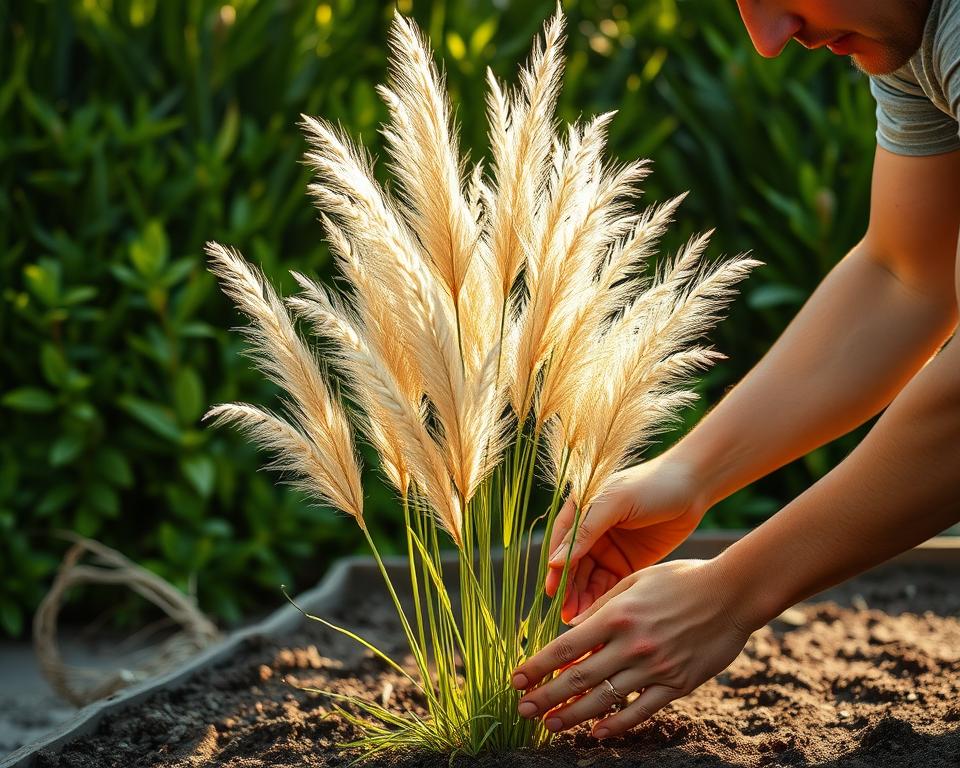
To plant pampas grass, dig a hole that is twice the width of the root ball but of equal depth. Position the plant in the hole, backfill with soil mixed with compost, and firm gently with your foot to eliminate air pockets. Water thoroughly to help settle the soil around the roots. This method ensures that the plant establishes a strong root system.
Planting in Containers
Pampas grass can also thrive in containers. Choose a large pot (at least 50cm diameter) with ample drainage holes and use a high-quality, well-draining potting mix. Position the plant so that the crown sits at the same level as it did in its nursery pot. Water newly planted pampas grass deeply but infrequently to encourage deep root development.
Essential Care for Pampas Grass
To keep your pampas grass thriving, it’s crucial to understand its essential care requirements. Pampas grass is a popular ornamental grass known for its feathery plumes and tall, statuesque growth. Proper care ensures it remains healthy and continues to be a stunning focal point in your garden.
Watering Requirements
Watering is critical, especially during the first growing season. You should water your new pampas grass deeply after planting and intermittently for the first few months. Once established, pampas grass is remarkably drought-tolerant, requiring minimal watering except during prolonged dry periods.
- Water regularly during the first growing season to establish a strong root system.
- Gradually reduce watering frequency as the plant matures.
Sunlight and Temperature Needs
Pampas grass thrives in full sun, requiring at least 6 hours of direct sunlight daily. While it can tolerate partial shade, too much shade can lead to fungal problems due to overly damp soil. Native to South America, pampas grass is adapted to heat and high humidity, making it suitable for UK summers.
Protecting Pampas Grass in Winter
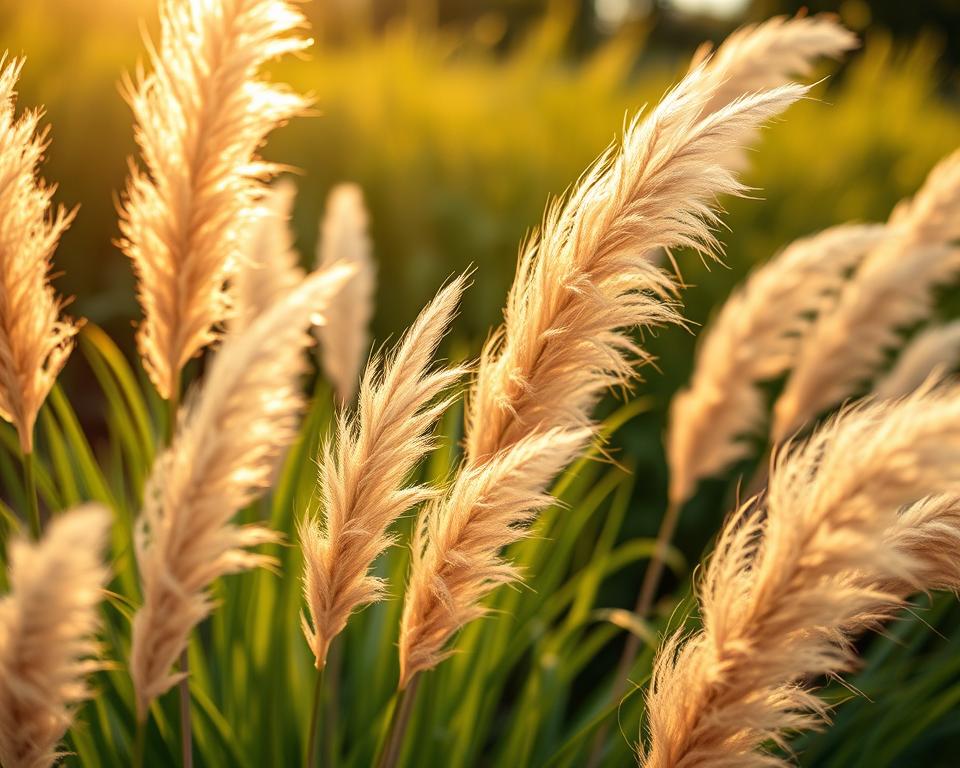
Pampas grass is hardy in most UK regions but may need protection during harsh winters. Leaving the foliage intact after the growing season provides a natural insulating layer. In colder regions, consider adding a thick layer (10-15cm) of mulch around the base to insulate the roots.
| Winter Protection Method | Description | Benefit |
|---|---|---|
| Leaving foliage intact | Do not cut back foliage after the growing season | Natural insulation around the crown |
| Adding mulch | Apply 10-15cm of mulch around the base | Additional insulation for the root system |
Buying, Planting, Caring for, Pruning & Fertilizing Pampas Grass: A Seasonal Guide
The changing seasons bring different needs for your pampas grass, from growth to dormancy. Understanding these seasonal requirements is key to maintaining its health and aesthetic appeal.
Spring Care Routine
In early spring, begin by cutting back any remaining old growth before new growth emerges. This is also a good time to apply a slow-release fertiliser if desired, although pampas grass generally doesn’t require heavy feeding to perform well.
Summer Maintenance
During the summer, maintenance is minimal, focusing on occasional deep watering during extended dry periods and removing any brown or damaged leaves. By late summer, the distinctive plumes will begin to appear, providing the dramatic visual impact that makes pampas grass so desirable.
Autumn and Winter Management
In autumn, you can decide whether to leave the plumes intact for winter interest or remove them for a tidier appearance. Leaving them is often preferred in the UK for both aesthetic reasons and plant protection. Winter management is largely hands-off, allowing the dried foliage to protect the crown from frost.
| Season | Care Activities |
|---|---|
| Spring | Cut back old growth, apply slow-release fertiliser |
| Summer | Deep watering, remove damaged leaves |
| Autumn/Winter | Leave or remove plumes, protect from frost |
Pruning Techniques for Healthy Growth
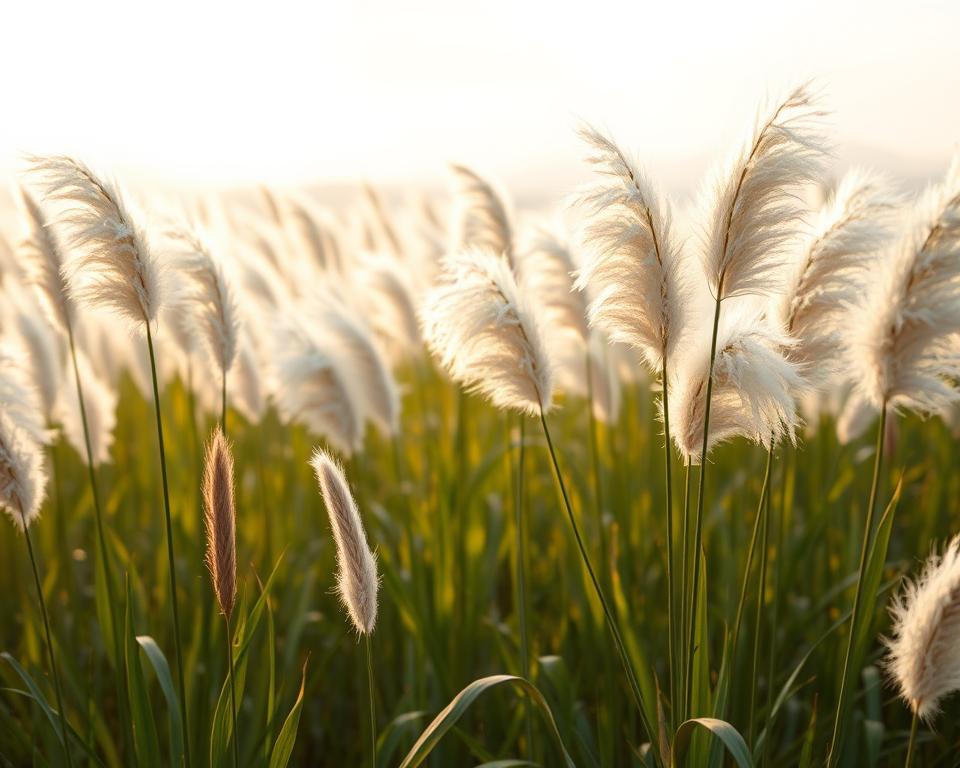
Regular pruning is vital for the well-being of your pampas grass, encouraging new growth and preventing disease. By pruning your pampas grass annually, you can maintain its health and appearance.
When to Prune Pampas Grass
The optimal time to prune pampas grass is in late winter to early spring, typically between February and March, before new growth emerges. This timing helps prevent the buildup of dead material and promotes healthy new shoots.
How to Safely Prune Pampas Grass
When pruning pampas grass, safety is paramount due to its sharp leaf edges. Wear protective gear, including thick gloves, long sleeves, trousers, and eye protection, to prevent cuts and eye injuries. Cut the entire plant back to about 15-30cm above ground level.
Tools and Equipment Needed
Essential tools for pruning pampas grass include sharp pruning shears for younger plants, hedge trimmers or a powered hedge cutter for established clumps, and strong garden twine to bind the foliage before cutting. The binding technique simplifies pruning and cleanup.
Fertilising and Soil Management
To keep your pampas grass thriving, understanding the right fertilising and soil management techniques is crucial. Proper care ensures that your pampas grass remains healthy and continues to be a stunning feature in your garden.
Does Pampas Grass Need Fertiliser?
Pampas grass is naturally adapted to thrive in relatively poor soil conditions and generally doesn’t require regular fertilisation to perform well in most garden settings. However, if you notice sluggish growth or sparse plumes, a light application of a balanced, slow-release fertiliser in early spring can be beneficial.
Best Fertilisers for Pampas Grass
For pampas grass, a well-balanced fertiliser is recommended. Avoid high-nitrogen formulations as they can promote excessive foliage at the expense of plumes. For container-grown pampas grass, fertilising is more critical due to the limited soil volume; apply a balanced, slow-release fertiliser once in spring according to the package directions.
Soil Amendments and Mulching
Soil amendments should focus on improving drainage rather than fertility. Incorporating grit, sharp sand, or small gravel into heavy clay soils can prevent root rot issues. Annual mulching with organic materials like well-rotted compost or leaf mould provides sufficient nutrients for most established plants while helping to suppress weeds and retain soil moisture.
- Pampas grass thrives in well-draining soil and doesn’t require rich soil to grow well.
- A light application of balanced, slow-release fertiliser can boost growth if it’s sluggish or plumes are sparse.
- For container-grown pampas grass, a balanced, slow-release fertiliser in spring is recommended.
- Improving soil drainage with grit or sharp sand can prevent root rot in heavy clay soils.
- Annual mulching with organic materials like compost or leaf mould is beneficial.
- A soil test can help determine specific amendments needed if your pampas grass shows signs of nutrient deficiency.
Conclusion
Successfully cultivating pampas grass requires attention to its lifecycle and maintenance needs. To enjoy its beautiful plumes, it’s essential to understand the best practices for planting, caring for, and pruning this ornamental grass. The ideal time to plant pampas grass is during early spring or early fall, allowing for root establishment before extreme temperatures. Regular maintenance, including annual pruning in late winter to early spring, is crucial for keeping pampas grass healthy and attractive. With proper care, this low-maintenance ornamental grass can thrive for years, providing stunning visual interest in your UK garden.
FAQ
What is the best time to plant pampas grass in the UK?
The ideal time to plant pampas grass in the UK is during late winter or early spring, allowing the plant to establish itself before the growing season.
How often should I water my pampas grass?
Pampas grass is relatively drought-tolerant, but it will perform better with regular watering, especially during its first year. Water your pampas grass during dry spells, but avoid overwatering.
How do I prune my pampas grass?
To prune your pampas grass, use pruning shears to cut back the foliage to about 10-15cm from the ground in late winter or early spring. Wear protective gloves and eyewear to avoid injury from the sharp leaves.
Does pampas grass need fertiliser?
Pampas grass benefits from a balanced fertiliser applied in the spring. A slow-release fertiliser can provide nutrients throughout the growing season, promoting healthy growth.
Can I grow pampas grass in a container?
Yes, you can grow pampas grass in a container. Choose a large enough container to accommodate the plant’s root system, and ensure good drainage to prevent waterlogged soil.
How much sunlight does pampas grass require?
Pampas grass thrives in full sun, requiring at least 6 hours of direct sunlight per day. It can tolerate some shade, but the plant may become leggy and produce fewer flowers.