Tulips & Tulip Bulbs – Buying, Varieties, Planting Time, Care & Uses
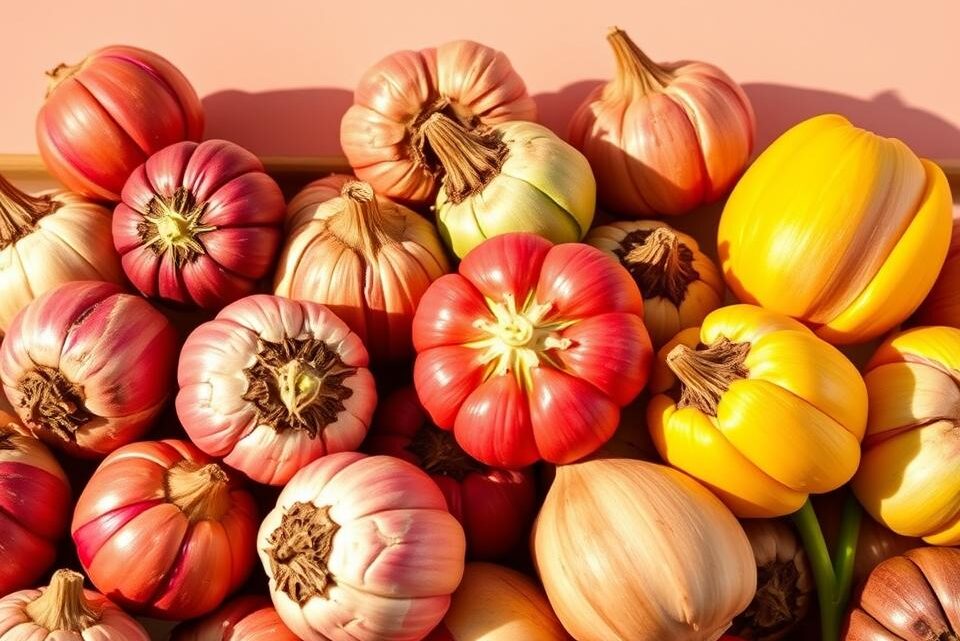
As spring arrives, tulips become a vibrant splash of colour in gardens across the UK. These beautiful flowers come in a wide range of colours, from soft pastels to vibrant shades, making them perfect for adding a pop of colour to borders in April and May.
With so many varieties to choose from, selecting the right tulip bulbs can be a daunting task. This comprehensive guide will walk you through everything you need to know about buying, planting, and caring for tulip bulbs to achieve stunning displays year after year.
Inhaltsverzeichnis
Key Takeaways
- Discover the best tulip varieties for your garden
- Learn when to buy and plant tulip bulbs for optimal results
- Find expert advice on caring for your tulips
- Maximise the beauty and longevity of your tulip displays
- Troubleshoot common problems with your tulips
The Beauty and History of Tulips
The beauty of tulips lies not just in their stunning appearance, but also in their rich history and adaptability in various garden settings. You can appreciate tulips for their vibrant colours and unique shapes that bring life to your garden borders and containers.
Origins of Tulips
Tulips have a fascinating history that dates back to the Ottoman Empire, where they were first cultivated. The tulip’s journey to Europe was facilitated through trade routes, eventually becoming a coveted flower among gardeners. Today, tulips are cherished worldwide for their beauty and diversity.
Why Tulips Remain Popular in British Gardens
British gardeners have long embraced tulips, valuing them for their reliability and versatility. The diverse range of tulip varieties available means you can find the perfect tulip to suit your garden style, whether you’re aiming for a formal display or a more naturalistic planting. Tulips offer exceptional value, with relatively inexpensive bulbs producing spectacular displays that can transform your garden spaces.
| Reasons for Popularity | Benefits |
|---|---|
| Reliability | Consistent performance year after year |
| Versatility | Suitable for various garden styles and designs |
| Value for Money | Relatively inexpensive bulbs with spectacular results |
As you plan your garden, consider incorporating tulips into your design. Their ability to combine with other spring-flowering plants makes them a cornerstone of traditional British spring garden displays. With tulips, you can enjoy a vibrant and dynamic garden that remains interesting throughout the spring season.
Understanding Tulip Varieties and Types
With so many tulip varieties available, it’s essential to know the characteristics of each type. Tulips are broadly classified into several categories based on their flowering time, size, and other characteristics.
Early Flowering Tulips
Early flowering tulips are among the first to bloom, typically in early spring. They are often smaller, with cup-shaped flowers in a variety of colours. These tulips are ideal for rockeries and containers.
Mid-Season Tulips
Mid-season tulips flower after the early varieties and are known for their vibrant colours and larger blooms. They are perfect for adding a splash of colour to your garden in late spring.
Late Flowering Tulips
Late flowering tulips are the last to bloom, often in late spring. They are typically larger and more exotic, with unique shapes and colours. These tulips make a stunning addition to any garden.
Species Tulips
Species tulips, also known as botanical tulips, are the wild ancestors of modern hybrid tulips. They are small, delicate, and hardy, making them perfect for rockeries, gravel gardens, and containers. Some popular species include Tulipa tarda, T. linifolia, and T. clusiana ‘Lady Jane’.
| Tulip Type | Flowering Time | Characteristics |
|---|---|---|
| Early Flowering | Early Spring | Small, cup-shaped, various colours |
| Mid-Season | Late Spring | Vibrant colours, larger blooms |
| Late Flowering | Late Spring | Larger, exotic, unique shapes and colours |
| Species Tulips | Varies | Small, delicate, hardy, natural beauty |
Choosing the Perfect Tulip Colours for Your Garden
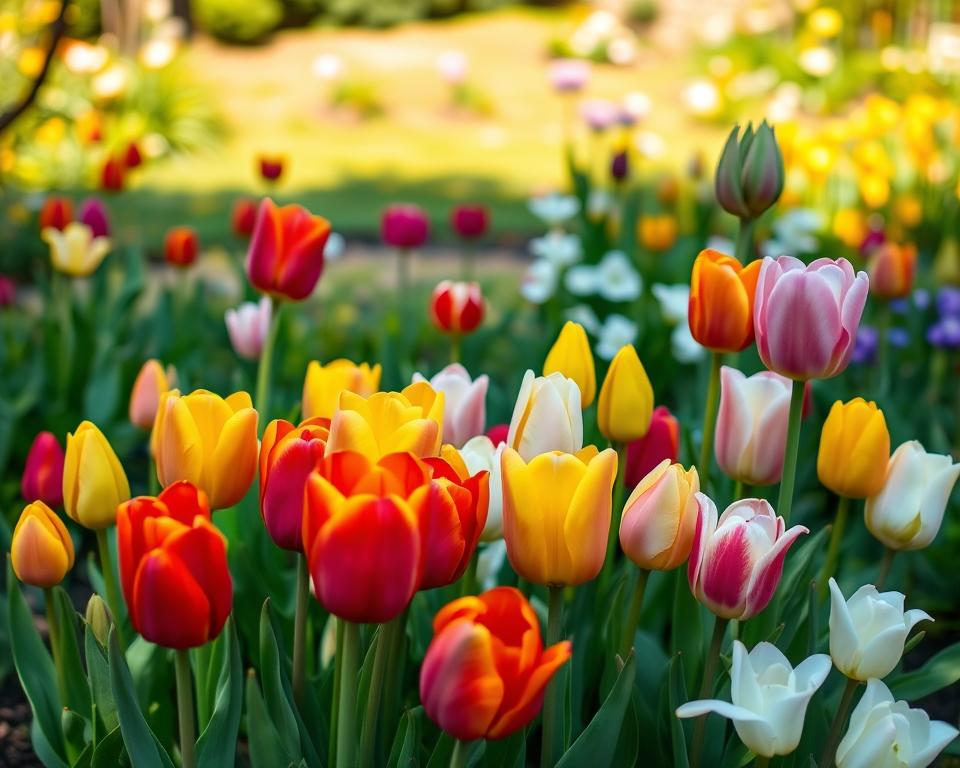
The diverse range of tulip colours allows you to personalize your garden according to your preferences. With various shades and hues available, you can create a unique and visually appealing landscape.
Popular Colour Combinations
When selecting tulips for your garden, consider combining different colours to create a stunning display. Popular combinations include pairing vibrant red tulips with yellow or orange varieties, or mixing pastel shades like pale pink and lavender. The key is to balance colours that complement each other.
Fragrant Tulip Varieties
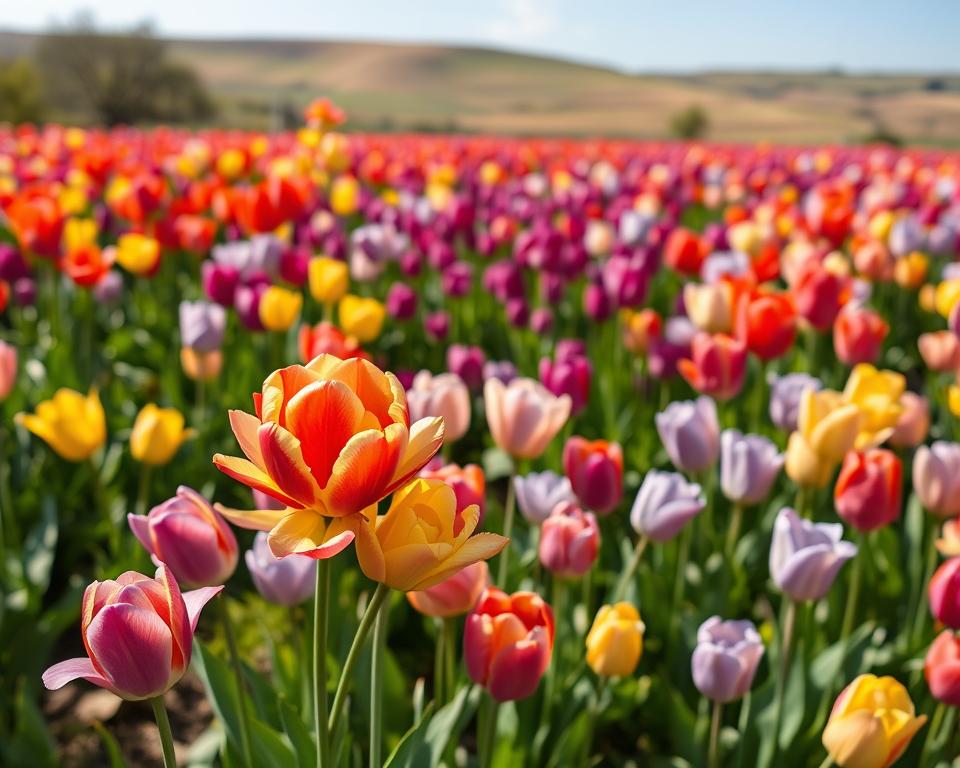
While tulips are primarily chosen for their visual impact, some varieties also offer delightful fragrances. For instance, ‘Angelique’ boasts beautiful pink rosettes with elegant petals and a sweet scent. ‘Secret Perfume’ is another variety that emits a sugar-sweet fragrance from its large, opulent yellow flowers. Consider planting these fragrant tulips near seating areas or pathways to appreciate their scent.
Other fragrant varieties include ‘Brownie’ with its toffee-coloured petals and ‘Ballerina’ with orange petals. These tulips not only add colour but also a sensory dimension to your garden.
When to Buy Tulip Bulbs
Buying tulip bulbs at the right time is crucial for a vibrant display in your garden. The ideal period for purchasing tulip bulbs is during autumn, as it allows for optimal planting conditions.
Seasonal Availability
Tulip bulbs are typically available for purchase from late summer to early winter, with autumn being the peak season. You can find a wide selection of bulbs during this time, increasing the chances of getting the varieties you want.
What to Look for When Purchasing Bulbs
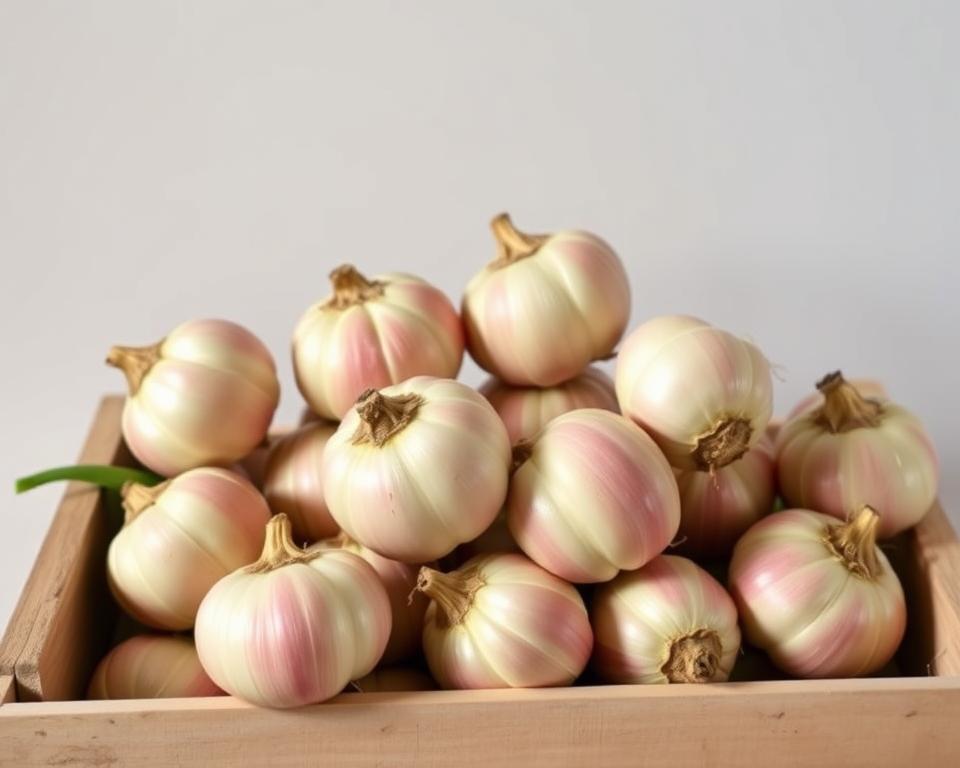
When buying bulbs, it’s essential to inspect them for quality. Look for bulbs that are firm to the touch and free from mould or visible damage. The larger the bulb, the better it will perform in its first year. Consider the following when selecting tulip bulbs:
- Choose bulbs that feel heavy for their size.
- Avoid bulbs with soft spots or signs of sprouting.
- Opt for bulbs with intact protective tunics.
Best Places to Buy Quality Tulip Bulbs

For those looking to buy high-quality tulip bulbs, several suppliers stand out in the UK market. You can choose between specialist suppliers, garden centres, and online retailers, each offering unique benefits.
Specialist Suppliers vs Garden Centres
Garden centres provide an opportunity to inspect bulbs before purchase, while specialist suppliers often offer a wider range of varieties and expert advice. When selecting a supplier, consider the quality of their plants and customer service.
Online Retailers for Tulip Bulbs
Online retailers have revolutionised the way you buy tulip bulbs. Major online garden retailers like Thompson & Morgan, Crocus, and Suttons offer reliable quality and good customer service. You can also explore specialist online bulb suppliers such as Peter Nyssen, Bloms Bulbs, and Avon Bulbs for exceptional value when buying in quantity.
Some online retailers offer pre-designed tulip collections that combine complementary colours, flowering times, and heights, perfect for creating professional-looking displays. When ordering online, it’s crucial to place your order in summer for autumn delivery to ensure the best selection of varieties before popular ones sell out.
When to Plant Tulips & Tulip Bulbs
The timing of planting tulip bulbs significantly affects their flowering and overall health. In the UK, the optimal period for this activity is a crucial consideration for gardeners.
Optimal Planting Times in the UK
The best time to plant tulip bulbs in the UK is during the autumn, typically from September to November. This period allows the bulbs to establish a strong root system before the onset of winter, leading to a more robust flowering display in the spring. Planting in autumn also helps to avoid the risk of frost damage that can occur if bulbs are planted too early or too late.

Late Planting Options
If you’ve missed the optimal autumn planting window, don’t despair. Tulip bulbs can still be planted successfully as late as January in many parts of the UK, provided the ground isn’t frozen solid. When planting tulip bulbs late, ensure the bulbs are firm and show no signs of mould or premature sprouting. For late planting, consider using containers filled with fresh compost to provide better growing conditions.
Preparing the soil properly before planting is also crucial. Ensure it’s well-draining and fertile to support healthy tulip growth.
Selecting the Perfect Location for Tulips
To ensure your tulips flourish, selecting the perfect location is key. Tulips have specific requirements that, when met, result in vibrant blooms and healthy growth.
Sunlight Requirements
Tulips generally require full sun to bloom well, so choose a position that receives at least 6 hours of direct sunlight per day. While some varieties can tolerate partial shade, most perform best in sunny conditions.
Soil Conditions
The soil for tulips should be well-drained and fertile. Tulip bulbs are susceptible to rot if the soil is too wet, so it’s crucial to plant them in soil that drains well. You can improve soil quality by adding organic matter.
Drainage Considerations
 drainage is vital for tulips. To prevent waterlogged soil, consider creating raised beds or using containers with a mix of compost and grit. This helps protect the bulbs from rot during their dormant period.
By paying attention to these factors, you can create an ideal environment for your tulips to thrive.
How to Plant Tulip Bulbs in Borders and Beds
When planting tulip bulbs in your garden borders and beds, it’s essential to consider a few key factors to ensure they thrive. Proper planting tulip techniques will help you achieve a vibrant display of tulips in the spring.
Preparing the Soil
Before planting tulip bulbs, prepare the soil to provide the right conditions. Ensure the ground is well-draining and rich in organic matter. Add compost or well-rotted manure to improve soil quality, especially if it’s heavy clay or sandy.
Planting Depth and Spacing
Correct planting depth and spacing are crucial. Plant bulbs 2-3 times deeper than their height, and space them 3-6 inches apart, depending on the variety. This allows for proper drainage and prevents overcrowding.
Companion Planting with Tulips
Companion planting enhances the visual impact of tulips and manages their post-flowering appearance. Plant tulips behind perennials like hardy geraniums or heucheras, which conceal yellowing tulip foliage as they emerge. Spring-flowering companions like forget-me-nots and wallflowers create harmonious color combinations.

Growing Tulips in Containers and Pots

You can successfully grow tulips in pots with the right care. Tulips in containers can add a vibrant splash of colour to your garden or patio.
Container Selection and Preparation
Choose a container that is at least 20cm deep to accommodate the tulip bulbs and has drainage holes to prevent waterlogging. Use a well-draining compost to plant tulip bulbs in the pot.
Creating a Bulb Lasagne for Extended Flowering
To extend the flowering period, you can create a ‘bulb lasagne’ by layering different tulip varieties and other bulbs like daffodils or grape hyacinths in the same pot. This technique allows for a succession of blooms.
Container Care Throughout the Seasons
After planting tulip bulbs in autumn, place pots in a sheltered position. Check occasionally during winter to ensure the compost doesn’t dry out. Move to a sunny spot in early spring and water when necessary.
Essential Tulip Care After Planting
To enjoy a vibrant tulip display, follow essential care tips after planting your tulip bulbs. Proper care ensures they bloom beautifully and return year after year.
Watering Requirements
After planting, water your tulip bulbs thoroughly to settle the soil around them. During dry spells, keep the soil moist but not waterlogged, as this can lead to rot.
Fertilising Tips
Apply a balanced, slow-release fertiliser to the soil when you plant your tulip bulbs. This will provide plants with necessary nutrients for healthy growth and flowering.
Protection from Pests and Weather
Protect your tulip bulbs from pests like squirrels and mice by covering the planting area with chicken wire. For additional protection, consider adding sharp grit or crushed oyster shells to the soil. Use cloches or horticultural fleece to shield emerging shoots from harsh weather. 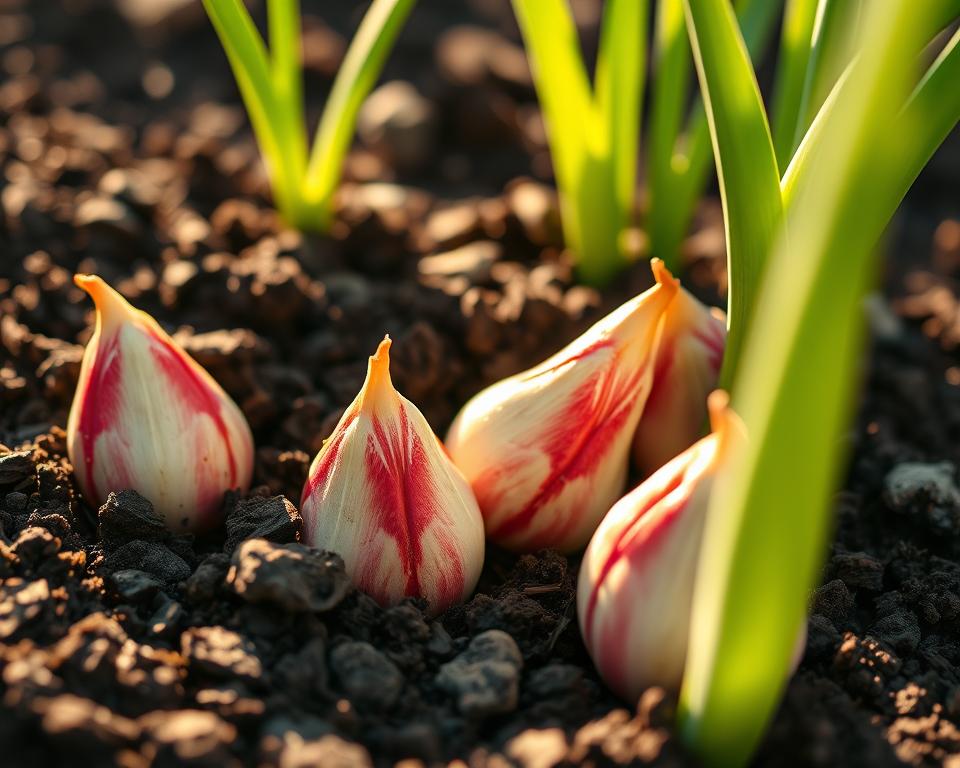
- Cover newly planted bulbs with chicken wire to deter squirrels and mice.
- Use sharp grit or crushed oyster shells to improve drainage and deter rodents.
- Shield emerging shoots from strong winds and late frosts with cloches or horticultural fleece.
Post-Flowering Tulip Care
After your tulips have finished flowering, it’s essential to provide proper care to ensure their return next year. Proper post-flowering care involves a few key steps to help the bulbs recharge for the next growing season.
Deadheading Techniques
Removing the spent tulip flowers, known as deadheading, is a crucial step. This process involves snipping off the flower head once it has faded, leaving the foliage intact. Deadheading helps the bulb conserve energy for next year’s bloom by preventing seed production.

Foliage Management
Allow the tulip foliage to die back naturally, which can take several weeks to a few months after flowering. It’s crucial not to remove or tie back the leaves until they have turned yellow and can be easily pulled away from the bulb. This process allows the bulb to store energy for the next year’s flowers.
Preparing for Next Season
Once the foliage has completely died back, you can start preparing the area for next season. For bulbs left in the ground, apply a 5-8cm layer of well-rotted compost or manure as a mulch. This helps maintain soil moisture and fertility during the summer. You can also plant summer-flowering annuals or tender perennials over the dormant bulbs, ensuring not to disturb them. Making notes or taking photographs of your spring displays can help plan next autumn’s planting, allowing you to record which tulip varieties performed well and identify any gaps or desired colour combinations.
Lifting and Storing Tulip Bulbs
To ensure your tulips bloom beautifully next year, proper lifting and storage of the bulbs are crucial. This process helps in maintaining the health and vitality of the bulbs, ensuring they remain viable for future flowering seasons.
When to Lift Bulbs
The ideal time to lift tulip bulbs is after the foliage has died back, typically in late summer. This allows the bulb to store energy for next year’s bloom. It’s essential to lift the bulbs carefully to avoid damaging them.
Proper Storage Techniques
Once lifted, store the bulbs in a cool, dry, airy, and frost-free place. You can use paper bags to store them, ensuring they are not touching each other. 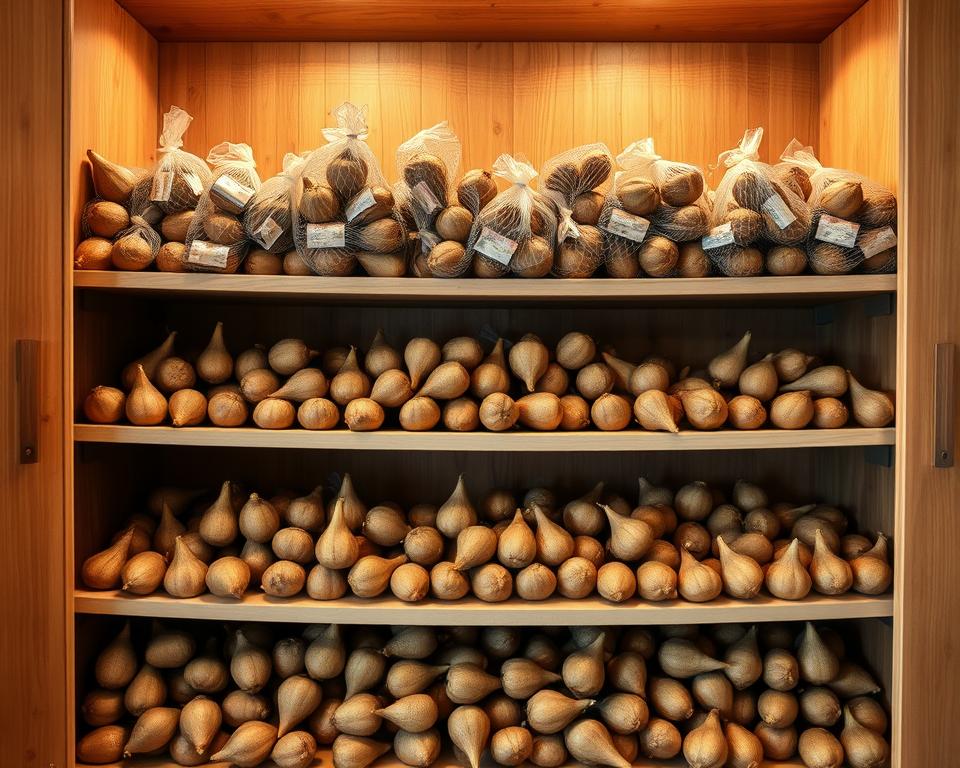
Replanting Stored Bulbs
Before replanting, inspect the bulbs for any signs of mould or softness and discard any that are affected. Plant the healthy bulbs slightly deeper than before, about 20-25cm deep, to protect them from temperature fluctuations. As one expert puts it,
“The key to successful tulip cultivation lies in the details of their care, including how you store and replant the bulbs.”
Refresh the soil with compost and bone meal to support root development and future flowering.
Troubleshooting Common Tulip Problems
To maintain a stunning tulip display, gardeners must be aware of common issues and know how to troubleshoot them. Tulips, while beautiful, can be susceptible to various problems that affect their performance and longevity.
Tulip Fire and Other Diseases
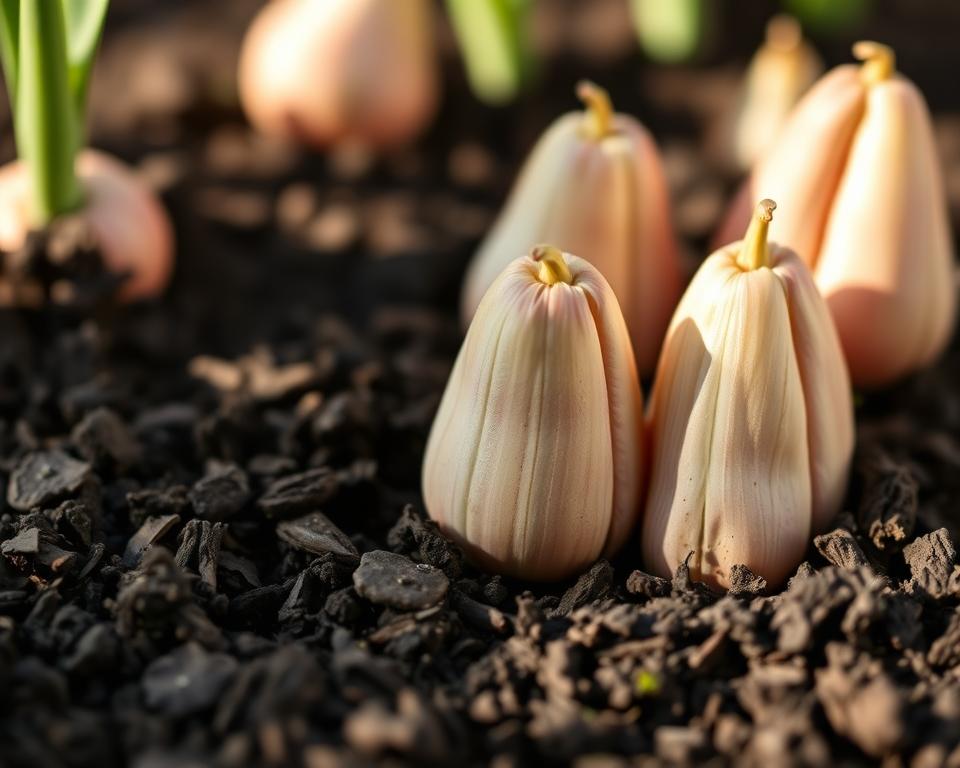
Tulip fire, caused by the fungus Botrytis tulipae, is a significant threat to tulip health, leading to scorched leaves and flowers. Inspect tulip bulbs carefully before planting to avoid introducing diseased bulbs into your garden. Proper spacing and removing infected plants can help prevent the spread of disease.
Pest Management
Pests such as aphids, slugs, and rodents can damage tulips. Using organic or integrated pest management techniques can help mitigate these issues. For example, removing weeds and debris can reduce hiding places for pests, while specific treatments can target aphids and other pests.
Poor Flowering Issues
Flowering can become unreliable if bulbs are left in the ground for too long. Many modern hybrid tulip varieties are bred for spectacular first-year displays. To keep your tulip display vibrant, consider replanting new tulip bulbs every few years. Ensure your plants receive sufficient sunlight and fertilize them appropriately to promote healthy flowering.
- Replant new tulip bulbs every few years for a revived display.
- Ensure tulips receive at least 6 hours of direct sunlight daily.
- Allow foliage to yellow and die back naturally before removing it.
- Lift and divide clumps every 2-3 years to prevent overcrowding.
- Plant bulbs at a depth of three times the bulb’s height.
By following these tips and being mindful of potential issues, you can enjoy a thriving and beautiful tulip display. Regular care and attention to the needs of your tulips will provide you with tips on how to keep them healthy.
Conclusion: Enjoying Your Tulip Display Year After Year
With the right selection and care, you can create stunning tulip displays that return reliably for several years. To achieve this, focus on tulips from varieties known for their perennial performance, such as Darwin Hybrids, Fosteriana types, and Lily-flowered cultivars.
Strategic planting techniques, like placing bulbs deeper than usual (around 20-25cm) in well-drained soil, can significantly improve the chances of perennial flowers. Consider a mixed approach to tulip growing, treating some varieties as annuals for high-impact displays while establishing more permanent plantings with reliable perennial types.
By adopting these strategies, you can enjoy a vibrant tulips display year after year, with the joy of flowers bringing anticipation and creative expression to your garden. Proper care of your bulbs will ensure they continue to thrive.
FAQ
What is the best time to plant tulip bulbs in the UK?
The optimal time to plant tulip bulbs is in the autumn, typically between September and November, allowing the bulbs to establish themselves before winter.
How deep should I plant tulip bulbs?
Plant tulip bulbs at a depth of 2-3 times their height, usually around 10-15cm deep, to ensure proper root growth and protection from extreme weather conditions.
Can I plant tulips in containers, and if so, what are the requirements?
Yes, you can plant tulips in containers. Choose a container with good drainage, use a well-draining compost, and plant the bulbs at the same depth as in the ground. Ensure the container is positioned in a spot that receives the right amount of sunlight.
How often should I water tulip bulbs after planting?
Water tulip bulbs after planting and during the growing season if the weather is dry. However, avoid overwatering, as this can lead to rot and other problems.
Do tulips need full sun to bloom properly?
Tulips generally require full sun to partial shade to bloom well. Most varieties will thrive in a spot that receives at least 6 hours of direct sunlight per day.
How can I ensure my tulips come back year after year?
To encourage tulips to return annually, allow the foliage to die back naturally after flowering, and avoid cutting it back too early. You can also fertilise the bulbs after flowering to promote healthy growth.
What is the best way to deadhead tulips?
Remove the flower heads as soon as they fade, cutting just above the foliage. This process, known as deadheading, helps direct the bulb’s energy towards re-growing and storing energy for the next year’s bloom.
Can I lift and store tulip bulbs, and if so, when?
Yes, you can lift and store tulip bulbs, typically after the foliage has died back. This is usually around 6 weeks after flowering. Dry the bulbs and store them in a cool, dark place until the autumn, when they can be replanted.