Legal Living in Garden Summer House? UK Laws
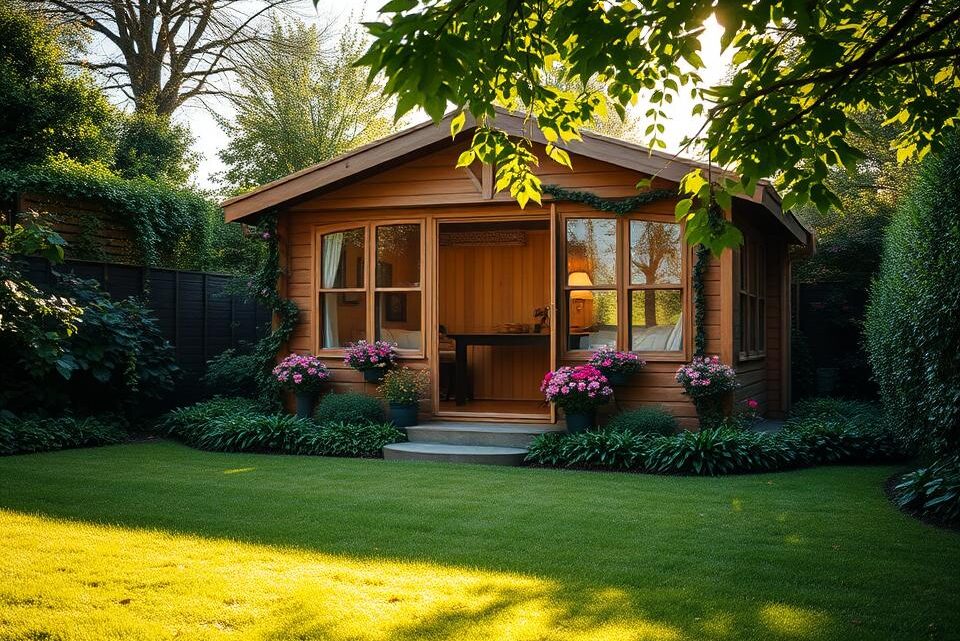
Thinking about living in garden building UK settings has surged, but the rules are nuanced. The core question is simple: can you legally live in a summer house in your garden? The answer sits at the junction of planning control and building safety. England and Wales rely on the Town and Country Planning Act 1990 and the General Permitted Development Order 2015, while Scotland and Northern Ireland use parallel regimes. This guide explains how garden outbuilding regulations, habitability rules, and council processes interact.
The Ministry of Housing, Communities & Local Government, the Planning Portal, and case law such as Gravesham Borough Council v Secretary of State and Uttlesford District Council v Secretary of State help define when a structure is a dwelling. Their principles decide whether a residential use summerhouse remains incidental, becomes ancillary, or crosses the line into an independent home. We also touch on Building Regulations 2010 for safety and energy standards, and how the Valuation Office Agency may assess separate rating when use changes.
Put plainly, UK planning law summer house rules allow many outbuildings without a full application, but lawful occupancy summer house scenarios are tightly controlled. Before fitting a kitchen or a shower, it pays to know when “use” becomes a material change, and when Building Control must sign off works. This article sets out the practical tests, so you can plan with confidence.
Inhaltsverzeichnis
Key Takeaways
- Permitted development often covers garden structures, but not automatic living rights in a summer house.
- UK planning law summer house rules distinguish incidental, ancillary, and independent residential use.
- Adding sleeping, cooking and bathing facilities can trigger a material change of use and full permission.
- Building Regulations may apply to insulation, fire safety, electrics and drainage before occupation.
- Case law guides tests for what counts as a separate dwelling, affecting tax and enforcement risk.
- VOA assessments and utility set‑ups can signal a separate unit and prompt council scrutiny.
- Check garden outbuilding regulations early to secure lawful occupancy summer house outcomes.
In the sections ahead, we clarify the statutory framework, explain thresholds that trigger consent, and outline safe routes to compliance for a residential use summerhouse.
Understanding UK planning law for garden buildings
Garden rooms can be simple shelters or complex spaces with services. The Town and Country Planning Act outbuildings framework and the GPDO Class E rules set the baseline for what you can build without a full application. Read the garden building planning rules first, then match your design and use to those limits.
How outbuildings are classified under the Town and Country Planning Act
Under the Town and Country Planning Act outbuildings sit within the curtilage of a dwellinghouse. Putting up a structure and how you use it can both amount to development. If the use stays subordinate to the main home, it is usually part of the same planning unit. A shift to a self-contained outbuilding dwelling is treated differently and may need permission.
Permitted development rights and their limits for garden structures
GPDO Class E allows buildings incidental to the enjoyment of the dwellinghouse, such as hobby rooms and home offices. Key garden building planning rules include keeping the building behind the principal elevation, single storey only, and obeying height caps, with lower limits close to boundaries. Coverage across all outbuildings must not exceed half the curtilage, and designated land has tighter control.
Breaching these thresholds, or adding uses beyond what Class E expects, can trigger a material change of use garden building scenario. At that point, you will need formal consent before proceeding.
When a summer house becomes a self-contained dwelling
Adding sleeping, cooking and bathing facilities together can turn a garden room into a self-contained outbuilding dwelling. Councils look at independence: separate access, dedicated outdoor space, and metered services often signal a new planning unit. That change typically falls outside GPDO Class E and requires express permission.
If the space supports the main home without full independence, it is more likely to remain ancillary. Crossing the line to day-to-day living is what prompts control under the garden building planning rules.
Key differences between incidental and ancillary use
Incidental vs ancillary use describes two distinct tests. Incidental covers activities like storage, a gym, or a studio that sit alongside the home’s living function. Ancillary use can include guest accommodation or a home office that is still part of the main dwelling’s life.
Once facilities and behaviour show separate living, decision-makers may find a material change of use garden building. That is when the status shifts towards a self-contained outbuilding dwelling rather than a space allowed by GPDO Class E.
Building Regulations and habitability standards for summer houses
A comfortable garden retreat still needs to meet the rules that keep homes safe. A Building Regulations summer house must be designed with energy, safety and health in mind, especially once it is heated, plumbed, or used for sleep. Where exemptions do not apply, expect checks by a Building Control garden room officer and keep your certificates for future conveyancing.
Thermal performance, insulation and ventilation requirements
Heated spaces must meet Part L insulation targets for walls, roofs, floors, windows and doors. Good airtightness and careful detailing reduce thermal bridges and draughts. This improves comfort and helps cut bills.
Fresh air is vital. Part F ventilation calls for background vents and extract where needed, sized for the room and its use. Coordinate insulation with ventilation so you avoid damp, mould and stale air.
Foundations, structural integrity and fire safety considerations
Stable ground and suitable footings are essential under Part A structure. Size framing for wind and snow loads, and protect timber from moisture. A level base also prevents door and window misalignment.
Close to boundaries, Part B fire safety requires fire-resistant construction and safe separation from the house. Provide a clear escape route and consider alarms. Lining materials should limit surface spread of flame.
Electrical installations, plumbing and drainage compliance
Domestic wiring must comply with Part P electrics. Use a competent person scheme installer, RCD protection and proper certification. Keep the Electrical Installation Certificate with your records.
Where water is installed, Part G sanitation governs safe hot water systems and hygienic fittings. Connect foul waste per Part H, using approved drains and traps. Backflow and freezing protection are important in detached plots.
When Building Control approval is mandatory
Approval is normally required when a garden room includes sleeping accommodation, exceeds the small-building exemptions, or introduces notifiable services. A Building Control garden room inspection may cover foundations, insulation, fire resistance, wiring and drainage, with final sign-off on completion.
Keep commissioning paperwork such as Part P notifications and pressure tests where relevant. These documents evidence compliance and support future sale, insurance and valuation.
can you legally live in a summer house in your garden?
In planning terms, daily life in a garden room is judged by use, not by furniture. To live legally in summer house UK settings, the test is whether the space forms an independent home or stays tied to the main house. If meals, bathing, and most services still rely on the primary dwelling, councils usually see it as ancillary.
Where a residential use garden outbuilding includes its own front door, full kitchen, and bathroom, it may be a separate dwelling. That shift is a material change of use and needs planning permission. Ask early if living in garden summerhouse law rules apply to your plot, especially on designated land.
Even with permission, Building Regulations can still apply when people sleep or when the space is heated. Fire safety, insulation, electrics, and drainage must meet the standards that protect health. If you wonder, is living in a garden room legal, the safest route is to secure consent and obtain Building Control sign-off.
Some councils issue annex permissions with occupancy conditions tied to the main house. These prevent separate sale or independent letting. Kept this way, you may live legally in summer house UK scenarios where the use remains ancillary and compliant with living in garden summerhouse law.
Mortgage terms and title covenants can restrict residential use garden outbuilding plans. Lenders such as Nationwide and Halifax often require disclosure and approvals before permanent sleeping use. Always check deeds and speak to your insurer before asking, is living in a garden room legal for year-round occupancy.
Primary residence vs ancillary accommodation
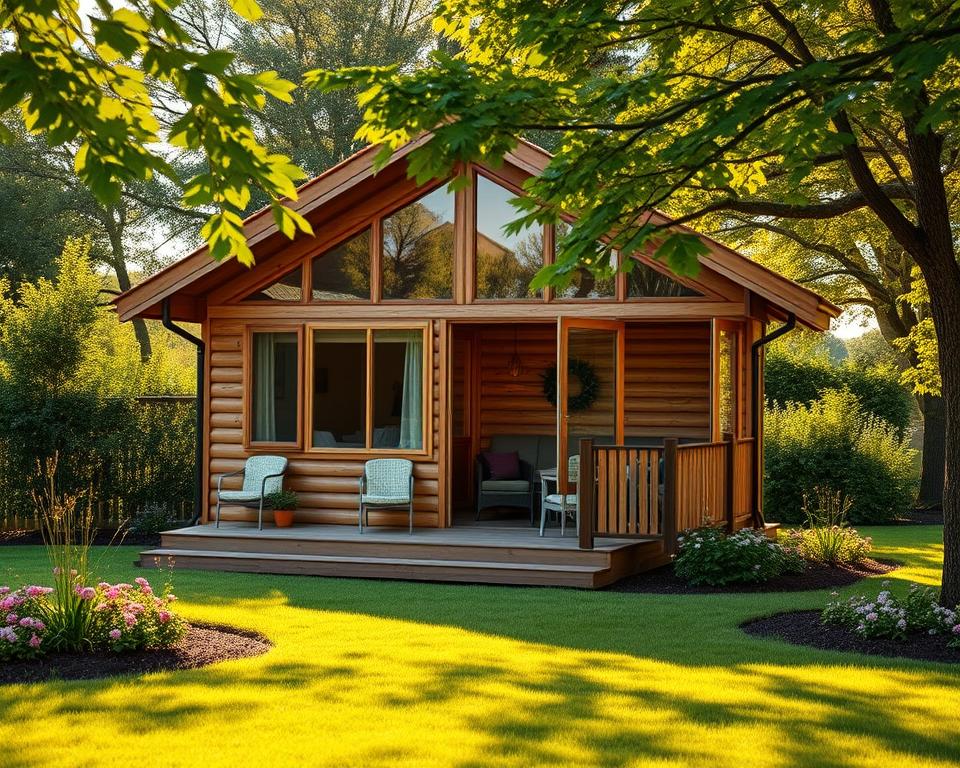
Whether a garden building is part of your main home or stands alone turns on function and independence. Councils look at daily living, not décor. A clear plan for ancillary annex definition and layout helps show how the space will be used alongside the main house rather than as a flat.
What counts as a separate dwelling in law
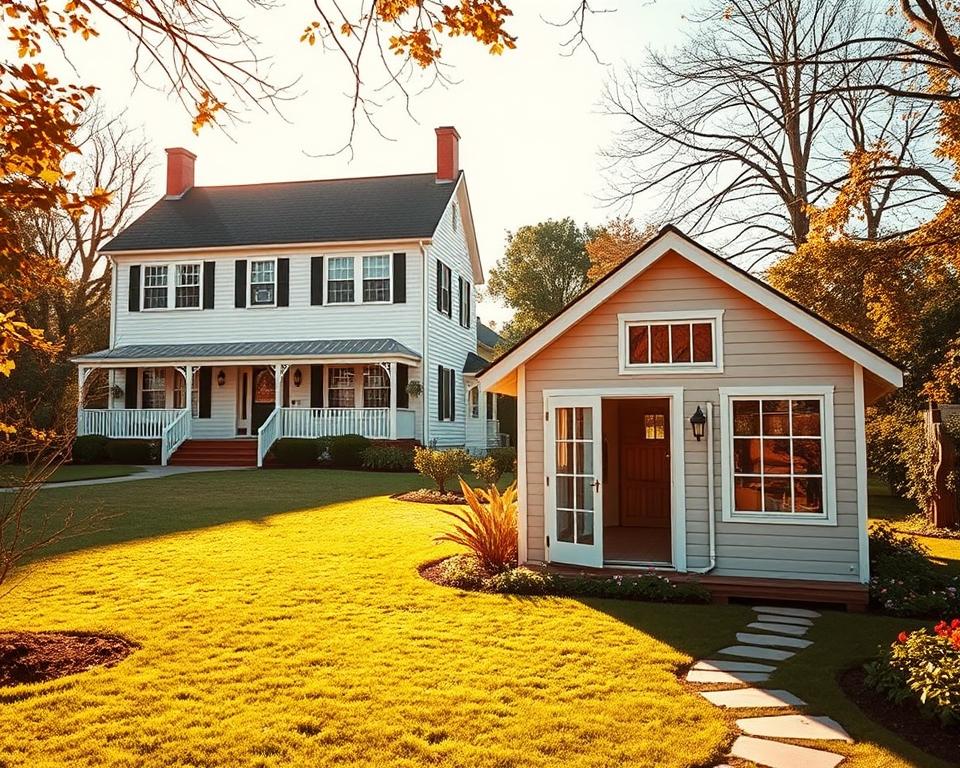
The Gravesham test guides the separate dwelling legal test. A unit that enables cooking, eating, sleeping and sanitation for day-to-day life, without relying on the main house, is treated as a dwelling. If your layout allows independent occupation, expect a need for planning consent.
Design choices shape outcomes. A door that opens only from the garden, its own meter, and a mailbox point towards independence. Shared facilities, by contrast, support a garden annex lawful use that is subordinate to the host home.
Tests used by councils: facilities for sleeping, cooking and bathing
Case officers assess practical markers of autonomy. They consider whether there is a hob or oven, a sink with drainage, a fridge, a shower or bath, a WC, and a private sleeping area. The more complete the set, the stronger the signal that the unit passes the separate dwelling legal test under the Gravesham test.
- Independent access, parking space, or a fenced garden area
- Separate utility meters or controls
- Distinct addressing or council tax assessment
Reducing facilities and sharing services can maintain garden annex lawful use. A kitchenette without a hob, for example, may help show reliance on the main kitchen.
Ancillary use for guests, hobbies and home offices
An incidental use garden building supports leisure or storage, such as a gym or studio, and often falls within permitted development. Ancillary use ties the space to the home’s residential purpose, like a home office, hobby room, or occasional guest room.
Sleeping space can be ancillary when tied to the household and reliant on the main house for meals and bathing. Clear rules on no separate letting, shared amenities, and regular access from the home reinforce an ancillary annex definition and protect a garden annex lawful use.
Planning permission triggers for garden summer houses
Before ordering a kit or booking a builder, check whether your proposal falls under permitted development or needs garden room planning permission. The trigger points turn on size, height, siting, and whether the use would alter how the land functions.
Note: Where permitted development applies, Class E limits height boundary relationships and overall massing, but use can still create separate consent issues.
Size, height and positioning rules near boundaries
Under Class E limits height boundary controls, eaves must not exceed 2.5 m. The overall height is up to 4 m for a dual‑pitched roof, or 3 m for other roofs.
If the building sits within 2 m of a boundary, the maximum height is 2.5 m. It cannot be forward of the principal elevation, and outbuildings must not cover more than 50% of the curtilage excluding the original house footprint.
Breaching these figures or squeezing a large structure into a tight corner will usually trigger garden room planning permission.
Designated land, conservation areas and listed buildings
On designated land such as National Parks, Areas of Outstanding Natural Beauty, the Broads and World Heritage Sites, permitted development is curtailed. In conservation areas, outbuildings to the side are excluded from Class E. These conservation area outbuilding rules often push schemes into a full application.
Structures within the curtilage of listed buildings face tighter control, and listed building consent may be needed in addition to planning permission. Flats and maisonettes do not benefit from Class E at all.
Change of use and material change in the character of use
Even a compliant shell can require consent if the use shifts. A material change of use outbuilding occurs when it functions as a self‑contained dwelling with sleeping, cooking and washing facilities, or when it is let as an independent unit.
Councils assess whether the character of use has moved beyond incidental or ancillary. Long‑term occupation, separate access, postal arrangements, and intensification are common red flags.
Impact on parking, access, privacy and amenity
Applications are judged against the residential amenity planning test. Typical issues include highway safety, on‑plot parking loss, access for emergency services, overlooking and loss of privacy, overshadowing, and noise.
Where the proposal constrains manoeuvring space, reduces a usable garden, or introduces late‑night activity, garden room planning permission is likely to be required with mitigation. Thoughtful siting and modest scale help demonstrate that effects are acceptable.
Using a summer house for short-term lets or lodgers
Turning a garden room into guest space raises distinct planning and tax issues. The core question is whether stays are part of normal household life or a commercial use. Many councils treat frequent guest turnover as a material change, so the Airbnb garden room legality UK point hinges on intensity, independence, and services offered.
If you run a short-term let outbuilding with separate access, key safes and regular bookings, planners may see a shift from home use to visitor accommodation. That often draws comparisons with hotels and guest houses. In policy terms it can be assessed against use class C3 vs C1, or even sui generis, depending on local guidance and the setup.
A lodger in garden annex sits with the resident landlord’s household. The space should share facilities, or at least daily life, to remain ancillary. If the annex has its own kitchen and guests live there independently, it is less like a lodger and more like a separate dwelling or holiday unit.
Fire detection, safe escape routes, and clear site access matter for visitor safety and for insurance. Insurers and lenders often require disclosure of guest use. Councils may also look at parking, noise, waste, and late-night comings and goings when judging impact on neighbours.
Where guest use is primary, you may need planning for holiday let garden building. In London, the 90‑night rule for whole homes shows the policy direction on controlling churn. While aimed at main dwellings, similar reasoning is used when garden annexes function as stand‑alone lets.
| Scenario | Planning Lens | Typical Indicators | Likely Tax/Rating | Key Risks |
|---|---|---|---|---|
| Occasional family or friends stay | Ancillary residential (home use) | Shared facilities, no payment, low turnover | Council Tax unchanged | Amenity if noise/parking escalates |
| Lodger in garden annex | C3 household if part of resident landlord’s home | Shared living pattern, not self-contained | Council Tax; income tax on rent | Insurance terms; fire safety duties |
| Short-term let outbuilding | Commercial visitor use; compare use class C3 vs C1 | Frequent bookings, separate access, services | Business rates possible; separate listing | Planning breach; enforcement; lender consent |
| Holiday let garden unit | Material change; may be sui generis | Independent kitchen, key safe, guest turnover | Business rates; VAT thresholds may apply | Refusal due to amenity/access; licence needs |
When weighing the Airbnb garden room legality UK question, evidence of management style and guest churn will be central. Clear records, neighbour liaison, and early advice help. Where doubt exists, seek a certificate or permission that aligns with planning for holiday let garden building expectations and the realities of use class C3 vs C1.
Mortgage terms from lenders such as Barclays or Nationwide, and policy in cities like London, Manchester and Edinburgh, often shape outcomes. If the unit reads as a short-term let outbuilding rather than a lodger in garden annex, expect scrutiny and the need for formal approval.
Council tax, utilities and postal address implications
Turning a garden room into liveable space has knock-on effects beyond planning. Council tax, utility set-ups and addressing all signal how a building is used. Each can trigger separate assessment, so keep records clear and consistent.
When a separate council tax band may be applied
If an outbuilding functions as a VOA self-contained unit with its own kitchen, bathroom and entrance, the Valuation Office Agency may apply council tax annex banding. This can occur even when it sits within the same plot as the main house.
Where relatives live in an annex, discounts under the 2013 regulations can apply, but the extra band can still stand. Evidence of independent use, including post, contracts and utility bills, often guides the decision.
Metering, sewer connections and lawful utility set-ups
Fitting a separate meter garden annex for electricity, gas or water can indicate independence to authorities. Suppliers regulated by Ofgem and Ofwat expect safe, compliant installations with the owner’s consent and correct certification.
Drainage must align with sewer connection Building Regulations and the Water Industry Act 1991. Unauthorised wastewater works risk enforcement by the local authority or the water company, alongside costly remedial action.
Obtaining a Unique Property Reference Number and addressing
A UPRN Royal Mail address starts with the council’s address management team. They assign the UPRN; Royal Mail then activates the postal address once approved. Councils often refuse separate addresses for outbuildings lacking planning status.
Requesting a new address can prompt checks on lawful use. Before applying, ensure the building’s planning position, utility routing and occupation pattern are consistent and documented.
Mortgage, leasehold and restrictive covenant considerations
Before fitting a kitchenette or adding services, check your lender’s conditions. A mortgage consent garden annexe is often required where a garden room may be used for sleeping or letting. Without written approval, a lender can treat the change as a breach, which can affect cover under buildings insurance and future refinancing.
Leaseholders face extra steps. A lease covenant outbuilding use may limit construction, subletting, or overnight stays in the curtilage. Many leases insist on freeholder consent garden building for any structural work, and for any use that resembles a self-contained unit, even if it remains ancillary to the main flat.
Title documents matter. Look for restrictive covenants annex that control what can be built or occupied in the garden. A title deeds prohibition separate dwelling can stop kitchens, separate post, or fences that imply independence. These terms may be enforceable by neighbours, a residents’ company, or an estate manager.
Obtain evidence early. Lenders often expect Building Control certificates for safety and insurance purposes, while managing agents may ask for plans and method statements. Clear paperwork helps show that the proposal is for incidental or ancillary living, not a separate residence.
If you plan to rent the space or host long-term stays, confirm the position in writing. Some titles ban business activity or transient guests. Where terms are unclear, seek advice from a solicitor regulated by the Solicitors Regulation Authority and order the HM Land Registry title and deed pack before any commitment.
Keep neighbours and stakeholders informed. Advance notice can reduce objections and highlight any consent paths available under the mortgage, the lease, or the covenants. If restrictions apply, explore alternatives that keep the use incidental and compliant with the existing planning status.
- Check your mortgage consent garden annexe position with the lender.
- Review the lease covenant outbuilding use and any need for freeholder consent garden building.
- Read the restrictive covenants annex and any title deeds prohibition separate dwelling.
- Secure Building Control and insurer confirmations where relevant.
Paths to lawful use: Certificates and applications
Securing certainty for a garden building often starts with paperwork, not bricks. The right route depends on use, facilities, and how the space relates to the main house. Clarity at the outset can prevent delay, cost, and the risk of a planning enforcement notice.
Lawful Development Certificate for proposed use
A Lawful Development Certificate outbuilding application can confirm that a proposed garden room meets Class E permitted development and that the intended use is lawful. It is optional, but it gives peace of mind when instructing builders or ordering services.
Submit scaled plans, height and footprint, siting within the curtilage, and a clear statement of use. For example, a home office or hobby room with occasional guest sleeping and no kitchen. This record helps if questions arise later about change of use or ancillary status.
Full planning application for ancillary or independent living
Where sleeping, cooking and bathing create a self-contained unit, a planning application garden annexe is usually required. Councils often limit occupation by attaching an ancillary occupancy condition, tying the annexe to the host home and blocking sale as a separate dwelling.
For fully independent living within the plot, case officers look at safe access, parking, private amenity space, and impact on neighbours under local plan policies. Some schemes succeed; others face refusal due to backland development concerns and loss of privacy.
Retrospective permission and enforcement risk
If works or use began without consent, retrospective planning may regularise matters. Evidence of dates, layout, and continuous occupation is crucial, but relying on time limits is risky and fact-specific.
Councils can serve a planning enforcement notice or a planning contravention notice while investigating. While immunity may arise after set periods for operational development or long-standing use, intentional concealment can extend those limits, so prompt disclosure and robust proof are vital.
Designing for compliance and good neighbour relations
Thoughtful layout keeps peace on the street and aligns with garden room design compliance. Begin with scale and siting that sit comfortably within GPDO and local policy. Protect daylight, outlook and privacy while ensuring safe movement to and from the main house.
Setbacks, overlooking and privacy-friendly layouts
Maintain clear setbacks from boundaries and moderate height and bulk. Use window orientation, high-level glazing and obscure glass for effective overlooking mitigation. Keep usable private space for the main home and any annexe, and place doors and decks away from shared fences.
Position rooflights to face the sky, not neighbours. Screen paths with planting and choose soft, permeable edges that reduce noise and glare. A modest footprint often reads better and reduces visual dominance.
Acoustic control, odour management and low-impact services
Design the acoustic insulation garden annex with insulated studs, resilient bars and acoustic glazing. Site heat pumps away from bedrooms and use vibration isolation to reduce hum. Aim for internal levels guided by BS 8233 and select quiet fans that meet the Domestic Building Services Compliance Guide.
To curb odours, use efficient extraction with carbon filters and short, sealed ducts. Prefer electric-only cooking to avoid flues near boundaries. Specify permeable paving and soakaways for low-impact drainage, preventing run-off into neighbouring plots.
Fire separation and safe escape routes
Provide robust fire separation outbuilding measures where close to boundaries, limiting unprotected areas within 1 metre. Plan at least one simple, direct escape path to open air and the street. Fit interlinked smoke and heat alarms and keep routes clear of plant or storage.
Install doors and escape windows with adequate clear openings and sensible sill heights. Maintain safe separation from the main house and adjacent sheds, and select non-combustible claddings near tight boundaries.
| Design focus | Practical action | Benefit for neighbours | Compliance cue |
|---|---|---|---|
| Setbacks and massing | Reduce height near fences; pull back from corners | Less overshadowing and visual bulk | Supports garden room design compliance |
| Privacy | High-level/obscure glazing; oriented windows | Overlooking mitigation and calmer boundaries | Aligns with local amenity policies |
| Noise | Resilient bars, acoustic glazing, isolated plant | Quieter gardens and interiors | Echoes BS 8233 targets |
| Odour and services | Carbon-filtered extraction; electric cooking | Fewer smells and cleaner air | Good practice for small annexes |
| Surface water | Permeable paving and soakaway sizing | No run-off across boundaries | Delivers low-impact drainage |
| Fire safety | Compartmentation; protected escape paths | Reduced spread risk | Strengthens fire separation outbuilding strategy |
Enforcement risks and penalties for unlawful occupancy
Using a garden room as a home without consent can trigger swift action. Councils treat misuse as a breach of planning control, and the risks extend beyond fines to mortgage and insurance issues. Early advice and a record of how the space is used can make a difference.
Planning contraventions, stop notices and fines
Local planning authorities can investigate a planning enforcement garden building where it functions as an outbuilding dwelling. They may issue a planning contravention notice, ask for evidence, and then serve an enforcement notice if harm continues. Non‑compliance can lead to prosecution in the Magistrates’ Court.
Where harm is immediate, councils can serve a stop notice alongside an enforcement notice. Stop notice fines and court costs mount quickly if you ignore deadlines. Breaches of occupancy conditions, such as limits on sleeping or cooking, are enforceable in the same way.
Regularisation options and appeal routes
Some defects stem from construction, not use. A regularisation Building Control application can address unauthorised works, though intrusive upgrades may be required and not every defect is fixable. Keep receipts, drawings, and contractor certifications to support any submission.
If you receive an enforcement notice, you can file an appeal enforcement notice to the Planning Inspectorate. Grounds can include no breach, deemed consent, or that the steps are excessive. Evidence of policy compliance, limited impact, and a clear management plan for use will be central to success.
Insurance implications of non-compliant use
Insurers expect full disclosure of how a structure is occupied. If an outbuilding becomes a de facto outbuilding dwelling without consent, cover can be restricted or void. An insurer may treat claims for fire, escape of water, or liability as invalid if use breaches policy terms or public law.
Misstating use for lodgers or short‑term lets can leave insurance void and create personal exposure. Confirm that the schedule reflects residential use, and update it after any approval or change of use, so that compliance with planning and Building Regulations is clear on the record.
Conclusion
The position is clear. A garden room built under permitted development cannot be used as a separate dwelling. That is the core of any planning permission summary. If you want an independent unit, you need planning consent and to meet Building Regulations where sleeping, heating, plumbing or electrics are present. This can include a lawful garden annexe UK set up for a dependent relative, with strict occupancy conditions and proper sign-off.
Before you buy or build, check the General Permitted Development Order Class E limits, conservation and listed constraints, local plan policies, title covenants and your lender’s consent. A concise Building Regulations summary helps you scope insulation, fire safety, ventilation, drainage and wiring from the outset. For clarity on past or proposed use, apply for a Lawful Development Certificate or full permission, and secure Building Control approval to keep your insurer on side.
The best route to UK garden room compliance is early dialogue with your council’s planning team, a Building Control body, and qualified professionals such as a planning consultant, architectural technologist and structural engineer. That approach reduces enforcement risk, protects neighbour amenity and increases resale confidence. It also produces a strong can you legally live in a summer house in your garden conclusion: incidental use is fine without permission, ancillary or independent living demands consent and regulation.
Handled well, a garden building can add flexible space for work, hobbies or guests, and in some cases function as a lawful garden annexe UK. Treat compliance as part of the design brief, not an afterthought. By pairing a precise planning permission summary with a practical Building Regulations summary, you create a safe, legal and insurable space that stands up to scrutiny.
FAQ
Can I legally live in a garden summer house in the UK?
Living in a garden building as a separate, self-contained home usually needs planning permission under the Town and Country Planning Act 1990. If the use is strictly ancillary to the main house, it may be lawful, but adding full facilities for sleeping, cooking and bathing can create a separate dwelling (C3 use) and trigger enforcement.
What does the General Permitted Development Order allow for summer houses?
The GPDO 2015 (Schedule 2, Part 1, Class E) permits single-storey outbuildings incidental to the enjoyment of a dwellinghouse, subject to limits on height, size, siting and coverage. It does not grant permission for independent residential use with primary living accommodation.
How are outbuildings classified under the Town and Country Planning Act?
Outbuildings within a dwelling’s curtilage are part of the planning unit, but their construction and use can be development. If they fall within Class E as incidental structures, they are usually permitted. If they amount to a material change of use, you’ll need express permission.
When does a summer house become a self-contained dwelling?
Under the Gravesham test, a building is a dwelling if it functions as a single, self-contained unit with facilities for eating, sleeping and sanitation. Separate access, dedicated garden, postal address and independent services point strongly to a separate planning unit.
What is the difference between incidental and ancillary use?
Incidental use supports the main home, such as a studio, gym or hobby room, and is typically within Class E. Ancillary use is related to living in the main house, like a home office or occasional guest room. If ancillary use becomes independent living, it can require permission.
What are the dimensional limits for permitted garden buildings?
Key Class E limits include eaves up to 2.5 m, overall height up to 4 m for dual-pitched roofs or 3 m for others, and within 2 m of a boundary the height must not exceed 2.5 m. Outbuildings must not sit forward of the principal elevation and must not cover more than 50% of the curtilage.
Do conservation areas and designated land change the rules?
Yes. On designated land—National Parks, Areas of Outstanding Natural Beauty, the Broads and World Heritage Sites—Class E rights are more restricted. In conservation areas, side garden outbuildings are excluded from PD. Listed buildings face stricter controls and may need consent.
What Building Regulations apply to summer houses?
The Building Regulations 2010 apply when size, use or services pass exemption thresholds. Parts A, B, F, L, P, G and H can be relevant, covering structure, fire safety, ventilation, energy, electrics, water and drainage. Sleeping accommodation almost always removes exemptions.
Are small garden buildings exempt from Building Regulations?
Detached, single-storey buildings under 15 m² with no sleeping accommodation are generally exempt. Between 15–30 m², exemption may apply if there’s no sleeping accommodation and they are at least 1 m from the boundary or substantially non-combustible. Heating or plumbing can remove exemptions.
What insulation and ventilation standards are expected?
Heated spaces should meet Part L targets for U-values and control thermal bridging and airtightness. Balanced, controlled ventilation under Part F is needed to manage moisture and indoor air quality. Good thermal design improves comfort and reduces running costs.
What about electrics, plumbing and drainage?
Electrical work in dwellings must comply with Part P and be certified, with RCD protection on circuits. Sanitary installations must meet Part G and connect to compliant drainage under Part H. Keep commissioning certificates and completion paperwork for conveyancing and insurance.
When is Building Control approval mandatory?
Approval is required if the building includes sleeping accommodation, exceeds exemption thresholds, or has notifiable controlled services. Local Authority Building Control or an approved inspector will inspect and, if satisfactory, issue a completion certificate.
Can I use a summer house as an annexe for family?
Many councils accept ancillary annexes occupied by family members if functionally and physically subordinate to the main house. Planning permission may be granted with occupancy conditions preventing separate sale or independent letting. Building Regulations will apply if it includes sleeping.
What factors do councils assess to decide if it’s a separate dwelling?
They look at configuration and intensity, separate entrances, dedicated garden or parking, utility metering, postal address, and the ability to live there without relying on the main house. The more independence, the more likely it is classed as a separate dwelling.
Do I need planning permission for short-term lets in a garden building?
Often yes. Using a summer house for short-term lets, such as Airbnb, can be a material change to a commercial guest use. Many councils require permission and may resist such schemes due to amenity, access and parking impacts, especially in residential areas.
Are lodgers allowed in a summer house?
A lodger is part of the resident landlord’s household. If the outbuilding operates independently, it is unlikely to be a lodger arrangement and may be treated as a separate unit, needing permission and compliance with safety standards, including means of escape and alarms.
What are the council tax implications for an annexe or outbuilding?
The Valuation Office Agency can band a self-contained annexe as a separate dwelling. Discounts may apply where occupied by a relative under the Council Tax (Reductions for Annexes) Regulations, but a new band can still be created if it is self-contained.
Can I get a separate utility meter and postal address?
Separate meters can suggest independence and may prompt scrutiny. Utility connections must comply with Ofgem and Ofwat frameworks and the Water Industry Act 1991. Local authorities control addressing and UPRNs, and may refuse a separate address without planning consent.
Will my mortgage or title covenants restrict use?
Lenders often require consent for structural changes, annexes or letting, and may insist on Building Control certificates. Leasehold terms and restrictive covenants can prohibit separate dwellings or business use in the garden. Breaches risk enforcement or invalidated insurance.
How do I confirm my proposal is lawful before building?
Apply for a Lawful Development Certificate to confirm Class E compliance and the specific incidental or ancillary use. For independent living, submit a full planning application. Early engagement with the local planning authority reduces risk and clarifies conditions.
What if I have already started using it as a home?
You can seek retrospective permission, but councils may issue planning contravention or enforcement notices. While immunity periods exist for some breaches, they are risky and require robust, continuous evidence. Intentional concealment can extend time limits.
What design steps improve compliance and neighbour relations?
Respect setbacks and height limits, avoid overlooking, and use obscure glazing where needed. Manage noise with acoustic insulation and careful plant siting. Plan safe escape routes, interlinked alarms and adequate fire separation to boundaries.
What are the penalties for unlawful occupancy?
Councils can issue stop and enforcement notices and prosecute for non-compliance, leading to fines and required cessation. Building Regulations breaches may need regularisation, and insurers can refuse claims if the use is unlawful or undeclared.
Do flats or maisonettes have the same permitted development rights?
No. Class E permitted development rights do not apply to flats or maisonettes. In these cases, any outbuilding or change of use would normally require full planning permission.
Does a heat pump or wood burner change compliance needs?
Adding heating affects Part L and Part F compliance and may introduce Part J considerations for combustion appliances, clearances and flues. On small plots, flue positions near boundaries can be problematic and may raise amenity concerns.
How do case law decisions affect garden living?
Cases such as Gravesham and Uttlesford guide decisions. They inform whether a unit is self-contained or ancillary by examining facilities, dependence on the main house and physical separation. Councils and inspectors apply these tests in appeals.
Are there insurance implications if I live in a summer house?
Yes. Using an outbuilding as residential accommodation without proper permissions or certificates can void buildings and contents insurance. Specialist policies for annexes or holiday lets often require full disclosure and evidence of compliance.