How to Choose the Best Metal Shed Insulation
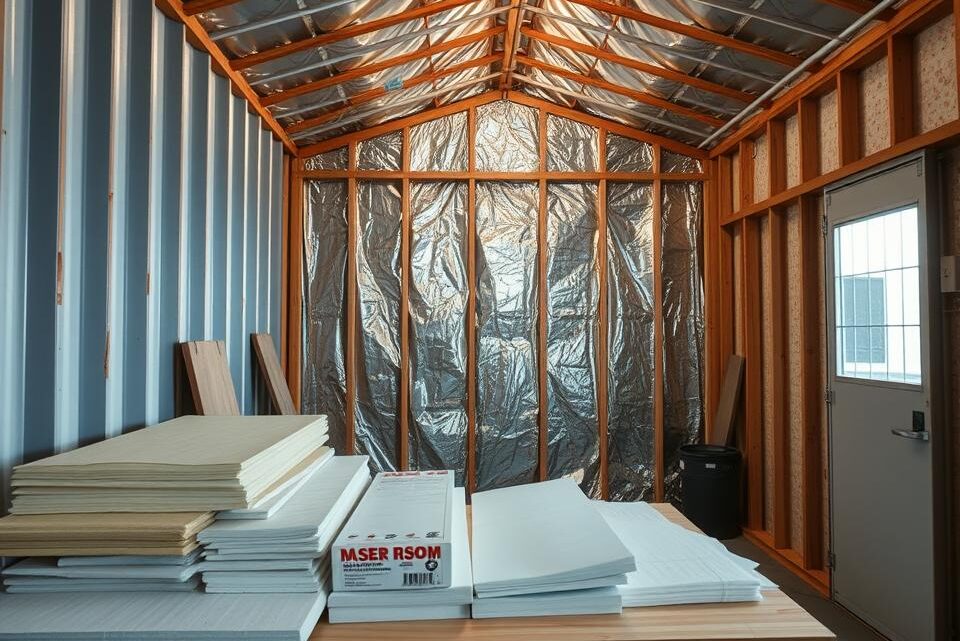
Transforming a basic garden structure into a comfortable, year-round space requires careful planning. The right protective layer makes all the difference. It ensures the interior remains pleasant, whether it’s a chilly winter morning or a blazing summer afternoon.
This guide helps owners navigate the various available choices. From spray foam to rigid boards, each material offers distinct benefits. Understanding these differences is key to making an informed decision that suits specific needs and budgets.
The goal is to create a usable area that protects stored belongings from extreme temperatures and moisture. A well-insulated space can serve as a workshop, studio, or simply secure storage. This investment enhances the building’s functionality and longevity significantly.
Inhaltsverzeichnis
Key Takeaways
- Effective thermal control maintains comfortable temperatures throughout the seasons.
- Different materials offer unique advantages for various applications and budgets.
- Proper installation protects contents from damage caused by condensation and heat.
- The best choice depends on the building’s primary use and local climate conditions.
- Considering long-term performance and maintenance requirements is essential.
- This guide provides a practical framework for evaluating all available solutions.
Understanding the Importance of Insulating a Metal Shed
The decision to add thermal barriers to an external storage space brings multiple protective benefits worth considering. In the UK’s variable climate, proper thermal control becomes essential for maintaining usable conditions.
Benefits of Effective Insulation
Quality thermal protection offers significant advantages. It stabilises interior temperatures throughout the year. This creates a comfortable environment for workshops or storage.
The material acts as a buffer against external weather changes. It keeps the space warmer in winter and cooler during summer months. These temperature regulation benefits protect sensitive items from damage.
Risks of Inadequate Insulation and Condensation
Without proper thermal barriers, significant problems can occur. Condensation forms when warm, moist air meets cold surfaces. This moisture leads to rust and mould growth.
Temperature swings common in British climates exacerbate this issue. Items stored inside become vulnerable to water damage. Proper insulation prevents these costly problems effectively.
Exploring Different Types of Metal Shed Insulation
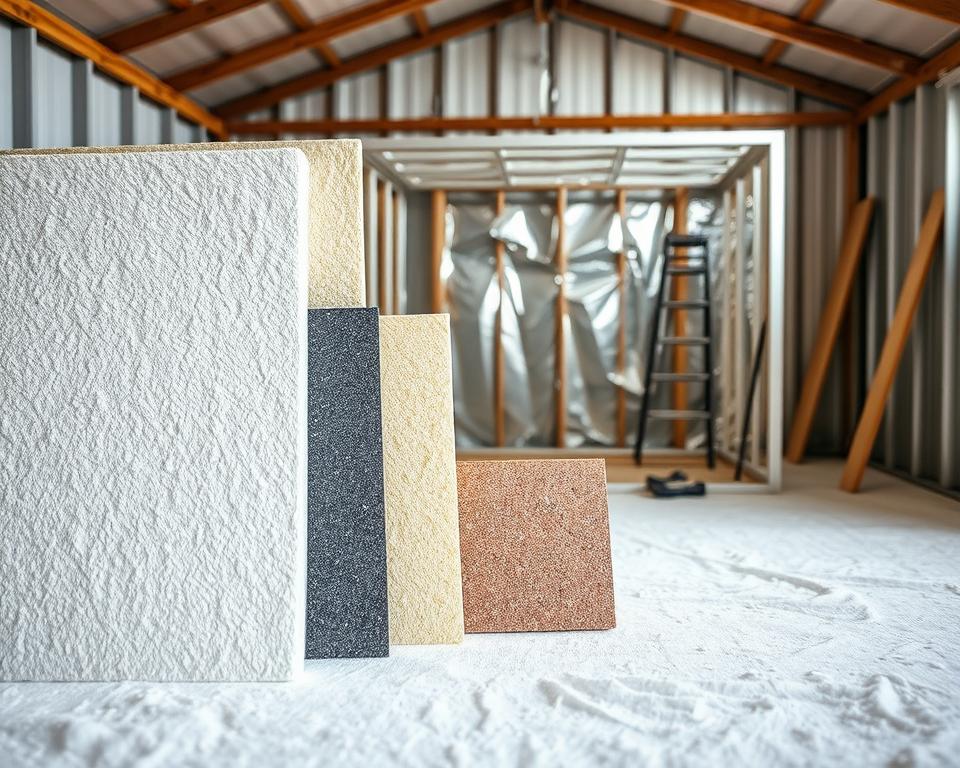
Property owners have several material choices when it comes to enhancing their garden building’s thermal efficiency. Each option offers distinct advantages for different applications and skill levels.
Overview of Insulation Options
Spray foam creates an airtight seal by expanding to fill gaps. This high-performance material offers excellent moisture resistance. It works well for complex spaces.
Rigid board provides substantial thermal resistance. These foam panels suit structured installations on walls and roofs. They deliver durable, long-lasting performance.
Loose-fill consists of small particles like mineral wool. It excels at filling irregular spaces. This material reaches areas where other types struggle.
Batt insulation comes in pre-cut panels or rolls. It represents a cost-effective solution for DIY projects. Fibreglass versions are widely available.
Vapour barriers prevent condensation issues. Products like Alutrix 600 control moisture effectively. They complement other insulation materials.
Comparing Installation Methods and Materials
Professional installations often require specialised equipment. Spray foam applications typically need expert handling. However, DIY options like Polynor make some foam applications accessible.
Homeowners can tackle batt and board installations with basic tools. These materials suit various skill levels. The choice depends on budget and technical confidence.
Different materials suit different applications. Consider the building’s construction and specific needs. Performance requirements should guide the final selection.
How Does Metal Shed Insulation Work?
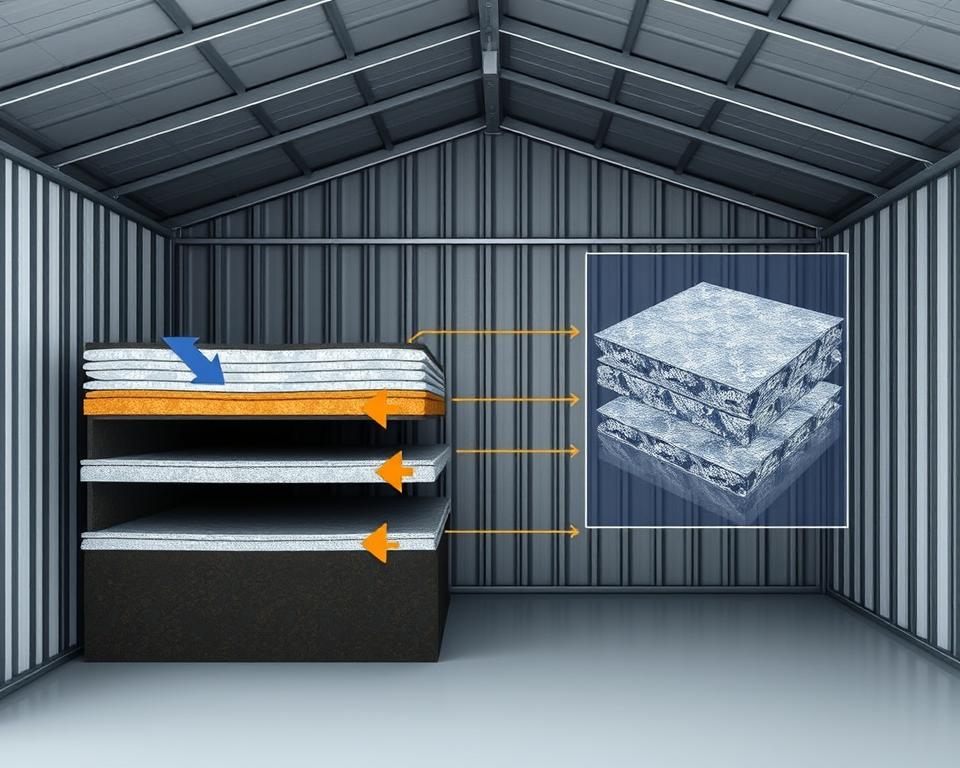
Different materials achieve temperature regulation through distinct mechanisms that control heat transfer pathways. Each type creates effective thermal barriers using unique physical properties and application methods.
Mechanisms and Thermal Performance
Spray foam expands to fill even the smallest gaps, creating an airtight seal. This expansion mechanism provides comprehensive coverage across walls and the shed roof.
Rigid board materials offer high thermal resistance through their dense foam structure. They trap air pockets that effectively resist heat flow through surfaces.
Loose-fill works by creating millions of tiny air pockets between particles. This composition delivers excellent thermal performance in irregular spaces.
Installation Considerations
Professional installation often requires specialised equipment for spray applications. The foam mixture expands upon application, filling cavities completely.
Rigid boards need precise cutting to ensure proper fit between framing members. Sealing joints prevents thermal bridging and maintains barrier integrity.
DIY options like batt materials suit simpler installations with basic tools. Achieving correct fit without compression ensures optimal thermal performance.
Proper installation directly impacts effectiveness. Even small gaps can significantly reduce the material’s thermal resistance capabilities.
Choosing the Right Insulation for Your Shed Needs
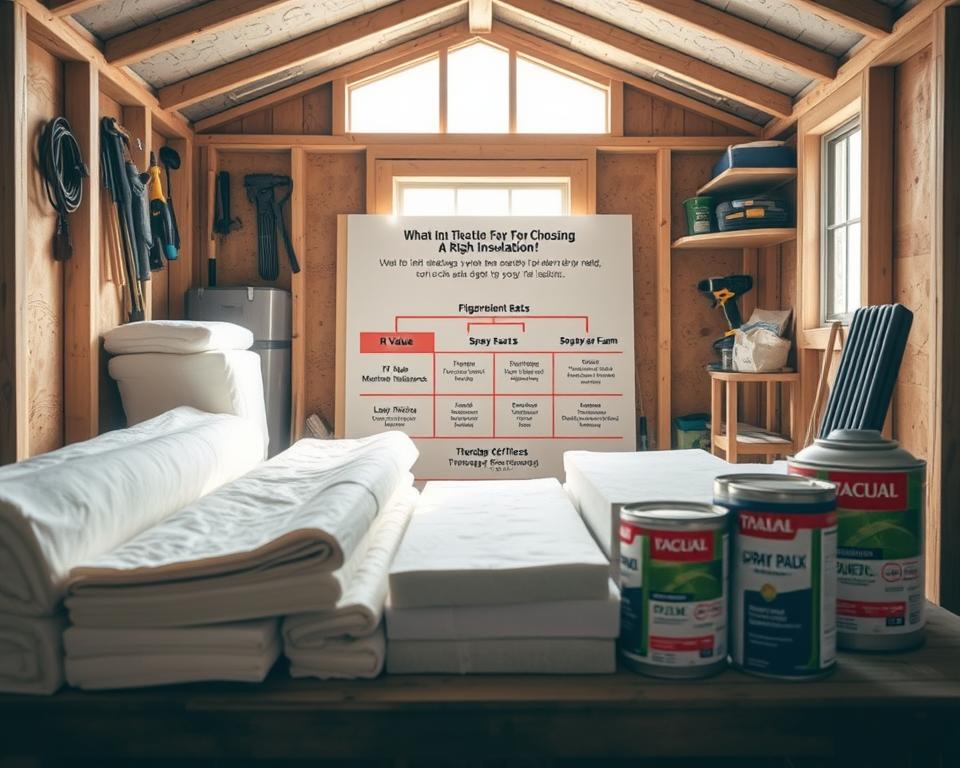
The ideal protective layer for a garden building depends on how the space will be utilised throughout the year. Careful assessment ensures the selected materials match specific requirements effectively.
Assessing Shed Usage and Climate Factors
Understanding the primary function of the structure guides material selection. A workshop or area for temperature-sensitive items demands robust thermal control.
Basic storage needs may require simpler solutions. The UK’s variable climate with humidity fluctuations influences condensation risks significantly.
Regional weather patterns determine the level of protection necessary. Areas with frequent temperature changes benefit from comprehensive coverage.
Budget Considerations and DIY Versus Professional Installation
Financial constraints play a crucial role in decision-making. Some products offer cost-effective DIY installation options for weekend projects.
Professional applications provide superior performance but involve higher initial costs. Homeowners should balance long-term benefits against immediate expenditure.
Simple solutions like batt materials suit basic budgets and skill levels. Complex spray foam systems typically require specialist equipment and expertise.
Expert Tips for Installing Metal Shed Insulation
The success of any thermal enhancement project depends heavily on the quality of the installation process. Proper techniques ensure materials perform as intended and deliver lasting benefits.
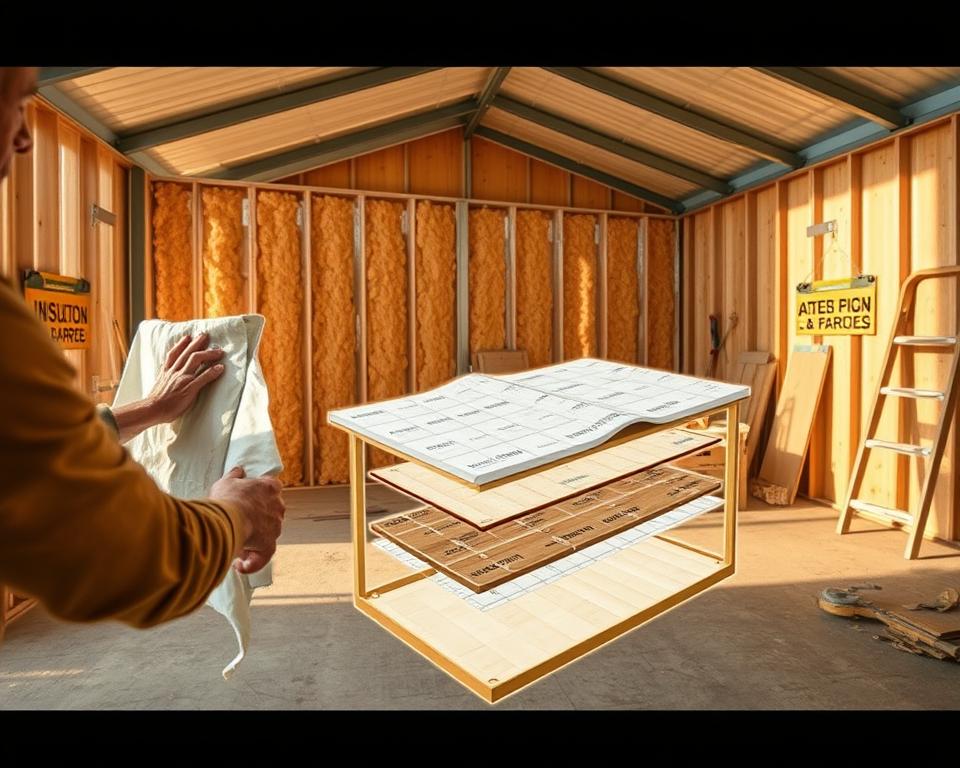
Professional Installation vs DIY Approach
Choosing between professional help and DIY methods requires careful consideration. Each approach offers distinct advantages depending on the material and complexity.
Spray applications typically need specialist equipment and expertise. Products like Polynor offer DIY-friendly options but demand a steady hand. As one expert notes, “Improper installation can lead to poor performance” regardless of material quality.
| Installation Type | Best For | Time Required | Skill Level |
|---|---|---|---|
| Professional Spray | Complex spaces, optimal performance | 1-2 days | Expert |
| DIY Batt/Panels | Standard structures, budget projects | Weekend | Beginner |
| Aluminium Bubble Wrap | Simple applications, moisture control | 1 day | Intermediate |
Maintenance and Optimising Performance
Regular maintenance ensures long-term effectiveness. Inspect materials periodically for settling or damage. Check that all joints remain properly sealed.
Avoid compressing batt materials during installation. Ensure proper fit without gaps around framing members. Large, expensive rolls often prove unsuitable for smaller structures.
Proper ventilation works with thermal protection to prevent moisture issues. Address thermal bridges at connection points. Regular checks help maintain optimal performance over time.
Preventing Condensation and Moisture Issues
Effective moisture management requires a multi-layered approach to protection. Controlling water vapour movement prevents damage to both structure and contents.
Effective Vapour Barriers and Damp-Proof Techniques
A quality vapour barrier like Alutrix 600 forms the first defence against condensation. This material blocks vapour penetration when installed on the interior side facing the conditioned space.
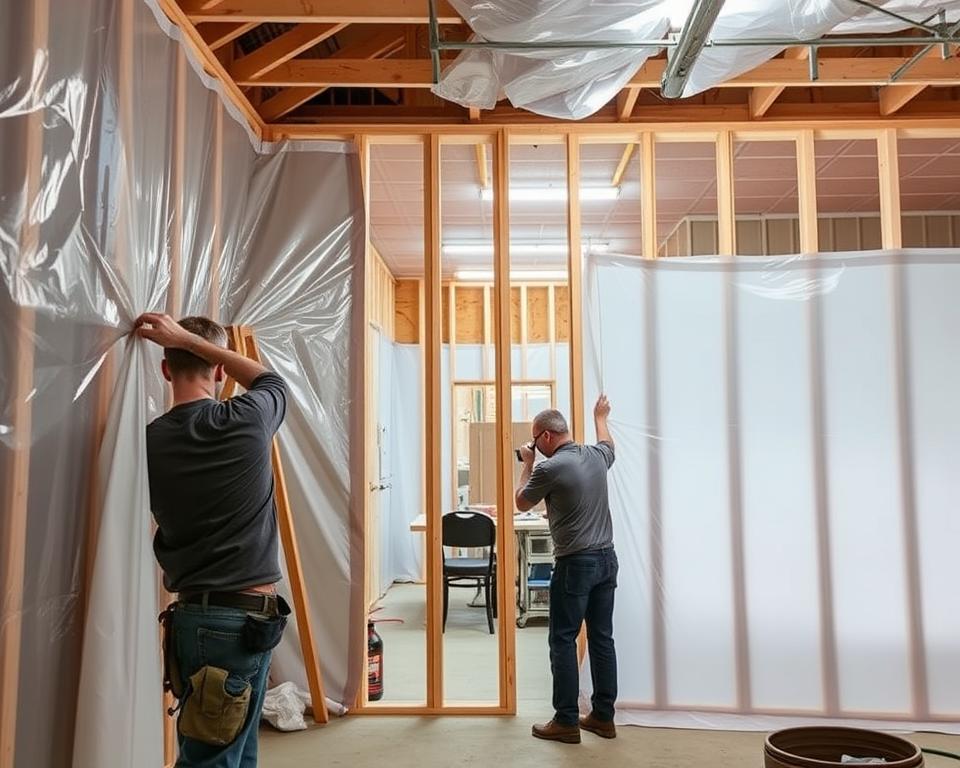
Proper sealing of joints and overlaps is essential for complete protection. Meanwhile, a damp-proof membrane beneath a solid, level base prevents rising damp from entering.
Sealing the internal and external base with products like Tec-7 creates additional protection. This technique works particularly well with a damp-proof base already in place.
Additional Strategies to Minimise Moisture
Proper ventilation allows moisture-laden air to escape, preventing humidity buildup. Unblocked air vents help maintain manageable condensation levels.
Premium structures like Mammoth Sheds feature anti-condensation lining as standard. These specialised materials absorb and slowly release vapour to prevent droplet formation.
Avoiding heat-generating appliances inside reduces drastic condensation. During temperature drops, using dehumidifiers provides extra protection against moisture issues.
Additional Considerations for Insulating Your Metal Shed
Beyond material selection, several practical considerations significantly impact the success of insulating a garden building in the UK. These factors ensure the chosen solution works harmoniously with the local environment and the structure’s specific design.
Adapting to UK Climate and Space Requirements
The UK’s frequent temperature swings present a unique challenge. They greatly increase the risk of condensation forming inside the structure. Choosing the right products is crucial for managing this moisture.
Space is often limited in garden buildings. Thick materials can drastically reduce internal dimensions. Aluminium-based boards offer a cost-effective solution with minimal space loss compared to bulky rolls.
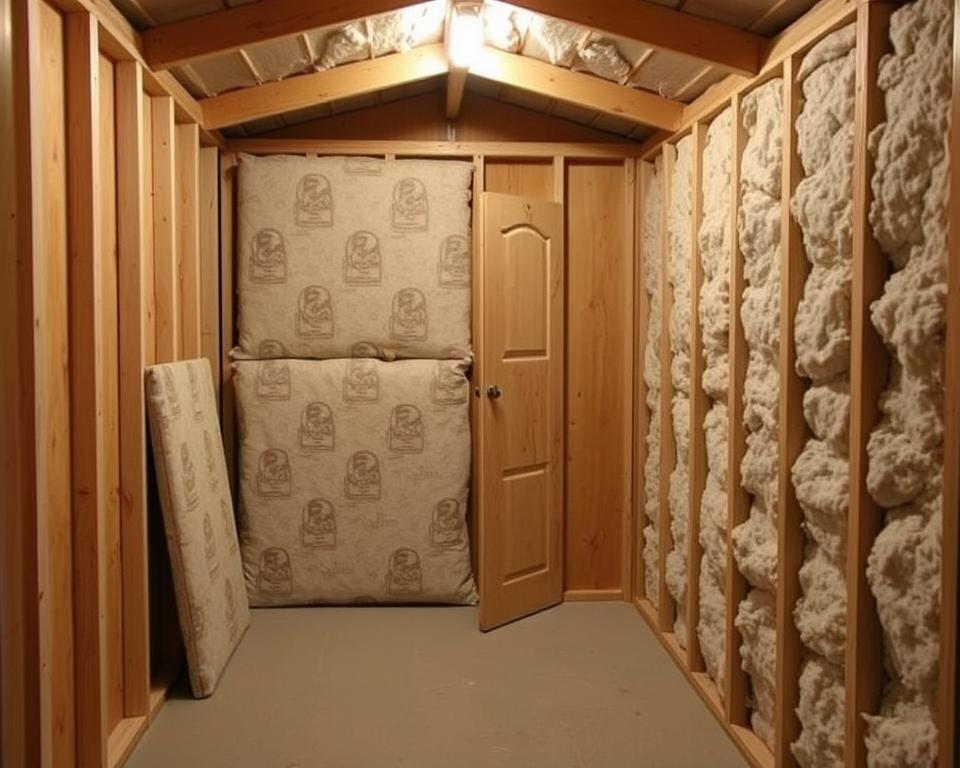
Many protective materials provide excellent sound insulation benefits. Rigid board and certain foam types drastically reduce noise transmission. This creates a quieter environment for workshops.
Practical installation requires foresight. On structures with sliding doors, thick material can hinder operation. Similarly, roof applications must not reduce headroom below comfortable levels.
| Material Type | Space Impact | Sound Performance | Best For |
|---|---|---|---|
| Rigid Board | Moderate | Excellent sound insulation | Walls, workshops |
| Batt (e.g., Mineral Wool) | High (if bulky) | Good sound absorption | Complex cavities |
| Spray Foam | Low | High noise reduction | All-over coverage |
| Aluminium Board | Very Low | Moderate | Space-critical applications |
Adding extra vents can improve air circulation. However, cutting into side walls is dangerous and may void warranties. Position new vents carefully to avoid prevailing winds.
Avoid placing heat-generating appliances like white goods inside. Even a large dog can produce enough warmth and moisture to cause condensation problems. Premium structures with factory-fitted anti-condensation linings offer a robust alternative for handling these issues effectively.
Conclusion
Ultimately, the choice of thermal protection for a garden building is a balance of practical needs and personal circumstances. There is no single superior solution among the various insulation options available.
The ideal material depends on the building’s primary use, whether for simple storage or as a functional workshop. Local climate, budget, and DIY confidence are equally critical factors in the decision.
A successful project relies on more than just material selection. Correct installation is vital for long-term performance. Managing moisture with a vapour barrier is also essential to prevent condensation.
By carefully assessing their specific situation, owners can make an informed choice. This ensures their shed becomes a comfortable, protected space for years to come. Investing time in planning insulating a shed pays significant dividends in usability and content protection.
FAQ
Why is it crucial to insulate a metal building?
Insulating a metal building is vital for controlling its internal environment. It prevents condensation, which can lead to rust and mould. It also regulates temperature, making the space more comfortable for storage or as a workshop, and can improve sound absorption.
What are the main material options available?
The primary choices include rigid foam board, mineral wool rolls, and spray foam. Foam board offers excellent thermal performance and is easy to fit. Mineral wool provides good sound insulation. Spray foam expands to fill gaps, creating a seamless barrier.
How does insulation help prevent condensation?
Insulation acts as a thermal barrier, raising the surface temperature of the walls and roof. This prevents warm, moist air inside the garden shed from reaching the cold metal surface and turning into water droplets. A vapour barrier is often used alongside to block moisture.
Can I install the insulation myself?
Many products are designed for a DIY approach, such as foam panels and mineral wool. However, spray foam typically requires professional equipment and expertise. The complexity depends on the shed’s size and the chosen material.
What factors should influence my choice of product?
Consider the shed’s primary use, local climate, and your budget. A workshop requires different thermal performance than simple storage. The UK’s damp climate makes moisture resistance a priority. Also, assess the time and skill you have for installation.
Is a vapour barrier necessary?
A vapour barrier is highly recommended. It is installed on the warm side of the insulation to prevent moisture-laden air from penetrating the material. This is a key step in protecting the structure from damp and ensuring long-term performance.
How do I prepare the space before installation?
Begin by thoroughly cleaning the interior walls and roof. Check for and seal any existing gaps or holes to prevent drafts and pests. Ensure the space is dry before starting to avoid trapping moisture within the new material.