Choosing Hedge Plants: Finding the Right Option for You
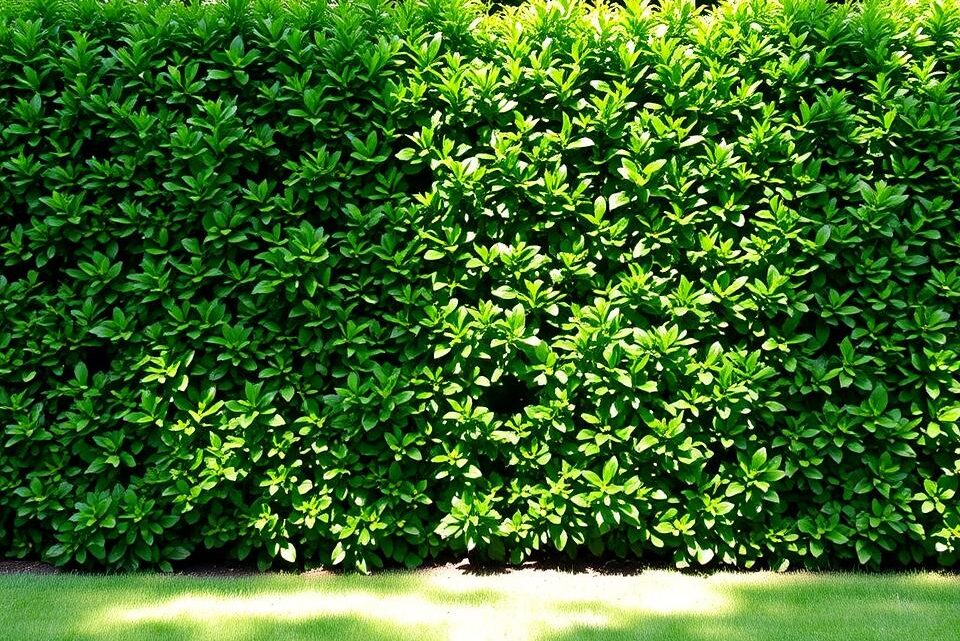
When it comes to enhancing your garden with hedge plants, selecting the right variety is crucial. Hedges not only provide privacy and structure but also add aesthetic appeal to your outdoor space.
With numerous options available, it’s essential to consider factors such as climate, soil type, and maintenance requirements when choosing hedge plants. The right hedge can transform your garden, offering both practical and aesthetic benefits.
This comprehensive guide will help you make informed decisions about selecting the perfect hedge plants for your unique situation, covering both evergreen and deciduous options, as well as flowering varieties.
Inhaltsverzeichnis
Key Takeaways
- Selecting the right hedge plants is crucial for enhancing your garden’s functionality and aesthetic appeal.
- Hedges provide privacy, structure, and beauty to your outdoor space.
- Consider climate, soil type, and maintenance requirements when choosing hedge plants.
- The right hedge can offer both practical and aesthetic benefits.
- This guide covers various hedge plant options, including evergreen and deciduous varieties.
Why Plant a Hedge in Your Garden?
Planting a hedge in your garden can be a transformative decision, enhancing both the functionality and beauty of your outdoor space. A well-chosen hedge can significantly impact your garden’s overall design and usability.
Practical Benefits of Hedges
Hedges offer numerous practical benefits, including providing privacy and security by creating a natural barrier around your garden. They can also act as a sound barrier, reducing noise pollution from nearby roads or neighbours. Additionally, hedges help in reducing soil erosion by stabilizing the soil with their roots and can serve as a windbreak, protecting your garden from harsh winds.
By incorporating a hedge into your garden design, you can create a more secluded and peaceful environment, perfect for relaxation or entertainment.
Aesthetic Value and Garden Design
A hedge can greatly enhance the aesthetic value of your garden by adding structure and form to your landscape design. Different types of hedges, from the formal precision of clipped box to the informal charm of flowering hedges, can dramatically alter the visual impact of your garden. For instance, a frost-covered hedge provides an architectural focal point that gives a magical feel in the depths of winter.
Hedges also provide year-round interest with seasonal changes in foliage colour, flowers, berries, and winter structure. They can serve as beautiful backdrops for flower borders, making colours pop and creating depth in garden design. Moreover, hedges can be shaped through topiary into decorative forms, adding unique artistic elements to your garden.
Understanding Different Types of Hedges
Different types of hedges can significantly impact the look and functionality of your garden. Hedges are not just a boundary; they are a design element that can enhance the aesthetic appeal of your outdoor space.
Evergreen vs. Deciduous Hedges
When choosing a hedge, one of the primary decisions you’ll need to make is whether to opt for an evergreen or deciduous hedge. Evergreen hedges retain their leaves year-round, providing constant privacy and structure to your garden. Examples include box, yew, and laurel. On the other hand, deciduous hedges lose their leaves in autumn, offering seasonal changes and potentially less privacy during winter. Deciduous options like beech and hornbeam can still provide excellent screening during the growing season.
The choice between evergreen and deciduous hedges depends on your priorities regarding privacy, maintenance, and seasonal interest. Consider factors like growth rate, leaf size, and hardiness when making your decision.
Formal vs. Informal Hedges
Another key consideration is whether you prefer a formal or informal hedge. Formal hedges are meticulously maintained to achieve precise, geometric shapes and clean lines, often using plants like box or yew. These hedges require regular trimming to maintain their crisp appearance.
- Formal hedges offer a neat, structured look but demand more maintenance.
- Informal hedges have a more relaxed, naturalistic appearance and are generally easier to maintain.
- You can choose between formal and informal hedges based on your garden style and available maintenance time.

Combining both formal and informal hedges in your garden can create varied and interesting landscapes, offering the best of both worlds in terms of aesthetics and maintenance.
Key Considerations Before Choosing Hedge Plants
Before selecting hedge plants, it’s crucial to evaluate several factors that will impact the success and suitability of your hedge. This involves understanding your garden’s specific conditions, determining the purpose of your hedge, and considering the maintenance requirements.
Assessing Your Garden’s Conditions
Assessing your garden’s conditions is vital. Consider the soil type, sunlight exposure, and wind direction. Different hedge plants thrive in different conditions, so it’s essential to choose plants that are compatible with your garden’s environment.
Determining Your Hedge’s Purpose
Your hedge’s purpose will significantly influence your choice of plants. Are you looking for privacy, security, or aesthetic appeal? Different purposes may require different types of hedges, such as evergreen for year-round privacy or flowering hedges for beauty.
Maintenance Requirements and Time Commitment
Maintenance is a critical factor. Some hedges require frequent pruning and care, while others are more low-maintenance. Consider how much time you can dedicate to hedge maintenance. Fast-growing hedges may need regular trimming, whereas slow-growing ones may require less frequent pruning.
| Hedge Type | Maintenance Frequency | Growth Rate |
|---|---|---|
| Evergreen Formal Hedge | Monthly | Fast |
| Deciduous Informal Hedge | Quarterly | Slow |
| Flowering Hedge | Bi-annually | Medium |
By understanding these factors, you can make an informed decision that suits your needs and ensures the longevity of your hedge.

Popular Evergreen Hedge Plants for Year-Round Privacy
Evergreen hedge plants offer a perfect solution for those seeking privacy and a natural screen in their gardens. These plants maintain their foliage throughout the year, providing a consistent and reliable hedge. Here are some of the most popular evergreen hedge plants for year-round privacy.
Box (Buxus sempervirens)
Box hedging is a classic choice for formal gardens due to its dense, dark green foliage and ability to be shaped into various forms. It’s relatively slow-growing, making it ideal for neatly manicured hedges. Box hedging requires regular trimming to maintain its shape and promote healthy growth.
Yew (Taxus baccata)
Yew is a highly versatile and long-lived evergreen hedge plant known for its tolerance to shade and ability to be pruned into dense, formal hedges. It’s also renowned for its longevity, with some yew hedges living for centuries. Yew is toxic, so it’s essential to handle it carefully, especially around pets and children.
Laurel Varieties
Laurel hedging, including varieties like Cherry Laurel and Portuguese Laurel, is popular for its large, glossy leaves and robust growth. These plants are relatively easy to maintain and can thrive in a variety of conditions, including partial shade. Laurel hedges can grow quite tall, making them suitable for larger gardens.
Holly (Ilex aquifolium)
Holly is a dense, prickly evergreen hedge plant that’s not only effective for privacy but also provides a habitat for wildlife, with its bright red berries being a particular attraction for birds. Holly can be grown in a range of conditions but prefers well-drained soil. It’s relatively slow-growing and can be pruned to maintain a neat shape.
Leylandii and Other Conifers
Leylandii (× Cuprocyparis leylandii) is one of the fastest-growing coniferous hedge plants, capable of creating tall privacy screens quickly. However, it requires regular maintenance to prevent it from becoming too large and causing issues with neighbors. Other conifers like Thuja offer similar benefits with slightly slower growth, making them easier to manage.
When choosing evergreen hedge plants, consider factors such as growth rate, height, and maintenance requirements to ensure they meet your needs for privacy and garden design. Some key considerations include:
- The rate of growth and mature height of the hedge plants.
- The level of maintenance required, including pruning and trimming.
- The suitability of the plants for your specific soil type and climate conditions.
- The potential impact on surrounding plants and wildlife.

By selecting the right evergreen hedge plants, you can enjoy a private and secluded garden throughout the year. Whether you opt for traditional choices like Box or Yew, or faster-growing conifers like Leylandii, there’s an evergreen hedge plant to suit every garden’s needs.
Deciduous Hedge Plants with Seasonal Interest
When considering deciduous hedges, you’re not just choosing a boundary for your garden, but a living, changing feature that evolves with the seasons. These hedges offer a range of benefits, from the vibrant colours of autumn leaves to the delicate flowers of spring.
Beech (Fagus sylvatica)
Beech is a popular choice for deciduous hedges, known for its copper-coloured leaves in spring and golden autumn colour later in the year. It’s a dense hedge that retains its leaves throughout winter, providing year-round privacy.
Hornbeam (Carpinus betulus)
Hornbeam is another excellent deciduous hedge option, closely related to beech. It shares similar characteristics, including good autumn colour and dense foliage that persists into winter, making it an effective hedge for screening.
Hawthorn (Crataegus monogyna)
Hawthorn is a native British species that’s ideal for creating a wildlife-friendly hedge. It produces white or pink flowers in spring, followed by red berries in autumn, providing a valuable source of food for wildlife.
Field Maple (Acer campestre)
Field Maple is a versatile, native hedging plant known for its brilliant golden-yellow autumn colour. It’s a moderate grower that can be maintained at a variety of heights, making it suitable for different garden sizes. Field Maple also supports a range of wildlife, from insects to birds.
When choosing deciduous hedge plants, consider factors like growth rate, ultimate height, and maintenance needs. A well-selected hedge can enhance your garden’s colour and texture throughout the year, while also supporting local biodiversity.
| Hedge Plant | Autumn Colour | Wildlife Value | Maintenance Level |
|---|---|---|---|
| Beech | Golden | Moderate | Low |
| Hornbeam | Yellow/Orange | Moderate | Low |
| Hawthorn | Red Berries | High | Medium |
| Field Maple | Golden-Yellow | High | Medium |
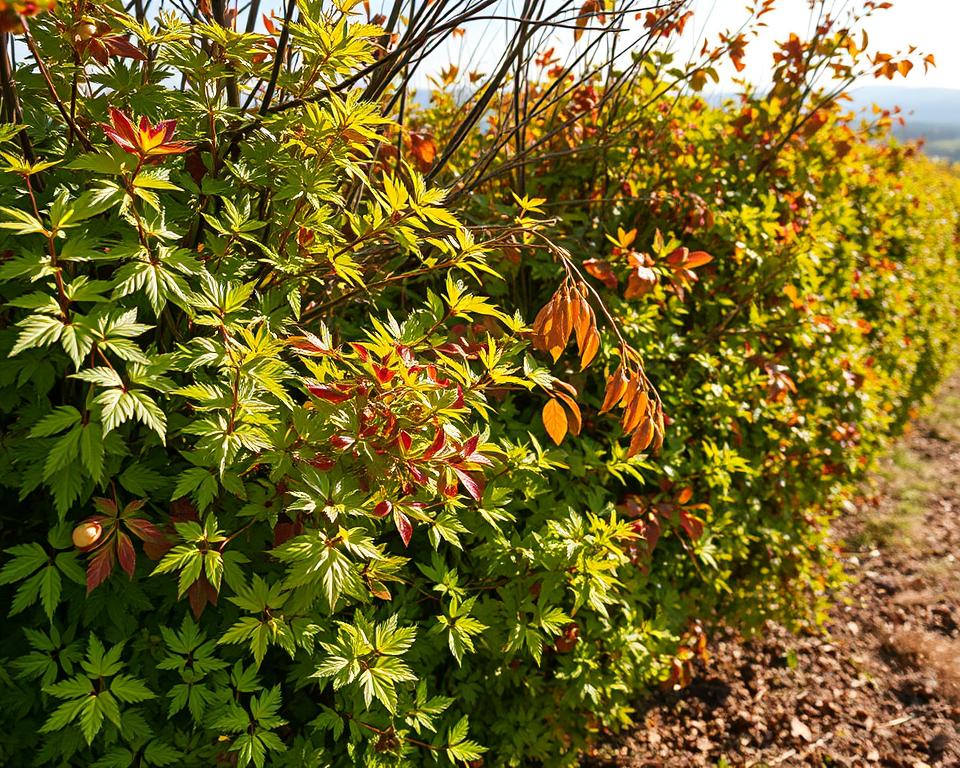
As shown in the table, each deciduous hedge plant has its unique characteristics, from autumn colour to wildlife value. By selecting the right hedge for your garden, you can enjoy a beautiful, dynamic boundary that changes with the seasons.
“A garden is a love song, a duet between a human being and Mother Nature.”
Choosing Hedge Plants: Finding the Right Option for You
The right hedge plants can transform your garden, providing privacy, security, or a haven for wildlife, depending on your priorities. When selecting hedge plants, it’s essential to consider the primary purpose they will serve in your garden.
For Privacy and Screening
If you’re looking to create a private and secluded area in your garden, you’ll want to choose hedge plants that are dense and evergreen. Plants like Laurel or Yew are excellent choices as they provide year-round coverage and can grow quite tall, effectively screening your garden from neighboring properties or busy roads.
For Security and Boundaries
For gardens that require a secure boundary, thorny hedges like Hawthorn or Blackthorn can be an effective deterrent against intruders. These plants are not only dense but also difficult to penetrate, making them ideal for security purposes.
For Wildlife and Biodiversity
If you’re keen on supporting local wildlife, consider planting native hedge species that produce berries or flowers. Hedgerows are far superior to fences and walls when it comes to supporting wildlife. They offer food, shelter, and nesting sites for various birds, mammals, and invertebrates. A hedge comprising mixed native species is particularly valuable, providing a lifeline for wildlife by offering navigation routes for bats and a variety of food sources.
Flowering and Decorative Hedge Plants
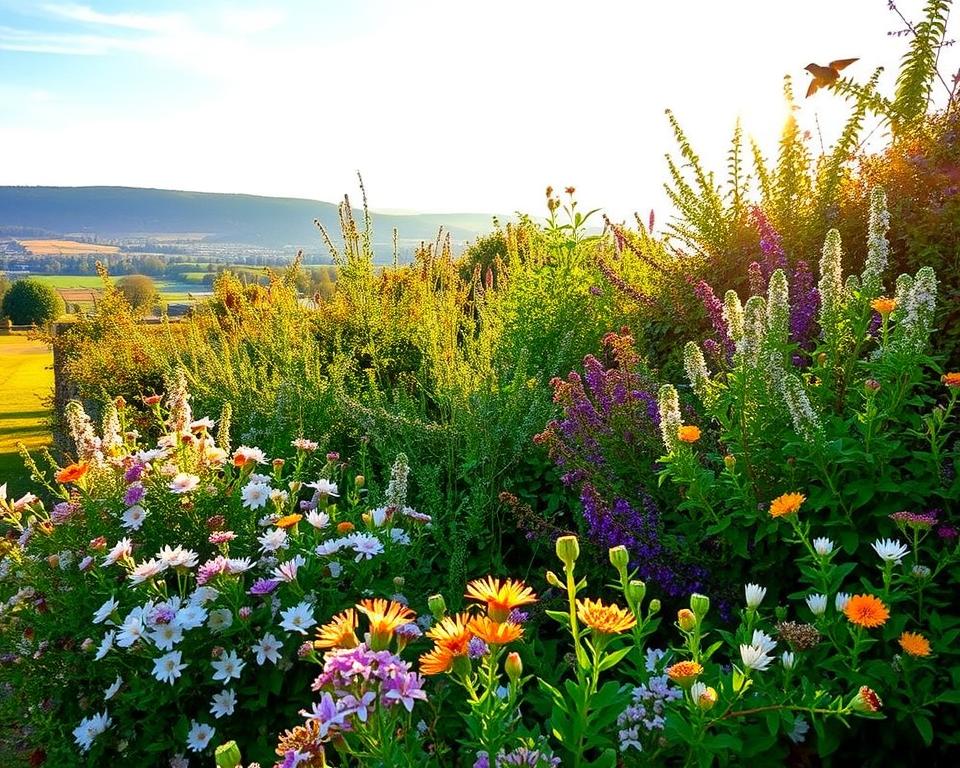
For gardeners looking to combine functionality with beauty, flowering and decorative hedges are an excellent choice. These hedges not only provide a natural barrier or screen but also add vibrant colours and textures to your garden throughout the seasons.
Photinia ‘Red Robin’
Photinia ‘Red Robin’ is a popular evergreen hedge known for its striking red new growth. It’s a versatile option that can be used for both formal and informal hedges. This variety is relatively fast-growing and can thrive in a variety of soil types, making it a great choice for many gardeners.
Dogwood (Cornus sanguinea)
Dogwood is a deciduous hedge that offers seasonal interest with its vibrant stems in winter. It’s an excellent choice for adding winter colour to your garden. Dogwood is also relatively low-maintenance and can tolerate a range of soil conditions.
Pyracantha
Pyracantha, or firethorn, is a spectacular dual-purpose hedge plant that offers both security and ornamental value. Its dense, thorny structure makes it an effective intruder deterrent, while its masses of white flowers in spring and colourful berries in autumn provide aesthetic appeal. Pyracantha is relatively fast-growing and can thrive in sunny spots, tolerating most soil types.
Some popular varieties of Pyracantha include ‘Orange Glow’ with orange-red berries, ‘Soleil d’Or’ with golden yellow berries, and ‘Watereri’ with bright red berries. These varieties not only add visual interest but also provide a valuable food source for birds during the winter months.
| Hedge Plant | Key Features | Growth Conditions |
|---|---|---|
| Photinia ‘Red Robin’ | Evergreen, red new growth | Variety of soil types |
| Dogwood (Cornus sanguinea) | Deciduous, vibrant winter stems | Range of soil conditions |
| Pyracantha | Evergreen, thorny, white flowers, colourful berries | Most soil types, sunny spots |
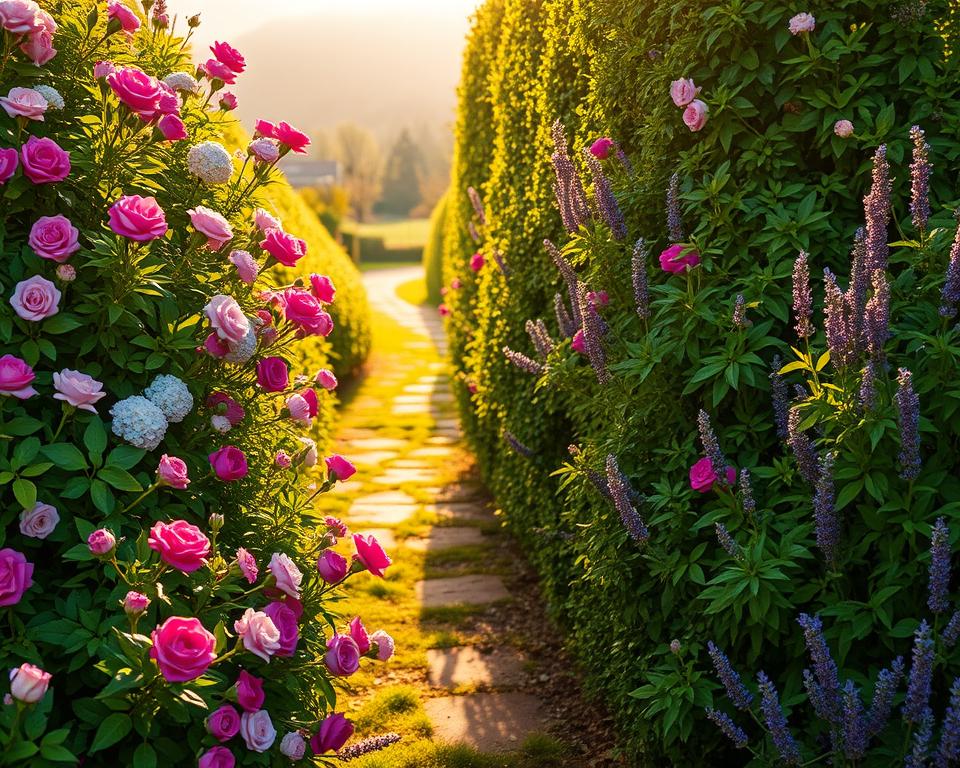
When choosing a flowering or decorative hedge, consider factors such as growth rate, maintenance needs, and the specific conditions of your garden. By selecting the right hedge, you can enhance your garden’s beauty and functionality.
Hedges for Challenging Garden Conditions
Choosing the right hedge plants is crucial for gardens that face unique challenges, such as coastal exposure or shaded areas. Different conditions require specific types of hedges to thrive.

Hedges for Coastal Gardens
For gardens near the coast, it’s essential to select hedging plants that can withstand salt-laden winds and potentially sandy soils. Plants like Griselinia littoralis are ideal due to their tolerance to coastal conditions.
Hedges for Clay or Wet Soils
Gardens with clay or wet soils need hedge plants that can handle waterlogged conditions. Species such as Acer campestre (Field Maple) are suitable as they can tolerate periodic waterlogging and clay soils.
Hedges for Shady Areas
Shade can be a challenge for many plants, but certain species thrive in low-light conditions. Yew (Taxus baccata) and Cherry Laurel (Prunus laurocerasus) are excellent choices for shady areas, offering dense growth and year-round foliage.
Planting and Establishing Your New Hedge
To ensure your new hedge thrives, it’s crucial to follow proper planting and care techniques. This involves understanding the best practices for establishing a healthy and robust hedge.
Best Time to Plant
The best time to plant a hedge depends on the type of plants you’re using. For most hedging plants, the ideal time is during the dormant season, typically in late autumn or early spring. This allows the plants to establish themselves before the growing season.
Spacing and Planting Techniques
Proper spacing is critical for the healthy growth of your hedge. Plants should be spaced according to their mature size to prevent overcrowding. When planting, dig a hole that’s twice as wide and just as deep as the root ball. Gently place the plant in the hole, backfill with soil, and firm gently.
Watering and Initial Care
Watering is essential after planting. Ensure the soil is moist but not waterlogged. During dry spells, water thoroughly to encourage deep root growth. Additionally, consider mulching around the base to retain moisture and suppress weeds.

- Water thoroughly after planting and during dry periods.
- Mulch around the base to retain moisture and suppress weeds.
- Prune your hedge within the first couple of years to encourage dense growth.
Conclusion: Creating Your Perfect Hedge
Choosing the right hedge plants is a crucial decision that can enhance your garden‘s beauty and functionality. To achieve this, consider your garden’s conditions and your maintenance capacity. Hedging provides multiple benefits, from privacy and boundaries to aesthetic and wildlife value. By balancing practical considerations with personal preferences, you can create a hedge that meets your needs.
Proper planting and establishment techniques are vital for long-term hedge success. View your hedge as a living, evolving landscape feature that enhances your outdoor space. Experiment with different hedge plants in various gardens or areas to maximize their benefits.
FAQ
What is the best type of hedge for a garden with clay soil?
For gardens with clay soil, consider planting Hornbeam or Field Maple, as they thrive in such conditions. These deciduous hedges can tolerate clay soils and provide a beautiful display of autumn foliage.
How often should I water my newly planted hedge?
Newly planted hedges require regular watering, especially during their first year. Water them thoroughly, particularly during dry spells, to ensure the soil remains moist but not waterlogged.
Can I plant an evergreen hedge in a shaded area?
Yes, some evergreen hedges can tolerate shade. Yew and Laurel varieties are good options for shaded areas, as they can grow well with minimal sunlight.
How do I maintain a formal hedge?
To maintain a formal hedge, regular pruning is essential. Prune your hedge at least twice a year, in spring and late summer, to maintain its shape and promote healthy growth.
What are the benefits of planting a deciduous hedge?
Deciduous hedges, such as Beech and Hawthorn, provide seasonal interest with their changing foliage and often produce flowers or berries. They can also be more cost-effective than evergreen hedges.
Can I use hedging plants to attract wildlife to my garden?
Yes, certain hedging plants, like Pyracantha and Hawthorn, produce berries that attract birds and other wildlife, enhancing biodiversity in your garden.
How tall can I expect my hedge to grow?
The mature height of your hedge depends on the species and growing conditions. For example, Leylandii can grow quite tall, while Box hedges are generally more compact.
When is the best time to plant a hedge?
The best time to plant a hedge is during the dormant season, typically in autumn or early spring, when the weather is cooler and there is ample moisture in the soil.