Which Plants Should You Bring Indoors Over Winter? Tips
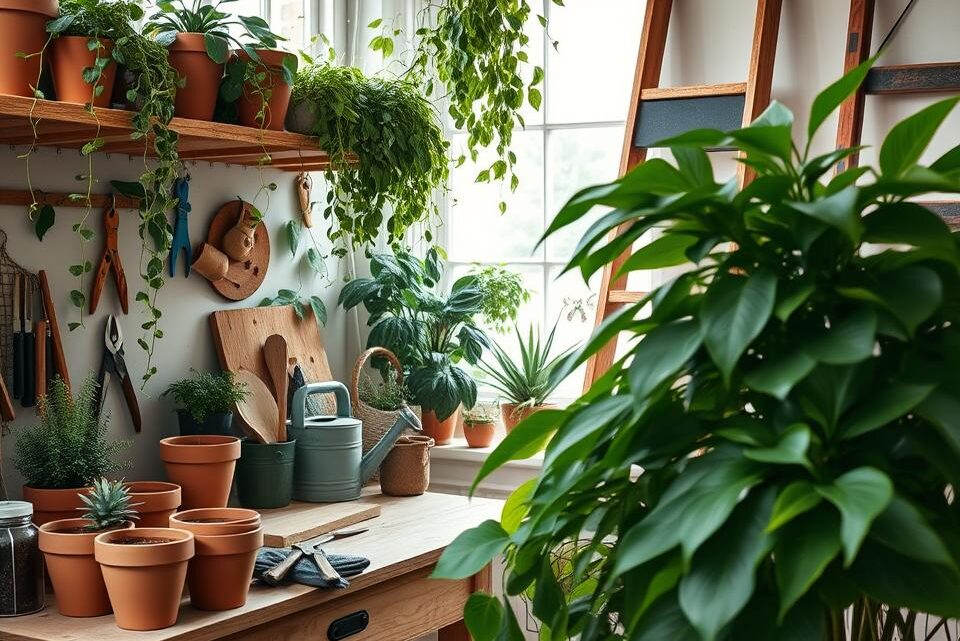
As the gardening season draws to a close, a crucial task awaits the dedicated gardener. The arrival of colder weather signals the need to protect tender specimens from frost and freezing temperatures. Moving certain greenery inside for the colder months is a vital strategy for preservation.
Many varieties often treated as annuals can, in fact, be successfully overwintered indoors. With careful planning and appropriate care, it is possible to save money and safeguard cherished plants. This comprehensive guide offers expert advice on making these important decisions.
Timing is a critical factor in this process. Most tender specimens require shelter once nighttime readings consistently drop below 10-13°C. Understanding each plant’s specific needs for light, humidity, and dormancy is fundamental to success.
Proper preparation, including pest inspection and gradual acclimatisation, significantly boosts survival chances. This resource will explore classic candidates like geraniums, alongside surprising options that are frequently overlooked. Readers will learn practical techniques for maintaining their plants until a return to the outdoors is possible.
Inhaltsverzeichnis
Key Takeaways
- Protecting tender plants from winter frost is essential for their survival.
- Many plants considered annuals can be preserved indoors during the cold season.
- Correct timing, when temperatures begin to drop, is crucial for a successful transition.
- Each plant has specific requirements for light, humidity, and temperature indoors.
- Proper preparation before moving plants inside greatly increases their chance of thriving.
Understanding the Importance of Overwintering Your Plants
The transition from autumn to winter presents gardeners with an opportunity to safeguard their botanical investments. This practice extends the life of tender perennials and tropical specimens that cannot survive freezing temperatures.
Moving plants indoors during the cold season offers significant economic advantages. It provides a cost-effective way to preserve expensive or sentimental specimens rather than purchasing replacements annually.
Container-grown vegetation faces particular vulnerability. Their roots experience greater exposure compared to in-ground specimens, necessitating earlier protection.
| Plant Type | Cold Tolerance | Indoor Requirements | Protection Timing |
|---|---|---|---|
| Tender Perennials | Low (below 10°C) | Bright light, moderate humidity | When nights reach 10-13°C |
| Container Plants | Very low (roots exposed) | Stable temperatures, good drainage | 2-3 weeks before first frost |
| Tropical Specimens | Minimal (no frost) | High humidity, consistent warmth | When temperatures drop below 15°C |
Understanding hardiness zones and individual cold tolerance determines appropriate timing and conditions. Many annuals are actually tender perennials that reward proper care with years of growth.
The overwintering period allows vegetation to enter dormancy, conserving energy until spring. Successful preservation safeguards both the specimen and the time invested in its development.
Practical Preparations for Transitioning Outdoors to Indoors
A successful move indoors begins with meticulous groundwork long before the first frost arrives. This preparatory phase is critical for reducing shock and preventing the introduction of outdoor issues, like pests, into the home environment. Careful attention to detail at this stage sets the foundation for a healthy winter.
Inspecting for Pests and Preparing the Soil
Before anything else, a thorough examination for pests is essential. Look closely under leaves and along stems. Gently washing the foliage with a damp cloth or a soft spray of water helps remove dust and potential hitchhikers.
Choosing the right soil mixture is equally important. Different specimens have unique needs; a well-draining cactus mix suits succulents, while tropical varieties often prefer a moisture-retentive blend. The correct soil provides the right foundation for indoor health.
Repotting Techniques and Cleaning Procedures
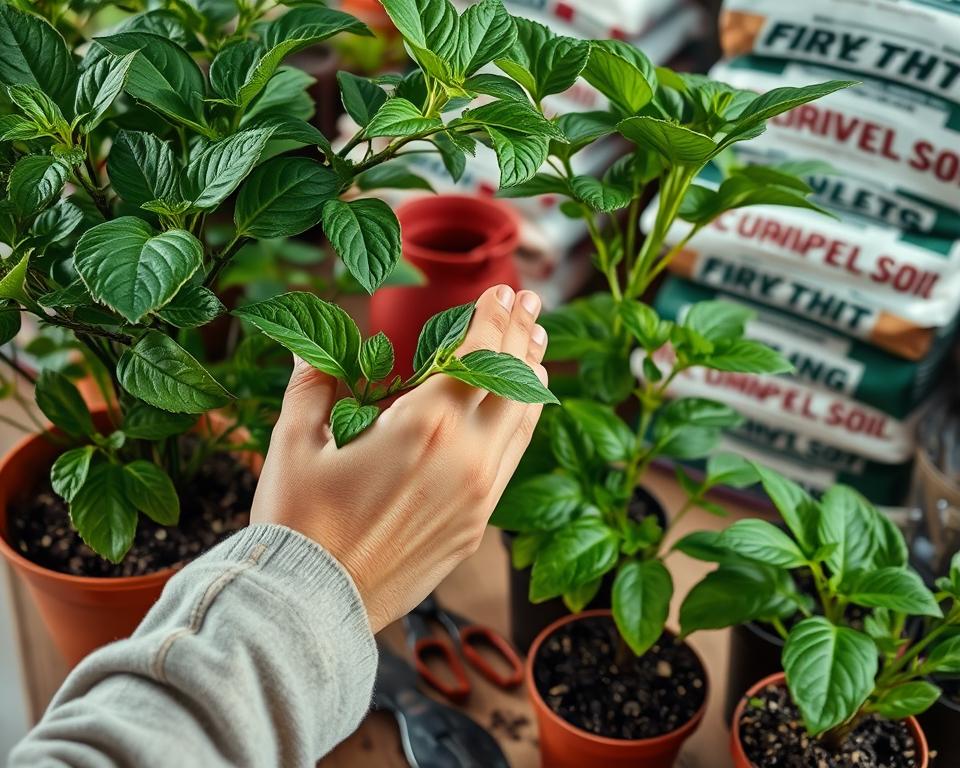
Selecting a new pot is a key decision. The container should be only one to two inches larger than the root ball and must have adequate drainage holes. This prevents waterlogging, a common cause of root rot.
The correct way to remove a plant from its current pot involves loosening the soil around the edges. Gently tip the container and ease the root ball out, teasing apart any tightly bound roots. Trimming away dead or damaged roots and foliage at this stage encourages healthy new growth.
Cleaning the new or old pot with a mild soap solution removes algae and pathogens. After repotting, it is vital to allow the plant to recover in a shaded, sheltered spot for a few days. This brief acclimatisation period helps it adjust before facing the different light conditions indoors.
Which Plants Should You Bring Indoors Over Winter?
Making the correct selection is fundamental to successful overwintering. Not all specimens adapt well to life inside a home. Knowing which ones thrive and which ones struggle saves time and effort.
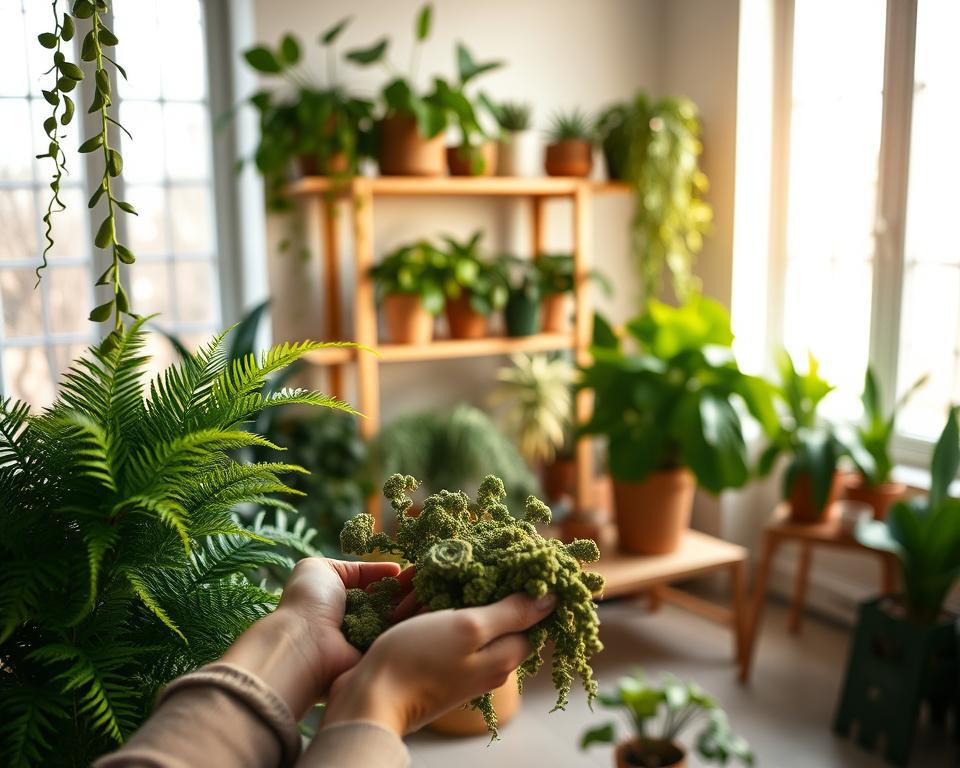
Some varieties possess a natural resilience that makes them ideal candidates. Others face significant challenges that often lead to disappointment.
Overwintering Success: Geraniums, Citrus Trees, and Rosemary
Certain plants demonstrate remarkable adaptability. Geraniums, for instance, can be kept in a dormant state in a cool, dark place or grown on a sunny windowsill.
Small citrus trees often appreciate the stable warmth of a conservatory. They require bright light to retain their leaves and potentially produce fruit.
Rosemary is another hardy perennial that tolerates the transition well. It needs a cool, bright spot and careful watering to avoid root rot.
Plants Best Left Outdoors
Conversely, some popular garden choices are poor fits for indoor life. Boston ferns, for example, drop fronds constantly in lower light, creating a mess.
Gardenias are notoriously finicky. They typically drop buds and flowers instantly when moved from humid outdoor air to a dry home.
Non-hardy lavender varieties dislike heated indoor air. True annuals like marigolds complete their life cycle in one summer and are best discarded.
Attempting to save plants like tropical hibiscus or mandevilla often leads to leaf drop and pest issues. It is usually more practical to treat them as annuals.
Essential Steps for a Smooth Indoor Transition
After selecting and preparing specimens, the next phase involves their successful adaptation to the indoor environment. This period is critical for minimising stress and encouraging continued health.
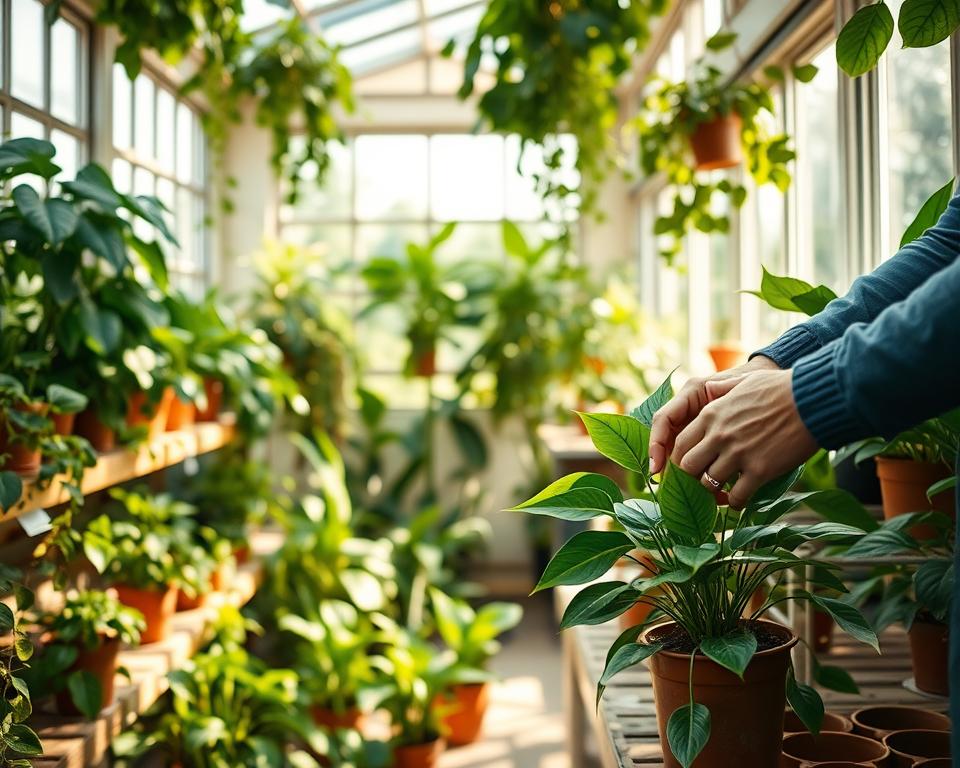
Trimming, Cleaning, and Acclimatisation Strategies
A gentle prune before the move removes dead or damaged growth. This encourages the plant to focus its energy on new, healthy development.
Cleaning leaves with a damp cloth improves their ability to absorb light. It also removes dust and potential pests.
Acclimatisation is a gradual process. Specimens should spend increasing time indoors over several days. This slow introduction helps them adjust to lower light levels and drier air.
Managing Light, Humidity, and Watering Needs
Winter light is weak. Place greenery near a south, east, or west-facing window for maximum exposure. Signs of insufficient light include elongated stems and pale leaves.
Watering needs change dramatically. Growth slows, so the soil takes longer to dry out. Always check moisture by inserting a finger two inches deep. Water only when the soil feels dry.
Humidity is often too low inside homes. Tropical varieties thrive with extra moisture. Grouping plants together or using a pebble tray can boost humidity levels effectively.
During this rest period, fertiliser should be reduced or stopped. The plant cannot use the nutrients, which may harm the roots.
| Care Aspect | Winter Requirement | Signs of Trouble |
|---|---|---|
| Light | Bright, indirect light | Leggy growth, leaf drop |
| Water | Less frequent | Yellowing leaves, root rot |
| Humidity | Increased for tropicals | Brown leaf tips |
Creating Ideal Indoor Conditions for Your Winter Garden
Strategic placement within the home environment significantly influences winter survival rates for tender specimens. The right location provides adequate light exposure and stable temperatures. Proper positioning helps maintain healthy growth during colder months.
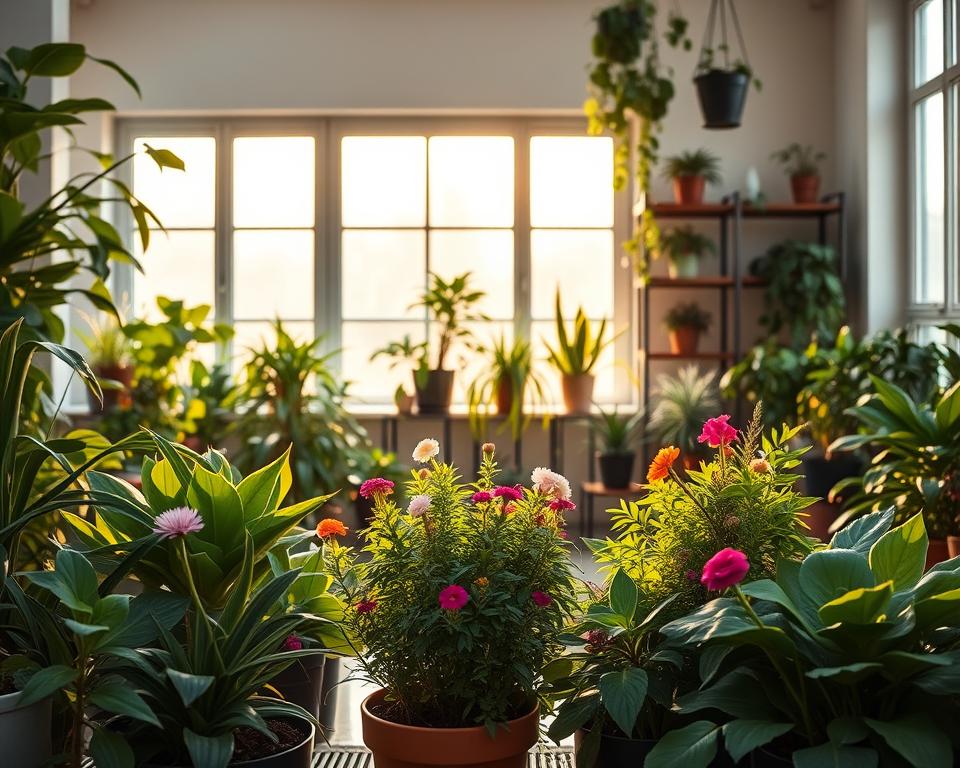
Choosing the Right Windowsill and Alternative Spaces
Window orientation dramatically affects light availability. South-facing windows offer the brightest exposure, perfect for sun-loving varieties like citrus and succulents. These specimens thrive with maximum daylight hours.
East-facing windows provide gentle morning light. This soft illumination suits specimens needing moderate brightness without intense afternoon heat. It creates ideal conditions for many foliage varieties.
West-facing exposures deliver bright afternoon light and warmth. Many tropical and flowering specimens appreciate these conditions. The warmer temperatures mimic their natural habitat.
| Window Direction | Light Intensity | Best For | Considerations |
|---|---|---|---|
| South | Brightest | Citrus, succulents | Maximum light exposure |
| East | Moderate | Foliage plants | Gentle morning light |
| West | Strong | Tropical varieties | Afternoon warmth |
| North | Low | Low-light tolerant | Supplemental lighting needed |
Beyond windowsills, consider conservatories or sunrooms for ample natural illumination. Bright hallways and rooms with skylights also work well. These spaces provide excellent alternative locations.
For dormant storage, unheated garages or basements suffice when temperatures stay above freezing. Most actively growing specimens prefer 15-24°C. Humidity varies by room – bathrooms and kitchens typically offer higher moisture levels than centrally heated living spaces.
Expert Gardening Advice for Overwintering Success
Achieving consistent success with overwintering demands attention to advanced techniques. Fine-tuning the indoor environment is crucial for keeping specimens healthy until spring.
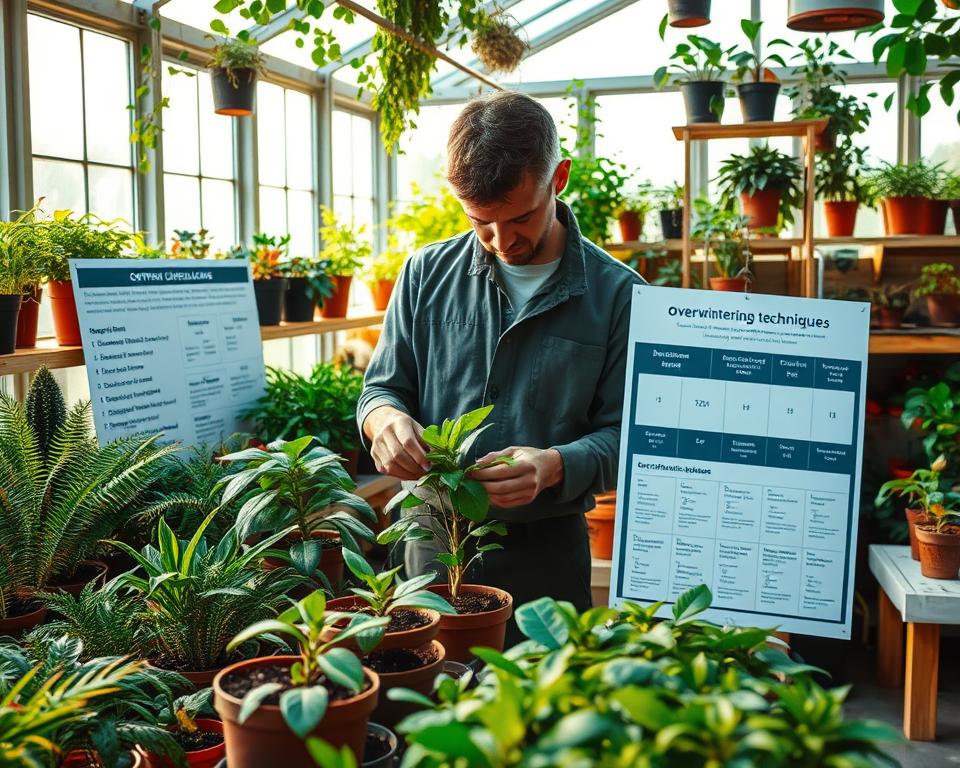
Utilising Grow Lights and Monitoring Temperatures
During the darker months, many specimens benefit from supplemental lighting. Grow lights provide essential energy for photosynthesis when natural light is insufficient.
Position lights carefully to mimic the sun’s path. A timer ensures a consistent photoperiod, which is vital for tropical varieties that do not enter full dormancy.
Stable temperatures are equally important. Avoid placing containers near draughty windows or heat sources. Sudden fluctuations can cause significant stress.
Caring for Tropical Varieties and Succulents Indoors
Tropical specimens require higher humidity levels than most homes provide. Grouping them together or using a humidifier creates a more suitable microclimate.
Watering needs change. Tropicals need more frequent moisture than dormant ones, but less than in summer. Always check the soil first.
Succulents are drought-tolerant and need minimal watering in winter. Excellent drainage is non-negotiable to prevent root rot. Bright light is essential to avoid etiolation.
Common mistakes include overwatering succulents and ignoring pest infestations. Mealybugs and spider mites can thrive in dry indoor air.
| Plant Type | Key Winter Need | Common Issue | Solution |
|---|---|---|---|
| Tropical Varieties | High humidity, warmth | Brown leaf tips, pests | Use pebble tray, inspect leaves |
| Succulents | Bright light, dry soil | Stretched growth, rot | South-facing window, infrequent water |
Good air circulation around grouped specimens helps prevent fungal diseases. Watch for signs of stress like leaf drop or discolouration and adjust care promptly.
Conclusion
Mastering the art of winter plant preservation allows gardeners to maintain their botanical collections year after year. This comprehensive guide has outlined the critical timing principles, emphasising that most tender specimens require protection before the first frost when temperatures consistently drop.
Successful transitions depend on thorough preparation including pest inspections and gradual acclimatisation. Understanding individual requirements for light, humidity and watering creates appropriate indoor environments that sustain greenery throughout the colder season.
The effort invested in overwintering pays significant dividends, extending the life of cherished specimens in containers for many years. While selective choices may be necessary when space is limited, the rewards include preserved investments and indoor gardening enjoyment during winter months.
Regular monitoring and adjustments ensure healthy plants ready for their return outdoors come spring. This process ultimately transforms seasonal gardening into a continuous cycle of growth and preservation.
FAQ
What are the main benefits of overwintering plants indoors?
Overwintering plants indoors protects them from harsh conditions like frost and freezing temperatures, which can cause permanent damage or kill them. It allows tender perennials and non-hardy specimens to survive the colder months, saving gardeners the expense of replacing them each spring.
When is the best time to bring container plants inside for the winter?
The ideal moment is just before the first frost is forecast. Gardeners should monitor local weather reports and aim to move their plants indoors when night-time temperatures begin to drop consistently, but before any real cold sets in.
How can one check for pests before bringing a plant inside?
A thorough inspection is crucial. Examine the leaves, both top and underside, and the stems for any signs of insects. Gently rinsing the plant with a gentle spray of water or wiping the leaves with a damp cloth can help remove unwanted pests.
Which plants are generally safe to bring indoors over the winter?
Many tender plants thrive indoors. Popular choices include geraniums, citrus trees, rosemary, and certain tropical varieties. These plants typically cannot tolerate frost and appreciate a warmer indoor environment during the dormant season.
Are there any plants that should not be brought inside?
Yes, some plants require a period of winter dormancy outdoors and may not adapt well to indoor conditions. Examples include many hardy perennials, trees that lose their leaves, and plants that need a cold period to flourish the following year.
What are the key factors for success when moving plants indoors?
Acclimatisation is vital. Gradually introduce the plant to its new environment over a week or so. Place it in a bright spot, manage watering carefully as indoor air is drier, and maintain adequate humidity levels to mimic outdoor conditions.
How should watering routines change for plants overwintering indoors?
Watering needs usually decrease because light levels are lower and growth slows. Always check the soil moisture before watering; overwatering is a common mistake. The goal is to keep the soil slightly moist, not soggy.
Can a plant be returned outdoors after winter?
Absolutely. Once the danger of frost has passed and temperatures begin to rise in spring, plants can be gradually reintroduced to the outdoors. This process, known as hardening off, involves placing them outside for increasing periods each day to prevent shock.