How to Build a Garden Bench Yourself
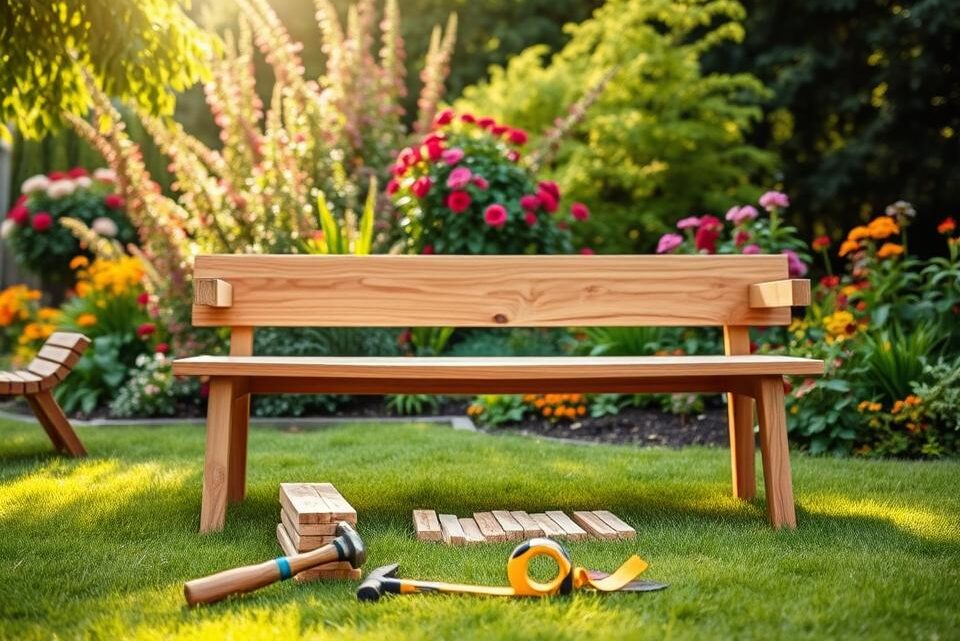
Building your own outdoor furniture can be a rewarding experience, allowing you to add a personal touch to your garden or yard.
By following this guide, you’ll learn how to create a beautiful garden bench that suits your style and complements your outdoor space.
A DIY garden bench not only provides a comfortable seating area but also adds value to your home.
Inhaltsverzeichnis
Key Takeaways
- Learn the benefits of building your own outdoor furniture
- Understand the steps involved in creating a DIY garden bench
- Discover how to customise your bench to suit your garden style
- Find out how to add value to your home with a handmade bench
- Get tips on creating a beautiful and functional outdoor space
The Benefits of Building Your Own Garden Bench
Constructing a garden bench on your own can be a highly beneficial endeavour. By taking on this woodworking project, you can enjoy several advantages that might not be immediately apparent. Not only does it allow you to create something tailored to your specific needs, but it also provides an opportunity to save money and learn new skills.
Cost Savings Compared to Store-Bought Options
One of the primary benefits of building your own garden bench is the potential for cost savings. When you buy a garden bench from a store, you’re not only paying for the materials but also for the labour and markup. By sourcing your own materials and building the bench yourself, you can significantly reduce the overall cost. Here are some key points to consider:
- You can choose materials that fit your budget without compromising on quality.
- Building it yourself eliminates labour costs associated with store-bought benches.
- You have the flexibility to make adjustments or repairs as needed, extending the life of your bench.
Customisation Possibilities
Another significant advantage of building your own garden bench is the ability to customise it according to your preferences. Whether you have a specific design in mind or want to incorporate particular features, building your own bench allows you to tailor it to your exact needs. Some customisation options include:
- Choosing the type of wood and finish that complements your garden’s aesthetic.
- Deciding on the size and shape to fit your available space perfectly.
- Adding features such as storage or armrests to enhance functionality.
Planning Your Garden Bench Project
To ensure your garden bench is both functional and aesthetically pleasing, you need to plan it meticulously. Planning involves several key considerations that will guide you through the construction process, ensuring your final product meets your expectations and complements your garden decor.
Determining the Right Size and Style
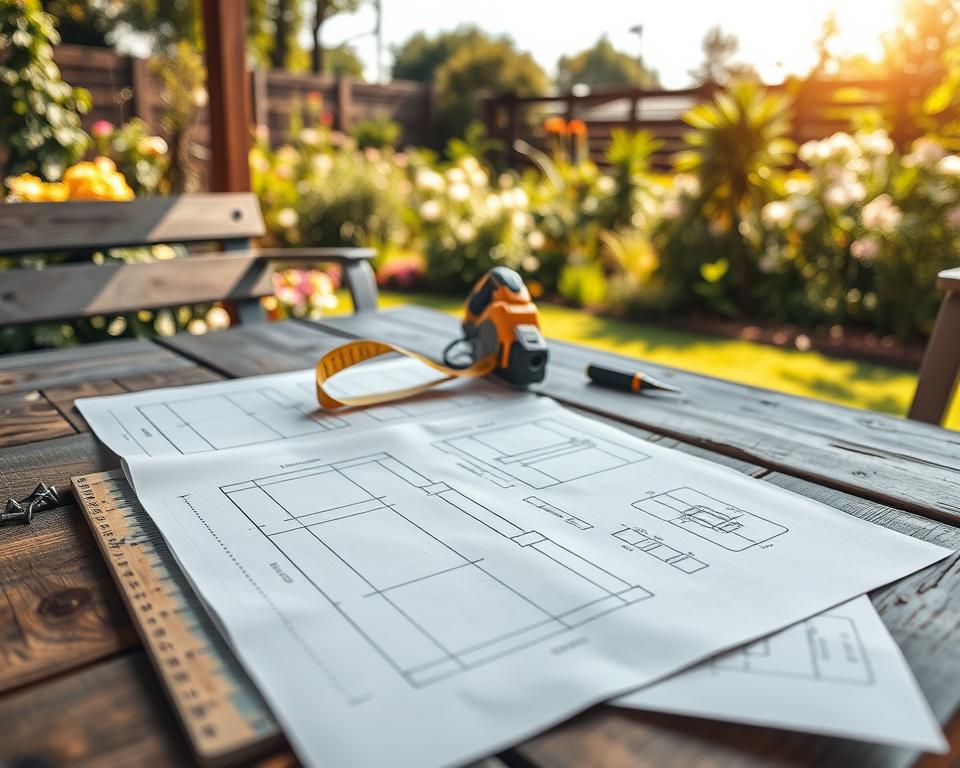
When determining the size and style of your garden bench, consider the space available in your garden and how you intend to use the bench. Think about the bench plans you have in mind: will it be a simple, minimalist design or a more elaborate piece with intricate details? Measure the area where you plan to place the bench to ensure it fits comfortably, leaving enough space around it for easy access.
Choosing the Best Location in Your Garden
Selecting the best location for your garden bench involves considering both practical and aesthetic factors. You want your bench to be in a spot that is not only visually appealing but also comfortable and safe to use. Consider placing your bench in a quiet, shaded area or under a beautiful tree, making it a serene spot to relax and enjoy your outdoor furniture.
Ensure the ground is level and firm to prevent the bench from becoming unstable over time. By carefully planning the location and design of your garden bench, you can create a lovely addition to your garden that enhances its overall ambiance.
Essential Tools You’ll Need
Gathering the right tools is crucial for efficiently building your garden bench. Having the correct equipment not only makes the process smoother but also ensures the quality and durability of your finished project.
Power Tools for Efficiency
Power tools are indispensable for making precise cuts and driving screws quickly. They save time and reduce the physical effort required for the project.
Drills and Drivers
A cordless drill/driver is a versatile tool that you’ll use extensively. It allows you to drill pilot holes and drive screws with ease. Consider investing in a set with multiple batteries to ensure you have a backup when one runs out.
Saws and Sanders
A circular saw is perfect for making straight cuts in lumber, while a jigsaw can be used for curved cuts. A sander is essential for smoothing out the wood surfaces, preparing them for finishing.
Hand Tools and Measuring Equipment
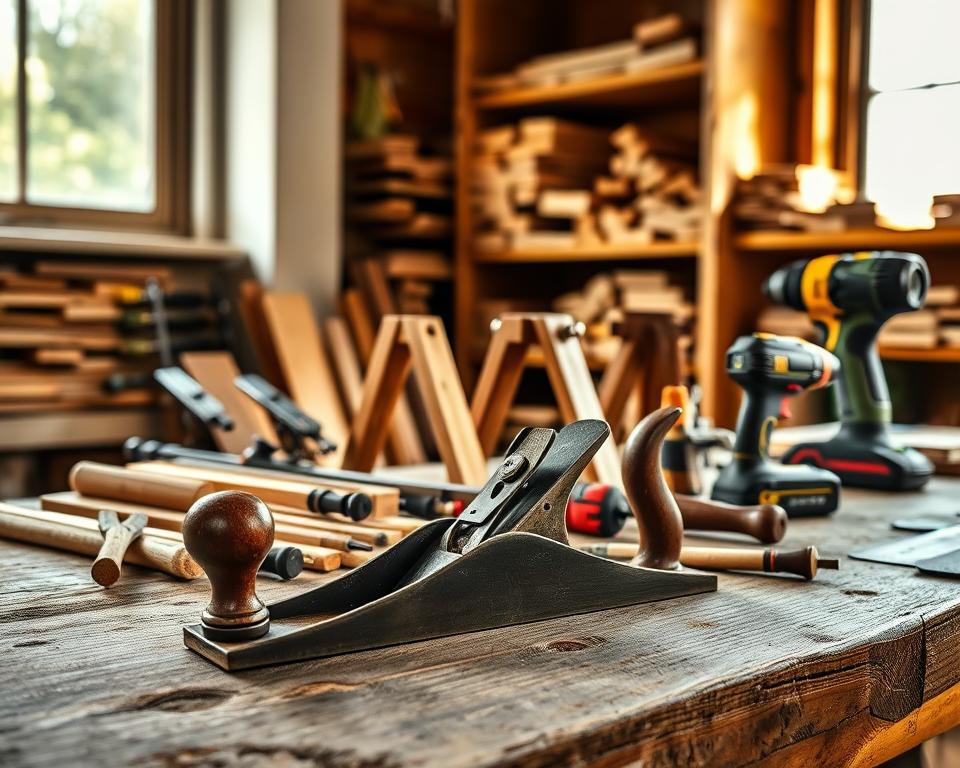
In addition to power tools, you’ll need a variety of hand tools and measuring equipment. These include a tape measure, square, clamps, and a hammer. Accurate measurements are critical, so ensure your tools are precise.
| Tool Type | Tool Name | Purpose |
|---|---|---|
| Power Tool | Cordless Drill/Driver | Drilling pilot holes and driving screws |
| Power Tool | Circular Saw | Making straight cuts in lumber |
| Hand Tool | Tape Measure | Measuring lumber accurately |
| Hand Tool | Clamps | Holding pieces together while gluing |
Materials Guide for Your Garden Bench
When building your garden bench, selecting the right materials is crucial. The durability and aesthetic appeal of your wooden bench depend significantly on the materials you choose.
Types of Wood to Consider
The type of wood you select for your garden furniture materials will impact both the appearance and the durability of your bench. You have several options, including hardwoods, softwoods, and pressure-treated woods.
Hardwoods vs Softwoods
Hardwoods, such as oak and teak, are known for their density and resistance to wear. They are ideal for outdoor furniture as they can withstand harsh weather conditions. Softwoods, like pine, are generally less expensive but may require more maintenance.
Pressure-Treated Options
Pressure-treated wood is another viable option, having been treated to resist rot and insect damage. This can be a cost-effective choice, but be sure to follow safety guidelines when working with these materials.
Hardware and Fasteners
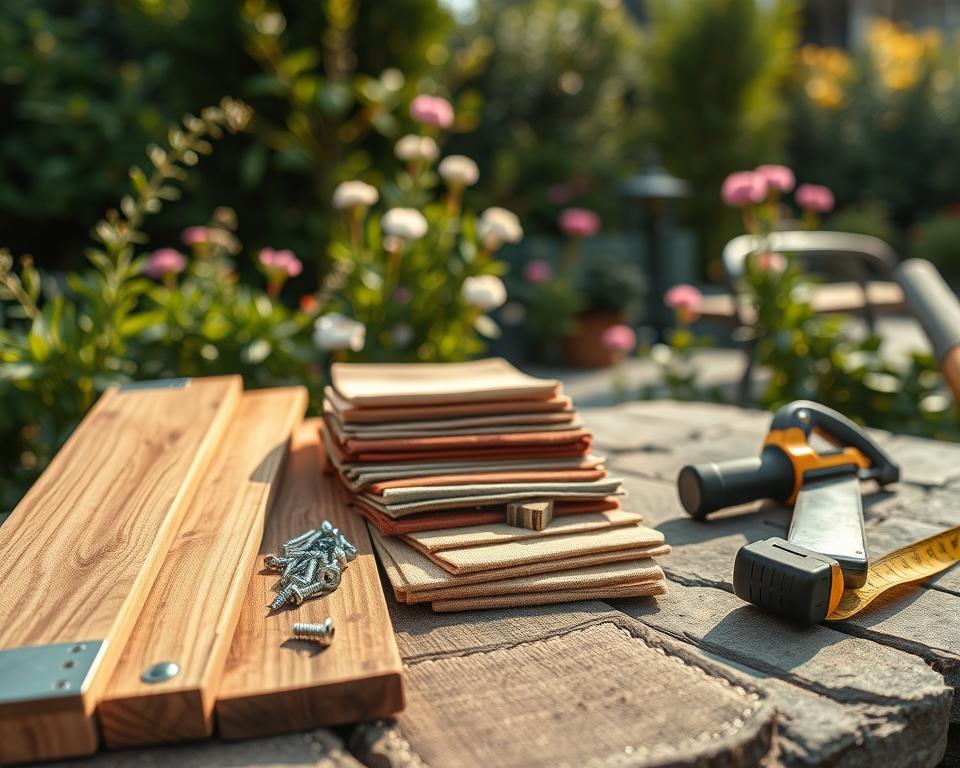
In addition to the wood, the hardware and fasteners you use are critical to the structural integrity of your bench. You’ll need screws, bolts, brackets, and supports to assemble the various components.
Screws and Bolts
Using the right screws and bolts is essential for securing the frame and seat of your bench. Choose materials that are resistant to corrosion, such as stainless steel or galvanized steel.
Brackets and Supports
Brackets and supports add additional stability to your bench, ensuring it remains sturdy over time. Use them to reinforce joints and provide extra support under the seat and backrest.
By carefully selecting your materials and hardware, you can create a durable and attractive wooden bench that will enhance your garden for years to come.
Safety Precautions Before You Begin
Safety should be your top priority as you prepare to build your garden bench. Ensuring a safe working environment helps prevent accidents and injuries, making the construction process more enjoyable and efficient.

Personal Protective Equipment
Using personal protective equipment (PPE) is crucial when working with power tools and building your garden bench. This includes safety glasses, ear protection, and gloves. Safety glasses protect your eyes from debris, while ear protection safeguards your hearing from the loud noises produced by power tools. Gloves provide grip and protection for your hands, reducing the risk of injury.
Workshop Safety Tips
Maintaining a safe workshop environment is equally important. Ensure your workspace is well-lit and free from clutter, which can cause tripping hazards. Keep your tools organised and within easy reach. Regularly check your equipment to ensure it’s in good working condition. By following these workshop safety tips, you can significantly reduce the risk of accidents and create a more productive working environment.
How to Build a Garden Bench Yourself: Step-by-Step Guide
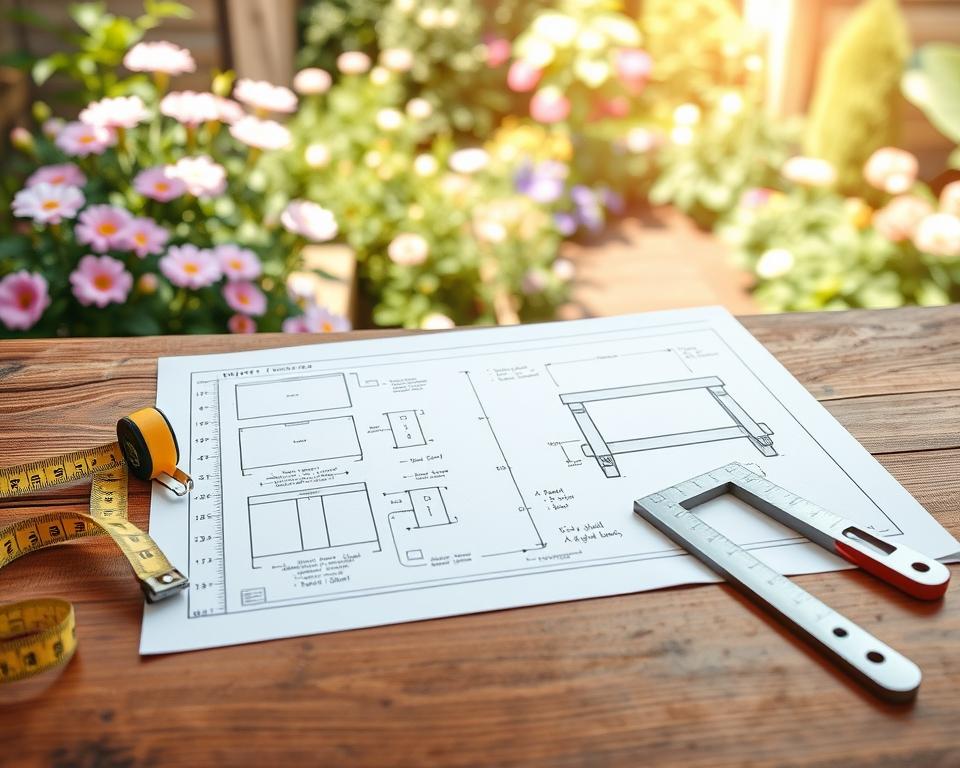
Embarking on building your own garden bench is a rewarding DIY project that requires careful planning and execution. As you prepare to start your project, it’s essential to understand the overall construction process and the importance of having a clear plan.
Overview of the Construction Process
The construction of a garden bench involves several key stages, from preparing the lumber to assembling the final components. A well-structured plan will guide you through each step, ensuring that your bench is sturdy and aesthetically pleasing. You will need to cut the wood according to your plans, assemble the frame, and attach the seat and backrest.
Understanding the sequence of these tasks is crucial for a successful outcome. As you progress through the construction process, you’ll need to be mindful of the tools and materials required for each stage. Having the right tools at hand will make the process more efficient and help you achieve professional-looking results.
Reading and Understanding the Plans
Before you begin building, it’s vital to thoroughly read and understand your bench plans. These plans will provide detailed instructions on the dimensions, materials, and assembly of your garden bench. Take the time to study the plans, ensuring that you comprehend each component and the role it plays in the overall structure.
“A good plan is the foundation of a successful DIY project. It helps you avoid costly mistakes and ensures that your final product is both functional and beautiful.”
As you review the plans, pay close attention to the measurements and the type of materials specified. Understanding the plans will help you identify any potential issues early on, allowing you to make adjustments as needed. This careful planning will contribute to a smoother construction process and a better end result.
Preparing and Cutting the Lumber
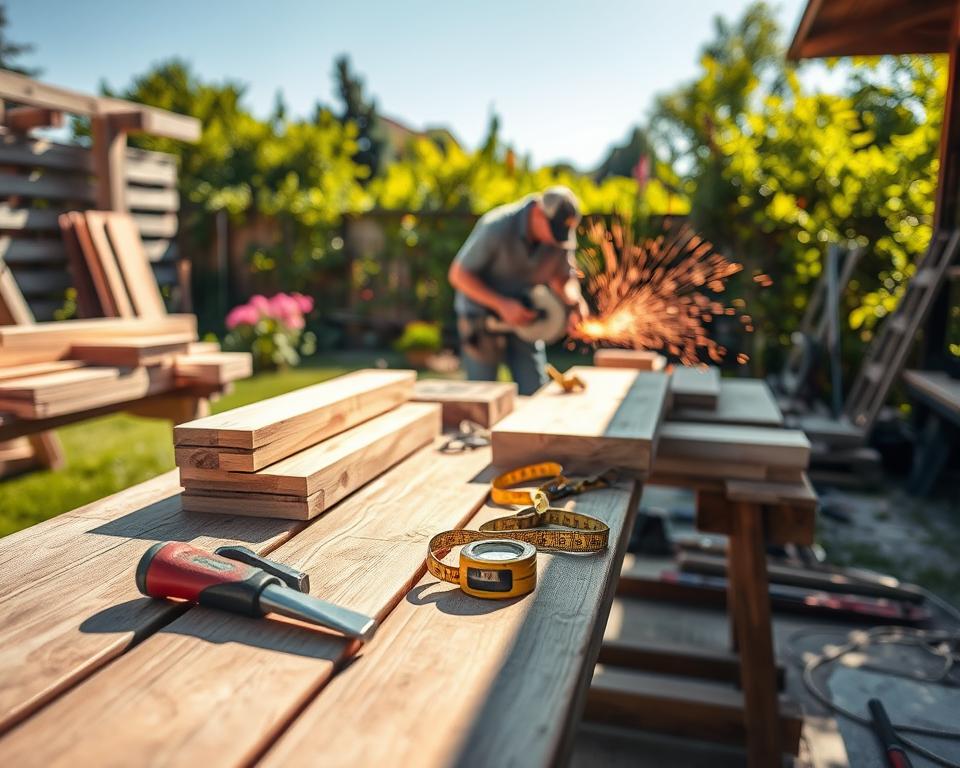
The success of your garden bench project hinges on properly preparing and cutting the lumber. This step is crucial as it lays the foundation for the entire construction process. Accurate measurements and precise cuts are essential to ensure that all components fit together seamlessly.
Measuring and Marking Your Wood
To begin, you’ll need to measure and mark your wood according to the plans you’ve chosen. Use a high-quality tape measure and a sharp pencil to ensure accuracy. It’s also a good practice to double-check your measurements before making any cuts to avoid errors.
When marking your wood, consider the type of cut you’ll be making. For instance, if you’re cutting a piece to fit between two other components, make sure to account for the width of the saw blade. This will ensure a precise fit and prevent any gaps or overlaps.
Making Precise Cuts for All Components
With your wood measured and marked, it’s time to make the cuts. Use a circular saw or a hand saw depending on the type of cut and the equipment you have available. For straight cuts, a circular saw is typically the most efficient tool, while a hand saw can be better for more detailed or curved cuts.
To ensure precise cuts, maintain a steady hand and keep the saw blade aligned with your mark. If you’re using a circular saw, use a guide rail to help keep the saw straight. For hand saws, take your time and make slow, deliberate cuts.
Building the Bench Seat
Building the bench seat involves two main steps: assembling the seat frame and attaching the seat boards. This crucial component of your garden bench requires careful construction to ensure it is both sturdy and comfortable.

Assembling the Seat Frame
To assemble the seat frame, start by laying out the frame components on a flat surface. Ensure that the corners are square and the frame is even. Use clamps to hold the pieces together while you screw or nail them into place. It’s essential to use weather-resistant fasteners to prevent rust and ensure the longevity of your bench.
When assembling the seat frame, pay close attention to the measurements to avoid any discrepancies. A well-constructed frame will provide a solid foundation for the seat boards. Consider using a mortise and tenon joint or screws for added strength.
| Component | Quantity | Dimensions |
|---|---|---|
| Seat Frame Side | 2 | 45 x 5 x 2 cm |
| Seat Frame End | 2 | 40 x 5 x 2 cm |
| Seat Support Slats | 3 | 40 x 2 x 2 cm |
Attaching the Seat Boards
Once the seat frame is assembled, you can begin attaching the seat boards. Start by placing the boards onto the frame, ensuring they are evenly spaced and aligned properly. Use a spirit level to check that the boards are level, as this will affect the overall comfort and stability of the bench.
Use screws or nails to secure the seat boards to the frame. It’s a good practice to pre-drill holes to avoid splitting the wood. Make sure the boards are securely attached to provide a sturdy seating area. As John Smith, a renowned woodworker, once said, “The key to a durable outdoor furniture piece lies in the details of its construction, particularly in how well the components are assembled and secured.”
“A well-built bench is not just about functionality; it’s also about creating a welcoming space in your garden.”
After attaching the seat boards, inspect your work to ensure everything is secure and evenly spaced. Your bench seat is now taking shape, and with the addition of the legs and backrest, your garden bench will soon be complete.
Constructing the Bench Legs
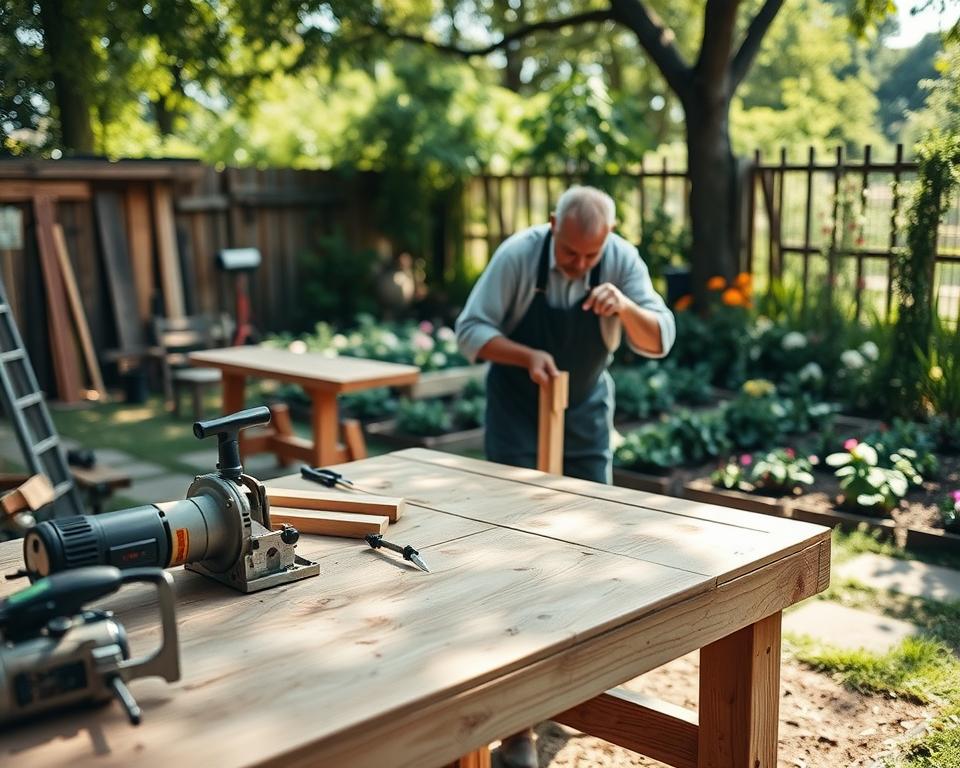
Constructing the legs of your bench is essential for its stability and longevity. The legs bear the weight of the bench and its occupants, making their construction critical.
Creating Sturdy Leg Assemblies
To create sturdy leg assemblies, you must select the right materials and follow a precise construction process. Using durable wood like oak or cedar can enhance the longevity of your bench.
The legs are typically made from four identical pieces of timber. Ensuring these pieces are accurately cut and assembled is crucial. You can use mortise and tenon joints or dovetail joints for added strength.
Ensuring Proper Angles for Stability
The angles at which the legs are set significantly affect the stability of the bench. A wider base provides greater stability, so consider the angle and positioning of the legs carefully.
To achieve the optimal angle, you may need to use angled cuts. This can be accomplished with a circular saw or a miter saw. Ensuring that all legs are evenly spaced and firmly attached to the seat frame is vital for preventing the bench from becoming wobbly.
Assembling the Backrest
Assembling the backrest is a crucial step in completing your garden bench. This component provides additional support and comfort, making your bench a pleasant place to rest.
To start, you will need to build the backrest frame. This involves constructing a rectangular frame that will support the backrest boards.
Building the Backrest Frame
Begin by cutting four pieces of lumber to the required dimensions for the backrest frame. Two of these pieces will be longer, serving as the vertical supports, while the other two will be shorter, acting as the horizontal top and bottom rails.
Use a miter saw or a circular saw to make precise cuts. Assemble the frame using mortise and tenon joints or screws, ensuring that the corners are square and the frame is sturdy.
| Component | Dimensions | Quantity |
|---|---|---|
| Vertical Supports | 1500mm x 75mm x 50mm | 2 |
| Horizontal Rails | 1200mm x 75mm x 50mm | 2 |
Attaching the Backrest Boards
With the frame assembled, you can now attach the backrest boards. These boards should be cut to the same width and spaced evenly apart.
Use screws or nails to secure the boards to the frame, starting from the center and working your way outward. Ensure that the boards are aligned properly and that the spacing is consistent.

Once the backrest is assembled, you can proceed to attach it to the bench seat. This will be covered in the next section.
Joining the Bench Components Together
Now that you have prepared all the necessary components, you can start joining them together. This crucial step in building your garden bench involves connecting the seat to the legs and attaching the backrest. Ensuring these components are securely joined is vital for the stability and durability of your bench.

Connecting the Seat to the Legs
To connect the seat to the legs, you will need to use appropriate fasteners such as screws or bolts. Begin by positioning the seat on top of the leg assemblies, ensuring it is level and evenly spaced. Use a drill or screwdriver to secure the seat to the legs. It is essential to tighten the fasteners firmly to prevent any movement or wobbling.
The following steps outline the process:
- Position the seat on the leg assemblies.
- Check that the seat is level and evenly spaced.
- Mark the screw holes on the legs.
- Drill pilot holes if necessary.
- Secure the seat to the legs using screws or bolts.
- Tighten the fasteners firmly.
Attaching the Backrest to the Seat
Attaching the backrest to the seat is another critical step in the assembly process. You will need to align the backrest with the rear of the seat and secure it using suitable fasteners. Ensure the backrest is at a comfortable angle and the joints are tight.
Key considerations include:
- Align the backrest with the seat.
- Check the angle of the backrest for comfort.
- Mark the screw holes on the seat frame.
- Drill pilot holes if required.
- Attach the backrest using screws or bolts.
- Verify that the backrest is securely attached.
By following these steps, you can ensure that your garden bench is sturdy and comfortable. Properly joining the bench components together is essential for the overall quality and longevity of your finished bench.
Sanding and Finishing Your Garden Bench
Sanding and finishing are crucial steps in enhancing the durability and appearance of your garden bench. A well-finished bench not only looks more appealing but also withstands the elements better.
Proper Sanding Techniques
To achieve a smooth finish, start by sanding your garden bench thoroughly. This process removes any splinters or rough edges, preparing the surface for finishing.
Coarse to Fine Progression
Begin with coarse-grit sandpaper to remove any imperfections, then progress to finer grits for a smoother surface. This step-by-step sanding process ensures a high-quality finish.
Reaching Difficult Areas
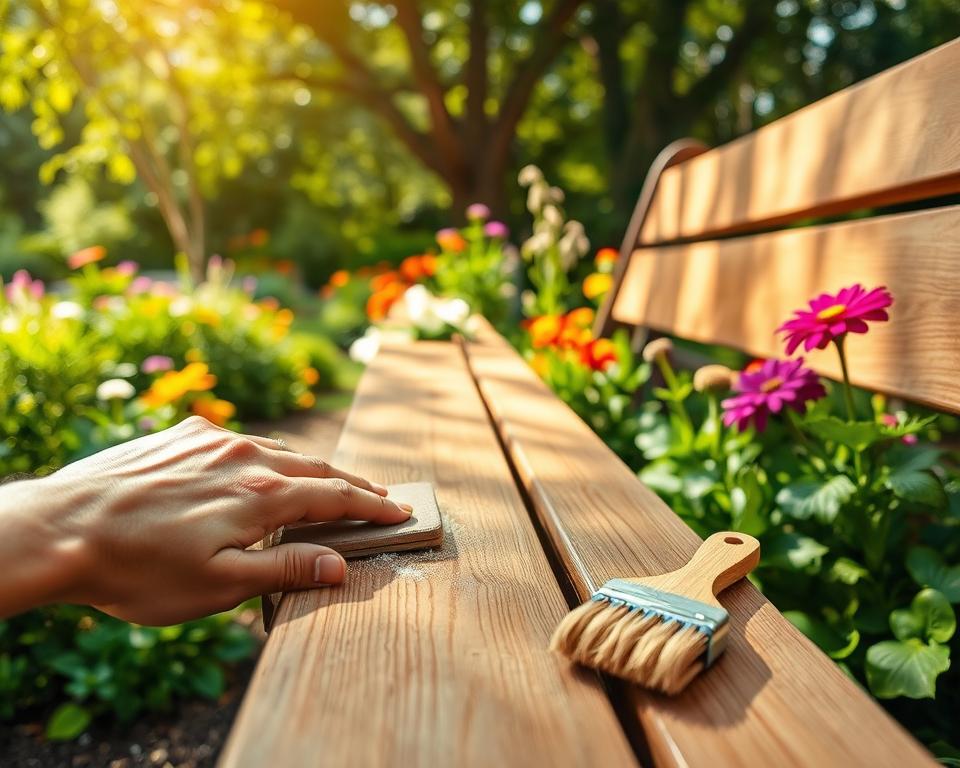
For intricate or hard-to-reach areas, use sanding tools like sanding blocks or flexible sanding pads. These tools help you achieve a uniform finish across the entire bench.
Applying Weather-Resistant Finishes
After sanding, apply a weather-resistant finish to protect your garden bench from the elements. This not only enhances the appearance but also extends the lifespan of the bench.
Stains and Sealers
Choose a stain or sealer that is suitable for outdoor use. Consider using a product that combines both stain and sealant for convenience. As “a good finish can make all the difference in the durability of your outdoor furniture,” according to a leading manufacturer.
Application Methods
Apply the finish using a brush or roller, following the manufacturer’s instructions. Ensure you work in a well-ventilated area and apply thin, even coats.
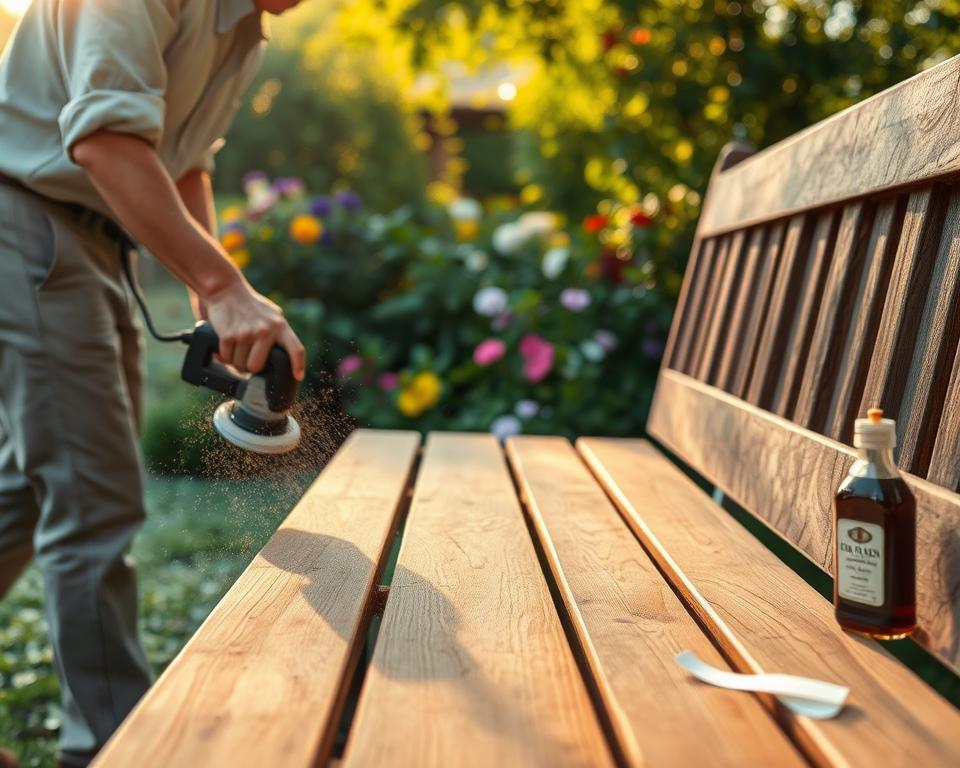
By following these steps, you can achieve a beautifully finished garden bench that will last for years to come.
Customisation Options for Your Garden Bench
Customising your garden bench can elevate its functionality and aesthetic appeal. You can make your bench stand out by adding unique features that reflect your personal style.
Adding Decorative Elements
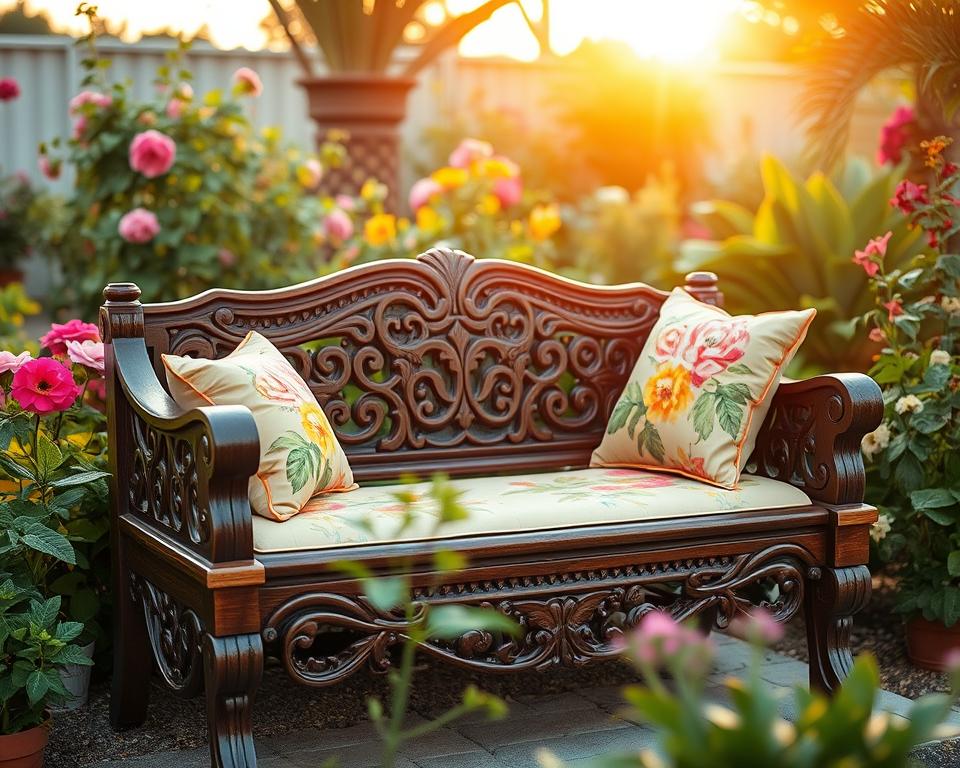
Adding decorative elements is a great way to personalise your garden bench. Consider incorporating intricate wood carvings, metalwork, or colourful cushions to give your bench a unique touch. You can also add armrests or decorative leg designs to enhance both the look and comfort of your bench.
Incorporating Storage Solutions
Incorporating storage solutions into your garden bench can significantly enhance its utility. You can design the bench with hidden compartments or lift-up seats to store gardening tools, outdoor cushions, or other garden essentials. This not only keeps your garden tidy but also makes it more functional.
Maintenance Tips for Longevity
Maintaining your garden bench is essential for extending its lifespan and keeping it looking its best. Regular maintenance not only enhances the aesthetic appeal of your garden but also ensures that your bench remains a safe and comfortable seating area.
Seasonal Care Routines
To keep your garden bench in good condition, it’s crucial to adopt seasonal care routines. Here’s a simple table outlining the tasks you should perform during different times of the year:
| Season | Task |
|---|---|
| Spring | Clean the bench thoroughly, inspect for damage, and apply a fresh coat of protective finish. |
| Summer | Regularly clean the bench to prevent dirt buildup and check for signs of wear. |
| Autumn | Clear leaves and debris, and consider applying a wood preservative to protect against moisture. |
| Winter | Cover the bench to protect it from harsh weather conditions, or store it in a dry place if possible. |
Addressing Common Wear Issues
Over time, your garden bench may experience wear and tear. Common issues include wood rot, loose joints, and fading finishes. To address these, you can:
- Inspect the bench regularly to catch any problems early.
- Use appropriate repair techniques, such as reattaching loose parts or reapplying finish.
- Consider replacing damaged components if necessary.
By following these maintenance tips, you can enjoy your garden bench for years to come.
Troubleshooting Common Problems
Even with careful planning, garden benches can sometimes develop issues like wobbliness or warping, but these can be addressed with simple fixes. When you’ve invested time and effort into building your garden bench, it’s essential to know how to troubleshoot common problems to ensure it remains safe and functional.
Fixing Wobbly Benches
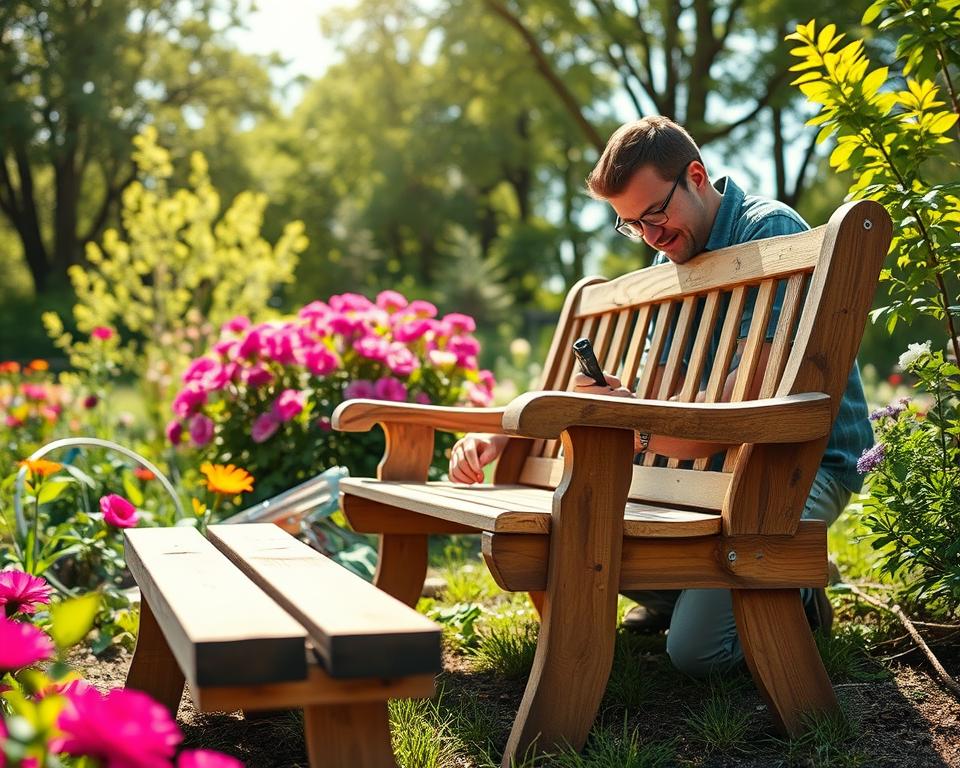
A wobbly bench can be frustrating and may result from uneven legs or an uneven floor. To fix this, you can adjust the legs to level the bench or use shims under the legs to stabilise it. Ensuring the floor is level before placing the bench can also prevent wobbliness.
| Cause | Solution |
|---|---|
| Uneven legs | Adjust legs or use shims |
| Uneven floor | Level the floor or use shims |
Dealing with Warped Wood
Warped wood can occur due to changes in humidity or improper drying. To address warped wood, you can try to straighten it by applying moisture and heat or by using weights to hold it in place until it dries. In severe cases, replacing the warped component may be necessary.
By understanding how to troubleshoot these common issues, you can extend the life of your garden bench and enjoy it for years to come.
Conclusion
Completing a DIY project like building a garden bench is a rewarding experience. You’ve invested time and effort into creating a beautiful piece of outdoor furniture that will enhance your garden’s charm. As you finish your project, you’ll feel a sense of pride and accomplishment, knowing that you’ve created something with your own hands.
By following the steps outlined in this guide, you’ve successfully planned, constructed, and finished your garden bench. You’ve learned valuable skills and gained experience that can be applied to future DIY projects. Now, you can enjoy the fruits of your labour and relax on your new bench, surrounded by the beauty of your garden.
As you complete your building a garden bench project, consider sharing your experience with others. Whether it’s through social media or a DIY community, sharing your DIY project completion can inspire others to take on similar projects. So, take pride in your work and enjoy the satisfaction of a job well done.
FAQ
What are the benefits of building a garden bench myself rather than buying one?
Building your own garden bench allows for cost savings and customisation to fit your specific needs and garden style.
What type of wood is best suited for a garden bench?
The best type of wood for a garden bench depends on your preferences, but hardwoods like oak and teak are durable and resistant to weathering, while pressure-treated softwoods can be more budget-friendly.
How do I ensure my garden bench is stable and sturdy?
To ensure stability, focus on creating sturdy leg assemblies and proper angles for the legs, and use brackets and supports to reinforce the structure.
What safety precautions should I take when building my garden bench?
Always wear personal protective equipment like gloves and safety glasses, and follow workshop safety tips to avoid accidents and injuries.
How do I protect my garden bench from the elements?
Apply weather-resistant finishes like stains and sealers to protect the wood, and consider using pressure-treated wood for added durability.
Can I customise my garden bench with storage or decorative elements?
Yes, you can add decorative elements like carvings or storage solutions like under-seat compartments to make your bench more functional and unique.
How do I maintain my garden bench to extend its lifespan?
Regularly inspect and clean your bench, and perform seasonal care routines like reapplying finishes and checking for damage.
What are some common problems with garden benches, and how can I fix them?
Common issues include wobbly benches and warped wood, which can be addressed by adjusting the legs or replacing damaged components.
What tools do I need to build a garden bench?
You’ll need a range of power tools like drills and saws, as well as hand tools like measuring tape and hammers, to complete the project.
How do I choose the right size and style for my garden bench?
Consider the space available in your garden, as well as your personal preferences, to determine the ideal size and style for your bench.