Creating a Permaculture Garden: How to Build a Successful Sustainable Garden
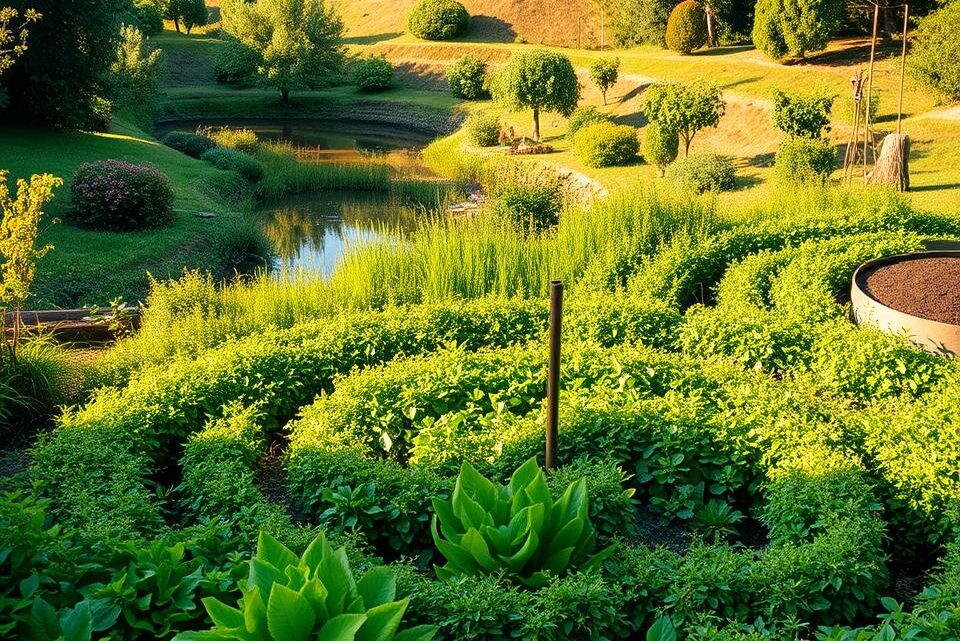
You’re about to embark on a journey to transform your outdoor space into a thriving ecosystem that works in harmony with nature. Permaculture gardening is an innovative approach to growing plants, focusing on sustainable practices that create a balanced and self-sustaining environment.
This comprehensive guide will introduce you to the principles and practices of permaculture, showing you how to design a sustainable garden ecosystem that requires less maintenance while producing more food and supporting biodiversity. By adopting this system, you’ll be able to create a resilient garden that benefits both you and the environment.
Inhaltsverzeichnis
Key Takeaways
- Understand the core philosophy behind permaculture gardening.
- Learn how to design a sustainable garden ecosystem.
- Discover practical strategies for transforming your outdoor space.
- Implement permaculture principles to reduce maintenance.
- Benefit from a resilient garden that supports biodiversity.
Understanding Permaculture: A Sustainable Approach to Gardening
As we seek more sustainable gardening practices, permaculture emerges as a holistic design philosophy that works in harmony with nature. This approach to gardening is not just about growing plants; it’s about creating a sustainable system that benefits both you and the environment.
What Is Permaculture?
Permaculture is a design philosophy that aims to create sustainable, self-sufficient ecosystems. It was coined in the 1970s by Bill Mollison and David Holmgren, combining “permanent” and “agriculture” to emphasise its focus on long-term sustainability. By observing natural patterns and designing landscapes that conserve resources and support biodiversity, permaculture offers a sustainable approach to gardening.
The Difference Between Permaculture and Traditional Gardening
Unlike traditional gardening methods, which often rely on external inputs like chemical fertilisers and intensive watering, permaculture creates resilient systems that become increasingly self-sustaining over time. This approach not only reduces waste but also promotes a healthier ecosystem.
Benefits of a Permaculture Garden
The benefits of a permaculture garden are numerous, extending beyond food production to include improved soil health, increased biodiversity, and reduced water usage. By adopting permaculture principles, you can transform your garden into a thriving ecosystem that works with nature, not against it.
| Aspect | Permaculture | Traditional Gardening |
|---|---|---|
| Water Usage | Reduced through efficient systems | Often intensive |
| Biodiversity | Promotes diverse ecosystems | May focus on a single crop |
| Soil Health | Improves through natural methods | Can degrade with chemical use |
The Core Principles of Permaculture Design
The foundation of a successful permaculture garden lies in its design principles, which work in harmony with nature. By understanding and applying these principles, you can create a garden that is not only productive but also sustainable and eco-friendly.
Working with Nature, Not Against It
Working with nature rather than against it is a fundamental principle of permaculture. This involves observing natural patterns and processes, then designing your garden to harness these natural tendencies instead of fighting them. By doing so, you reduce the need for external inputs and create a more balanced ecosystem.
Observe and Interact with Your Environment
Observation is key in permaculture. Spend time understanding your specific garden environment—its sunlight patterns, water flow, soil conditions, and existing plant communities—before making significant changes. This observation period helps you make informed decisions that work with your garden’s unique characteristics.
Catch and Store Energy and Resources
Catching and storing energy involves designing systems that capture and make use of available resources like sunlight, rainwater, and organic matter. This principle encourages you to be efficient with the resources you have, minimizing waste and maximizing productivity.
Obtaining a Yield While Creating No Waste
The principle of obtaining a yield reminds us that permaculture gardens should be productive, providing food, medicine, materials, or other useful outputs. Simultaneously, creating no waste is crucial; this is achieved by composting, recycling, and reusing materials wherever possible, thus closing loops in your garden’s ecosystem.
| Principle | Description | Benefit |
|---|---|---|
| Working with Nature | Observe and harness natural patterns | Reduced need for external inputs |
| Observe and Interact | Understand your garden’s unique characteristics | Informed decision-making |
| Catch and Store Energy | Capture and utilize available resources efficiently | Maximized productivity |
| Obtain a Yield | Design for productivity and usefulness | Food, medicine, and materials |
Planning Your Permaculture Garden Design
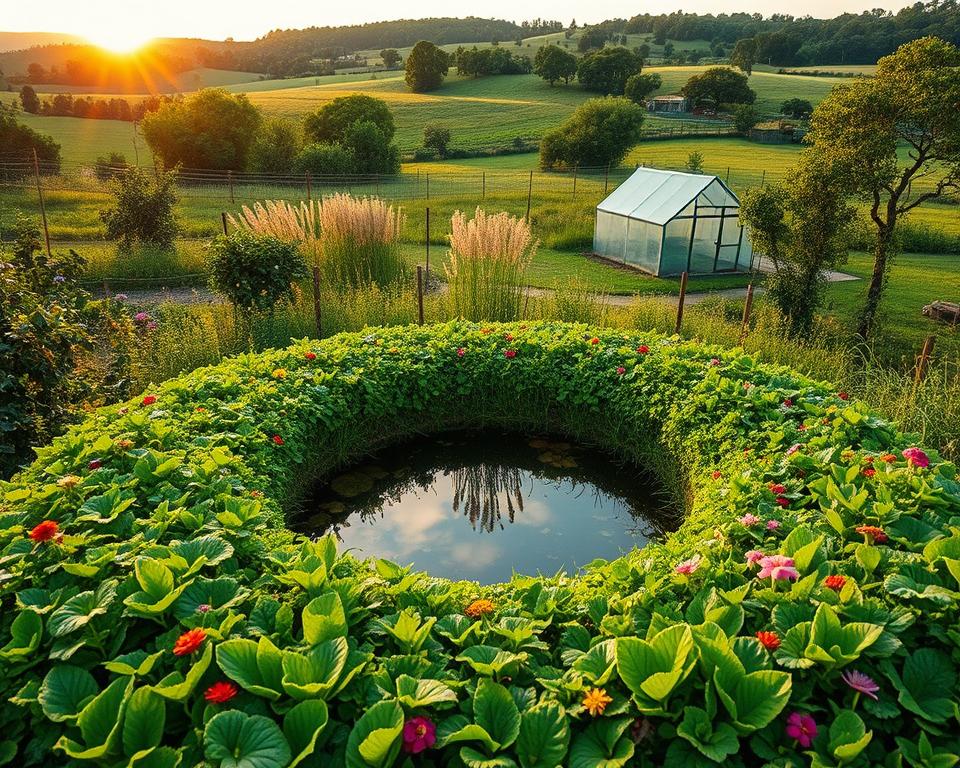
To build a thriving permaculture garden, you need to start with a well-thought-out design that takes into account your available space and resources. A successful sustainable home garden starts with good planning. By carefully assessing your space, organizing it into efficient zones, and choosing the right plants, you can design a garden that is productive, eco-friendly, and easy to maintain.
Assessing Your Space and Resources
Before planting, take time to understand your garden’s unique conditions. Consider the size of your garden and how much space is available. Small gardens may benefit from vertical planting or raised beds, while larger areas allow for orchards, compost areas, and wildlife zones. Track how sunlight moves through your garden to determine the best layout for your plants.

Understanding Garden Zones and Sectors
Understanding permaculture zones helps you organize your garden efficiently. Frequently visited areas, like herb gardens and salad beds, should be placed closest to your home, while less frequently visited elements, like fruit trees, can be positioned further away. Sector planning involves mapping external influences such as prevailing winds and sun angles to help you position elements strategically within your garden.
Creating a Garden Map and Layout
Creating a detailed garden map allows you to visualize how different elements will interact before you start planting. This helps you maximize beneficial relationships between plants and other garden features. Your initial design should include both quick-yield annual plants and longer-term perennial plantings that will form the backbone of your sustainable garden system.
Setting Realistic Goals and Timelines
Setting realistic goals and timelines is crucial for successful implementation. Permaculture gardens develop over years rather than months, with some elements taking several seasons to become fully productive. Be patient and plan accordingly to ensure the long-term success of your permaculture garden.
Building Healthy Soil: The Foundation of Your Garden
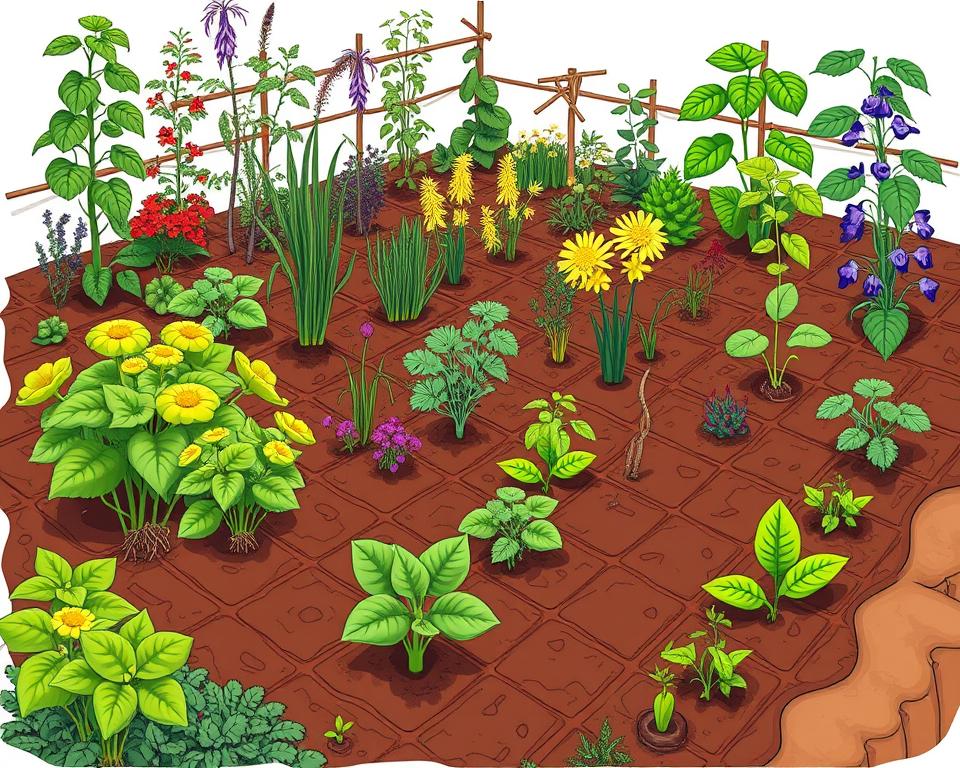
To create a sustainable garden, you must first focus on building healthy soil. Healthy soil is the cornerstone of any successful permaculture garden, functioning as a living ecosystem that supports plant growth while improving water retention and nutrient cycling.
Composting Methods for Rich Organic Matter
Composting is one of the most effective ways to enrich your soil naturally. By breaking down organic matter such as vegetable scraps, leaves, and grass clippings, compost adds essential nutrients back into the earth. Different composting methods suit different situations—hot composting produces finished compost quickly but requires careful management, while cold composting takes longer but requires less maintenance.
Mulching Techniques to Protect and Nourish Soil
Mulching is a critical soil-building technique that protects soil from erosion and temperature extremes while gradually adding organic matter as the mulch breaks down over time. You can use various organic materials for mulching, such as wood chips, straw, or leaves, to nourish your soil.
Vermiculture and Worm Composting
Vermiculture, or worm farming, produces exceptionally rich compost that contains beneficial microorganisms and plant growth hormones, making it an excellent addition to any permaculture soil improvement strategy. This method is particularly effective for small-scale gardens or indoor composting.
Natural Fertilisers and Soil Amendments
Natural soil amendments like rock dust, seaweed, and biochar can address specific soil deficiencies while building long-term soil fertility without the environmental impacts associated with synthetic fertilisers. These amendments can be used to improve soil structure and fertility, promoting a healthy and balanced ecosystem.
By implementing these strategies, you can create a thriving permaculture garden with rich, fertile soil that supports diverse plant life and improves ecosystem health. Building healthy soil is an ongoing process that requires continuous effort and attention, but the rewards are well worth it.
Creating a Permaculture Garden: Implementing the Layers
To create a thriving permaculture garden, understanding and implementing the different layers is essential. This approach allows you to mimic the natural forest ecosystem, creating a diverse and productive system that requires minimal maintenance.
Permaculture gardens are designed to work with nature, not against it. By incorporating multiple vertical layers, you can create a multifunctional garden that produces a variety of yields, from fruits and nuts to herbs and vegetables.

The Seven Layers of a Food Forest
A food forest typically consists of seven layers: the canopy, understory, shrub layer, herbaceous layer, ground cover, root zone, and vertical/climbing layer. Each layer plays a crucial role in creating a balanced ecosystem.
The canopy layer, comprising tall trees, provides shade and habitat for wildlife. The understory layer, made up of smaller trees, fills in the gaps between the canopy trees, creating a diverse and complex structure.
Canopy and Understory Trees
Canopy and understory trees form the structural backbone of your permaculture garden. They provide fruit, nuts, and timber, while also creating beneficial microclimates for plants growing beneath them.
These trees can be chosen for their productivity, such as fruit or nut trees, or for their ability to improve soil health, such as nitrogen-fixing trees.
Shrubs, Herbs, and Ground Covers
The shrub layer typically includes berry bushes and other productive woody plants that thrive in the dappled light conditions created by the tree canopy above.
Herbs, vegetables, and ground covers fill the lower layers, protecting soil from erosion while providing culinary and medicinal harvests throughout the growing season.
Root Crops and Climbers
Root crops utilise the soil space efficiently, while climbing plants like grapes and kiwis take advantage of vertical space by growing up trees or structures, maximising production in limited areas.
By incorporating these different layers, you can create a permaculture garden that is not only productive but also sustainable and resilient.
| Layer | Description | Examples |
|---|---|---|
| Canopy | Tall trees providing shade and habitat | Oak, Beech, Walnut |
| Understory | Smaller trees filling gaps between canopy trees | Apple, Plum, Hazel |
| Shrub Layer | Productive woody plants thriving in dappled light | Berry bushes, Lavender |
| Herbaceous Layer | Herbs and vegetables providing culinary harvests | Tomatoes, Peppers, Basil |
Plant Selection and Companion Planting

To build a sustainable permaculture garden, you need to carefully consider the plants you choose and how they interact with each other. The right plant selection is crucial for a thriving ecosystem that requires minimal intervention.
Choosing Plants Based on Your Climate and Soil
Selecting the right plants for your specific climate and soil conditions is fundamental to creating a successful permaculture garden. Climate-appropriate plant selection ensures your garden works with local conditions rather than against them.
Perennials vs Annuals in Permaculture
Perennials like berry bushes and asparagus return each year, requiring less effort to maintain. Annuals such as lettuce and tomatoes add seasonal variety and flexibility. A balance of both ensures both short-term harvests and long-term resilience.
Creating Beneficial Plant Guilds
Companion planting involves strategically combining plants that benefit each other. Plant guilds take this further by creating multi-species groupings where each plant serves multiple functions within the mini-ecosystem.
Polycultures: Growing Multiple Crops Together
Polycultures increase resilience by ensuring that if one crop fails, others will still thrive, providing food security and ecological stability. This approach mimics natural ecosystems by mixing crops that support one another.
Water Management in Your Permaculture Garden
Effective water management is crucial for a thriving permaculture garden. You need to capture, store, and efficiently use water throughout your garden system. This not only conserves a precious resource but also enhances the resilience of your garden.
Rainwater Harvesting Systems
Implementing rainwater harvesting systems is a simple yet effective way to manage water in your permaculture garden. By collecting rainwater in barrels or more complex collection networks, you can store water during wet periods for use during dry spells. This reduces your dependence on mains water supplies and lowers your water bills.
Efficient Irrigation Methods
Efficient irrigation methods, such as drip systems, deliver water directly to the roots of plants, minimizing evaporation and runoff. This approach can reduce water usage by up to 60% compared to conventional sprinkler systems. By adopting efficient irrigation methods, you can ensure your plants receive the right amount of water without wasting this valuable resource.
Creating Swales and Water-Retention Features
Creating swales—level ditches dug along contour lines—and other water-retention features like small ponds and rain gardens can significantly enhance water management in your permaculture garden. These features capture rainwater, allowing it to slowly infiltrate the soil, and create habitats for beneficial wildlife. This not only aids in water conservation but also supports biodiversity.
| Water Management Feature | Benefits |
|---|---|
| Rainwater Harvesting | Reduces mains water dependence, lowers water bills |
| Efficient Irrigation | Minimizes evaporation, reduces water usage |
| Swales and Water-Retention Features | Captures rainwater, supports biodiversity |
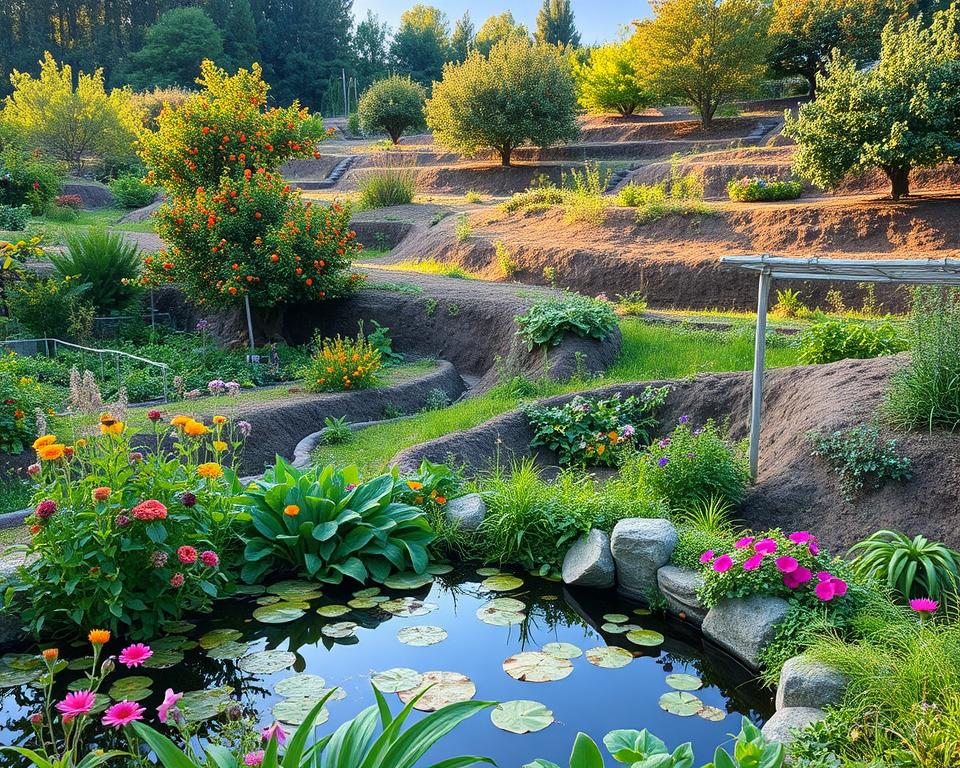
By incorporating these water management strategies into your permaculture garden design, you can create a more sustainable and resilient gardening system. This not only benefits your garden but also contributes to a more environmentally friendly approach to gardening.
Natural Pest Management Strategies
To maintain a healthy permaculture garden, it’s vital to adopt natural pest management techniques. This involves creating a balanced ecosystem where beneficial organisms help control potential pest populations, eliminating the need for harmful chemical pesticides.
Attracting Beneficial Insects and Wildlife
Attracting beneficial insects such as ladybirds, lacewings, and parasitic wasps provides natural control of common garden pests like aphids, caterpillars, and scale insects. You can create habitat features, including flowering plants that bloom in succession throughout the growing season, insect hotels, and small water sources, to support these beneficial insects.

Plant-Based Pest Deterrents
Strategic use of companion plants with strong aromas or chemical properties can deter pests naturally. For example, planting garlic and onions near roses helps prevent aphid infestations. Diverse plantings confuse pests that search for large concentrations of their host plants, making polycultures naturally more resistant to pest outbreaks than monocultures.
Creating Balanced Ecosystems for Pest Control
Accepting a certain level of pest activity is part of permaculture philosophy—the goal is balance rather than elimination, recognising that some pest presence is necessary to support populations of beneficial predators. Creating healthy soil builds plants’ natural resistance to pests and diseases, as plants grown in nutrient-rich, biologically active soil develop stronger immune systems and can better withstand occasional pest pressure.
| Pest Management Strategy | Benefit | Example |
|---|---|---|
| Attracting beneficial insects | Natural control of pests | Ladybirds eating aphids |
| Plant-based pest deterrents | Deter pests naturally | Garlic and onions near roses |
| Creating balanced ecosystems | Balance rather than elimination | Polycultures and healthy soil |
Seasonal Maintenance and Harvesting
Seasonal awareness is key to the long-term success of your permaculture garden. By understanding and planning around the changing seasons, you can ensure steady harvests and reduce the risk of soil depletion or pest build-up.
Spring and Summer Garden Tasks
In the spring, focus on establishing new plantings, dividing perennials, and applying compost to growing areas. Summer maintenance involves harvesting at peak ripeness and managing water resources during dry periods. Effective spring and summer tasks include:
- Pruning and training new growth
- Managing pests and diseases
- Monitoring soil moisture
Autumn and Winter Garden Tasks
Autumn is the time for collecting seeds, planting cover crops, and preparing the garden for winter. Winter tasks include repairing structures, planning for the coming year, and focusing on indoor activities like sprouting seeds. Key autumn and winter tasks involve:
- Applying protective mulches
- Establishing new trees and shrubs
- Reviewing the previous growing season
Sustainable Harvesting Practices
Sustainable harvesting involves taking only what you need, harvesting in ways that encourage continued production, and ensuring some portion of each crop is left to complete its life cycle for seed saving and wildlife support.
To illustrate the seasonal tasks and their benefits, consider the following table:
| Season | Tasks | Benefits |
|---|---|---|
| Spring | Planting, pruning, composting | New growth, soil enrichment |
| Summer | Harvesting, watering, pest management | Peak production, reduced pests |
| Autumn | Seed collection, cover cropping, mulching | Soil protection, future yields |
| Winter | Planning, seed sprouting, structure repair | Preparation for new season, reduced waste |
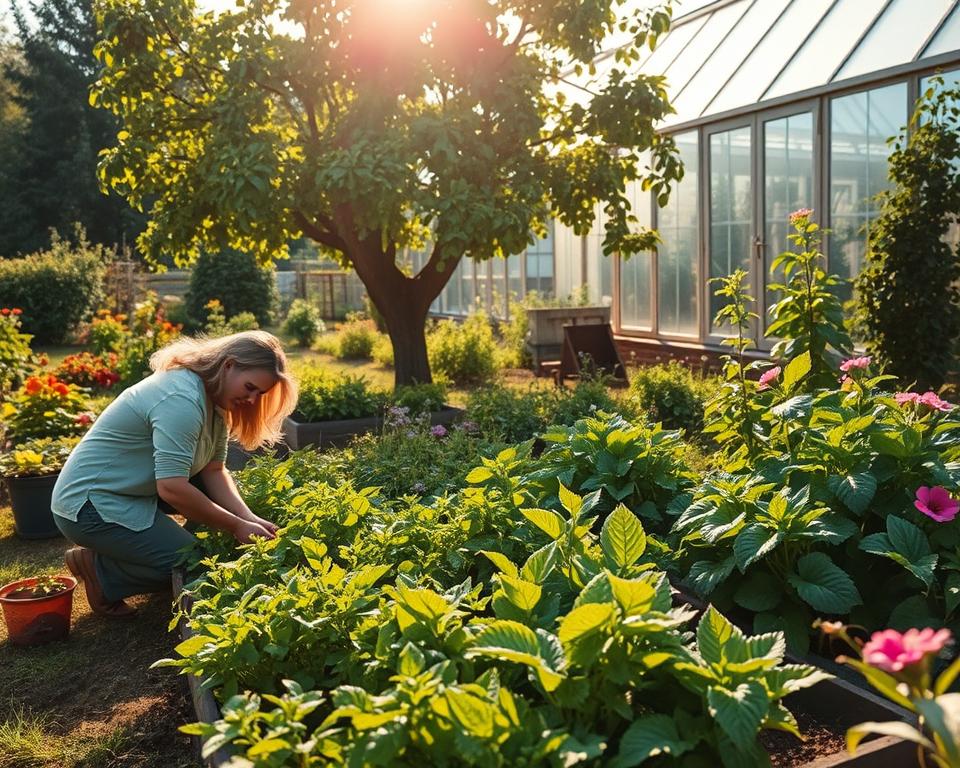
By following these seasonal maintenance and harvesting practices, you can create a thriving and sustainable permaculture garden that provides abundant yields throughout the year.
Conclusion: Your Journey to a Thriving Permaculture Garden
The path to a thriving permaculture garden is a journey of observation, adaptation, and growth. As you cultivate your garden, you’ll be creating a sustainable ecosystem that yields fresh, healthy food while working in harmony with nature.
Over time, your permaculture garden will become increasingly self-sustaining, with soil fertility building naturally and beneficial wildlife populations stabilising. The skills and knowledge you gain will extend beyond your garden, offering insights into sustainable living that can be applied to many aspects of daily life.
By embracing permaculture principles, you’re not only creating a productive garden but also contributing to a global movement that regenerates landscapes and communities. With patience and dedication, your permaculture garden will evolve into a unique expression of your local environment and personal vision.
FAQ
What is the primary goal of permaculture design?
The primary goal of permaculture design is to create a sustainable and self-sufficient ecosystem that works with nature, not against it, to produce a diverse and abundant yield.
How do I assess my space for a permaculture garden?
To assess your space, observe the sunlight, soil, and existing vegetation. Consider the climate, slope, and available resources to determine the best layout and plant selection for your permaculture garden.
What is the role of mulch in a permaculture garden?
Mulch plays a crucial role in retaining moisture, suppressing weeds, and regulating soil temperature. It also adds organic matter to the soil as it breaks down, improving soil health and fertility.
How do I manage pests in a permaculture garden?
To manage pests, create a balanced ecosystem by attracting beneficial insects and wildlife, using plant-based pest deterrents, and implementing companion planting strategies to minimise pest damage.
What are the benefits of using polycultures in permaculture?
Polycultures promote biodiversity, improve soil health, and increase yields. By growing multiple crops together, you can also reduce pest and disease pressure, and create a more resilient and adaptable ecosystem.
How often should I water my permaculture garden?
The frequency of watering depends on the climate, soil type, and plant selection. Implementing efficient irrigation methods, such as drip irrigation, and using rainwater harvesting systems can help reduce water waste and ensure your plants receive the right amount of moisture.
What is the importance of composting in permaculture?
Composting is essential in permaculture as it converts waste into a valuable resource, adding nutrients and organic matter to the soil. This improves soil structure, fertility, and overall health, supporting a thriving ecosystem.
How do I maintain my permaculture garden throughout the year?
To maintain your permaculture garden, perform seasonal tasks such as pruning, mulching, and harvesting. Monitor your garden’s health, and adjust your strategies as needed to ensure a continuous and abundant yield.