Creating or building your own herb spiral & herb snail

Imagine having a thriving garden in a compact space, teeming with a variety of herbs that are easily accessible. An herb spiral or herb snail can make this a reality, transforming your garden into a beautiful and productive space.
Rooted in permaculture design, these innovative garden features create multiple microclimates in a single structure, allowing you to grow a multitude of herbs in a compact area.
By embracing the principles of permaculture, you can create a garden that works in harmony with nature, providing you with fresh herbs while minimising maintenance.
Inhaltsverzeichnis
Key Takeaways
- Discover how herb spirals and herb snails can transform your garden into a productive space.
- Learn about the fundamental concepts behind these garden features and their benefits.
- Understand how to create your own herb spiral or herb snail, from planning to planting.
- Find out which design is most suitable for your particular garden space.
- Gain the knowledge needed to build your own herb spiral or herb snail, even with limited gardening experience.
What Are Herb Spirals and Herb Snails?
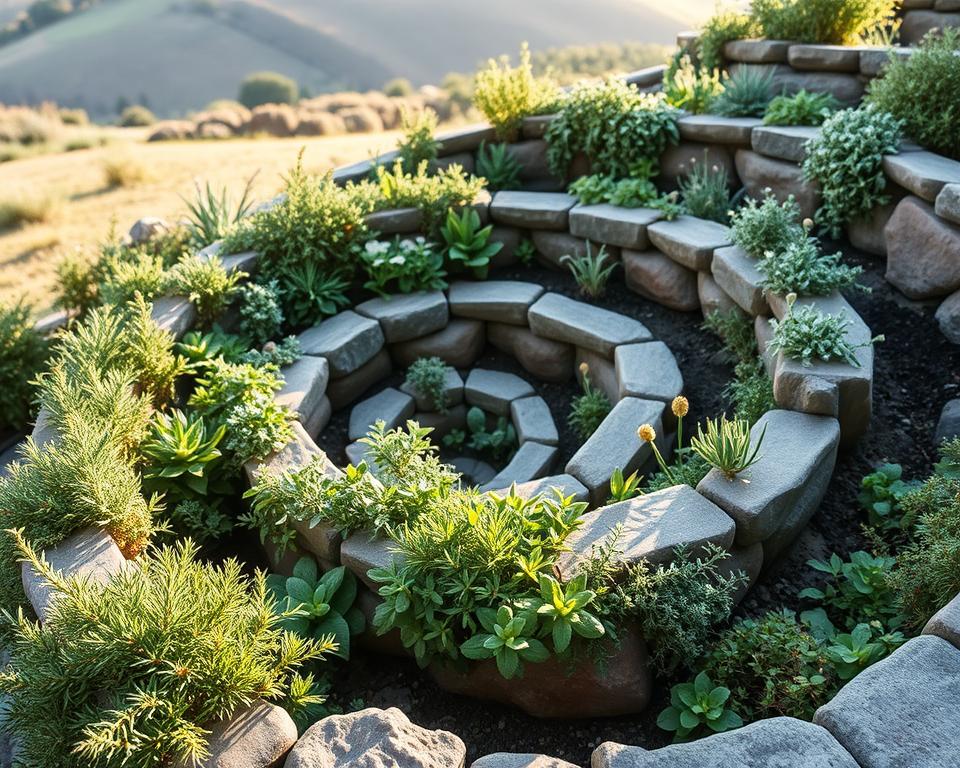
Herb spirals and herb snails represent a creative approach to gardening, offering multiple growing conditions in a compact space. These structures are designed to maximise the variety of herbs that can be grown in a small area by creating different microclimates.
Understanding the Concept
The concept of herb spirals and herb snails is rooted in permaculture principles, focusing on efficient use of space and creation of diverse growing conditions. By designing a spiral or snail-like pattern, gardeners can create a three-dimensional growing area that caters to various herb species.
Differences Between Herb Spirals and Herb Snails
While both herb spirals and herb snails follow a spiral design, the key difference lies in their structure. Herb spirals typically rise from ground level to a central peak, creating a more pronounced three-dimensional space. In contrast, herb snails have a flatter, more horizontal design that still maintains the beneficial spiral pattern.
| Feature | Herb Spiral | Herb Snail |
|---|---|---|
| Design | Three-dimensional, rising to a central peak | Flatter, more horizontal |
| Growing Conditions | Multiple microclimates from top to bottom | Varied conditions, less pronounced than herb spirals |
| Space Requirement | Compact, but taller | More spread out, but lower profile |
Benefits of Creating Your Own Herb Spiral & Herb Snail
By building your own herb spiral or herb snail, you’ll unlock a world of benefits for your garden and kitchen. This unique gardening feature offers a multitude of advantages that can enhance your gardening experience.
Space-Saving Design
One of the primary benefits of an herb spiral or herb snail is its space-saving design. By utilising vertical dimensions, you can grow more herbs in a smaller footprint compared to traditional garden beds. This is particularly beneficial for those with limited garden space.

Microclimate Creation
An herb spiral creates multiple microclimates within a single garden feature. Depending on the location and direction of the sun, different herbs receive varying amounts of sunlight and shade. This allows you to grow a diverse range of herbs with different requirements side by side.
Permaculture Principles in Action
The design of an herb spiral embodies permaculture principles by working with natural patterns and maximising efficiency. Water conservation is built into the design, with water naturally flowing from top to bottom, reducing waste and ensuring herbs receive appropriate moisture levels. The thermal mass of materials like brick or stone absorbs heat during the day and releases it at night, extending the growing season and protecting plants from temperature fluctuations.
In conclusion, creating an herb spiral or herb snail not only adds a visually appealing element to your garden but also provides a practical and efficient way to grow a variety of herbs in a compact area. By making the most of your space and utilising natural conditions, you can enjoy fresh herbs in your home cooking throughout the year.
Planning Your Herb Garden Feature
Before you start building your herb spiral or snail, consider your garden’s layout. A well-planned herb garden feature not only enhances the aesthetic appeal of your garden but also ensures that your herbs thrive.
Choosing the Perfect Location
Selecting the ideal location for your herb spiral or snail is crucial. Most herbs prefer a sheltered, full-sun location with plenty of warmth. When choosing a location, consider factors such as sun exposure, accessibility from your kitchen, and integration with the rest of your garden. Ensure that the area is level and has good drainage.

Determining the Right Size
Determining the optimal size for your herb spiral or snail depends on several factors, including available space, the number of herbs you wish to grow, and your gardening needs. Consider the mature size of the herbs you plan to grow to avoid overcrowding. A table can help you plan:
| Herb | Mature Size | Sun Requirement |
|---|---|---|
| Rosemary | Up to 2m | Full Sun |
| Thyme | Up to 0.3m | Full Sun |
| Mint | Up to 1m | Partial Shade |
By considering these factors, you can create a thriving herb garden feature that meets your needs.
Materials Needed for Building Your Herb Spiral
Before you begin constructing your herb spiral, it’s essential to understand what materials you’ll need.
Selecting Building Materials
When it comes to building your herb spiral, the choice of materials is crucial. You can opt for reclaimed bricks, which not only reduce waste but also add a unique character to your garden. Other options include stones or wood, each with its own set of advantages and disadvantages in terms of cost, durability, and aesthetic appeal.
For instance, reclaimed bricks can be sourced from local salvage yards or online marketplaces, reducing the environmental impact of your project. When selecting materials, consider factors such as the overall design of your garden and the local climate.
Soil and Compost Requirements
The success of your herb spiral largely depends on the soil and compost used. A mix of garden soil, compost, and drainage materials like horticultural sand is ideal. The composition of the soil can be adjusted according to the zone within the spiral, ensuring optimal growing conditions for various herbs.
For example, the top layer can have a higher proportion of compost to support herbs that require well-drained soil, while the bottom layer can retain more moisture for herbs that prefer it. Understanding these requirements will help you create a thriving herb spiral.
Step-by-Step Guide to Creating Your Own Herb Spiral & Herb Snail
With the right materials and a bit of know-how, you can create a beautiful and productive herb spiral or snail in your garden. This guide will walk you through the process, from initial planning to the final stages of preparation.
Marking Out the Design
The first step in building your herb spiral is to mark out the design on the ground. Begin by selecting a relatively flat area that receives plenty of sunlight, as most herbs require. Lay out your bricks to ensure the spiral will fit within the chosen space, aiming for a diameter of about 2 metres.
Cover the area with a weed suppressant membrane to prevent unwanted growth. Then, place a layer of cardboard on top, which will eventually decompose. Use a spike and a piece of string to draw a circle on the cardboard, marking the outer edge of your spiral design.
Building the Structure
With your design marked out, begin laying bricks or stones along the pencil circle, spiraling inwards towards the centre. Continue this pattern until you achieve the desired shape and height for your herb spiral. Ensure the structure is stable and the layers are well-aligned.

Filling with Soil and Compost
Once the structure is built, fill it with a mixture of soil and compost. Create different growing zones within the spiral by varying the soil composition from top to bottom. This will allow you to grow a diverse range of herbs, each with their preferred conditions.
| Zone | Soil Composition | Herbs |
|---|---|---|
| Top | Well-draining soil | Mediterranean herbs like rosemary and thyme |
| Middle | Balanced soil | Herbs like parsley and sage |
| Bottom | Moist soil | Moisture-loving herbs like mint |
By following these steps, you’ll be able to create a thriving herb spiral that will provide you with a bountiful harvest over time.
Planting Your Herb Spiral
With your herb spiral or herb snail in place, the next step is to choose the right herbs for each of its distinct planting zones. The herb spiral is divided into four zones, each with its unique conditions, allowing you to grow a diverse range of herbs.
Understanding the Different Planting Zones
The herb spiral’s design creates four distinct zones: the Mediterranean zone at the top, the temperate zone in the middle, the humid zone, and the pond zone at the bottom. Each zone offers different conditions in terms of sunlight, moisture, and soil composition.
| Zone | Conditions | Suitable Herbs |
|---|---|---|
| Mediterranean Zone (Top) | Dry, Sunny | Thyme, Rosemary, Sage |
| Temperate Zone (Middle) | Moderate Moisture | Parsley, Chives, Coriander |
| Humid Zone | Moist, Shadier | Mint, Watercress, Lemon Balm |
Mediterranean Herbs for the Top
The top zone of your herb spiral is ideal for Mediterranean herbs that thrive in dry, sunny conditions. Herbs like thyme, rosemary, and sage are perfect for this zone, as they prefer well-drained soil and full sun.
Temperate Zone Herbs for the Middle
The middle section of your herb spiral is suited for herbs that prefer moderate moisture and some protection from intense heat. Parsley, chives, and coriander are good choices for this zone, as they appreciate the temperate conditions.
Moisture-Loving Herbs for the Bottom
The bottom zone of your herb spiral is ideal for moisture-loving herbs. Consider planting mint (in containers to prevent spreading), watercress, and lemon balm in this zone, as they thrive in moist, shadier conditions.
By understanding the different planting zones within your herb spiral and selecting the right herbs for each, you can create a thriving and diverse herb garden.
Conclusion
By now, you should be well-equipped to create your own herb spiral or herb snail, bringing a touch of permaculture design to your garden. This project is perfect for anyone interested in maximizing their garden space while growing a variety of herbs.
You’ve learned how to plan, build, and plant these innovative garden features, creating multiple microclimates that allow for a diverse range of herbs to thrive. From thyme and rosemary at the top to mint and parsley at the bottom, your herb spiral will be a haven for different plants.
With proper maintenance, your herb spiral or herb snail will remain a productive and attractive feature in your garden for years to come, providing fresh herbs and embodying permaculture principles.
FAQ
What are the ideal conditions for an herb spiral?
Herb spirals thrive in areas that receive plenty of sunlight and have good drainage. The south-facing direction is ideal as it maximises sunlight exposure. You should also ensure the area is level and stable.
How often should I water my herb spiral?
The frequency of watering depends on the climate and the time of year. Generally, herb spirals require more frequent watering during dry spells. However, be cautious not to overwater, as this can lead to root rot in plants like rosemary and thyme.
Can I use any type of brick or stone for building my herb spiral?
While you can use various materials, it’s best to choose stones or bricks that are durable and can withstand the elements. Some people prefer using reclaimed or natural stone for aesthetic reasons.
What herbs are best suited for the top, middle, and bottom sections of the spiral?
The top section is ideal for Mediterranean herbs like rosemary, thyme, and sage, which thrive in dry conditions. The middle section suits temperate zone herbs like parsley and chives. The bottom section, being more moist, is perfect for moisture-loving herbs like mint and basil.
How do I maintain the soil quality in my herb spiral?
Regularly adding compost can help maintain soil quality. It’s also essential to ensure good drainage to prevent waterlogged soil. You can achieve this by incorporating a layer of gravel or small stones at the bottom of the spiral.
Can I build an herb spiral in a shaded area?
While herb spirals can be built in shaded areas, most herbs require a significant amount of sunlight to thrive. If you still want to build in a shaded area, choose herbs that tolerate shade, such as mint or parsley.