Your Guide to Designing a Romantic Garden

Creating a serene and beautiful outdoor space is a dream for many homeowners. A well-designed garden can be a tranquil oasis, perfect for relaxation and spending quality time with loved ones.
You can achieve this by incorporating essential elements and thoughtful planning into your garden layout. In this comprehensive guide, we will walk you through the process of designing a romantic garden that exudes beauty and serenity.
Inhaltsverzeichnis
Key Takeaways
- Understand the key elements of a romantic garden design
- Learn how to plan a beautiful and serene garden layout
- Discover tips for maintaining your romantic garden
- Create a tranquil oasis for relaxation and intimacy
- Enhance your outdoor space with thoughtful design
The Essence of a Romantic Garden
Romantic gardens are designed to transport you to a world of tranquility and beauty. These gardens are characterized by their lush vegetation, meandering pathways, and charming garden structures, creating an atmosphere that is both serene and intimate.
Historical Origins of Romantic Gardens
The concept of romantic gardens originated in the 18th century as a response to the formal gardens of the time. During this period, garden designers began to emphasize natural beauty and informality, moving away from the structured layouts that were prevalent. This shift was influenced by the landscape paintings of the era, which depicted idyllic, natural scenes.
The romantic garden style gained popularity across Europe, with designers incorporating elements such as winding paths, dense plantings, and picturesque water features to create a sense of natural charm.
Key Elements That Define Romantic Garden Style
Several key elements define the romantic garden style. These include an emphasis on natural beauty, the use of fragrant flowers, and the incorporation of water features. A romantic garden typically features a mix of flowering plants, shrubs, and trees, which are often arranged to create a sense of abundance and spontaneity.
| Element | Description |
|---|---|
| Natural Beauty | Emphasis on creating a natural, unstructured environment |
| Fragrant Flowers | Incorporation of scented plants to engage the senses |
| Water Features | Use of ponds, fountains, or streams to add tranquility |
Planning Your Romantic Garden Space
To design a romantic garden that truly captivates, you must first understand the unique characteristics of your outdoor area. This involves more than just looking at your garden; it’s about assessing its potential to become an intimate and inviting space.
Assessing Your Garden’s Potential
Begin by evaluating the conditions of your garden. Consider the amount of sunlight it receives, the quality of the soil, and any existing features such as trees, slopes, or bodies of water. Understanding these elements will help you make informed decisions about what you can achieve with your garden design. For instance, a shaded area might be perfect for a secluded seating area, while a sunny spot could be ideal for a vibrant flower bed.
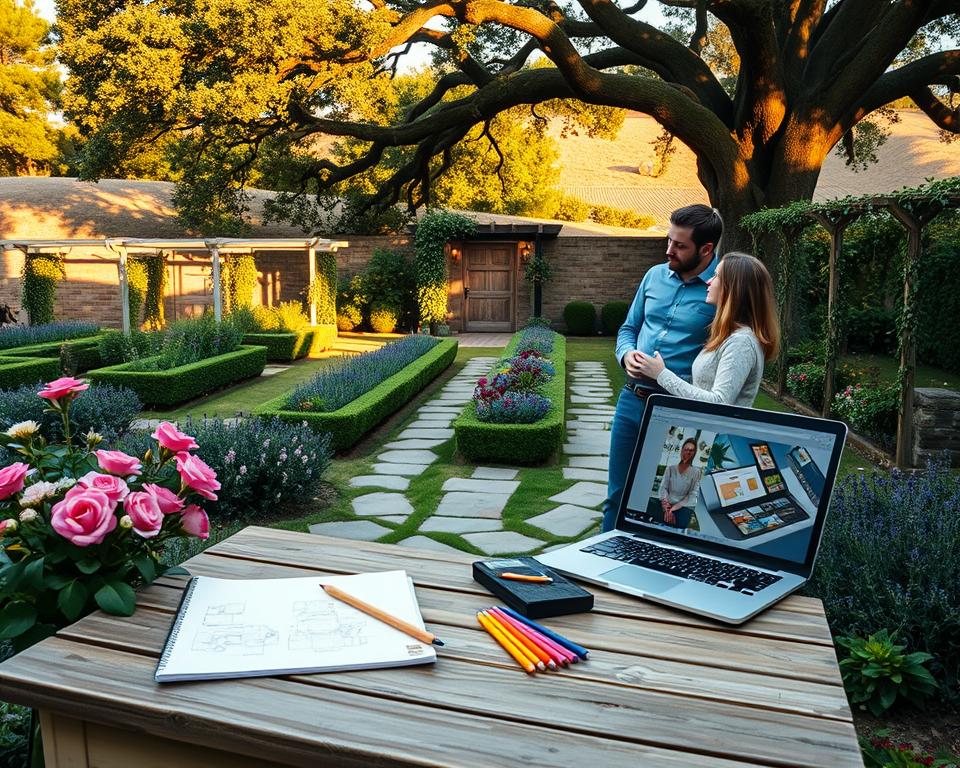
Creating a Vision Board for Inspiration
A vision board is a powerful tool for gathering your ideas and inspirations. Collect images, colors, and textures that evoke the feeling of a romantic garden. This could include pictures of lush flowers, serene water features, or cozy seating areas. By visualizing your ideas, you can start to see how different elements can come together to create your dream garden.
Considering British Climate and Soil Conditions
The British climate is known for being temperate, with cool winters and mild summers, but it can also be quite unpredictable. When planning your romantic garden, it’s crucial to choose plants and features that are resilient to these conditions. Understanding your soil type, whether it’s clay, sand, or loam, will also help you select plants that will thrive. For example, if you have heavy clay soil, you might opt for plants like Hellebores or Hostas that tolerate such conditions.
By carefully assessing your garden’s potential, creating a vision board for inspiration, and considering the local climate and soil conditions, you can start to plan a romantic garden space that is both beautiful and sustainable.
Designing a Romantic Garden Layout
As you embark on designing your romantic garden, consider how to craft a layout that whispers intimacy and allure. A romantic garden layout is not just about aesthetics; it’s about creating an atmosphere that invites relaxation and contemplation.

Creating Intimate Spaces and Secret Corners
Intimate spaces and secret corners are the heart of a romantic garden. These secluded areas can be achieved by using a combination of planting schemes, garden structures, and clever use of garden ornaments. For instance, a secluded bench surrounded by lush foliage or a hidden grotto can become a perfect spot for quiet reflection.
To create such intimate spaces, consider using natural materials like wood and stone, and incorporate fragrant flowers to engage the senses. The key is to make these areas feel protected and private, encouraging visitors to linger.
Balancing Structure with Wild Beauty
A romantic garden must strike a balance between structured elements and wild, natural beauty. This balance can be achieved by combining formal garden features, such as neatly trimmed hedges and manicured lawns, with more informal, naturalistic planting schemes.
The use of native plants and wildflowers can add a touch of wild beauty, while pathways and garden structures provide structure and direction. This blend of formality and informality creates a visually interesting and dynamic garden space.
| Elements | Structured | Wild Beauty |
|---|---|---|
| Planting Schemes | Formal hedges, manicured lawns | Native plants, wildflowers |
| Garden Features | Pathways, garden structures | Meandering streams, natural rock formations |
Designing Meandering Pathways
Meandering pathways are a hallmark of a romantic garden, inviting visitors to explore and discover hidden gems. These pathways can be created using a variety of materials, including gravel, brick, and stone.
The key to designing effective meandering pathways is to create a sense of journey and anticipation. By curving pathways around garden features and planting schemes, you can create a sense of mystery and discovery, drawing visitors deeper into the garden.
Selecting Romantic Flowering Plants
To cultivate a truly romantic garden, you must start with the right flowering plants. The choice of flora can significantly impact the ambiance and aesthetic of your outdoor space.
When selecting flowering plants, consider the sensory experiences they provide. Classic roses are a timeless choice, evoking romance and elegance. They come in a variety of colours and fragrances, making them versatile for any garden design.
Classic Roses for Timeless Romance
Classic roses are a staple in romantic gardens, offering a blend of beauty, fragrance, and historical significance. They can be used as focal points or as part of a larger floral arrangement.
Some popular varieties include:
- English Roses
- Hybrid Tea Roses
- Climbing Roses
As the famous rose breeder, David Austin, once said, “Roses are the backbone of any garden.” This quote highlights the importance of roses in garden design.
“Roses are the backbone of any garden.”
Fragrant Flowers to Engage the Senses
Fragrant flowers like lavender and jasmine not only add visual beauty but also engage the senses with their intoxicating scents. Incorporating these plants can enhance the sensory experience of your garden.
| Flower | Fragrance | Colour |
|---|---|---|
| Lavender | Calming, herbal | Purple |
| Jasmine | Strong, sweet | White |
Climbing Plants for Vertical Interest
Climbing plants such as clematis and wisteria add vertical interest and create a sense of drama in the garden. They can be trained to climb arbors, trellises, or walls, adding depth and texture.
When choosing climbing plants, consider their growth habits and maintenance needs to ensure they complement your garden design.
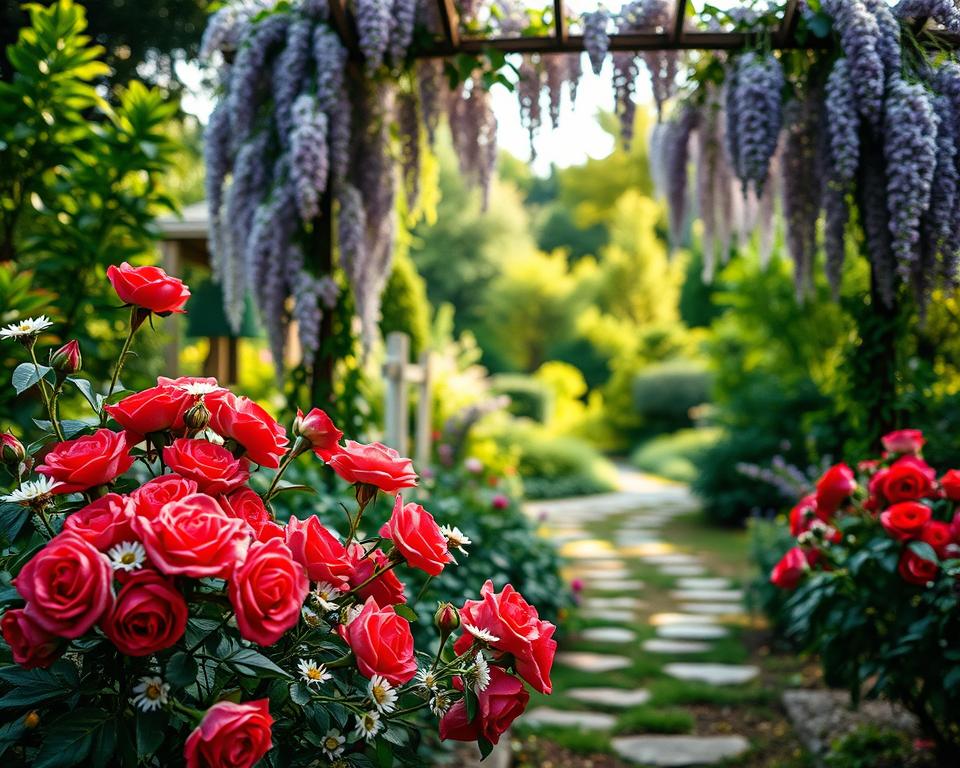
By incorporating a mix of classic roses, fragrant flowers, and climbing plants, you can create a romantic garden that is both beautiful and engaging.
Creating Enchanting Garden Structures
Enchanting garden structures are the backbone of a romantic garden, providing both functionality and aesthetic appeal. These structures not only support climbing plants but also create intimate spaces, add visual interest, and enhance the overall ambiance of your garden.
Arbours, Pergolas, and Trellises
Arbours, pergolas, and trellises are essential elements in a romantic garden, offering support for climbing plants like roses, clematis, and wisteria. An arbour provides a secluded spot, often with seating, where you can enjoy the beauty of your garden. A pergola, on the other hand, creates a sense of passage or a walkway, typically with a more open structure than an arbour. Trellises are versatile and can be used against walls or as freestanding structures to add vertical interest.

Charming Garden Gates and Entrances
The entrance to your garden sets the tone for the entire experience. A charming garden gate can be a beautiful focal point, inviting visitors into your romantic oasis. Consider gates made from natural materials like wood or wrought iron, which can be adorned with climbing plants or flowers. The gate should reflect the style of your garden, whether it’s rustic, formal, or whimsical.
Romantic Follies and Garden Buildings
Romantic follies and garden buildings add a touch of whimsy and character to your garden. These can range from small sheds and summerhouses to more elaborate structures like gazebos or temples. When designing or selecting a folly, consider the overall theme and scale of your garden to ensure it complements the existing landscape.
| Structure | Purpose | Design Considerations |
|---|---|---|
| Arbours | Secluded seating areas | Material, size, plant integration |
| Pergolas | Walkways or passageways | Openness, material, climbing plants |
| Trellises | Support for climbing plants | Material, design, placement |
Water Features for Tranquil Ambiance
Water features are a crucial element in creating a serene and inviting garden atmosphere. The gentle sound of water can transform your outdoor space into a peaceful retreat, perfect for relaxation and contemplation.
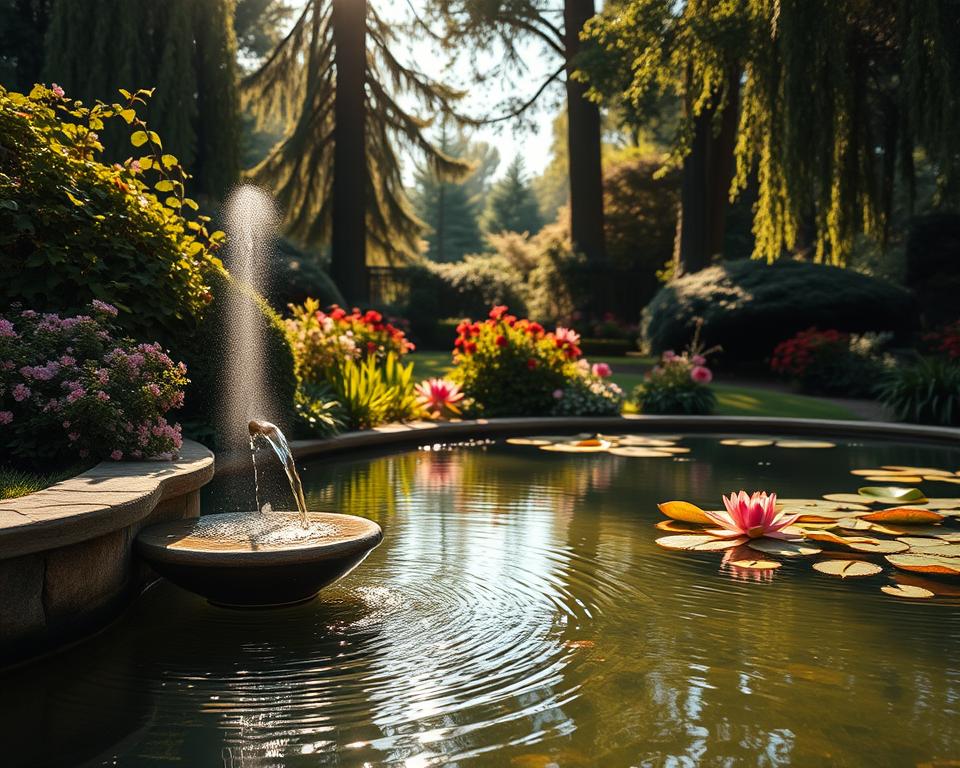
Small Ponds and Reflective Pools
Small ponds and reflective pools are ideal for adding a sense of calm to your garden. These water features can be designed to fit any size garden, from a small courtyard to a larger landscape. A reflective pool, in particular, can create a mirror-like effect, reflecting the surrounding foliage and sky, thus enhancing the sense of tranquility.
Gentle Fountains and Water Music
Gentle fountains and the soft sound of water music can significantly enhance the ambiance of your garden. The sound of running water can mask unwanted background noise, creating a more peaceful environment. Fountains come in various styles, from simple to elaborate designs, allowing you to choose one that complements your garden’s aesthetic.
Stream Gardens and Waterfalls
Stream gardens and waterfalls introduce a dynamic element to your garden, creating a sense of movement and energy. A meandering stream can lead visitors through the garden, while a waterfall can serve as a focal point, adding visual and auditory interest. These features can be designed to fit your garden’s size and style, enhancing its overall beauty.
By incorporating these water features, you can create a tranquil and romantic garden ambiance that invites relaxation and enjoyment. Whether you prefer the calmness of a reflective pool or the energy of a stream garden, there’s a water feature to suit your taste and garden design.
Seating Areas for Intimate Moments
As you design your romantic garden, consider the importance of seating areas that foster intimate moments. These areas not only provide a place to rest but also become the heart of your garden, inviting you to linger and enjoy the beauty around you.
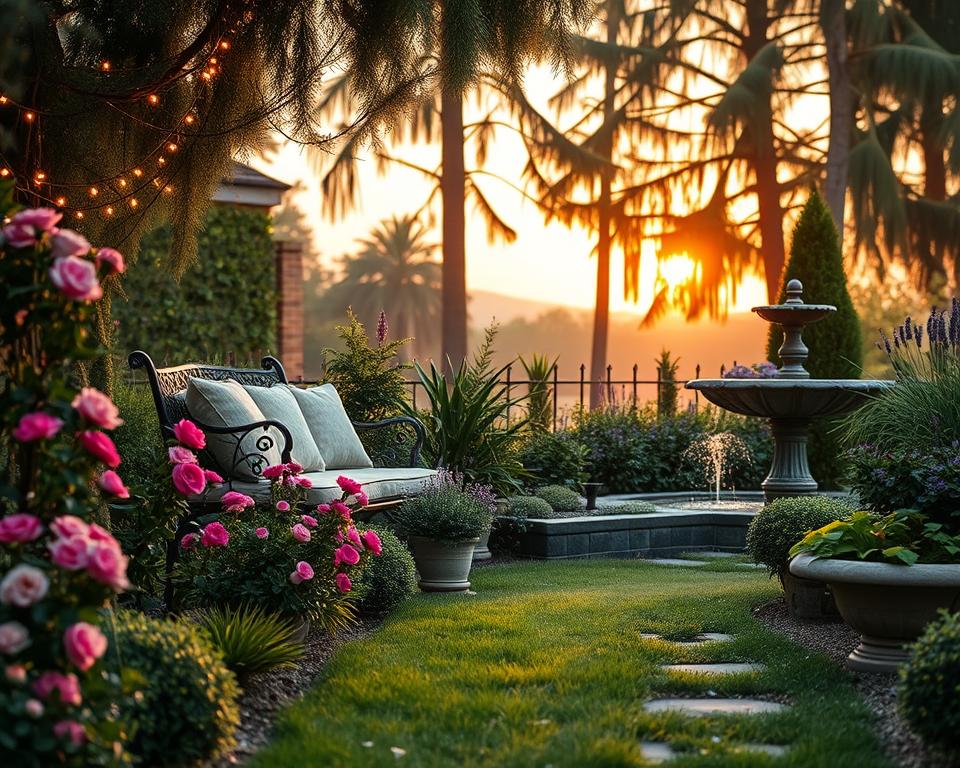
Hidden Benches and Secluded Spots
Creating hidden benches and secluded spots is a great way to add intimacy to your garden. Place a bench in a quiet corner surrounded by lush foliage or behind a flowering hedge to create a sense of seclusion. This will make your garden feel like a secret haven, perfect for quiet contemplation or a romantic rendezvous.
Creating Outdoor Dining Spaces
Outdoor dining spaces are another essential element of a romantic garden. Choose a location that is sheltered from the wind and has a pleasant view. Use a beautiful garden table and comfortable chairs to create an inviting atmosphere. Adding a pergola or a canopy can enhance the ambiance, making it perfect for al fresco meals.
Swing Seats and Hammocks
For a more playful touch, consider adding swing seats or hammocks to your garden. These not only provide a fun way to enjoy your garden but also create a relaxing spot to unwind. Suspend a hammock between two sturdy trees or install a swing seat in a shaded area to create a cozy retreat.
Garden Lighting for Evening Romance
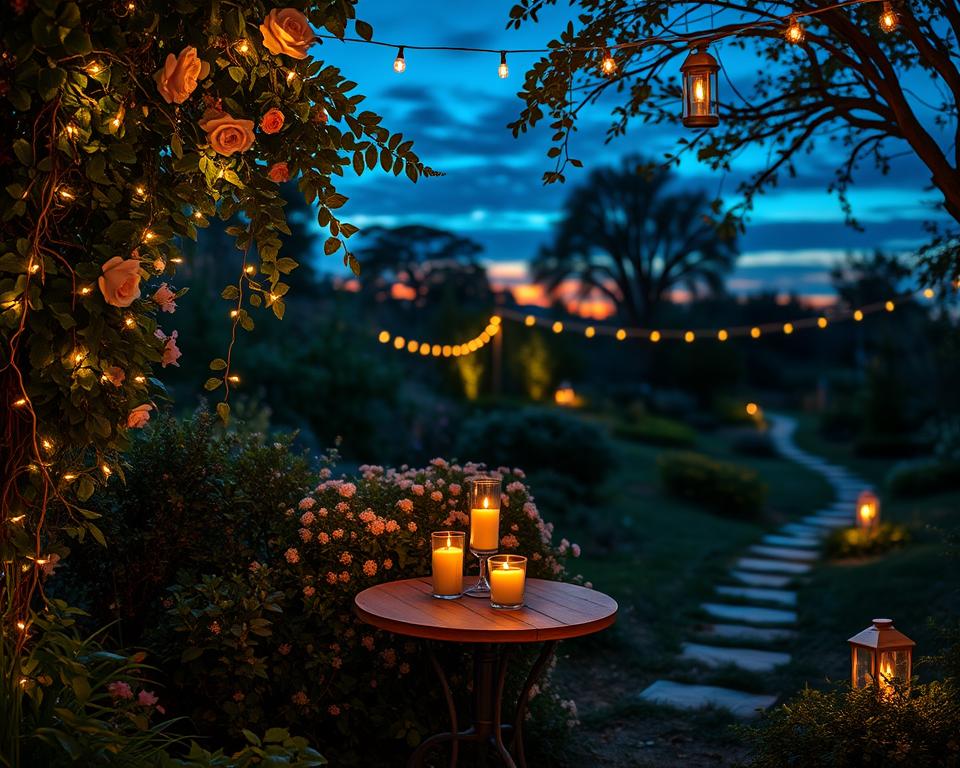
As the sun sets, your romantic garden can transform into an enchanting evening retreat with the right garden lighting. The key is to create a warm and inviting ambiance that highlights the beauty of your garden.
Soft Illumination Techniques
Soft illumination techniques are crucial for creating a romantic atmosphere in your garden. Fairy lights, lanterns, and string lights can add a whimsical touch, making your garden feel like a magical oasis. These lighting options are not only aesthetically pleasing but also provide a warm glow that invites relaxation.
Solar and Low-Voltage Options
When choosing garden lighting, consider energy-efficient options like solar and low-voltage lighting. Solar lights are environmentally friendly and cost-effective, as they harness energy from the sun. Low-voltage lighting is another safe and efficient option that can be used to highlight specific features in your garden.
| Lighting Type | Energy Efficiency | Safety |
|---|---|---|
| Solar Lighting | High | High |
| Low-Voltage Lighting | Medium | High |
| Traditional Lighting | Low | Medium |
Creating Magical Night-time Scenes
To create magical night-time scenes, focus on highlighting key features in your garden, such as water features, statues, or beautiful plants. Use lighting to create drama and depth, drawing the eye to different areas of the garden. This will not only enhance the visual appeal but also create a sense of mystery and allure.
Seasonal Planning for Year-Round Romance
To keep your romantic garden enchanting throughout the year, it’s essential to plan for the changing seasons. Seasonal planning ensures that your garden remains a captivating retreat, no matter the time of year.
Spring Awakening: Bulbs and Blossoms
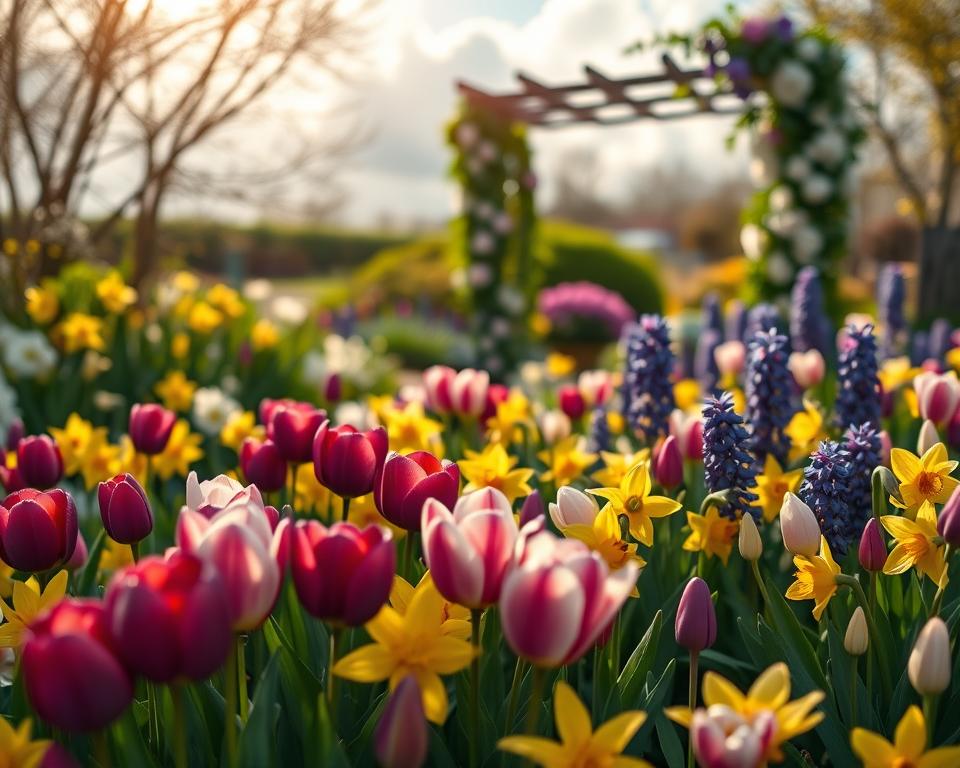
Spring is a time of renewal, and your garden should burst with colour and scent. Planting spring bulbs like tulips, daffodils, and hyacinths will create a vibrant display. These bulbs naturalize easily, providing a beautiful and effortless show year after year.
Summer Abundance: Peak Flowering Season
Summer brings an abundance of flowers, and your romantic garden should be at its peak. Incorporate a mix of summer flowers such as roses, peonies, and delphiniums to create a lush and romantic atmosphere. Consider the varying heights, textures, and bloom times to add depth and interest.
Autumn Glow: Foliage and Berries
As summer fades, autumn foliage brings a warm glow to your garden. Trees and shrubs with vibrant autumn colours, like maples and oaks, add drama. Berries from plants like pyracantha and cotoneaster provide a pop of colour and attract birds, enhancing the sensory experience.
| Season | Key Features | Plant Suggestions |
|---|---|---|
| Spring | Bulbs and blossoms | Tulips, daffodils, hyacinths |
| Summer | Peak flowering | Roses, peonies, delphiniums |
| Autumn | Foliage and berries | Maples, oaks, pyracantha, cotoneaster |
| Winter | Evergreens and structure | Holm oak, yew, boxwood |
Winter Structure: Evergreens and Bare Beauty
Even in winter, your garden can be romantic. Winter structure provided by evergreen trees and shrubs, like holm oak and yew, maintains a sense of form. The bare beauty of deciduous trees, with their intricate branch patterns, adds a different kind of charm. Consider adding winter-flowering plants like winter jasmine or snowdrops for a touch of colour.
By planning for each season, you can ensure your romantic garden remains a captivating and enchanting space throughout the year.
Step-by-Step Guide to Designing a Romantic Garden
A romantic garden is not just a collection of plants; it’s an experience that requires thoughtful design. As you embark on this journey, you’ll need to consider several key elements to create a truly enchanting space.
Initial Planning and Layout
The first step in designing your romantic garden is to assess your garden’s potential. Consider the size, shape, and existing features of your garden. “The garden is a love song, a duet between a human being and Mother Nature,” as Terri Guillemets so aptly puts it. Think about how you want to use your garden and what kind of atmosphere you wish to create.
Make a sketch or vision board to help guide your planning process. It’s also crucial to consider the British climate and soil conditions to ensure your garden thrives.
Implementing Structural Elements
Once you have a plan, it’s time to implement structural elements that will define your garden’s character. This includes creating intimate spaces and secret corners, designing meandering pathways, and incorporating features like arbors, pergolas, and trellises.

Garden gates and entrances can also add a touch of romance, while water features like small ponds or gentle fountains can create a soothing ambiance.
Planting Schemes and Techniques
With the structural elements in place, you can focus on planting schemes and techniques. Choose a mix of classic roses, fragrant flowers, and climbing plants to create a lush, layered look. Companion planting and layering are effective techniques to achieve a romantic, abundant feel.
Consider the seasonal changes and select plants that will provide interest throughout the year. By following these steps, you’ll be well on your way to creating a romantic garden that is both beautiful and functional.
Romantic Garden Accessories and Décor
To enhance your romantic garden, you’ll want to incorporate accessories that not only beautify the space but also create a serene and inviting atmosphere. The right accessories can elevate the sensory experience, making your garden a haven for relaxation and romance.
Statuary and Ornaments
Statuary and ornaments are timeless additions to any romantic garden. Consider adding a beautifully crafted sundial or a delicate birdbath to create visual interest. These elements not only add aesthetic appeal but also provide a sense of history and character to your garden.
Vintage and Antique Elements
Incorporating vintage and antique elements can add a layer of depth and charm to your romantic garden. Old doors, windows, and other salvaged items can be repurposed as decorative features, creating a unique and captivating landscape. These elements can also serve as a conversation starter, adding to the garden’s allure.
Wind Chimes and Garden Music
Wind chimes and garden music can significantly enhance the sensory experience of your romantic garden. The soft, melodic sounds can create a soothing ambiance, making your garden an even more relaxing retreat. Choose wind chimes that produce a gentle, harmonious sound to complement the natural beauty of your garden.
| Accessory | Description | Benefit |
|---|---|---|
| Statuary | Beautifully crafted statues or figurines | Adds visual interest and character |
| Vintage Elements | Old doors, windows, and salvaged items | Creates a unique and captivating landscape |
| Wind Chimes | Soft, melodic sounds | Enhances the sensory experience and ambiance |

By thoughtfully selecting and incorporating these accessories, you can create a romantic garden that is not only beautiful but also deeply personal and inviting.
Maintaining Your Romantic Garden
Maintaining a romantic garden is a labour of love that requires regular attention and care. As the seasons change, your garden will need different types of maintenance to keep it looking its best. A well-planned maintenance routine will help you stay on top of tasks and ensure your garden remains a beautiful and tranquil oasis.

Seasonal Maintenance Calendar
Creating a seasonal maintenance calendar is a practical way to stay organized. In the spring, focus on cleaning up debris, pruning plants, and preparing the soil for new growth. Summer tasks include deadheading flowers, watering, and controlling pests. Autumn is the time for harvesting, leaf cleanup, and preparing plants for winter. In winter, concentrate on protecting plants from frost, pruning deciduous trees, and planning for the upcoming growing season.
Balancing Control with Natural Growth
It’s essential to strike a balance between controlling your garden’s growth and allowing it to flourish naturally. Resist the temptation to over-manage every aspect of your garden. Instead, allow some areas to grow more freely, creating a sense of wild beauty and romance. This balance will also encourage biodiversity and reduce maintenance needs.
Sustainable Practices for Romantic Gardens
Incorporating sustainable practices into your garden maintenance routine not only benefits the environment but also enhances the romantic ambiance. Consider using compost, leaf mould, or well-rotted manure to enrich your soil. Harvesting rainwater in a barrel can provide a natural source of water for your plants. As the famous gardener,
Monty Don once said, “The garden is a love song, a duet between a human being and Mother Nature.”
By adopting sustainable practices, you’re nurturing this duet.
By following a seasonal maintenance calendar, balancing control with natural growth, and incorporating sustainable practices, you’ll be able to maintain a romantic garden that is both beautiful and environmentally friendly.
Conclusion
Designing a romantic garden is a journey that requires patience, creativity, and attention to detail. By incorporating the elements outlined in this article, you can create a serene and enchanting outdoor oasis that invites relaxation and intimacy.
As you embark on designing a romantic garden, remember to balance structure with wild beauty, and don’t be afraid to experiment with different layouts and plant combinations. Your garden should reflect your personal style and provide a tranquil retreat from the world.
To maintain the romance in your garden, regular upkeep is essential. By following a seasonal maintenance calendar and adopting sustainable practices, you can ensure your garden remains a haven of beauty and romance throughout the year.
With careful planning and attention to detail, you can create a romantic garden that is truly a haven of peace and tranquility, perfect for relaxation and entertainment. Effective garden design is key to achieving this ambiance, making your outdoor space a true extension of your home.
FAQ
What are the key elements that define a romantic garden style?
A romantic garden is characterized by its lush vegetation, meandering pathways, and charming garden structures, with an emphasis on natural beauty, fragrant flowers, and incorporation of water features.
How do I assess my garden’s potential for a romantic garden design?
To assess your garden’s potential, consider factors like sunlight, soil quality, and existing features, and create a vision board to visualize your ideas and make decisions.
What types of flowering plants are suitable for a romantic garden?
Classic roses, fragrant flowers like lavender and jasmine, and climbing plants like clematis and wisteria are popular choices for a romantic garden, as they add beauty, scent, and drama.
How can I create a tranquil ambiance in my romantic garden?
Water features, such as small ponds, reflective pools, gentle fountains, and stream gardens, can create a soothing atmosphere, while garden lighting can transform the garden into a magical oasis in the evening.
What are some tips for maintaining a romantic garden?
Regular upkeep is essential, and a seasonal maintenance calendar can help you stay on track; balancing control with natural growth and adopting sustainable practices, like composting and rainwater harvesting, can also help.
How can I create intimate spaces in my romantic garden?
Creating intimate spaces and secret corners can be achieved by using garden structures, such as arbours, pergolas, and trellises, and incorporating seating areas, like hidden benches and secluded spots.
What are some ideas for romantic garden accessories and décor?
Statuary, ornaments, vintage and antique elements, wind chimes, and garden music can add a personal touch to your romantic garden, creating a unique and enchanting atmosphere.
How can I ensure my romantic garden remains beautiful throughout the year?
Seasonal planning is crucial, and by incorporating a mix of plants with different flowering periods, foliage, and berries, you can maintain your garden’s beauty throughout the year, from spring awakening to winter structure.