Do You Need An Air Gap For Shed Insulation?
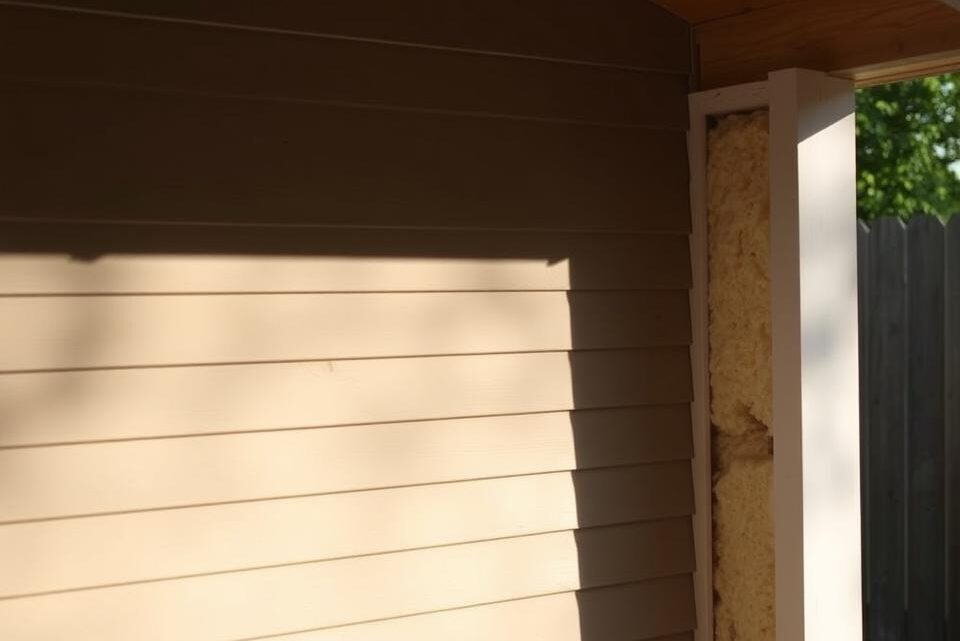
This guide tackles a common question for property owners across the United Kingdom. When planning to insulate an outdoor storage building, the role of a cavity is a crucial consideration.
Proper thermal control in a garden structure goes beyond just keeping it warm. It is fundamentally about managing moisture and protecting the building’s integrity. The presence or absence of a small space can significantly influence these factors.
The necessity of this feature is not a simple yes or no. It depends heavily on the materials chosen, the building’s intended function, and adherence to local building standards. This resource provides clear, practical advice for both DIY projects and professional installations.
By understanding the principles involved, individuals can make informed decisions. These choices lead to improved energy efficiency, reduced condensation risks, and better protection for stored belongings.
Inhaltsverzeichnis
Key Takeaways
- The requirement for an air gap depends on the specific insulation material and the shed’s intended use.
- A correctly implemented gap is essential for effective moisture management and preventing condensation.
- Thermal performance is often enhanced by the presence of a cavity within the insulation system.
- Compliance with UK building standards should always be a primary consideration.
- Understanding these principles helps protect the structure and its contents from temperature-related damage.
Introduction to Shed Insulation and the Role of Air Gaps
Effective thermal management in a garden building starts with a solid grasp of the basics. This section explains the core principles.
Understanding How Insulation Works
Insulation acts as a protective barrier against outdoor conditions. Its primary job is to slow the movement of heat. During summer, it prevents excessive warmth from entering. In winter, it helps retain internal heat.
Materials are rated on their ability to resist this heat flow. The better the material, the more stable the internal temperature remains. This stability is vital for protecting contents from damage.
Benefits of Incorporating an Air Gap
Adding a cavity within the insulation system offers significant advantages. It creates a buffer zone that improves ventilation. This design helps manage moisture, reducing the risk of condensation and mould.
This feature also enhances overall thermal performance. It prevents direct contact between materials, optimising the insulating effect. For many property owners, this approach delivers superior results.
Understanding these concepts helps in making informed decisions about a garden shed’s setup. It clarifies why certain methods are recommended for different situations.
The Science Behind Insulation and Moisture Control
Moisture management represents an equally critical function alongside thermal regulation in insulation science. Effective systems must address both heat flow and vapour movement to protect garden structures.
How Temperature Regulation is Achieved
Insulation materials work by resisting three heat transfer methods: conduction, convection, and radiation. They create a thermal barrier that slows heat movement between interior and exterior environments.
This resistance maintains more stable internal temperature conditions. The material’s effectiveness determines how well the shed retains warmth in winter and stays cool during summer.

Preventing Moisture Build-Up and Mould
Condensation forms when warm, humid air contacts cold surfaces. Without proper ventilation, this moisture accumulation creates ideal conditions for mould growth.
A strategically placed air gap facilitates continuous airflow behind insulation. This ventilation pathway removes damp air before condensation can develop.
The void space acts as a crucial barrier against moisture build-up. It protects structural components from decay while preserving stored contents.
Inadequate moisture control compromises both building integrity and air quality. Proper implementation supports the insulation’s thermal performance while addressing humidity challenges common in UK climates.
Exploring Different Types of Shed Insulation Materials
Various insulation options present different advantages for thermal protection in outdoor structures. Each material offers unique properties that influence installation methods and performance outcomes.

Mineral Wool, Fibreglass and Wool Options
Glass fibre wool and mineral wool products are among the most common insulation materials. Brands like Knauf and Rockwool supply these products in convenient batts or rolls.
This type of insulation works by trapping air within its fibrous structure. The trapped air pockets provide effective resistance to heat transfer. Installation is straightforward, making it a popular choice for DIY projects.
These wool-based materials offer reliable thermal protection. They can be installed in direct contact with surfaces without requiring additional spacing.
Reflective Foil and Bubble Wrap Insulation
Reflective foil insulation operates on a different principle than wool-based products. Instead of absorbing heat, it reflects radiant heat away from the structure.
This lightweight material is easy to handle and install. However, correct installation is crucial for optimal performance. Unlike other types, foil insulation requires an adequate air gap to function effectively.
Bubble wrap insulating materials provide similar reflective properties. Both options are excellent for situations where space is limited but thermal reflection is desired.
| Material Type | Installation Method | Thermal Performance | Air Gap Required |
|---|---|---|---|
| Mineral Wool | Batts/Rolls | Good | No |
| Fibreglass | Batts/Rolls | Good | No |
| Rigid Foam Board | Sheets | Excellent | No |
| Reflective Foil | Sheets | Very Good | Yes |
Understanding these material differences helps in selecting the most appropriate product. The choice depends on budget, performance requirements, and installation considerations.
Do You Need An Air Gap For Shed Insulation?
The decision to incorporate a cavity in thermal protection systems depends on multiple practical considerations. Different materials and intended uses dictate whether this feature is essential for optimal performance.

When and Why to Leave an Air Gap
Foil insulation absolutely requires an adequate cavity to function correctly. The reflective properties depend on an air space to reflect radiant heat rather than conducting it through direct contact.
The intended use of the structure significantly influences whether to leave an air gap. Workshops, gyms, and habitable spaces benefit substantially from proper implementation. These applications demand consistent internal conditions.
For basic storage of garden tools and equipment, the necessity may be reduced. Temperature consistency is less critical when the contents aren’t sensitive to environmental changes.
Impact on Energy Efficiency and Temperature Consistency
Properly implemented cavities enhance energy efficiency by creating an additional insulating layer. Trapped air itself acts as an effective insulator that complements the primary material.
This approach maintains more stable internal environments, reducing temperature fluctuations between day and night. The system works to minimise heat transfer, supporting better thermal regulation throughout seasonal changes.
Moisture control remains an important consideration regardless of usage. Adequate ventilation helps prevent condensation buildup, protecting both the structure and its contents from potential damage.
Determining the Correct Air Gap Size for Your Shed
Accurate measurement of void spaces ensures both moisture control and thermal efficiency in insulated buildings. The appropriate size depends on the specific material used and the structural component being insulated.

Standard Recommendations for UK Sheds
For standard wall and ceiling applications, a minimum 25mm space is typically recommended. This measurement allows adequate ventilation while maintaining structural integrity. The traditional rule of thumb suggests a gap equivalent to an adult hand’s thickness.
Roof installations require larger dimensions, usually around 50mm. This additional space accommodates greater air movement where warm air naturally accumulates. Proper ventilation prevents condensation issues in these critical areas.
Building Regulations and Optimal Measurements
UK building standards emphasise proper ventilation gap implementation for all insulation systems. Compliance ensures long-term performance and structural protection. Different types of materials have specific requirements.
Reflective foil insulation particularly benefits from correct air gap sizing. The reflective properties function optimally with adequate clearance from surfaces. Consistent measurement verification during installation maintains system effectiveness.
Step-by-Step Guide to Installing Air Gaps in Shed Insulation
A successful project begins with meticulous preparation and a clear understanding of the process. This guide provides a systematic approach to fitting thermal protection in a garden shed.

Gathering the correct equipment beforehand streamlines the entire installation. It ensures a smooth workflow and professional results.
Essential Tools and Materials
Proper tools are fundamental for a precise installation. A measuring tape, utility knife, and straight edge guarantee accurate cuts. Personal protective equipment, including gloves and safety glasses, is non-negotiable.
Materials should include the chosen insulation, battens or spacers to create consistent gaps, and fixings. For a polished finish, OSB board or timber cladding is recommended.
Installation Tips and Best Practices
Start by measuring the walls, roof, and floor surface. Cut the insulation to fit snugly between the timber studs. This friction-fit method secures the material effectively.
It is crucial to leave a slight air gap between the insulation and the shed wall. This space is a vital part of moisture control. Battens are an excellent way to maintain this gap, especially for foil insulation.
Fit insulation panels tightly together to prevent air leakage. Consider adding a breather membrane for enhanced performance. Finally, cover the insulation with cladding for protection and a clean finish.
Following these steps is the best way to achieve effective thermal regulation. Proper implementation protects the structure and its contents for years to come.
Costs, Savings and Energy Efficiency Benefits
The economic advantages of proper garden building insulation extend well beyond initial installation costs. This investment delivers substantial returns through improved performance and protection.

Financial planning for thermal improvements requires careful consideration of both immediate expenses and future benefits. Different material choices affect overall project costs.
Budget Considerations and Long-Term Savings
Initial expenditure for garden shed insulation remains relatively modest compared to home improvements. The type of product selected significantly influences the budget.
Long-term economic benefits include extended equipment lifespan and reduced replacement costs. Proper thermal protection prevents damage to stored items.
Energy Performance and Reduced Carbon Footprint
Enhanced energy efficiency reduces heating requirements during winter months. This improvement lowers electricity consumption for regularly used spaces.
Reduced energy demand contributes to lower carbon emissions. This environmental benefit supports national sustainability goals while delivering practical efficiency gains.
Maintenance and Troubleshooting Post-Installation
The work on a thermal upgrade does not conclude once the final panel is fixed into place; ongoing care is essential. A proactive maintenance routine safeguards the investment and ensures the system functions optimally for years.
Regular Checks and Upkeep Strategies
Establishing a seasonal inspection schedule is highly recommended. Particular attention should be paid before the colder months, when the risk of moisture accumulation is highest.

Inspections should verify that ventilation spaces remain clear of debris or pest activity. Check that insulation materials have not shifted, compressed, or suffered damage.
Pay specific attention to the roof and walls, ensuring seals against water ingress are intact. This regular protection prevents minor issues from escalating.
Identifying and Solving Common Issues
Be vigilant for signs of trouble, such as condensation on interior surfaces or a musty odour indicating mould development. These often point to inadequate ventilation or moisture build-up.
If problems are spotted, first ensure all air gaps are unobstructed. For fibreglass and other materials, check they remain dry and in place. Improving overall ventilation might be necessary.
Over time, monitor internal conditions, especially during winter. Consistent problems or structural concerns may require professional assessment to protect the shed and its contents effectively.
Conclusion
In summary, the decision to include a cavity depends on the type of insulation material and the shed‘s intended use. Reflective foil products absolutely require this space to function, while traditional wool-based materials can work without one.
Proper implementation enhances energy efficiency, controls moisture, and protects the structure. Following UK standards for dimensions, such as 50mm for a roof, ensures optimal performance.
Ultimately, understanding these principles allows property owners to make informed choices. This investment safeguards belongings and improves the building’s longevity, offering significant benefits for any home.
FAQ
What is the primary purpose of an air gap in shed insulation?
The primary purpose is to manage moisture and enhance thermal performance. An air gap acts as a barrier, preventing condensation from reaching the insulation and the shed structure, thereby reducing the risk of mould and rot.
Can insulation be installed directly against a shed wall or roof?
It is generally not recommended. Direct contact can trap moisture against the shed timbers, leading to potential damage. Leaving a small gap allows for air circulation, which helps to keep the timbers dry.
How large should the air gap be for effective shed insulation?
A gap of approximately 25mm to 50mm is typically advised. This size provides sufficient space for air movement to dissipate moisture while maintaining the insulation’s effectiveness.
Does the type of insulation material affect the need for an air gap?
Yes, certain materials have specific requirements. For instance, foil insulation often requires an air gap to reflect heat effectively, whereas some rigid boards can be fitted more closely together.
What are the consequences of not including an air gap?
Omitting an air gap can lead to moisture build-up within the wall or roof cavity. This dampness can compromise the insulation’s performance and lead to structural issues like wood rot over time.
Is an air gap necessary for all sheds, regardless of use?
While highly beneficial for temperature control in frequently used sheds, an air gap is crucial for any insulated space where moisture could be present. It provides essential protection for the building’s fabric.
How does an air gap contribute to energy efficiency?
By preventing moisture accumulation, the insulation maintains its thermal resistance. This means the heating system works more efficiently to maintain a consistent temperature, leading to lower energy costs.
Are there building regulations in the UK that specify air gap requirements for sheds?
Formal building regulations typically apply to habitable dwellings, not sheds. However, following best practice by including an air gap ensures a durable and effective insulation installation.