
Essential Garden Shed Buying Checklist Guide

This garden shed guide sets out a clear, practical path for anyone in the United Kingdom who needs reliable outdoor storage, a hobby workshop or a compact home office. Its purpose is to provide a comprehensive Garden Shed Buying Checklist that helps you weigh size, materials, durability and planning requirements so you choose the best option for your garden.
The guide is aimed at homeowners, renters with garden rights, allotment holders, hobbyists and tradespeople. Whether you are considering a timber building from Rowlinson, a security-focused model from Jacksons Fencing, a value range from Tiger Sheds or a resin solution from Palram, the checklist keeps UK-specific issues front of mind.
Organisation matters. This shed buying guide UK is arranged into concise sections on why a shed adds value, the core checklist items, choosing size, materials, foundations, security, ventilation, lighting, interior organisation, planning rules, cost and sustainability. Each section includes measurement tips, printable checklist templates and decision criteria to balance cost, durability and long-term value.
Read on for actionable advice on how to buy a garden shed, with measurement tips, supplier references and a step-by-step approach that keeps compliance and UK weather in mind.
Inhaltsverzeichnis
Key Takeaways
- Use this Garden Shed Buying Checklist to match purpose with size and material.
- Consider UK climate, planning rules and supplier reputation when choosing.
- Measure site access and base requirements before ordering delivery.
- Balance upfront cost with long-term maintenance and security needs.
- Look for printable templates and clear decision criteria to simplify buying.
Why a Garden Shed is a Valuable Addition to Your UK Garden
A garden shed does more than hide clutter. It extends usable space, creates tidy storage and gives homeowners flexibility to adapt their gardens for work, play and relaxation.
Practical uses for storage, hobbies and workspace
A shed makes everyday life easier by storing lawnmowers, bikes, pots and seasonal furniture. Good garden storage benefits include quick access, reduced wear on tools and clearer patios for entertaining.
Many choose a shed for hobbies such as a potting shed, art studio or home workshop. Proper layout and lighting convert a compact building into a functional shed for hobbies or a quiet home office.
Safe storage matters for fuels, pesticides and batteries. Follow COSHH guidance and local authority advice when storing petrol or chemicals to protect family and wildlife.
How a shed can increase property usability and value
A weatherproof, well-sited outbuilding adds usable square footage to a garden. Estate agents at Rightmove and Zoopla note that organised outdoor space appeals to buyers looking for extra storage or a flexible workspace.
Clear garden storage benefits include faster sales and stronger buyer impressions. A maintained structure can be listed as additional workspace, improving perceived shed and property value UK when marketed properly.
Climate considerations in the UK and durability needs
UK weather demands durable materials and smart detailing. Frequent rain and wind mean treated timber, corrosion-resistant metal or robust composite panels should be considered for long life.
Elevated bases prevent rot and steady ventilation cuts condensation risk. Coastal locations need extra corrosion protection from salt air, while northern regions may require higher insulation for year-round use.
Garden Shed Buying Checklist
Choosing the right shed starts with a clear plan. Use a practical garden shed checklist to capture measurements, site needs and supplier questions before you commit. A pre-purchase shed checklist helps avoid delays on delivery day and reduces the chance of costly rework.

Core items to check before you buy
Measure the footprint and overall height. Note clear access width for delivery and any gateway constraints. The shed measurement checklist should include length, width and ridge height.
Confirm base type and site access. Decide between concrete slab, paving or a timber frame base. Check ground level and drainage to prevent future rot issues.
Choose materials and roof style with maintenance in mind. Compare treated timber, galvanised steel and composite panels for lifespan and upkeep. Record door type, lock options, glazing and ventilation in your garden shed checklist.
Check planning rules and delivery needs. Ask suppliers about lead times, installation options and warranty coverage. Add installation choices and aftercare contact details to the pre-purchase shed checklist.
How to prioritise features based on intended use
Start by naming the primary use: secure storage, workshop or hobby studio. Rank items by need so decisions reflect function rather than impulse.
For storage, prioritise security, robust materials and size. For a workshop, list insulation, electrics and space for a workbench. For a studio, emphasise windows, natural light and ventilation.
Balance budget against lifecycle costs. A cheaper kit may save now but add repair bills later. Use the shed buying checklist UK to compare upfront price with expected maintenance and warranty terms.
Printable checklist ideas for planning and measurement
Create a one-page quick checklist for site clearance and supplier calls. Include measured length, width, height, clear access width and preferred base type.
Develop a two-page planning worksheet for features and priorities. Add columns for material, roof, door, glazing, insulation, electrics and estimated cost.
Include a measurement diagram to tape off on-site dimensions, plus a site-prep list: remove vegetation, level ground and mark delivery route. Keep a section for supplier questions such as lead time, delivery dimensions and whether installation is included.
Use the pre-purchase shed checklist and shed measurement checklist together when visiting retailers or arranging quotes. This approach turns guesswork into a clear brief for suppliers and tradespeople, improving the chance of a smooth install and long-term satisfaction.
Choosing the Right Size for Your Garden Shed
Picking the correct shed size is about fitting the building to your plot and your plans. Use a simple shed size guide to match the shed footprint UK rules with practical access and future needs. Start by noting usable flat space, delivery routes and any height limits set by trees or overhangs.

Measure twice and plan once. Keep gates, paths and corners in mind when measuring for shed placement. Allow at least 50–60 cm clearance around the structure where possible for maintenance and door opening. Record eaves, roof overhangs and the width of gates to confirm delivery access.
Measuring your available space and access routes
Use a tape and a notepad to map the area. Mark fixed obstacles such as trees, drains and boundary fences. Check permitted development limits near neighbours and measure height to any overhanging branches.
Note gate width and path surface. Confirm the largest part of the shed can be carried through. If access is tight, consider sectional kits or smaller footprints tailored to narrow plots.
Internal layout planning for tools and equipment
Create a scaled plan of the interior before buying. Place fixed items like a lawnmower, bike racks and shelving on the drawing. Include a workflow for hobbyists who need bench space and clear movement.
Follow basic clearances: aim for 80–90 cm walkways, a workbench depth of 60 cm and shelving depths of 30–40 cm. Use vertical storage for long-handled tools and fit a pegboard above a bench for daily items.
Planning for future storage needs
Allow reserve capacity by adding 10–30% extra floor area for seasonal equipment and unexpected purchases. Consider electrics and heating routes if you may convert the shed to a workshop later.
Choose modular or extendable systems where possible. Oversizing slightly reduces the risk of replacement and improves long-term value.
| Consideration | Practical tip | Typical measurement |
|---|---|---|
| Access and delivery | Measure gate and path width; plan sectional delivery if narrow | Gate width ≥ 80 cm preferred |
| Maintenance clearance | Allow space around the shed for painting and repairs | 50–60 cm clearance |
| Internal walkways | Ensure comfortable movement between storage and work areas | 80–90 cm aisles |
| Workbench and shelving | Plan fixed furniture first on your floor plan | Workbench 60 cm depth; shelving 30–40 cm depth |
| Future-proofing | Add extra floor area and plan for electrics/heating | 10–30% additional space |
Materials and Construction Types for Durability
Choosing the right shed materials affects lifespan, maintenance and suitability for specific uses. This section outlines common construction types and their trade-offs so you can match materials to your priorities. Consider site conditions, intended storage and long-term costs when reading the options.

Wooden sheds: pros, cons and maintenance
Wooden sheds UK remain popular for their natural appearance and ease of modification. Timber offers good insulation for garden offices and hobby spaces, keeping tools and equipment in better condition than bare metal versions.
Maintenance is the main drawback. Regular treatment, staining and inspection for rot are essential, especially if the shed sits on damp ground. Specify FSC-certified or pressure-treated timber, and choose tongue-and-groove cladding to reduce draughts and water ingress.
Brands such as Rowlinson and Jacksons supply kits and treated options suited to British gardens. Plan seasonal preservative treatments and ensure adequate ventilation to prolong timber life.
Metal sheds: strength, corrosion and insulation
Metal options suit secure storage needs where strength and low initial cost matter. A steel shed can deter theft of bikes and garden machinery while offering long service with minimal structural maintenance.
Consider metal shed pros cons before purchase. Corrosion risk and poor thermal performance are common issues. Choose galvanised steel and powder-coated finishes to reduce rust. Fit anti-condensation liners or insulation to cut noise from rain and to prevent damp-related corrosion.
Anchoring to a solid base is important to resist wind uplift. With correct preparation, metal models perform well for secure, economical storage.
Plastic and composite options: low maintenance and longevity
Plastic and composite sheds appeal for low upkeep and resistance to rot and rust. Brands such as Keter, Lifetime and Palram offer easy-assembly kits with integrated reinforcements that suit many UK gardens.
Composite shed durability is strong for routine use, though exposure to UV can cause fading over years. Thermal expansion means panels need correct fixing and allowance for movement. Repair options are limited compared with timber, and shelving loads should be considered when planning interior layouts.
Composite units require secure anchoring to a firm base. Their low maintenance and resistance to decay make them a practical choice for many homeowners seeking long-term convenience.
Comparative considerations
Match shed materials to use case. Timber works well for insulated, attractive spaces. Metal suits secure, budget storage. Composite offers near no-maintenance longevity. Factor in treatment schedules, insulation needs and anchoring when deciding.
Roof Styles, Pitch and Weatherproofing
Choosing the right roof affects storage, headroom and long-term maintenance. This short guide outlines common options, waterproofing methods and how to prepare for UK weather. Read each part to match roof style and materials to your garden and budget.
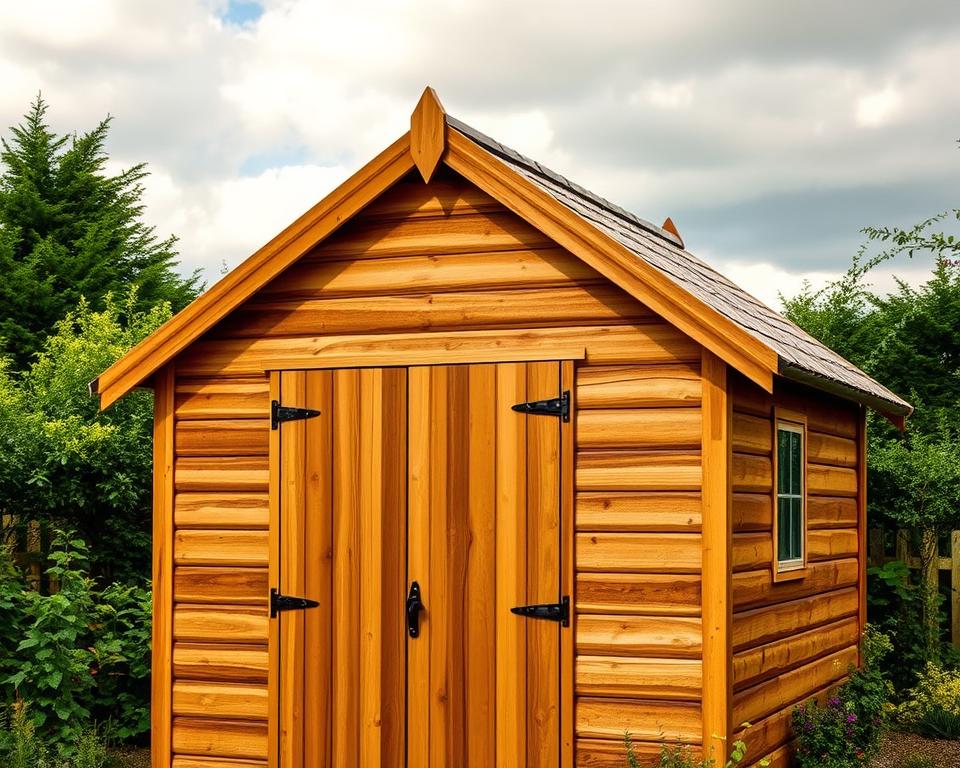
Common roof types and their benefits
Apex roofs give useful loft space and better headroom. They suit larger sheds used as workshops. Pent roofs need less height and shed water quickly, so they work well against fences or under eaves. Flat roofs are cost-effective and neat, but require careful attention to shed waterproofing to avoid pooling and leaks.
Guttering, felt and membrane options for waterproofing
Traditional roofing felt remains a cost-effective underlayer when properly fixed and sealed. Modern membranes such as EPDM offer long-life, flexible coverage for low-pitch roofs. The felt vs membrane choice depends on budget, lifespan and installation skill.
Fit an underlay and overlap seams correctly. Add compatible guttering and downpipes to direct run-off into a rainwater butt. Use stainless-steel fixings in coastal areas to prevent corrosion and to maintain waterproofing integrity.
Snow, wind and rain considerations for the UK climate
UK shed weatherproofing needs secure fixings, overlap flashings and uplift-resistant screws to withstand strong winds. In regions prone to heavy snowfall, consider a steeper pitch or reinforced rafters to stop sagging.
Coastal gardens benefit from corrosion-resistant metal or polyester-coated panels and stainless fasteners. For inland, timber with cedar shingles can offer natural durability if treated and maintained.
| Roof Style | Best Use | Waterproofing Tip | Durability Notes |
|---|---|---|---|
| Apex (dual-pitch) | Workshops, storage with loft space | Install breathable underlay and ridge flashing | High longevity with proper maintenance |
| Pent (single-slope) | Height-restricted sites, fence-side placement | Use EPDM membrane or quality felt with good slope | Good water run-off, moderate maintenance |
| Flat | Budget builds, modern designs | Prefer EPDM or reinforced felt; ensure drainage | Economical but needs regular inspection |
| Metal or polymer panels | Quick install, low maintenance | Seal seams and use corrosion-resistant fixings | Very durable; ideal for coastal conditions |
| Cedar shingles | Aesthetic, natural finish | Use breathable underlay and treat for rot | Long-lasting with periodic treatment |
Foundations and Base Options
A stable base makes the difference between a shed that lasts and one that fails. Choosing the right shed foundations depends on budget, intended use and ground conditions. Below are practical considerations for common shed base types and tips to avoid rot and settlement.

Concrete slabs: permanence and preparation
A concrete slab shed offers a permanent, level platform for heavy structures and workshop use with machinery. Preparation requires excavation, a compacted hardcore sub-base, shuttering and a damp-proof membrane. Allow adequate curing time before installing the shed.
For larger concrete slab bases add expansion joints to limit cracking. Use non-combustible fixings where regulations demand them. A correctly formed slab reduces long-term maintenance and helps secure floors and heavy shelving.
Paving and timber frame bases: costs and suitability
Paving slabs on compacted hardcore are a cost-effective alternative to a full slab. They give good load distribution for typical garden sheds and can be laid quickly.
A timber frame base built from pressure-treated joists and bearers creates a raised, breathable floor. A timber frame base is quicker to install than poured concrete and works well on uneven ground when combined with adjustable supports.
Levelling, drainage and preventing rot
Always set a slight fall away from the shed so surface water drains away from the building. Proper sub-base compaction stops settlement and keeps doors aligned.
Ventilation beneath timber bases is essential to prevent trapped moisture. Use a DPM under timber floors and consider concrete or plastic pier supports for timber legs to reduce ground contact and rot risk.
| Base option | Typical cost | Best for | Key care notes |
|---|---|---|---|
| Concrete slab | Moderate to high | Heavy sheds, workshops, machinery | Excavate, hardcore, DPM, curing time, expansion joints |
| Paving on hardcore | Low to moderate | Standard garden sheds, quick installs | Compact hardcore, correct fall, secure edges |
| Timber frame base | Low to moderate | Raised sheds, uneven sites, hobby rooms | Pressure-treated timber, ventilation, pier supports, DPM |
Match the chosen shed base types to the shed’s weight and use. For example, choose a concrete slab shed for machinery, or a timber frame base for elevated floors and faster installation. Good preparation and drainage extend the life of any base.
Security Features and Locking Options
Securing a garden building starts with clear choices on doors, locks and electronics. A secure garden shed cuts theft risk, protects tools and keeps insurance premiums lower when you follow supplier and insurer guidance.
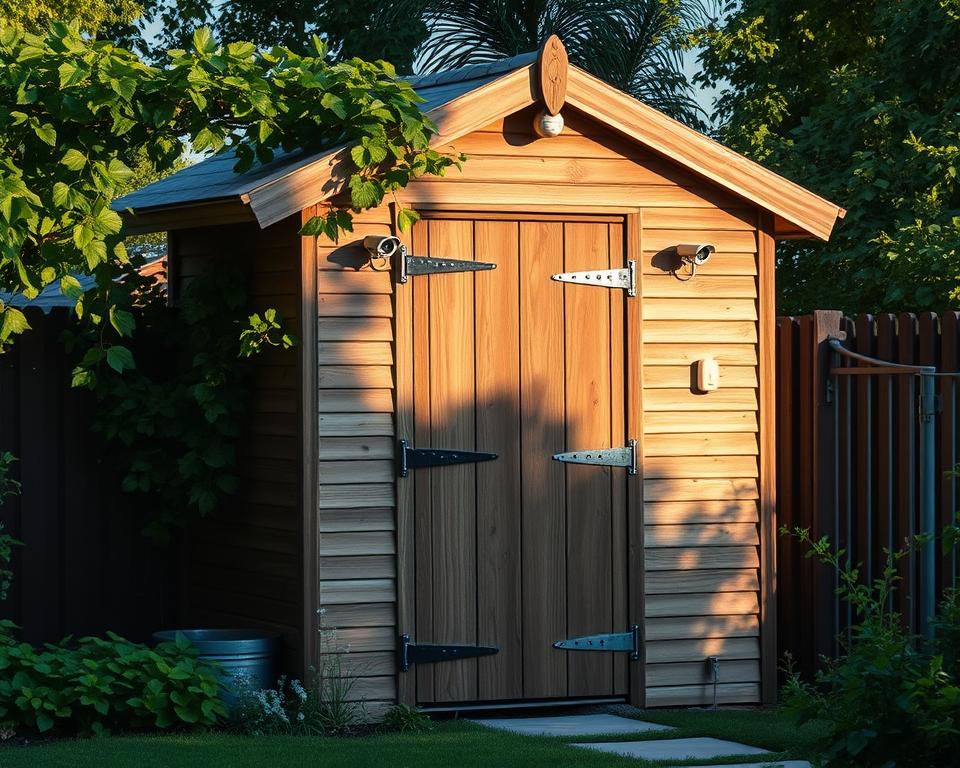
Choose a solid door made from thicker timber or steel and fit a reinforced frame. Concealed hinges or coach bolts make forced entry harder. For metal units, ask for anti-pry bars and strong welds to resist lever attacks.
Robust doors, hinges and hasp choices
Fit heavy-duty hasps and padlocks certified to Sold Secure or comparable standards. Use coach bolts through the hasp into the door and secure the hinge side with internal fixings. For extra protection, add a bar or internal brace that prevents the door being spread open.
Adding alarms, lighting and CCTV considerations
Electronic options range from a basic shed alarm to motion-sensor LED lights and camera systems. Battery or mains-powered alarms are widely available. Solar-powered units suit remote plots with weak Wi‑Fi. Ring and Yale supply weatherproof sensors and cameras that integrate with home systems.
Position visible deterrents such as lights and cameras to cover access routes. Check that CCTV works with your garden Wi‑Fi or use systems with local recording. Low-power alarms with tamper detection keep running costs down while raising the chance of an intruder being noticed.
Insurance implications and improving security for high-value items
Check your home contents and outbuilding cover limits before storing valuable tools. Many insurers insist on specified lock types and anchoring of machinery to accept claims. Notify your insurer if you add high-value items and keep receipts and serial numbers.
| Security Measure | Benefits | Recommended Brands/Specs |
|---|---|---|
| Solid door with reinforced frame | Stops easy forced entry and increases resistance to tools | Thicker timber or steel frame; coach bolts on hinges |
| Sold Secure hasp and padlock | Meets many insurer requirements and resists cutting | Sold Secure Gold or equivalent; hardened steel shackle |
| Shed alarm | Alerts owners quickly and deters opportunistic theft | Battery or mains options; tamper alarm; PIR sensors |
| Motion-sensor lighting | Illuminates approach and increases chance of detection | LED floodlights, solar or mains; adjustable sensitivity |
| CCTV and doorbell cameras | Records evidence and acts as visible deterrent | Ring, Yale and similar weatherproof models; local/cloud storage |
| Anchor points and ground bolts | Secures large items to prevent removal | Concrete or ground-screw anchors; bolted through floor |
| Record-keeping | Aids insurance claims and police recovery | Photographs, receipts and serial numbers stored off-site |
For best results, combine physical measures with electronics. Fit quality shed locks UK, mount a tested shed alarm and use anchor points for heavy kit. This layered approach creates a secure garden shed that meets insurer expectations and protects tools for years.
Ventilation, Insulation and Climate Control
Proper airflow and thermal protection make a shed usable all year. Good planning helps prevent mould, keeps tools in working order and makes a workshop comfortable. The right balance between ventilation and insulation is key for humidity control and efficient temperature management.
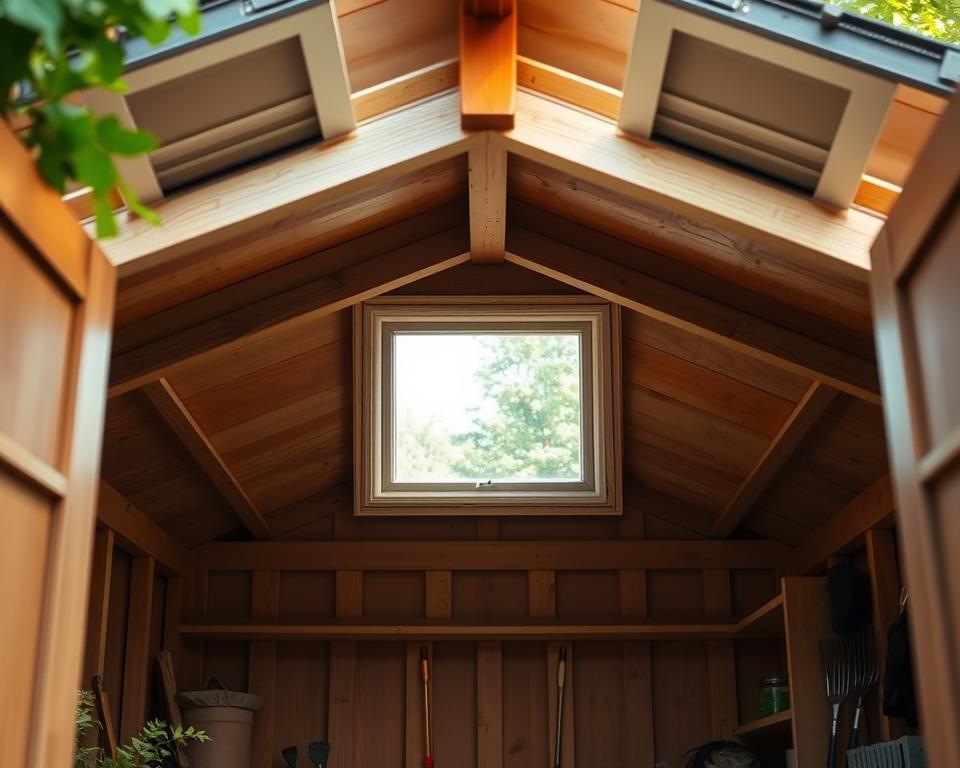
Preventing damp and condensation
Cross-ventilation is the first defence to prevent shed damp. Fit louvre vents low on one wall and a ridge or roof vent high on the opposite side to encourage air movement. A raised base keeps ground moisture at bay. Use breathable membranes beneath the floor and consider an internal vapour barrier where sensitive kit is stored.
Choose moisture-resistant shelving, stainless fixings and silica gel packs for small items. Small electric dehumidifiers work well in enclosed spaces. Check for condensation after cold nights and address leaks at roof junctions straight away.
Insulation materials and methods for year-round use
PIR foam boards give strong thermal performance in thin layers. Mineral wool is economical and simple to install between studs. Spray foam seals gaps and adds rigidity, though professional application is advised. Insulated cladding panels speed up an upgrade when time is limited.
Line finished walls with OSB or tongue-and-groove boarding for a neat look. Where electrics or heaters are planned, use fire-rated insulation and follow all safety guidance. Properly sealed edges and taped joints reduce cold spots and help shed insulation work as intended.
Heating and cooling options for hobby or workshop use
For gentle, controllable warmth choose electric heaters such as ceramic convection or oil-filled radiators. Infra-red heaters target workbenches without wasting energy heating the whole space. Portable units suit occasional use, while fixed units are better for regular workshops.
In hot weather use extraction fans or portable air conditioning to keep temperatures down. Fit thermostats and timers to avoid energy waste and protect stored items from frost. Any electrical work should be completed by a qualified electrician and comply with Part P and applicable building regulations.
Windows, Doors and Natural Light
Careful choices for windows and doors shape how a shed feels and functions. Good glazing and sensible door selection boost security, ventilation and comfort. Think about sightlines, insulation and ease of access when planning positions and styles.
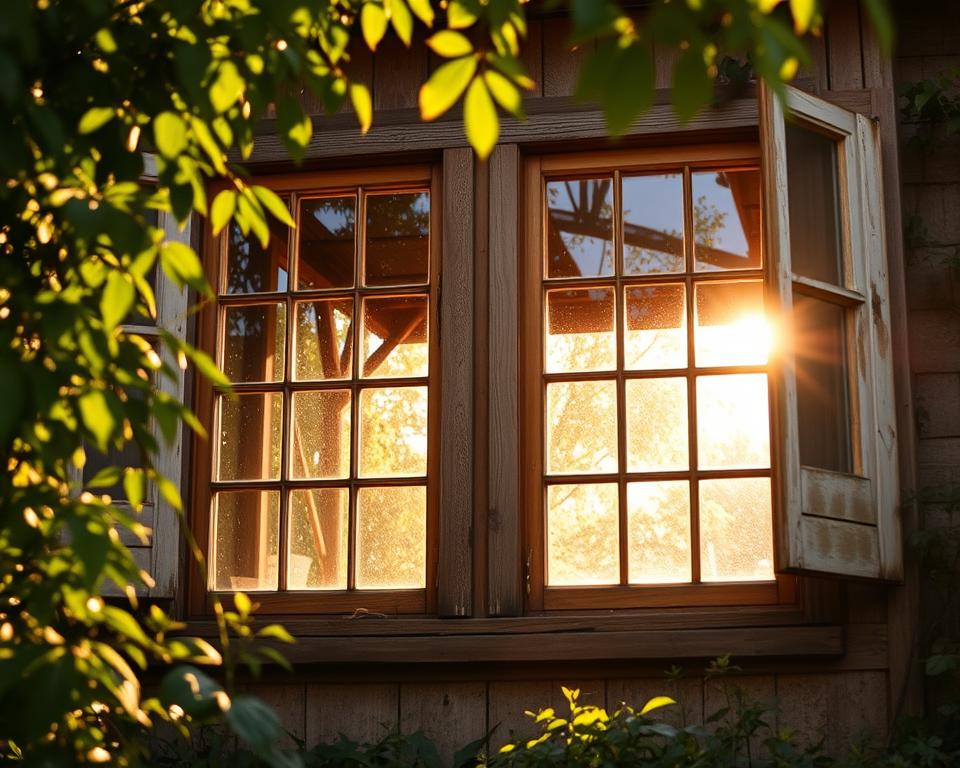
Choosing glazing types for security and light
Toughened glass offers clear sight and strong resistance to impact. Double-glazed units improve insulation and cut condensation on cold mornings. Polycarbonate and acrylic panels are lightweight and resist knocks, suited to garden workshops and potting rooms.
For privacy and protection use obscured glazing or laminated layers. Fit quality locks and consider shed glazing security films to delay forced entry. Small, well-placed panes reduce vulnerability while still letting in daylight.
Door styles: single, double and sliding advantages
Single doors save space and suit narrow access routes. Double doors make moving lawn mowers, bicycles and furniture simple. Sliding doors preserve swing area and work well on tight paths, though they need sturdy tracks and anti-lift fittings for security.
Choose thresholds designed to keep out water and fit draught seals to improve insulation. Match the door style to intended use and pick robust hinges and hasps that support shed door types with security in mind.
Positioning windows for ventilation and privacy
Place windows to capture natural light in shed workspaces while avoiding direct neighbour sightlines. North-facing glazing gives even light with less glare, south-facing windows boost solar gain in winter months.
Combine window placement with vents to create cross-flow ventilation and reduce damp. Fit locks on low windows and consider security bars or grilles when storing valuable tools to preserve both airflow and safety.
| Feature | Recommendation | Benefit |
|---|---|---|
| Glazing material | Toughened glass, double-glazed units, polycarbonate | Security, insulation, impact resistance |
| Privacy option | Obscured glazing, laminated glass, security film | Maintains light while reducing visibility and break-in risk |
| Door style | Single, double, sliding | Space saving, easy access for equipment, minimal swing area |
| Sealing & threshold | Draught seals, raised threshold, water deflectors | Prevents water ingress, improves insulation |
| Ventilation | High vents, operable windows, cross-flow layout | Reduces condensation, improves air change |
| Security additions | Window locks, security bars, reinforced hinges | Enhances shed glazing security and door protection |
Interior Organisation and Storage Solutions
A well organised interior turns a cramped shed into a productive space. Start with a simple plan that maps zones for tools, gardening kit and hobby work. Clear labelling and tool shadowing speed up tasks and reduce clutter.

Shelving and pegboards give an immediate lift to small spaces. Fit adjustable metal shelving for heavy loads and use timber shelving where a bespoke fit helps to maximise odd corners. Pegboards keep hand tools visible and reachable. Pair labelled zones with shadowed outlines to maintain order and aid quick access. These shed shelving ideas suit both casual gardeners and serious hobbyists.
Workbenches define a workshop’s workflow. Choose a sturdy fixed bench for heavy tasks or a fold-down bench where floor space is limited. Add an integrated vice for secure clamping. Place anti-fatigue mats in front of work surfaces to protect knees and feet during long jobs. In a practical workshop layout, keep power tools near extraction points and allow clearances for safe movement.
Plan your floor layout to accommodate tool racks, storage bins and a clear route to the door. Use templates for common shed sizes to decide bench placement and turning space. Designate a zone for high-dust activities and fit a cartridge extractor or portable dust collector nearby. This approach helps to maximise shed space without compromising safety.
Vertical storage is key to freeing floor area. Install overhead racks for seasonal items and use hoist systems to hang bikes from joists. Magnetic tool strips and modular slatwall systems such as Elfa-style fittings make it simple to reconfigure storage as needs change. Check load-bearing capacities before fixing heavy items to walls or ceiling timbers to prevent damage or failure.
Combine modular units with bespoke elements for a hybrid solution that grows with your needs. Small drawers for screws, labelled tubs for seeds and transparent boxes for consumables keep items visible and retrievable. Thoughtful selection of shed storage solutions and shed shelving ideas supports an efficient workshop layout and helps you maximise shed space over the long term.
Planning Permission, Regulations and Covenants
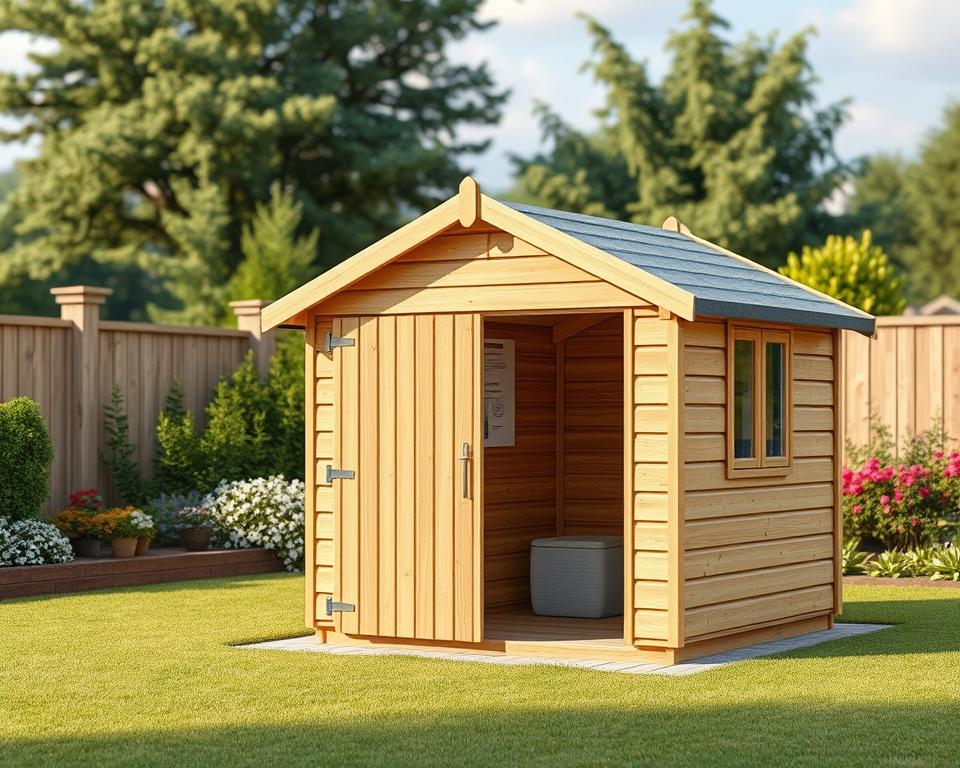
Before installing a garden outbuilding, check national guidance and local variations. Small sheds often fall under permitted development, but rules change if your property is listed, in a conservation area, or if the building will be used as living accommodation. Early checks reduce delays and help you avoid enforcement action.
When planning permission is required in the UK
Planning permission becomes necessary when an outbuilding is permanent and exceeds height or siting limits, or when it is located forward of the principal elevation. Using a shed as a separate dwelling or for commercial activity usually triggers full planning control. Contact your local planning authority for clarity on thresholds that apply to your postcode.
Permitted development rights and size thresholds
Permitted development often covers a permitted development shed that is single-storey, under 2.5 metres to the eaves in many rear-facing cases, and where site coverage stays within roughly half the garden. There are limits on total footprint and distances from boundaries for eaves under certain heights. Check the Planning Portal and your council because exceptions apply in conservation areas and for listed properties.
Local authority and neighbour considerations
Shed regulations vary across councils, so seek pre-application advice for sizeable or contentious builds. Covenants in title deeds can restrict outbuildings, so review your deeds and consult a solicitor if needed. Speak with neighbours if the siting could affect light or access and obtain written consent when practical.
For complex cases, request written advice from the local planning authority. That step clarifies outbuilding rules UK, avoids costly redesigns and helps secure the right approvals before work starts.
Cost Considerations and Budgeting
Budget planning is vital when choosing a garden shed. This short guide sets out typical price bands, ongoing charges and the key factors that affect the cost of garden shed UK buyers can expect. Use this as a practical shed budget guide to compare options from retailers and specialist fitters.

Average price ranges for different materials and sizes
Small plastic and composite sheds typically cost between £150–£600 from mainstream retailers such as B&Q and Wickes. Basic metal sheds range from £150–£1,000 depending on size and specification. Timber sheds vary widely, from around £300 for a small unit to £3,000 for larger, higher-grade models sold by Travis Perkins or specialist suppliers. Bespoke fitted installations start at about £1,000 and can exceed £6,000 for custom designs and premium materials.
Long-term costs: maintenance, repairs and replacement parts
Plan for routine timber treatment every 2–3 years, occasional roof felt or shingle replacement, and base repairs if drainage fails. Annual budgeting for shed maintenance costs will vary with material and use; a reasonable estimate for upkeep on a timber shed is £50–£250 per year.
Heating a workshop and adding power will increase running costs and may raise insurance premiums for high-value storage. Lock and hinge replacements, repainting and pest treatment are common follow-on expenses often overlooked at purchase.
Comparing DIY kits versus fitted installations
DIY kits reduce labour charges and often lower the initial spend, but require tools, time and some skill. Kits from B&Q or Wickes might halve labour costs, yet hidden costs such as site clearance, delivery access charges and disposal of an old shed can erode savings.
A professional fitter gives correct base alignment, guaranteed water-tightness and warranty compliance. Consider break-even points: if labour costs saved by DIY exceed the value of potential mistakes or future repairs, kits make sense. If the site is uneven or access is restricted, a fitted vs DIY shed decision will usually favour professional installation.
| Item | Typical UK Cost | Notes |
|---|---|---|
| Small plastic/composite shed | £150–£600 | Low maintenance, sold at B&Q, Wickes |
| Basic metal shed | £150–£1,000 | Durable but may need anti-corrosion treatment |
| Timber shed | £300–£3,000 | Wide quality range; Travis Perkins stocks many options |
| Bespoke fitted installation | £1,000–£6,000+ | Includes site prep, professional base and fitting |
| Annual maintenance budgeting | £50–£250 | Treatment, small repairs, lock replacements |
| Hidden costs | £0–£500+ | Delivery surcharges, site clearance, disposal fees |
Use this shed budget guide to map upfront purchase costs against long-term spend. That approach makes it easier to choose the right product for your needs and to avoid surprises later.
Delivery, Installation and Aftercare Services
Arranging shed delivery UK and fitment can feel daunting. This section explains practical steps for delivery, outlines installation options and clarifies typical guarantees and aftercare services you should expect.
Delivery expectations and site needs
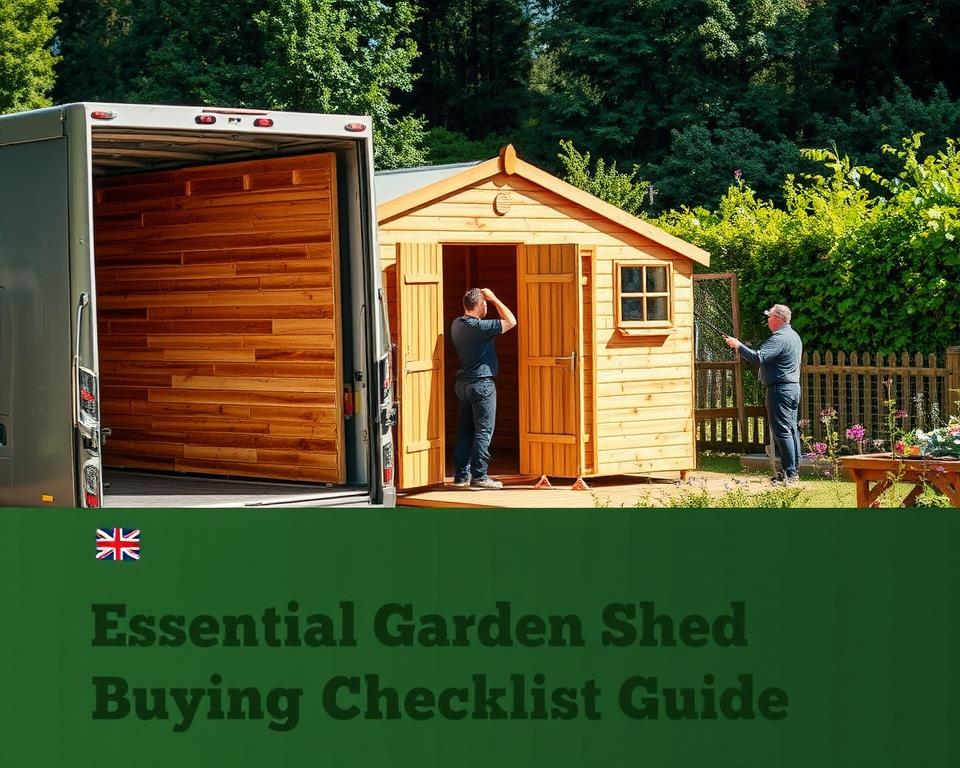
Confirm delivery vehicle size and access before ordering. Palletised deliveries often require clear access, level ground and a second person to help unload. Many suppliers offer kerbside delivery as standard, with site placement as an extra cost.
Lead times vary. Off-the-shelf items may ship within days. Bespoke sheds can take 2–8 weeks. Check delivery charges and any restrictions for narrow lanes or communal estates.
Installation choices and process
You can choose manufacturer-fitted installation, an independent local installer or self-build. Professional installers typically follow these steps: prepare and level the base, anchor the foundation, assemble frame and cladding, fit roofing and seal joints, then apply finishes.
When selecting an installer, verify Public Liability Insurance, ask for customer testimonials and confirm any trade accreditations. Proper base preparation and correct anchoring reduce future maintenance and protect warranties.
Guarantees, warranties and customer support
Manufacturer warranties vary from 1 to 10 years depending on material and finish. Typical coverage includes rot, structural failure and protective coatings. Exclusions usually list improper installation, poor ventilation or lack of routine maintenance.
Register warranties promptly and keep proof of purchase. Routine aftercare services should include seasonal checks for loose fixings, roof felt condition and re-coating timber where needed.
| Topic | What to check | Practical tip |
|---|---|---|
| Delivery | Vehicle size, access, kerbside vs site placement, lead time | Measure gate and path width; inform the supplier of obstacles |
| Installation | Base prep, anchoring, assembly steps, installer credentials | Request evidence of Public Liability Insurance and references |
| Warranties | Length (1–10 years), coverage (rot, structure, coatings), exclusions | Register the warranty and keep receipts safe |
| Aftercare services | Seasonal inspections, maintenance plans, repair response | Arrange an annual check to prolong lifespan and maintain warranty |
Environmental and Sustainability Factors
Choosing a garden shed with a low environmental impact is an important part of modern garden planning. This short guide covers sourcing sustainable timber, methods for later disposal or reuse, and simple steps to cut energy use in the shed.

Sourcing sustainable timber and materials
Look for FSC or PEFC certification when choosing timber. These schemes show the wood comes from managed forests. Low-VOC paints and stains improve air quality inside the building. Reclaimed timber and composite boards made with recycled plastics reduce demand for virgin resources and help create sustainable sheds UK that last.
Recycling, disposal and lifecycle considerations
Plan for removability from the start by using screws instead of permanent nails where possible. This makes it easier to recycle or reuse components at the end of life. Metal and plastic panels can be separated and taken to appropriate recycling facilities. Treated wood may need specialist disposal; check local council guidance before demolishing or disposing.
Energy-saving choices for lighting and heating
Fit LED lights and motion sensors to cut wasted power. Small photovoltaic panels can run lighting or an alarm without grid connections, helping create an energy efficient shed. Choose compact heaters with thermostats for occasional use. Rainwater harvesting from shed gutters supplies tasks such as cleaning and potting, lowering mains water demand and adding resilience.
- Choose suppliers with clear sustainability credentials and local stockists to reduce transport emissions for eco-friendly shed materials.
- Design with reuse in mind so a recycling garden shed approach becomes practical rather than theoretical.
- Combine efficient lighting and modest renewables to achieve a genuinely energy efficient shed that suits UK gardens.
Conclusion
This Garden Shed Buying Checklist summary brings together the practical choices you face: match size and material to intended use, prepare a suitable base, and prioritise security and waterproofing. Check planning rules and factor in long‑term maintenance costs so the structure stays functional and attractive over years of use.
For next steps, complete the printable checklist, measure your site accurately and obtain quotes for base work and installation. Compare warranties and aftercare from reputable UK suppliers, and consider sustainable materials where feasible to reduce lifecycle impact and ongoing costs.
When you choose the right garden shed UK with decisions informed by site, budget and intended use, the result will enhance garden usability and add value to your property. For shed buying final advice, contact local authorities for regulatory clarification and speak to established manufacturers such as Jacksons, Tiger Sheds or Stewart to confirm specifications before purchase.
FAQ
What is the purpose of the “Essential Garden Shed Buying Checklist Guide”?
The guide provides a comprehensive, step‑by‑step checklist to help UK homeowners, allotment holders, renters with garden rights and tradespeople choose the right garden shed for storage, hobbies or a workspace. It aligns meta title and meta description with the primary keyword “Garden Shed Buying Checklist” and supplies actionable advice, printable checklist templates, measurement tips and decision criteria to balance cost, durability and long‑term value.
Who is this guide aimed at?
The guide targets UK homeowners, renters with garden access, allotment holders, hobbyists and tradespeople who need practical, durable and compliant outdoor storage solutions. It emphasises UK‑specific considerations such as climate, planning rules, local covenants and reputable suppliers like Jacksons Fencing, Tiger Sheds, Rowlinson, Palram and Keter.
What sections does the checklist cover?
The guide is organised into practical sections covering why a shed is valuable, the full buying checklist, sizing and layout, materials and construction, roof styles and waterproofing, foundations, security, ventilation and insulation, windows and doors, interior organisation, planning permission, cost considerations, delivery and aftercare, and environmental factors.
What core items should I check before buying a garden shed?
Core checklist items include accurate measurements (footprint and height), base type and site access, material choice (timber, metal, plastic/composite), roof style, door type and lock options, windows and ventilation, insulation needs, planning permission requirements, delivery logistics, installation choices, warranty and aftercare, and supplier lead times.
How do I prioritise features based on intended use?
Rank features by primary use: for general storage prioritise security, durability and size; for a workshop prioritise insulation, electrics and working space; for a hobby studio prioritise natural light and ventilation. Consider budget versus lifecycle cost—spend more where longevity and frequent use matter.
How should I measure my available space and access routes?
Measure the usable flat area and allow clearance for door swing and maintenance—aim for at least 50–60 cm around the shed where possible. Measure gate widths and path heights for delivery access and note roof overhangs, eaves and proximity to boundaries for permitted development limits.
What internal layout rules help make the most of a shed?
Create a scaled floor plan showing fixed items and workflow. Allow walkways of 80–90 cm, workbench depth about 60 cm, shelving depth 30–40 cm. Use vertical storage for long‑handled tools and pegboards for hand tools. Plan zones for power tools and safe storage of fuels or chemicals.
Which materials are best for durability in UK conditions?
Timber offers a natural look and good insulation but needs regular treatment; choose FSC certified or pressure‑treated timber and tongue‑and‑groove cladding. Metal is strong and secure—use galvanised or powder‑coated steel with anti‑condensation liners. Plastic/composite is low maintenance (brands such as Keter and Palram) but can be less repairable and may expand with heat.
What roof styles should I consider for my garden shed?
Apex roofs give headroom and loft space; pent roofs suit height‑restricted sites and aid rain run‑off; flat roofs are economical but need robust waterproofing such as EPDM. Use quality underlay, appropriate felt or membranes and consider guttering to channel runoff to a rainwater butt.
What foundation or base options are available?
Options include concrete slab bases for permanence and heavy loads, paving slabs on compacted hardcore as a cost‑effective solution, or raised timber frame (joist) bases for breathability. Ensure good levelling, sub‑base compaction, drainage away from the shed and use DPMs or pier supports to prevent rot.
How can I improve shed security?
Choose robust doors and frames, concealed hinges or coach bolts, heavy‑duty hasps and Sold Secure‑rated padlocks. Add alarms, motion‑sensor lighting or CCTV from brands like Yale or Ring. Check insurer requirements, record serial numbers and consider anchor points for high‑value items.
What ventilation and insulation should I fit to prevent damp?
Provide cross‑ventilation with louvre or roof vents and ensure the base is raised from ground moisture. Insulate with PIR boards, mineral wool or insulated cladding and line interiors with OSB or tongue‑and‑groove boarding. Use vapour barriers where appropriate and consider dehumidifiers for sensitive equipment.
Which glazing and door types work best for light and security?
Toughened glass or double‑glazing offers security and insulation. Polycarbonate is lightweight and impact resistant. Single doors save space, double doors ease access for mowers and bikes, and sliding doors conserve swing area but need robust tracks and secure locking. Fit draught seals and suitable thresholds to prevent water ingress.
What storage solutions maximise space inside a shed?
Use adjustable metal shelving for heavy loads, pegboards and magnetic strips for tools, overhead racks for seasonal items and hoists for bikes. Fit sturdy fixed or fold‑down workbenches and plan floor layouts with clear zones. Always check load ratings when fixing heavy items to walls or joists.
When do I need planning permission for an outbuilding in the UK?
Permitted development usually covers single‑storey outbuildings within size and height limits, but planning permission is needed if the shed exceeds height thresholds, is forward of the principal elevation, covers too much of the garden, is in a conservation area, or is to be used as a separate dwelling. Always check the Planning Portal and local council guidance.
What are typical cost ranges for sheds and long‑term maintenance?
Indicative UK price bands: small plastic/composite sheds £150–£600, basic metal sheds £150–£1,000, timber sheds £300–£3,000 depending on size and quality, and bespoke installations £1,000–£6,000+. Budget for timber treatment every 2–3 years, roof repairs and potential base maintenance.
Should I choose a DIY kit or professional installation?
DIY kits save on labour but require time, tools and skill; professional installation costs more but ensures correct base alignment, weatherproofing and warranty compliance. Consider site complexity, delivery access and whether warranty terms require professional fitting.
What should I expect from delivery and aftercare services?
Expect palletised deliveries needing clear, level access and possibly a second person to help unload. Lead times vary—2–8 weeks for bespoke items. Manufacturer warranties commonly range from 1–10 years; register warranties, retain proof of purchase and follow recommended aftercare to avoid voiding cover.
How can I make my shed choices more sustainable?
Choose FSC‑ or PEFC‑certified timber, low‑VOC finishes, reclaimed materials or composites with recycled content. Plan for end‑of‑life recycling, fit energy‑saving LED lighting and consider small PV panels for lights or alarms. Use guttering to harvest rainwater for non‑potable tasks.
Are there specific safety considerations for storing fuels, pesticides and batteries?
Store petrol, pesticides and batteries in appropriate, labelled containers and within secure ventilated cupboards where required. Follow COSHH guidance, local regulations and manufacturer recommendations. Keep combustible materials away from heaters and electrics and consider dedicated, ventilated storage for chemicals.
What paperwork or checks should I get from suppliers and installers?
Ask suppliers for product specifications, timber certification (FSC/PEFC), warranty terms, lead times and delivery dimensions. For installers request proof of public liability insurance, references or testimonials, a written quote detailing base work and installation and confirmation of any guarantees.

