Creative Garden Design Ideas Surrounding a Shed

That humble structure at the bottom of the plot holds far more potential than many realise. Far from being just a storage spot, it can become a charming focal point that elevates the entire outdoor space. With some thoughtful planning, a simple shed transforms into a cosy retreat, a practical home office, or a vibrant hub for entertaining.
This evolution reflects a broader shift in how Britons view their plots. The emphasis is now on creating cohesive, multi-functional areas that offer beauty and utility. Integrating the building with its environment is key to achieving this harmonious look.
A successful approach considers colour schemes, planting choices, and how the structure connects to pathways or patios. Even modest projects, like a fresh coat of paint or adding window boxes, can yield impressive results. These accessible enhancements make revitalising a backyard feature an achievable goal for many homeowners.
The following concepts demonstrate how to seamlessly blend this element into your landscape. They offer inspiration for various budgets and styles, proving that a thoughtful design can unlock a world of creative ideas.
Inhaltsverzeichnis
Key Takeaways
- Outbuildings offer versatile potential beyond basic storage, serving as retreats or workspaces.
- Thoughtful integration creates a cohesive and attractive plot layout.
- Simple enhancements like painting can significantly improve visual appeal.
- Projects are often achievable over a weekend, making them accessible.
- Considerations include colour coordination and connection to other landscape features.
- Creative concepts suit various budgets, sizes, and personal styles.
Understanding the Role of a Garden Shed in Modern Outdoor Design
Today’s outdoor buildings offer multifunctional potential beyond basic utility. They have transformed from simple storage units into sophisticated extensions of living areas. This evolution reflects changing homeowner needs and creative approaches to property utilisation.
Contemporary structures serve diverse purposes that adapt to household requirements. They function as dedicated workspaces, creative studios, or peaceful retreats. Some homeowners convert them into entertainment zones or guest accommodation.
| Primary Function | Key Benefits | Implementation Time |
|---|---|---|
| Home Office | Separation from domestic distractions | 1-2 weeks |
| Creative Studio | Dedicated space for hobbies | 3-5 days |
| Leisure Retreat | Personal relaxation area | 2-3 days |
| Entertainment Space | Extended socialising capacity | 1 week |
Strategic placement enhances property value while creating functional zones. Proper positioning influences landscaping decisions and circulation patterns. These considerations make the structure an integral component of holistic outdoor planning.
The versatility of modern outbuildings addresses space limitations common in British properties. They provide practical solutions without compromising aesthetic appeal. This approach maximises utility while reflecting personal style preferences.
Garden Design Ideas Surrounding a Shed
Successful landscaping treats the outbuilding not as an afterthought but as the heart of a new planting scheme. This approach creates a unified and intentional look across the entire plot.
Colour coordination is a powerful tool. Painting the structure to match fencing or selecting blooms that reflect its hue creates instant harmony.
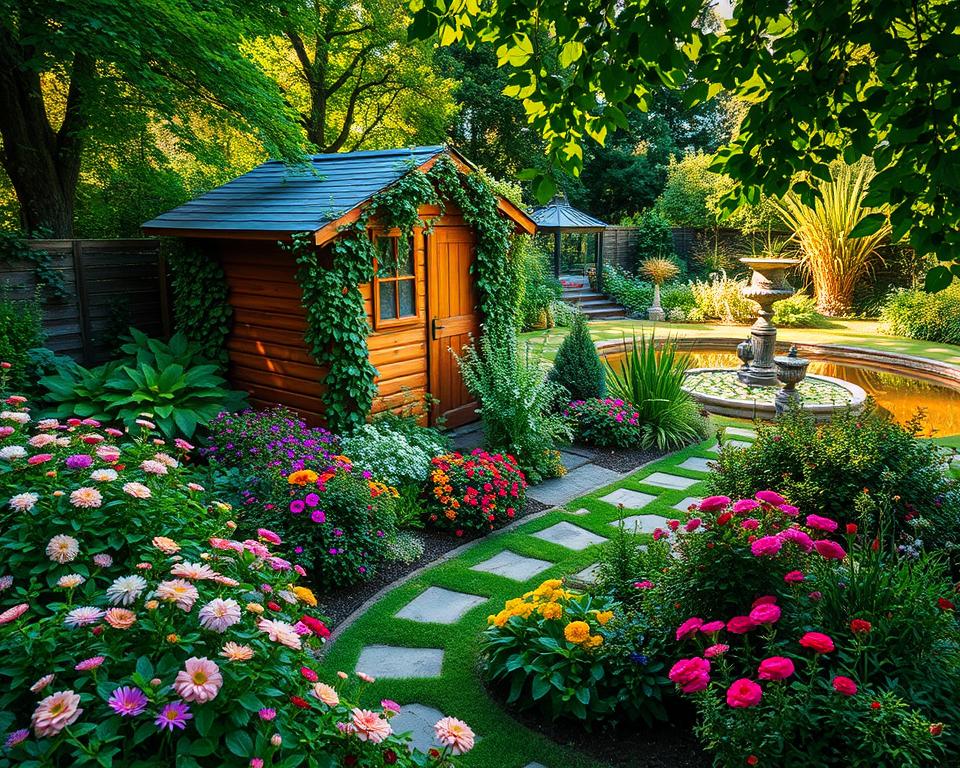
Different aesthetics call for distinct strategies. The table below outlines core approaches for integrating this feature.
| Plot Style | Integration Focus | Key Materials |
|---|---|---|
| Traditional Cottage | Soft, overflowing planting to soften edges | Weathered wood, terracotta pots |
| Contemporary Minimalist | Clean lines, geometric paving patterns | Gravel, sleek metal accents |
| Rustic Countryside | Naturalistic planting, wildflower meadows | Reclaimed timber, stone chippings |
Considerations of scale and sight lines are crucial. The building should feel connected to pathways and patios, not isolated.
This balance between creative vision and practical needs makes the space both beautiful and functional. Exploring further shed ideas helps tailor the concept to any specific garden shed setting.
Creating a Focal Point for Your Garden Area
Transforming an ordinary outbuilding into the star attraction of your outdoor space requires strategic placement and thoughtful enhancement. This approach turns a simple structure into a deliberate focal point that anchors the entire landscape.
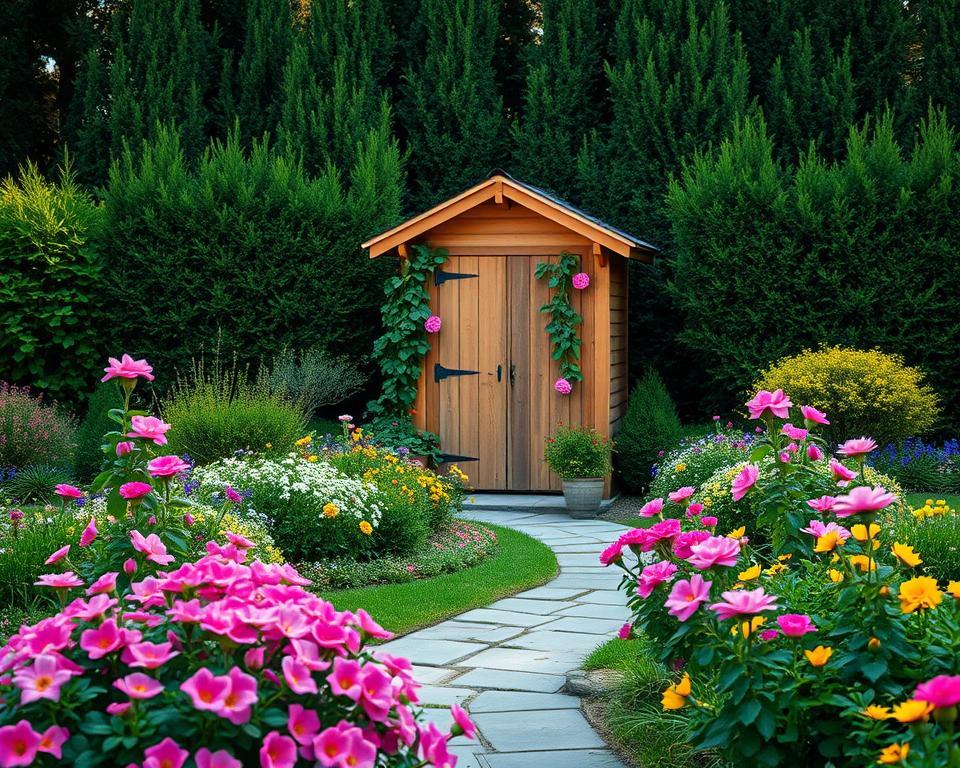
Proper positioning ensures the building becomes an integral part of the overall composition rather than an afterthought.
Identifying the Ideal Spot
Selecting the perfect location involves more than just available space. Homeowners should consider sight lines from key viewing positions like windows and patios. The chosen spot should offer both visibility and functional accessibility.
Factors like sunlight exposure, drainage patterns, and existing landscape features influence the ideal placement. A well-positioned structure becomes a natural point of interest that draws the eye.
Integrating Architectural Features
Enhancing visual prominence involves adding distinctive elements that command attention. Decorative trim, unique rooflines, and strategic window arrangements can elevate a simple building. Contrasting materials create depth and character.
Pathways and planting schemes should guide attention toward the structure. Directional planting and converging sight lines naturally lead the eye to this central area. The goal is balance – the feature should stand out without overwhelming the space.
Thoughtful integration ensures the outbuilding becomes an intentional design element. This approach transforms it from mere utility into a cherished feature of the garden landscape.
Transforming Your Shed with a Splash of Paint and Colour
The application of paint offers immediate visual impact with relatively minimal effort and investment. This approach revitalises outdoor structures while protecting them from the elements.
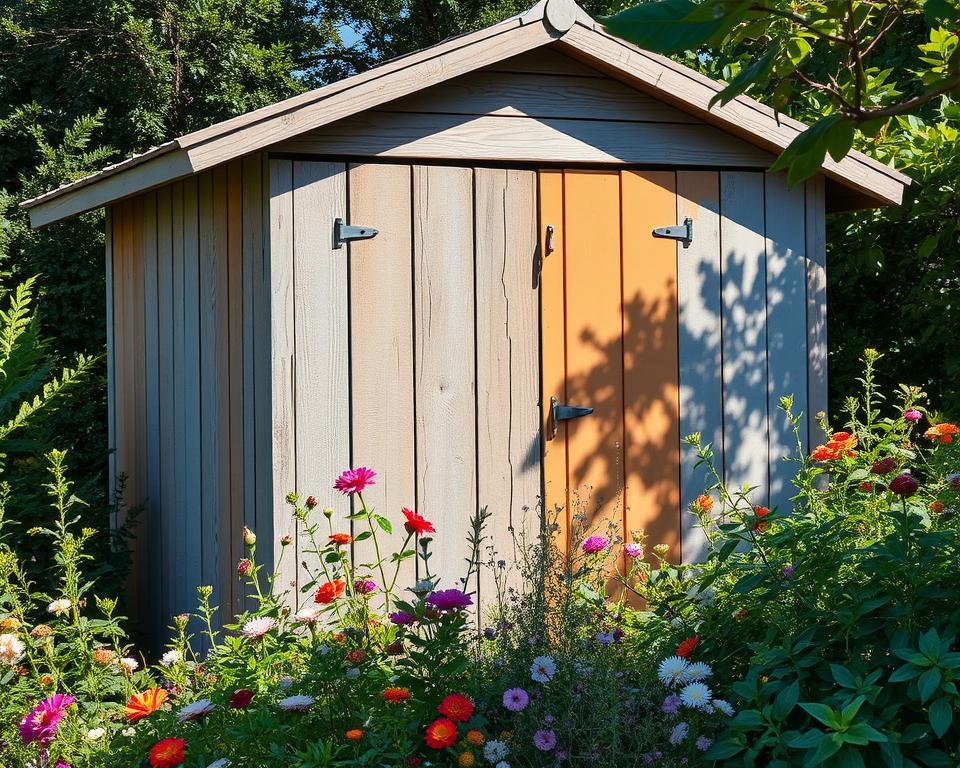
Specialist exterior products are readily available at DIY retailers. They provide durable finishes that withstand British weather conditions.
Choosing a British-Inspired Colour Palette
Heritage shades like sage green or creamy white create timeless appeal. These colours complement traditional planting schemes beautifully.
Bolder selections can establish the building as a striking focal point. Lighter tones help expand perceived space and brighten shaded areas.
Interior colour pops add personality and cheer. White paint creates a summerhouse feel both inside and out.
Maintenance and Weatherproofing Tips
Proper surface preparation ensures long-lasting results. Cleaning and sanding create an ideal base for adhesion.
Weatherproof formulations prevent rot and moisture damage. They prepare structures for winter challenges effectively.
Regular maintenance preserves the finish against peeling or fading. Timing projects during dry periods optimises outcomes.
Personalising Your Space with DIY and Customised Designs
Do-it-yourself projects offer homeowners the opportunity to craft bespoke outdoor spaces tailored to specific needs. This approach transforms standard structures into unique expressions of personal style.
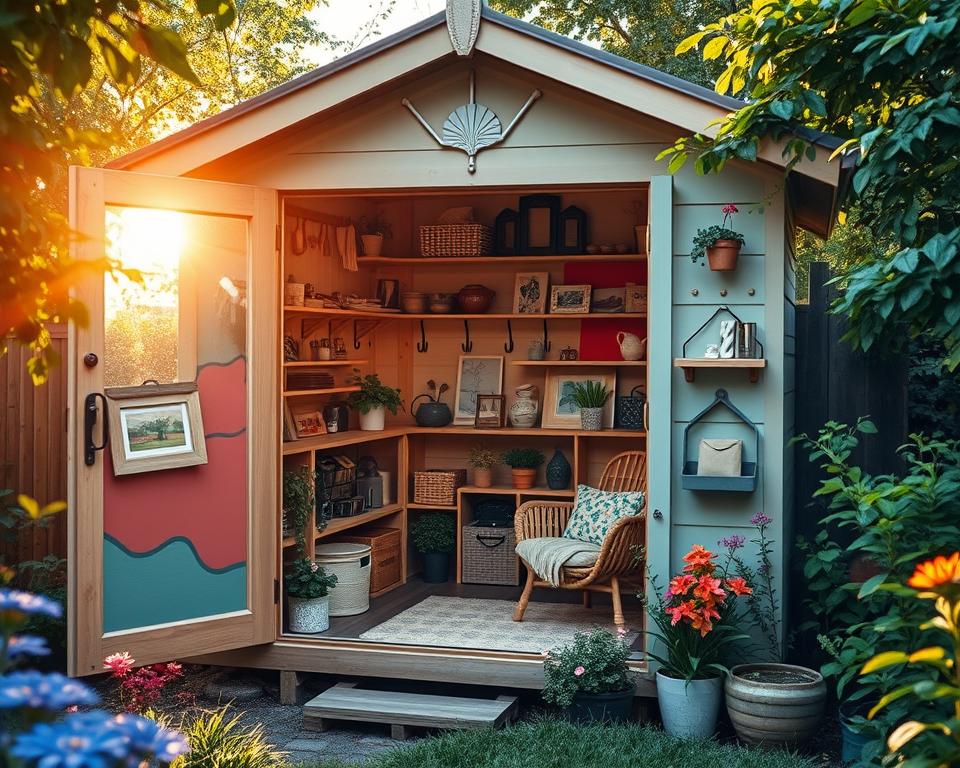
Various skill levels can achieve impressive results with careful planning. Simple modifications yield significant character improvements.
| Project Type | Skill Level | Estimated Time | Key Benefit |
|---|---|---|---|
| Custom Lighting | Beginner | 2-3 hours | Ambient atmosphere |
| Salvage Material Features | Intermediate | 1-2 days | Unique character |
| Green Wall Installation | Advanced | 3-5 days | Natural integration |
| Architectural Additions | Expert | 1 week+ | Structural enhancement |
Repurposed materials like pallet wood and reclaimed doors add distinctive charm. Creative storage solutions maximise functionality within compact areas.
Safety considerations and local regulations should guide all diy endeavours. Proper planning ensures successful outcomes while maintaining creative freedom.
This hands-on way of working creates truly individualised retreats. The satisfaction of personal accomplishment enhances the finished space.
Maximising Storage and Organisational Solutions
A systematic approach to storage planning creates order and accessibility in compact spaces. It begins with assessing what items require containment and how often they are used.
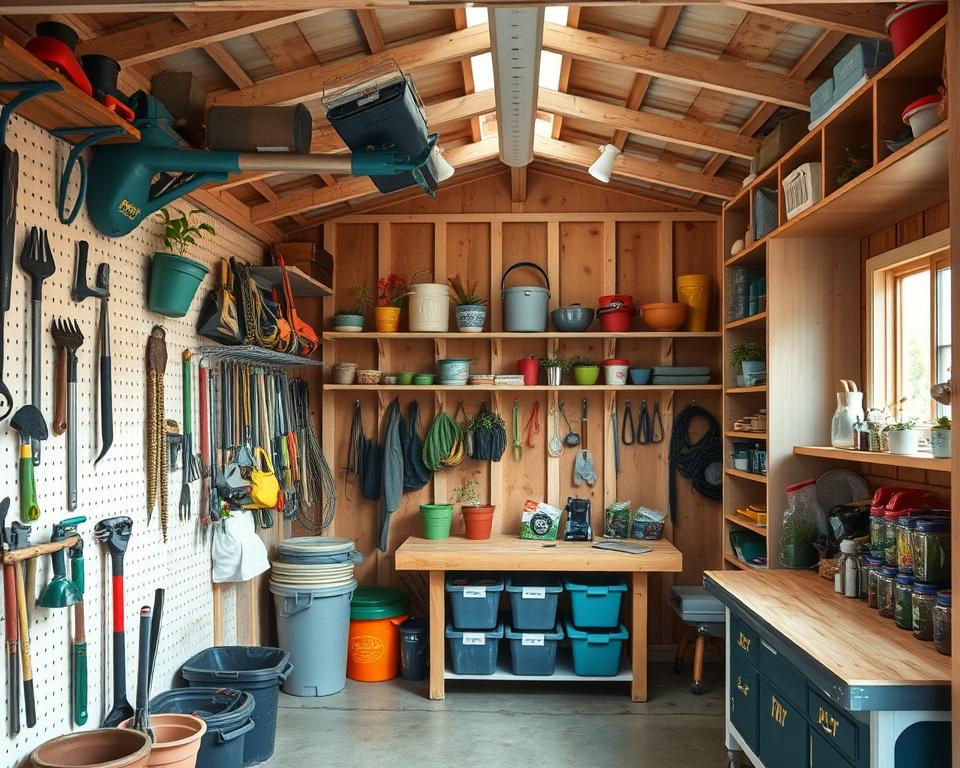
Vertical strategies prove particularly effective for maximising limited footprints. Wall-mounted systems and tiered shelving utilise full height potential efficiently.
The table below compares different organisational approaches for various needs:
| Storage Type | Best For | Implementation Time | Key Benefit |
|---|---|---|---|
| Floor-to-ceiling shelving | Maximising vertical space | 1-2 days | Comprehensive organisation |
| Open shelving with baskets | Frequently used items | 3-4 hours | Easy accessibility |
| Combination seating storage | Soft furnishings | 1 day | Dual functionality |
| Under-shelf jar storage | Small items like plant labels | 1 hour | Creative space utilisation |
Dual-purpose furniture offers smart solutions for compact areas. Bench seating with integrated compartments saves valuable floor space effectively.
Creative DIY approaches transform everyday items into organisational systems. Classy hampers store tools while serving as occasional tables.
This thoughtful approach to storage enhances the overall functionality of the structure. It creates pleasant, organised environments that encourage regular use.
Enhancing Your Outdoor Area with Plants and Flower Beds
The strategic introduction of plants and flower beds is a powerful method to seamlessly integrate an outbuilding into its environment. This approach softens hard edges and adds layers of texture and colour that change throughout the year.
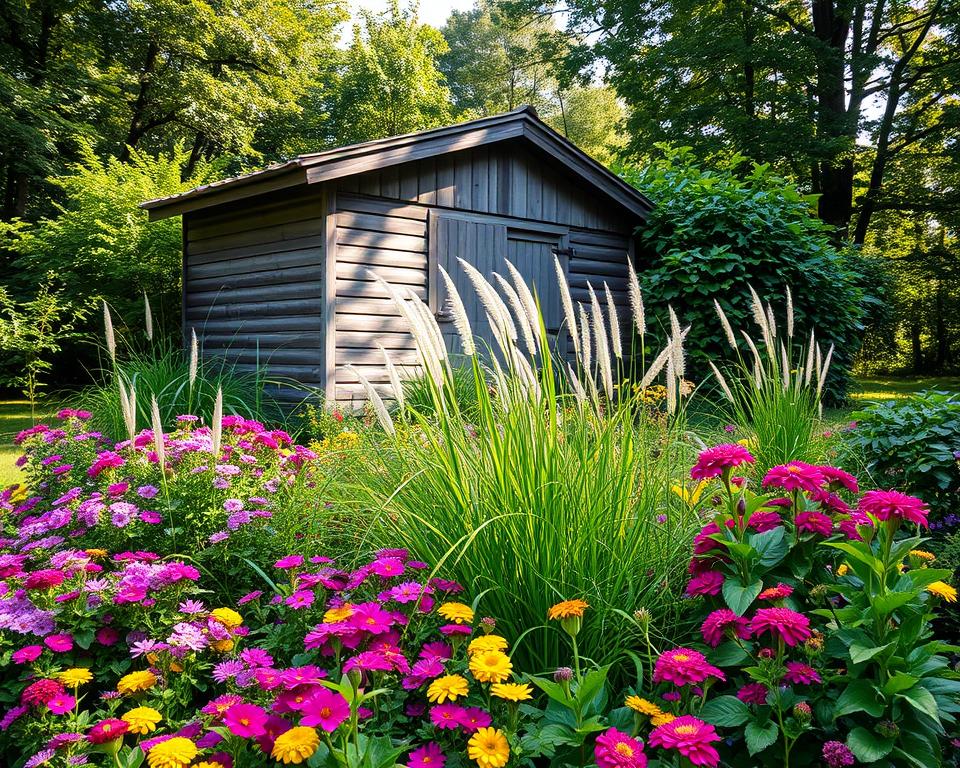
Thoughtful planting creates a natural bridge between the structure and the rest of the plot. It turns the area into a cohesive and inviting space.
Selecting the Right Plants for All Seasons
Choosing the right plants ensures visual interest across all seasons. Long-flowering perennials are excellent for providing extended colour. Options like repeat-flowering roses, Erigeron karvinskianus, and hardy geraniums offer months of blooms.
Scented varieties such as lavender and nicotiana add another sensory dimension, especially near paths. Cool colours like blue and purple can make a space feel larger, while warm tones create a cosier atmosphere.
It is crucial to consider the specific microclimate around the building. Factors like shade patterns and soil moisture will influence which flowers will thrive best in that location.
Creative Uses for Hanging Baskets and Pots
Hanging baskets and containers offer fantastic vertical planting opportunities. They are perfect for maximising space and adding height to the display. These baskets can be filled with brightly coloured foliage, trailing alpines, or even herbs.
For shaded areas, ferns are an ideal choice for hanging baskets. Even shallow-rooted vegetables like salad leaves can be grown successfully. Potted plants provide flexibility, allowing you to easily refresh the display with seasonal flowers.
This method allows for easy maintenance and seasonal updates, ensuring the area always looks its best. With the right selection, potted plants can create a stunning and dynamic feature.
Utilising Vertical Space and Decorative Wall Elements
Maximising vertical surfaces transforms overlooked areas into lush, productive spaces. This approach is particularly valuable in compact British plots where ground area is limited. Vertical gardening dramatically increases planting capacity without consuming precious square footage.

Homeowners can attach horizontal fence panels to shed sides, creating instant vertical gardens. A dark background colour like black makes green foliage pop with vibrant contrast. This method works beautifully for smaller pots and hanging baskets.
Implementing Vertical Garden Techniques
Various techniques make vertical gardening accessible to all skill levels. Modular green wall systems offer structured solutions for ambitious projects. Simple trellis installations support climbing plants effectively.
The table below compares popular vertical gardening methods:
| Method | Best For | Skill Level | Maintenance |
|---|---|---|---|
| Wall-mounted planters | Herbs and bedding plants | Beginner | Low |
| Trellis systems | Climbing plants | Intermediate | Medium |
| Modular green walls | Comprehensive coverage | Advanced | High |
| Hanging baskets | Trailing plants | Beginner | Low |
Structural integrity is crucial when attaching elements to walls. Homeowners should ensure proper weight distribution to maintain wall stability. Lightweight materials and secure fixings prevent potential issues.
Decorative elements extend beyond living plants. Mirrors create illusionary space, while artistic features add personality. Lighting fixtures enhance evening ambience beautifully.
These vertical solutions turn blank walls into dynamic features. They maximise every inch of available space creatively and practically.
Designing Multipurpose Spaces: From Home Office to Potting Shed
British homeowners are discovering new ways to maximise their property’s potential through flexible outdoor configurations. This approach reflects changing work patterns and lifestyle needs.
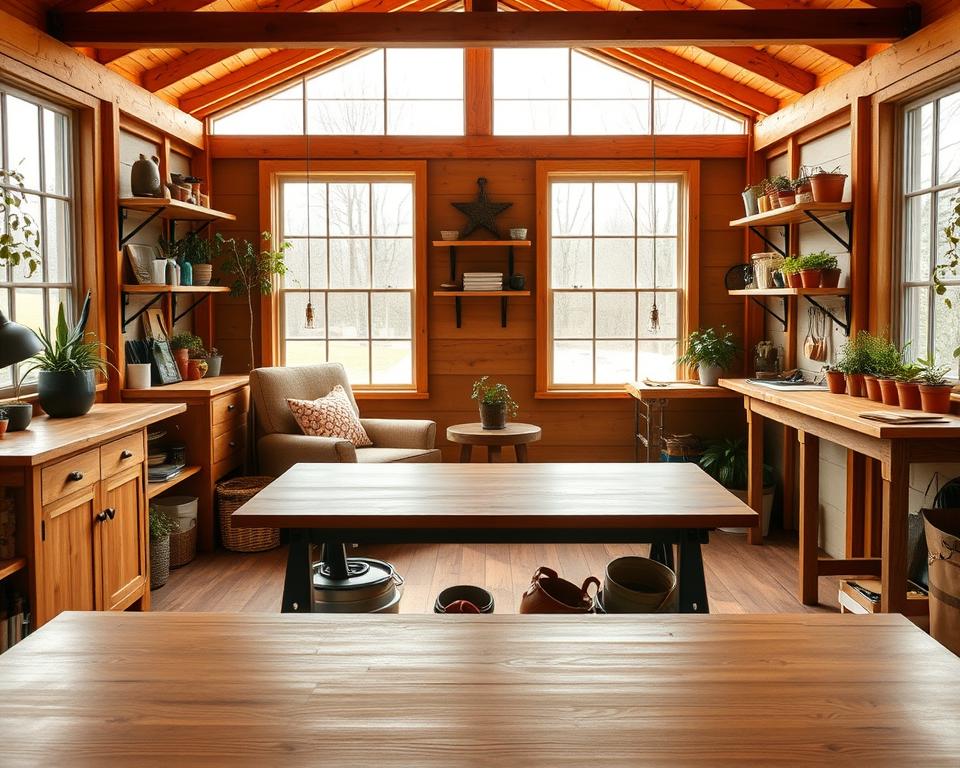
Creating a Functional Workspace
A well-planned shed provides quiet focus away from household distractions. Essential considerations include power supply installation and internet connectivity.
Proper lighting and ergonomic furniture selection create productive environments. This space effectively separates professional and domestic life.
Balancing Practicality and Aesthetics
Utilitarian space can incorporate beautiful elements without compromising function. A potting shed might feature durable surfaces and organised storage.
Ample natural light and convenient water access facilitate plant care activities. The way these elements combine determines the area’s overall appeal.
Specialised configurations serve various purposes from traditional potting activities to contemporary uses. Each shed can become a personalised retreat.
Incorporating Ambient Lighting and Outdoor Fixtures
Lighting installations extend the functionality of outdoor structures well beyond daylight hours. Thoughtful illumination creates welcoming environments that encourage evening use throughout the year.
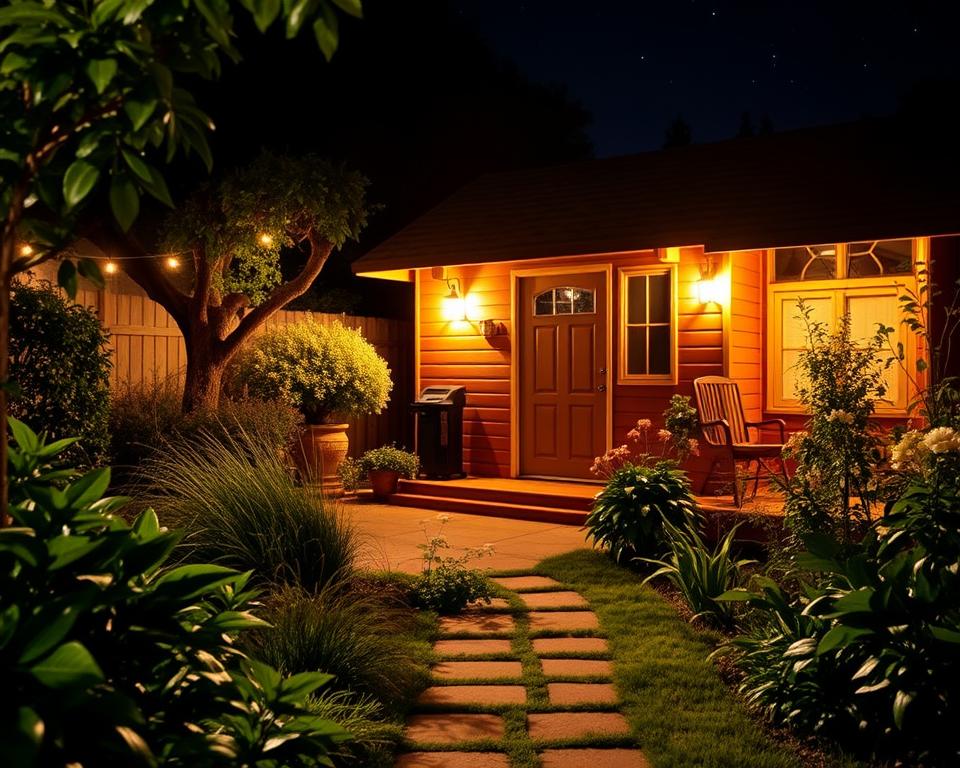
Simple solutions like solar-powered spotlights require no complex installation. Fairy lights or lantern strings offer affordable atmospheric options.
DIY Lighting Projects for Your Shed
Homeowners can undertake various lighting projects matching their skill levels. Battery-operated options provide safe choices for beginners.
More ambitious installations might involve mains-powered fixtures for permanent illumination. Vintage chandeliers add elegant touches to interior spaces.
Safety remains paramount when working with electricity outdoors. Professional consultation ensures proper installation for complex systems.
Choosing Weatherproof Outdoor Lights
British weather demands durable fixtures with appropriate ingress protection ratings. Yellow-toned lighting proves less disruptive to local wildlife than bright white alternatives.
Material selection impacts long-term performance in damp conditions. Regular maintenance preserves fixture functionality through seasonal changes.
Blinds offer dual benefits of security and light control for windows. They complement the overall lighting scheme while providing practical advantages.
Establishing a Cosy Seating and Entertaining Area
Comfortable seating options are essential for making any outdoor space inviting for gatherings. They transform a simple structure into a welcoming social hub. This approach caters perfectly to British weather patterns.
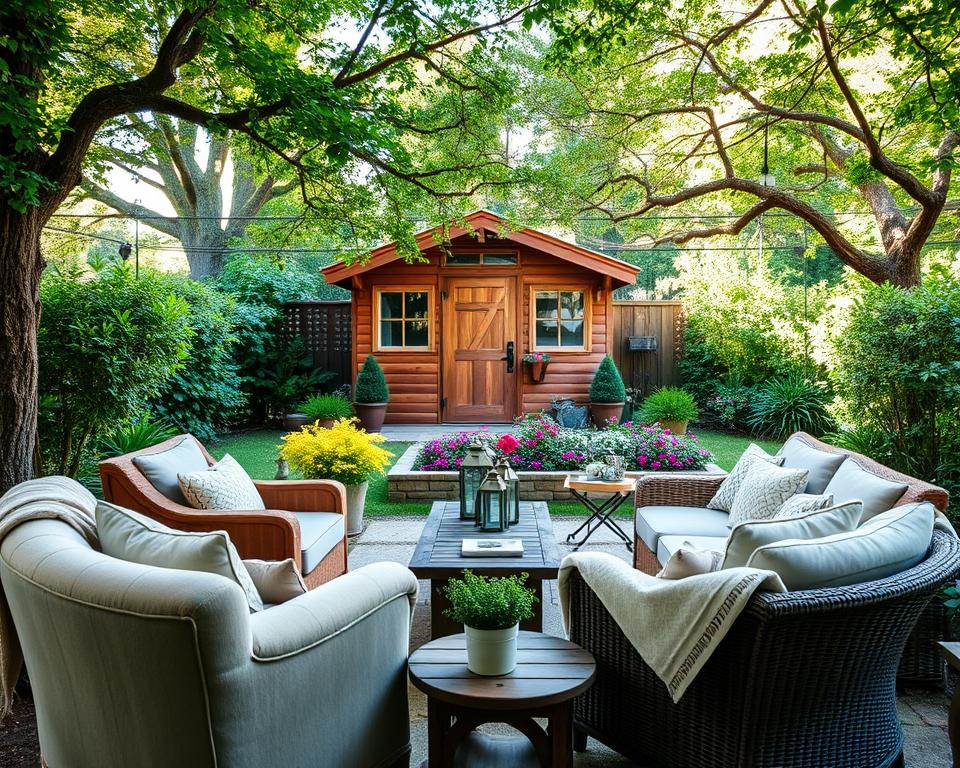
Built-in benches offer practical seating with hidden storage underneath. They keep cushions and blankets dry during unexpected rain showers. This solution maximises the available space efficiently.
Wicker hampers topped with plump cushions create intimate reading nooks. They add character while serving a dual purpose. Multiple seating choices accommodate different group sizes comfortably.
For entertaining, consider these practical seating configurations:
| Seating Type | Best For | Capacity | Weather Protection |
|---|---|---|---|
| Built-in benches | Permanent solutions | 4-6 people | Excellent |
| Folding chairs | Flexible arrangements | 2-8 people | Good |
| Hampers with cushions | Intimate settings | 1-2 people | Moderate |
| Bar stools | Entertaining zones | 2-4 people | Variable |
Covered areas with opening doors embrace good weather while providing shelter. This area becomes an extension of the home. It’s perfect for alfresco dining or evening drinks.
The right seating turns any outdoor space into a cherished entertaining area. It encourages longer, more enjoyable gatherings with family and friends.
Selecting Durable Materials and Finishes for Longevity
The longevity of any outdoor structure depends fundamentally on material selection and protective finishes. Thoughtful choices significantly impact both immediate appearance and long-term durability in challenging British weather conditions.

Substantial brick construction offers excellent resistance against the elements while providing enhanced security. Tiled roofs create more solid, durable structures that withstand seasonal changes effectively.
Concrete or tiled floors prove easier to maintain than other options, particularly for cleaning tasks. Light-coloured materials help brighten shaded areas and create a sense of spaciousness.
Salvage materials like pallet boards can be repurposed for construction in an eco-friendly way. Weatherproof paint formulations prevent rot and prepare structures for winter conditions.
Different materials offer varying maintenance requirements and lifecycle costs over time. Traditional timber options contrast with contemporary alternatives like metal and composite materials.
Finish selections protect against moisture, UV degradation, and temperature fluctuations. Sustainable choices include responsibly sourced timber and eco-friendly finishes.
Realistic expectations about performance over time help avoid false economies. All structures require periodic maintenance, but quality materials minimise this burden.
Investing wisely in durable materials and finishes ensures lasting beauty and functionality. This approach balances initial investment against long-term value effectively.
Customising Your Shed to Reflect Authentic British Garden Style
Infusing an outdoor building with authentic British character creates a space that feels both timeless and personal. This approach connects the structure to the rich heritage of UK horticulture.

Visiting shows like RHS Chelsea offers wonderful design inspiration. These events showcase how traditional elements blend with contemporary needs.
Drawing Inspiration from the English Countryside
The English countryside provides a wealth of aesthetic inspiration. Cottage garden aesthetics, with their relaxed planting schemes, create a charming look.
Traditional elements like shepherd’s huts inform alternative building styles. These historical references add genuine character to any plot.
Colour palettes play a crucial role in establishing authenticity. Sage green and heritage colours reflect natural landscapes beautifully.
Serene green is an on-trend choice that complements foliage. Swedish barn red adds authentic cultural touches to the exterior.
Modern Accents and Traditional Touches
Blending old and new creates spaces that honour tradition while serving modern needs. This balanced approach ensures lasting appeal.
Contemporary materials can reinterpret classic design principles. The result feels both fresh and familiar to British sensibilities.
Regional variations offer diverse styling directions. From formal estate gardens to rustic cottage plots, there are many interpretations of British style.
This connection to local landscape character enriches the overall design. It helps create an outdoor building that feels perfectly at home in its setting.
Exploring Innovative Shed Concepts and Integrated Greenhouses
Moving beyond traditional approaches reveals remarkable possibilities for outdoor structures. Combining functional spaces with growing environments creates truly versatile retreats.
Integrated greenhouse-shed combinations offer the best of both worlds. They provide protected areas for plant cultivation alongside comfortable spaces for relaxation.
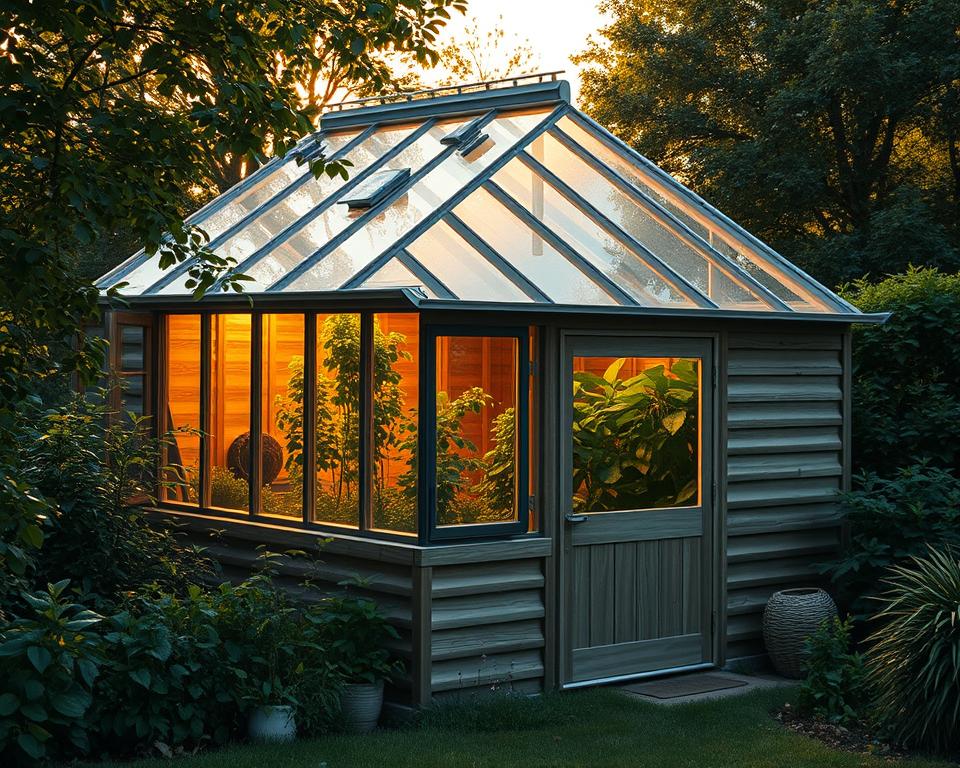
These hybrid structures extend growing seasons significantly. Tender plants thrive in controlled environments while owners enjoy surrounding vegetation.
Different architectural approaches achieve this integration effectively:
| Concept Type | Key Feature | Primary Benefit | Implementation Complexity |
|---|---|---|---|
| Greenhouse Lounge | Plush seating with glass walls | Year-round garden enjoyment | Medium |
| A-Frame Salvage Build | Repurposed materials | Maximised headroom | High |
| Norwegian Orangery | Expansive glazing | Blurred indoor/outdoor boundaries | High |
| Potting Sanctuary | Arched windows | Ideal seedling environment | Low |
Practical considerations include ventilation systems and temperature management. Proper glazing materials ensure optimal light transmission.
These innovative concepts challenge conventional assumptions about outdoor buildings. They demonstrate how creative thinking transforms simple structures into extraordinary spaces.
Practical Gardening Tips for Enhancing Limited Outdoor Spaces
Working with a compact plot requires clever strategies to maximise its potential. These principles ensure every inch contributes to a beautiful and functional area.

Maximising Small Garden Areas
Aim for a 50:50 ratio between soft landscaping and hard surfaces. This balance prevents the space from feeling cramped. Cool colours like blue and purple can help make an area look bigger.
Dividing the space creates separate ‘rooms’, which prevents the entire garden from being seen at once. This illusion adds depth. Light-coloured materials for paths and patio areas bounce light around, enhancing the sense of spaciousness.
Instead of many small beds, create larger borders. This gives a more cohesive look and makes the ground area feel less cluttered. Using gravel instead of a lawn opens up more planting opportunities.
Smart Use of Repetition in Design Elements
Repetition is a powerful tool in a compact garden. Repeating colours, shapes, or materials creates rhythm and harmony. This technique unifies the space and makes it feel intentional.
Use the same planting in different areas to lead the eye. Rectangular paving laid horizontally can make a small area look wider. Repeating an ornamental pot or a specific plant type strengthens the overall design.
This approach to landscaping ensures that even a tiny spot has impact. It is a simple way to achieve a professional look. These elements work together to create a lovely place to enjoy.
Conclusion
With thoughtful consideration and creative vision, any standard outbuilding can become a cherished feature of the property. The journey from basic storage to personalised retreat demonstrates remarkable adaptability.
Simple modifications through paint, plants, and clever landscaping can be completed over weekends. Even the smallest spot can incorporate these structures through vertical usage and slim designs.
Professional approaches use principles like repetition and focal points. Taking inspiration from shows helps generate fresh ideas. The right colour choices and plants create harmony.
This transformation need not require extensive budgets. Accessible DIY approaches yield impressive results. Viewing the structure as integral to the overall outdoor space ensures cohesive results.
Readers at various stages can begin their journey today. Even modest steps toward improvement yield significant benefits. The personal satisfaction derived from creating beautiful, functional areas adds tangible value to daily living.
FAQ
How can I make my shed a focal point in a small garden?
Painting the structure in a bold, contrasting colour can instantly draw the eye. Framing it with layered planting beds or placing it against a backdrop of trellis-climbing plants also helps create a striking visual centrepiece without occupying excessive ground space.
What are some effective storage solutions for a potting shed?
Utilising vertical space is key. Installing wall-mounted racks for tools, hanging baskets for smaller items, and incorporating shelving units for pots and compost keeps the area organised. A built-in bench with storage underneath provides a functional workspace for gardening tasks.
Which plants are best for landscaping around a garden shed?
Opt for a mix of evergreen shrubs for year-round structure and seasonal flowers for colour. Hardy perennials like lavender and geraniums are excellent choices. Incorporating potted plants offers flexibility and allows for easy changes to the overall look.
Can I incorporate lighting to enhance my shed’s outdoor area?
A> Absolutely. Weatherproof outdoor lights, such as solar-powered lanterns or LED spotlights, can illuminate pathways and highlight architectural features. For a cosy ambiance, consider DIY lighting projects like string lights draped around the eaves or a small table lamp inside for a welcoming glow.
What materials are recommended for a durable and stylish shed finish?
For longevity, pressure-treated timber is a classic choice that can be stained or painted. Modern materials like composite cladding offer low maintenance. For the surrounding area, gravel or paving stones provide a stable, permeable surface that complements the natural aesthetic.
How can I create a multipurpose space, such as a home office, within my shed?
Ensure the structure is well-insulated and has adequate power and lighting. A dedicated zone for a desk and seating can be separated from storage areas. Balancing practicality with aesthetics is crucial; use colours and decorative elements that make the space inspiring for work while maintaining its functional role.