Secure Your Shed: Anchoring a Metal Garden Shed to the Ground
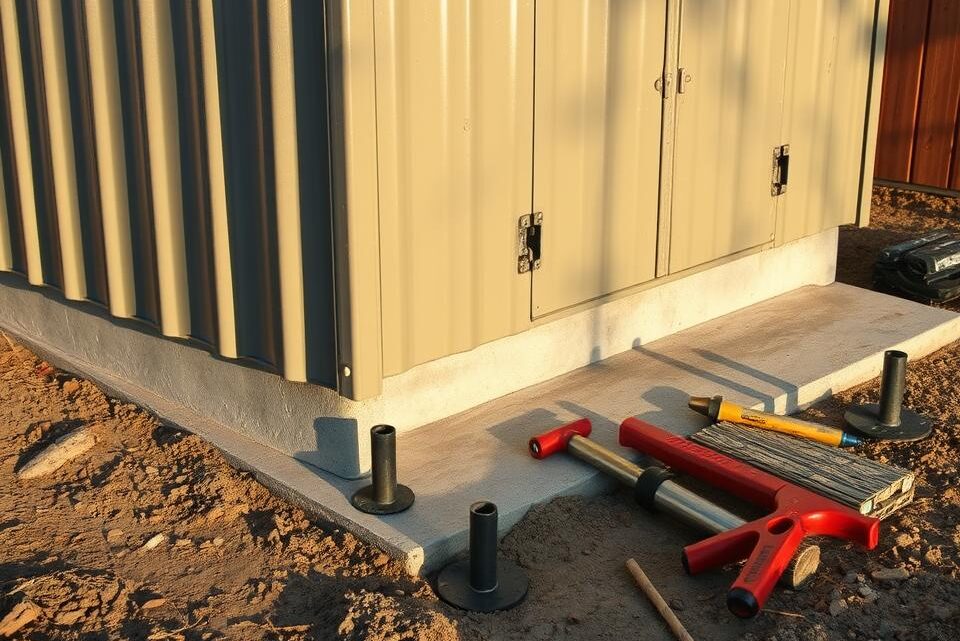
This short guide explains practical steps for anchoring a metal garden shed to the ground so you can create a secure shed that stands up to UK weather and everyday use. You will find clear, step‑by‑step instructions, an overview of shed foundation UK options, the tools and materials to expect, corrosion prevention tips and straightforward security enhancements.
Metal sheds commonly come in sizes such as 6×4 and 8×6 and are often built from galvanised steel or powder‑coated panels. Metal shed anchoring differs from timber shed procedures because fixings, base types and corrosion resistance need closer attention to preserve shed stability and lifespan.
Anchoring a metal garden shed to the ground also has a safety and regulatory side. Planning permission is rarely required for standard garden sheds, but anchoring must respect property boundaries, local bylaws and avoid underground services such as water, gas and electric. For typical DIYers, most anchoring tasks are manageable; consider hiring a contractor for concrete bases, difficult ground conditions or properties subject to stricter regulations.
Inhaltsverzeichnis
Key Takeaways
- Anchoring a metal garden shed to the ground improves shed stability and security.
- Common UK shed sizes (6×4, 8×6) often use galvanised steel or powder‑coated panels.
- Shed foundation UK options include concrete slabs, timber bearers and gravel bases.
- Always check for underground services and local bylaws before work begins.
- Most tasks suit competent DIYers; hire professionals for concrete work or complex sites.
- Common suppliers to consider include DURHAM, Tiger Sheds, Swan, B&Q, Wickes and Screwfix.
Why Proper Anchoring Matters for Metal Garden Sheds
Metal garden sheds are practical and compact, yet their lightweight frames make correct fixing essential. Proper anchoring reduces the chance of shed wind damage, improves shed security and supports shed longevity. Read on to understand the main risks, the clear benefits and how UK weather and rules affect your choice of fixings.
Risks of an unsecured metal shed
Strong gusts can lift or shift an unanchored metal shed, creating a hazard to people and property. The Met Office records frequent gales and seasonal storms across the UK. An unsecured unit may collapse, damage fences and roofs, or become a projectile in extreme weather.
Insurers commonly ask for proof of secure anchoring before accepting claims after storm damage. Mobile sheds attract opportunist thieves because they are easier to break into or remove. These risks raise safety concerns and can lead to invalidated insurance cover if anchoring is absent or poor.
Benefits of anchoring for security and longevity
Anchoring stops movement that stresses joints and panels. That reduces rattling, panel distortion and loose fasteners, which extends the shed’s useful life. A fixed base keeps doors aligned, improving lock performance and reducing weather ingress that speeds corrosion.
Secure fixings preserve structural integrity during storms, keeping tools, chemicals and machinery protected. Better stability lowers the likelihood of injury and reduces repair costs over time, supporting long-term value for the homeowner.
Relevance to UK weather and local regulations
Anchoring mitigates uplift and lateral forces typical of UK wind loads. Choice of anchors and base type should reflect local exposure, ground conditions and seasonal wind patterns. For exposed sites select heavier-duty anchors and a solid base to resist sustained winds.
Small garden sheds usually qualify as permitted development, but larger or unusually sited structures may need building control input. Always check GOV.UK guidance and local council rules before installing. Placing a shed near boundaries, drains or underground services can be restricted. Contact utility companies or use Dial Before You Dig services prior to excavation to avoid damaging live services.
| Concern | Risk if Unanchored | How Anchoring Helps |
|---|---|---|
| Wind | Uplift, shifting, collapse | Resists uplift and lateral forces to prevent movement |
| Security | Easy theft, forced entry | Improves shed security by fixing base and stabilising doors |
| Durability | Rattling, loose fasteners, corrosion | Reduces stress on joints and panels to boost shed longevity |
| Insurance and regs | Claim rejection, planning issues | Meets insurer expectations and supports compliance with local rules |
Types of Foundations and Base Options for Metal Sheds
Choosing the right base affects anchoring method, durability and cost. This short guide outlines common shed base options you will see across the UK and how each one suits different sites and budgets.
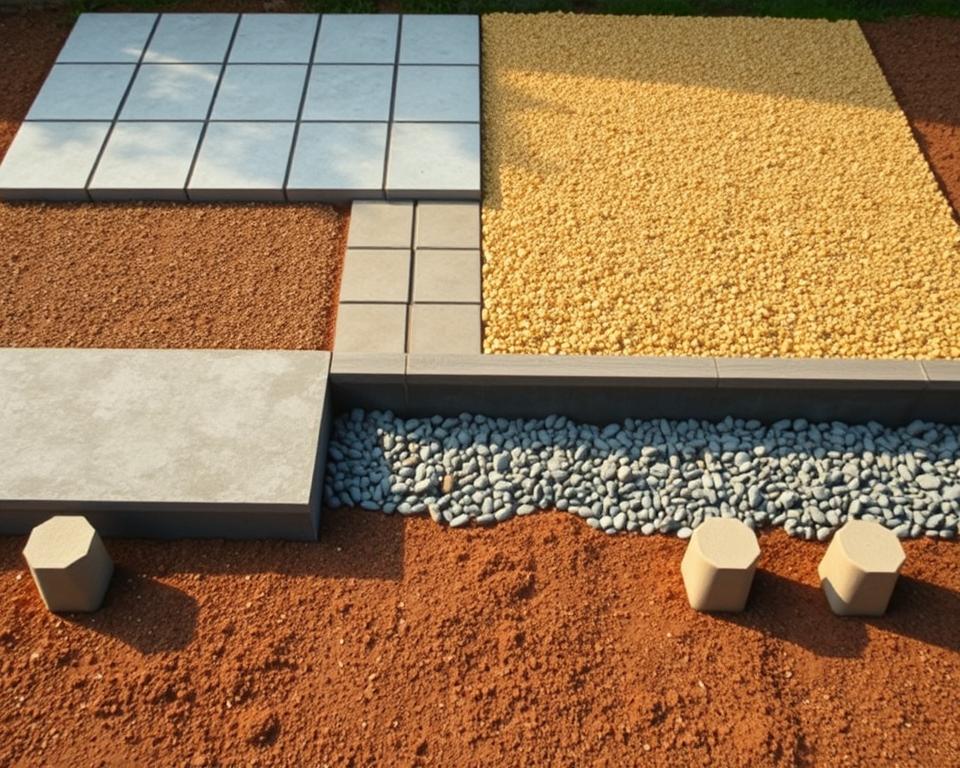
Concrete slab foundations
A concrete shed base is the strongest option for a metal building. A 100–150mm slab with A242 mesh and a DPC layer gives a flat, durable surface for drilling anchor bolts or using chemical anchors. This base spreads loads well and needs little maintenance.
Drawbacks include higher cost and labour. Expect curing time of about 7–28 days depending on mix and weather. A full slab is permanent and hard to move if you change the shed location.
Timber frame and bearers
Timber bearers shed systems sit on a concrete or paving base to raise the shed off the ground. They are quicker to install and improve ventilation beneath the floor, reducing rot risk. Use treated tanalised timber (C16/C24) and corrosion‑resistant fixings for longevity.
This option suits slight unevenness and makes levelling easier. Avoid timber alone on very soft or waterlogged ground unless paired with concrete pads or piers.
Concrete piers and blocks
Concrete piers or sleeper blocks lift the shed off the ground and work well on slopes or where minimal excavation is preferred. Piers must be set level and, where applicable, to frost depth. Anchoring uses coach bolts into saddles or steel plates fixed to the piers.
This approach preserves drainage and airflow under the shed. Careful alignment is essential to keep the frame square and stable.
Gravel and paving slab bases
A compacted hardcore layer with sharp sand and paving slabs or MOT Type 1 creates an economical, permeable base. A gravel base for shed installations drains well and costs less than concrete. Edge restraint and good compaction are crucial to prevent later movement.
For anchoring on gravel bases use screw‑in ground anchors or concrete pads at corners with chemical anchors for critical fixings. This option suits lighter metal sheds and those where a less permanent solution is preferred.
Below is a quick comparison to help choose between shed base options based on cost, permanence and suitability.
| Base Type | Typical Cost | Permanence | Best For |
|---|---|---|---|
| Concrete slab | High | Permanent | Heavy use, strong anchoring, long life |
| Timber bearers shed | Medium | Semi‑permanent | Raised floors, ventilation, quick install |
| Concrete piers/blocks | Medium | Semi‑permanent | Sloping sites, minimal excavation |
| Gravel base for shed / paving slabs | Low | Removable | Light sheds, cost‑sensitive installs |
Consider soil type, shed weight and future plans before deciding. Each choice changes how you anchor the frame and what long‑term maintenance is needed among common shed base options found in the market.
Essential Tools and Materials for Anchoring a Metal Garden Shed to the Ground
Get the right gear before you start. This short checklist covers the fixings, tools for shed base work and protective items you will need to anchor a metal garden shed safely and durably.
Fixings overview
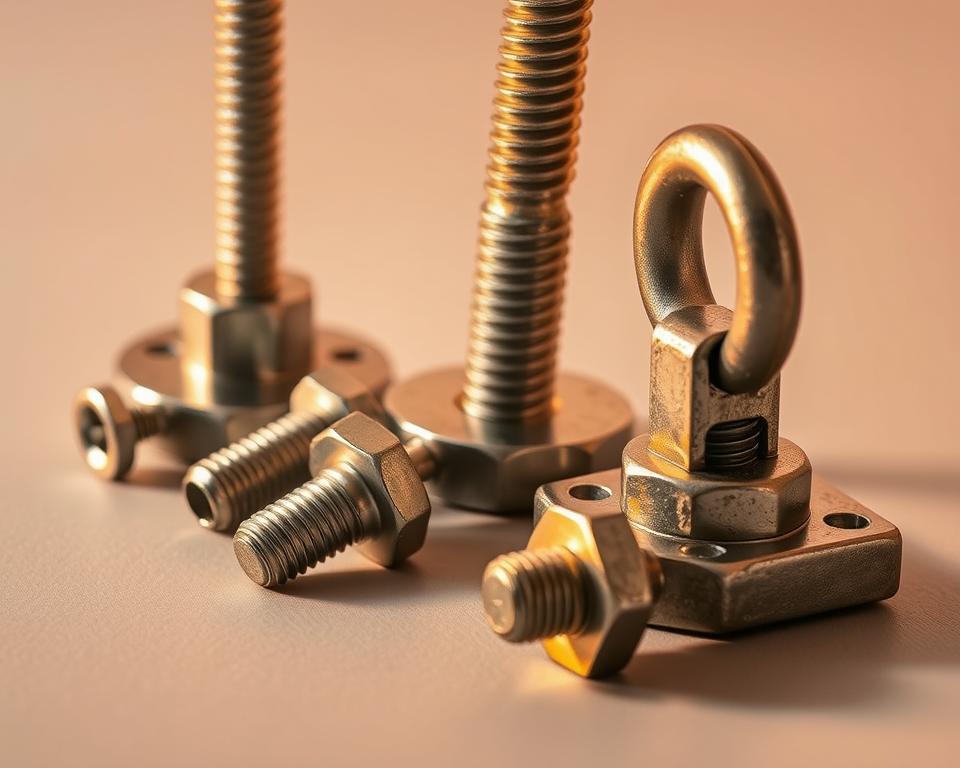
Ground anchors come in two main forms: helical screw anchors for soil and bolt‑in anchors for compacted hardcore or gravel. Brands such as Rawlplug, Fischer and Gripfast are widely stocked in the UK and offer tested options.
Use coach bolts for shed frames where you need a strong connection to concrete pads or timber bearers. Heavy duty hexagon head coach bolts in M10–M12 sizes work well when paired with washers and nyloc nuts to resist loosening.
Expanding anchors, sometimes called wedge anchors, suit concrete or paving. Choose stainless or galvanised fixings to reduce corrosion risk. For high load or cracked concrete, chemical resin anchors such as Hilti HIT or Fischer injectable systems provide superior bond strength; these are best handled by experienced installers.
Anchor plates and purpose‑made corner brackets from shed manufacturers simplify alignment and give neat attachment points that match frame profiles.
Tools you’ll need
For concrete work, an SDS rotary hammer or hammer drill with masonry bits speeds up drilling. A cordless drill with metal bits and step bits handles thin steel and timber fixings.
Bring the right spanners and a torque wrench to tighten coach bolts for shed frames. An impact driver is useful but not essential for most DIY jobs.
Basic layout and levelling tools include a spirit level, tape measure, string line and a good square. For ground preparation use a shovel, hand tamper or plate compactor. A hand saw or circular saw cuts timber bearers cleanly.
When using chemical anchors, a caulking gun rated for resin cartridges gives controlled application and a professional result.
Protective equipment and corrosion‑resistant materials
PPE matters. Use safety goggles, ear protection and gloves. Wear a dust mask when drilling concrete or cutting metal. Good boots protect your feet on uneven ground.
Prioritise corrosion resistance by specifying galvanised fixings or A2/A4 stainless steel where appropriate. Hot‑dip galvanised bolts and brackets perform best for buried parts. Treat cut edges with anti‑corrosion sealant or paint to stop rust at exposed steel.
Include a damp‑proof course or separator between metal bases and timber to avoid galvanic corrosion. Using the right combination of shed anchoring fixings, coach bolts for shed frames, expanding anchors and the correct tools for shed base work ensures a stable, long‑lasting installation.
Preparing the Site Before Anchoring
Good site preparation shed work starts with a clear survey of the spot. Assess soil type and drainage so the base will perform long term. Waterlogged or heavy clay soils often need an improved subbase or raised piers to avoid movement and rot.
Clear vegetation and remove topsoil to reduce future settlement. Compact a subbase such as MOT Type 1 to form a firm platform. Use straight timber battens with a spirit level or a laser level to check finished heights. Leave a slight fall away from the shed entrance to shed water.
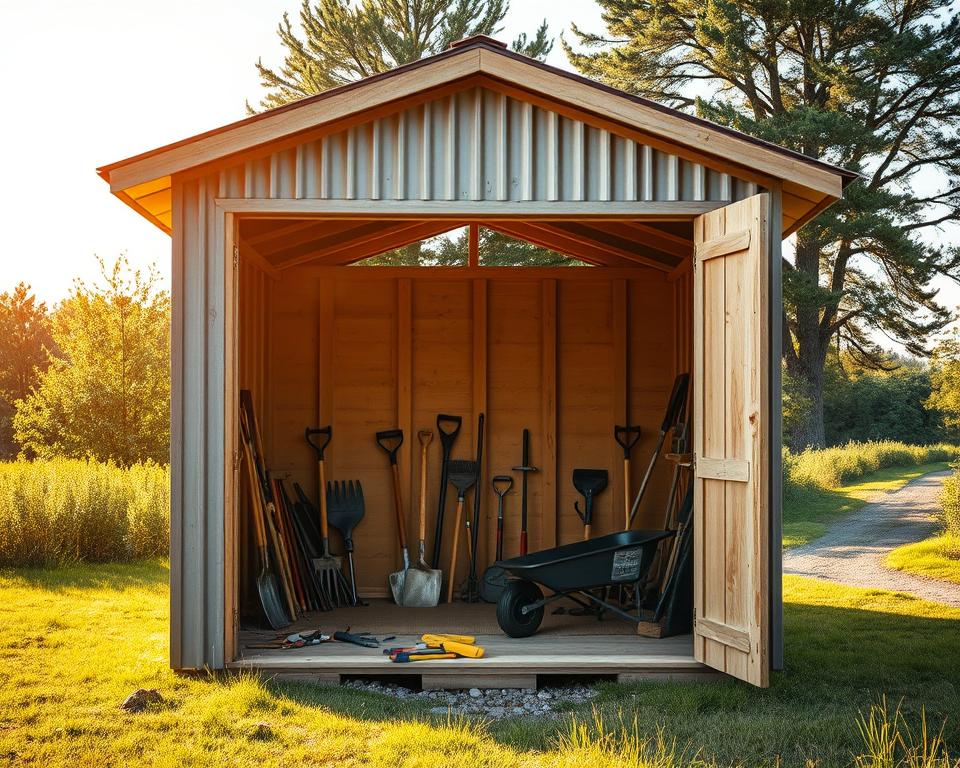
Before digging, always check underground services UK by contacting utility providers and using national enquiry services. Locate gas, water, electricity, fibre and drainage lines to avoid dangerous strikes. Confirm whether planning permission or building control guidance applies when a structure exceeds permitted dimensions or is used for habitation.
If work is near a shared wall or boundary, review property deeds and the Party Wall etc. Act 1996 for obligations and neighbour notification. This step avoids disputes and potential legal delay.
Measure and mark out the base accurately to ensure a square, level platform. Use the Pythagorean method to check diagonals, place corner pegs, then run string lines. Mark positions with paint or pegs and re-check diagonals after tightening string lines.
Allow clearance for installation access and any cladding overhang. Tight tolerances matter for metal sheds; a small twist will affect doors and fixings. Record measurements and compare them with the manufacturer’s base dimensions and recommended fixing points before pouring or fixing the final base.
| Task | Key checks | Recommended action |
|---|---|---|
| Assess soil and drainage | Clay, sand, loam; presence of standing water | Improve subbase or use raised piers for clay/wet sites |
| Clear and compact | Remove vegetation and topsoil; compaction level | Lay MOT Type 1 and compact to a firm, even platform |
| Level checking | Finished height, slight fall for drainage | Use battens with spirit or laser level to set levels |
| Locate underground services | Gas, water, electricity, fibre, drainage runs | Contact utility providers and check check underground services UK |
| Permissions and boundaries | Planning, building control, Party Wall issues | Confirm requirements and notify neighbours where needed |
| Marking out | Squareness, diagonals, allowance for cladding | Mark out shed base, set corner pegs, run string lines and verify diagonals |
| Final verification | Manufacturer base dims and fixing points | Record measurements and check against instructions before anchoring |
Step-by-Step Guide to Anchoring a Metal Garden Shed to the Ground
Start with a clear plan and the right materials. This short guide covers concrete shed base installation, how to anchor a metal shed, how to install ground anchors and the correct method for fixing shed frame to the base. Follow each step in order and check measurements as you work.

Setting and securing a concrete base
Excavate to the required depth for a 150mm slab plus 50–100mm compacted hardcore beneath. Lay a damp-proof membrane and reinforcement mesh, then set formwork square and level. Use ready-mixed concrete C20/25 for domestic slabs, compact the mix and trowel to a smooth finish.
Cast in anchor bolts or set threaded rods in sleeves while the concrete is wet for immediate fixing. If you prefer, wait for the slab to cure, then drill and use chemical or mechanical anchors. Keep the slab damp for several days and shield it from frost while curing to reduce cracking.
Installing ground anchors into soil or gravel bases
For screw-in helical anchors, drive by hand or machine to the specified depth and to the torque recommended by the manufacturer. Ensure anchor heads are orientated so brackets slot on easily. For expanding anchors into small concrete pads or paving under gravel, drill the correct diameter hole, clear dust with an air blower and tighten to the specified torque.
On soft ground use longer anchors or add small concrete pads to resist uplift. Place anchors at each corner and add midside anchors for larger sheds to spread loads and improve wind resistance.
Fixing shed frame to base with coach bolts or anchor plates
Locate the manufacturer’s base rails or bottom channels and predrill sheet metal where needed using suitable drill bits. Protect cut edges with a rust inhibitor to prevent corrosion. Use coach bolts with large washers and nyloc nuts or M10/M12 anchors sized to the load.
Use anchor plates or angle brackets to spread load on weaker bases such as paving slabs. Tighten to the manufacturer’s torque but avoid over-tightening to prevent distorting panels and doors.
Ensuring square alignment and checking levels
Measure diagonals to confirm the footprint is square before final tightening. Use a spirit level across the floor and walls, adjusting with packers or shims under base rails where necessary. Check roof panel alignment and that doors open and close freely.
Protect all anchor points with appropriate sealant and re-check bolt tensions after a few weeks. A quick revisit will catch settling and minor movement before it becomes a problem.
| Task | Recommended Material | Key Tip |
|---|---|---|
| Concrete shed base installation | C20/25 ready-mix, DPM, mesh, compacted hardcore | Keep slab damp during initial cure and protect from frost |
| Install ground anchors | Helical screw anchors or expanding anchors, correct torque wrench | Orient heads for bracket connection; use longer anchors on soft soil |
| Fixing shed frame | Coach bolts, large washers, nyloc nuts, anchor plates | Predrill metal, protect cut edges, avoid over-tightening |
| Squaring and levelling | Spirit level, tape measure, packers/shims | Measure diagonals and adjust before final fixings |
Anchoring Methods for Different Ground Types
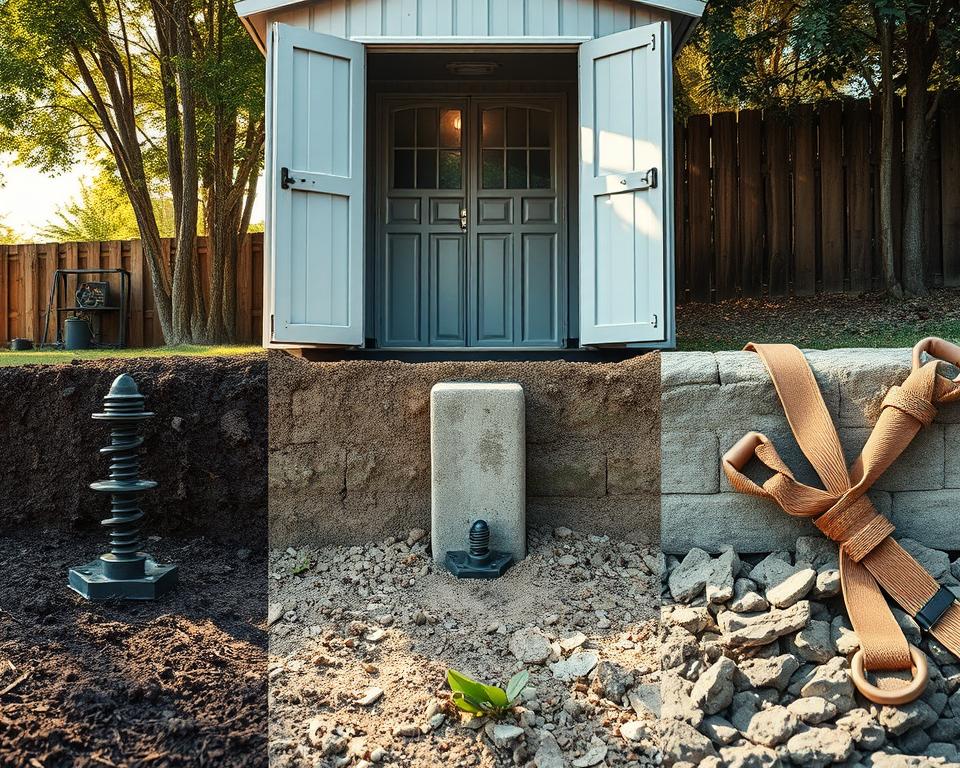
Choosing the right fixings depends on the base beneath your shed. Each ground type calls for specific anchors and preparation to offer reliable resistance to wind uplift and theft. The short notes below cover common situations and practical steps to anchor shed to concrete, anchor shed to gravel and anchor shed to soil.
Anchoring on concrete and paving
Solid concrete takes wedge anchors or chemical anchors best suited to medium loads. Pick anchors long enough to embed at least 75–100mm into the slab for secure hold. For paving slabs that sit on concrete edge restraints, fix through the slab into the underlying concrete edge or pour a small concrete pad beneath the fixing points to avoid cracking.
Thin slabs need protection. Use spreader plates to spread the load or bolt timber bearers through the slab into concrete pads. Coach bolts into concrete pads give a neat way to anchor the base rails without stressing fragile paving.
Anchoring on compacted hardcore or gravel
Gravel bases work if well compacted with a plate compactor. Screw‑in ground anchors or drive anchors that bite into the compacted subbase provide good pull‑out resistance. For added security, place larger concrete pads under anchor locations where loads concentrate.
Metal ground anchors with straps that fasten to base rails suit uneven or non‑permanent installations. Use longer anchors and cross‑bracing where uplift is a concern. These methods help anchor shed to gravel while keeping the base economical and practical.
Anchoring on grass, soil and soft ground
Soft soils and topsoil do not give reliable grip to simple stakes. Helical anchors that screw deep into the earth offer much better pull‑out resistance. Alternatively, dig to frost depth or below the topsoil and cast small concrete pad footings at each anchor point, then fix base rails with coach bolts.
Soil improvement can cut costs. Replace the topsoil with compacted MOT Type 1 subbase or use ground screws from reputable suppliers such as Ground Screw UK for consistent performance. These measures make it possible to anchor shed to soil safely and to reduce long‑term settling.
| Ground type | Recommended fixings | Key tip |
|---|---|---|
| Concrete / paving | Wedge anchors, chemical anchors, coach bolts | Embed 75–100mm; use pads or spreader plates for thin slabs |
| Compacted hardcore / gravel | Screw‑in anchors, drive anchors, strap anchors | Compact subbase; add concrete pads under anchors if needed |
| Grass / soft soil | Helical ground anchors, concrete pad footings, ground screws | Dig to frost depth or improve soil with MOT Type 1 |
Match anchor type to the ground and the shed size. Proper preparation and the right fixings will protect the building, keep doors operating and make insurance or warranty claims far more straightforward if damage occurs.
Corrosion Prevention and Long-Term Maintenance
Protecting a metal shed from rust and keeping its fixings secure makes the structure last longer and saves money. Choose the right materials, set a simple inspection plan and deal with any settlement early. Below are practical steps to prevent shed corrosion and keep maintenance manageable.

Choosing corrosion-resistant fixings
For most gardens, hot-dip galvanised or stainless-steel fixings are the best choice. In coastal areas, pick A4 stainless steel for extra protection against salt. When you cut or drill on site, treat exposed edges with a zinc-rich primer, cold galvanising spray or a touch-up paint such as Hammerite to stop early corrosion. Where timber meets metal, lay a bitumen strip or DPC to reduce moisture contact. In extreme environments, consider sacrificial anodes to avoid galvanic attack.
Inspection schedule and fastener care
Set a simple maintenance plan: inspect anchors, bolts and base fixings in spring and autumn, and after storms. Look for loose bolts, corroded heads, panels out of line, water pooling or softening beneath the base. When you find loose fastenings, retighten shed bolts to the manufacturer’s recommended torque but avoid over-torquing which can strip threads or fracture heads. Replace heavily corroded fixings rather than reusing them to prevent future failure.
Recognising and fixing settlement issues
Signs of settling include uneven floors, doors that rub or won’t close and gaps at the base rails. Minor unevenness can be corrected with packers or shims beneath base rails. For larger subsidence, lift the shed, re-compact the subbase and reinstall anchors or underpin with concrete piers. Small cracks in concrete can be filled with a suitable repair mortar. Keep drainage clear around the shed to stop subbase erosion and freeze–thaw damage.
Routine tasks for long-term shed maintenance
- Wash and clear gutters and surrounding drains to prevent standing water.
- Touch up any scratched paintwork and treat cut edges after drilling.
- Check galvanised fixings shed and replace coastal-suffering bolts with A4 stainless where needed.
- Create a log for shed maintenance dates and actions taken.
A steady approach to prevent shed corrosion and to retighten shed bolts at set intervals keeps repair work small and manageable. Regular shed maintenance reduces the risk of major base repairs and keeps the building secure for years to come.
Security Enhancements Beyond Anchoring
Anchoring strengthens a metal shed, yet extra measures improve theft resistance and user confidence. A mix of strong hardware, electronic deterrents and thoughtful planting gives a layered defence that suits UK gardens and weather.
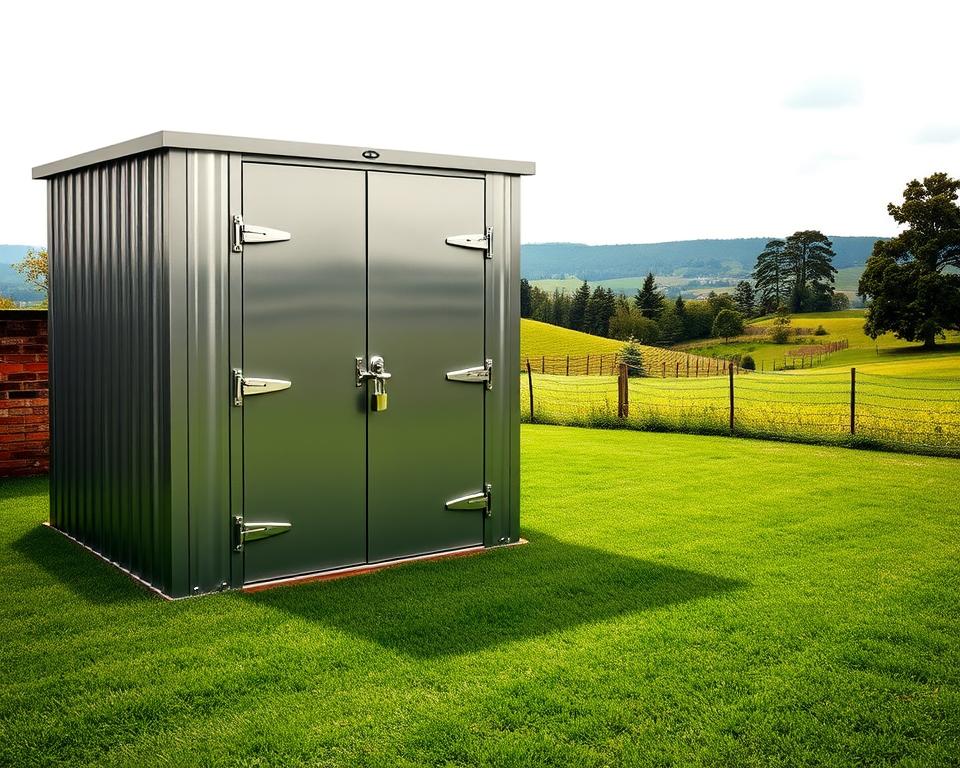
Door and window locks designed for metal sheds
Fit heavy‑duty hasp and staple sets with anti‑saw features and closed‑shackle padlocks. Choose Sold Secure rated options where possible from ABUS, Yale or Master Lock to protect hinges and points of attack. Weatherproof padlocks and lock boxes keep the shackle safe from corrosion and tampering.
For windows, add security film or grille guards and consider laminated glazing as a replacement. Internal deadbolts add resistance on the inside, making a secure metal shed harder to breach.
Ground anchors combined with alarm and lighting
Combine ground anchors with a battery or mains PIR shed lighting system to deter opportunists at night. Motion detection spotlights work well with visible fixtures and cut unwanted shadows around the building.
Install an outdoor rated shed alarm and link it to a smart hub from Ring or Yale Home for instant notifications. Ensure devices carry at least an IP65 rating for outdoor use. Anchor interior floor points to chain lawnmowers or bikes to immovable fixings for extra protection.
Camouflage and landscaping for added deterrence
Use planting, trellises and fencing to reduce sightlines from the street while keeping access for maintenance. Avoid dense hedges that create hiding spots; keep a clear perimeter for ventilation and inspections.
Position visible security cameras to monitor approaches and add signage to signal alarms or CCTV. These simple landscaping deterrents work well with physical measures to make a shed less appealing to thieves.
Costs, Timeframe and Common Mistakes to Avoid

Deciding how to anchor a metal shed often comes down to budget, time and avoiding pitfalls that add cost later. Below is a clear breakdown to help homeowners in the UK plan realistically.
Approximate costs for common anchoring methods
| Anchoring option | Typical UK price range | Notes |
|---|---|---|
| Ground anchors and straps | £40–£120 | Quick to fit for soft or compacted ground; good for small sheds. |
| Timber bearer base | £100–£400 | Cost depends on timber quality and ground prep; quicker than concrete. |
| Concrete slab base (materials & waste) | £300–£900 | Durable and low maintenance; cost rises with size and access issues. |
| Professional concrete base & anchoring | £400–£1,500 | Includes labour and finishing; varies by local labour rates and site conditions. |
Factors that can push the shed anchoring cost UK higher include difficult site access, poor ground conditions, removal of spoil and whether you choose galvanised or stainless fixings.
Typical time required: DIY versus professional
- DIY shed installation time for a small project: preparing and compacting a base often takes one day.
- Laying a paving or gravel base typically takes one day when ground is straightforward.
- Concrete slab work: site prep one day, pour one day and cure seven to twenty‑eight days before heavy use.
- Anchoring and assembling the shed after the base is ready usually takes two to six hours.
- Professionals can often complete a concrete base and anchoring in one to three days, not counting curing time, but scheduling may add delays.
Inexperienced installers should allow extra time. For concrete bases or complex anchoring, hiring a tradesperson can save time and reduce risk.
Common shed mistakes and how to avoid them
- Failing to check underground services. Always contact local utility services before digging.
- Inadequate compaction of the subbase. Use suitable subbase materials and a plate compactor to prevent future settlement.
- Incorrect anchor selection for ground type. Choose anchors rated for both uplift and shear loads for your soil.
- Over‑tightening bolts or drilling wrong holes in thin metal. Follow manufacturer torque settings and use correct drill bits to avoid distortion.
- Using ordinary steel fixings outdoors. Opt for galvanised or stainless fixings to prevent corrosion and costly repairs.
Planning for realistic DIY shed installation time and being aware of common shed mistakes will protect your investment and may lower insurance premiums for storm and theft protection.
Conclusion
Anchoring a metal garden shed to the ground is one of the best investments you can make for safety and longevity. Choose the right base for your soil and budget, whether that is a concrete slab, timber bearers, or compacted hardcore. Matching anchor types to ground conditions and using galvanised or stainless fixings will guard against movement and corrosion in the British climate.
Follow the step-by-step anchoring procedures: assess and level the site, check for underground services, mark out accurately and secure the frame with appropriate anchors or coach bolts. Routine maintenance, periodic inspections and retightening fastenings will extend the life of your shed and keep it a secure shed UK homeowners can rely on.
If in doubt, consult your local council or utility services before digging, and consider professional help for concrete bases or complex installs. Proper planning and the right materials turn a simple installation into a long-term, secure solution — a clear shed anchoring summary for anyone fitting a metal garden shed in the UK.
FAQ
What tools and materials do I need to anchor a metal garden shed?
At minimum you will need an SDS hammer drill or hammer drill with masonry bits, a cordless drill with metal bits, coach bolts (M10–M12), washers and nyloc nuts, suitable ground anchors or expanding anchors, spirit level, tape measure, string line and a tamper or plate compactor for subbase work. Use galvanised or stainless‑steel fixings, wear PPE (goggles, gloves, ear protection) and keep sealants, zinc‑rich touch‑up paint and a caulking gun to hand for corrosion protection.
Which foundation type is best for my shed — concrete slab, timber bearers or gravel?
The best foundation depends on ground conditions and permanence. A concrete slab (100–150mm with mesh) gives the strongest, longest‑lasting base and is ideal for drilling anchor bolts. Timber bearers on paving or concrete suit slightly uneven sites and raise the shed for ventilation. Compacted hardcore with paving slabs or gravel is cheaper and quicker but needs excellent compaction and edge restraint; use additional concrete pads under anchor points for heavy winds or larger sheds.
How do I check for underground services before digging for a base?
Always contact utility companies and use UK services such as “Dial Before You Dig” or local asset maps before excavation. For gas, water, electricity or fibre queries contact the relevant network operator. If in doubt, hire a CAT‑and‑Genny or an NRSWA‑compliant locator. Failing to locate buried services risks serious injury, damage and legal or repair costs.
Can I anchor a metal shed on grass or soft ground?
Yes, but simple ground stakes are usually insufficient. For soft or clay soils use deep helical ground screws, concrete‑in‑place pads set to suitable depth, or concrete piers. Improve pull‑out resistance with longer anchors and consider replacing topsoil with compacted MOT Type 1 subbase beneath anchor points. For very poor ground, concrete pads under base rails are recommended.
What fixings should I choose to resist corrosion in the UK climate?
Use hot‑dip galvanised fixings for most suburban locations and A2/A4 stainless steel near coastal or highly corrosive environments. For buried parts prefer hot‑dip galvanised; for visible bolts and nuts A2 or A4 stainless prevents staining and rust. After drilling, treat exposed edges with zinc‑rich primer or cold galvanising spray and use DPC between timber and metal to avoid galvanic corrosion.
How many anchors do I need and where should they go?
At minimum anchor each corner. For larger sheds add anchors at midpoints along long sides and additional anchors for heavy wind zones. On concrete, embed anchors at least 75–100mm and use chemical or mechanical anchors. On soil or gravel use helical anchors to specified depths. Always follow the shed manufacturer’s guidance for base rails and anchorage points.
Do I need planning permission to anchor a garden shed?
Most standard garden sheds fall under permitted development in the UK and do not require planning permission. Exceptions include large structures, sheds sited forward of the principal elevation, or use as living accommodation. Check GOV.UK guidance and local council rules. Anchoring itself does not usually need permission, but always confirm property boundaries and Party Wall obligations if working near neighbours.
How long does a concrete slab take before I can fix anchors and assemble the shed?
Concrete initial set occurs within hours, but full curing for strength is typically 7–28 days depending on mix and weather. You can cast in anchor bolts at pour time or wait for curing and use chemical anchors drilled into cured concrete. If using cast‑in rods set at pour, ensure accurate positioning and protection during curing.
What common mistakes should I avoid when anchoring a metal shed?
Common errors include failing to locate underground services, inadequate subbase compaction, choosing anchors unsuited to ground type, over‑tightening bolts that distort thin steel, and using ordinary steel fixings that rust. Avoid cutting corners by following manufacturer dimensions, checking diagonals for squareness, and using galvanised or stainless fixings. When unsure, seek professional help for concrete work or complex ground conditions.
How should I maintain anchors and fixings long term?
Inspect anchors and base fixings at least twice yearly and after storms. Look for loose bolts, corrosion, panel misalignment or water pooling. Retighten bolts to recommended torque without over‑tightening and replace heavily corroded fixings. Keep drainage clear, touch up cut edges with zinc primer, and repair small concrete cracks early to prevent larger base failures.
Are there security measures I can combine with anchoring to deter theft?
Yes. Fit high‑quality closed‑shackle padlocks or Sold Secure rated hasps (from ABUS, Yale or Master Lock), consider internal floor anchors for chaining valuable items, and add PIR lighting, alarms or CCTV (Ring, Yale) rated for outdoor use (IP65+). Landscaping and positioning can hide the shed from casual view while avoiding dense planting that traps moisture or conceals intruders.
Where can I buy reliable anchors and fixings in the UK?
Reputable retail and trade sources include B&Q, Wickes, Screwfix and Toolstation. Specialist manufacturers and brands such as Rawlplug, Fischer, Hilti and Gripfast supply anchors and chemical resins. For sheds and matched base plates look at manufacturers such as DURHAM, Tiger Sheds and Swan so you can match fixings to the shed’s base profile.
Can I use chemical (resin) anchors myself or do I need a professional?
Chemical anchors offer high load capacity and are ideal for thin or cracked concrete. Competent DIYers can use them if they follow manufacturer instructions precisely—correct hole cleaning, resin cartridge handling and working time are critical. For large installations, structural applications or where manufacturers’ warranties demand professional installation, hire a trained installer or contractor.