Practical Garden Tool Storage Tipps for a Clutter-Free Garden
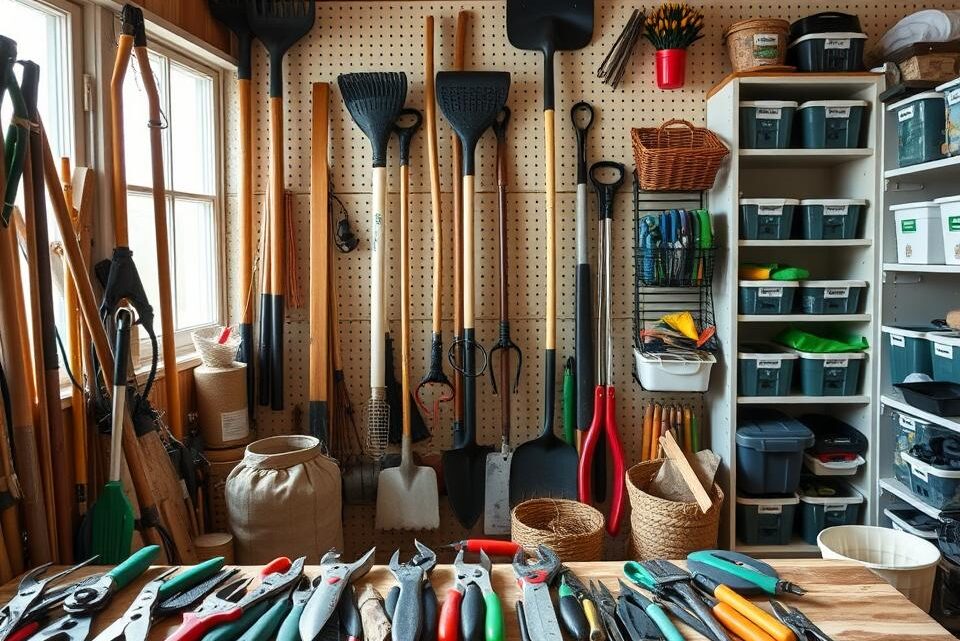
A well-organised outdoor space is the foundation of a truly enjoyable horticultural experience. When your equipment is properly stored, every task becomes more efficient and far less stressful.
Successful cultivation relies not just on having the right implements but on keeping them accessible and in prime condition. Neglecting this aspect often leads to damaged items, wasted time searching, and a cluttered workspace that saps the pleasure from your hobby.
This article introduces practical strategies to help enthusiasts of all levels maintain order in their sheds, garages, and outdoor areas. We will explore assessment techniques, material choices, and clever mounting solutions.
Implementing these approaches creates a safer environment, extends the life of your investment, and makes tending to your lawn and plants a more rewarding pursuit. These organisational methods are achievable for any space or budget.
Inhaltsverzeichnis
Key Takeaways
- An organised outdoor space significantly improves the efficiency and enjoyment of gardening activities.
- Proper care and storage of equipment are essential for maintaining their condition and longevity.
- Disorganised storage leads to frustration, time wastage, and potential damage to valuable implements.
- Practical storage strategies can be adapted to suit gardens and budgets of all sizes.
- Effective organisation contributes to a safer working environment for everyone.
- This guide will cover everything from initial assessment to DIY projects and innovative solutions.
Introduction: The Importance of Organised Garden Tools
The difference between a chaotic chore and a fluid, enjoyable activity often lies in how equipment is kept. A dedicated system for your implements is not merely about tidiness; it is a fundamental component of an effective horticultural practice.
Benefits of Neat Storage
An orderly approach yields immediate rewards. You can locate what you require instantly, eliminating the frustration of searching through disarray. This saves valuable time and mental energy.
Furthermore, systematic placement makes routine care straightforward. Spotting damage or dirt becomes simple, allowing for prompt cleaning and lubrication. This proactive maintenance significantly extends the lifespan of your investment.
Impact on Gardening Efficiency
When every item has a designated home, your workflow becomes seamless. Tasks are completed faster and with greater focus. This efficiency transforms the entire gardening experience, making it more productive and far less stressful.
Perhaps most importantly, a well-ordered space is a safer space. Sharp blades and pointed implements are securely stored, reducing the risk of accidents. This protective measure ensures your hobby remains a pleasure.
Assessing Your Garden Storage Needs
Before selecting any organisational system, a thorough evaluation of your specific requirements is paramount. This initial step prevents wasted expenditure on ill-fitting solutions and ensures your final setup is perfectly tailored.

Begin by asking fundamental questions. What implements must you accommodate? How much room is available in your shed or garage? Understanding the scope of your needs is the foundation of an efficient layout.
Evaluating Available Space
Precise measurements are crucial. Record the length, width, and height of your designated area. This reveals potential for vertical and horizontal utilisation.
Consider obstacles like door swings that could limit access. Account for floor space required for larger equipment, such as a lawn mower. A clear picture of your spatial constraints guides intelligent planning.
Identifying Essential Tools
Categorise your collection by frequency of use. Daily or weekly items deserve prime, easy-to-reach positions. Seasonal or specialist implements can be placed further back or higher up.
This prioritisation streamlines your workflow. It transforms your workspace into a highly functional environment where every item has a logical, accessible home.
| Usage Frequency | Recommended Location | Examples |
|---|---|---|
| Daily/Weekly | Waist-level, front of shed | Hand trowel, secateurs, gloves |
| Monthly | Eye-level shelving or hooks | Spade, rake, watering can |
| Seasonal | High shelves or labelled boxes | Lawn mower, hedge trimmer |
Choosing the Right Organiser for Garden Tools
Selecting the perfect organiser for your horticultural implements is a critical decision that impacts both functionality and longevity. The ideal choice depends on your collection’s size, the available space in your shed or garage, and your local climate conditions.

Material Considerations
Three primary materials dominate the market. Wood offers natural aesthetics and robust strength, though it requires treatment for outdoor use.
Metal organisers provide exceptional durability for heavy items but need protection against rust. Plastic options are lightweight, waterproof, and low-maintenance, making them practical for damp environments.
Indoor versus Outdoor Solutions
Your placement decision significantly influences material selection. For protected areas like garages, all materials can work well.
Outdoor installations demand weather-resistant properties. Consider how rain and temperature extremes might affect your chosen organiser over time.
Wall-mounted systems save floor space brilliantly. Freestanding units offer flexibility for larger collections. Always ensure your solution can accommodate tools of varying sizes securely.
Essential Garden Tool Storage Tipps for Clutter-Free Solutions
Proper maintenance habits serve as the cornerstone for preserving your horticultural investments. These fundamental practices ensure your equipment remains functional and accessible throughout the seasons.
Practical Strategies for Every Garden
After each use, clean and thoroughly dry your implements. This simple routine prevents rust formation and maintains their condition. Regular lubrication of moving parts reduces wear significantly.
Always keep equipment in a cool, dry environment. Moisture protection is essential for preventing corrosion. Proper conditions extend the lifespan of your valuable items.
Labelling each implement with clear identification saves time during busy periods. Quick recognition streamlines your workflow and reduces frustration.
| Frequency | Action | Benefit |
|---|---|---|
| After each use | Clean and dry thoroughly | Prevents rust and corrosion |
| Monthly | Apply protective oil | Reduces wear on moving parts |
| Seasonally | Inspect for damage | Ensures safety and functionality |
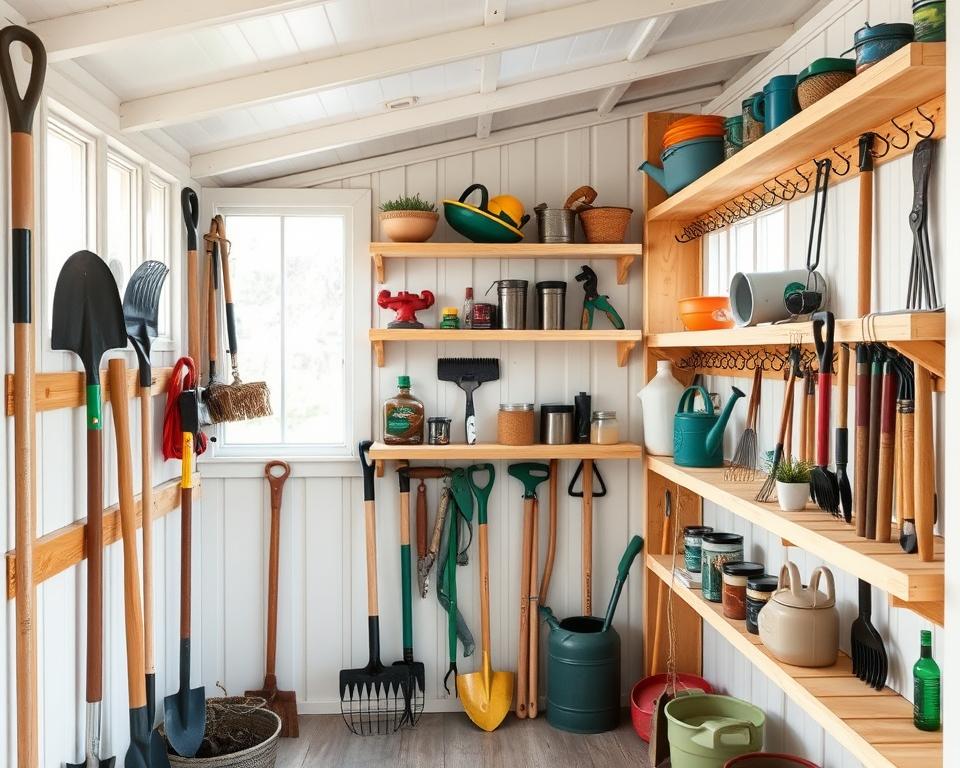
Position frequently used items at eye level using hooks or racks. This organisation method prevents damage from stacking and improves accessibility. Keeping equipment off the floor creates valuable space.
Designate a specific area for horticultural implements when sharing space with other items. This systematic approach eliminates searching and maintains order. Your workspace becomes more efficient and enjoyable.
DIY Garden Storage Ideas and Projects
Budget-conscious gardeners can achieve excellent organisation through simple DIY projects. These custom solutions allow perfect adaptation to your available space and specific collection of implements.
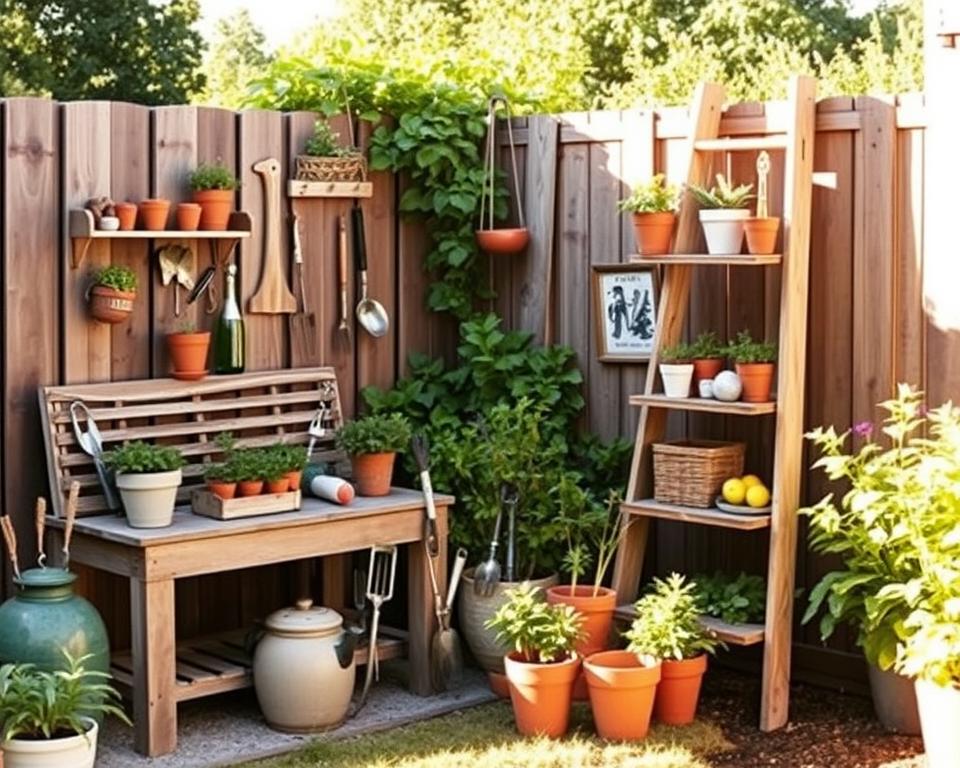
Creating your own organisers brings both economic and practical advantages. You control the materials, dimensions, and configuration to match your exact requirements.
Repurposing Old Materials
Transform discarded items into functional storage systems. An old garden hose becomes a protective rack when cut into sections and mounted vertically.
Wooden pallets offer sturdy frameworks for heavier equipment. Simply secure them to your wall for instant organisation of rakes and spades.
PVC gutter pipes create clever shelving for smaller items. Mount them horizontally to keep trowels and pruners neatly accessible.
Building Custom Tool Racks
Construct overhead storage using plywood panels with drilled holes. This system keeps longer implements safely above head level.
The two-minute rack solution uses scrap wood angled upward on wall studs. This quick project provides immediate organisation for frequently used items.
Hanging bucket organisers utilise simple ropes and hooks. They keep equipment off the floor while maintaining easy access.
Innovative Wall-Mounted and Vertical Storage Solutions
When working with limited floor area, turning to vertical surfaces can revolutionise your organisational approach. This method maximises available real estate without compromising accessibility.

Vertical systems transform unused wall space into highly functional zones. They effectively double your capacity without requiring additional ground area.
Using Pegboards and Hooks
Pegboards offer exceptional flexibility for custom layouts. You can arrange hooks, bins, and shelves to suit your specific requirements.
This adaptable solution keeps frequently used implements within easy reach. The modular design allows for adjustments as your collection evolves.
Overhead Storage Techniques
Ceiling-mounted racks provide excellent options for longer equipment. They safely store items above head level while keeping floor space clear.
This approach is particularly valuable for seasonal or bulky implements. It creates organised overhead zones that maximise vertical utilisation.
| Solution Type | Best For | Installation Complexity |
|---|---|---|
| Pegboard Systems | Small to medium implements | Low |
| Wall-mounted Racks | Heavier equipment | Medium |
| Overhead Storage | Long-handled items | High |
Smart Storage for Diverse Garden Tools
A one-size-fits-all approach rarely succeeds when managing a diverse collection of horticultural equipment. Different implements demand specific organisational methods to maintain their condition and accessibility throughout the seasons.
Shelving for Larger Items
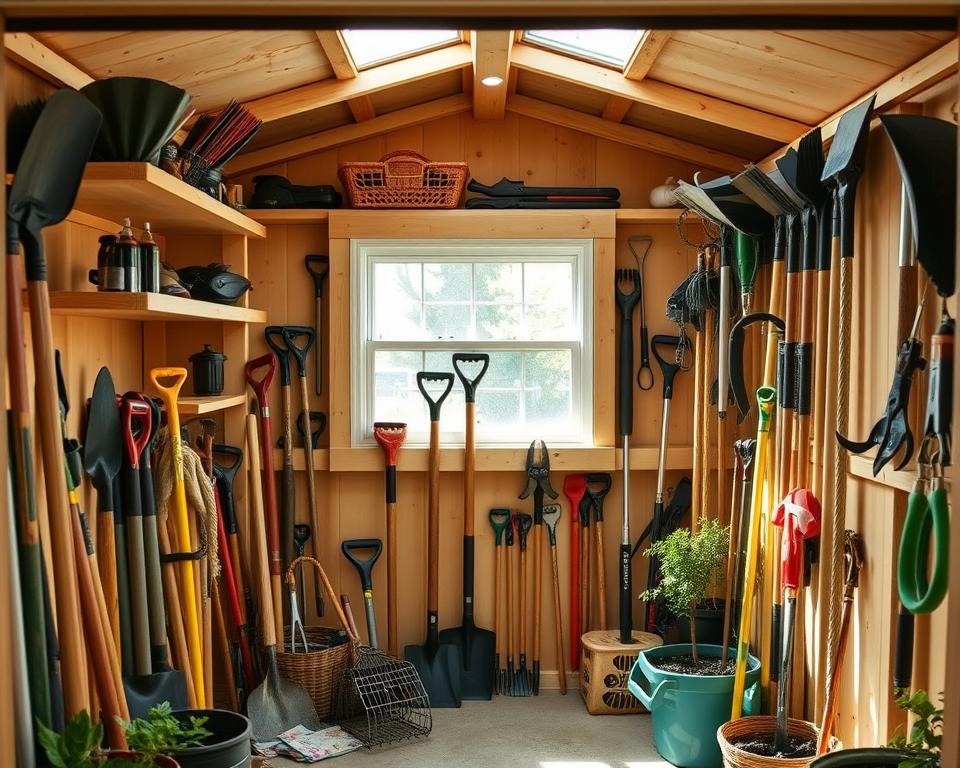
Garden tool racks provide excellent solutions for organising bulkier equipment in one convenient place. These systems come in various sizes and styles to suit different spaces and needs.
For a custom approach, build a yard organiser using simple woodworking techniques. Drill two-inch holes along a 1×4 board, spacing them to accommodate your specific implements. Leave a half-inch slot for easy handle removal and secure with 45-degree brackets.
Solutions for Smaller Tools
Creative approaches work wonderfully for compact implements. An old golf bag with large wheels makes an ideal mobile carrier for your lawn activities. Its deep design holds longer items while mesh pockets organise smaller accessories.
Install a mailbox near your planting areas for quick-access supplies. For overwintering bulbs, egg cartons provide free storage with built-in ventilation. Label each compartment for easy identification come spring.
These tailored approaches ensure every item, regardless of size, has an appropriate home. Your workspace becomes more efficient and enjoyable with these smart organisational solutions.
Budget-Friendly Garden Storage Options
Creating an organised space for your horticultural equipment doesn’t have to strain your finances. Numerous clever approaches deliver excellent results while keeping costs manageable.
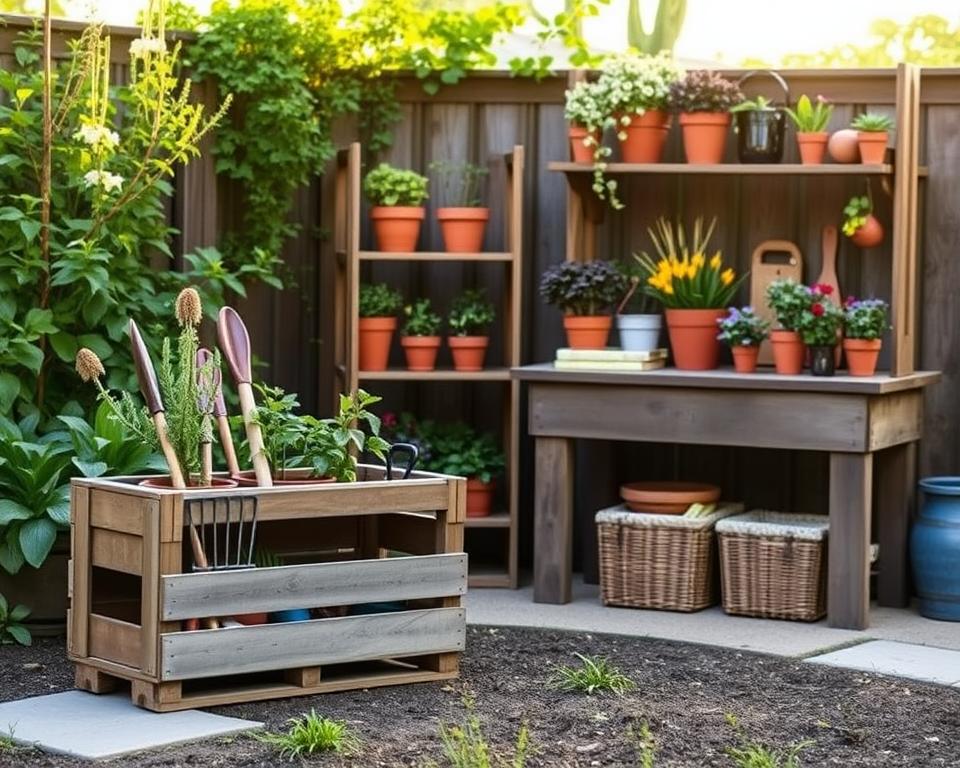
Many enthusiasts find crafting their own organisers both rewarding and economical. With basic materials and simple tutorials, you can create custom racks and shelves that rival commercial products.
DIY and Second-Hand Alternatives
Second-hand finds offer tremendous value for money. Local markets and online platforms frequently feature sturdy organisers needing minimal refurbishment. This approach saves significant funds while giving items a new purpose.
Seasonal sales present excellent opportunities for acquiring quality systems. Subscribing to store newsletters ensures you receive timely notifications about special offers.
- Transform a steel bucket into a hose caddy by hanging it from a wall hook
- Create DIY tarp weights using empty milk jugs filled with sand
- Use a large clay pot filled with sand for small implements
While budget-conscious, remember that quality materials provide better long-term value. A sturdy metal rack may cost more initially but prevents frequent replacements.
These creative solutions demonstrate how resourcefulness can produce highly functional organisers. Your outdoor space becomes both economical and efficient.
Organising Your Garden Shed and Garage
Anyone who has experienced the frustration of tripping over equipment in their shed will appreciate the value of a well-planned layout. Proper organisation transforms these spaces from hazardous zones into efficient work areas.

Optimising Layout and Accessibility
Accessibility remains crucial for effective workspace management. When implements are inconveniently placed, you’re less likely to use them correctly. Poor access can also lead to accidents.
Establish designated homes for each item and educate family members about these locations. When everyone knows where things belong, they’re more likely to return them properly. This system maintains order consistently.
For your wheelbarrow, create overhead storage using a simple method. Mount a 2-foot 1×4 plank across two studs about 2 feet above the floor. Secure it with metal mending plates, leaving ¾ inch protruding to catch the rim.
Rest the wheelbarrow on the plank and mark studs 1 inch above the bucket. Install ceiling hooks into the studs, twisting them to catch the lip. This solution keeps floor space clear while preventing accidents.
Secure garbage cans by fastening screw eyes to an exterior wall. Use hook-end elastic cords to strap them in place. Drill small holes below the rim and near the lid centre, threading rope through to keep lids secure.
These approaches create a safer environment while maximising available area. Your workspace becomes more functional and enjoyable for all horticultural activities.
Maintenance Tips for Long-Lasting Tool Storage
Your organisational system requires consistent care to remain effective. Regular inspection prevents minor issues from becoming major problems.
Establish a seasonal routine for checking your equipment. This practice helps identify wear early, allowing timely repairs. It also creates opportunities to declutter unused items.
Different materials need specific attention. Wooden organisers benefit from weather-resistant treatments. Plastic components require regular cleaning to maintain integrity.
Metal hooks and fittings should be checked for rust or loosening. Proper maintenance ensures your investment continues to serve you well over time.
Clear labelling of spray bottles and other supplies enhances safety and efficiency. This simple step saves valuable minutes during busy periods.
Consistent care protects your implements and improves your overall gardening experience. A well-maintained system supports productive work on the lawn and throughout your outdoor space.
FAQ
What is the best way to organise my lawn equipment and supplies?
The most effective method is to categorise your implements. Group similar items together, such as all digging equipment or pruning supplies. Utilise vertical space with wall-mounted racks and hooks to keep the floor clear and ensure everything has a dedicated place.
How can I create a storage system for my implements on a limited budget?
Consider budget-friendly options like repurposing old wooden pallets into a vertical rack or using second-hand kitchen utensil holders for smaller items. DIY projects using inexpensive materials like PVC pipes can create custom organisers that accommodate tools perfectly without significant expense.
Are metal or wood organisers better for outdoor use in a shed or garage?
Metal organisers, particularly those with a powder-coated or galvanised finish, generally offer superior resistance to rust and moisture, making them ideal for a damp shed environment. Wood can be a good choice if properly treated with a weather-resistant sealant, but it may require more maintenance over time.
What are some clever solutions for storing long-handled items like rakes and spades?
Wall-mounted solutions are excellent for long-handled equipment. You can install simple hooks or build a dedicated rack with notches to hold handles securely. Another space-saving idea is to use overhead beams in a garage or shed to hang them, keeping them off the ground and easily accessible.
How do I prevent my smaller gardening tools from getting lost or damaged?
For trowels, secateurs, and other small supplies, use a pegboard system with various hooks and baskets. This allows for a customisable layout. Alternatively, a sturdy toolbox or a hanging organiser with clear pockets can protect these items and keep them visible and organised.
What should I consider when planning the layout of my garden shed for optimal accessibility?
Focus on creating clear zones. Place frequently used items near the entrance. Use shelves for pots and bags of compost, and reserve wall space for racks. Ensure there is a clear pathway to prevent a cluttered feel and to make your gardening experience more efficient and enjoyable.