Garden Room with Side Shed Comparison Guide

Many UK property owners are discovering the benefits of multifunctional outdoor structures. Instead of choosing between a relaxing retreat and practical storage, they are opting for combined solutions. This trend addresses the desire to maximise one’s outdoor area efficiently.
Modern designers specialise in creating buildings that serve dual purposes. They expertly blend a comfortable, insulated living space with a discreet storage area. The result is a cohesive structure that enhances a property’s aesthetic appeal.
This resource offers a detailed look at these versatile buildings. It examines various designs, materials, and practical considerations. The aim is to provide essential information for making an informed choice that suits specific needs and budget constraints.
Inhaltsverzeichnis
Key Takeaways
- Combined structures offer both a habitable space and practical storage in one unit.
- Modern designs ensure the storage area integrates seamlessly with the main building.
- These solutions help maximise the usability of a property’s outdoor area.
- A variety of design options and materials are available to suit different preferences.
- Understanding the features and benefits is crucial for selecting the right solution.
- This guide provides the necessary insights for a well-considered investment.
Understanding Garden Rooms and Side Sheds
While over half of British gardens still feature a traditional shed, a significant shift towards more versatile garden buildings is undeniable. This evolution reflects changing needs, moving beyond simple storage to creating functional living spaces.
Differences Between Garden Rooms and Sheds
The fundamental divider is insulation. A standard shed lacks this, making it suitable for storage but uncomfortable for long periods. In contrast, a proper garden room is fully insulated for year-round use.
This core difference dictates their purpose. Sheds are ideal for housing tools and equipment. A garden room, however, can serve as a comfortable office or studio, regardless of the season.
Durability also varies. Traditional sheds often have shorter lifespans. Modern garden buildings use robust materials like steel frames, designed for longevity and daily habitation.
Overview of UK Garden Building Trends
The last decade has seen a dramatic change. Listings for properties featuring a garden office have skyrocketed by over 1000%. This surge is driven by remote work and a desire to maximise property potential.
This trend addresses two key desires: a dedicated, comfortable workspace and practical storage. Combined structures that offer both in one unit are becoming an increasingly popular solution for homeowners.
Design Options and Quality Materials
Modern construction techniques have revolutionised how outdoor spaces are designed and built. The selection of materials directly influences durability and performance.

Builders now prioritise quality components that withstand British weather conditions. This approach ensures long-term value.
Timber, Metal, and Composite Construction
Timber remains a popular choice for external cladding. It offers natural warmth and blends well with outdoor environments.
Metal frames provide superior structural integrity. They resist warping and maintain shape over time. Composite materials combine benefits from different substances.
These options offer enhanced durability compared to traditional wood structures. They resist rot and insect damage effectively.
Cladding and Insulation Innovations
Advanced cladding systems now feature commercial-grade construction boards. These provide A1 non-combustible ratings for safety.
Insulation technologies include certified airtight membrane wraps. These create exceptional thermal efficiency for year-round comfort.
Roof designs vary from pitched to flat styles. Each option impacts both appearance and functionality.
Upgrade options allow customisation of external finishes. Homeowners can select cladding that complements their property’s architecture.
Comparing Features, Benefits and Costs
Comparing specifications and pricing across different manufacturers reveals significant variations in what constitutes true value. A detailed examination of key components helps buyers make informed decisions.

Insulation, Doors, Windows and Layouts
Comprehensive insulation distinguishes premium structures from basic alternatives. Residential-grade specifications ensure year-round comfort across walls, roof, and floor.
Standard packages include quality windows and doors. Double or triple glazing options provide excellent thermal efficiency. These features maintain comfortable temperatures throughout seasonal changes.
Internal layouts require careful planning to optimise both living space and storage areas. Various size options accommodate different needs without compromising functionality.
Budget Considerations and Value for Money
Budget planning must account for both initial costs and long-term value. Some manufacturers offer inclusive pricing covering essential components.
Others require additional investment for heating systems and electrical installations. Transparent pricing helps buyers understand the total investment required.
Customisation options allow tailoring the design to specific requirements. Value extends beyond purchase price to include durability and energy efficiency.
Practical Considerations for Installation
Careful planning for the setup of a combined outdoor structure is essential for a smooth experience. Understanding the process from delivery to completion helps manage expectations.

Delivery, Installation Times and Warranty Details
The installation timeline for these versatile buildings depends heavily on the project’s scale. Most professional teams complete the work within several days to two weeks.
This process begins with preparing the base. Some companies include foundation work, like concrete mini piles, in their price. Others list it as an optional extra.
Reputable suppliers typically include both delivery and installation in the overall cost. This provides a hassle-free service from start to finish.
Adequate access to the area is crucial for the building team. They need space for vehicles and equipment to ensure a smooth installation.
A solid base is fundamental for the structure’s longevity. It provides stability and protects the investment for years to come.
Warranties offer significant peace of mind. Quality manufacturers often provide a 12-year warranty. Some extend to 25 years for steel frames.
Long-term maintenance is generally minimal. Modern materials like steel and composites need only occasional cleaning.
Professional installation ensures all systems are integrated correctly. It also guarantees that the building meets all necessary specifications.
Thoughtful space planning before work begins maximises the benefits. Consider sunlight, privacy, and access to both sections of the unit.
This careful approach to maintenance and the initial base preparation ensures the outdoor space remains a valuable asset.
Garden Room with Side Shed Comparison Guide
Evaluating different providers reveals distinct approaches to specification and pricing. Homeowners should examine how manufacturers structure their offerings.
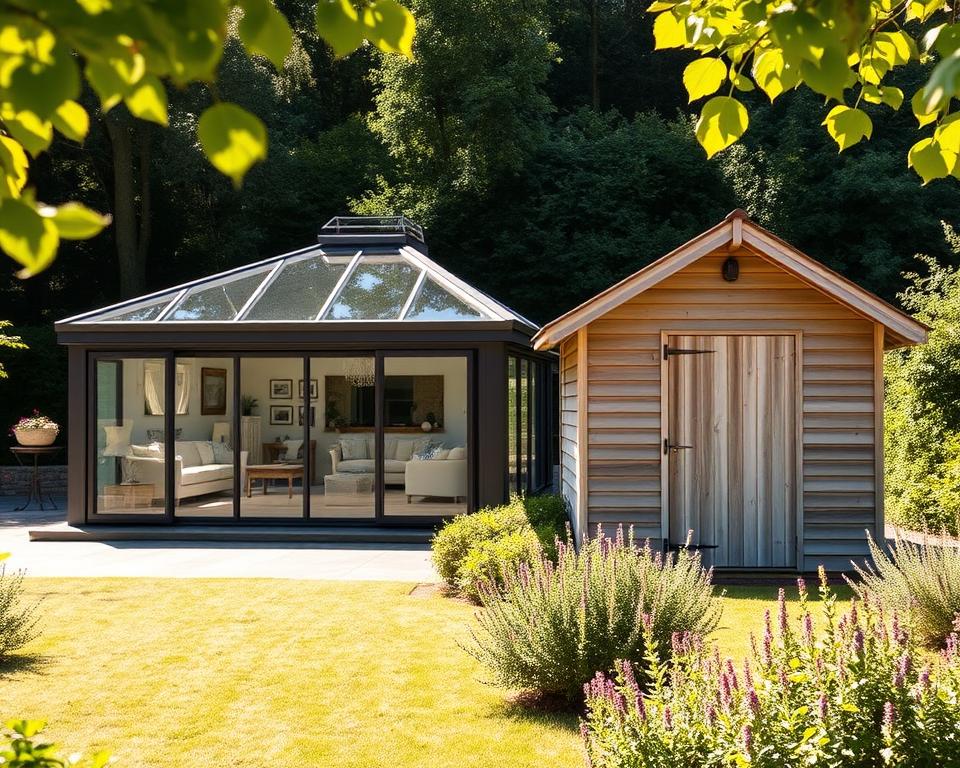
Customisation flexibility varies significantly between companies. Some offer limited preset designs while premium providers deliver fully bespoke solutions. These can be tailored to specific site conditions and functional requirements.
Most builds don’t require planning permission if they remain under specified height limits. Structures within 2m of boundaries may need approval. This affects placement options for your outdoor space.
Year-round use depends on comprehensive insulation covering walls, roof, floor and glazing. Fully insulated specifications enable comfortable office or leisure space regardless of season.
Internal ceiling height impacts the sense of space. Specifications vary by design range but generally provide adequate headroom. Some contemporary designs offer impressive cathedral-style heights.
Standard features versus optional upgrades differ across manufacturers. Some include heating and electrical installations in base prices. Others list these as additional cost options.
Warranty coverage typically extends to 12 years for structural components. This demonstrates manufacturer confidence in build quality. It provides long-term protection for your home investment.
Navigating Planning Permission and Building Regulations
Understanding the legal framework is a crucial step before any construction begins. It ensures the project proceeds smoothly and remains compliant.

Most outdoor structures fall under permitted development rights. This means formal planning permission is often not necessary. The structure must meet specific criteria regarding its size, height, and position.
UK Planning Permission Requirements
Key factors determine if planning consent is required. Placement is critical. Buildings positioned within 2 metres of a boundary may need permission, especially if their height exceeds certain limits.
Careful site planning from the outset helps avoid delays. It prevents the need for a retrospective application, which can be costly.
Ensuring Compliance with Building Control Standards
Building regulations focus on safety and health. They become applicable when a structure is intended for regular, habitable use. This is typically for a comfortable office or studio, not a basic storage unit.
Compliance ensures the building is structurally sound, well-insulated, and has safe electrical installations. Steel-framed structures are often designed to meet these standards from the start.
Professional companies usually provide essential guidance on these matters. They help ensure the design adheres to all local and national requirements.
| Scenario | Planning Permission | Building Regulations |
|---|---|---|
| Basic storage shed | Usually not required | Typically not applicable |
| Habitable garden office | Depends on size/position | Usually required |
| Structure within 2m of boundary | More likely required | Depends on intended use |
Optimising Year-Round Usability
Transforming an outdoor building into a space that is comfortable and practical in every season requires careful planning. The key lies in the materials and construction design.
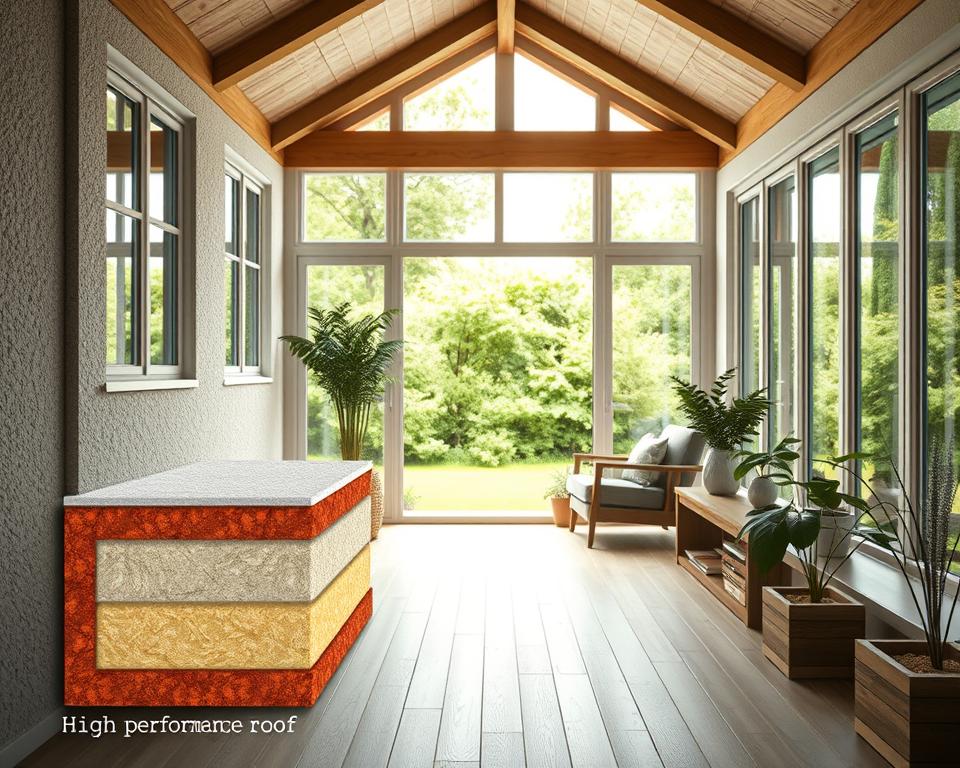
This approach ensures the interior remains a pleasant environment, whether it’s a chilly winter morning or a hot summer afternoon.
All-Season Insulation and Energy Efficiency
Effective insulation is the foundation of year-round use. It should cover walls, roof, floor, and glazing to create a consistent thermal envelope.
This system works to keep heat in during winter and reflects excess solar gain in summer. High-quality materials are essential for long-term performance.
Energy efficiency is a major benefit. A well-insulated structure requires less energy for heating and cooling. This reduces running costs and environmental impact.
Heating, Air Conditioning and Interior Comfort
For colder months, heating solutions like wall-mounted radiators provide essential warmth. Some manufacturers include these as standard.
Air conditioning is a valuable upgrade for summer. It prevents the space from becoming stuffy and uncomfortable during heatwaves.
Interior comfort also depends on good ventilation and natural light. Premium finishes, such as laminate flooring, enhance the feel of the space.
Sustainable Design and Eco Credentials
Modern design increasingly focuses on sustainability. This includes using responsibly sourced timber and energy-efficient components.
These eco credentials are important to many homeowners. They ensure the building is not only comfortable but also kind to the planet.
Investing in high-quality, durable construction pays off. It guarantees a comfortable retreat for many years to come.
Customisation and Additional Features
The true value of a combined outdoor structure often lies in its adaptability. Homeowners can tailor these buildings to their precise needs, ensuring the final product is a perfect fit for their lifestyle and property.

Custom Options and Upgrade Packs
Many suppliers offer packages that bundle popular enhancements. These options can include superior cladding materials, enhanced interior finishes, or advanced electrical systems.
This approach simplifies the choice for the buyer. It provides a clear path to a higher specification without needing to select every component individually.
For those seeking a unique solution, full bespoke designs are available. This allows for complete control over the space, from the roof style to the placement of windows and doors.
Enhancing Functionality with Integrated Side Sheds
The integration of a dedicated storage area is a masterstroke of design. Skilled designers create these additional rooms to blend seamlessly into the overall structure.
This clever integration means the storage section is often discreet, maintaining the building’s aesthetic appeal. It provides essential storage without compromising the main living space.
Internally, partition walls can be specified to create separate zones. This flexibility allows the interior to function as a comfortable office with adjacent storage, all within one cohesive unit.
Upgrades like timber cladding or specific roof types further enhance the building’s appearance and durability. These features ensure the structure becomes a valuable and personalised extension to any home.
Conclusion
A successful investment in an outdoor building hinges on understanding the synergy between design, materials, and intended use. This guide has outlined how a combined garden room and shed offers a versatile solution, merging comfortable living space with essential storage.
The fundamental choice rests on long-term needs versus initial budget. High-quality materials like steel frames and premium timber ensure durability and year-round comfort, making the structure a true extension of the home. Customisation allows for creating a perfect office or studio.
With professional installation and minimal maintenance, these buildings provide exceptional value. They maximise a property’s potential, delivering a dedicated, functional area that enhances lifestyle for years to come.
FAQ
What is the main difference between a garden room and a standard shed?
The primary distinction lies in construction quality and intended use. A typical shed is designed for basic storage, often with minimal insulation. A garden room is a more robust, high-specification building, built for year-round use as an office, gym, or lounge, featuring superior insulation, doors, and windows.
Do I need planning permission for a garden building with a side shed?
In many cases, these structures can be installed under Permitted Development Rights. However, this depends on specific criteria, including the building’s size, height, and its position on the property. It is always advisable to consult your local planning authority to ensure compliance.
What materials offer the best durability and low maintenance?
Modern composite materials and pressure-treated timber cladding are excellent choices. They provide long-lasting durability and require minimal upkeep compared to standard wood. Many suppliers also offer robust roofing materials like EPDM rubber for a watertight, maintenance-free finish.
How important is insulation for a year-round garden office?
A> Insulation is critical for comfortable, energy-efficient use throughout the seasons. High-quality insulation in the walls, floor, and roof regulates temperature, preventing the space from becoming too cold in winter or too hot in summer, which is essential for a functional home office or studio.
Can I customise the interior layout and features?
Yes, many companies offer extensive customisation options. You can often choose interior finishes, window and door configurations, electrical layouts, and integrated storage solutions within the side shed area to perfectly match your functional needs and personal style.
What should I consider when preparing the base for installation?
A level, stable base is fundamental. Common options include a concrete slab, paved area, or reinforced timber deck. The base must be able to support the building’s weight and size. Your supplier will typically provide specific base preparation requirements to guarantee a successful installation.
Are there sustainable or eco-friendly garden building options?
Absolutely. Many manufacturers prioritise sustainability, using timber from responsibly managed forests and eco-friendly insulation materials like sheep’s wool. Some designs also incorporate features for green credentials, such as sedum roofs or options for solar panel installation.