The Ultimate Guide to Log Cabin Moisture and Damp Prevention

Timber structures in British gardens face unique challenges from the country’s characteristic weather patterns. Managing humidity and water ingress represents one of the most significant concerns for owners of these beautiful wooden buildings.
The cellular structure of timber naturally absorbs moisture, continuing to draw in water long after processing. This inherent characteristic makes comprehensive protection strategies essential for maintaining structural integrity.
Understanding the relationship between condensation, dampness, and environmental factors is crucial for anyone investing in a garden building. Proper prevention techniques can safeguard against costly repairs and ensure decades of comfortable use.
This resource explores complete moisture management approaches, from foundation installation to ventilation systems. It addresses every component of timber structures, offering practical solutions tested in UK conditions.
Inhaltsverzeichnis
Key Takeaways
- Timber’s porous nature makes it naturally susceptible to moisture absorption
- Comprehensive protection strategies are essential for structural longevity
- Understanding condensation dynamics prevents damp-related issues
- Proper foundation and ventilation systems are critical components
- Regular maintenance practices safeguard against weather damage
- Effective moisture management ensures decades of comfortable use
- UK climate requires specific prevention techniques for garden buildings
Understanding Moisture and Dampness in Log Cabins
Condensation represents one of the most pervasive threats to the longevity of any log construction. It forms when warm, humid air meets a cooler surface, causing water vapour to turn into liquid. This process is particularly active in garden buildings, which are designed to stay cool.
Timber’s natural properties make these structures inherently vulnerable. Without sufficient insulation, temperature differences between inside and outside promote condensation on walls and roofs.
Common Sources of Moisture and Damp Issues
Several factors contribute to excess humidity inside a cabin. Roof leaks and damaged window seals allow rainwater ingress. Poorly sealed foundations can lead to rising damp from the ground.
Human activities also add significant moisture to the internal environment. Watering plants, storing damp equipment, and even breathing increase humidity levels, especially when ventilation is inadequate.
The consequences of unmanaged moisture are serious. Prolonged exposure causes timber to soften and deteriorate, compromising the building’s integrity. This damage can render the structure unsafe over time.
Mould and mildew growth is another significant hazard. These organisms thrive in damp conditions and can affect respiratory health. Identifying the problem early is crucial for effective treatment.
How Log Cabin Design Influences Damp Problems
Architectural choices play a critical role in moisture management. The placement of insulation, provision of ventilation, and elevation of the foundation are key design considerations.
Effective design mitigates issues by controlling temperature fluctuations. Proper drainage systems divert groundwater away, reducing the risk of dampness throughout the year, from summer humidity to winter chill.
Effective Insulation Techniques for Log Cabins
Thermal barriers play a crucial role in maintaining comfortable interior conditions throughout seasonal changes. Proper insulation slows heat transfer, keeping the space warm during winter months and cool in summer. This temperature stability directly reduces condensation risks.

Insulating Walls, Roof, and Floor for Heat Retention
Comprehensive coverage across three key areas ensures optimal performance. Walls require systematic installation to prevent lateral heat loss. Roof and ceiling insulation proves particularly vital as heat naturally rises.
Floor insulation creates an essential barrier against cold transfer from the ground. Materials like spray foam offer excellent coverage, while mineral wool provides fire-resistant properties. Each option suits different structural requirements.
Professional installation becomes necessary for technical applications. Specialised equipment ensures proper density and curing. This prevents unintended moisture traps within the insulation system.
Sealing Gaps Around Windows and Doors
Weatherstripping materials eliminate draught pathways that compromise thermal efficiency. These seals block moisture entry points around openings. Regular inspection identifies worn components needing replacement.
Proper sealing maintains protection throughout seasonal weather changes. It complements the primary insulation system effectively. This comprehensive approach ensures long-term structural integrity.
Optimising Ventilation to Prevent Condensation
Proper air circulation provides the most direct solution to humidity accumulation in wooden structures. Strategic ventilation systems create continuous airflow that expels moisture-laden air while introducing drier external air. This process maintains optimal humidity levels throughout the year.
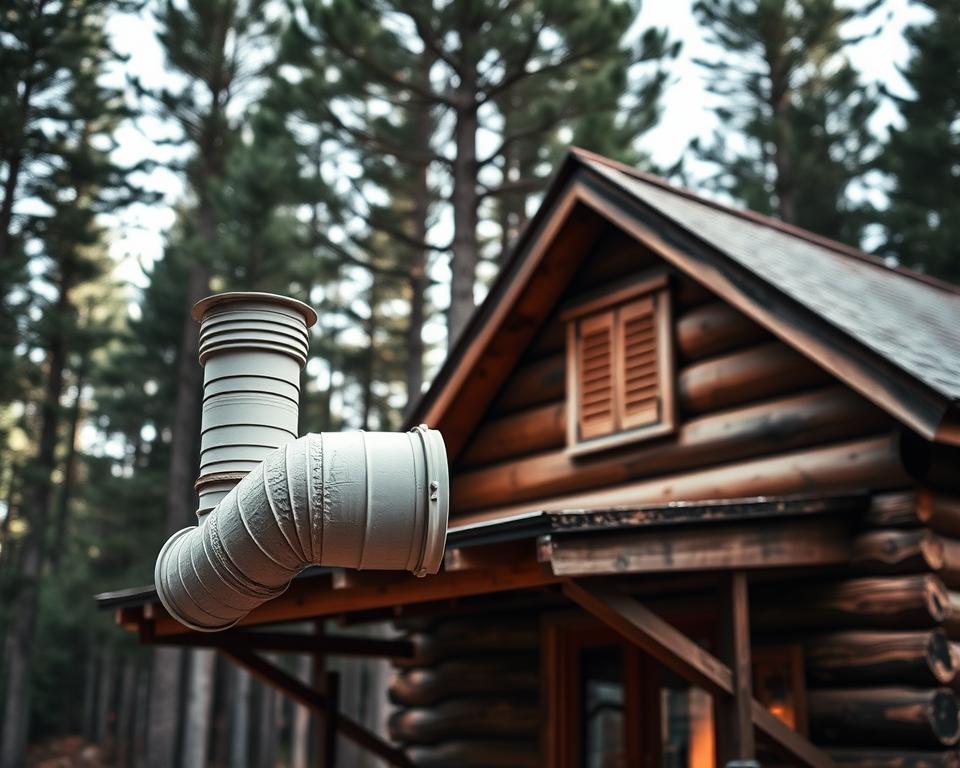
Effective ventilation represents a cost-efficient approach to moisture management. It prevents the conditions that lead to condensation formation on interior surfaces. Regular air exchange safeguards the timber’s structural integrity.
Benefits of Natural Ventilation Methods
Natural ventilation utilises existing openings like windows and doors. Opening them during cooler morning or evening hours facilitates optimal air exchange. This method requires no additional equipment or energy consumption.
Timing proves crucial for natural ventilation effectiveness. Avoid opening windows during extremely humid conditions when outdoor moisture levels exceed indoor readings. Strategic timing maximises benefits while minimising additional moisture introduction.
Enhancing Airflow with Passive Vents and Extractor Fans
Passive ventilation systems offer continuous airflow without electrical requirements. Wall-mounted or roof-installed vents create natural convection currents. Warm, moist air rises and exits through upper vents while drawing in cooler air from below.
Extractor fans provide active ventilation in areas prone to humidity accumulation. They create negative pressure that efficiently removes damp air from corners and storage spaces. This mechanical approach proves particularly effective during winter months when buildings remain closed up.
Proper vent placement follows basic airflow physics. Intake vents should position low while exhaust options install at higher levels. This configuration maximises natural circulation patterns throughout the entire room.
Guide to Log Cabin Moisture and Damp Prevention
A proactive, systematic approach is fundamental to safeguarding a timber structure from the damaging effects of excess humidity. This involves combining daily routines with strategic, long-term planning.
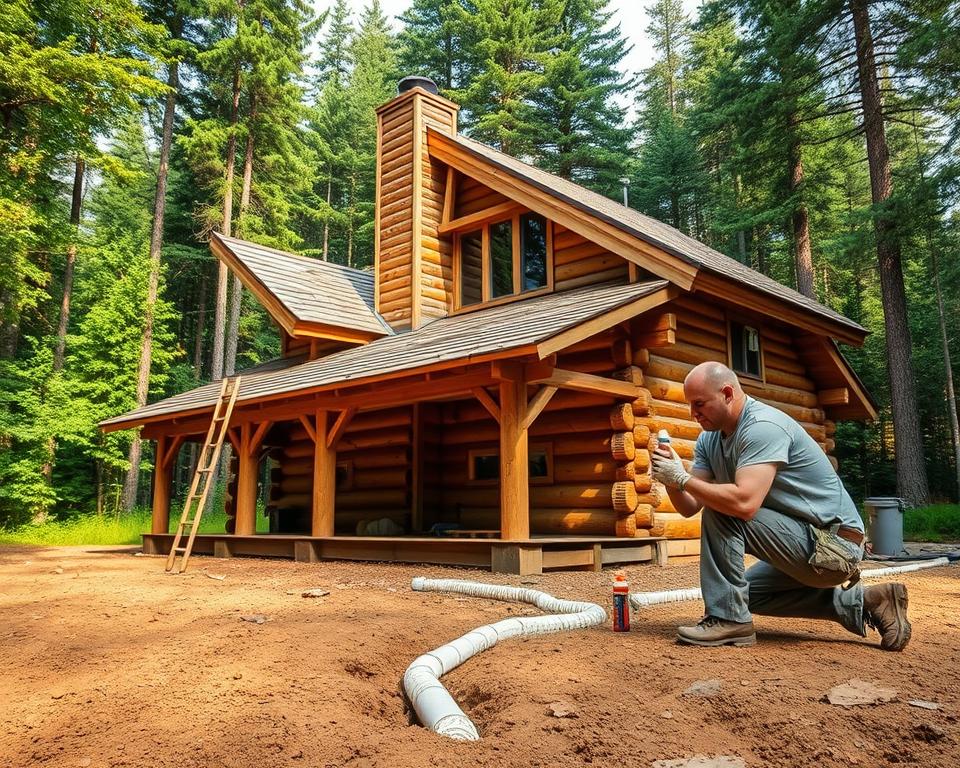
Implementing Preventative Measures Step-by-Step
Begin by ensuring excellent drainage around the base. This directs rainwater away, preventing pooling that can lead to rising damp. Installing a robust vapour barrier beneath the floor is the next critical step.
This specialised layer blocks ground moisture from seeping upwards. Inside, use elevated shelving and ventilated containers for storage. This simple practice promotes air circulation and prevents localised dampness.
Daily habits also make a significant difference. Open windows and vents when outdoor humidity is lower. This exchange of air removes internal moisture effectively.
Long-Term Strategies for a Dry and Healthy Cabin
For continuous protection, consider passive devices like moisture traps. These units work without electricity, offering a cost-effective solution. They require only periodic maintenance to remain effective.
Seasonal adjustments are also crucial. Increase ventilation frequency during humid summers. In winter, balance heating with adequate air exchange to manage condensation.
Establishing a regular inspection schedule is vital. Look for early signs like timber discolouration or surface damp. Catching issues early prevents costly repairs later.
| Strategy Type | Key Action | Frequency | Primary Benefit |
|---|---|---|---|
| Immediate & Daily | Strategic ventilation | Daily / As needed | Controls daily humidity spikes |
| Seasonal | Adjust ventilation & heating balance | Seasonally | Addresses specific climate challenges |
| Annual & Long-Term | Comprehensive inspection & maintenance | Annually | Preserves structural integrity over time |
Essential Maintenance and Treatment Practices
Regular upkeep forms the cornerstone of preserving any timber structure’s longevity and structural integrity. A comprehensive approach addresses all critical components systematically.

Timber Treatment and Routine Inspections
Quality wood treatment products create protective barriers against moisture and UV damage. These specialised coatings require reapplication every one to five years depending on exposure conditions.
Seasonal inspections prove vital for early problem detection. Professionals recommend checking after harsh winter weather or extreme rainfall. Look for signs like timber discolouration or joint separation.
“Preventative maintenance costs significantly less than structural repairs. Early intervention preserves both the building’s function and aesthetic appeal.”
Managing Structural Elements: Base, Beams, and Roof
The foundation supports the entire garden building. Ensure proper clearance from soil and debris accumulation. Foundation beams require annual checks for wear or sagging.
Roof maintenance extends beyond the covering material itself. Regular cleaning removes moss and leaf buildup that retains moisture. This prevents rot and mould growth in vulnerable areas.
| Component | Inspection Frequency | Key Maintenance Tasks |
|---|---|---|
| Base & Foundation | Annually | Check level alignment, clear debris |
| Walls & Surfaces | Seasonally | Reapply protective treatments |
| Roof Structure | Bi-annually | Clean surfaces, check seals |
Doors and windows need particular attention due to their exposure. Even treatment application prevents warping and operational issues. This systematic approach ensures decades of reliable service.
Conclusion
Protecting timber structures from humidity requires consistent attention to detail across all seasons. This proactive approach ensures garden buildings remain functional and attractive for many years. Regular maintenance prevents minor issues from becoming major problems.
A holistic strategy combines proper foundation work, insulation, and ventilation. Each element supports the others in creating a dry environment. Understanding condensation patterns helps owners make informed decisions about their maintenance priorities.
The investment in preventative measures proves cost-effective over time. Quality treatments and regular inspections protect against structural damage. This approach extends the lifespan of timber buildings significantly.
Seasonal awareness allows for appropriate adjustments in maintenance routines. Different strategies work best during various weather conditions. This adaptability is key to long-term success.
Well-maintained structures provide valuable space for various uses. They enhance property functionality while preserving aesthetic appeal. Following these practices ensures decades of reliable service from garden buildings.
FAQ
What are the most common causes of damp in a log cabin?
The most frequent causes include condensation from daily activities, rainwater ingress through poorly sealed windows or doors, and moisture rising from the ground through an inadequate base. High humidity levels inside the structure can also lead to problems.
How can proper insulation help prevent moisture issues?
Effective insulation maintains a consistent internal temperature, reducing the cold surfaces where condensation forms. It works alongside a robust vapour barrier to manage humidity and protect the timber from damp-related damage.
Why is ventilation so important for a log cabin?
Ventilation is crucial as it allows moist air to escape and fresh air to circulate. This process significantly reduces indoor humidity levels, preventing condensation and inhibiting mould growth within the garden building.
What routine maintenance checks help keep a cabin dry?
Regular inspections should focus on checking the roof for damaged shingles, ensuring seals around windows and doors are intact, and confirming that the base remains solid and dry. Treating the wood with a protective stain or sealant is also essential.
Can the design of a log cabin influence damp problems?
Absolutely. Features like wide roof overhangs offer protection from the weather, while a well-constructed base elevates the structure above ground moisture. The choice of timber and quality of construction also play significant roles.
What is the first step in tackling existing damp?
The first step is to identify and eliminate the moisture source. This might involve repairing a leak, improving ventilation, or addressing rising damp. The affected timber must then dry thoroughly before any repairs or treatments are applied.