How Long Do Garden Rooms Last? A Comprehensive Guide
Adding a garden room is a significant financial commitment for any homeowner. It transforms an outdoor space into a versatile area for work, leisure, or relaxation. Understanding the potential lifespan of this investment is crucial for making an informed decision.
The durability of these structures varies considerably. They are typically categorised into basic, mid-range, and high-end specifications. Each level offers a different expected lifespan, influenced heavily by the materials and construction quality.
This guide provides a detailed exploration of what determines how long a garden room will last. It covers the impact of materials, maintenance, and proper installation. Our aim is to help you maximise the value and enjoyment of your new space for many years.
Inhaltsverzeichnis
Key Takeaways
- Lifespan expectations vary significantly based on construction quality and materials.
- A basic garden room typically offers a functional life of 10 to 15 years.
- Mid-range options are designed to endure for approximately 20 to 30 years.
- High-end constructions, built to exacting standards, can last for 30 years or much longer.
- Proper maintenance and quality initial materials are paramount for longevity.
- Well-built structures can offer decades of service as a home office, gym, or guest accommodation.
How Long Do Garden Rooms Last? Key Factors Affecting Durability
The lifespan of a garden building is not fixed. It is shaped by several critical elements that work together. Understanding these factors helps owners protect their investment.
Influence of Weather Conditions and Maintenance
British weather conditions present a constant challenge. Persistent rain and fluctuating temperatures test the structure. Frost is particularly damaging, causing moisture within the building’s fabric to freeze and thaw. This cycle can crack roofing and damage seals around windows.
Trapped moisture is the primary enemy. It creates an environment where fungi thrive, leading to dry rot in timber. Regular maintenance is essential to combat this. An annual inspection of the exterior is highly recommended.
Owners should check for splits in paintwork and ensure seals are intact. Retreating timber every three to five years maintains its protective layers against the elements.
The Role of Insulation and Ventilation
Good insulation does more than keep a space warm. It helps maintain stable internal temperatures, which reduces condensation. This is vital for preventing moisture-related damage over time.
Ventilation is equally important. Simple actions, like opening windows or using trickle vents, allow internal moisture to escape. This stops it from condensing on walls and timbers.
A breather membrane wrapped around the insulated core offers further protection. It stops external moisture from getting in while letting internal vapour out. This technology significantly enhances the building’s longevity.
Durability and Construction Quality: Basic, Mid-range and High-end Options
Material selection and workmanship directly impact the durability of any garden structure. Outdoor buildings fall into three distinct categories based on their construction standards. Each category offers different longevity expectations and performance characteristics.

Material Quality and Construction Techniques
Basic structures typically use thinner timber sections with minimal insulation. They feature standard cladding options and simpler construction methods. These buildings serve well for temporary or occasional use.
Mid-range options employ improved timber quality and enhanced insulation. Better cladding materials and superior construction extend their usable life significantly. They represent a solid balance of cost and durability.
High-end constructions mirror timber-framed house building standards. They comply with Building Regulations and use premium materials throughout. Advanced insulation systems and professional techniques ensure maximum longevity.
Expected Lifespans by Specification
Basic garden rooms typically provide 10-15 years of service. Mid-range options can last 20-30 years with proper maintenance. High-end buildings often exceed 30-60 years of reliable performance.
Slow-grown timber offers superior durability due to denser growth rings. A manufacturer’s guarantee of at least five years indicates confidence in quality. Double-glazed windows help maintain stable internal conditions.
Choosing the right specification aligns with intended usage duration and budget. Quality materials and proper construction ensure the structure withstands environmental challenges. This investment protects long-term property value.
Essential Building Materials and Their Longevity
The selection of building materials significantly influences the longevity of an outdoor structure. Choosing wisely ensures better value over time.
Exterior Cladding Choices and Their Maintenance
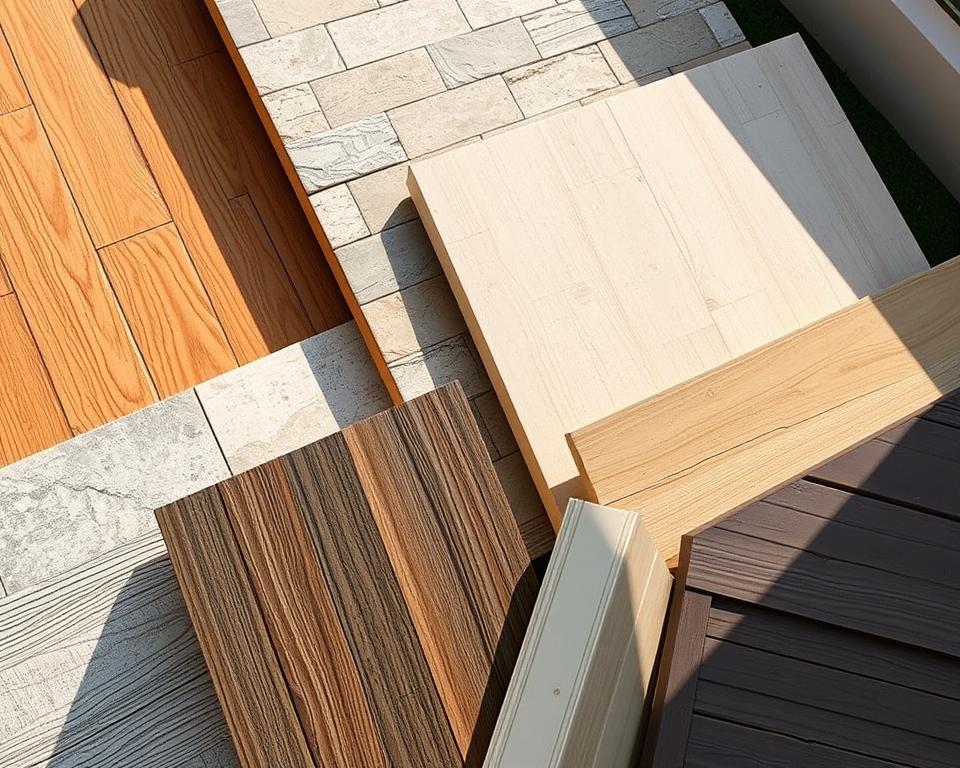
Exterior cladding represents a major investment in any construction project. Different materials offer varying lifespans and maintenance needs.
| Cladding Material | Lifespan (Years) | Maintenance Requirements |
|---|---|---|
| Scandinavian Redwood | 15-25 | Staining/painting every 3-5 years |
| Siberian Larch | 30-50 | Natural decay resistance |
| Western Red Cedar | 40-60 | Minimal maintenance needed |
| Composite Wood | 25-40 | Low maintenance |
| Cement Fibreboard | 50+ | Very little maintenance |
Premium timber options like Western Red Cedar provide exceptional durability. Composite cladding offers modern alternatives with reduced upkeep.
Roof Coverings: EPDM and Insulated Steel Panels
The roof system protects the entire structure from weather elements. EPDM membranes last 40-50 years with excellent UV resistance.
Insulated steel panels provide 30-40 years of service. They offer superior thermal performance and corrosion resistance.
Proper guttering directs water away from foundations. This prevents moisture damage to the building’s core.
Doors, Windows and Ventilation: Enhancing Structural Lifespan
The fixtures fitted to an outdoor building are more than just points of entry and light. They are critical components that influence its longevity and internal comfort. Selecting the right doors and windows directly impacts insulation, security, and airflow.

Effective ventilation is essential. It prevents moisture from building up inside the structure. This moisture can lead to condensation, which damages the timber frame over years. Opening windows or trickle vents provide vital air exchange.
This continuous airflow manages humidity from daily use. It keeps the internal space healthy and dry.
Benefits of uPVC and Aluminium Framed Fixtures
Modern garden room designs favour durable materials. uPVC is a popular option. These windows and doors are double-glazed, offering good thermal performance. They typically last 20-35 years with very little upkeep.
Aluminium-framed windows provide a premium option. They are strong, lightweight, and highly resistant to corrosion. Their lifespan often reaches 30-45 years, making them a superb long-term investment for any building.
Both materials outperform traditional timber. Timber is prone to swelling and requires frequent maintenance. Modern alternatives ensure the garden room remains a durable, low-maintenance space.
| Fixture Material | Typical Lifespan | Key Advantage |
|---|---|---|
| uPVC | 20-35 Years | Cost-effective, minimal maintenance |
| Aluminium | 30-45 Years | High strength, corrosion-resistant |
| Timber | 15-25 Years | Traditional appeal, but high upkeep |
Quality windows and doors protect the structure. They seal the garden room from the elements, contributing significantly to its overall durability.
Planning, Installation and Compliance with UK Standards
Navigating UK regulations ensures your outdoor structure remains compliant and durable. Understanding planning requirements and foundation choices protects your investment.

Many garden buildings qualify as permitted development. Specific criteria must be met to avoid formal applications. Height restrictions are particularly important for compliance.
Planning Permission, Foundation Options and Environmental Considerations
You may not need planning permission if your structure meets specific parameters. Eaves height should not exceed 2.5 metres. The highest point must stay below 4 metres for dual-pitched roofs.
Buildings must be positioned at least 2 metres from boundaries. Total coverage of land around the original house cannot exceed 50%. Always consult your local council before starting work.
Foundation selection significantly impacts longevity. Different options suit various ground conditions and environmental priorities.
| Foundation Type | Best For | Environmental Impact |
|---|---|---|
| Concrete Base | Larger structures, maximum stability | Higher disruption, traditional method |
| Ground Screws | Most soil types, quick installation | Minimal ground disturbance, eco-friendly |
| Concrete Piles | Uneven terrain, stable support | Less invasive than full concrete base |
Professional Installation and Long Term Investment Advice
Professional installation guarantees structural integrity and weatherproofing. Experts ensure proper ventilation and electrical safety compliance. This directly impacts how many years your space will last.
Costs range from £5,000 to £30,000 depending on specifications. Premium materials and quality insulation represent better long-term value. Composite options often prove more cost-effective despite higher initial outlay.
Choosing experienced installers with specific garden room expertise protects your investment and ensures regulatory compliance.
Verify credentials and review previous projects before selecting contractors. This advice helps homeowners make informed decisions about their valuable outdoor space.
Conclusion
Choosing a well-built garden room is a decision that pays dividends for decades. The potential lifespan varies widely, from a decade for basic models to over half a century for premium builds.
Material selection is paramount. Durable cladding and robust insulation ensure the structure stands up to the elements. Professional installation and regular upkeep are vital for achieving maximum longevity.
View this addition as a long-term property investment. A high-quality garden room offers a versatile space, perfect for a home office or gym. It enhances your lifestyle and property value.
Seeking expert advice ensures your specific needs are met. With careful planning, your garden room will be a cherished and functional part of your home for many years.
FAQ
What is the typical lifespan of a garden room?
The lifespan of a garden room varies significantly based on its construction quality and materials. A basic structure might last around 10-15 years, while a mid-range building can serve for 20-25 years. High-end garden rooms, built with superior materials and techniques, can easily last 40-50 years or more with proper care.
How do weather conditions affect a garden room’s longevity?
Weather conditions play a crucial role. Constant exposure to rain, wind, and UV rays can degrade materials over time. Properly sealed and maintained exterior cladding, along with a robust roof system, is essential to protect the structure from the elements and ensure a long life.
Does the choice of foundation impact how long a garden room lasts?
A> Absolutely. A stable, level foundation is critical for structural integrity. Options like a reinforced concrete base or ground screws provide excellent stability, preventing subsidence and water damage. A poor foundation can lead to serious issues, drastically reducing the building’s lifespan.
What maintenance is required to maximise a garden room’s lifespan?
Regular maintenance is key. This includes inspecting and cleaning the roof, checking seals around doors and windows, and treating timber cladding with a protective stain or paint every few years. Keeping the gutters clear and ensuring good ventilation will also prevent moisture-related problems.
How important is insulation for a garden room’s durability?
High-quality insulation is vital. It not only makes the space comfortable but also prevents condensation, which can lead to damp and rot. A well-insulated garden room with adequate ventilation maintains a stable internal environment, protecting the structure from moisture damage over the long term.
Are there advantages to choosing uPVC or aluminium doors and windows?
Yes, uPVC and aluminium framed fixtures offer excellent durability and weather resistance. They require minimal maintenance compared to timber and are less prone to rotting or warping. Their superior seals also enhance energy efficiency and protect against water ingress.
Is planning permission usually required for a garden room?
In many cases, garden rooms fall under permitted development rights, meaning planning permission is not needed. However, there are restrictions regarding size, height, and location. It is always advisable to check with the local planning authority before beginning construction.
Why is professional installation recommended?
Professional installation ensures the garden room is built correctly from the ground up. Experts understand how to create a weathertight structure, properly install insulation, and ensure compliance with building regulations. This guarantees the building’s safety, performance, and longevity, protecting your investment.