How Long Do Metal Sheds Last?

Investing in garden storage requires careful consideration of durability and value. Many homeowners wonder about the typical lifespan of these structures before making their purchase.
Metal sheds have earned a reputation for being robust, secure, and requiring minimal upkeep. A high-quality galvanised steel unit can provide reliable service for decades, while budget options may offer shorter service life.
The answer to this question depends on several important factors. Material quality, environmental conditions, installation standards, and maintenance practices all play crucial roles in determining how many years of use one can expect.
In the UK, regional climate variations significantly impact shed longevity. Areas with high rainfall, such as Aberdeen and Huddersfield, present different challenges compared to drier regions. Proper selection and care are essential for maximising the investment.
This guide explores what buyers can expect from their garden storage solution. It covers durability expectations, maintenance strategies, material comparisons, and expert buying considerations to help make informed decisions.
Inhaltsverzeichnis
Key Takeaways
- High-quality galvanised steel structures can last 20 to 30 years or more
- Budget models may only reach 10-15 years without proper care
- Material thickness and protective coatings significantly influence durability
- UK climate conditions, particularly rainfall, affect shed lifespan
- Proper installation and regular maintenance extend service life considerably
- Some well-maintained units can potentially exceed 100 years of use
- Understanding these factors helps select the best value for specific needs
Understanding the Lifespan of Metal Sheds
The durability of garden storage units varies significantly based on construction quality and environmental factors. Realistic expectations help homeowners make informed decisions about their outdoor storage investments.
Overview of Lifespan Expectations
A well-maintained metal shed typically provides service for 20 to 30 years. Budget options constructed from thinner materials may only reach 10-15 years without adequate protection.
Premium galvanised steel structures can exceed three decades when properly installed and cared for. These timeframes assume appropriate maintenance and reasonable care throughout the unit’s service life.
Environmental and Weather Impacts
UK climate conditions significantly influence how long a metal shed lasts. Regions with high rainfall like Aberdeen and Huddersfield present greater challenges for longevity.
Extreme weather accelerates wear and tear through moisture exposure. This can compromise protective coatings and lead to rust formation over time.
Proper positioning and ventilation help mitigate environmental impacts. Understanding these factors assists in selecting appropriate specifications for specific locations.
Key Factors Affecting Metal Shed Durability
The longevity of an outdoor storage structure depends heavily on material selection and installation quality. Understanding these elements helps homeowners make informed decisions about their investment.
Material Quality and Rust Resistance
Different materials offer varying levels of durability for garden storage. Galvanised steel provides excellent protection with its zinc coating that fights corrosion effectively.
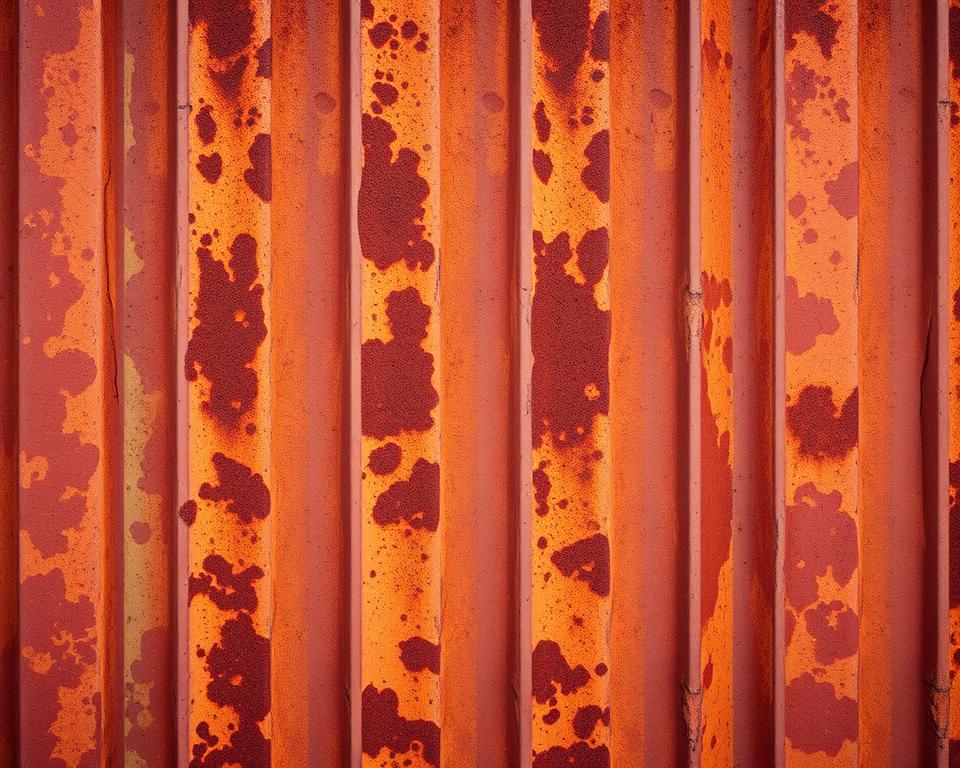
Aluminium offers natural rust resistance but may lack the sturdiness of steel. Panel thickness significantly impacts strength – premium units use 1.2mm steel while budget options may only have 0.25mm panels.
Proper Installation and Base Preparation
Even the highest quality steel requires correct installation for maximum lifespan. The foundation is crucial for structural stability and moisture control.
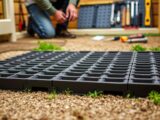
Concrete slabs offer durable support for larger structures. Gravel bases provide excellent drainage while paving slabs work well for smaller units. Wooden platforms elevate the structure to prevent ground moisture.
Never place a storage unit directly on soil or grass. Soil retains moisture which accelerates rust formation and compromises security.
Maintenance Tips to Extend Your Metal Shed’s Life
Implementing simple maintenance routines ensures optimal performance from outdoor storage units. Proper care transforms these structures into long-term assets rather than temporary solutions.
Rust Prevention Strategies
Rust represents the primary threat to steel storage buildings. High-quality powder-coated or galvanised finishes provide excellent corrosion resistance.
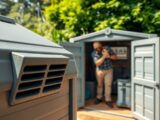
Condensation control proves crucial for preventing moisture damage. Proper ventilation through roof and fascia vents reduces humidity accumulation inside the structure.
Routine Inspections and Repair Essentials
Regular checks identify potential issues before they compromise structural integrity. Schedule inspections every six months, particularly after severe weather.
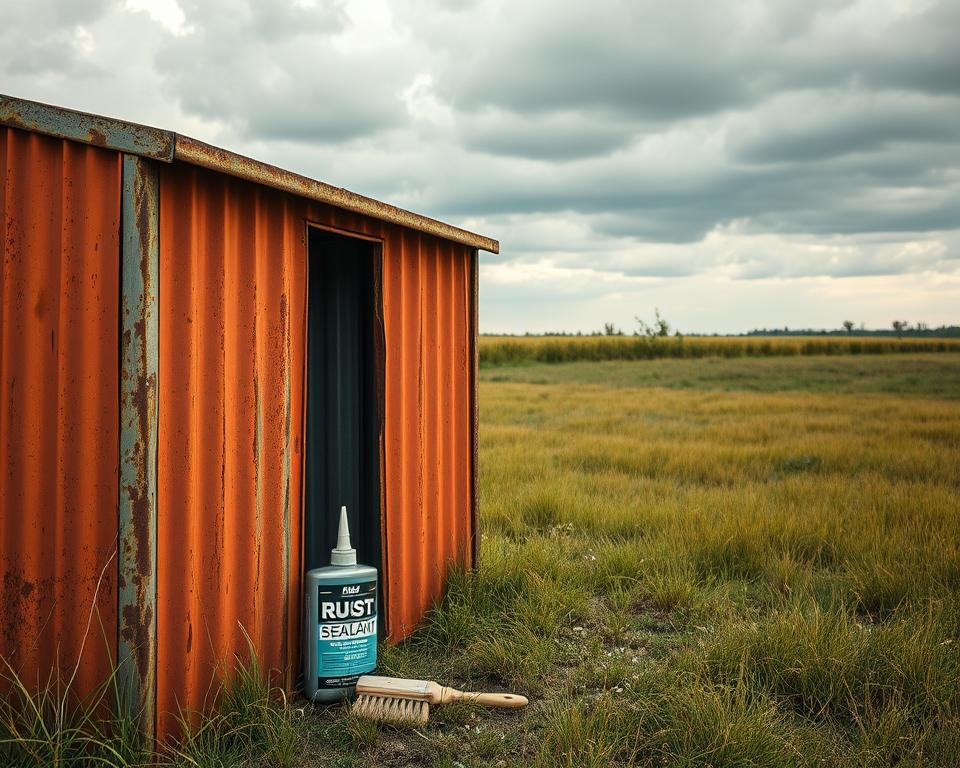
Address minor scratches immediately to prevent rust development. Apply rust-proof spray or touch-up paint to exposed metal surfaces.
These straightforward practices make steel sheds remarkably low maintenance. With minimal time investment, quality units can serve reliably for decades.
Comparing Metal Sheds with Other Shed Materials
When selecting garden storage, homeowners face a material choice that significantly impacts long-term value and upkeep. Understanding the differences between metal, wood, and plastic helps make an informed decision.
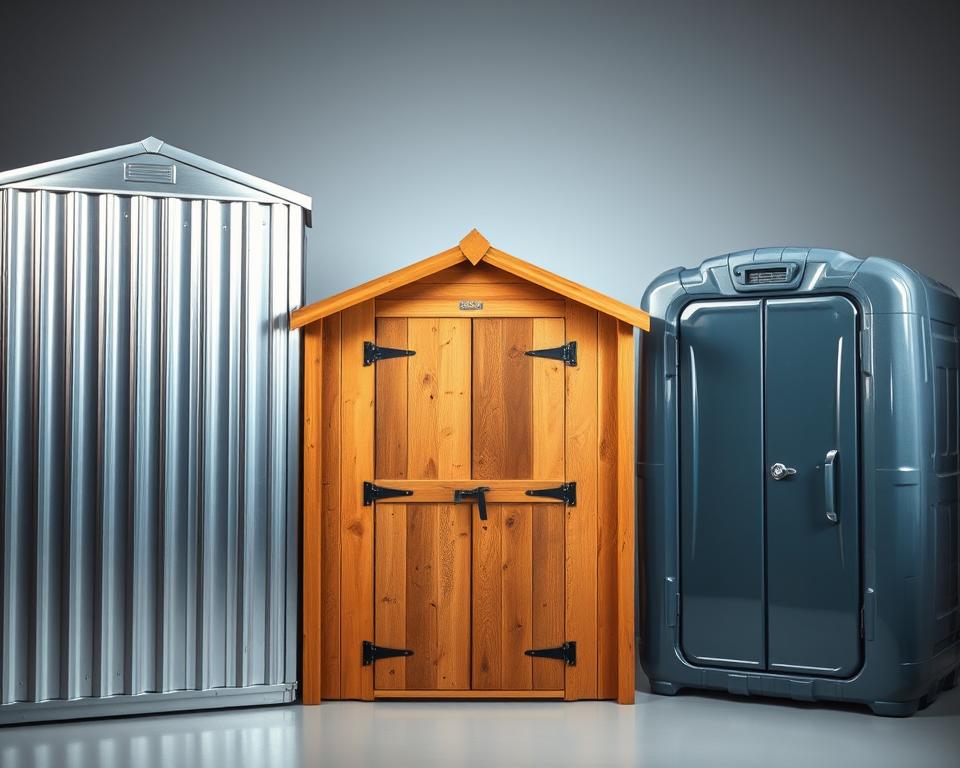
Wooden Sheds: Pros and Cons
Traditional wooden garden sheds offer a classic aesthetic many homeowners prefer. They provide excellent natural insulation and blend beautifully into garden settings.
However, these structures typically last 15-25 years and demand significant maintenance. Regular treatments are essential to prevent rot, warping, and insect damage.
Wooden sheds generally command higher upfront prices than other options. They’re also vulnerable to fire and present disposal challenges due to treatment chemicals.
Plastic Sheds: Durability and Maintenance
Plastic resin sheds represent a lightweight, rot-proof alternative for garden storage. They require minimal maintenance and resist moisture-related problems effectively.
These units typically offer 10-20 years of service but have weaker structural integrity. Plastic can fade, crack, or become brittle over time, potentially requiring earlier replacement.
While affordable initially, their shorter lifespan may negate long-term savings. Plastic sheds also present environmental concerns as they’re not eco-friendly like recyclable metal options.
For buyers prioritising durability with minimal upkeep, metal sheds offer the best combination of longevity, security, and value. They outperform both wood and plastic in weather resistance and require less ongoing attention.
How Long Do Metal Sheds Last? – A Detailed Overview
The service life of steel garden structures depends on multiple interconnected factors. Buyers can establish realistic expectations by understanding quality tiers and regional considerations.
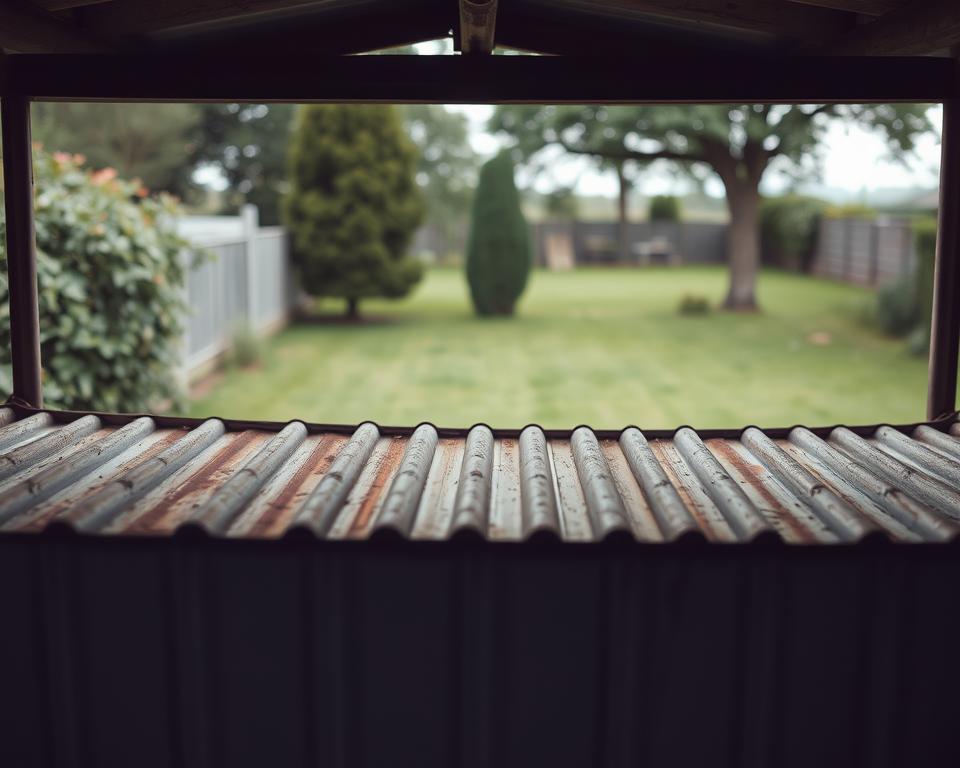
Average Lifespan Estimates
Different quality levels offer varying durability for garden storage. Budget models constructed from thinner materials typically provide 10-15 years of service. These units may show signs of wear earlier in challenging conditions.
Mid-range options with better coatings can reach 15-25 years with proper care. Premium galvanised steel structures often exceed three decades of reliable performance. Some well-maintained installations continue functioning effectively for much longer periods.
Exceptional cases demonstrate remarkable longevity potential. With excellent maintenance and protective measures, certain steel garden buildings have surpassed a century of use.
Factors Influencing Longevity in the UK
British climate conditions significantly impact outdoor storage durability. Regions with high rainfall present greater challenges for corrosion protection. Coastal locations face additional risks from salt-laden air accelerating wear.
Proper installation foundations prove crucial for structural integrity. Quality materials with protective coatings resist environmental stresses more effectively. Regular maintenance routines dramatically extend functional service life.
Understanding these variables helps buyers select appropriate specifications. Realistic expectations lead to better investment decisions based on local conditions and intended usage patterns.
Expert Insights and Buyer Considerations
Expert insights reveal that true shed value extends far beyond the initial price tag. Savvy buyers consider long-term performance and protection levels when selecting garden storage solutions.
Evaluating Quality, Cost and Warranty
Premium manufacturers like Asgard use 1.2mm thick panels compared to economy options with 0.25mm thickness. This substantial difference impacts both security and longevity.
Warranty periods provide clear indicators of manufacturer confidence. Asgard offers a 10-year guarantee while Trimetals provides a 25-year panel guarantee – the longest available.
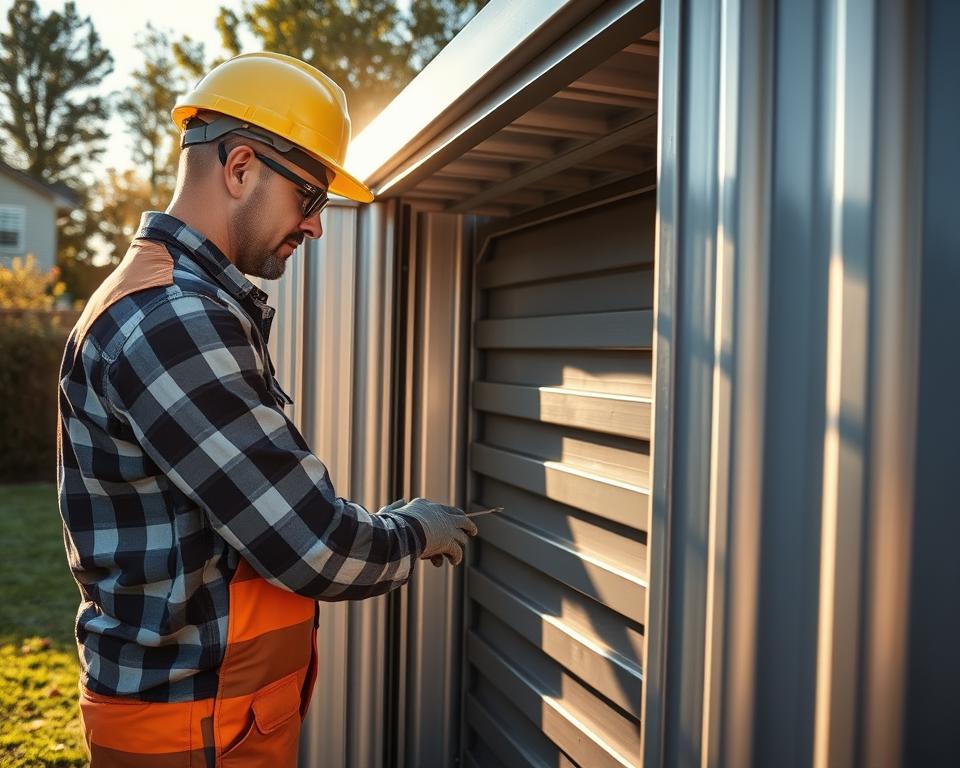
Flat wall construction indicates superior panel strength, whereas ribbed walls suggest thinner metal requiring additional support. Multi-point locking systems significantly enhance security compared to basic two-point mechanisms.
| Manufacturer | Panel Thickness | Warranty Period | Security Features | Viewing Options |
|---|---|---|---|---|
| Asgard | 1.2mm | 10 years | 3-5 point locking | Garden centres nationwide |
| Trimetals | Premium grade | 25 years (panels) | 2 point system | GBC show sites |
| Waltons | Thicker than average | Standard | Tested to 147kmph winds | Show site available |
| Yardmaster | 0.2-0.25mm | Basic | Plastic padlock mounts | Online only |
Selecting the Right Shed for Your Needs
Consider what you’ll store and required security levels. Valuable equipment demands thicker panels and advanced locking systems.
Check manufacturer websites for detailed specifications and customer reviews on platforms like TrustPilot. Viewing units in person at garden centres provides valuable assessment opportunities.
Balance your budget against expected lifespan and maintenance requirements. The right choice delivers optimal value for your specific garden storage needs.
Conclusion
Selecting a robust garden storage solution is a significant decision for any property. A high-quality steel garden shed stands out as a premier choice for long-term protection.
These structures offer superior durability and weather resistance compared to wood or plastic alternatives. With minimal upkeep, they reliably safeguard belongings for decades. Proper installation on a solid base is crucial for stability and moisture control.
Routine maintenance, including rust prevention and prompt repairs, ensures the structure remains secure. Following these simple steps maximises the lifespan of your investment.
For those seeking a dependable, low-maintenance storage solution, a well-chosen steel garden shed delivers exceptional value and peace of mind for many years.
FAQ
What is the typical lifespan of a metal storage shed?
A well-maintained metal garden shed can last for 20 to 30 years or more. The actual longevity depends on factors like the quality of the steel, local weather conditions, and the level of upkeep it receives over time.
How does a metal shed’s durability compare to a wooden or plastic one?
Metal sheds offer excellent resistance to rot and pests, which are common issues with wooden structures. Compared to plastic sheds, metal versions generally provide superior security and can withstand more extreme weather, though plastic options require very little maintenance.
What is the most important factor in ensuring a long life for my steel shed?
Proper installation and a solid, level base are critical. A well-prepared foundation prevents water pooling and structural stress, which are primary causes of premature wear. High-quality galvanised steel with good rust resistance is also essential.
What routine maintenance does a metal garden shed require?
Regular inspections for scratches or signs of corrosion are key. Any damaged areas should be touched up with specialist paint to prevent rust. Keeping the roof and gutters clear of debris also helps protect the structure from water damage.
Are metal sheds a good option for areas with high rainfall?
Yes, provided they are constructed from corrosion-resistant materials and are correctly installed. Ensuring the shed has adequate seals around doors and windows will prevent water ingress and protect the contents from damp.
Should I be concerned about condensation inside a metal storage shed?
Condensation can be an issue if ventilation is poor. Choosing a design with built-in air vents or adding them during installation can significantly reduce moisture buildup, protecting both the shed and its contents.
How can I evaluate the quality of a metal shed before purchasing?
Look for features like a thick gauge steel construction, a robust warranty from a reputable brand, and positive customer reviews regarding long-term durability. The quality of fixtures, such as doors and locks, is also a good indicator of overall build standards.