Exploring Types of Garden Sheds | UK Selection
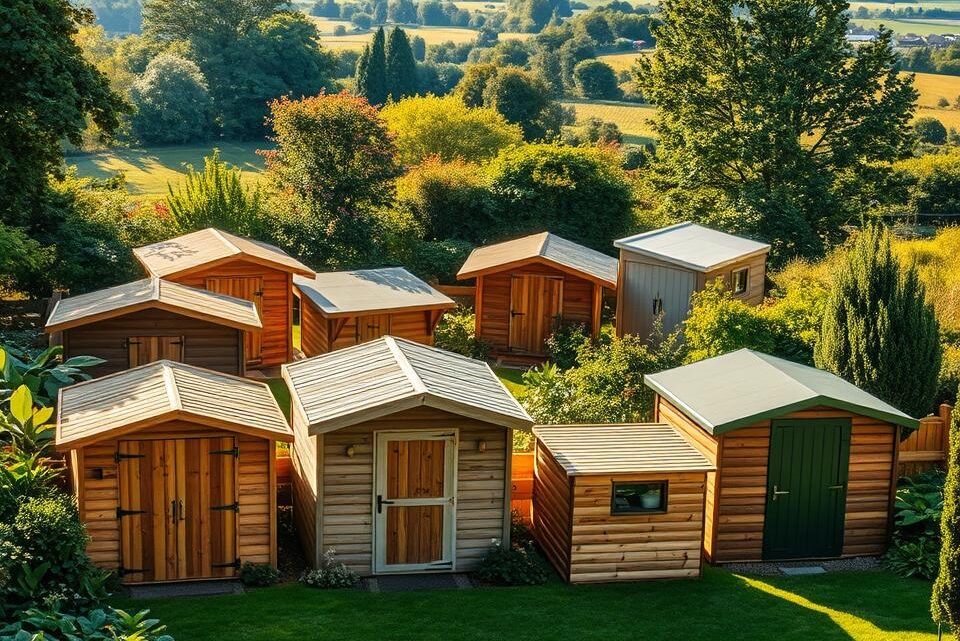
The right choice of garden shed can transform a small outdoor space into useful storage, a hobby area or a home workspace. This garden building guide focuses on types of garden sheds common across garden sheds UK, helping homeowners, renters and keen gardeners match shed styles to their needs.
We will compare wooden, metal and plastic/resin options alongside log cabins, summerhouses and bespoke builds. Practical shed selection advice covers typical UK garden sizes — from compact terrace plots to larger suburban gardens — and common climate issues such as rain, wind and humidity.
Retail channels matter, so the guide references familiar suppliers like B&Q, Wickes, Homebase, Jacksons Fencing and Forest Garden to illustrate product ranges and warranties. The approach is practical and evidence-based, weighing aesthetics, durability, cost and planning considerations to aid confident decisions.
Inhaltsverzeichnis
Key Takeaways
- Understand core shed styles to match purpose: storage, hobby, office or leisure.
- Consider local climate and garden size when choosing materials and design.
- Compare timber, metal and resin options for durability, maintenance and cost.
- Check retailer warranties and supply options from B&Q, Wickes, Homebase and specialist brands.
- Balance aesthetics and regulation: planning rules and foundation needs vary by build.
Types of garden sheds
Choosing the right garden building starts with understanding the main options. This short guide outlines common garden shed types and how shed materials and styles affect use, upkeep and appearance.
Overview of common shed types
Timber panel sheds remain popular for their classic look and repairability. Apex and pent-roof designs suit most gardens; apex gives more headroom, while pent is slim and modern.
Metal sheds, usually galvanised steel or aluminium, offer strength and security. Plastic and resin models are lightweight, rot-proof and quick to assemble.
Log cabins and summerhouses provide better insulation and are common when the shed purpose extends to an office or studio. Bespoke and mixed-material builds suit complex needs and awkward footprints.
Specialist forms include tool stores, bike sheds, playhouses and potting sheds, which are tailored to storage or activity rather than full workspace use.
Key differences between materials and styles
Weight and portability matter. Plastic sheds are light and easy to move. Timber is heavier but easier to repair and paint.
Appearance varies by material. Timber offers a traditional finish that complements gardens near older houses. Metal looks more industrial and can suit modern exteriors.
Insulation differs. Wood and log cabins retain heat better than metal or plastic. That matters when the shed purpose involves year-round use.
Lifespan and maintenance depend on finish and treatment. Metal resists rot but can corrode without coatings. Timber needs regular preservative, yet is simplest to mend.
Security is another factor. Steel often gives superior security, while timber can be reinforced with locks and internal framing.
How to choose a shed type based on use and garden size
Start with primary use. For tool storage and occasional access, small garden sheds up to 6ft x 4ft work well. For bikes and larger kit, choose medium sizes such as 6ft x 8ft or 8ft x 6ft.
Workshops, studios or offices need large footprints from 10ft x 8ft upward and stronger foundations. Consider headroom: apex roofs suit taller users, reverse apex helps narrow-access gardens.
Assess access and site constraints. Narrow side access and sloped gardens may favour pent roofs or custom-built units. Budget and long-term ownership also shape the choice.
Check planning rules and neighbourhood covenants before purchasing. Match the shed’s look to the house and garden so the building feels integral rather than an afterthought.
| Type | Typical shed materials | Best use | Key benefit |
|---|---|---|---|
| Timber panel | Softwood cladding, pressure-treated timber | Tool storage, garden furniture, general use | Traditional appearance, easy repair |
| Apex / Pent roof | Timber or metal frame with various claddings | General storage, workshops (apex for headroom) | Choice of internal headroom and external profile |
| Metal shed | Galvanised steel, aluminium | Secure storage, low maintenance needs | High security and longevity with coatings |
| Plastic / Resin | Polyethylene, PVC panels | Small garden sheds, quick assembly, rot-proof storage | Lightweight, no rot, low upkeep |
| Log cabin / Summerhouse | Profiled timber logs, insulated floors | Home office, studio, leisure space | Better insulation and multi-functional use |
| Bespoke / Custom | Mixed: timber, metal, glazing | Tailored workshops, specialist storage, aesthetic match | Designed to exact shed purpose and site |
Wooden garden sheds: traditional appeal and practical considerations
Wooden garden sheds bring a warm, classic look that suits most British gardens. They offer natural insulation and can be tailored with paint, stain or added shelving. Many home owners choose timber for its repairability and the way it blends with planting and fencing.
Advantages of timber: aesthetics, insulation and repairability
Timber sheds UK scores highly for appearance. Softwood cladding gives a traditional finish that can be painted to match garden colour schemes. Natural insulating properties make wooden buildings more comfortable for occasional use as a workshop or potting space.
Timber is simple to adapt. You can add windows, shelving or wiring without specialist tools. Repairs tend to be straightforward: replace a board, treat a small patch of rot or refresh the finish.
Common timber species used in the UK and their durability
Most manufacturers use treated softwoods such as Scandinavian redwood, a pine or spruce mix often supplied by Jacksons Fencing and Forest Garden. These are cost-effective and perform well when pressure treated wood is used.
Western red cedar is prized for natural rot resistance and an attractive grain. Oak appears in premium, bespoke builds where longevity and character matter. Choice of cladding, such as tongue-and-groove or shiplap, affects weather resistance and the final look.
Construction quality matters as much as species. Good floor joists, sturdy bearers and quality roofing materials extend life. Pressure treated wood can give 10–20 years of service with proper care. Cedar and oak often last longer but cost more up front.
Maintenance tips: preserving finish, treating rot and prolonging lifespan
Timber maintenance keeps a shed performing well. Apply a preservative or a microporous exterior paint or stain every 2–5 years, depending on exposure. Keep timber clear of ground contact by using concrete slabs, paving, decking or timber bearers.
Ensure good ventilation to reduce condensation. Inspect for minor rot and act quickly—repair with epoxy resin or replace affected boards. Consider upgrading roofing felt to mineral roofing or shingles for a longer-lasting cover.
Trusted brands such as Jacksons, Forest Garden and BillyOh offer treated options and guarantees. Their range makes it easy to compare softwood vs hardwood sheds when weighing cost against lifespan and appearance.
Metal garden sheds: durable solutions for low-maintenance needs
The choice of a metal garden shed often comes down to durability and low upkeep. Many homeowners prefer metal garden sheds for tool storage, bike keeping and tidy garden spaces because they resist rot and pest damage that affect timber.

Benefits of steel and aluminium sheds
Steel sheds UK models tend to deliver superior security and strength. Thick-gauge steel frames and panels resist impact and offer a robust barrier against forced entry.
Aluminium sheds weigh less, making them easier to position and handle during installation. Aluminium sheds also resist rust in most inland locations, which reduces long-term maintenance.
Corrosion protection, coatings and warranty considerations
Galvanised sheds use a zinc coating to protect steel from rust. Many manufacturers add a powder-coating finish to improve weather resistance and extend life span.
At coastal properties, aluminium can suffer from salt-induced corrosion unless it is marine-grade or treated. Check warranty terms from reputable brands such as Duramax, Rowlinson and Tiger Sheds to confirm coverage for corrosion, panel faults and manufacturer defects.
Thicker steel gauge and reinforced framing are useful quality markers. Warranties that specify years of coverage for rust and perforation usually indicate higher-grade materials.
Security features and anchoring for UK weather
For secure garden storage choose sheds with reinforced doors, welded seams and anti-tamper fixings. Consider internal locking bars or Sold Secure-rated padlocks for extra protection.
Anchoring prevents uplift in high winds. Fix metal sheds to a level concrete or paving base, use ground anchors or bolt-down kits and ensure roof panels are secured to avoid wind damage prevalent in exposed UK sites.
| Feature | Steel sheds UK | Aluminium sheds | Galvanised sheds |
|---|---|---|---|
| Weight | Heavier, very sturdy | Lightweight, easy to move | Depends on steel gauge |
| Corrosion resistance | Requires galvanisation or coating | Naturally resistant, watch coastal sites | High if properly galvanised |
| Security | Excellent with thick gauge and reinforcements | Good, but panels can be thinner | Strong when using heavier steel |
| Maintenance | Low with coating; check for scratches | Very low; clean salt deposits in coastal areas | Low if galvanisation remains intact |
| Best use | Heavy-duty storage and workshop use | Garden storage and lightweight needs | General-purpose durable options |
| Anchoring recommendation | Concrete base with bolt-down kits | Concrete or paving with ground anchors | Concrete base and secure fixing points |
Plastic and resin garden sheds: lightweight and modern options
Plastic and resin garden sheds offer a blend of convenience and contemporary design for UK gardens. They suit owners who want quick assembly, low upkeep and rot-resistant storage. Popular models from Keter sheds and manufacturers using Duramax resin bring weatherproof panels and click-fit systems to a wide range of sizes and styles.

Advantages: rot-proof, low maintenance and easy assembly
Resin construction keeps moisture out, so these units do not rot or warp like timber. Many are UV-stabilised to limit fading and come with double-wall panels that add rigidity without heavy weight. That makes them ideal as low maintenance sheds for busy households and rental properties.
Click-together assembly cuts installation time. Lightweight panels mean one or two people can position a shed without specialist tools. Keter sheds are widely sold in the UK and often include built-in shelving options and translucent roof panels for natural light.
Limitations: ventilation, longevity and repairability
Plastic and resin stores can suffer from poor airflow, which increases the risk of condensation. Fit vent kits or drill discreet vents to improve circulation and protect tools and fabrics.
Lifespan typically ranges between ten and fifteen years depending on sun exposure and temperature swings. Unlike timber, damaged panels are seldom repairable on-site; replacement parts or full panels are usually required. Load-bearing capacity for heavy shelving is lower than that of wooden sheds, so reinforced floor kits are advisable for bulky equipment.
Best use cases and popular designs in the UK market
Resin sheds UK models work well for bike storage, lawnmowers and compact tool storage in small or paved gardens. Tall garden stores suit long-handled tools and narrow spaces. Corner units and horizontal storage boxes provide flexible alternatives for patios and decking.
When choosing, look for reinforced floors, built-in skylights and options from trusted retailers and direct suppliers. Consider thermostatic vents or solar-powered fans for hobby use. Duramax resin systems and established Keter sheds remain strong choices for customers who want durability without the maintenance of timber.
Log cabins and summerhouses: multi-functional garden buildings

Log cabins and summerhouses bring scale and style to modern gardens. These structures often feature full-height glazing, solid timber floors and confident proportions that suit multiple uses. Homeowners choose them as an upgrade from a simple shed when they need a comfortable garden office, a creative studio or a dedicated entertaining space.
Uses as offices, studios or entertainment spaces
A garden office provides separation from household distractions and can improve productivity for remote workers. Artists favour summerhouses and log cabins for natural light and tall ceilings. Families convert larger cabins into gyms, guest rooms or home cinemas that sit apart from the main house.
Insulation and heating considerations for year-round use
To use a garden building through winter you need an insulated garden building. Solid wall timber cabins accept standard wall, floor and roof insulation to reach building-standard levels. Double-glazed windows and insulated doors cut heat loss and reduce condensation.
Heating options range from electric radiators to infra-red panels and through-the-wall electric heaters. A safe installation requires a proper electrical supply and thermostatic controls. Consider a professional electrician to comply with Part P of the Building Regulations when adding fixed wiring.
Planning permission and building regulation differences
Small detached structures under 2.5m high that meet permitted development rules often avoid planning permission. Using a cabin as sleeping accommodation or a separate dwelling can change that status and trigger planning scrutiny. When a building serves as a workplace, building regulations may apply for electrics and energy performance under Part P and Part L.
Suppliers such as Tiger Sheds and Forest Garden publish guidance and offer installation services that clarify when planning permission or specific approvals are needed.
Bespoke and custom-built sheds: tailored design and materials
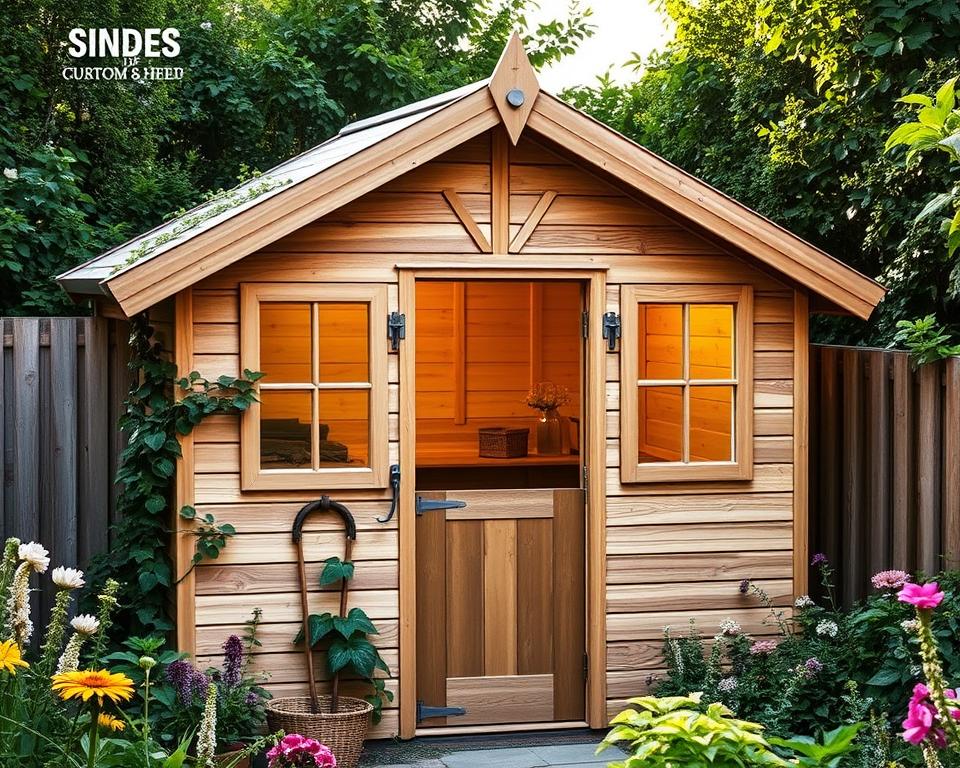
Commissioning a bespoke build gives control over design, materials and function in ways that mass-produced units cannot match. Choose bespoke garden sheds when your site has odd dimensions, when you need matching finishes for a listed property, or when integrated utilities such as mains electrics or plumbing are essential.
When to choose a bespoke build over a prefab shed
Opt for a bespoke solution if planning restrictions, conservation area rules or unique landscaping demand a precise fit. Bespoke log cabins and custom garden buildings excel where oak framing, cedar cladding or specific insulation standards are required. Pick a bespoke route when longevity and high-end aesthetics matter more than initial cost.
Custom features: shelving, glazing, integrated storage and electrics
Tailor-made sheds UK can include fitted shelving, mezzanine levels and full-height glazing to create light, usable space. Consider skylights, bifold doors and concealed storage to keep the footprint tidy. Specify security glazing, durable finishes and certified electricians for circuits, lighting and heated flooring.
Budgeting, lead times and choosing a reputable UK builder
Bespoke projects typically start at several thousand pounds and can reach tens of thousands depending on size and finish. Expect lead times of six to twelve weeks, plus extra for groundworks and planning fees. Allow contingency for unforeseen site costs.
When selecting a builder, review portfolios and client references, confirm public liability insurance and verify compliance with the Construction Industry Scheme when relevant. Established specialists such as Summerwood and experienced local carpentry firms often provide strong portfolios and reliable aftercare for bespoke log cabins and other custom garden buildings.
Practical considerations for any shed purchase in the UK
Choosing a shed calls for practical planning beyond style. Good preparation cuts future problems and keeps costs down. Below are the core areas to check before you buy or install.
Site preparation: foundations, drainage and level base options
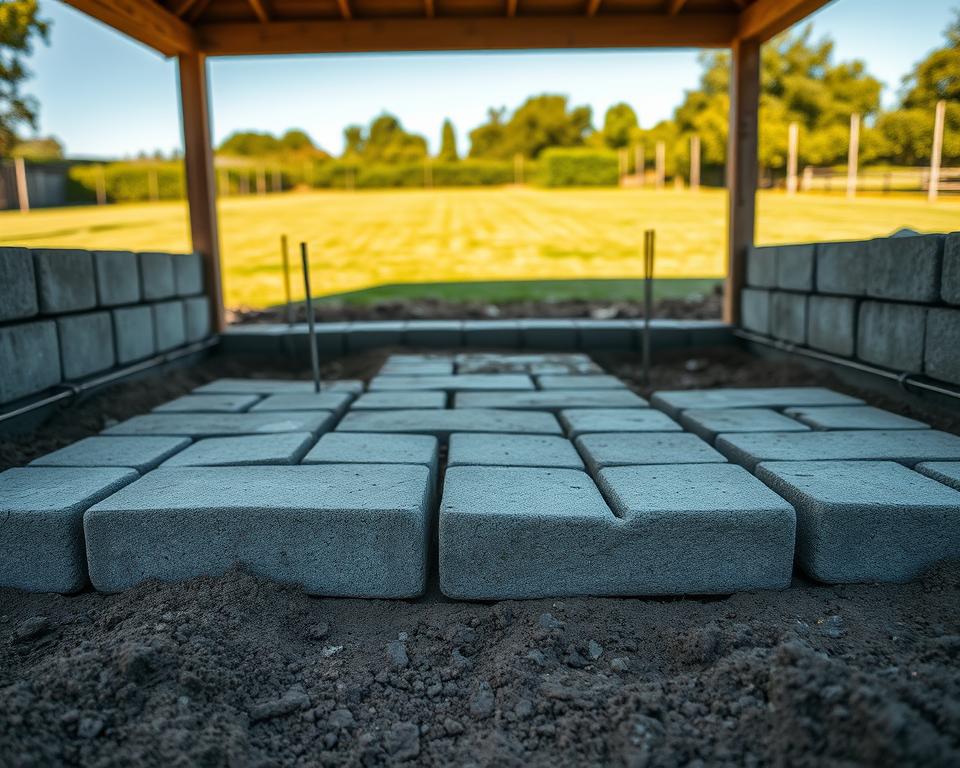
Begin with a level, well-drained site. Poor drainage invites damp and rot. Raise the base slightly above ground level to reduce rising damp and direct runoff away from the building.
Consider concrete slabs for permanence, paving slabs for a tidy finish, timber bearers on compacted hardcore for a ventilated floor, or a raised decking platform for uneven ground. Compare shed base options to match budget, longevity and ease of installation.
Avoid siting a shed under large trees. Sap, roots and falling branches cause damage and complicate delivery. Plan access for delivery and correct any slope beforehand to ensure a stable base.
Size, layout and internal organisation for efficient use
Work out the shed size from intended use. Measure door swing and traffic flow to prevent cramped working conditions. Double doors suit bulky equipment such as lawnmowers and wheelbarrows.
Fit shelving and wall-mounted storage to maximise floor area. Place lighting and power where you will charge tools and use electrics. Good ventilation reduces condensation and helps store petrol safely in fireproof containers.
Sketch a simple layout before purchase. That prevents costly alterations and ensures the chosen shed meets everyday needs.
Security, planning permission and insurance implications
Protect tools and machinery with ground anchors, robust padlocks or galvanised hasps. Motion-sensor lighting and CCTV strengthen garden shed security and deter thieves.
Check garden shed insurance as part of your home cover. Confirm sums insured for outbuildings and update your policy when adding expensive items. If needed, buy specific shed insurance UK cover or inform insurers about high-value contents.
Review local planning rules for height limits, distance from boundaries and permitted development rights. Renters must seek landlord permission before installation.
- Shed foundations: choose a method suited to soil, budget and intended lifespan.
- Shed base options: weigh permanence against drainage and cost.
- Garden shed security: invest in anchors, locks and lighting to protect contents.
- Shed insurance UK: check or update cover to match the value of the building and its contents.
Cost comparison and value for money across shed types
Choosing the right shed means balancing upfront cost with long-term value. Below is a compact guide to typical price bands and the factors that affect running costs in the UK market. The aim is to help readers compare shed prices UK and spot the best value garden sheds for their needs.
Typical price ranges
Small resin and plastic units start from about £150 and rise to £600 for larger retail models. Metal sheds commonly sit between £150 and £700, depending on size and gauge. Basic wooden panel sheds begin near £200 and extend to around £1,200 when treated and larger in size. Premium tongue-and-groove timber sheds often cost £800 to £3,000 or more. Log cabins and summerhouses range from roughly £2,000 up to £15,000+ based on finish and glazing. Bespoke builds vary widely, from several thousand pounds to tens of thousands.
Long-term cost factors
Think beyond the purchase price. Timber requires regular preservative and repainting to reach 15+ years of life. Metal needs corrosion checks and occasional rust treatment to avoid costly repairs. Resin panels can last well but may need replacement if cracked by cold or impact. Larger or habitable structures can add to insurance and energy bills if heated.
Amortise the initial cost across expected lifespan to judge value. A well-maintained timber shed may offer longer service life and repairability. A resin unit can be near maintenance-free for a decade or more and suits those seeking cheap garden sheds with low upkeep.
Where to buy in the UK
High-street DIY chains such as B&Q, Wickes and Homebase sell a wide range of off-the-shelf options. Specialist manufacturers like Jacksons Fencing, Forest Garden, BillyOh and Tiger Sheds supply higher-spec timber and log cabins. Resin brands such as Keter and Lifetime appear via online retailers and direct sellers. Local carpenters and joiners offer bespoke design and installation.
For budget-conscious buyers, second-hand sheds remain a viable route. Platforms such as Gumtree, Facebook Marketplace and eBay list many units. Inspect for rot, corrosion and squaring before buying. A used timber shed in sound condition can deliver excellent value if cleaned and retreated.
| Type | Typical retail range (£) | Expected lifespan (years) | Key long-term cost items | Who it suits |
|---|---|---|---|---|
| Plastic / Resin | 150–600 | 10–15 | Panel replacement, UV fade | Low-maintenance, budget buyers |
| Metal | 150–700 | 10–20 | Rust treatment, roof repairs | Security-focused, compact gardens |
| Basic wooden panel | 200–1,200 | 10–20+ | Painting, preservative, roof replacement | Traditional look, DIY maintainers |
| High-spec timber | 800–3,000+ | 15–25+ | Regular treatment, glazing upkeep | Long-term investment, aesthetics |
| Log cabin / Summerhouse | 2,000–15,000+ | 15–30+ | Insulation, heating, planning/insurance | Office, studio, living space |
| Bespoke build | Several thousand → tens of thousands | Variable | Custom finishes, maintenance per spec | Unique needs, tailored features |
To find the best value garden sheds, compare total cost over life, not just the ticket price. Contact reputable shed suppliers UK for quotes and check second-hand sheds for bargains when condition is sound. For a tight budget, cheap garden sheds can be useful short-term solutions; for longevity, invest in quality materials and proper installation.
Conclusion
Choosing a garden shed comes down to matching the building to its primary use, site constraints and budget. Timber delivers classic looks, good insulation and the ability to repair damaged boards; steel and aluminium offer strong security and low maintenance; plastic and resin are cost-effective and rot‑proof; while log cabins suit year‑round use when insulated. Bespoke builds are ideal when standard sizes or layouts will not meet your needs.
Practical preparation matters as much as the choice of material. Provide a level, drained base, allow for adequate ventilation, and plan for security and anchoring in exposed UK weather. Check planning rules and insurance requirements early, and factor long‑term maintenance and total cost of ownership into your decision.
For a clear shed buying guide, measure available space, list intended uses and set a realistic budget before seeking quotes. Visit local showrooms from retailers such as B&Q or Wickes to see models in person, and obtain multiple estimates from reputable suppliers or installers to secure the best garden sheds UK for your needs and peace of mind.
FAQ
What are the main types of garden sheds available in the UK?
The most common types are wooden/timber panel sheds (apex, pent and tongue-and-groove), metal sheds (galvanised steel or aluminium), plastic/resin sheds (double-wall UV-stabilised panels), log cabins and summerhouses, bespoke or custom-built timber and mixed-material buildings, and smaller specialist units such as bike stores, tool stores and playhouses. Each type has distinct benefits for appearance, insulation, maintenance and security.
How should I choose the right shed type for my use and garden size?
First define the primary use — simple storage, workshop, home office, studio or play. Match that to garden footprint and access: small sheds (up to about 6ft x 4ft) suit tools; medium (6ft x 8ft–8ft x 6ft) for bikes and machinery; large (10ft x 8ft+) for workshops or offices. Consider weight and access (plastic is light, timber heavy), insulation needs (timber and log cabins insulate better), budget and whether you own or rent. Also check planning restrictions and whether the style fits your home and neighbourhood.
Do I need planning permission to install a shed in the UK?
Many small garden buildings fall under permitted development, particularly if they are single-storey, under 2.5m high and sited to the rear of the property. However, restrictions apply for listed buildings, conservation areas, flat roofs above certain heights and where the building would be used as living accommodation. If you plan to use the shed as a workplace, sleeping space or to install mains electrics, consult your local planning authority and Building Regulations guidance.
What base or foundation do I need for a garden shed?
A firm, level, well-drained base is essential. Common options are a concrete slab, paving slabs on compacted hardcore, timber bearers on compacted aggregate, or raised decking. The base should keep the shed timber clear of ground contact, allow water to drain away and provide a stable fixing point for anchoring. Sloping sites may need site preparation or stepped bases; avoid siting directly under trees.
How long do different shed materials typically last?
Lifespan varies by material and maintenance. A well-constructed timber shed with regular treatment can last 10–20 years or longer; cedar and oak last longer but cost more. Plastic/resin sheds typically last 10–15 years depending on UV exposure. Galvanised steel sheds can endure for many years if corrosion is managed; aluminium offers excellent rust resistance. Construction quality, base preparation and local climate are major factors.
What maintenance do timber sheds require?
Regular maintenance keeps timber sheds serviceable. Apply a preservative or microporous paint/stain every 2–5 years depending on exposure. Ensure good ventilation to reduce condensation, keep base timbers off the ground, inspect for and treat minor rot promptly, and replace or upgrade roofing felt to mineral roofing or shingles for longer life. Use reputable brands such as Jacksons Fencing, Forest Garden or BillyOh for treated options and warranties.
Are metal sheds secure and suitable for valuable equipment?
Metal sheds, especially thicker-gauge galvanised steel, are robust and resistant to fire and forced entry when properly constructed. Look for powder-coating, welded seams, reinforced doors and anti-tamper fixings. Anchor the shed to a concrete or paved base and use Sold Secure-rated padlocks or internal locking bars. In coastal areas consider aluminium or marine-grade treatments to reduce corrosion risk.
What are the pros and cons of plastic/resin sheds?
Pros: rot-proof, low maintenance, lightweight, simple assembly and click-fit systems. Many models are UV-stabilised and have double-wall construction. Cons: poorer ventilation can cause condensation, repair options are limited if panels are damaged, and load-bearing capacity for shelving is lower than timber. Best for small gardens, rental properties and straightforward storage; brands include Keter and Lifetime.
Can a log cabin or summerhouse be used year-round as an office or studio?
Yes, if properly insulated and equipped. Solid-wall timber cabins can be insulated in walls, floor and roof and fitted with double-glazed windows and insulated doors. Heating options include electric radiators or infra-red panels. You must consider electrical installation safety (Part P) and, in some cases, energy regulations (Part L). Check planning rules if the use changes the building’s status.
When is a bespoke or custom-built shed the better option?
Choose bespoke solutions for unusual site constraints, listed buildings or conservation areas, exact aesthetic matches, or when integrated utilities and high-spec materials are required. Bespoke is ideal for tailored storage systems, full-height glazing, bi-fold doors or specialist finishes such as oak framing or cedar cladding. Expect higher costs and longer lead times; check portfolios, references and insurance for builders such as Summerwood or experienced local carpenters.
What security measures should I take for my shed?
Use a level, anchorable base and fit ground anchors or bolt-down kits. Install reinforced doors, anti-tamper fixings and robust locks (Sold Secure-rated). Add motion-sensor lighting, CCTV or security alarms for high-value contents. Keep ladders and tools out of sight, and ensure insurance covers outbuildings — update sums insured if the shed becomes a workshop or office.
How much should I budget for a shed in the UK?
Prices vary widely: small resin or metal stores can cost £150–£700; entry-level wooden panel sheds from around £200–£1,200; higher-spec tongue-and-groove timber sheds £800–£3,000+; log cabins and summerhouses commonly range from £2,000 to £15,000+; bespoke builds can be several thousand to tens of thousands. Factor in base preparation, delivery, installation, maintenance and any planning or electrician costs when calculating total cost of ownership.
Where can I buy a shed in the UK?
Major retailers such as B&Q, Wickes and Homebase sell off-the-shelf options. Specialist manufacturers and suppliers include Jacksons Fencing, Forest Garden, Tiger Sheds and BillyOh for higher-spec timber and cabins. Resin brands such as Keter and Lifetime sell direct or through online retailers. For bespoke builds, consult local carpenters, joiners or specialist firms. Second‑hand options are available on Gumtree, Facebook Marketplace and eBay — always inspect for rot or corrosion.
How can I reduce condensation and improve ventilation in a shed?
Fit vents or louvre panels low and high to encourage airflow, avoid blocking vents with shelving, and leave a small gap under doors where practical. For timber sheds, ensure cross-ventilation and consider breathable linings. For resin sheds, install vent kits or solar-powered extractor fans. Using elevated shelving and keeping items off the floor reduces damp build-up. Insulating timber or cabin walls also helps regulate internal temperature and moisture.
What roofing options should I consider for longevity and weather protection?
Standard roofing felt is common on panel sheds but may need replacement every few years. Upgrades include mineral felt, EPDM rubber, shingles or metal roofing for longer life and better weather resistance. Ensure roof fixings are corrosion-resistant and that the roof is secured against wind uplift. Good roof overhangs and water runs help protect cladding and base timbers.
Are there accessibility or delivery considerations for larger sheds and cabins?
Yes. Check access routes, gate widths and overhead obstructions before ordering. Large cabins often require delivery by lorry and a crane or multiple people to install. Narrow side access, steep drives or low-hanging trees may require bespoke on-site builds or smaller panel kits. Plan site preparation and confirm delivery logistics with the supplier to avoid delays and additional costs.
How should I insure a shed and its contents?
Review your home insurance policy to ensure outbuilding cover and adequate sums insured for contents stored in the shed. Specify high-value items such as tools, lawnmowers or bikes, and consider separate contents cover if necessary. Document contents with photos and receipts, and inform your insurer if you convert the shed into a habitable or working space as this may change risk profiles and premiums.