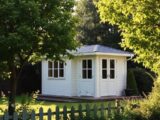
how much does it cost to build a summer house in the uk?

Thinking about a garden retreat, a quiet office, or a studio for hobbies? This outbuilding cost guide sets out the real numbers behind a UK summer house cost, from simple timber cabins to insulated garden rooms and premium studios with plumbing. It explains the summer house price per m2 that builders and garden room firms use, and shows how rules, site access, and design choices shape the final figure.
A basic cabin can be affordable, but a year-round space with proper insulation, robust glazing, and reliable heating will cost more. Expect different answers depending on location across England, Scotland, Wales and Northern Ireland, plus whether you choose a kit, manage trades yourself, or opt for a full turnkey contract. We outline garden office costs UK in plain terms and compare turnkey vs self-build summer house routes so you can plan with confidence.
The sections ahead cover average price bands by size, current market benchmarks, and the choices that push budgets up or rein them in. You will see the cost to build a garden room UK broken down line by line, with clear per-square-metre pointers, realistic examples, and notes on running costs that affect long-term value.
Inhaltsverzeichnis
Key takeaways
- Typical UK summer house cost is set by size, specification, and site conditions.
- Using a summer house price per m2 helps compare options across suppliers.
- Garden office costs UK rise with insulation, glazing quality, and heating.
- Planning limits, access and groundwork can shift the budget significantly.
- Choosing between turnkey vs self-build summer house affects risk and total spend.
- Our outbuilding cost guide explains core allowances, contingencies, and regional trends.
Average UK summer house costs by size and specification
Budgets scale with footprint, thermal performance and finish level. To compare like for like, align the UK garden building tiers with clear specification cost drivers such as roof type, glazing, insulation and services. This helps set a realistic small summer house cost, a fair medium garden room price, and a reliable large garden studio price before committing to designs.
Typical price ranges for small, medium and large footprints
Small footprints of around 6–10 m² usually start at £2,500–£6,000 for basic cabins. Expect £8,000–£15,000 for insulated rooms with power, and £15,000–£25,000 where finishes and glazing improve. That sets a realistic small summer house cost for most gardens.
Medium footprints of 10–15 m² range from £3,500–£8,000 at entry level. Well-insulated rooms with electrics often sit between £12,000–£25,000, while premium builds land at £25,000–£40,000. Use these bands to benchmark a medium garden room price.
Large footprints of 15–30 m² tend to span £6,000–£12,000 for simple structures, £20,000–£40,000 for quality insulated rooms, and £40,000–£75,000+ for studio-grade spaces. This is the practical frame for a large garden studio price with scope for plumbing or complex glazing.
| Footprint | Budget range | Mid-range insulated | Premium studio-level | Notes |
|---|---|---|---|---|
| Small (6–10 m²) | £2,500–£6,000 | £8,000–£15,000 | £15,000–£25,000 | Sets baseline small summer house cost; power and insulation drive jumps |
| Medium (10–15 m²) | £3,500–£8,000 | £12,000–£25,000 | £25,000–£40,000 | Good balance of space and mid-tier spec for a stable medium garden room price |
| Large (15–30 m²) | £6,000–£12,000 | £20,000–£40,000 | £40,000–£75,000+ | True studio options inflate a large garden studio price when services expand |
Budget, mid-range and premium build tiers compared
Budget builds often use treated softwood frames, felt roofs and single or thin double glazing. Insulation is minimal, which keeps costs low but limits year-round use within the UK garden building tiers.
Mid-range upgrades to EPDM roofing, PIR insulation in walls and roof, and uPVC or aluminium doors and windows. Durable cladding and better U-values improve comfort and help stabilise a medium garden room price.
Premium tiers adopt composite or thermally modified timber cladding such as Accoya or Kebony, aluminium glazing systems and standing seam metal roofs. Bespoke joinery and refined detailing explain why the large garden studio price expands at the top end.
| Tier | Structure & Envelope | Openings & Glazing | Roofing | Typical Outcome |
|---|---|---|---|---|
| Budget | Softwood framing, basic wrap | Single/thin double glazing | Felt | Seasonal use; lowest small summer house cost |
| Mid-range | PIR-insulated walls/roof, durable cladding | uPVC or entry aluminium | EPDM | Comfortable, value-led medium garden room price |
| Premium | Thermally modified timber or composite cladding | Aluminium systems, larger spans | Standing seam metal or high-spec membrane | Studio-grade finish; higher large garden studio price |
How specification choices shift the total budget
Certain specification cost drivers have outsized effects. Roof design matters: EPDM flat roofs are cost-effective, while pitched slate or metal adds structure and labour. Extensive glazing with wide sliders or bifolds raises steel and lintel needs.
Insulation thickness and material choice influence comfort and heating loads. Services such as an armoured electrical feed, consumer unit, underfloor heating or air conditioning each add to the bill. These choices ripple across the UK garden building tiers.
Internal finishes also move the needle. Plasterboard and skim cost more than simple timber lining. Exterior features like composite decking, integrated steps and lighting lift kerb appeal and the final small summer house cost. The same logic scales to any medium garden room price and large garden studio price.
- High-impact upgrades: aluminium bifolds, composite cladding, engineered foundations
- Cost-aware swaps: EPDM instead of metal roofing; uPVC over aluminium for doors
- Scope control: limit glazing spans; phase non-essential decking and feature lighting
Key factors that influence total build cost
The price you pay is shaped by a few core garden room cost factors. Planning limits, the way your plot can be reached, and what lies beneath the turf all steer the design, timeline and budget. Design choices, materials, and the level of services you add will lock in performance and running costs.
Planning constraints, site access and groundwork complexity
Permitted Development can cap height and massing. That may push you towards lower overall ridge lines or a flat roof, changing structure and finish. Neighbours, boundaries and trees can also change siting and set-out.
Access drives cost. A tight alley or no rear access can trigger a site access surcharge due to smaller panels, extra labour, or a short crane lift. Manual handling time mounts, and waste removal can take longer.
Ground conditions set the foundation method. On level, free-draining ground, slabs or precast pads keep groundwork costs UK down. Slopes, clay, peat or poor drainage can mean ground screws, mini-piles, deeper sub-bases and surface water control.
Design complexity, roof style and glazing coverage
Complex plans—L-shaped footprints, cantilevers, long spans and tall ceilings—need more structural timber or steels. Extra bracing, beams and engineered joists add material and labour.
Roof choices matter. EPDM on a warm flat roof often proves cost-efficient. Pitched systems with slate, tiles or standing seam metal weigh more and can demand heavier rafters and skilled installation.
Openings change structure and spend. Wide sliders or bi-folds increase lintel sizes and frame specs, lifting the glazing cost impact. Solar control or laminated panes add again but improve comfort and security.
Material selection and finish level
Cladding species, from treated softwood to thermally modified timber or composite, vary on price and upkeep. Aluminium or timber-aluminium windows cost more than uPVC but can enhance longevity and look.
Inside, plasterboard with a painted finish is economical, while birch ply or hardwood linings raise the bill. Flooring choices—vinyl, engineered oak, or polished concrete—shift both upfront spend and lifecycle maintenance.
Utilities, insulation and year-round usability
Services set the brief. Armoured cable runs, consumer units, data cabling, and heating kit can add 15–35% to a basic shell. Plumbing for a sink or WC brings trenching, waste runs and ventilation requirements.
For an insulated garden room UK, thicker insulation, thermal breaks, quality membranes and controlled ventilation improve comfort and energy use. Specify to your target season of use, balancing performance with budget across these garden room cost factors, including the glazing cost impact and any site access surcharge within the overall groundwork costs UK.
how much does it cost to build a summer house in the uk?
Budgets vary by size, finish and postcode, so it helps to anchor decisions to clear benchmarks. The cost per square metre garden room tends to fall as the footprint grows, yet complex details and glazing can nudge the total back up. Weigh local labour rates against desired spec to set a realistic range.
Current market price benchmarks and cost per square metre
Basic cabins can start below £800 per m2, but they are usually not insulated. Most insulated shells supplied and installed sit around £1,200–£2,500 per m2. Premium studios with electrics, high‑grade glazing and finishes often reach £2,000–£3,500 per m2.
This spread reflects materials, windows and doors, and the programme. A larger footprint can reduce the average cost per square metre garden room, though intricate cladding or bespoke joinery may counter those savings.
| Specification level | Typical scope | Benchmark range (per m2) | Notes |
|---|---|---|---|
| Basic cabin | Non‑insulated shell | £600–£900 | Lowest outlay; limited year‑round use |
| Insulated shell | Supply‑and‑install structure | £1,200–£2,500 | Good balance of cost and performance |
| Premium studio | Glazing, electrics, internal finishes | £2,000–£3,500 | Highest comfort; longer programme |
Regional cost variations across the UK
Labour and overheads drive regional price differences UK wide. London and the South East often carry a 10–25% uplift, with the South West and Home Counties also trending higher. The Midlands, North of England, Scotland, Wales and Northern Ireland can sit 5–20% lower.
Remote plots may attract travel and accommodation charges. When comparing quotes, check whether groundwork, waste removal and access solutions are included, as these can amplify the turnkey garden room price in high‑cost areas.
| Region | Indicative adjustment | Driver | Practical takeaway |
|---|---|---|---|
| London & South East | +10% to +25% | Higher labour, overheads | Prioritise efficient designs to curb spend |
| South West & Home Counties | +5% to +15% | Strong demand, logistics | Book early to lock dates and rates |
| Midlands & North of England | -5% to -15% | Lower labour averages | Consider upspeccing insulation for value |
| Scotland, Wales, N. Ireland | -5% to -20% | Regional labour differentials | Factor travel for specialist trades |
Self-build versus turnkey costs
Self‑build routes can trim labour by 20–40%, yielding clear self-build summer house savings. Kits and material‑only buys suit confident builders with time, tools and an eye for compliance. Allow for wastage, hire, and potential remedials when setting the budget.
A turnkey garden room price wraps design, base, structure, glazing, electrics and finishes into one contract. This improves programme certainty and warranty cover, though you pay for coordination and overhead. Choose the route that balances risk, time and final quality.
| Route | What’s included | Cost impact | Best for |
|---|---|---|---|
| Self‑build | Materials/kit, client manages works | 20–40% labour saving potential | Hands‑on owners seeking lower outlay |
| Turnkey | Design to finishes under one provider | Higher upfront, greater certainty | Time‑poor clients wanting single warranty |
Breaking down the budget line by line
A clear garden room cost breakdown helps you plan, compare, and control spend. Use it to test choices against UK trades rates and keep scope aligned with your aims. Build in a realistic construction contingency from day one.
Design, drawings and permissions
Allow for concept sketches, a measured survey, and planning drawings if needed. Building Regulations advice prevents costly rework later. Budgets often sit between £500 and £2,500, plus any local planning fees.
Choose designers who understand garden buildings and foundations for summer house layouts. Ask for fixed deliverables and a schedule.
Groundworks, foundations and base systems
Site clearance, levelling, and muck-away come first. Then select the right base: a concrete slab at roughly £1,200–£3,500, precast pads or a timber frame at £800–£2,500, or ground screws and mini-piles for poor soil at £2,000–£6,000+.
If you want a bathroom or sink, plan drainage runs and ducting early. Strong foundations for summer house builds protect finishes and keep doors true.
Structure, cladding and roofing
A treated C16 or C24 timber frame, sheathing, membranes, and insulation form the envelope. Cladding options range from treated softwood and larch to cedar, composite, or fibre cement, each with different maintenance needs.
Many choose single-ply rubber; check the EPDM roof cost including trim kits and outlets. Torch-on felt lowers entry price, while a pitched roof adds trusses, battens, and tiles or slate.
Windows, doors and glazing choices
Frames span softwood, uPVC, and aluminium. For large openings, compare slider versus bifold. The aluminium bifold price can rise with width, colour, low-U glass, and laminated panes.
Include trickle vents, quality seals, and secure ironmongery. Good glazing reduces heating loads and noise.
Electrical, plumbing and heating options
Typical electrical scopes include an SWA feed, trenching, a consumer unit, sockets, LED lighting, and exterior lights. Expect around £1,200–£4,000 depending on run length and spec.
Plumbing for sinks or showers needs insulated feeds, waste runs, and sometimes a macerator. Small electric or unvented heaters suit compact rooms, with totals often £2,000–£6,000.
Internal finishes, decoration and joinery
Allow for plasterboard and skim, paint, skirting, and internal doors. Flooring may be laminate, LVT, or engineered timber.
Built-in storage improves use of space. Budgets commonly span £1,000–£5,000+ based on size and finish level.
Landscaping, decking and access
Factor in paths, steps, and lighting for safe access. Composite or timber decking creates a smooth threshold and helps shed water away from the base.
Decking packages often range from £1,500–£8,000 depending on area, substructure, and handrails. Coordinate planting and drainage to protect the structure.
Contingency and price inflation
A 10–15% construction contingency is prudent. It buffers unknown ground conditions, delivery delays, and material shifts.
Track EPDM roof cost, aluminium bifold price, and UK trades rates against quotes as the market moves. Update your garden room cost breakdown at each stage to stay on budget.
Material choices and their cost implications
Every material decision shapes both upfront spend and long-term upkeep. Balancing budget, durability and appearance helps avoid costly rework and keeps the build on track.

Timber types: softwood, hardwood and engineered options
C24 treated softwood offers strong value for structural frames and is easy to source across the UK. It keeps waste low and works well with standard fixings.
Hardwood framing is uncommon due to weight and price, though selected species add a refined look for visible beams. Engineered options like LVL or glulam enable wider spans and clean interiors, but they raise labour and material costs.
For external faces, thermally modified timber such as ThermoWood, Accoya and Kebony boosts stability and weathering. It can outlast many softwoods and reduce maintenance cycles over time.
Cladding alternatives: treated timber, composite and fibre cement
Pressure-treated softwood is the low-cost route, yet it needs regular coating. British larch sits mid-range and weathers to silver, while Western Red Cedar delivers a premium tone at a higher price.
When weighing cedar vs composite cladding cost, composites from Millboard or James Hardie offer colourfast, low-maintenance boards with higher initial spend. Fibre cement planks provide a crisp, modern line and resist rot and insect attack.
Thermally modified timber cladding narrows the maintenance gap with composites, though profiles and fixings may be more bespoke. Factor finish warranties and recoat intervals into lifecycle budgeting.
Roof coverings: felt, EPDM, metal and slate
Mineral felt is the budget choice for flat roofs but has a shorter lifespan. In an EPDM vs felt roof comparison, single-ply EPDM usually wins on longevity and low upkeep.
GRP fibreglass is another flat solution with clean detailing. Standing seam metal in anthracite aluminium or coated steel brings a premium look and quick water shedding.
Natural slate or concrete tiles promise long service on pitched roofs but add weight, so the structure must be designed accordingly.
Glazing performance and frame materials
Glass performance depends on U-values, low‑E coatings, argon fill and warm-edge spacers. Toughened or laminated panes improve safety, while solar control helps on south and west elevations.
uPVC frames are cost-effective. Aluminium windows UK suppliers offer slim sightlines and durable powder-coated finishes. Engineered timber frames look warm and tactile but need periodic care.
Choose configurations that manage heat gain and glare, especially in compact spaces with large panes.
Insulation types and thermal performance
Rigid boards deliver high performance in tight buildups. Tracking PIR insulation U-values helps hit targets without losing floor area.
Mineral wool is great for acoustic control and value. Wood fibre provides breathability for timber builds, aiding moisture regulation.
For floors, PIR or EPS can cut heat loss and improve comfort. A better envelope supports year-round use and lowers running costs.
| Element | Options | Cost Position | Key Benefits | Trade-offs |
|---|---|---|---|---|
| Structure | C24 softwood; LVL; glulam | Low to High | Value; long spans; clean aesthetics | Engineered timber adds cost and lead time |
| Cladding | Treated softwood; British larch; Western Red Cedar; thermally modified timber; composite; fibre cement | Low to Premium | From low upfront cost to low maintenance and stability | Cedar vs composite cladding cost favours cedar upfront, composite over lifecycle |
| Roof | Felt; EPDM; GRP; standing seam metal; slate/tile | Low to Premium | EPDM vs felt roof: longer life; metal and slate offer durability | Premium options need higher budget and stronger structure |
| Glazing | uPVC; aluminium; engineered timber | Value to Premium | Aluminium windows UK: slim frames, longevity | Timber needs maintenance; aluminium costs more than uPVC |
| Insulation | PIR; mineral wool; wood fibre; EPS (floor) | Value to Mid | High PIR insulation U-values in thin layers; acoustic control; breathability | Wood fibre is thicker; PIR is higher cost per m² than wool |
Construction routes: DIY, kit, or professional build
Choose a route that fits your skills, time, and risk appetite. A DIY summer house kit UK can shrink labour spend, while a modular garden room from a specialist aims for speed and warranty-backed quality. Consider how coordination, compliance, and weather may affect your budget and timeline.

Pros and cons of DIY and self-managed builds
Self-build savings are real when you can handle carpentry, roofing, and sequencing trades. You set the pace and buy materials at source, avoiding layers of overhead.
The trade-off is risk. Poor detailing at vapour control or flashing can lead to rework. Weather delays, warranty gaps, and missed inspections can add cost. Plan electrics with an NICEIC or NAPIT contractor to keep certification on track.
What’s included in a flat-pack or modular kit
Most UK kits arrive with pre-cut frames, insulated panels, fixings, doors, windows, roofing membranes, and trims. A modular garden room package often speeds shell assembly and reduces waste.
Foundations, electrical hookup, plumbing, internal finishes, and decorating are usually excluded. Budget for groundworks, consumer unit upgrades, and painting, even with a DIY summer house kit UK.
Hiring specialists and main contractors
Targeted specialists—groundworkers, carpenters, roofers, and certified electricians—raise build quality and compliance. Gas work needs a Gas Safe engineer.
Choosing a single firm simplifies main contractor vs subcontractors decisions. Turnkey garden room companies coordinate trades, schedule deliveries, and provide warranties, but you’ll pay for that integration.
Project management and coordination costs
Expect project management fees or overheads of 10–20% within a managed or turnkey price. That covers programme control, single-point responsibility, and CDM duties where required.
An independent PM can oversee main contractor vs subcontractors on your behalf, balancing self-build savings against the certainty that tighter coordination brings.
| Route | What You Handle | Typical Inclusions | Typical Exclusions | Cost Impact | Risk Level |
|---|---|---|---|---|---|
| DIY / Self-Managed | Scheduling, materials, trade booking | Shell if using a kit; your labour | Foundations, electrics certification, finishes | Maximise self-build savings; minimal project management fees | Higher due to rework and compliance risks |
| Flat-Pack / Modular Kit | Assembly and site coordination | Pre-cut frames, insulated panels, doors/windows, membranes | Groundworks, utilities hookup, decoration | Lower waste and faster shell; moderate project management fees if self-managed | Medium; reduced by clear supplier guidance |
| Professional / Turnkey | Design choices and approvals | Full coordination, warranties, compliance | Client changes beyond scope | Higher price with embedded project management fees (10–20%) | Lower due to single-point responsibility |
Planning permission, Building Regulations and compliance
A well-planned summer house avoids delays and costly rework. Start by confirming whether your design fits within national guidance and your council’s rules. Always record measurements, distances to boundaries, and intended use before you order materials.

Permitted development rules that may apply
A permitted development garden room is often possible when the building is incidental to the home, not for primary living or sleeping. Keep it to the rear, respect height caps, and avoid projecting forward of the principal elevation.
Where a roof is higher or the site sits within sensitive land, extra limits apply. In England, staying under 2.5 m near a boundary reduces risk. Scotland, Wales and Northern Ireland use different terms and thresholds, so check local guidance early.
When Building Regulations are triggered
Many small, detached structures under 15 m2 with no sleeping use are exempt. Once a Building Regulations outbuilding moves into the 15–30 m2 range, use non-combustible walls near boundaries or keep adequate separation.
Heated rooms, larger footprints, or any sleeping space typically bring full compliance for structure, insulation, electrics and drainage. Use a qualified electrician for certification, and plan ventilation to suit year-round use.
Costs for applications, assessments and surveys
Expect a planning application fee UK for householder submissions, plus measured drawings. Building Control charges for a notice or full plans route usually run to several hundred pounds, depending on size and complexity.
Site specifics can add costs: structural calculations, tree reports, ecology checks or flood risk assessments. Budget modest contingencies to cover re-submissions or extra consultant time if design changes arise.
Neighbours, boundaries and conservation areas
Good neighbour relations reduce delays. Follow boundary rules on setbacks and height, manage overlooking with window placement, and agree written access if you need to pass through shared spaces during works.
In protected places, conservation area restrictions tighten what can be built and where. National Parks, Areas of Outstanding Natural Beauty and World Heritage Sites usually require a more careful approach and may curb size, materials or siting.
| Topic | Key trigger or threshold | Typical actions | Indicative cost notes |
|---|---|---|---|
| Permitted development garden room | Incidental use; not forward of principal elevation; height limits near boundaries | Measure eaves and ridge; confirm siting; record distances to boundaries | No planning fee if compliant; design and survey costs may still apply |
| Building Regulations outbuilding | Exempt under 15 m2 with no sleeping; stricter rules 15–30 m2; full compliance if heated or larger | Select non-combustible build near boundaries; plan insulation, electrics and ventilation | Building Control fees commonly in the hundreds; add electrician certification |
| Planning application fee UK | Required if not PD, or in sensitive areas | Submit householder application with scaled drawings and site plan | Fixed fee plus drawings; allow extra for revisions if requested |
| Boundary rules | Setbacks, height near boundary, overlooking management | Position doors and windows to protect privacy; secure neighbour access agreements | Minimal direct fees; potential legal or survey costs for party wall matters |
| Conservation area restrictions | Stricter control on size, materials and location | Consult council guidance; refine materials and siting to suit character | Possible application and heritage consultant costs |
Running costs and long-term value
Daily use and long-term performance hinge on smart design, sensible kit, and care over time. Keep an eye on garden room running costs from the outset and you set a calm, predictable budget for years.
Energy efficiency, heating and ventilation
An energy-efficient garden office starts with insulation, airtightness, and good glazing. Aim for low U-values, orientate for winter sun, and shade summer gains. Fit LED lighting and programmable thermostats to trim bills.
Heating choices vary: electric panel heaters are simple; infrared panels feel instant; electric underfloor warms evenly; air-to-air heat pumps give high efficiency and cooling when needed. Ventilation via trickle vents, extract fans, or MVHR helps control moisture and keeps air fresh, cutting mould risk and stabilising garden room running costs.
Maintenance schedules and lifecycle costs
Plan upkeep to protect the envelope and preserve value. The maintenance of timber cladding is key: softwood often needs staining every two to five years; western red cedar can be left to silver or oiled to hold colour. Composite and fibre cement ask for little more than a wash.
Check EPDM or metal roofs once or twice a year, clear gutters seasonally, and re-seal junctions where needed. Small, regular tasks reduce repair spend and smooth garden room running costs over the lifecycle.
Insurance, security and council tax considerations
Speak to your insurer about insuring outbuildings UK-wide, including contents such as computers and tools. Many policies expect approved locks, secure anchors, and tough glazing. For extra peace of mind, add a monitored alarm, PIR lighting, and laminated glass.
Council tax is not usually applied where the space is incidental and has no sleeping accommodation. If a unit becomes self-contained living space, its status and rating can change, so confirm the position with your local authority before you commit.
Impact on property value and resale appeal
A well-specified room that is warm, dry, and compliant can lift buyer interest. A flexible studio or energy-efficient garden office often helps a home stand out, supporting a property value uplift garden room in active markets.
Local agents report faster viewings when the build quality, permissions, and warranties are clear. Strong documents, neat finishes, and tidy grounds increase perceived value and aid negotiation.
| Aspect | What to specify | Cost impact | Effect on running costs | Notes |
|---|---|---|---|---|
| Envelope | High-grade insulation, airtight membranes, low-U glazing | Medium upfront | Lower bills year-round | Improves comfort and stabilises garden room running costs |
| Heating | Air-to-air heat pump or infrared panels | From low to medium | Efficient, controllable | Pair with programmable thermostats for best savings |
| Ventilation | Trickle vents, extract fans, or MVHR | Low to medium | Reduces damp and heat loss | Supports air quality and protects finishes |
| Cladding | Softwood, cedar, or composite | Varies by material | Minimal for composite | Maintenance of timber cladding affects long-term spend |
| Roofing | EPDM or metal with quality gutters | Medium | Low upkeep | Seasonal inspections prevent leaks and damage |
| Security | Insurance-rated locks, alarm, PIR lighting | Low to medium | May reduce premiums | Essential for insuring outbuildings UK policies |
| Resale | Compliance docs, warranties, neat finishes | Low admin cost | N/A | Supports property value uplift garden room and quicker sales |
Ways to reduce costs without cutting corners
Lowering the budget starts with discipline, not compromise. Lean on value engineering garden room principles and use cost-saving design tips that protect performance. Keep a modest contingency so choices stay sensible when prices shift.
Design simplifications that save money
Choose a simple rectangular plan and a standard ceiling height. A flat roof with EPDM keeps labour and materials in check while staying durable. Align the footprint to standard sheet sizes to cut waste.
Reduce glazing types and order doors in standard sizes to avoid bespoke pricing. These cost-saving design tips are small moves that add up. They are core to value engineering garden room projects.
Smart sourcing of materials and fixtures
Compare national and independent merchants like Travis Perkins, Jewson and Screwfix. Ask for trade discounts materials and check end-of-line deals on cladding or flooring from reputable brands such as Marley, Velux and Quick-Step.
Pick products with long warranties to avoid early replacement. Keep a short, approved spec to prevent swaps on site. This is practical value engineering garden room thinking.
Phasing non-essential finishes
Prioritise the insulated shell, electrics and weatherproofing first. Use phased finishes to add decking, fitted storage or air conditioning later. This protects cash flow without weakening thermal or moisture performance.
Plan cable routes and fixings now so upgrades slot in cleanly. Phased finishes also help you ride sales cycles for better pricing.
Negotiating with suppliers and builders
Request three like-for-like quotes with clear scopes. Confirm exclusions on foundations, electrics, VAT and waste removal. Negotiate build price UK using milestone payments and retention for snagging.
Book during off-peak months and group work with neighbours to win sharper rates. Use trade discounts materials where possible and keep variations documented to avoid creep.
| Tactic | Action | Why it Works | Typical Saving |
|---|---|---|---|
| Design simplification | Rectangular plan, standard heights, EPDM flat roof | Less labour, fewer custom cuts, faster install | 5–12% of envelope |
| Standardised openings | Reduce glazing types; use standard door sizes | Avoids bespoke fabrication and long lead times | 3–8% on windows/doors |
| Smart sourcing | Compare merchants; seek end-of-line cladding/flooring | Leverages trade discounts materials and stock clearance | 5–15% on materials |
| Phasing upgrades | Shell first; add decking and joinery later | Phased finishes spread costs and match sales cycles | Improved cash flow; capex deferred |
| Negotiation | Three quotes; milestone payments; off-peak booking | Creates competition and better terms to negotiate build price UK | 2–7% on total build |
Timelines, lead times and seasonal pricing
The garden room build timeline hinges on planning, supply, and the pace of trades on site. Lead times UK construction can swing from a few weeks to several months, with demand peaking in late spring and summer. Seasonal pricing builders may offer sharper rates off-peak, so timing your order can shape both budget and delivery.
Popular suppliers often book out fast. Some secure today’s price at contract, while others index to inflation, so clarify terms before you pay a deposit. Once foundations are ready, a compact insulated room can finish in 1–2 weeks on site; larger bespoke studios usually run 3–6+ weeks.
How lead times affect labour and hire costs
Programme efficiency keeps preliminaries down. Clear access, pre-booked deliveries, and a ready base reduce idle time for crews and plant. When lead times UK construction are tight, the site team can work in a clean sequence, cutting repeat visits and extra hire days.
- Lock in dates for concrete pumps, skips, and access equipment to avoid standby charges.
- Confirm drawings, M&E positions, and openings early to prevent mid-build redesigns.
- Use a phased schedule that aligns trades with the garden room build timeline to cap overheads.
Weather and ground conditions
Winter brings short days, saturated soils, and frost risk, raising the chance of weather delays groundwork and slowing curing. In contrast, summer often runs faster on site but can be pricier due to demand and seasonal pricing builders.
- Allow float for rain delays during groundworks and concrete pours.
- Consider temporary drainage or ground protection to keep access stable.
- Choose mixes and methods suited to cold or wet conditions to protect quality.
Booking trades and material availability
Secure electricians, plasterers, and roofers in sequence to avoid gaps. Items like aluminium glazing, composite cladding, and heat pumps carry longer lead times UK construction, so order early to hold the programme.
- Place long-lead orders at design sign-off to stabilise the garden room build timeline.
- Confirm delivery slots that match scaffold, crane, or installer availability.
- Keep a contingency for weather delays groundwork so dates can flex without cost spikes.
| Phase | Typical Duration | Key Risks | Cost Impact Levers |
|---|---|---|---|
| Foundations and base | 2–5 days | Rain, soft ground, access limits | Pre-book plant; drainage mats; cold-weather concrete |
| Structure and shell | 3–10 days | Material delays; sequencing clashes | Confirm kit dates; align carpenters and crane |
| Glazing and cladding | 3–7 days | Aluminium lead times; storage space | Order early; timed delivery to site |
| Services and finishes | 4–10 days | Trade availability; inspection slots | Book electricians/plasterers in order; ready access |
Realistic example budgets and scenarios
These scenarios show how scope, access, and finishes translate into pounds and time. They reflect common choices across the United Kingdom and help benchmark the garden office cost UK, the decking package price, the studio with bathroom cost, and the impact of urban garden room access issues.
Garden office-focused summer house
A compact 10–12 m² office suits daily work, Zoom calls, and quiet tasks. Expect an insulated timber frame, EPDM flat roof, and uPVC or aluminium sliders. Add power, data, a panel heater, and a simple plaster finish.
Turnkey builds typically land between £12,000 and £20,000, while self-build kits sit near £8,000–£12,000 excluding electrics. This sets a clear baseline for the garden office cost UK, with aluminium upgrades nudging the upper end.
Family leisure space with decking
For 15–20 m², mid-range insulation, aluminium sliders, LVT flooring, and exterior lighting create a flexible games or cinema zone. A 15–25 m² deck links the room to the lawn and improves flow.
Budgets of £22,000–£38,000 are typical. The decking package price often adds £2,000–£8,000 depending on timber vs composite and stair details. Lighting on the deck boosts evening use without pushing costs too far.
Premium insulated studio with bathroom
At 18–25 m², a high-performance envelope, aluminium glazing, and acoustic treatment deliver a quiet workspace or guest suite. Internal plumbing may use a macerator or gravity waste, with an electric water heater for hot taps and shower.
Allow £38,000–£70,000+ for this tier. The studio with bathroom cost rises with cedar or composite cladding, bespoke joinery, and air conditioning. Better glazing and insulation improve comfort and reduce running costs.
Urban small-footprint build with access constraints
For 6–10 m² in tight city plots, panelised systems help when side access is narrow. Manual handling, restricted hours, or cranage may be needed, and waste removal and parking suspensions can add premiums.
Expect £10,000–£22,000 for an insulated fit-out, with £500–£3,000 extra where cranage applies. These urban garden room access issues often influence schedule and labour, so plan buffers for deliveries and street permits.
| Scenario | Size (m²) | Core Spec | Typical Budget | Key Cost Drivers | Notable Extras |
|---|---|---|---|---|---|
| Garden office-focused | 10–12 | Insulated frame, EPDM, uPVC/alu sliders | £12,000–£20,000 (kits £8,000–£12,000) | Glazing choice, electrics, finish level | Data points, panel heater |
| Family leisure with decking | 15–20 | Mid insulation, alu sliders, LVT, exterior lighting | £22,000–£38,000 | Decking package price £2,000–£8,000, lighting | Composite or timber deck, steps and edges |
| Premium studio with bathroom | 18–25 | High-performance envelope, alu glazing, plumbing | £38,000–£70,000+ | Studio with bathroom cost, cladding, AC, joinery | Macerator/gravity waste, acoustic treatment |
| Urban small-footprint with access limits | 6–10 | Panelised build, manual handling | £10,000–£22,000 | Urban garden room access issues, cranage £500–£3,000 | Parking suspensions, timed deliveries |
Conclusion
Building a summer house in the UK spans from a modest timber cabin to a premium, year-round studio with plumbing and high-spec finishes. Treat this as a UK summer house prices summary: entry builds can sit in the low thousands, while top-tier spaces can exceed £70,000. The best route is to fix use, thermal standard and footprint, then price each element with care.
For a final cost guide that holds up, list foundations, structure, glazing, services and finishes line by line, and include a 10–15% contingency. Factor in regional labour rates, site access and ground conditions early. Check Permitted Development limits and when Building Regulations apply to avoid delays or redesigns.
Choose between self-build, kit or turnkey based on time, skills and warranty needs. Prioritise a durable roof, effective insulation and quality glazing to keep running costs in check and protect value. With careful specification, competitive quotes and sensible phasing, garden room budgeting can deliver a robust space that improves daily life and may lift resale appeal.
Use this as a practical way to plan and budget UK outbuilding projects: set the brief, lock the spec, verify compliance and tender smartly. The result is a clear path from idea to build, and a space that works in summer and beyond.
FAQ
How much does it cost to build a summer house in the UK?
Basic non-insulated cabins can start below £800 per m2. Insulated garden rooms typically range from £1,200–£2,500 per m2 for a supply-and-install shell, rising to £2,000–£3,500 per m2 for fully finished premium studios with electrics and high-grade glazing. Footprint, specification and site conditions drive the final figure.
What are typical price ranges by size and specification?
Small footprints (about 6–10 m2) span roughly £2,500–£6,000 for budget cabins, £8,000–£15,000 for insulated rooms, and £15,000–£25,000 for premium finishes. Medium (10–15 m2) run £3,500–£8,000, £12,000–£25,000, and £25,000–£40,000 respectively. Large (15–30 m2) run £6,000–£12,000, £20,000–£40,000, and £40,000–£75,000+ when adding plumbing or complex glazing.
Which build tier should I choose: budget, mid-range or premium?
Budget uses treated softwood, felt roofing and minimal insulation—good for seasonal use. Mid-range upgrades to EPDM roofs, PIR insulation and uPVC or aluminium glazing—suitable for most home offices. Premium adds composite or thermally modified cladding, aluminium systems, higher U-values and bespoke joinery—ideal for year-round studios.
How do specification choices affect total budget?
Roof type, glazing coverage, insulation thickness, integrated services and finishes move costs the most. Aluminium bifolds, composite cladding, engineered foundations and standing seam metal roofing can each add several thousand pounds depending on footprint and detailing.
Do I need planning permission for a summer house?
Many outbuildings fall under Permitted Development in England if they’re incidental to the home and within height and placement limits. Restrictions tighten in conservation areas, National Parks and Areas of Outstanding Natural Beauty. Always check local authority guidance for England, Scotland, Wales or Northern Ireland.
When do Building Regulations apply?
Small detached outbuildings under 15 m2 with no sleeping accommodation are generally exempt. For 15–30 m2, you’ll need either non-combustible construction or sufficient distance to boundaries. Larger, heated or sleeping-accommodation builds usually require full compliance for structure, insulation, electrics and drainage.
How do regional costs vary?
London and the South East often carry 10–25% premiums. The South West and Home Counties trend higher than average. The Midlands, North of England, Scotland, Wales and Northern Ireland can be 5–20% lower, though remote sites may face extra travel and accommodation charges.
What are the key factors that influence total build cost?
Planning constraints, access, foundations, design complexity, roof style, glazing and material choices all matter. Utilities and performance features—armoured electrical feeds, consumer units, plumbing, heating, MVHR and thicker insulation—can add 15–35% to a base shell cost but improve year-round usability.
How do ground conditions affect the foundation price?
Level, well-drained sites suit cost-effective slabs or pad bases. Slopes, clay, peat or poor drainage may require ground screws, mini-piles, deeper sub-bases and drainage runs, increasing spend. Expect roughly £800–£6,000+ depending on method and site complexity.
What is the difference between self-build, kit and turnkey?
Self-build can reduce labour by 20–40% but demands time, tools and compliance know-how. Flat-pack or modular kits often include pre-cut frames, insulated panels, glazing and roofing, but exclude foundations and final electrics. Turnkey firms deliver design, foundations, structure, electrics and finishes in one contract with warranties.
How much should I allow for design, drawings and permissions?
Budget £500–£2,500 for surveys, concept design and planning drawings, plus any planning or Building Control fees. Some sites may need structural calculations or specialist reports, which add to costs but de-risk approvals.
What are common line items in a build budget?
Typical headings include design and permissions, groundworks and base, structure and insulation, cladding, roofing, windows and doors, electrics, plumbing and heating, internal finishes, landscaping and access, plus a 10–15% contingency for unforeseen issues and inflation.
Which cladding and roofing options offer the best value?
Treated softwood is lowest cost but needs regular maintenance. British larch and Western Red Cedar improve appearance; composites and fibre cement from brands like Millboard and James Hardie trade higher upfront cost for minimal upkeep. EPDM flat roofs balance longevity and value; standing seam metal and slate are premium choices.
What glazing and frame materials should I consider?
uPVC offers value; aluminium gives slim sightlines and durability; engineered timber provides warmth but needs upkeep. Prioritise low-U glass, low‑E coatings, argon fill and warm-edge spacers. Use toughened or laminated safety glass, and consider solar control on south- or west-facing elevations.
Which insulation types are best for year-round use?
Rigid PIR boards deliver high thermal performance with thinner build-ups. Mineral wool is cost-effective and improves acoustics. Wood fibre is breathable and eco-friendly. Pair good insulation with airtightness, trickle vents or MVHR to reduce running costs and condensation risk.
What are realistic running costs?
Efficient envelopes, LED lighting and programmable thermostats keep electricity use low. Electric panel heaters, infrared panels, underfloor heating or compact air-to-air heat pumps suit most garden rooms. Regular gutter clearing and roof inspections help avoid repairs and keep lifetime costs predictable.
How much do electrics, plumbing and heating add?
Allow £1,200–£4,000 for electrical runs, trenching, consumer unit, sockets and lighting. Plumbing for sinks or WCs often runs £2,000–£6,000 including insulated feeds, waste connections and a water heater or macerator. Heating costs depend on the chosen system and insulation level.
Will a summer house increase my property value?
Quality, compliant garden rooms often improve saleability by adding a home office or leisure space. Value uplift varies by location, build quality, glazing specification and legality of permissions. Buyers respond to energy efficiency, durable cladding and well-finished interiors.
Do I need to pay council tax on a garden room?
If the building is incidental to the dwelling and not self-contained, council tax generally does not apply. Using it as independent living accommodation may trigger different planning status and rating, so confirm use with your local authority.
How can I reduce costs without cutting corners?
Keep the design rectangular with a standard ceiling height and an EPDM flat roof. Use standard-sized doors and windows, align to standard sheet sizes, and phase non-essential items like decking or built-in joinery. Get three comparable quotes and negotiate on milestones and programme.
How long does a build take and when should I book?
Once the base is ready, a small insulated room can complete in 1–2 weeks; larger bespoke studios may take 3–6+ weeks. Lead times for aluminium glazing, composite cladding and heat pumps can be several weeks, so order early, especially for summer installations.
What impact do access constraints have on cost?
Narrow or shared access can require smaller panels, more labour, manual handling or cranage. Expect £500–£3,000 extra for cranage and logistics on tight urban sites, plus possible premiums for parking suspensions and waste removal.
What are example budgets for common scenarios?
A 10–12 m2 office with EPDM roof and uPVC or aluminium sliders is typically £12,000–£20,000 turnkey, or £8,000–£12,000 for a self-build kit excluding electrics. A 15–20 m2 family space with decking ranges £22,000–£38,000. A premium 18–25 m2 studio with bathroom often sits at £38,000–£70,000+.