What is the best watering system for a garden?
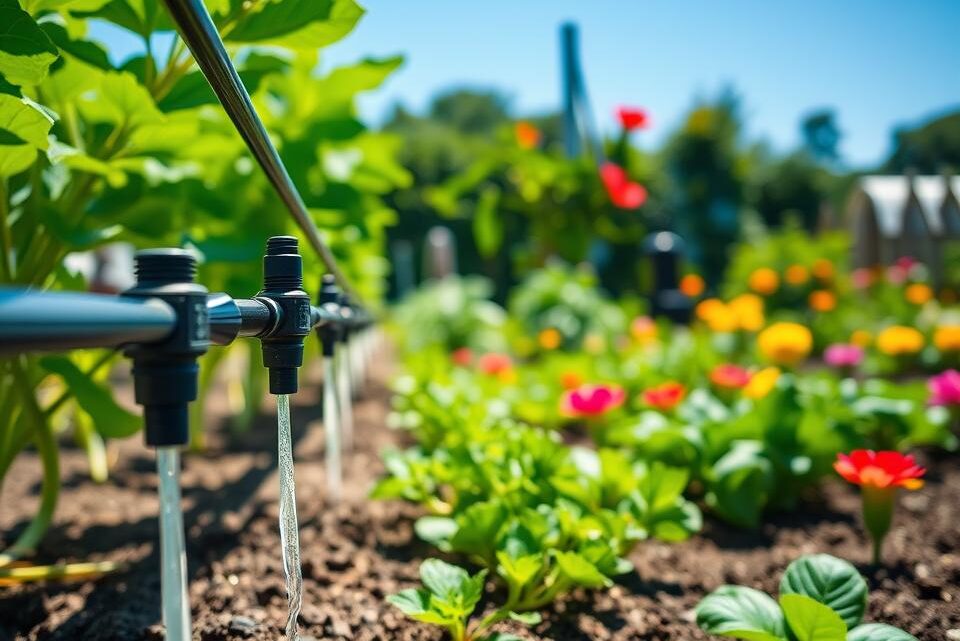
Selecting the right garden watering system can transform your gardening experience. UK gardeners understand the critical importance of efficient irrigation, especially with unpredictable weather patterns and potential water restrictions. Your garden’s health depends on a strategic approach to water management.
Garden watering systems are not one-size-fits-all solutions. Each garden has unique requirements based on plant types, soil conditions, and local climate. Understanding these nuances helps you choose the best watering system for your garden, ensuring optimal plant growth while conserving water resources.
Our comprehensive guide will explore various irrigation techniques, comparing drip systems, sprinklers, soaker hoses, and smart automated solutions. We’ll help you navigate the complexities of garden watering systems and discover the most suitable approach for your specific gardening needs.
Inhaltsverzeichnis
Key Takeaways
- Different gardens require tailored watering strategies
- Water efficiency is crucial for sustainable gardening
- Proper irrigation supports plant health and growth
- Technology offers advanced watering solutions
- Climate and soil type impact watering system selection
What is the Best Watering System for a Garden?
Selecting the right garden irrigation system is crucial for maintaining a healthy and vibrant garden. Your choice of watering methods can significantly impact plant growth, water conservation, and overall garden health. Understanding your garden’s unique requirements is the first step towards creating an efficient watering strategy.
Understanding Your Garden’s Watering Needs
Every garden is unique, with specific characteristics that influence its watering requirements. To develop an effective garden irrigation approach, you’ll need to assess several key factors:
- Plant types and root structures
- Soil composition and drainage capabilities
- Garden layout and sun exposure
- Local climate conditions
Start by conducting a simple soil drainage test to understand your garden’s water retention capacity. Different plants have varying water needs, so grouping plants with similar requirements can help create more efficient watering methods.
Factors That Influence System Selection
Choosing the right efficient watering system involves carefully evaluating several critical aspects:
- Garden size and layout
- Available water pressure
- Local water restrictions
- Budget constraints
- Maintenance time availability
Consider whether you need a permanent installation or a portable solution. Your local climate, particularly the UK’s variable weather patterns, will play a significant role in determining the most suitable garden irrigation approach.
Types of Garden Watering Systems Available
Navigating garden watering methods in the UK can feel overwhelming, but understanding your irrigation systems helps create a thriving garden. Different watering approaches suit various garden layouts and plant requirements.
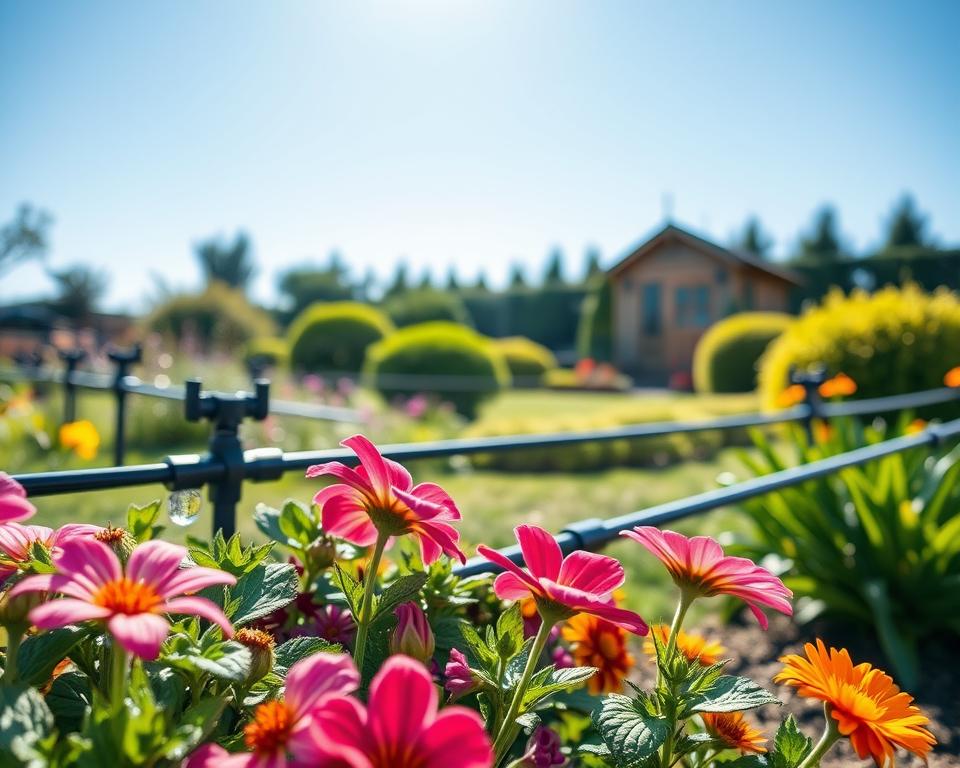
When exploring irrigation systems UK gardeners typically consider several primary options:
- Drip Irrigation Systems: Precise water delivery directly to plant roots
- Sprinkler Systems: Comprehensive water distribution across garden spaces
- Soaker Hoses: Targeted underground moisture release
- Smart Watering Controllers: Automated irrigation management
Each garden watering method offers unique advantages depending on your specific landscape design, plant types, and water conservation goals.
| Watering System | Water Efficiency | Best For |
|---|---|---|
| Drip Irrigation | High | Vegetable gardens, flower beds |
| Sprinkler Systems | Medium | Lawns, large open areas |
| Soaker Hoses | Medium-High | Raised beds, shrub borders |
| Smart Controllers | High | Complex garden layouts |
Selecting the right irrigation approach depends on your garden’s unique characteristics, helping you achieve optimal plant health while conserving water resources.
Drip Irrigation Systems for Efficient Water Delivery
Gardeners seeking a smart solution for water-efficient plant care should explore drip irrigation systems. These micro-irrigation technologies provide a precise and intelligent approach to watering your garden, ensuring every droplet counts.
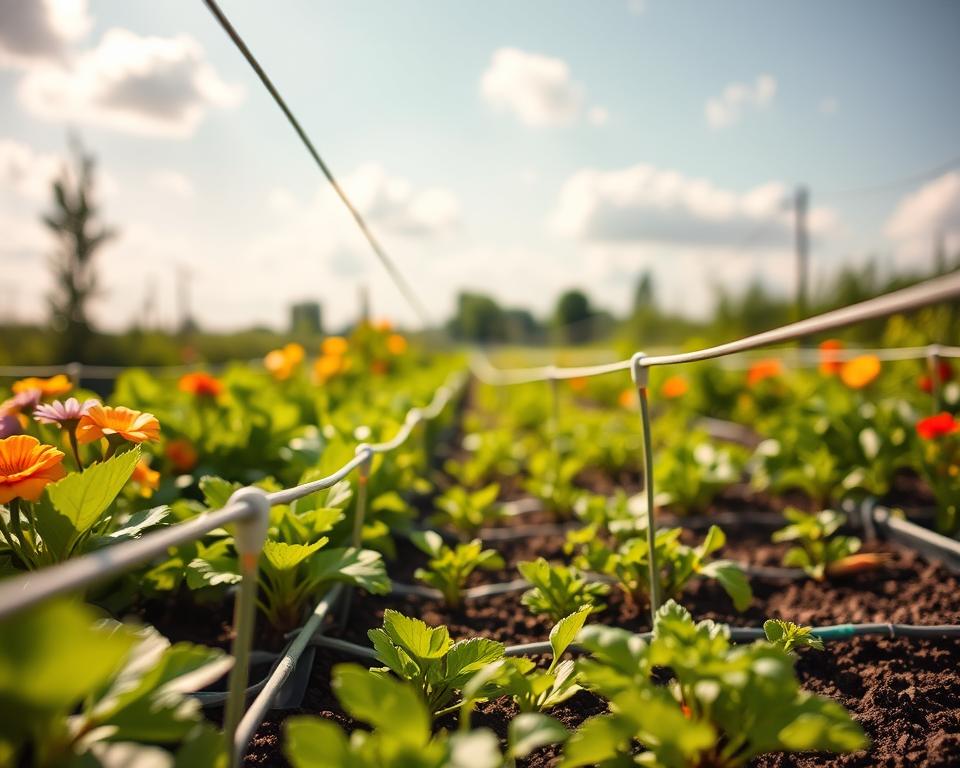
Drip irrigation represents a revolutionary method of targeted water delivery that transforms how you nurture your plants. By releasing water directly to plant roots, these systems minimise waste and maximise water efficiency.
How Drip Irrigation Works
The mechanism behind drip irrigation is elegantly simple:
- Water travels through a main supply line
- Branches into smaller distribution tubes
- Reaches individual plants via specialised emitters
- Releases controlled water volumes between 2-4 litres per hour
Advantages and Disadvantages of Drip Systems
Understanding the pros and cons helps you make an informed decision about implementing drip irrigation in your garden.
Advantages:
- Up to 50% water savings compared to traditional methods
- Reduced weed growth
- Minimal water loss through evaporation
- Lower plant disease risk
- Ability to deliver liquid fertiliser directly to roots
Disadvantages:
- Higher initial installation costs (£100-£500)
- Complex design requirements
- Potential clogging from sediment
- Risk of damage from garden tools
- Less aesthetically pleasing visible tubing
By carefully evaluating these factors, you can determine whether drip irrigation’s water efficiency benefits align with your garden’s specific needs.
Sprinkler Systems for Comprehensive Coverage
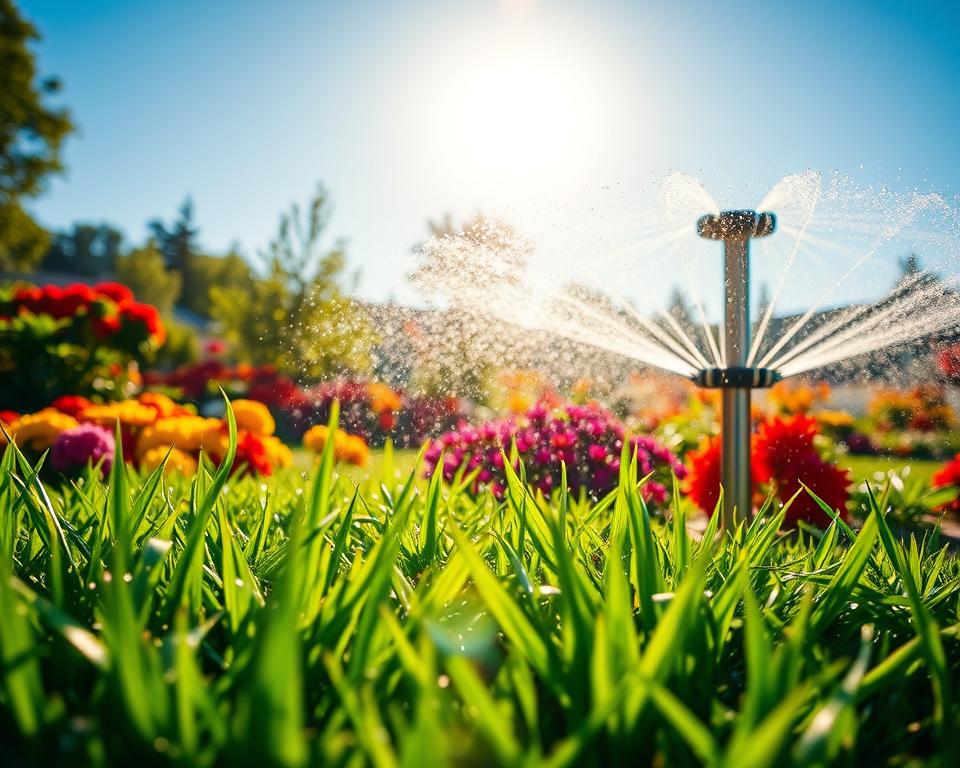
Sprinkler systems remain a popular choice for lawn irrigation across UK gardens. These versatile garden sprinklers offer comprehensive water distribution, making them ideal for larger outdoor spaces. Understanding the different types of sprinkler systems can help you select the most suitable option for your garden’s unique needs.
Garden sprinklers come in three primary configurations:
- Oscillating sprinklers: Sweep back and forth, covering rectangular areas
- Rotary sprinklers: Spin in circular patterns for even water distribution
- Stationary sprinklers: Spray water in fixed patterns for targeted areas
When considering sprinkler systems, you’ll encounter two main installation approaches. Portable systems connect directly to your garden hose and can be repositioned as needed. Alternatively, permanent installations with underground pipes and pop-up heads provide more consistent coverage, particularly beneficial for extensive lawns.
Water pressure plays a crucial role in sprinkler performance. Most garden sprinklers require at least 2 bar of pressure to function effectively. While these systems offer comprehensive coverage, they do have limitations. They consume more water compared to drip irrigation and can create uneven moisture distribution during windy conditions.
Selecting the right sprinkler system depends on your garden’s specific layout, plant types, and water requirements.
Lawn irrigation with sprinklers works best for large, open areas where precise plant targeting isn’t necessary. They’re particularly effective for cooling gardens during hot summer months and maintaining uniform grass growth.
Soaker Hoses for Targeted Garden Watering
Garden hose watering can be revolutionised by using soaker hoses, a smart solution for precise and efficient irrigation. These porous hose systems offer gardeners a flexible approach to delivering water directly to plant roots, minimising water waste and promoting healthier plant growth.
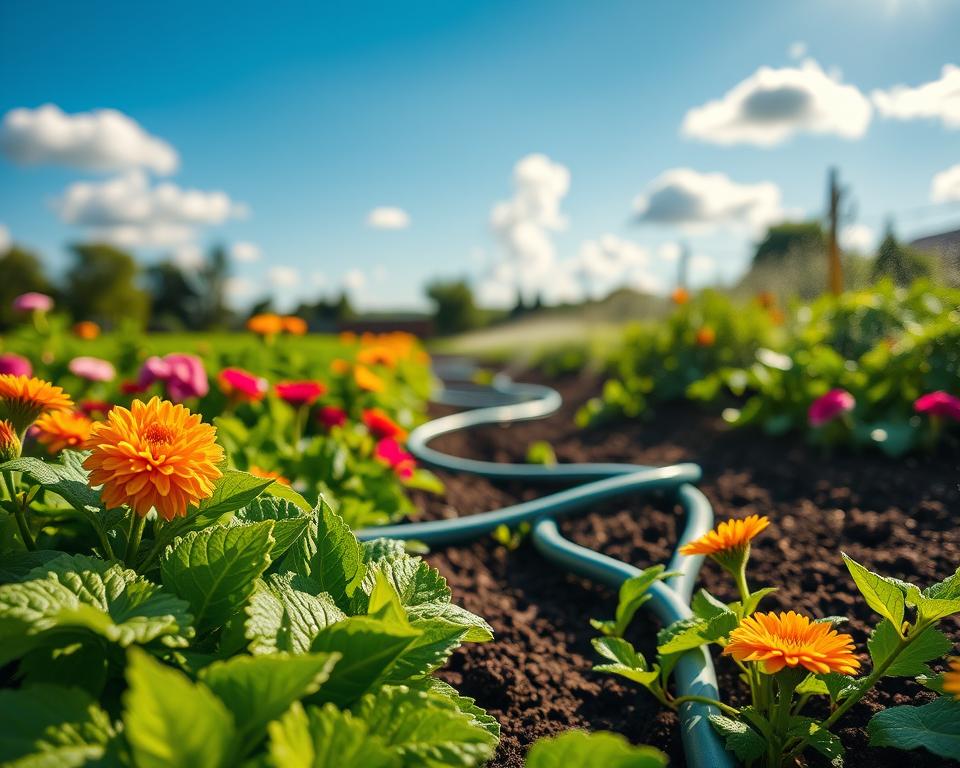
Soaker hoses provide an intelligent method for targeted water delivery, making them an excellent choice for gardeners seeking water-efficient solutions. Unlike traditional watering methods, these specialised hoses release water slowly and evenly along their entire length.
Installation and Maintenance Requirements
Installing soaker hoses requires careful planning and attention to detail. Here are key steps to ensure optimal performance:
- Lay hoses in a serpentine pattern through garden borders
- Space hoses 45-60 cm apart for comprehensive coverage
- Secure with landscape staples or conceal under mulch
- Use a pressure regulator to prevent hose damage
Best Plants and Garden Types for Soaker Hoses
Soaker hoses work exceptionally well in specific garden environments. They are particularly effective for:
- Vegetable gardens with consistent row layouts
- Established perennial borders
- Hedgerows requiring uniform moisture
- Foundation plantings around your home
While soaker hoses offer numerous advantages, they may not suit all garden types. They might be less effective for container gardens or areas with varied plant water requirements.
Pro tip: Regular maintenance, such as seasonal flushing and proper winter storage, will extend the life of your soaker hoses.
Automatic Watering Timers and Smart Controllers
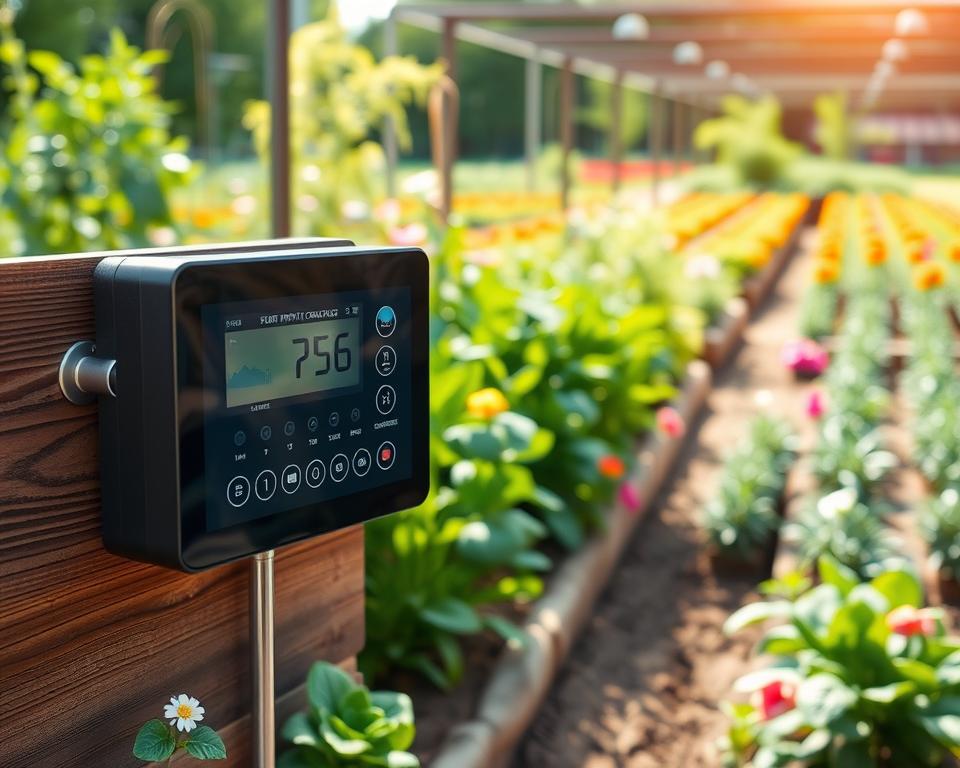
Modern gardening has transformed with the introduction of automatic watering technology. A smart irrigation controller can revolutionise how you manage your garden’s hydration, offering convenience and precision that traditional watering methods cannot match.
These innovative watering timers provide gardeners with multiple options for maintaining optimal plant health:
- Mechanical timers for basic automation
- Digital programmable controllers
- Advanced WiFi-enabled smart systems
When selecting an automatic watering solution, consider these key features:
- Programmable watering cycles
- Weather-responsive scheduling
- Remote smartphone control
- Compatibility with existing garden infrastructure
Top brands like Hozelock and Gardena offer smart irrigation controllers that can significantly reduce water consumption. These devices connect to your home network, accessing local weather forecasts to adjust watering schedules automatically. You can potentially save up to 40% on water usage by implementing a sophisticated watering timer.
For UK gardeners, look for systems with robust weatherproofing and compatibility with standard garden tap fittings. Invest in a controller that offers multi-zone control if you have diverse garden areas with different watering requirements.
Smart irrigation isn’t just about convenience—it’s about creating a sustainable, efficient garden ecosystem.
Comparing Costs of Different Watering Systems
Understanding the financial implications of garden watering systems is crucial for making an informed decision. Watering system costs can vary widely, impacting your budget and long-term garden maintenance strategy.
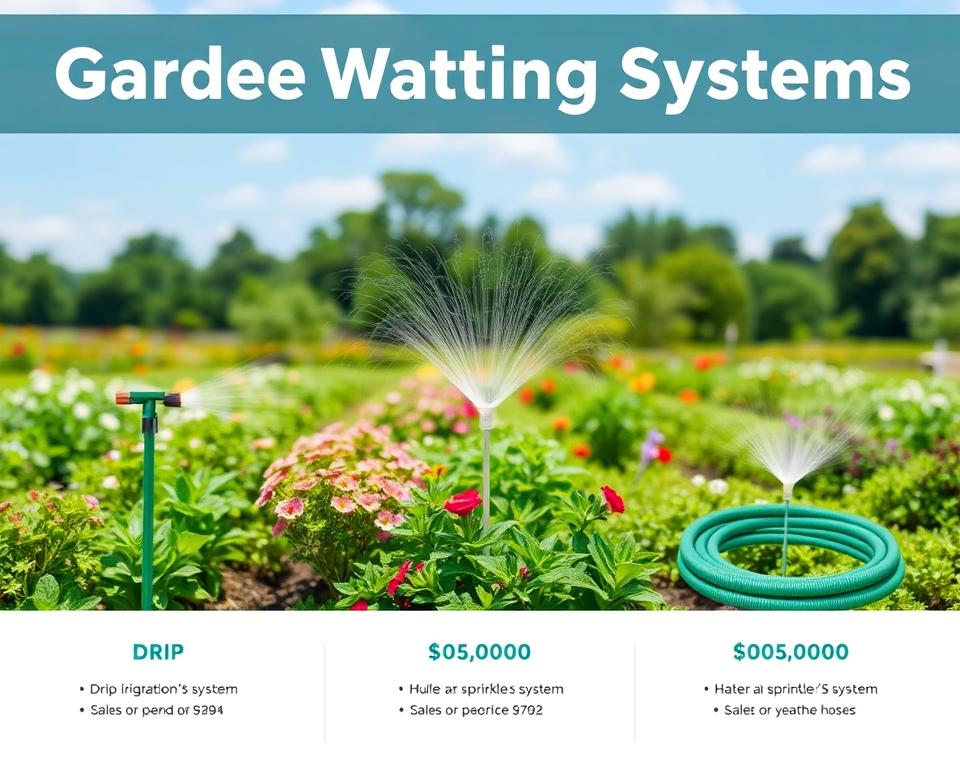
When evaluating irrigation efficiency, you’ll want to consider both initial investment and potential savings. Different watering systems offer unique cost structures that can significantly affect your water conservation efforts.
Initial Investment Versus Long-Term Savings
Let’s break down the typical costs for garden watering systems in the UK:
- Soaker hoses: £20-£60 for basic materials
- Drip irrigation kits: £80-£200 for a 30 square metre garden
- Custom irrigation systems: £300-£600 for larger spaces
- Sprinkler systems: £30-£500 depending on complexity
Water conservation becomes more economical when you calculate long-term savings. A typical drip irrigation system uses significantly less water compared to traditional sprinklers, potentially saving you £100-£300 annually.
Water Efficiency and Environmental Impact
Your choice of watering system directly impacts environmental sustainability. More efficient irrigation methods can reduce water consumption by:
- Targeting water delivery to plant roots
- Minimising water waste through evaporation
- Reducing energy required for water treatment
Drip irrigation systems typically use 40-50% less water than traditional methods, making them an excellent choice for environmentally conscious gardeners seeking both water conservation and irrigation efficiency.
Installation Considerations for Your Garden
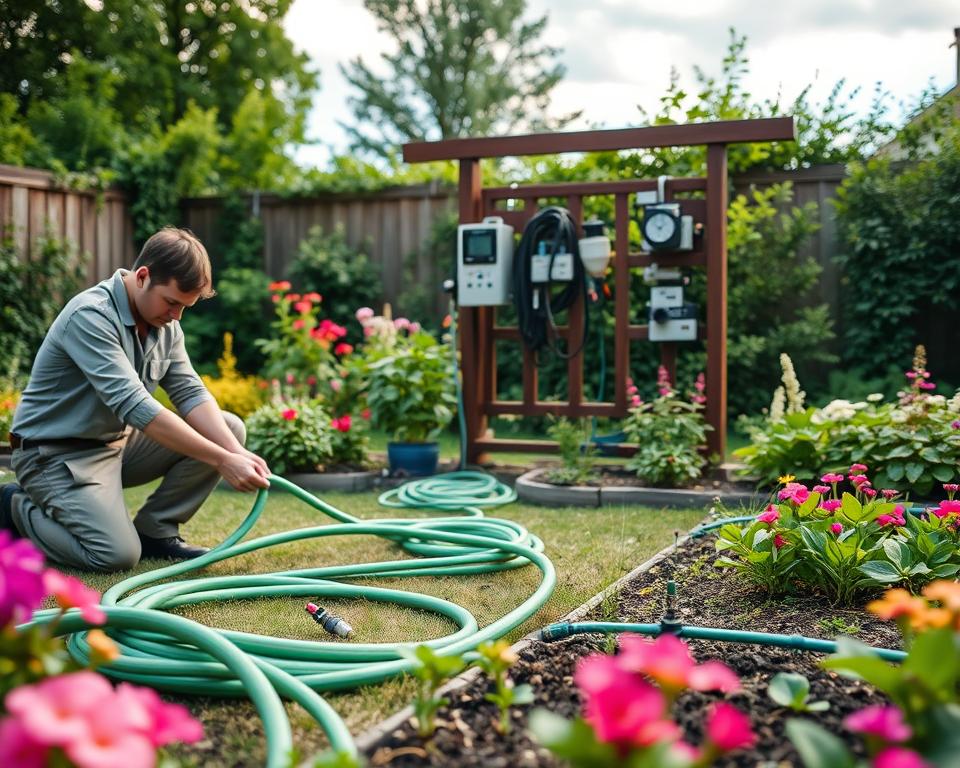
Planning your garden watering system installation requires careful preparation and strategic thinking. Before diving into the irrigation setup, you’ll need to assess several critical factors that will impact the success of your garden watering installation.
Start by mapping out your garden layout meticulously. This crucial step helps you understand the specific watering needs of different areas and plant types. Measure your garden’s dimensions and identify key water sources, ensuring you have adequate water pressure for your chosen system.
- Check water pressure using an affordable pressure gauge
- Locate existing underground utilities to prevent damage
- Calculate water flow rate from your outdoor tap
- Determine soil type and water absorption characteristics
Different watering systems require unique installation approaches. For drip irrigation, you’ll need specific tools and techniques:
- Use punch tools for connecting tubing
- Install filters to prevent system clogging
- Position emitters close to plant root zones
- Implement pressure regulators for consistent water distribution
Consider UK-specific challenges like hard water in Southeast England, which can accelerate system blockages. Older properties might have lower water pressure, requiring additional planning for effective irrigation.
| System Type | DIY Difficulty | Installation Time |
|---|---|---|
| Drip Irrigation | Moderate | 1-2 weekends |
| Sprinkler System | Complex | 2-3 weekends |
| Soaker Hoses | Easy | 1 day |
Pro tip: For complex systems or plumbing connections, consider professional installation to ensure optimal performance and prevent potential water regulation violations.
Maintaining Your Garden Watering System
Proper irrigation maintenance is crucial for keeping your garden watering system in top condition. Regular watering system care helps prevent costly repairs and ensures your garden receives optimal hydration throughout the growing season.
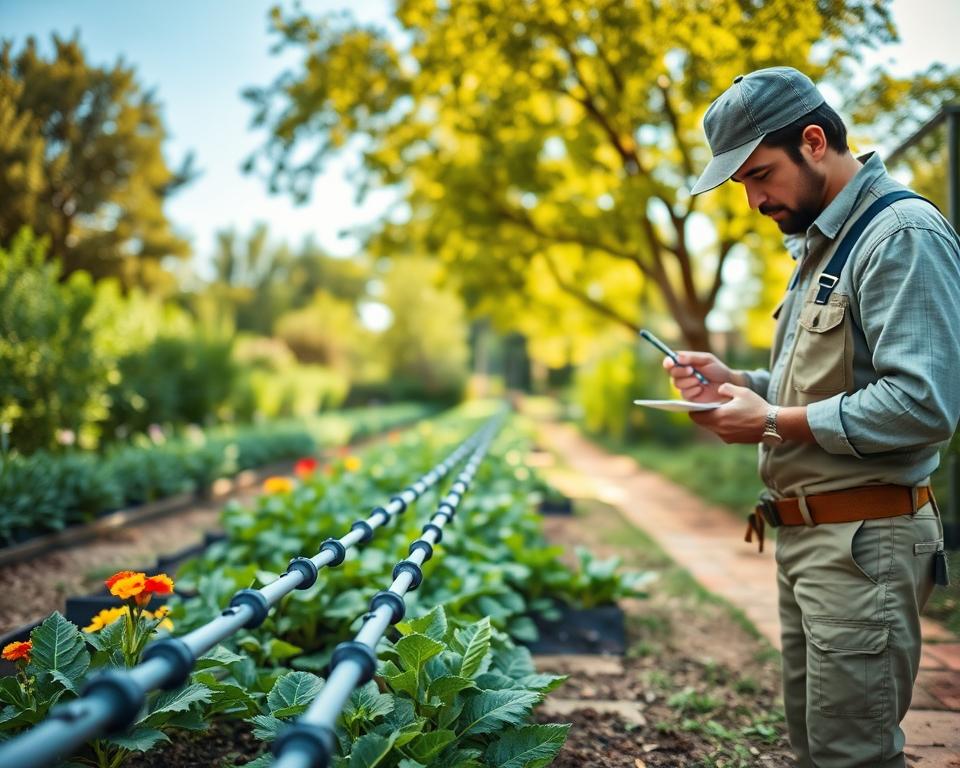
Garden irrigation upkeep involves several key strategies to protect your investment and maintain system efficiency. Understanding the essential maintenance tasks can significantly extend the life of your watering system.
Seasonal Maintenance Essentials
Different seasons demand specific care for your irrigation system. Here’s a comprehensive guide to keeping your watering system in prime condition:
- Spring Preparation:
- Reinstall system components
- Flush water lines to remove sediment
- Check for winter damage
- Replace worn washers and gaskets
- Test entire system before active growth begins
- Summer Monitoring:
- Conduct weekly system inspections
- Clean filters more frequently
- Adjust watering duration with temperature changes
- Autumn Maintenance:
- Gradually reduce watering frequency
- Conduct thorough system inspection
- Prepare for winter protection
- Winter Protection:
- Drain water from system components
- Store controllers indoors
- Insulate exposed above-ground parts
Proactive garden irrigation upkeep helps you identify potential issues early. Watch for signs like dry patches, consistent wet areas, or unusual water flow. Keep spare parts on hand to make quick repairs during the critical growing season.
Regular maintenance is the key to a healthy, efficient garden watering system.
Conclusion
Choosing the best garden watering system requires careful consideration of your unique garden landscape. Each irrigation method offers distinct advantages, and your selection should align with your specific gardening needs, plant varieties, and environmental conditions.
Drip irrigation stands out as the most precise method for water efficiency, particularly for vegetable gardens and established plant beds. Sprinkler systems remain an excellent choice for expansive lawn areas, providing comprehensive coverage with minimal effort. Soaker hoses present a versatile middle ground, offering targeted watering with straightforward installation.
When selecting your irrigation solution, consider factors like garden size, plant diversity, water conservation goals, and personal time availability. Many successful gardeners adopt hybrid approaches, combining different systems across various garden zones. Start with a basic system for your primary area and gradually expand as you gain confidence in managing your best garden watering system.
UK suppliers like Hozelock and Gardena offer robust irrigation solutions to support your choosing irrigation system journey. Remember that consistent, appropriate watering trumps sporadic manual methods. Your investment in a thoughtful watering strategy will yield healthier plants, reduced water waste, and a more sustainable garden environment.
FAQ
How do I choose the right watering system for my garden?
To select the best watering system, consider your garden’s specific needs, including garden size, plant types, soil composition, and water availability. Assess factors like sun exposure, plant root depth, and your budget. Drip irrigation works well for precise watering, sprinklers are ideal for lawns, and soaker hoses suit vegetable gardens and borders. Evaluate your garden’s unique characteristics to determine the most efficient solution.
Are automatic watering systems worth the investment?
Absolutely. Automatic watering systems can save you time, reduce water consumption by up to 50%, and provide consistent moisture for your plants. Smart controllers can cut water usage by an additional 30-40% by adjusting watering based on weather conditions and soil moisture. They’re particularly valuable for busy gardeners, those with holiday homes, or individuals with limited mobility.
How much does a garden watering system cost?
Costs vary widely: basic soaker hose systems start from £20-£60, mid-range drip irrigation kits range from £80-£200, and comprehensive sprinkler systems can cost £500 or more. Smart controllers add £15-£200 to the system. While the initial investment might seem high, you can save £100-£300 annually on water bills and reduce water consumption significantly.
Can I install a watering system myself?
Many gardeners successfully install watering systems as a DIY project. Drip irrigation and soaker hoses are particularly suitable for home installation. You’ll need basic tools like scissors, measuring tape, and a spade. However, complex systems or underground sprinkler installations might require professional help. Consider your DIY skills, garden layout, and comfort level with plumbing tasks.
How do I maintain my garden watering system?
Regular maintenance is crucial. Perform weekly visual inspections during the growing season, clean filters monthly, and check for leaks or clogged emitters. Seasonal tasks include spring system reinstallation, summer monitoring, and autumn preparation. Winterisation is critical: drain water from above-ground components, disconnect timers, and protect system parts from frost damage.
Which watering system is most water-efficient?
Drip irrigation is typically the most water-efficient system, using 40-50% less water than soaker hoses and 60-70% less than sprinklers. It delivers water directly to plant roots, minimising evaporation and waste. This targeted approach not only conserves water but also reduces the risk of weed growth and plant diseases associated with overhead watering.
Can I use different watering systems in different garden areas?
Yes, many gardeners use hybrid approaches to address varying needs across their garden. You might use drip irrigation for vegetable beds, sprinklers for lawns, and soaker hoses for border plantings. This flexible strategy allows you to optimise water delivery based on specific plant requirements, garden layout, and microclimates within your outdoor space.
How do I deal with hard water in my irrigation system?
Hard water can cause significant issues with irrigation systems, particularly in Southeast England and the Midlands. Install a water filter at the tap connection to prevent sediment and mineral buildup. Regularly clean filters and emitters, and consider using vinegar solutions to remove calcium deposits. Some systems offer pressure-compensating emitters that are more resistant to hard water challenges.