How to Camouflage a Garden Shed: Blending with Your Garden
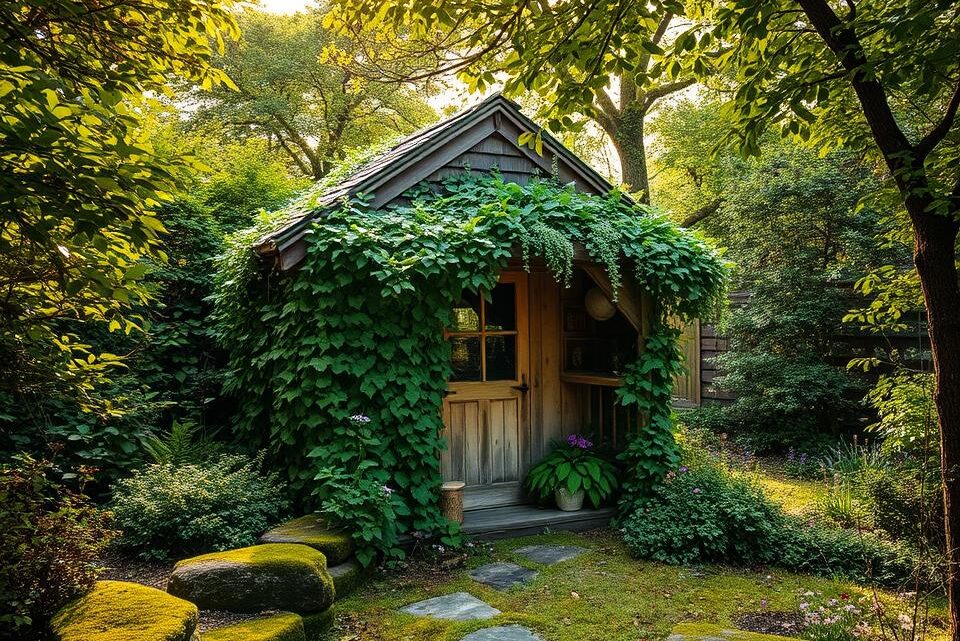
Many homeowners find their outdoor storage building becomes an eyesore. It can stick out and spoil the look of a lovely garden. The good news is, it doesn’t have to be this way. With some clever thinking, these structures can blend in beautifully.
This process involves more than just a coat of paint. It is about harmonising the building with its surroundings. Techniques range from using climbing plants to strategic placement. Even the simplest design changes can make a big difference.
This guide offers practical advice for any type of structure, be it wood, metal, or plastic. The goal is to create a seamless look. The structure should enhance the garden, not detract from it. Careful planning is essential for a successful outcome.
By considering factors like colour and location, anyone can achieve a natural look. This approach ensures the storage space becomes a valued part of the outdoor area.
Inhaltsverzeichnis
Key Takeaways
- Outbuildings can be integrated to improve garden aesthetics.
- Successful blending requires thoughtful planning and design.
- Various techniques exist, from planting to creative placement.
- The goal is a harmonious look that complements the landscape.
- Any material, like wood or metal, can be adapted.
- Functionality and visual appeal can work together.
Understanding the Importance of Shed Camouflage
The challenge many gardeners face is making functional storage structures complement rather than compromise their landscape design. When a shed stands out awkwardly, it draws unwanted attention and disrupts the garden’s natural harmony.
Aesthetic Value and Privacy Benefits
A well-integrated storage building contributes to cohesive garden design. It ensures all elements work together visually. This approach prevents jarring structures from catching the eye.
Strategic screening also offers significant privacy advantages. It can shield the space from neighbours’ views without expensive fencing. This creates more intimate, personal outdoor areas.
Improving Garden Functionality and Appeal
Proper integration actually enhances garden usability. It frees up visual space while maintaining practical storage functions. The structure becomes a positive contributor rather than an eyesore.
Humans naturally notice structures and movement. Clever camouflage redirects attention toward attractive features like swaying plants. This technique creates natural focal points that enhance the overall appeal.
Incorporating wildlife-friendly plants around the structure supports biodiversity. It transforms a sterile building into a habitat-enhancing feature. This benefits bees, butterflies, and birds while improving visual appeal.
Planning Your Garden Shed Camouflage Strategy
A cohesive garden design requires the storage building to be considered as part of the overall layout from the outset. Rushing into decoration without a plan often leads to poor results. This phase is about thoughtful assessment and strategic decision-making.
Assessing Your Garden Layout
A common error is placing the structure at the far end of the garden. This location often makes it a dominant focal point. A direct path leading straight to it only emphasises its presence.
A better approach considers sightlines and movement. Position the building so visitors encounter attractive features first. This makes the storage area a secondary part of the journey through the space.
Selecting Complementary Colours
Colour choice is critical for blending. Natural tones like greens, browns, and greys typically work best. These shades harmonise with the surrounding planting and hard landscaping.
Since the building is usually visible from the house, its design can offer inspiration. Matching materials or colour schemes creates visual continuity. This makes the shed feel like a deliberate extension of the property.
Considering the Shed’s Placement
Strategic placement involves more than just hiding the building. A midway position allows for partial screening with plants. It also frees up valuable garden space for seating or other features.
This thoughtful positioning enables the structure to be walked past naturally. It integrates functionality with aesthetics, ensuring the garden remains a beautiful and usable space.
How to Camouflage a Garden Shed
The best approach for an outdoor storage building is often not to conceal it, but to enhance its design. This philosophy transforms a potential eyesore into a valued garden feature. It is a more effective way of thinking about integration.
Overview of Practical Methods
Numerous do-it-yourself methods exist for homeowners. These ideas suit various skill levels and budgets. They can be used alone or combined for greater impact.
The table below outlines core techniques for improving a shed’s look.
| Method | Key Action | Primary Benefit |
|---|---|---|
| Strategic Painting | Using colours that match the garden’s palette. | Creates immediate visual harmony. |
| Plant Integration | Adding climbers, shrubs, or container gardens. | Softens edges and provides natural screening. |
| Structural Upgrades | Fitting a pitched roof or new door. | Elevates basic design into an attractive feature. |
| Decorative Additions | Installing trellis, window boxes, or signage. | Adds character and personalisation. |
Real Garden Transformations
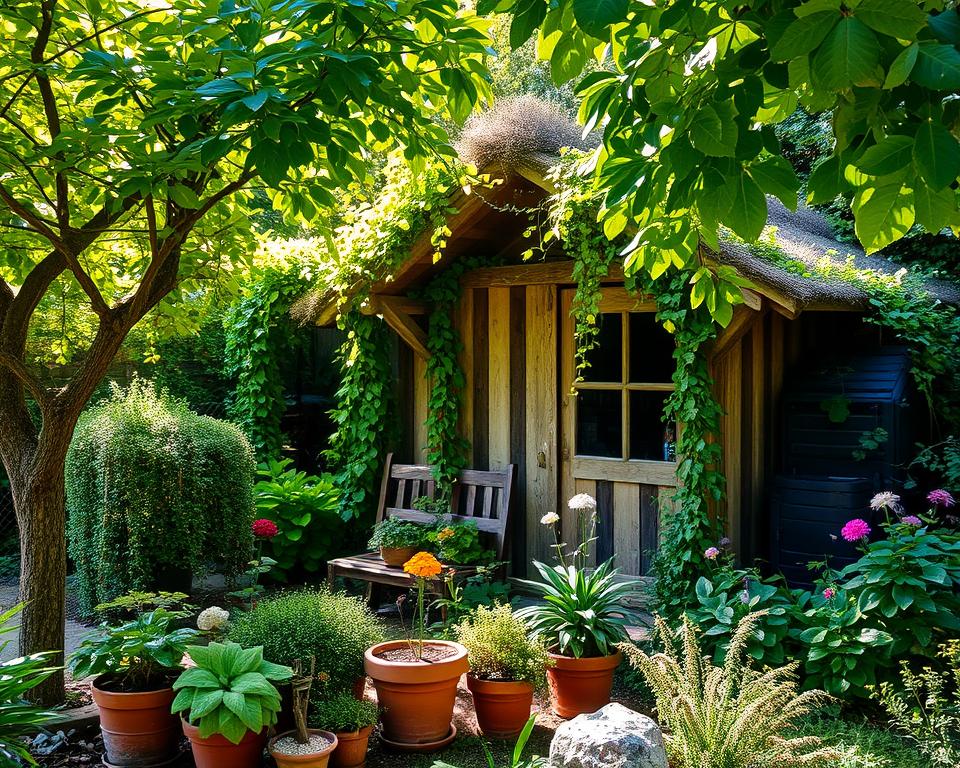
Stephen Ryan offers excellent advice. He suggests spending time to make the structure attractive, so it doesn’t need hiding. His own project placed a building where two paths meet, making it a focal point.
He centralised the door and window for balance. He then transformed a simple corrugated iron shed with weatherboarding and a pitched roof. The result is a building that enhances the gardens.
Another inspiring example comes from Richard Iron. He clad his lean-to in the same style as his house. He used recycled floorboards inside and added a practical mulch tray. This shows how functionality and aesthetics can combine beautifully.
These examples prove that with some clever ideas, any structure can become a point of pride. The goal is to create a shed look that contributes positively to the landscape.
Creative Camouflage Techniques and Materials
Beyond basic concealment lies the opportunity to craft distinctive visual elements. Creative methods transform functional structures into integrated garden features. These approaches combine practical solutions with artistic vision.
Painting Tricks for a Cohesive Look
Selecting the right paint type is crucial for different materials. Metal surfaces require 100% acrylic formulations for proper adhesion. Plastic structures need specialised plastic-adhering paint.
Wooden buildings perform best with water-based outdoor stains. A matt finish prevents sunlight reflection that draws attention. This simple trick helps structures blend naturally.
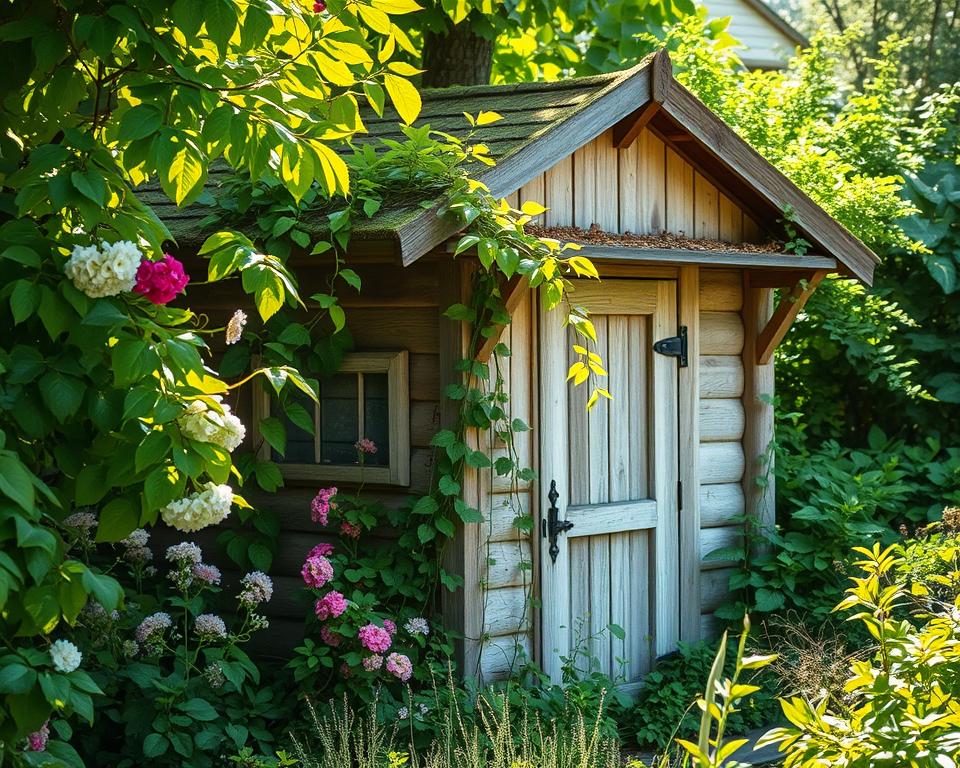
Utilising Climbing Plants and Trellises
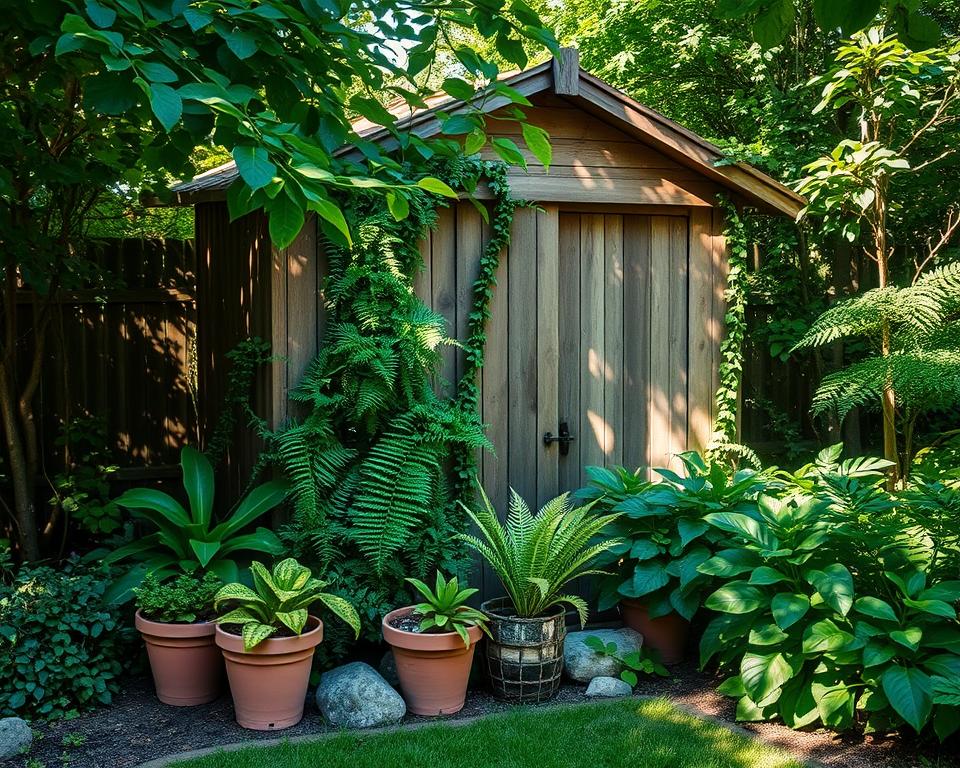
Climbing plants like ivy, clematis, and jasmine soften hard edges. These fast-growing specimens create natural-looking coverage. They transform box-like structures into living features.
Installation methods vary by material. Timber cladding allows direct screwing of trellis panels. Metal surfaces may require hooks to avoid drilling damage.
Freestanding arrangements work well for plastic buildings. This climbing plant approach supports local wildlife. It creates seasonal interest throughout the year.
Innovative Uses of Recycled Materials
Repurposed materials offer cost-effective solutions with character. Old floorboards can line interior walls beautifully. Wooden dowels provide rustic hanging options.
Salvaged doors and windows add unique architectural interest. Online tutorials help with construction techniques. This sustainable approach reduces waste while achieving quality results.
Incorporating Landscape Features for Enhanced Screening
A truly seamless look is achieved not just by decorating the building, but by designing the garden around it. This approach uses the entire outdoor space to redirect attention and create visual complexity.

Designing Focal Points and Garden Paths
Human perception is naturally drawn to movement and striking features. Placing a ‘look at me’ tree or sculpture at the garden’s end creates a powerful focal point. This effectively makes the eye travel past other elements.
The design of the path is equally crucial. A route that meanders towards a seating area or pond first prevents the structure from being the main destination. This strategic path design integrates the building as a secondary feature within the journey.
Integrating Natural and Structural Elements
Tall, soft shrubs like bamboo or ornamental grasses create a living screen. Their movement in the breeze helps draw eye away from static shapes. This planting also attracts bees and birds, adding lively distraction.
Structural elements like fences can partition the space. Lattice panels near the home allow light through and support climbers, fitting a cottage theme. Solid timber fence panels provide a strong backdrop and act as windbreaks.
| Element Type | Primary Function | Visual Benefit |
|---|---|---|
| Dynamic Planting | Attracts wildlife and sways in wind. | Creates movement to draw eye. |
| Strategic Fences | Defines zones and provides shelter. | Breaks up sightlines; supports a design theme. |
| Purposeful Path | Guides movement through the garden. | Leads the eye to attractive features first. |
Conclusion
Ultimately, a garden structure becomes a seamless part of the landscape through deliberate design choices. The goal is not to hide the shed but to enhance its style, making it a valued feature. This approach transforms basic storage into an attractive element.
Successful integration combines several ways. Strategic painting, clever planting, and thoughtful placement are all effective. Innovative ideas, like a living green roof, add unique character. Even a simple metal building can achieve a beautiful shed look.
Stephen’s project shows how a garden shed can be a testing ground for house design. His advice highlights the importance of comfort. Good storage spaces need solid floors and enough light.
With some time and creativity, anyone can make shed designs that reflect their personal style. View these sheds as a chance for expression. They can become a proud part of your home and garden.
FAQ
What are the primary benefits of camouflaging a garden shed?
Camouflaging a storage shed offers significant aesthetic and privacy advantages. It helps the structure blend with its surroundings, enhancing the garden’s overall appeal. This approach also draws the eye away from the shed, creating a more cohesive and tranquil outdoor space.
How can I choose the right colour to make my shed blend in?
Selecting a complementary colour is crucial. It is advisable to choose a shade that matches the house, fence, or dominant foliage. Muted, natural tones like olive green, soft grey, or earthy brown are often effective. This simple trick integrates the shed into the garden’s design rather than making it stand out.
Can climbing plants damage my shed?
When managed correctly, climbing plants like jasmine or clematis are safe. Using a trellis fixed slightly away from the wall provides necessary airflow and prevents moisture buildup against the wood or metal. Regular pruning is essential to keep growth under control and maintain the shed’s integrity.
What are some quick ways to hide a shed if I’m on a budget?
Several budget-friendly ideas exist. A fresh coat of paint in a suitable colour offers an immediate improvement. Planting fast-growing shrubs or installing a simple trellis for climbers are also cost-effective methods. Using recycled materials to create a decorative screen is another innovative and economical solution.
How can I use landscaping to camouflage my shed effectively?
Strategic landscaping is a powerful tool. Planting taller shrubs or small trees near the shed can partially obscure it. Designing a garden path that leads the eye towards a different focal point, such as a seating area or water feature, also helps to divert attention away from the storage space.
Is a green roof a feasible option for a garden shed?
A green roof is an excellent way to enhance camouflage and benefit local birds and insects. However, it requires a sturdy structure capable of supporting the weight of soil and plants, along with a reliable waterproofing membrane. For most standard sheds, a lightweight sedum mat system is the most practical choice.