Learn How to Add an Electric Supply to Your Shed with Ease
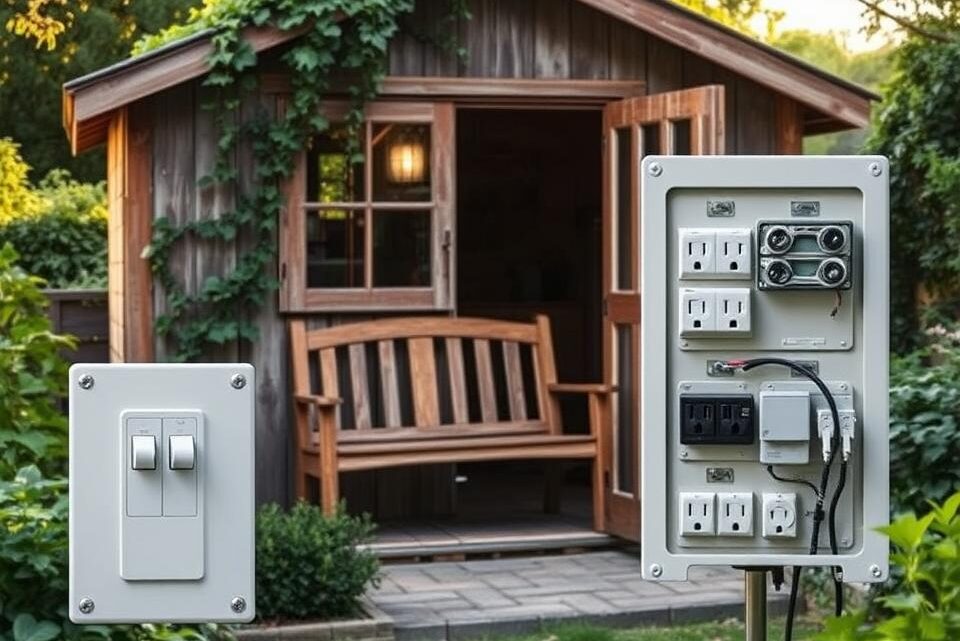
The landscape of garden buildings has transformed significantly in recent years. With the rise of remote working, many people now seek functional spaces beyond the main home. A garden shed is no longer just for storage.
These structures have evolved into versatile spaces for work, leisure, and creativity. The demand for proper electrical installations has grown accordingly. Whether creating a garden office, workshop, or entertainment area, reliable power is essential.
There are different approaches to bringing electricity to an outdoor building. Temporary solutions like extension cables offer convenience but have limitations. A permanent mains power connection provides greater safety and functionality.
This process requires careful planning and professional expertise. While homeowners can handle preparatory work, the electrical installation itself must meet UK regulations. Qualified electricians ensure compliance with safety standards.
The scope of electrical needs can vary widely. Some require basic lighting and sockets, while others need comprehensive systems for multiple devices. Proper planning from the outset saves time and resources.
Inhaltsverzeichnis
Key Takeaways
- Remote working has increased demand for powered garden buildings
- Modern sheds serve multiple purposes beyond simple storage
- Permanent electrical installations require professional involvement
- UK building regulations must be followed for safety compliance
- Planning the electrical needs early prevents future complications
- Both temporary and permanent power solutions have their place
Planning Your Shed’s Electrical Supply
Before any cables are laid or sockets installed, careful consideration of the shed’s intended purpose is essential. The building’s function directly influences the scale of electrical work required.
Assessing Your Power Requirements
Different uses demand specific power configurations. A garden office needs multiple sockets for computers and printers. Workshops require robust circuits for power tools.
Home gyms need dedicated outlets for exercise equipment. Create a comprehensive list of all devices that will draw electricity. Consider both immediate needs and potential future expansions.
Mapping Out Sockets and Lighting Needs
Strategic placement of electrical points enhances functionality. Position sockets at convenient heights near work areas. Outdoor sockets provide easy access for garden equipment.
Lighting should cover the entire space adequately. Task lighting focuses on specific work zones. General illumination ensures safe movement throughout the building.
Consulting a qualified electrician during planning helps identify potential issues. Their expertise ensures the electrical installation meets safety standards.
Understanding UK Building Regulations and Safety Standards
Property owners considering shed electrification need to understand the regulatory framework governing such work. The UK has established comprehensive safety standards to protect both people and property from electrical hazards.
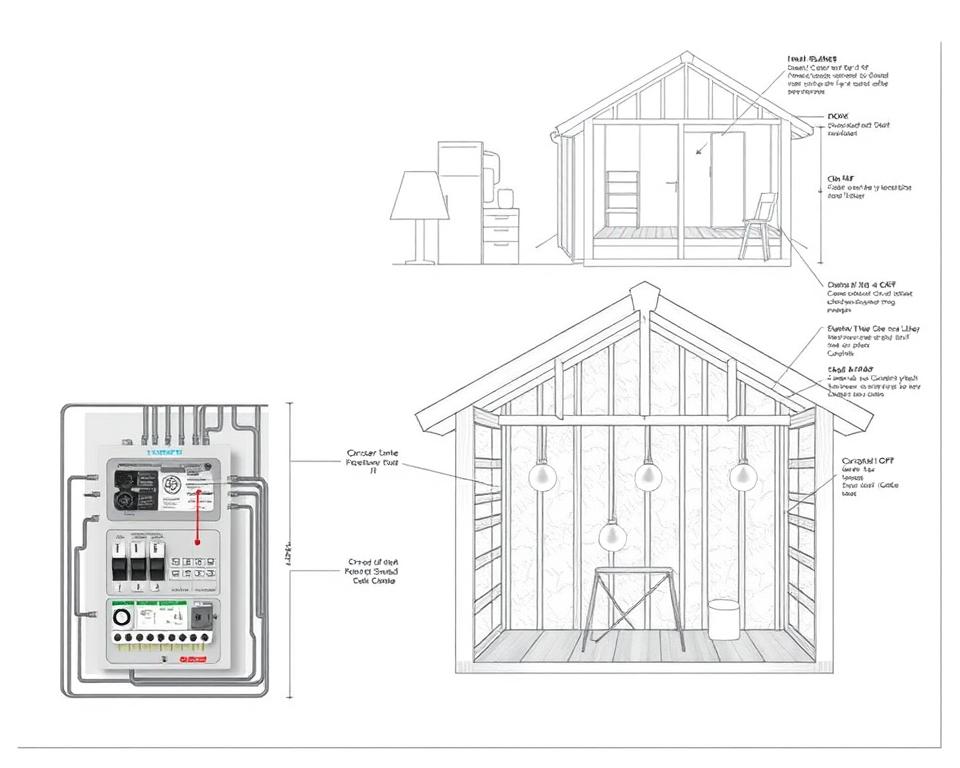
These building regulations ensure all electrical installations meet minimum safety requirements. Compliance is not optional but mandatory under law.
Overview of Part P and Building Control
Part P of the building regulations specifically addresses electrical safety in dwellings. This part makes electrical work in outbuildings “notifiable.” Homeowners must inform their local authority before starting installation.
The building control process involves inspection by a competent person. This verification ensures the installation meets required standards. Failure to comply can result in enforcement action.
Ensuring Conformance with BS 7671
BS 7671 represents the UK wiring standard for electrical installations. This document contains detailed technical regulations for safe practice. All work must conform to these specifications.
Hiring a qualified electrician registered under a competent person scheme simplifies compliance. These professionals can self-certify their work as meeting Part P requirements.
| Aspect | DIY Approach | Professional Installation |
|---|---|---|
| Regulatory Compliance | Requires separate building control inspection | Self-certification available through scheme membership |
| Safety Assurance | Dependent on individual knowledge and skill | Guaranteed through qualifications and experience |
| Documentation | May not receive proper certification | Includes Electrical Installation Certificate |
| Long-term Value | Potential issues with property sales | Adds value with proper documentation |
Completed installations receive either an Electrical Installation Certificate or Minor Work Certificate. These documents provide crucial records for future property transactions.
How to Add an Electric Supply to Your Shed
Establishing a reliable power source for an outbuilding involves connecting to the house’s mains supply. This connection typically originates from the main consumer unit or fuse box. An assessment determines if the existing system can handle the additional load.
Older fuse boxes may require upgrading to accommodate the new circuit. This adds to the project’s complexity and cost. A qualified electrician must evaluate the house‘s electrical capacity before proceeding.
Planning the cable route is crucial for a successful installation. The path from the main building to the shed should avoid future digging areas and garden obstacles. Distance affects cable specifications and potential voltage drop.

Homeowners can assist by preparing the trench for underground cables. This work should occur on dry days to prevent site damage. Mark the route with string after consulting your electrician.
Dig the trench shortly before the professional arrives. This minimises weather exposure. The electrician then installs armoured cables and makes connections at both ends.
Final testing ensures the entire system operates safely. The electrician provides certification confirming compliance with regulations. This documentation proves valuable for future property transactions.
Hiring a Qualified Electrician vs DIY Considerations
Electrical installations in garden structures present a critical choice between professional expertise and personal involvement. This decision impacts safety, compliance, and long-term functionality.
Benefits of a Certified Electrician
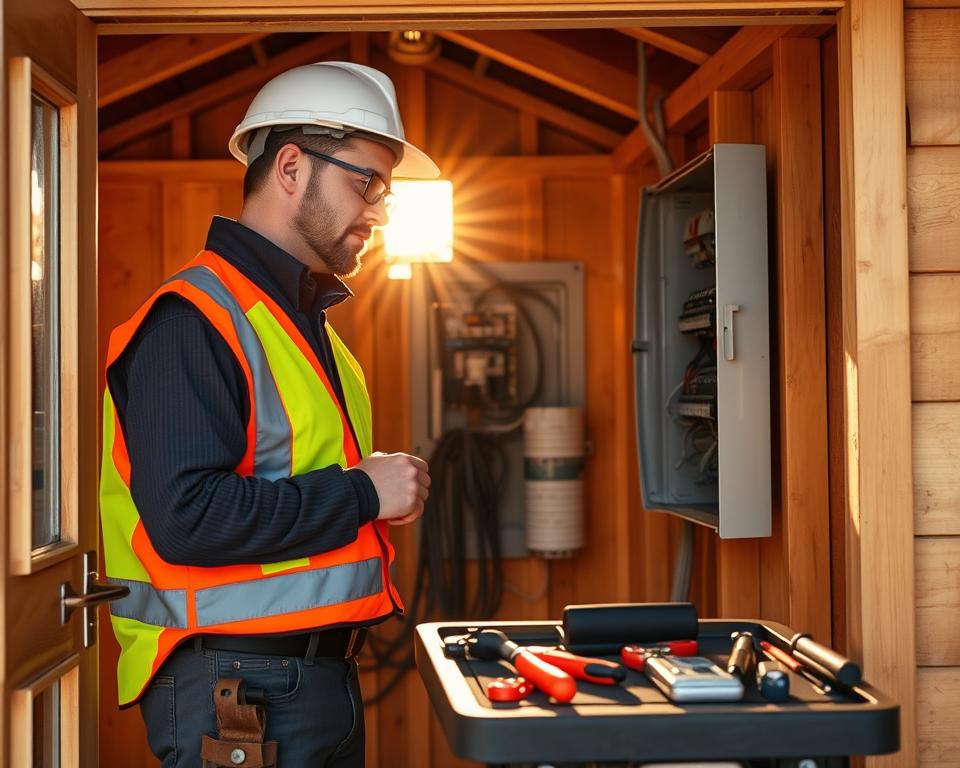
Hiring a qualified electrician ensures the job meets all necessary standards. These professionals understand complex building regulations and wiring requirements.
A certified electrician provides proper assessment and correct installation. They handle everything from planning to testing. This professional approach guarantees safety and reliability.
Risks of Self-Installation
DIY electrical work carries significant risks. Without proper training, individuals may overlook critical safety measures. This approach often leads to non-compliant installations.
Attempting this job without expertise can result in expensive corrections. The way forward involves seeking professional advice. Proper installation protects both people and property.
For any garden shed project, consulting a qualified electrician is the wisest course. Their expertise ensures the electrical work meets all requirements.
Tracing and Installing Cable Routes
The pathway chosen for electrical cables significantly impacts both functionality and aesthetics. This decision requires careful evaluation of practical considerations and long-term implications.
Deciding Between Above Ground and Underground Options
Above-ground installation represents one possible approach. This method typically uses armoured cable running from the house to the shed. However, exposed cables present several disadvantages.
Visible wiring can detract from garden aesthetics and create trip hazards. They remain vulnerable to damage from garden maintenance or weather conditions. Underground routing offers superior protection and visual appeal.
Planning the Cable Trench
For underground installation, proper trench preparation is essential. The route should avoid areas of frequent activity and future landscaping projects. A depth of 600mm provides adequate protection for armoured cable installations.
Consider the interaction between cables and the shed foundation. Concrete bases make cable routing challenging. Cables typically emerge through adjacent soft ground or are positioned before base construction.
Marking the cable route ensures future safety during digging projects. This careful planning creates a reliable power supply that meets all safety standards.
Essential Tools and Materials for Installation
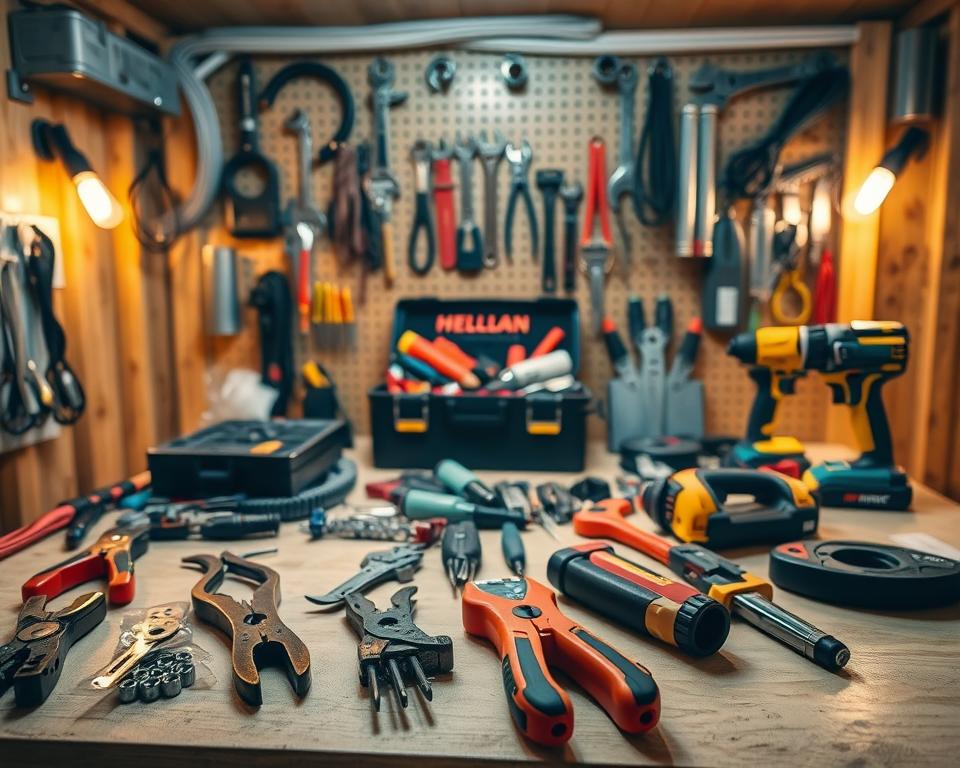
Homeowners can contribute significantly by preparing the site with basic tools before the electrician arrives. Proper equipment selection ensures a smooth installation process.
Selecting the Right Power Tools
Basic power tools help with site preparation tasks. A sturdy spade and mattock work well for trench digging. Mechanical options suit longer cable runs.
Drills assist with mounting back boxes and cable clips. Hole cutters create clean entry points through shed walls. Measuring tools ensure accurate positioning of electrical fittings.
These tools handle preparatory work only. The actual electrical connection requires specialist equipment that qualified electricians possess.
Choosing Suitable Cables, Sockets, and Accessories
Steel wire armoured cable provides underground protection. The size depends on distance and power requirements. Weatherproof external sockets withstand garden conditions.
Internal sockets typically feature 13-amp double configurations. Proper lighting requires dedicated fittings with wall switches. A separate consumer unit may be necessary for circuit protection.
Cable glands ensure weatherproof entry into the shed. Conduit protects internal cable runs. Quality components guarantee reliability in outdoor locations.
| Material Type | Homeowner Preparation | Electrician Installation |
|---|---|---|
| Cable Selection | Trench preparation only | SWA cable specification and laying |
| Socket Installation | Position marking and box mounting | Wiring and safety testing |
| Lighting Systems | Fixture placement planning | Circuit creation and switch wiring |
| Safety Components | None – professional only | Fuse box installation and earthing |
Professional installation costs typically range from £500 to £2,000. This varies based on distance from the main supply and installation complexity.
Tips for Safe and Efficient Shed Electrics Installation
Optimising the installation process for shed electrics requires a focus on timing, site safety, and thorough plan review. Careful preparation minimises complications and ensures a reliable system.
Homeowners can undertake specific preparatory work to facilitate a smooth professional installation.
Site Preparation and Cable Management
Choosing the right time for digging the trench is crucial. Select a dry day to prevent a waterlogged site and soil collapse. Ideally, dig shortly before the electrician arrives to reduce exposure.
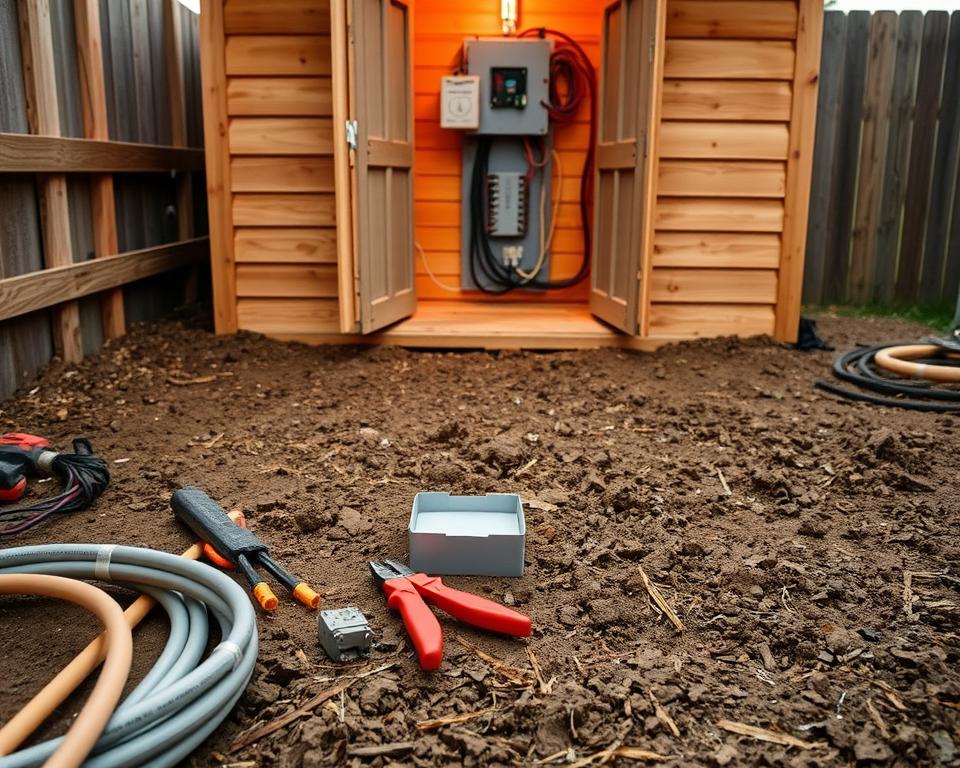
Secure open trenches with barriers to prevent accidents. Keep excavated soil organised for efficient backfilling. For new garden buildings, consider laying the cable before pouring the concrete base.
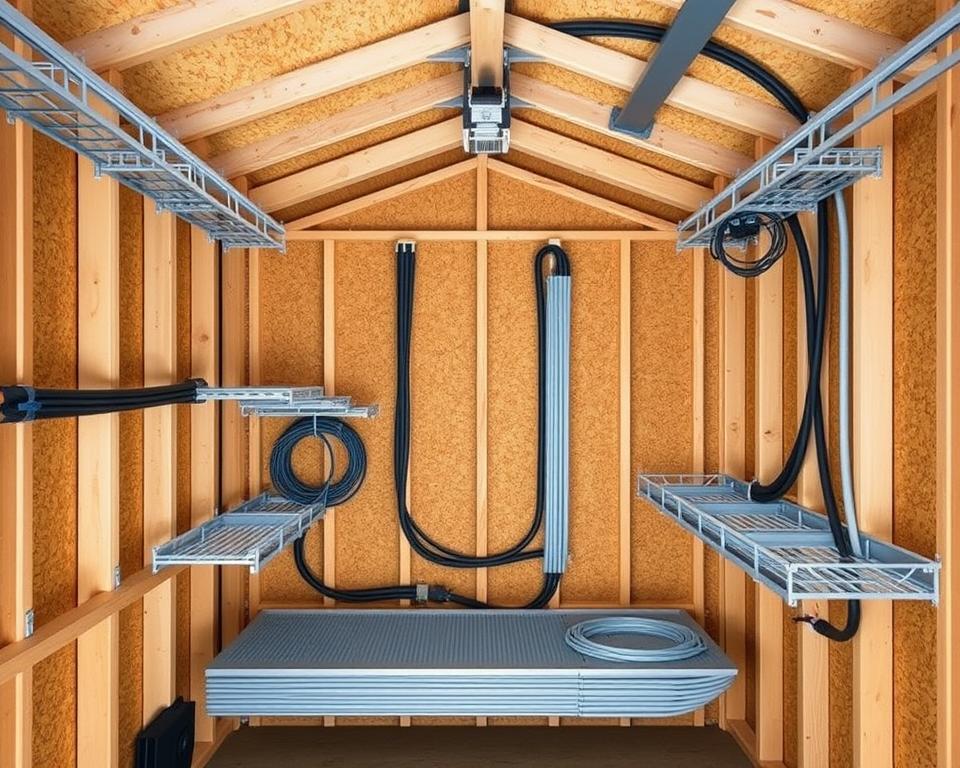
Inside the shed, plan cable routes to avoid damage. Use trunking for easy access or conceal wires within walls for a neat finish. Ensure weatherproof glands seal all entry points.
Reviewing and Double-checking Your Installation Plan
Before the electrician begins work, review your plan meticulously. Confirm all socket and lighting positions match your intended use. This saves time and prevents costly changes later.
Walk through the plan with the professional. This final check identifies potential issues and confirms mutual understanding. It is valuable advice to ensure the power layout is perfect.
Once the installation is complete, the electrician provides a certificate. Keep this documentation safe with a marked plan of the cable route for future reference.
| Pre-Installation Task | Homeowner Responsibility | Key Benefit |
|---|---|---|
| Trench Digging & Site Prep | Coordinate timing with electrician; ensure dry conditions | Prevents site damage; ensures safety |
| Final Plan Review | Verify socket/lighting positions against needs | Avoids expensive post-installation modifications |
| Documentation & Marking | Photograph cable routes; mark on garden plan | Prevents future damage; aids property sales |
Conclusion
Installing a mains power connection fundamentally transforms a simple garden building into a versatile and valuable asset for any home. This upgrade supports a wide range of uses, from a productive garden office to a functional workshop.
The process demands careful planning and professional execution. Engaging a qualified electrician is essential for ensuring safety, regulatory compliance, and a reliable electrical installation.
While the initial investment is required, the long-term value is significant. A properly powered shed provides decades of safe, functional use and enhances overall property appeal.
By following the guidance outlined, homeowners can proceed with confidence. They can create a superb outdoor space that meets all their needs for years to come.
FAQ
Why is it essential to involve a qualified electrician for shed electrics?
Engaging a qualified electrician is crucial because electrical work must comply with Part P of the Building Regulations. A certified professional ensures the installation is safe, adheres to BS 7671 wiring standards, and is properly certified, which is a legal requirement for notifiable work.
What type of cable is recommended for running power to a garden shed?
Steel wire armoured (SWA) cable is typically recommended for supplying electricity to a shed. This cable is designed for durability and safety, offering protection against physical damage and moisture when installed underground or on the surface.
Does adding a simple power socket to a shed require building control notification?
A>Yes, most electrical work in a shed, including adding a new circuit from the household fuse box, is notifiable to building control. This must be carried out by a qualified electrician who can self-certify the work or by making a building regulations application.
How deep should a cable trench be for an underground supply?
A cable trench should be a minimum of 450mm deep. It is vital to use warning tape or a protective covering board above the armoured cable before backfilling to safeguard the installation from future digging activities.
Can standard indoor electrical accessories be used in a garden shed?
No, standard indoor accessories are not suitable. A garden shed requires sockets, switches, and light fittings that are specifically designed for outdoor or damp environments to ensure safety and longevity.
What are the key safety steps before starting any electrical work?
The most critical safety step is to isolate the circuit at the main fuse box by switching off the power and verifying it is dead using a voltage tester. Site preparation and careful cable management are also essential for a safe installation process.