Learn How to Anchor a Metal or Plastic Shed
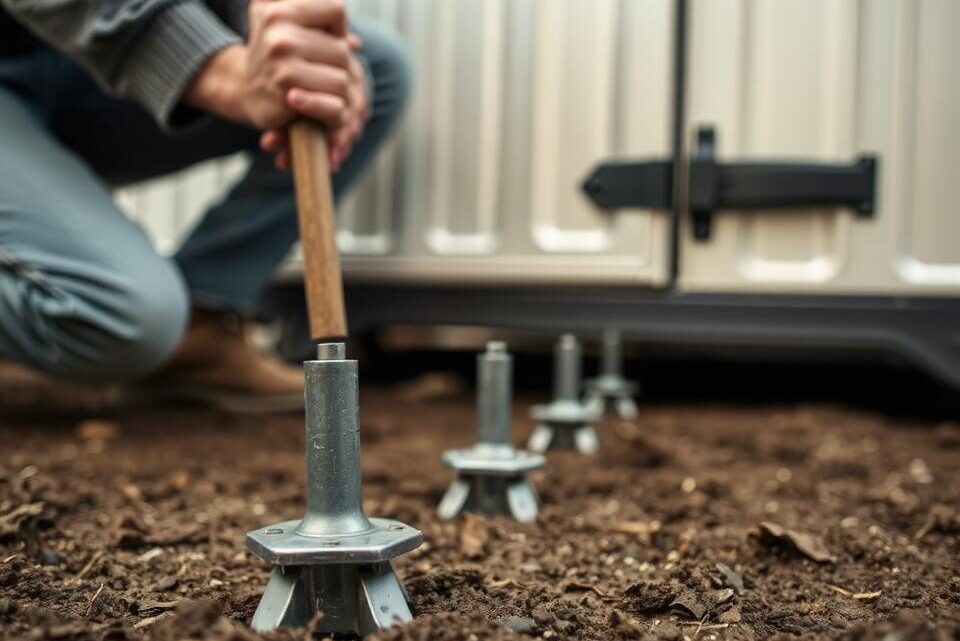
A garden shed offers valuable storage space and enhances the functionality of any outdoor area. However, its usefulness depends entirely on its stability. Strong winds pose a significant threat to structures that are not securely fastened.
Metal and plastic constructions are particularly vulnerable due to their lighter weight. An unsecured building can be lifted or shifted, leading to costly damage. Furthermore, freezing temperatures can affect both the structure and its foundation, compounding the problem.
This comprehensive guide explains why securing your garden building is not just advisable, but often a legal requirement for obtaining building permits. It is a crucial step in protecting your investment.
Inhaltsverzeichnis
Key Takeaways
- Securing a garden building is essential for its stability and longevity.
- Lightweight structures are especially vulnerable to being moved by strong winds.
- Proper fastening protects your investment from weather-related damage.
- Many local authorities require this safety measure for compliance.
- A solid foundation is important, but additional securing measures are often necessary.
- The process is manageable with the correct techniques and guidance.
Essential Preparations for Anchoring Your Shed
Proper groundwork is the cornerstone of a stable and long-lasting storage building. Rushing this phase can lead to significant issues later. Taking the time to plan meticulously ensures the entire structure remains secure for years.
https://www.youtube.com/watch?v=9sk08DTObd0
Assessing the Site and Selecting the Suitable Foundation
Choosing the right location is the first critical step. The selected area must be clear of debris and offer a solid, level surface. It is vital to consider the garden’s layout and drainage patterns.
Two primary foundation options exist: a gravel base or a concrete slab. A gravel foundation provides excellent drainage and is cost-effective. A concrete base offers a more permanent and robust surface. The choice depends on local soil conditions, budget, and the building’s intended use.
Ground preparation involves removing the topsoil to reach stable subsoil. Using a spirit level is essential to confirm the ground is perfectly even. The excavation depth should account for the local frost line.
Gathering the Necessary Tools and Materials
Having the correct equipment on hand streamlines the entire process. Essential tools include a hammer drill, measuring tape, wrenches, and safety gear. These items ensure the work is done efficiently and safely.
Required materials typically consist of galvanised anchor bolts, concrete anchors, and sealant. Using high-quality, durable components is non-negotiable for achieving long-term stability. A well-prepared checklist prevents delays.
How to Anchor a Metal or Plastic Shed
Implementing the anchoring system demands precision and adherence to established procedures. The method varies significantly depending on whether one uses a concrete slab or gravel foundation.
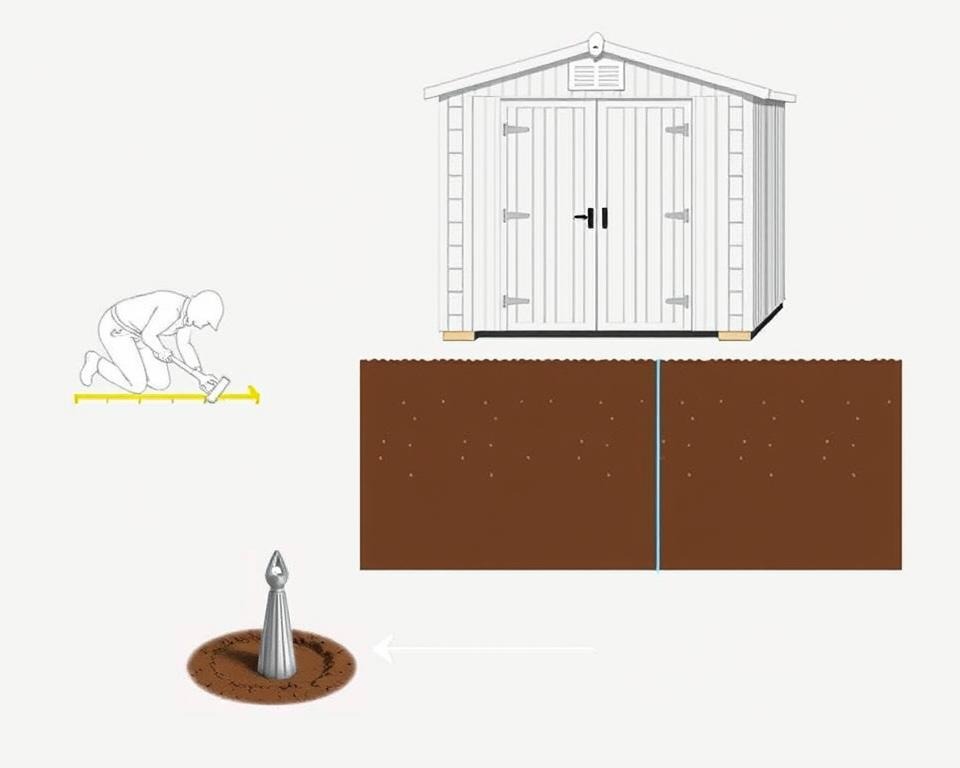
Step-by-Step Instructions for Concrete and Gravel Bases
For concrete installations, begin by positioning the structure’s frame on the prepared slab. Ensure all corners align perfectly with the foundation. Accurate placement prevents future stability issues.
Using a hammer drill with a masonry bit, create holes through the frame into the concrete below. Careful measurement at this stage is crucial. Misaligned holes compromise the entire installation.
Insert appropriate anchor bolts through the frame into the drilled openings. Tighten them securely with a wrench. This final step provides the essential resistance against shifting.
Gravel foundations require different approaches. Concrete piers offer excellent stability when properly installed. Alternative systems like bullet anchors provide substantial pullout resistance in various soil conditions.
Common Pitfalls and How to Make Sure Your Shed Remains Secure
Avoid relying solely on the building’s weight for stability. This common mistake leads to movement during severe weather. Proper fastening is non-negotiable.
Ensure no gaps exist between the structure and its foundation. These spaces allow water infiltration and reduce stability. Applying sealant before final tightening enhances protection.
Regular inspection after installation confirms ongoing security. Environmental factors can affect the anchoring system over time. Periodic checks maintain optimal performance.
Advanced Tips and Techniques for Enhanced Stability
Elevating the security of your outdoor structure involves implementing sophisticated fastening systems. These methods provide superior resistance against extreme weather conditions.
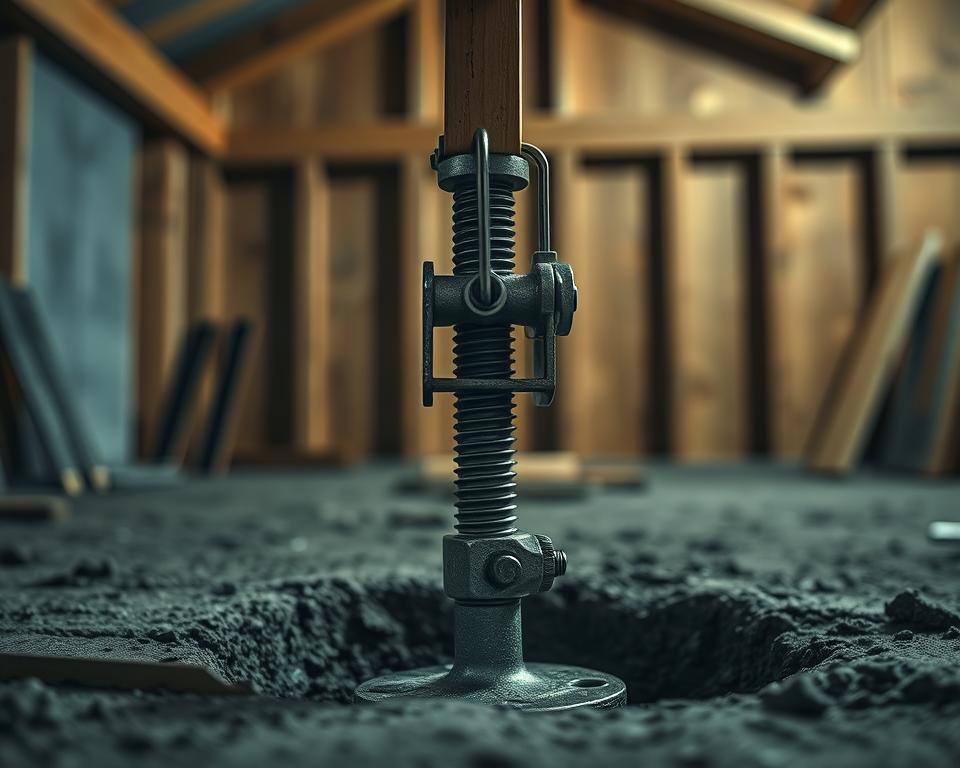
Professional installations often combine multiple components for maximum holding power. This approach creates redundant security measures that ensure long-term stability.
Integrating Multiple Fastening Systems
L-brackets offer excellent connection strength when installed with concrete bolts. They should be positioned at critical stress points along the frame.
Concrete anchor straps can be embedded during foundation pouring for permanent security. This technique requires precise measurement of runner positions.
Corner braces distribute pressure evenly across the entire structure. They prevent concentrated stress that could compromise the installation over time.
Weather Protection and Ongoing Maintenance
Applying polyurethane sealant between the frame and foundation creates a water-resistant barrier. This prevents moisture infiltration while adding grip.
Galvanised hardware resists rust and corrosion from weather exposure. Regular inspections help detect early signs of movement or loosening.
Checking bolt tightness after initial settling ensures continued security. Gentle pressure tests can reveal any developing instability issues.
| Component Type | Primary Application | Key Benefits |
|---|---|---|
| L-Brackets | Frame to concrete connection | Distributes stress, enhances rigidity |
| Anchor Straps | Embedded foundation securing | Permanent installation, high pullout resistance |
| Corner Braces | Structural reinforcement points | Prevents racking, improves wind resistance |
| Galvanised Bolts | All fastening applications | Weather-resistant, long-lasting durability |
Proper drainage around the foundation area prevents water accumulation. A gravel layer beneath concrete slabs promotes effective water management.
Conclusion
Weather-resistant storage solutions require meticulous attention to anchoring details. This comprehensive guide has outlined the essential step-by-step process for securing outdoor buildings effectively.
Proper preparation of the foundation area and careful selection between concrete or gravel bases form the cornerstone of lasting stability. Taking adequate time to mark positions accurately and drill precise holes ensures professional results.
The correct installation of anchor bolts and other securing components provides crucial protection against environmental stresses. Different building materials demand tailored approaches, with lighter structures needing particular care.
By following these systematic instructions, property owners can achieve durable installations that withstand challenging conditions. The investment in proper securing techniques pays dividends through extended building lifespan and enhanced garden functionality.
FAQ
Why is anchoring a shed so important?
Anchoring prevents the shed from shifting, lifting, or overturning during strong winds and severe weather. This protects the structure from damage and safeguards its contents.
What type of anchor is best for a gravel base?
Ground anchors or auger-style anchors are ideal for gravel bases. These are driven deep into the ground beneath the gravel, providing a firm hold that resists lateral and uplift forces.
Can a shed be anchored directly to a concrete slab?
Yes, anchoring a shed to a concrete slab is highly effective. Using concrete anchors or masonry bolts drilled directly into the slab offers exceptional stability and security.
How often should shed anchors be checked?
It is advisable to inspect the anchors and the overall stability of the shed at least once a year. Additional checks are recommended after periods of extreme weather.
Are there anchoring kits available for purchase?
Yes, many retailers offer complete anchoring kits specifically designed for metal and plastic sheds. These kits typically include all necessary components, such as anchors, brackets, and bolts.
What is the role of the shed base in anchoring?
A solid, level base is crucial. It provides a stable platform for the shed and ensures that the anchor points on the frame are correctly positioned to transfer stress effectively.
How can one ensure the shed remains level over time?
Regular maintenance is key. Check the shed’s level periodically and address any soil erosion or settling around the base immediately to maintain stability.