
How to Fire Proof a Wooden Shed: Tips and Techniques
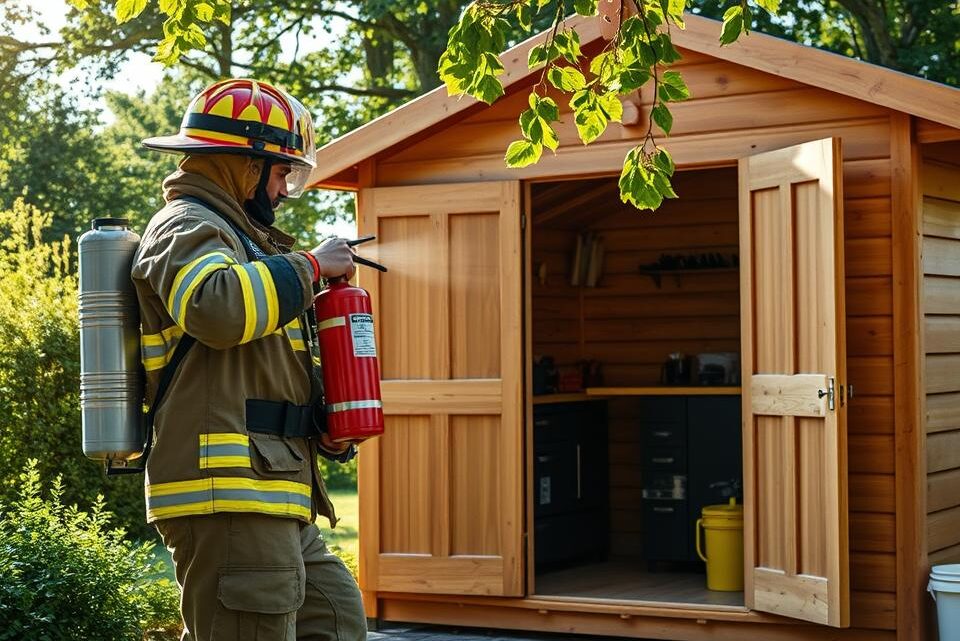
Many homeowners across the United Kingdom utilise a garden shed for valuable storage or as a personal workshop. These structures offer an affordable and practical solution for organising outdoor spaces. However, their safety, particularly regarding fire risks, demands serious attention.
Timber buildings, while excellent for temperature regulation, are naturally combustible. This inherent characteristic poses a significant hazard to the structure itself and the surrounding property. Proactive safety measures are not just advisable; they are essential for protecting one’s home and assets.
Fires in the garden can start from numerous sources. Common causes include barbecues, fire pits, electrical faults within the shed, or even accidental sparks. Understanding these risks is the first step towards effective prevention.
This comprehensive guide explores practical methods to enhance a shed’s resistance to fire. It covers everything from applying specialist coatings to establishing robust safety protocols. The aim is to provide a clear path towards greater peace of mind for any property owner.
Inhaltsverzeichnis
Key Takeaways
- Garden sheds are popular but present a real fire risk due to their construction materials.
- Common ignition sources in outdoor areas include barbecues, electrical faults, and fire pits.
- Enhancing fire safety involves a multi-layered approach, including coatings and preventative habits.
- Legal requirements and building regulations may influence the fireproofing measures needed.
- Regular maintenance and safety checks are crucial for ongoing protection of the structure.
- Creating a defensible space around the shed can help prevent fires from spreading.
Introduction to Fire Proofing Wooden Sheds
As the use of garden sheds expands beyond simple storage, the inherent fire risk associated with timber demands greater attention. These structures now often serve as workshops or offices, housing electrical equipment that increases the potential for ignition.
Importance of Fire Safety in Garden Structures
Safety measures for outdoor buildings are crucial. A blaze starting in a garden shed can spread rapidly to neighbouring properties, threatening homes and people. Proactive prevention is the most effective defence.
Many people focus solely on their main residence, overlooking the vulnerability of their outdoor timber constructs. This includes not just sheds, but also summerhouses and furniture.
The Growing Need for Fire Prevention in the UK
Dry summer conditions significantly elevate the risk. Parched vegetation acts as a ready fuel source, allowing a stray spark to escalate quickly. This seasonal threat underscores the need for year-round vigilance.
The table below outlines common garden timber items and their associated fire considerations.
| Structure/Item | Primary Use | Key Fire Risk Factor |
|---|---|---|
| Garden Shed | Storage, Workshop | Electrical faults, combustible contents |
| Summerhouse | Recreation | Heating appliances, proximity to dry plants |
| Wooden Pergola | Decoration, Shade | Overhead proximity to barbecues or fire pits |
| Wooden Furniture | Seating | Direct exposure to open flames or embers |
Understanding these specific fire hazards is the first step toward implementing robust protective measures for any garden area.
Assessing Fire Risks and UK Building Regulations
Navigating the legal requirements for garden structures is a crucial step for any property owner in the UK. Understanding the relevant building regulations helps ensure both compliance and safety.
Understanding UK Building Regulations for Sheds and Garden Buildings
The rules governing garden buildings depend heavily on their size and location. Structures with an internal floor area exceeding 15 square metres face specific scrutiny.
If such a building is situated within one metre of a property boundary, the regulations become more stringent. This is due to the risk of fire spreading to neighbouring properties.
Buildings over 30 square metres, or those over 15 square metres and within a metre of the boundary, fall under Building Control. They often require Class O fire resistance.
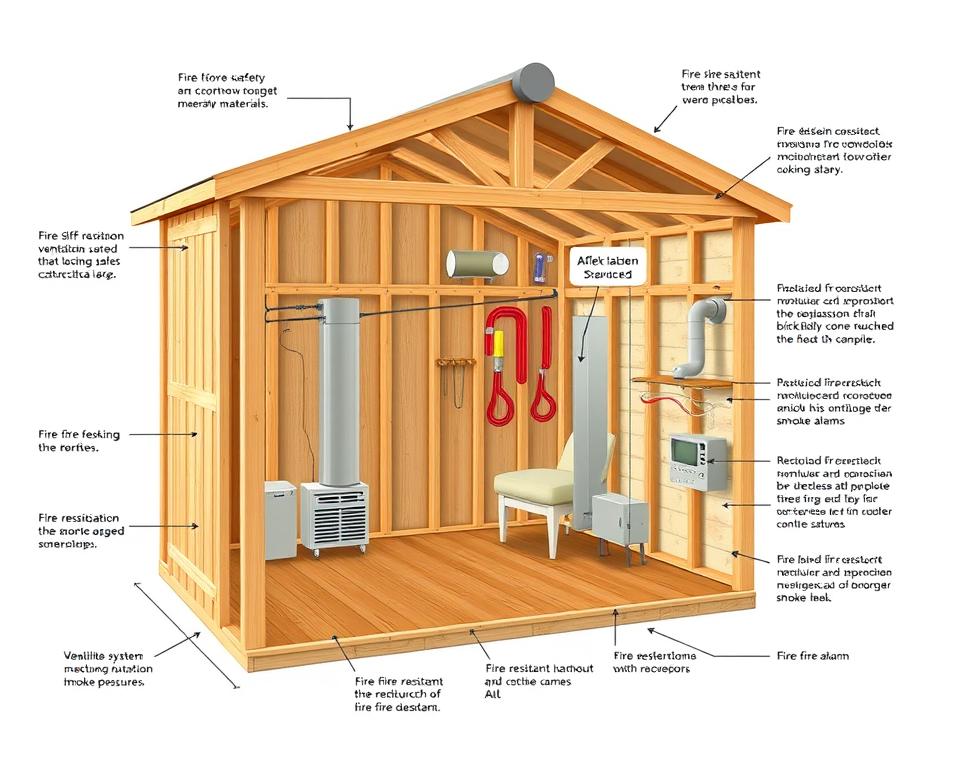
It is vital to distinguish between planning permission and building regulations. The latter focuses on construction safety standards, including fire resistance.
Identifying Common Fire Hazards in Wooden Structures
Beyond legal compliance, recognising everyday risks is essential. Sheds used as workshops present particular dangers.
Electrical faults from old wiring or overloaded circuits are a major concern. Heat-generating equipment placed near wooden walls also increases the fire risk significantly.
The storage of flammable materials like paints, solvents, or fuels inside a confined space creates a substantial hazard. Proper organisation and ventilation are key to mitigation.
| Building Size (Square Metres) | Proximity to Boundary | Regulatory Requirement |
|---|---|---|
| Up to 15 | Any distance | Typically exempt from specific fire safety building regulations. |
| Over 15 | More than 1 metre | May be subject to assessment; general safety advice applies. |
| Over 15 | Within 1 metre | Likely requires compliance, potentially needing Class O fire resistance. |
| Over 30 | Any distance | Falls under Building Control and requires formal compliance. |
Assessing these factors allows property owners to determine the necessary level of fire protection for their garden buildings.
Effective Methods: How to Fire Proof a Wooden Shed
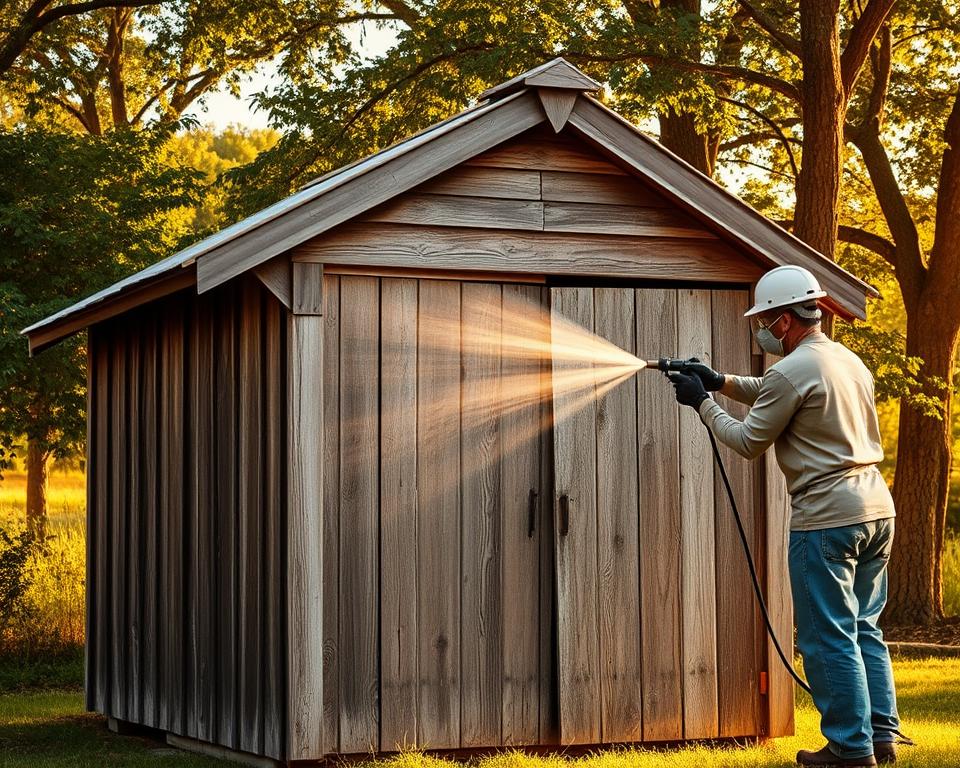
Applying specialist treatments to timber structures offers a direct and effective strategy for mitigating fire hazards. These products are designed to provide a critical layer of protection, significantly slowing the spread of flames and buying valuable time.
Fire Retardant Coatings and Intumescent Paints Explained
Two primary ways to treat wood are through surface coatings or penetrating liquids. Intumescent paint is a common choice. When exposed to intense heat, it swells into a thick, insulating char.
This reaction creates a barrier that shields the underlying timber. It also reduces smoke and prevents dangerous flaming droplets.
Intumescent coatings are a smart investment, reacting intelligently to threat and providing passive safety.
An alternative is a clear fire retardant liquid. This product soaks into the wood, impregnating it with protective qualities. It does not alter the appearance of the timber and cannot wear off like a surface paint.
| Treatment Type | Application Method | Key Advantage |
|---|---|---|
| Intumescent Paint | Brush or Roller | Forms a protective, expanding barrier when heated. |
| Penetrating Liquid | Spray or Brush | Soaks into wood fibres for long-lasting, invisible protection. |
Application Techniques and Maintenance Tips
For official Class O resistance, a specific process is required. This typically involves two primer coatings and one top coat. Proper documentation, including photos, is essential for compliance.
Complete coverage is vital. All surfaces, including walls, the roof, and doors, must be treated on both sides. Using products certified to BS 476 standards ensures reliability.
Maintenance is straightforward. The protection should be refreshed every few years. If the structure is sanded or repaired, reapplication is necessary sooner. A clear topcoat can extend the life of the treatment on exposed sheds.
Enhancing Safety with Additional Fire Prevention Measures
Enhancing a timber building’s resilience involves strategic improvements to its insulation and the creation of dedicated, safe work areas. These steps form a crucial internal defence layer.
Selecting the right materials makes a significant difference. Fire-resistant options like fibreglass or sheep’s wool are excellent choices for roof and wall cavities.
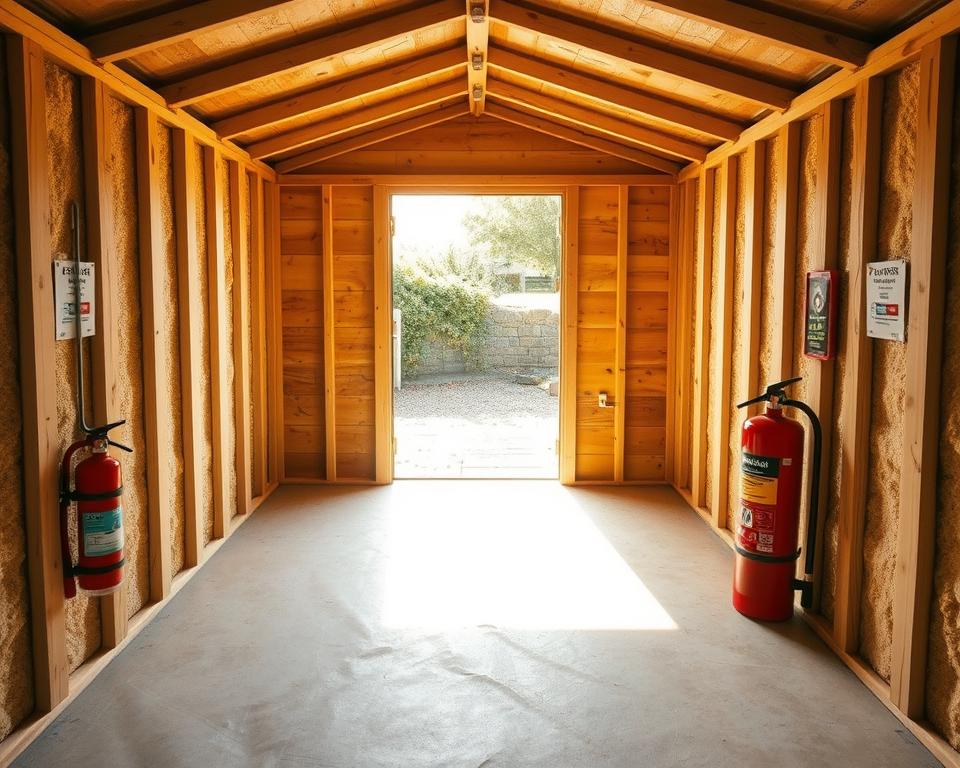
Fibreglass melts under intense heat, while sheep’s wool requires more oxygen to burn than is present in air. This actively hinders flame spread.
Upgrading Insulation and Creating Safe Work Zones
For a workshop shed, defining a specific area for high-risk tasks is vital. A “hot zone” can be created with steel or cement board behind a workbench.
Placing a sheet of metal on the floor catches sparks. A heat-resistant mat offers similar protection. These simple measures contain hazards effectively.
This protection should extend to exterior features like decking. Treating these surfaces with fire retardant liquid reduces the fire risk from nearby barbecues.
Regular Electrical and Structural Safety Checks
Consistent inspections are a cornerstone of safety. A brief daily check of plugs, sockets, and cords can reveal early warning signs like scorch marks.
Upgrading to surge-protected sockets adds a valuable layer of protection. Good housekeeping, such as clearing work surfaces and coiling cables, minimises risk.
Installing a smoke alarm and keeping a dry powder fire extinguisher accessible by the door completes this proactive strategy. Early detection and response are paramount.
Conclusion
Protecting a timber garden shed demands a comprehensive strategy. This approach blends adherence to building regulations with practical safety measures. Each action forms a vital part of a robust defence system.
Understanding the relevant regulations is a fundamental way to ensure legal compliance. This is especially important for larger structures near property boundaries. Proper planning from the start prevents future issues.
Applying specialist coatings and creating safe work zones significantly reduces fire risk. These steps protect not just the building, but also the main home and garden. Regular maintenance keeps these protections effective for years.
Ultimately, this proactive effort provides significant peace of mind. It safeguards your investment and contributes to community safety standards. A well-protected outdoor room becomes a secure and valuable asset.
FAQ
Do I need planning permission to build a wooden shed?
Planning permission is generally not required if the shed meets certain criteria. This often includes being a single-storey structure, occupying less than 50% of the garden area, and being positioned more than two metres from any property boundary. For sheds closer than two metres to a boundary, the building’s eaves height is typically restricted. It is always best to check with the local planning authority for specific regulations.
What is the difference between fire retardant paint and intumescent coating?
Fire retardant paint works by releasing a flame-dampening gas when exposed to heat, slowing the initial spread of flames. An intumescent coating, however, swells up to form a thick, insulating char layer when heated, protecting the underlying wood from high temperatures for a longer period. Intumescent products generally offer a higher level of fire protection for timber walls and roofs.
How can I reduce the fire risk if my shed is within one metre of my property boundary?
Sheds situated within one metre of a property boundary require special attention. Using non-combustible materials for the section of wall facing the boundary is a key safety measure. This could involve installing a metal sheet or a special fire-resistant board. Ensuring the area around the shed is clear of flammable materials like dry leaves or decking also helps control the risk.
Are there specific building regulations for sheds over 15 square metres?
Yes, garden buildings with a floor area exceeding 15 square metres are subject to stricter building regulations. These rules focus on structural safety and, crucially, fire safety. Compliance may involve using specific construction materials and methods to ensure the building does not pose a significant fire hazard to people or adjacent homes.
What regular maintenance is required for a fire-proofed shed?
Regular checks are vital for ongoing protection. Inspect fire-retardant coatings annually for cracks or peeling and reapply as the manufacturer recommends. Conduct seasonal safety checks to clear gutters and the surrounding area of debris. It is also essential to have any electrical installations, such as lighting or power sockets, tested periodically by a qualified electrician.

