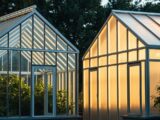
How to Grow in an Unheated Greenhouse

Many gardeners believe the colder months signal a halt to their passion. An unheated greenhouse, however, offers a remarkable opportunity to extend the growing season. This structure creates a protected environment that harnesses the sun’s energy.
During the day, sunlight passes through the glass or plastic, warming the interior. This captured heat provides a shield against the chill of winter nights. It creates a microclimate significantly warmer than the outside air.
This approach to gardening is not about battling winter. It is about working with its conditions. Success relies on careful planning and understanding the capabilities of a simple cold frame or hoop house.
The primary challenge is protecting plants from severe frost. On extremely cold nights, the trapped warmth may not be sufficient. Additional protection methods become necessary to prevent damage.
With the right knowledge, an unheated greenhouse serves multiple purposes. It is perfect for cultivating hardy vegetables, starting tender annuals early, and propagating perennials. It also provides vital shelter for cold-sensitive plants.
This method is a cost-effective alternative to heated structures. It emphasises smart techniques over expensive heating systems. For beginners, it presents a rewarding way to enjoy gardening throughout the year.
Inhaltsverzeichnis
Key Takeaways
- An unheated greenhouse utilises solar energy to create a warmer microclimate for plants.
- It is an effective tool for extending the gardening season during the winter months.
- Proper site selection, maximising sunlight exposure, is crucial for success.
- Understanding the limitations is key, as protection against severe frost is sometimes needed.
- This approach allows for growing hardy vegetables and sheltering delicate plants.
- It represents a sustainable and economical gardening method.
Planning and Preparation for Your Unheated Greenhouse
Strategic planning transforms a simple structure into a productive growing space. Careful preparation ensures maximum benefit from solar energy during colder months. This phase establishes the foundation for successful cultivation.
Assessing Space, Sunlight and Location
The ideal location captures maximum sunlight throughout the winter season. Southern exposure provides the most consistent solar gain. Gardeners should observe their outdoor area at different times of day.
Protection from prevailing winds is equally important. Strong gusts can rapidly reduce internal temperatures. Positioning near a natural windbreak offers additional insulation.
Proximity to water sources simplifies maintenance routines. Drainage considerations prevent waterlogging around the structure. Proper site selection accounts for local climate patterns.
Budget-Friendly Set-Up Tips
Simple designs like cold frames and hoop houses offer excellent value. These structures provide adequate protection without complex systems. DIY options using repurposed materials further reduce costs.
Prioritise essential features over expensive accessories. Basic ventilation and proper orientation yield significant benefits. Smart planning makes gardening accessible across budget ranges.
| Structure Type | Material Cost | Installation Time | Winter Performance |
|---|---|---|---|
| Cold Frame | Low | 1-2 hours | Good for hardy plants |
| Hoop House | Medium | Half day | Excellent protection |
| Polycarbonate | High | Full day | Superior insulation |
Weather considerations influence material choices. Durable options withstand seasonal changes effectively. The initial investment pays dividends in extended growing capability.
Understanding Winter Challenges and Frost Protection
Successfully navigating the colder months demands an understanding of temperature dynamics in solar-powered structures. The primary challenge involves protecting plants when external conditions become severe.
Managing Temperature Fluctuations
Significant temperature swings characterise winter weather in protected environments. Inside the structure, readings can jump from near-freezing at night to surprisingly warm conditions during daylight hours. These rapid changes stress plants and require careful monitoring.
A reliable thermometer provides essential data about internal conditions. Ventilation becomes crucial on sunny days to prevent harmful overheating. Plants rarely recover from sudden temperature spikes.
Effective Frost and Insulation Options
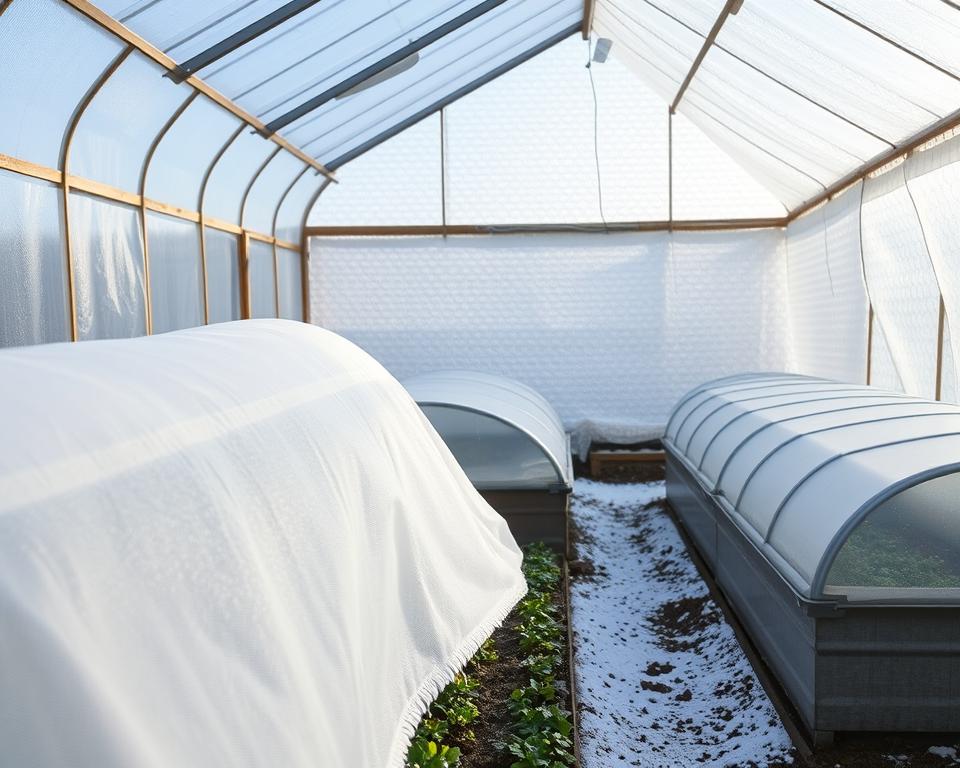
Multiple layers of horticultural fleece offer excellent frost protection overnight. This material should be removed each day to allow sunlight penetration. Bubble wrap serves as valuable insulation for container plants.
| Protection Method | Application | Key Benefit |
|---|---|---|
| Horticultural Fleece | Plant covering | Removable frost shield |
| Bubble Wrap | Pot insulation | Root protection |
| Wall Lining | Greenhouse interior | Heat retention |
These methods work together to create a stable environment. Regular observation ensures timely adjustments to changing weather patterns.
How to Grow in an Unheated Greenhouse
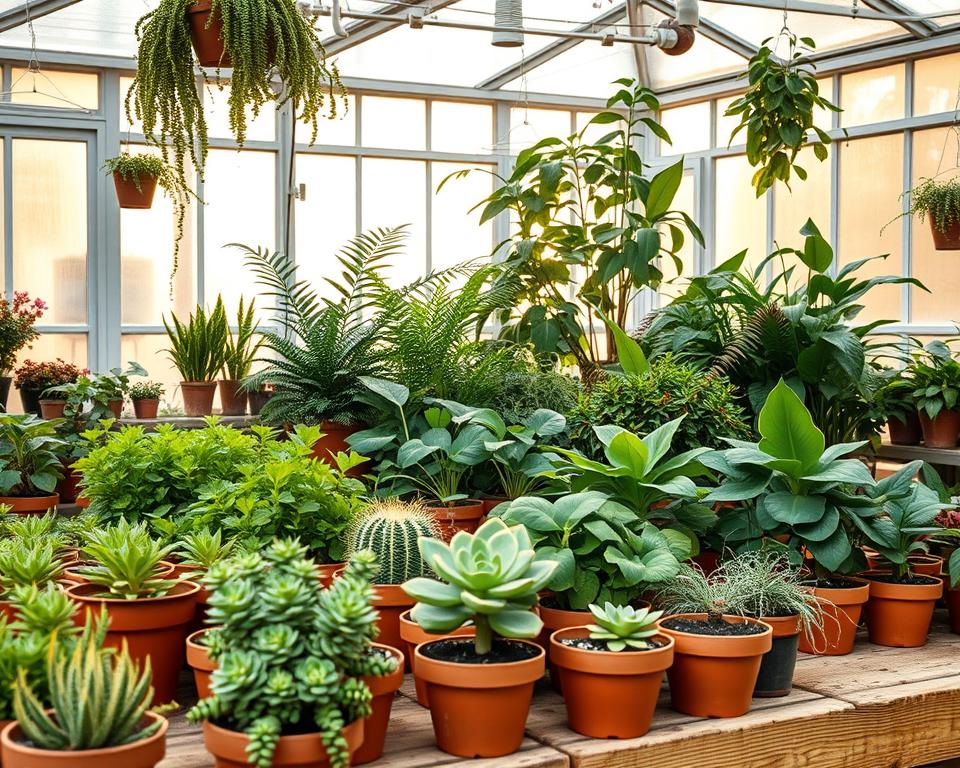
Effective plant selection forms the cornerstone of productive gardening in a naturally heated protected space. The right choices thrive in cooler conditions, providing fresh produce and vibrant colour throughout the colder months.
Selecting Hardy Vegetables and Leafy Greens
Leafy greens demonstrate exceptional cold tolerance. Spinach and various lettuce varieties perform particularly well during winter. These plants offer continuous harvests with minimal protection.
Other excellent vegetable choices include cabbage, broccoli, and Brussels sprouts. Root vegetables develop superior flavour in cold conditions. Carrots, beets, and turnips become sweeter as temperatures drop.
Choosing Perennial Herbs and Winter Flowers
Many herbs flourish in unheated conditions. Oregano, fennel, and chives provide fresh flavours year-round. Parsley, though biennial, offers abundant harvests.
For colourful displays, consider cool-hardy flowers. Calendula, chrysanthemum, and pansy varieties bloom throughout winter. These plants add beauty while demonstrating the structure’s versatility.
| Plant Type | Examples | Cold Tolerance | Harvest Period |
|---|---|---|---|
| Leafy Greens | Spinach, Lettuce | High | Year-round |
| Root Vegetables | Carrots, Beets | High | Winter |
| Perennial Herbs | Oregano, Chives | Medium-High | Year-round |
| Winter Flowers | Pansy, Calendula | Medium | Cold months |
Beginner gardeners find success with lettuce and parsley. These plants grow quickly and tolerate temperature fluctuations. They represent ideal starting points for greenhouse growing.
Optimising Soil, Watering and Seed Starting Techniques
Proper soil preparation and watering techniques form the bedrock of thriving plant development in cooler growing conditions. These fundamental practices ensure healthy root systems and robust growth throughout the seasonal changes.
Preparing High-Quality Soil and Drainage Solutions
A premium growing medium provides essential nutrients and moisture retention for optimal plant health. The ideal soil composition balances drainage with water-holding capacity.
Winter conditions demand excellent drainage to prevent waterlogging. Excess moisture combined with cool temperatures can lead to root rot. Containers must have adequate drainage holes for proper water management.
Using clean pots prevents disease transmission between planting cycles. Gravel trays facilitate excess water removal, maintaining ideal moisture levels. These simple tips significantly improve growing conditions.
Step-by-Step Seed Starting and Transplanting
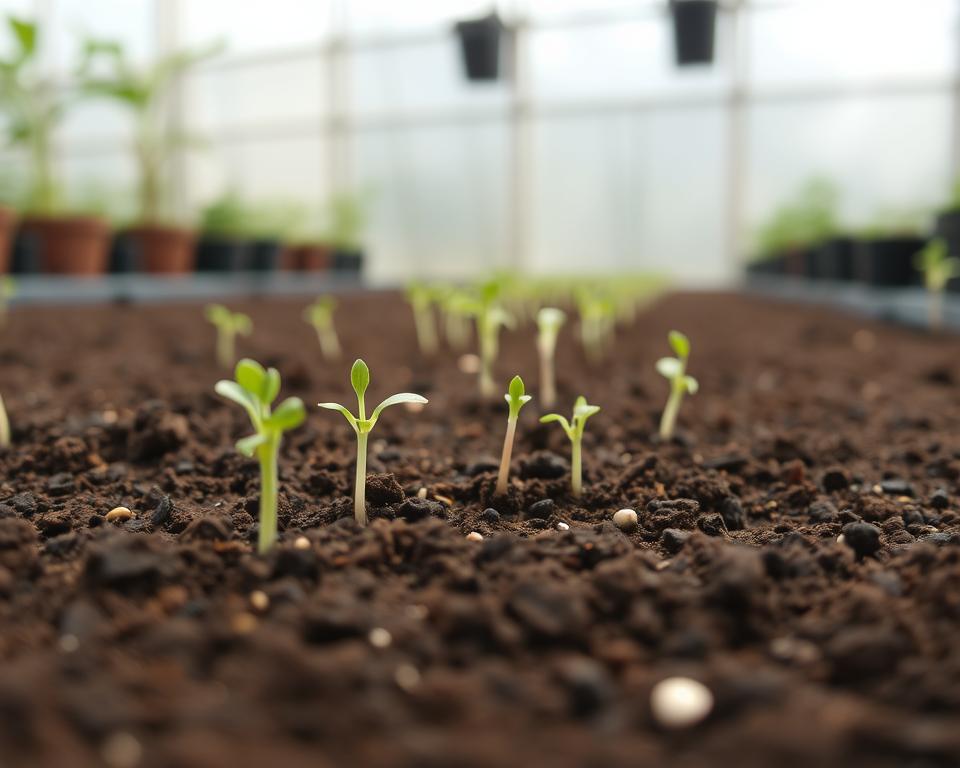
Selecting cold-hardy seeds ensures successful germination during appropriate periods. Begin with a high-quality seed-starting mix in trays or individual containers.
Maintain consistent moisture without overwatering the delicate seeds. Frost cloths provide protection during unexpectedly cold nights. This approach supports steady growth from the earliest stages.
Transplanting requires careful handling to minimise root disturbance. Gradually acclimate seedlings to their new environment. Morning watering reduces disease risk while providing daily moisture.
Utilising Greenhouse Accessories for Maintenance and Growth
The right accessories transform a basic structure into a highly efficient growing environment. These tools simplify maintenance and create optimal conditions for plant health.
Ventilation, Thermometer and Heating Essentials
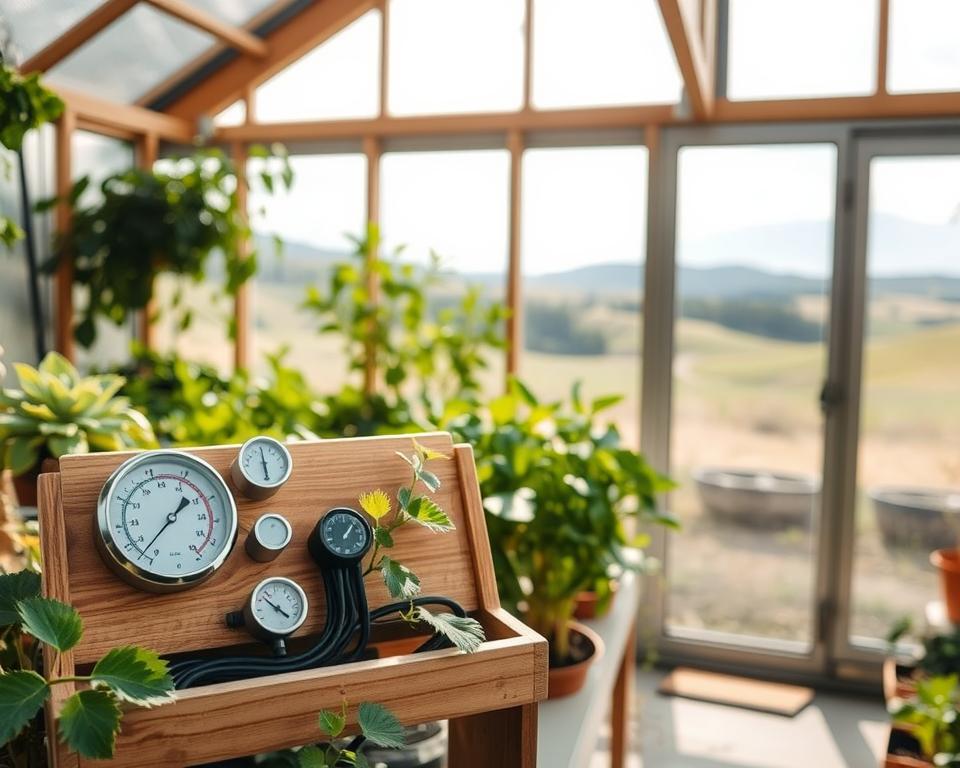
A reliable thermometer is essential for monitoring conditions inside the greenhouse. It provides accurate temperature readings, which are crucial for plant health. Gardeners should place it at plant height, away from direct sun or drafts.
Proper ventilation prevents issues like fungal diseases. Automatic roof vents offer a clever way to regulate temperature on unexpectedly warm days. Louvre window vents improve air circulation and reduce humidity levels.
For periods of extreme cold, supplemental heat sources become valuable options. A small heater can maintain a suitable temperature for tender plants. This approach extends the growing season without a full heating system.
Innovative Tools for Vertical and Small Space Gardening
Greenhouse staging is a fantastic solution for maximising limited area. It utilises vertical space, allowing more plants in the same footprint. This method keeps the entire space organised and accessible.
A dedicated potting bench creates an efficient workspace for sowing and transplanting. It keeps tools and compost within easy reach. This organisation makes routine tasks quicker and more enjoyable.
These accessories work together to create a productive and manageable growing space. They represent a smart investment for any gardener.
Practical Gardening Techniques for Year-Round Success
Mastering the art of environmental monitoring enables gardeners to maintain optimal conditions for plant development throughout the entire year. These daily practices form the foundation for consistent productivity in protected cultivation spaces.
Managing Daily Temperature and Humidity
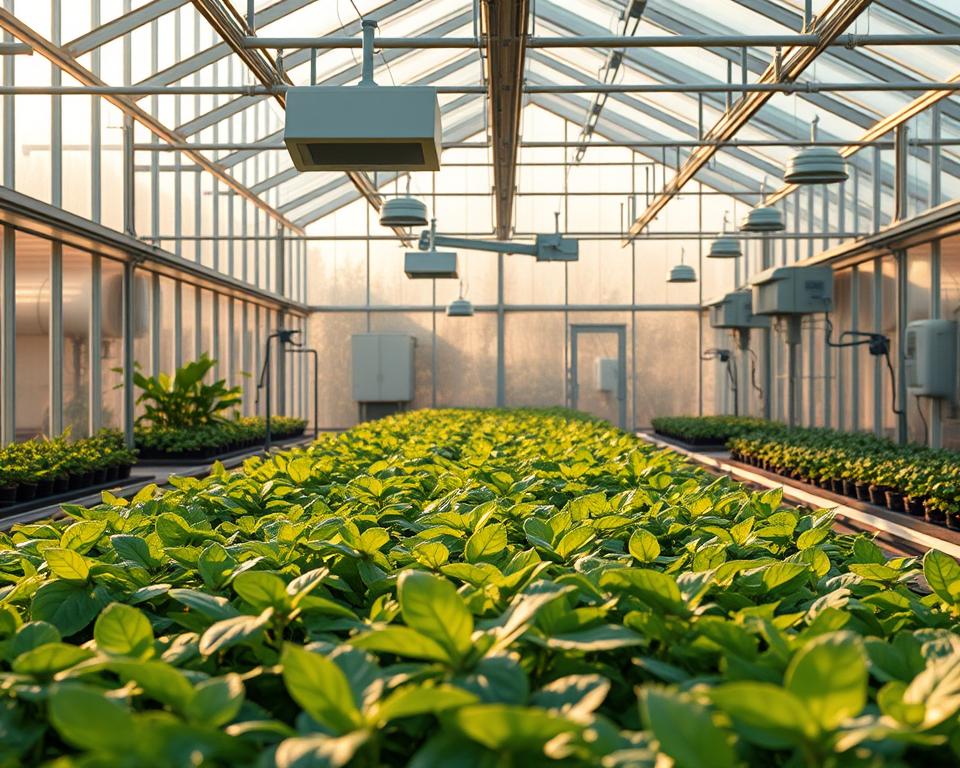
Vigilant temperature monitoring proves essential, particularly during transitional seasons. In UK regions, readings can swing dramatically within a single day. A closed structure may experience surprisingly high readings even during the colder months.
Plants rarely recover from sudden overheating episodes. Opening vents when conditions threaten to become excessive prevents damage. This responsive approach supports healthy development across all seasons.
Humidity control remains an ongoing concern throughout the gardening calendar. Excessive moisture encourages fungal diseases while insufficient levels stress plants. Proper ventilation maintains balanced conditions.
Year-round cultivation requires strategic crop selection for each time period. Succession planting ensures continuous harvests from the same protected space. This method maximises productivity across changing weather patterns.
The hardening off process prepares seedlings for outdoor conditions. Begin with short exposures on mild days, gradually increasing duration over one to two weeks. This gradual acclimatisation prevents shock when transitioning plants.
During winter months, this technique adapts by selecting milder periods or using additional protection. Consistent routines and responsive adjustments create reliable results regardless of the climate outside.
Conclusion
Transforming a basic structure into a productive winter sanctuary requires thoughtful application of proven techniques. This approach to cultivation demonstrates remarkable versatility throughout the changing seasons.
Unheated greenhouse growing represents a cost-effective solution for gardeners seeking to extend their productive period. It makes fresh produce accessible even during the coldest months without expensive heating systems.
Successful results depend on selecting appropriate plants like spinach, lettuce, and hardy herbs. Understanding temperature fluctuations and using simple protection methods ensures healthy growth. Proper soil preparation and consistent monitoring create optimal conditions.
With careful planning and the right techniques, anyone can enjoy productive gardening year-round. This method offers a rewarding way to cultivate fresh vegetables and beautiful flowers regardless of external weather conditions.
FAQ
What vegetables can be grown in an unheated greenhouse during winter?
Hardy vegetables like spinach, various types of lettuce, and certain varieties of kale thrive in an unheated greenhouse. These plants can tolerate cooler temperatures and shorter daylight hours, providing a harvest throughout the colder season.
How can one protect plants from frost inside a greenhouse without using a heater?
Effective frost protection options include adding a layer of horticultural fleece over plants, using bubble wrap to insulate the greenhouse glazing, and placing water barrels inside to absorb daytime heat and release it slowly at night.
Is it necessary to water plants in an unheated greenhouse during winter?
Yes, but watering needs are significantly reduced. Plants should be watered sparingly, ideally on a mild morning, allowing the soil to dry out between sessions to prevent mould growth and root rot in the damp, cool climate.
What is the best way to start seeds in an unheated greenhouse for early spring growth?
For successful seed starting, use a propagator or a warm windowsill indoors initially. Transplant seedlings into the greenhouse once they are established and the external weather begins to stabilise, typically in late winter or early spring.
Can perennial herbs survive the winter in an unheated structure?
A> Many perennial herbs, such as rosemary, thyme, and parsley, are quite resilient and can often survive a British winter in an unheated greenhouse, especially if provided with some additional insulation during the coldest spells.
How important is ventilation in an unheated greenhouse during the winter months?
Ventilation remains crucial even in cold weather. On sunny days, opening a vent slightly prevents humidity from building up excessively, which helps to deter fungal diseases and manages the internal temperature.