Guide on How to Impregnate a Wooden Garden House Properly
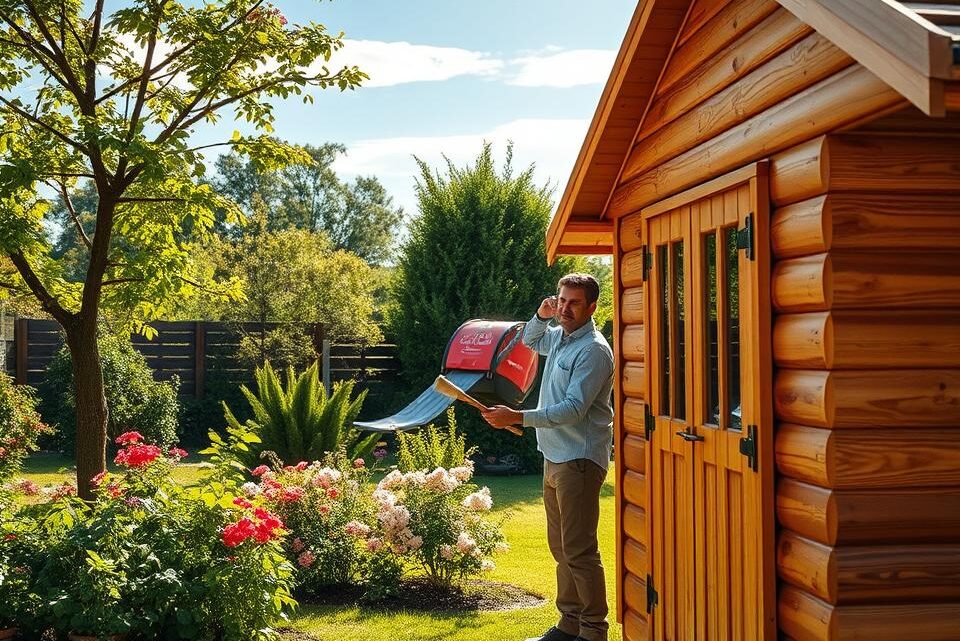
Protecting your wooden garden house requires a strategic approach to wood impregnation process. The UK’s unpredictable weather conditions can wreak havoc on timber structures, making proper treatment essential for long-term durability and aesthetic appeal.
A comprehensive wooden garden house treatment involves more than just applying a protective coating. It’s about understanding the specific needs of your timber structure and implementing a systematic preservation strategy that shields against moisture, UV damage, and potential wood rot.
This guide will walk you through every critical step of wood impregnation, empowering you to safeguard your garden house effectively. From selecting the right preservatives to mastering application techniques, you’ll gain the knowledge needed to extend your structure’s lifespan and maintain its structural integrity.
Inhaltsverzeichnis
Key Takeaways
- Understand the importance of timber protection
- Learn comprehensive wood impregnation techniques
- Identify appropriate preservation methods
- Discover methods to prevent wood decay
- Protect your garden house investment
- Develop long-term maintenance strategies
Understanding the Importance of Wood Impregnation for Garden Structures
Protecting wooden structures is crucial for maintaining the longevity of your garden house. Wood is a natural material that requires special care to survive the challenging British climate. Without proper treatment, your timber structures become vulnerable to multiple environmental threats.
The primary risks to untreated wood include:
- Moisture penetration causing internal damage
- Fungal growth in damp conditions
- Wood-boring insect infestations
- UV radiation causing surface degradation
Garden house longevity depends on understanding how wood interacts with its environment. Timber naturally absorbs and releases moisture, leading to expansion and contraction. This continuous movement can cause structural weakening, warping, and potential splitting if left unprotected.
Wood impregnation creates a critical protective barrier that:
- Repels water effectively
- Allows wood to breathe naturally
- Prevents moisture trapping
- Extends structural lifespan
Investing in proper wood preservation isn’t just maintenance—it’s a strategic decision to protect your valuable garden structure from premature deterioration.
Regular impregnation can potentially triple your garden house’s lifespan while maintaining its aesthetic appeal.
Choosing the Right Wood Preservative for Your Garden House
Selecting the ideal wood protection products for your garden house requires careful consideration. The right timber treatment methods can significantly extend the life of your wooden structure, protecting it from moisture, rot, and environmental damage.
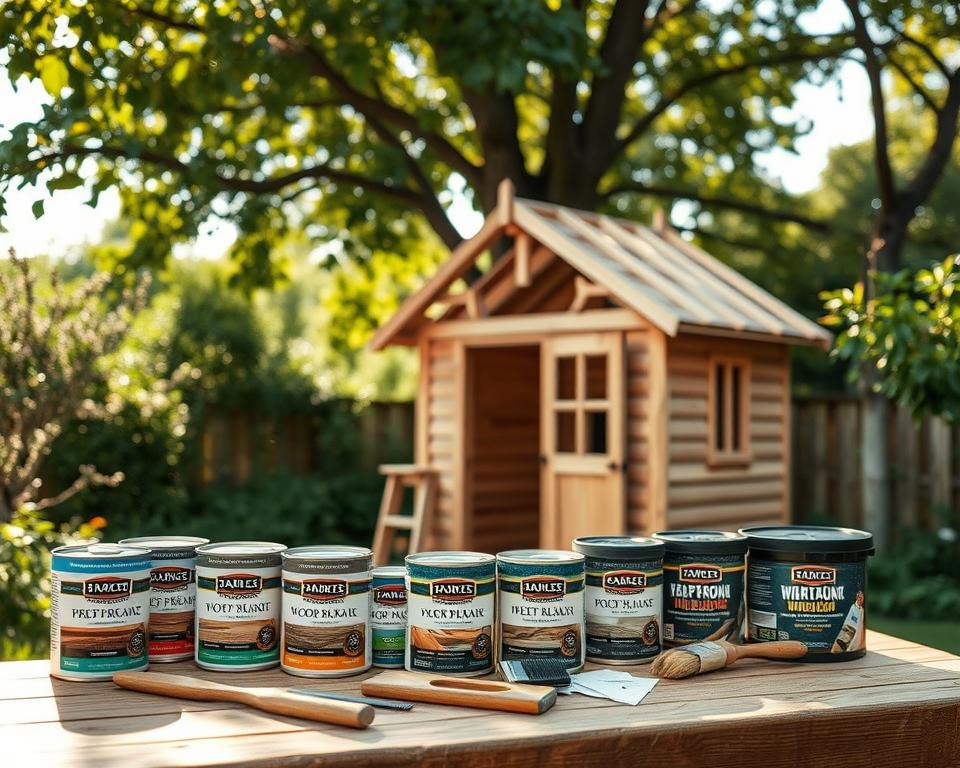
When exploring wood protection products, you’ll encounter two primary categories of treatments that can transform your garden house’s durability:
Oil-Based vs Water-Based Treatments
Understanding the differences between oil-based and water-based preservatives is crucial for making an informed decision:
- Oil-Based Treatments
- Deep wood penetration
- Excellent water repellency
- Longer-lasting protection
- Slower drying time
- Stronger odour
- Water-Based Treatments
- Easier application
- Quicker drying
- Lower chemical emissions
- Easier clean-up
- More environmentally friendly
Eco-Friendly Impregnation Options
Modern timber treatment methods now include environmentally conscious options that protect both your garden house and the surrounding ecosystem. Look for preservatives with:
- Plant-based natural oils
- Low volatile organic compound (VOC) formulations
- Certifications from environmental standards organisations
Your choice of wood protection products should balance effectiveness, environmental impact, and long-term preservation of your garden house.
Essential Tools and Materials for Wood Impregnation
Preparing for wood treatment requires careful selection of the right tools and materials. Your success in wood preservative application depends on having a comprehensive toolkit that ensures efficient and effective wood treatment best practices.

To begin your wood treatment project, you’ll need to gather several essential categories of equipment:
Tools for Wood Treatment
- High-quality brushes (natural bristle for oil-based, synthetic for water-based preservatives)
- Paint rollers with appropriate nap length
- Paint trays and stirring sticks
- Garden sprayer (for larger surfaces)
- Sandpaper (80, 120, and 180 grit)
- Electric sander or sanding blocks
- Wire brushes and scrapers
- Pressure washer
Essential Materials
- Wood preservative (calculate quantity based on surface area)
- Wood filler for repairs
- Cleaning solutions
- Drop cloths or plastic sheeting
Safety Equipment
- Nitrile disposable gloves
- Safety goggles
- Respiratory mask
- Protective long-sleeved clothing
Additional helpful items include a moisture meter to check wood condition and a sturdy ladder for reaching higher areas. By preparing your toolkit in advance, you’ll ensure a smooth wood preservative application process with professional results.
| Tool Category | Key Recommendations |
|---|---|
| Application Tools | High-quality brushes, rollers, sprayer |
| Preparation Tools | Sanders, scrapers, wire brushes |
| Safety Equipment | Gloves, goggles, respiratory protection |
Remember, investing in quality tools and materials is crucial for achieving long-lasting wood treatment best practices.
Preparing Your Wooden Garden House Before Treatment
Successful exterior wood treatment starts with meticulous preparation. Your garden house restoration depends on creating the perfect surface for wood preservation. Skipping this crucial step can compromise the entire protection process.
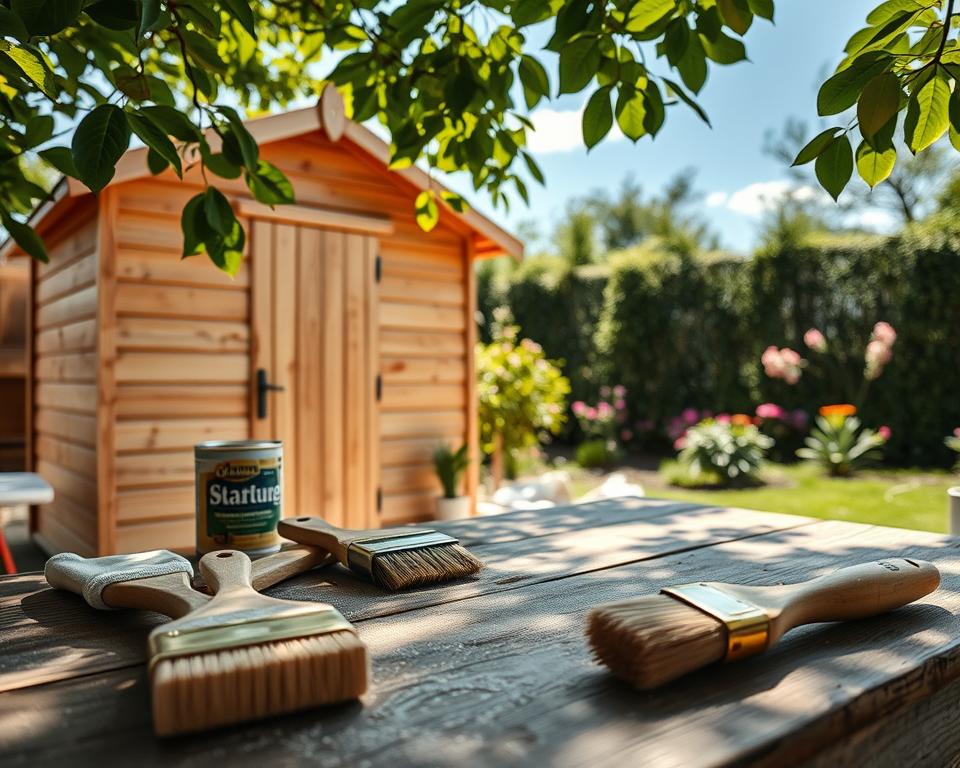
Proper preparation ensures that your wood preservative penetrates deeply and provides maximum protection against environmental damage. The key is to create a clean, smooth, and sound surface ready for treatment.
Cleaning the Wood Surface
Begin your garden house restoration by thoroughly cleaning the wooden surface. Remove debris using these essential steps:
- Use a stiff-bristled brush to remove loose dirt and cobwebs
- Wash with a specialist wood cleaner or mild detergent solution
- Target areas prone to moisture accumulation
- Remove green algae using appropriate algae removal products
Ensure the wood dries completely before proceeding. Pro tip: Use a moisture meter to confirm the wood’s moisture content is below 20%.
Sanding and Surface Preparation
Sanding is critical for effective exterior wood treatment. Follow these guidelines:
- Start with coarse-grit sandpaper (80 grit) for rough areas
- Progress to finer grits (120-180) for a smooth finish
- Always sand in the direction of the wood grain
- Remove all surface imperfections and weathered wood
Checking for Damage and Repairs
Inspect your wooden garden house carefully for potential issues:
- Check for soft, spongy wood indicating rot
- Look for insect damage or small holes
- Identify cracks, splits, and loose joints
- Replace damaged wood sections before treatment
Taking time for thorough preparation will significantly extend the life of your garden house and enhance the effectiveness of your wood preservation efforts.
How to Impregnate a Wooden Garden House
Garden shed impregnation requires careful preparation and precise application of wood preservation techniques. Understanding the right approach can protect your wooden structure from moisture, rot, and environmental damage.
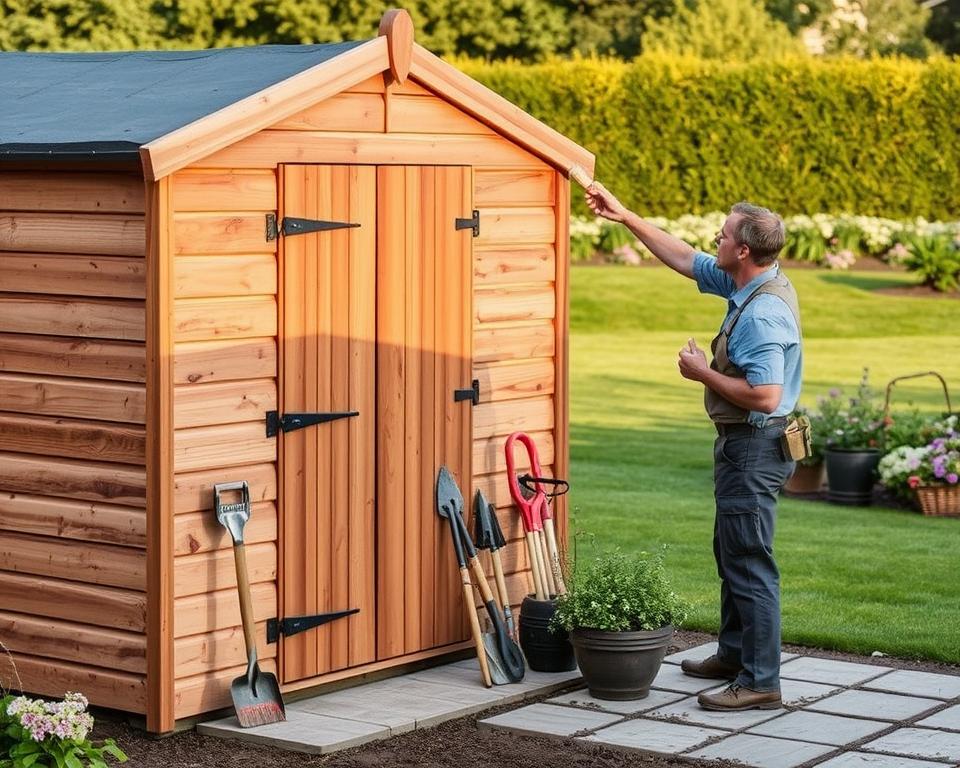
Before beginning the impregnation process, check these critical preparation steps:
- Select a dry day with temperatures between 10-25°C
- Ensure no rain is forecast in the next 24-48 hours
- Avoid direct strong sunlight during application
- Wear protective gloves and clothing
Your wood preservation techniques will determine the longevity of your garden shed. Start by thoroughly stirring the preservative to ensure even distribution of active ingredients.
Application technique is crucial for effective garden shed impregnation:
- Begin at the top of the structure
- Work downwards to catch potential drips
- Apply preservative liberally
- Focus on end grains and joints
- Ensure complete wood saturation
Pro tip: Work the preservative into the wood rather than simply painting the surface. This means taking your time and allowing for proper absorption.
“Proper impregnation is the key to protecting your wooden garden structure against environmental challenges.”
Most wood preservatives require two to three coats for optimal protection. Allow adequate drying time between applications, typically 4-24 hours depending on the product and weather conditions.
| Application Stage | Key Considerations |
|---|---|
| First Coat | Ensure complete coverage and absorption |
| Second Coat | Fill any missed areas and enhance protection |
| Final Coat | Achieve uniform colour and maximum preservation |
Watch for signs of adequate coverage: uniform appearance, no dry patches, and visible wood saturation. With careful application, your garden shed will remain protected for years to come.
Application Techniques for Maximum Protection
Weatherproofing garden buildings requires precision and careful technique. The right application method can significantly enhance outdoor wood preservation, protecting your wooden structure from environmental damage.
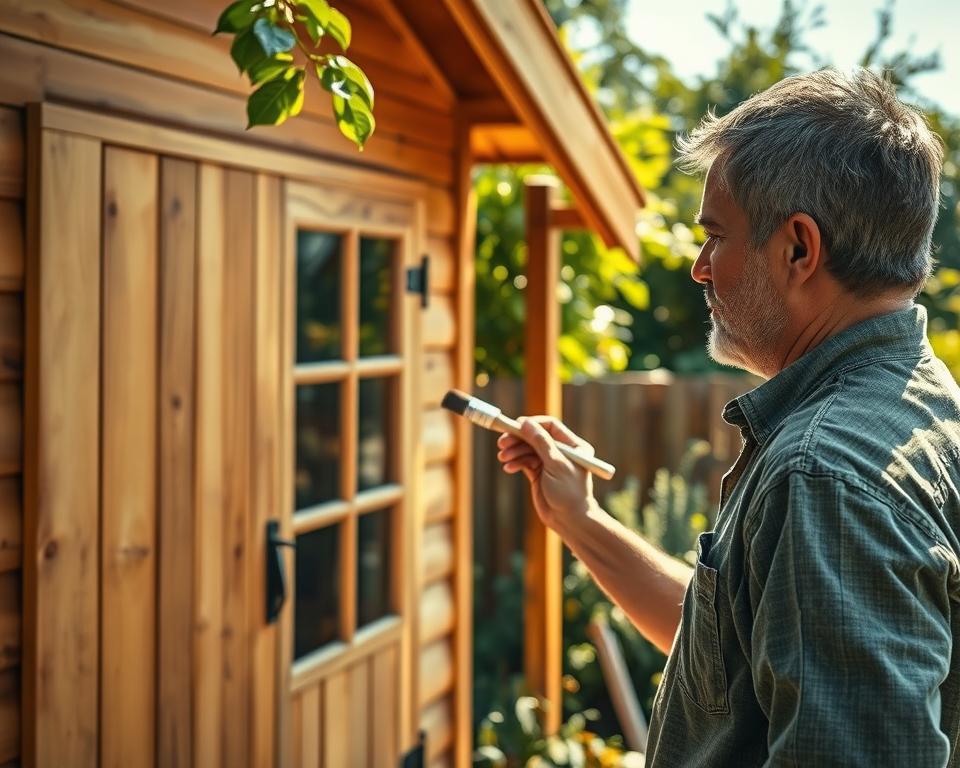
Professional wood treatment involves two primary application methods: brush and spray. Each technique offers unique advantages for different garden building sizes and surfaces.
Brush Application Method
Brushing remains the most reliable technique for thorough outdoor wood preservation. This method provides exceptional control and penetration, especially for smaller garden buildings.
- Use natural bristle brushes for oil-based preservatives
- Select synthetic brushes for water-based treatments
- Apply using long, smooth strokes following wood grain
- Maintain a consistent, moderate pressure
Spray Application for Larger Surfaces
When weatherproofing larger garden buildings, spray application becomes more efficient. This technique requires specific equipment and careful execution.
| Equipment | Best Used For | Considerations |
|---|---|---|
| Garden Pressure Sprayer | Small to Medium Buildings | Easy to handle, precise coverage |
| HVLP Spray System | Large Garden Structures | Uniform application, minimal overspray |
Always wear protective equipment and choose calm days for spray application to prevent wind drift and ensure even coverage.
Drying Time and Weather Considerations
Understanding the nuanced process of moisture protection for wood requires careful attention to drying and curing times. Your garden house care strategy hinges on selecting the right moment for treatment and allowing sufficient time for the preservative to fully penetrate and protect the wooden structure.
Different wood preservatives demand unique drying conditions. Water-based treatments typically dry faster, while oil-based solutions require more patience. Temperature and humidity play critical roles in the effectiveness of your wood protection efforts.
- Water-based preservatives: 2-4 hours touch-dry
- Oil-based treatments: 6-12 hours drying time
- Full cure: Up to several weeks depending on conditions
The optimal period for garden house care in the United Kingdom spans late spring through early autumn. Aim for moderate temperatures between 10-25°C with low humidity. Avoid treating wood during:
- Rainy conditions
- Extreme temperatures
- High humidity periods
| Weather Condition | Impact on Wood Preservation |
|---|---|
| Low Temperature (<10°C) | Prevents proper chemical curing |
| High Humidity | Slows drying, creates tacky surface |
| Direct Sunlight | Can cause uneven surface drying |
Pro tip: Always check local weather forecasts and plan your moisture protection for wood treatment during stable, dry periods. Patience is key to achieving long-lasting garden house protection.
Maintaining Your Impregnated Garden House Throughout the Year
Preserving garden structures requires consistent care and attention. Your wooden garden house represents a significant investment, and proper garden house maintenance ensures its longevity and aesthetic appeal. Regular monitoring and strategic upkeep will protect your timber from potential damage and extend its useful life.
Effective rot prevention timber strategies involve developing a systematic approach to inspection and preservation. Your maintenance routine should encompass several key practices:
- Conduct comprehensive seasonal inspections
- Check for signs of water penetration
- Monitor wood surface condition
- Address potential damage promptly
Regular Inspection Schedule
Create a robust inspection routine that safeguards your garden structure. Recommended inspection times include:
- Early spring: Assess winter weather impacts
- Autumn: Prepare for incoming winter conditions
- After severe weather events: Quick visual assessment
During inspections, focus on key areas vulnerable to moisture and decay. Look for darkening, staining, cracks, or signs of fungal growth. Pay special attention to base areas, window frames, and roof edges where water might accumulate.
When to Reapply Wood Preservative
Knowing when to retreat your wooden garden house is crucial for long-term preservation. Typical reapplication intervals range between 2-5 years, depending on environmental conditions and preservative quality. Perform a simple water droplet test: if water no longer beads on the surface but absorbs quickly, it’s time to consider retreatment.
Maintenance is an ongoing process. By investing time in regular care, you’ll protect your garden house and ensure it remains a beautiful, functional space for years to come.
Conclusion
Protecting your wooden garden house through proper wood staining and sealing is more than just a maintenance task—it’s a strategic investment in your property. By following the comprehensive guidance outlined in this article, you’ve learned how to transform a potentially vulnerable wooden structure into a resilient, long-lasting addition to your garden.
The process of wood preservation might seem challenging at first, but your systematic approach can deliver professional-quality results. Selecting the right preservative, preparing surfaces meticulously, and applying treatments with care will significantly extend the life of your garden house. Wood staining and sealing are not just cosmetic treatments but critical protective measures that shield your structure from moisture, UV damage, and potential decay.
Remember that consistent maintenance is key to sustaining the protection you’ve created. Regular inspections, timely reapplication of preservatives, and proactive repairs will ensure your wooden garden house remains structurally sound and visually appealing for many years. View this preservation work as an essential aspect of responsible property care—much like servicing a car or maintaining interior spaces.
Your commitment to proper wood preservation will pay dividends through reduced repair costs, enhanced durability, and a garden house that continues to serve as a beautiful, functional space in your outdoor environment. Start your preservation journey with confidence, knowing that each careful step contributes to the long-term protection of your valuable wooden structure.
FAQ
What is wood impregnation and why is it important for my garden house?
Wood impregnation is a protective treatment process that involves applying preservative substances to timber to extend its lifespan and protect it from moisture, fungal growth, insect damage, and UV degradation. It’s crucial for maintaining the structural integrity and appearance of your wooden garden house, especially in the UK’s variable and often damp climate.
How often should I impregnate my wooden garden house?
Typically, you should retreat your wooden garden house every 2-5 years, depending on the quality of the preservative used, the structure’s exposure to weather conditions, and signs of wear. Look for indicators such as water no longer beading on the surface or the wood appearing dry and grey.
Can I impregnate the wood myself, or do I need professional help?
Most homeowners can successfully impregnate their garden house as a DIY project. With careful preparation, the right tools, appropriate weather conditions, and following manufacturer instructions, you can achieve professional-quality results without hiring specialist contractors.
What are the key differences between oil-based and water-based wood preservatives?
Oil-based preservatives penetrate deeply, provide excellent water repellency, and offer longer-lasting protection, but have longer drying times and stronger odours. Water-based preservatives are easier to apply, clean up quickly, have lower VOC emissions, and are more environmentally friendly, but may require more frequent reapplication.
What weather conditions are best for wood impregnation?
Ideal conditions are dry periods with temperatures between 10-25°C, avoiding direct strong sunlight, freezing temperatures, or forecast rain. Late spring through early autumn typically offers the most suitable window for treatment in the UK.
How do I prepare my wooden garden house before impregnation?
Preparation involves thoroughly cleaning the wood surface, removing dirt, algae, and old finishes, sanding to open the wood grain, and checking for any damage or rot. Ensure the wood is completely dry (moisture content below 20%) and repair any structural issues before applying preservative.
Are there eco-friendly wood preservation options?
Yes, there are eco-friendly preservatives available, including plant-based oils, natural waxes, and low-VOC formulations. These options minimise environmental impact while still providing effective protection for your wooden garden house.
How can I tell if my wood needs retreatment?
Signs that retreatment is necessary include water no longer beading on the surface, wood appearing dry or grey, visible wear on horizontal surfaces, and any signs of water damage, discolouration, or early rot. Conduct seasonal inspections to catch these indicators early.