How to Install Solar Panels on a Shed
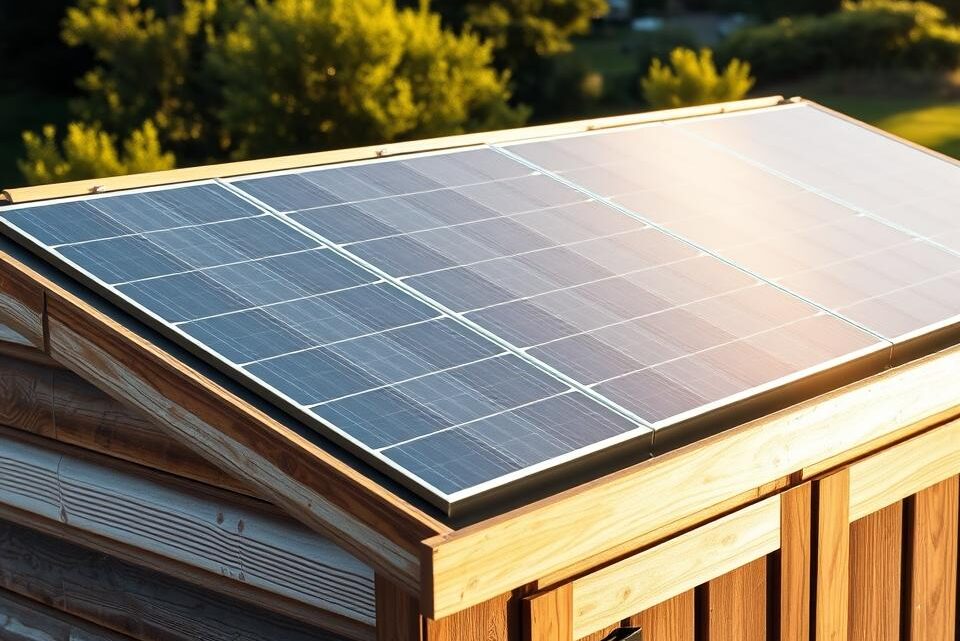
Garden sheds often occupy prime positions with excellent sun exposure, making them ideal locations for generating electricity. This setup offers a practical entry point into renewable energy for homeowners who may be hesitant about larger residential systems.
The process is generally less complex than a full home installation, with lower initial costs. It provides valuable hands-on experience with the technology. A well-planned system can either power the outbuilding independently or feed energy back to the main property.
In the UK, schemes like the Smart Export Guarantee (SEG) can provide financial returns for excess electricity generated. This comprehensive guide covers everything from initial assessment to long-term maintenance, offering a complete roadmap for the project.
Inhaltsverzeichnis
Key Takeaways
- Sheds are often in well-lit garden spots, perfect for generating solar power.
- This type of installation is a simpler and more affordable starting point for using solar energy.
- Homeowners can gain practical experience before considering a larger system for their home.
- The system can be designed to power the shed or contribute electricity to the main residence.
- UK homeowners may benefit from the Smart Export Guarantee scheme for excess energy.
- This guide provides a detailed, professional approach to the entire process.
Understanding Solar Energy and Its Benefits for Sheds
Harnessing the sun’s potential for a garden building is a smart move. This section explains the core principles and advantages of this renewable technology.
https://www.youtube.com/watch?v=SNvMBunKbFk
How Solar Panels Work
At the heart of a solar panel are photovoltaic cells, typically made from silicon. When sunlight strikes these cells, it triggers the photovoltaic effect. This process excites electrons, generating a flow of electricity.
These systems work throughout the year, even on overcast British days, though output is highest with direct solar irradiation. The generated power is direct current (DC).
A complete setup includes several key components. A battery bank stores the energy. A charge controller manages the flow to prevent damage. An inverter then converts DC into alternating current (AC) for standard appliances.
Benefits of Solar Power in a Shed
The financial perks are significant. Once operational, the system eliminates electricity costs for the outbuilding. Research indicates that for every £1 invested, property value can increase by £20.
Homeowners can also benefit from the UK’s Smart Export Guarantee, earning money for excess power sent to the grid. This makes a solar setup a financially astute decision.
Environmentally, it provides clean, renewable solar energy. There is no need for disruptive cable installations or reliance on fossil fuels, reducing your carbon footprint.
Practically, it unlocks the shed’s potential. It can become a powered workshop, a quiet home office, or even a charging point for electric devices. A well-sized system can operate independently or supplement the main home.
| Component | Primary Function | Key Benefit |
|---|---|---|
| Photovoltaic Cells | Converts sunlight into DC electricity | Generates clean power from a free source |
| Battery Bank | Stores generated electricity | Provides power during the evening and night |
| Inverter | Converts DC power to AC power | Makes energy usable for standard appliances |
Assessing Your Shed’s Suitability for Solar Panel Installation
Before committing to a project, a thorough evaluation of the shed’s structural and environmental suitability is paramount. This assessment ensures the installation is safe, efficient, and worthwhile.
Evaluating the Roof Structure and Space
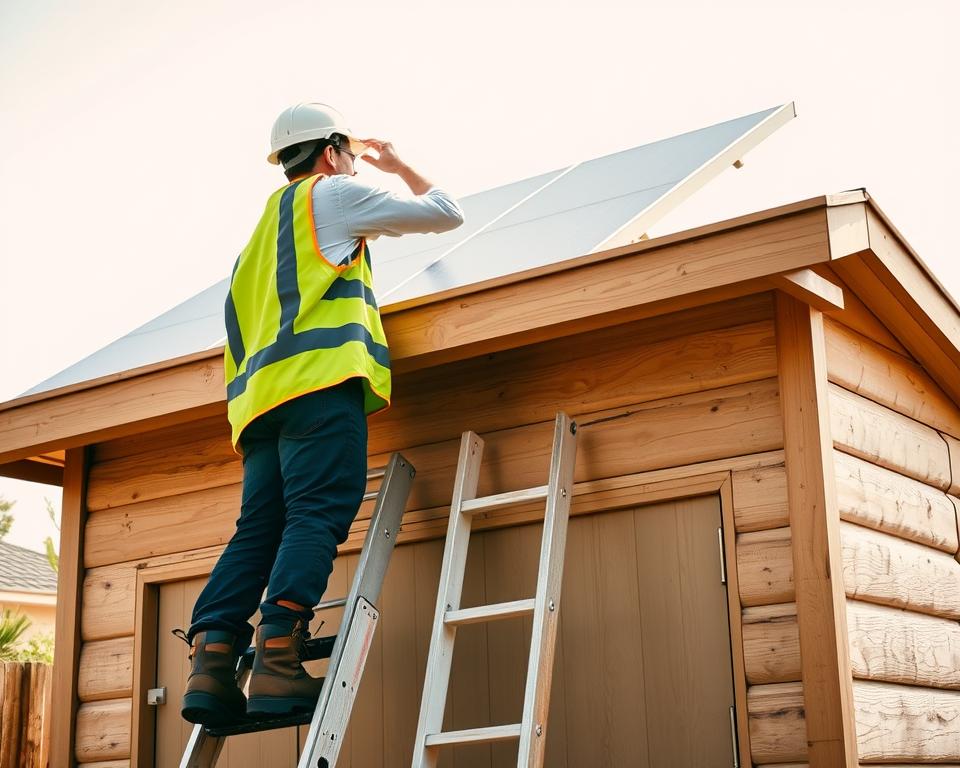
The shed roof must be strong enough to support the weight of the panels. Not all roof materials can bear the additional load. A timber frame is often ideal, while felt or thin metal may require reinforcement.
Available space is another key factor. A typical setup for a shed uses four to six solar panels. The required roof area depends on the system size. For example, a 1kW system needs at least 8 square metres of clear space.
Considering Sunlight Exposure and Shading
Optimal power generation requires maximum sunlight. A south-facing roof captures the most energy throughout the day. However, east or west-facing sheds can still be viable options.
Shading significantly reduces efficiency. Observe the roof at different times to identify shadows from trees, fences, or other buildings. Even partial shading can have a major impact on the solar panels output.
A clear, unshaded shed roof is the foundation for a successful installation. Careful planning at this stage prevents future disappointment.
Preparing the Shed for a Solar Installation
Organising the shed’s interior space before mounting panels prevents future complications and enhances safety. This preparation phase establishes the foundation for all electrical components.
Setting Up a Safe and Organised Workspace
Constructing a sturdy support wall provides a secure mounting surface for essential equipment. This internal structure should be built from durable timber capable of supporting the weight of multiple components.
The arrangement follows a logical workflow. Place the fuse box at the top for easy access. Position the charge controller below it, followed by the inverter. This organisation simplifies connections and future maintenance.
Key Electrical and Ventilation Considerations
Batteries require special attention due to heat generation. Create a ventilated enclosure on the shed floor using mesh panels or slatted wood. This design allows proper airflow around the battery bank.
Running conduit throughout the shed enables safe wiring distribution. The charge controller regulates current flow to prevent overcharging. Meanwhile, the inverter converts stored energy into usable electricity for tools and appliances.
| Component | Primary Location | Safety Function |
|---|---|---|
| Battery Bank | Ventilated floor box | Heat dissipation and stability |
| Charge Controller | Support wall (middle) | Prevents battery damage |
| Inverter | Support wall (lower) | Converts DC to AC power |
This systematic approach ensures the electrical system operates efficiently. Proper preparation minimises risks and maximises the installation’s longevity.
How to Install Solar Panels on a Shed
With the preparatory work complete, attention turns to the rooftop assembly and system integration. This phase bridges planning with operation through careful hardware installation.
Installing Support Rails and Mounting Panels
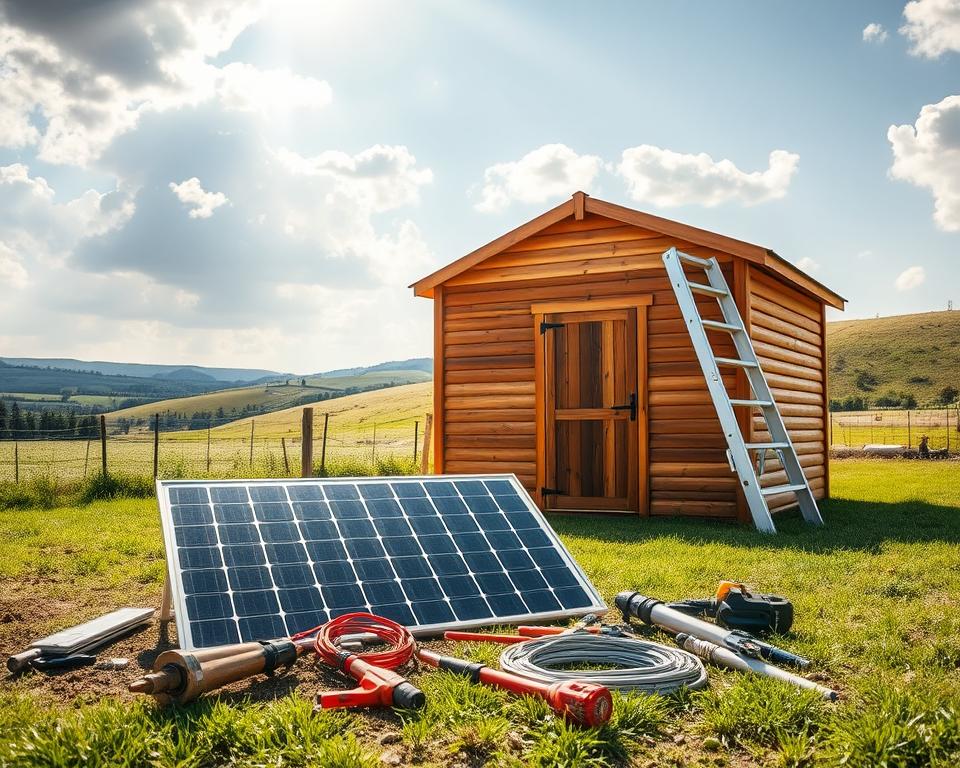
Secure at least two parallel support rails onto the shed roof using appropriate fasteners. Ensure they are properly anchored and weatherproofed to withstand outdoor conditions.

Create a small opening in the ceiling for electrical conduit. This passage should extend from the support wall to the roof. Place the electrical box at the rooftop’s edge for easy access.
Drive a grounding stake into the ground and connect it to the fuse box. This creates a proper grounding system for safety. Install the photovoltaic units onto the support rails, aligning them for maximum sunlight capture.
Connecting the Fuse Box, Inverter, and Controller
Route wires from the panels through the conduit up to the roof. Connect them to corresponding terminals or connectors, securing them tightly for reliable performance.
The charge controller regulates current flow to prevent battery damage. Position it logically within the electrical setup. The inverter converts stored energy into usable electricity for tools and appliances.
Consider the roof size and ensure the weight doesn’t exceed structural capacity. For permanent solutions, rigid units are ideal. Portable options offer flexibility for those needing mobility.
Maximising Efficiency and Cost Savings
Choosing the optimal system configuration requires careful consideration of both current and future energy requirements. This planning phase directly impacts long-term performance and financial returns.
Selecting the Appropriate System Size
The right system size depends on intended usage patterns. For occasional power tool operation, a modest setup may suffice. Regular workshop activities or guest accommodation needs a more substantial configuration.
A 1kW photovoltaic system starts around £1,840. Complete installations typically range from £8,500-£11,000. The amount of electricity generated depends on panel quantity, roof orientation, and efficiency ratings.

Exploring Government Incentives and Energy Savings
Government incentives can significantly reduce initial costs. Eligible installations may qualify for a 30% tax credit. State and local programmes offer additional savings opportunities.
Once operational, these systems eliminate electricity costs for the outbuilding. Savings gradually offset the initial investment over time. The payback period varies based on usage patterns and system size.
Strategic planning balances upfront costs against long-term benefits. This ensures the chosen configuration meets specific energy needs while maximising financial returns.
Comparing Solar Panel Types and Their Applications
Understanding the differences between photovoltaic technologies helps homeowners make informed decisions about their energy setup. The right choice balances efficiency, cost, and space constraints.
Monocrystalline vs Polycrystalline Panels
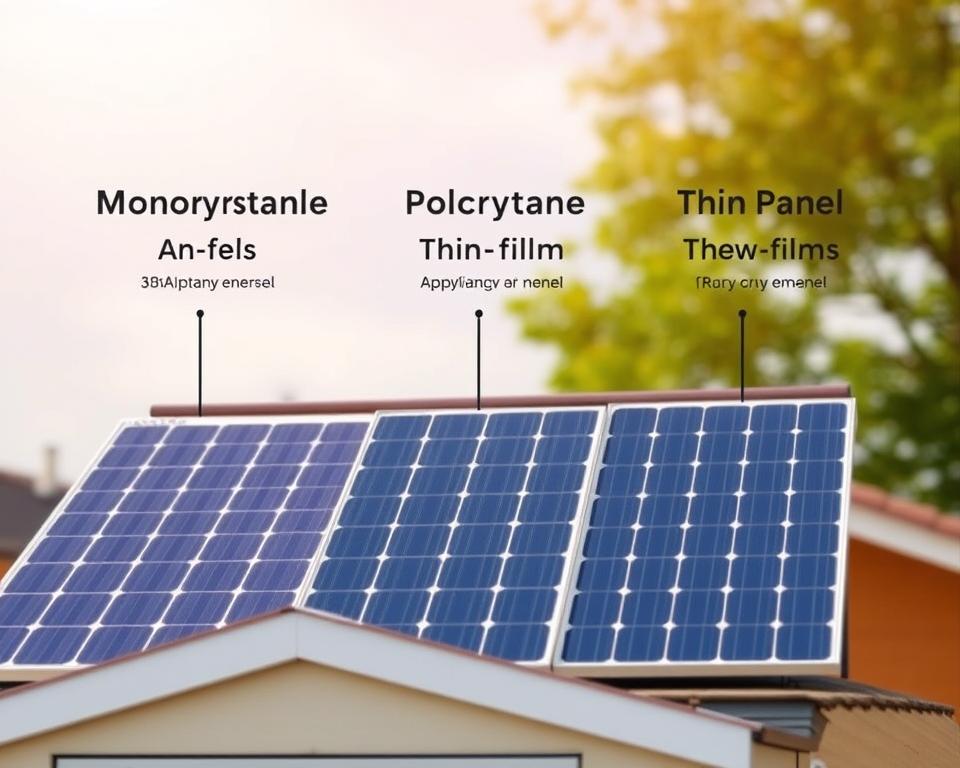
Monocrystalline panels use single silicon crystals. This manufacturing process creates highly efficient units that generate more electricity per square metre. They perform well in various temperatures.
These panels represent the premium option for limited roof areas. Their higher initial cost is offset by superior long-term performance. For shed applications where space is constrained, this efficiency advantage is significant.
Polycrystalline panels feature multiple silicon fragments melted together. This production method makes them more affordable than monocrystalline alternatives. However, they deliver lower efficiency levels.
In high temperatures, polycrystalline units experience greater efficiency loss. They work well for budget-conscious projects with adequate roof space. The choice depends on balancing upfront costs against energy output requirements.
Flexible and Thin-Film Options for Small Roofs
Thin-film flexible panels offer unique advantages for challenging installations. These lightweight sheets adhere to irregular surfaces that cannot support rigid frames. They work well on curved or uneven shed exteriors.
However, these panels have lower efficiency ratings than crystalline options. They rarely make sense as the primary power source for a complete system. Most installations use them to supplement rigid panels in hard-to-cover areas.
The ideal approach combines technologies based on specific roof characteristics and energy needs. This hybrid strategy maximises power generation from available space.
Maintaining and Monitoring Your Solar-Powered Shed
Proper maintenance is the key to unlocking the long-term benefits of a shed-based energy system. A consistent routine protects your investment and ensures the setup delivers reliable solar power year after year. This involves regular checks, performance tracking, and addressing minor issues before they escalate.
Regular Inspections and Performance Checks
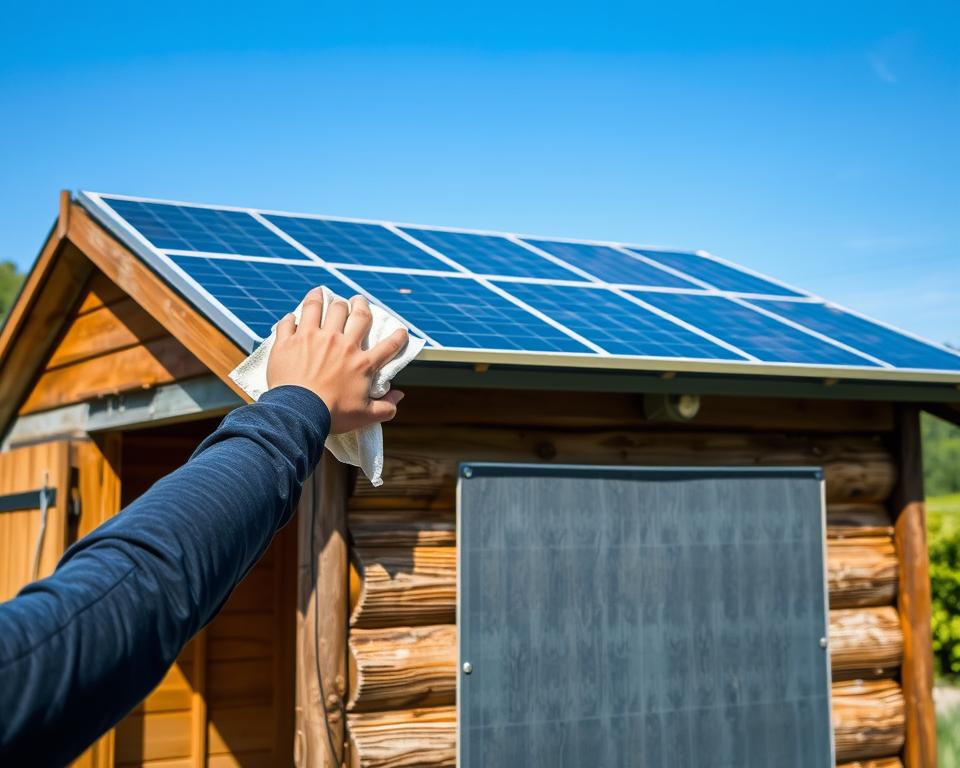
Establish a simple monthly routine. Visually inspect the solar panels for dirt, leaves, or debris that can block sunlight. Clean them with water and a soft cloth. Check all wiring connections for signs of wear or corrosion.
Monitor your system’s output. Many modern charge controllers or inverters have built-in displays or companion apps. Track the electricity generated. A sudden drop often indicates a problem like shading or a faulty connection.
Keep the shed interior organised. Ensure the battery area remains clean and well-ventilated. This simple care maximises the lifespan of your components.
Troubleshooting Common Installation Issues
Even well-installed systems can encounter problems. If lighting or devices flicker, first check the battery charge level. A consistently low charge might mean the panels are shaded or require cleaning.
For more complex power issues, a multimeter is a useful tools. It can test voltage from the panels and at the battery terminals. Loose connections are a frequent culprit for reduced performance.
Optimising Long-Term Energy Efficiency
Over time, you can enhance your system’s efficiency. Trim any growing vegetation that casts shadows on the shed roof. This ensures maximum exposure for your solar array.
Consider your energy use. Running high-power appliances during daylight hours, when the system is generating, reduces the strain on batteries. This practice helps to power your shed more effectively.
| Maintenance Task | Frequency | Key Benefit |
|---|---|---|
| Panel Surface Cleaning | Monthly | Maximises sunlight absorption |
| Connection Check | Quarterly | Prevents power loss and safety hazards |
| Battery Terminal Inspection | 6 Months | Ensures efficient charge and storage |
By following these steps, your shed solar installation will provide clean, reliable electricity for lighting, tools, and other devices, making your shed a truly self-sufficient space.
Conclusion
Embracing renewable energy through a garden building offers a practical pathway to energy independence. This comprehensive guide has outlined the complete process from initial assessment to ongoing maintenance. Homeowners now possess the knowledge to transform their outdoor space into an efficient power source.
While this guide provides detailed instructions, consulting MCS-certified professionals ensures optimal performance and safety. These systems operate year-round across the UK, providing reliable electricity. The Smart Export Guarantee scheme offers potential compensation for excess energy production.
This project represents an accessible option for entering the renewable energy market. It builds confidence for potentially larger residential systems. Readers can proceed with their plans, whether finalising designs or beginning the installation process.
FAQ
What are the main benefits of using solar energy for a shed?
Utilising solar energy for a shed offers energy independence, reduces electricity costs, and provides a clean power source. It is ideal for powering lighting, tools, and small appliances without needing a connection to the main house.
How can I determine if my shed roof is suitable for solar panels?
A suitable shed roof requires a sturdy structure, adequate space for the panels, and minimal shading. The roof should face south for maximum sunlight exposure in the UK, and its condition must support the additional weight.
What size solar system is needed to power typical shed appliances?
The system size depends on the energy consumption of the devices. For basic lighting and occasional tool use, a small system with a 100-watt panel and a battery may suffice. Larger setups are needed for continuous use of power-hungry appliances.
Are there any special electrical considerations when installing a solar system on a shed?
A> Yes, proper installation of a charge controller and inverter is crucial for safety and efficiency. It is highly recommended to hire a qualified electrician to ensure all wiring meets British Standards and to handle the connection to a consumer unit or battery storage.
What maintenance is required for a shed-based solar panel system?
Maintenance involves periodically cleaning the panels to remove dirt and debris and checking all connections for corrosion. Monitoring system performance helps identify any drops in efficiency early, ensuring optimal long-term operation.
Can flexible solar panels be used on a shed roof?
Yes, flexible and thin-film panels are excellent options for sheds with curved or less robust roofs. They are lightweight and can be directly adhered to the surface, though their efficiency may be slightly lower than rigid panels.
Are there government incentives available for installing solar panels on a shed?
While many incentives focus on residential properties, some schemes may apply. It is best to check the latest government and Energy Saving Trust websites for current opportunities related to small-scale solar installations.
How does a solar charge controller function within the system?
The charge controller regulates the voltage and current from the panels to the battery, preventing overcharging and extending battery life. It is a vital component for ensuring the safety and longevity of the energy storage system.