How to Level Ground for a Shed Without Digging: Simple Steps

Installing a new garden building is an exciting project. A stable foundation is the most critical element for its success. This article reveals practical methods to prepare the ground without major excavation work.
Getting the base perfectly level ensures the structural integrity of the shed. It prevents future issues like doors that stick and frames that warp. The techniques described are designed for UK gardens, considering local conditions.
These no-dig approaches save time and effort. They are accessible to DIY enthusiasts with basic skills. Proper preparation at this stage is a worthwhile investment. It guarantees the outdoor building remains stable and functional for years.
This guide provides a clear, step-by-step way to achieve a professional result. It demonstrates that preparing the ground for a shed can be a straightforward process. The project becomes manageable and highly rewarding.
Inhaltsverzeichnis
Key Takeaways
- A level foundation is essential for the structural integrity of any garden building.
- Proper ground preparation prevents future problems like warping and sticking doors.
- No-dig techniques are practical, cost-effective, and suitable for UK conditions.
- These methods are designed to save significant time and physical effort.
- Achieving a professional, stable base is possible with basic DIY skills.
- Investing time in this initial stage ensures the shed’s longevity and functionality.
Understanding the Importance of a Level Shed Base
Achieving proper stability for any outdoor structure begins with meticulous attention to its supporting surface. The base serves as the fundamental element that determines the entire building’s performance over time. Getting this foundation right prevents numerous potential problems before they can develop.
Enhancing Structural Integrity
An uneven base creates immediate stress on the shed frame. This pressure causes twisting and warping that affects walls and structural components. Over years, this misalignment leads to doors that stick and windows that jam.
The floor bears the brunt of an imperfect foundation. Gaps appear in the framework, compromising the entire structure’s stability. In severe cases, complete structural failure becomes a real risk.
Benefits for Water Drainage and Air Circulation
Proper drainage is crucial for preventing water damage. A correctly prepared base allows water to flow away naturally. This prevents pooling that leads to timber rot and decay in damp areas.
Air circulation beneath the structure is equally important. Adequate ventilation stops moisture accumulation that causes mould and mildew. This protection extends the shed‘s functional lifespan significantly.
Investing effort in creating the right foundation saves considerable frustration over years. It ensures the building remains stable and functional throughout its service life.
Choosing the Ideal Location for Your Shed
Selecting the right spot is a pivotal decision that influences the entire project. A well-chosen site minimises future complications and enhances the building‘s durability. Careful planning at this stage yields significant long-term benefits.

Site Selection Criteria
Evaluating potential areas requires a methodical approach. The chosen place should offer stable, well-draining ground. Steep slopes often demand extensive work, so a gently sloping or flat area is preferable.
Accessibility is another crucial factor. Ensure there is clear vehicle access for delivery and future maintenance. Consider the size of the shed in relation to the available space.
Thoughtful site selection is the cornerstone of a successful shed installation.
Be mindful of overhead hazards like overhanging branches. Also, identify any underground utilities before starting. This precaution prevents costly damage and ensures safety.
Considerations for UK Zoning and Regulations
In the UK, planning permissions can affect your shed project. Many local councils have specific rules regarding shed placement. It is essential to check these regulations beforehand.
Rules often govern the distance a shed must be from property boundaries. Permits may be required for larger structures. Ignoring these regulations can lead to enforcement action.
Low-lying areas that collect water should be avoided. Poor drainage undermines the foundation. A dry, stable site is fundamental for longevity.
| Factor | Good Choice | Poor Choice |
|---|---|---|
| Ground Condition | Firm, well-draining soil | Soft, waterlogged ground |
| Sunlight | Partial sun for balance | Deep shade or full sun |
| Access | Easy for vehicles | Difficult, obstructed path |
Ultimately, the ideal site combines practical considerations with adherence to local rules. This careful selection process is the best way to ensure a stable and compliant installation.
Preparing Your Tools and Materials
Gathering all necessary items before beginning saves considerable time and prevents frustrating interruptions. Having the correct equipment organised ensures a smooth workflow throughout the project.

Essential Equipment List
A comprehensive set of tools is fundamental for accurate work. Essential items include a tape measure for precise measurements and a spirit level for checking surfaces.
Basic gardening equipment like a shovel and rake handles minor ground adjustments. A tamper compacts materials effectively. Safety gear protects during the entire process.
Additional useful tools include string and stakes for marking boundaries. A mallet or sledgehammer helps with setting posts securely.
Gathering Suitable Materials for a Stable Base
Choosing the right materials directly impacts the foundation’s longevity. Concrete foundation blocks provide excellent support. These differ from cinder blocks, which aren’t suitable outdoors.
Pressure-treated timber creates a perimeter frame. The recommended size is typically 4×6 planks. This frame contains the base materials effectively.
Gravel, particularly 3/4″ crushed stone, offers superior drainage. Landscape fabric prevents weed growth beneath the base. Proper material selection ensures a stable top surface.
Having everything prepared allows the work to proceed efficiently from start to finish. This preparation phase is an investment in quality results.
How to Level Ground for a Shed Without Digging
The evolution of shed installation techniques has introduced practical no-excavation solutions. These innovative approaches allow homeowners to create stable foundations while preserving their garden’s natural landscape.
Advantages of No-Dig Methods
This approach offers significant benefits for garden building projects. It eliminates the need for extensive earthworks and soil removal. The method preserves the existing soil structure and prevents disruption to underground utilities.
Cost-effectiveness represents another major advantage. Compared to traditional concrete pouring, this technique requires fewer materials and less labour. It provides excellent value while delivering professional results.
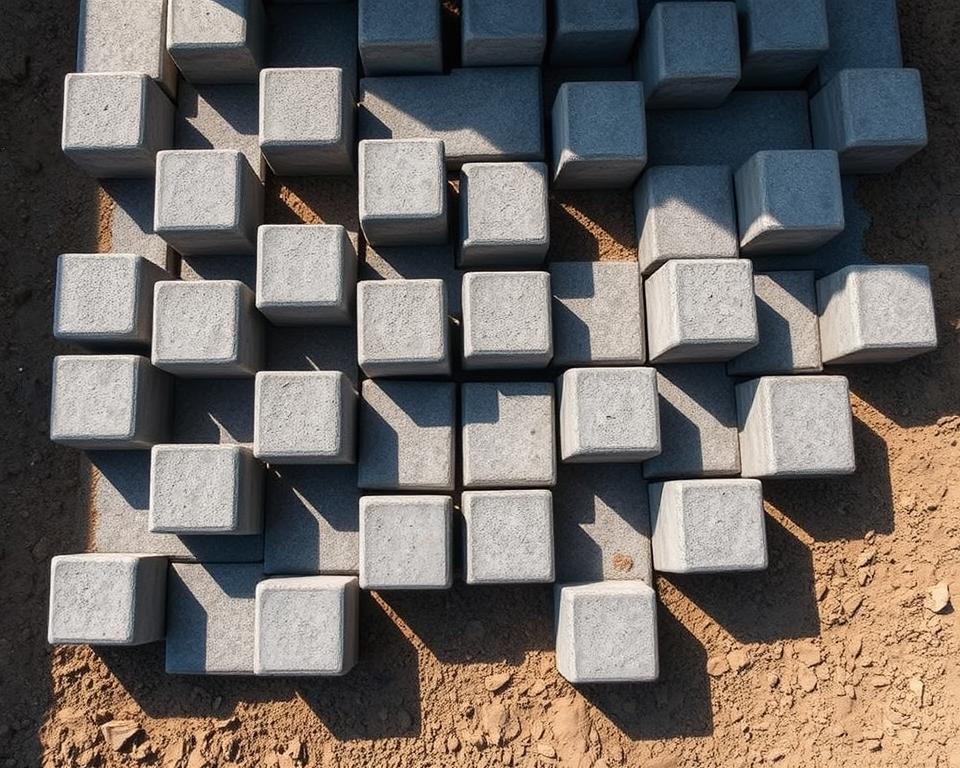
The system works particularly well on challenging terrain. Rocky or uneven ground becomes manageable through adjustable foundation blocks. This flexibility makes it suitable for various garden conditions.
Simple Steps for Creating a Level Surface
The process begins with clearing the designated area. Remove vegetation and debris to create a clean working surface. Mark the perimeter where the garden building will sit.
Position concrete foundation blocks in a grid pattern. Typically, four rows of three blocks provide even weight distribution. Adjust individual block heights to compensate for slopes.
Fill spaces between blocks with pea gravel for stability. This material enhances drainage while supporting the structure. The final step involves verifying the base is perfectly level before installation.
Exploring Methods for Achieving a Level Surface
Multiple approaches exist for creating a solid base without extensive excavation. Each method offers distinct advantages depending on garden conditions and project requirements.
Homeowners should consider factors like soil type, slope degree, and building size when selecting their approach. The right choice ensures long-term stability and proper drainage.

Gravel Base Installation Techniques
A gravel base provides excellent water management for outdoor structures. Spreading 3/4″ crushed stone to a 4-6 inch depth creates a stable platform.
Landscape fabric beneath the stone layer prevents weed growth. This cost-effective solution works well for small to medium shed installations.
Concrete Alternatives and Their Considerations
Full concrete slabs offer maximum permanence but require significant labour. The minimum 75-100mm thickness demands professional help for most DIY enthusiasts.
This approach suits heavy-duty applications or wet areas. However, it represents the least flexible option for no-dig projects.
Utilising Foundation Blocks and Piers
Concrete foundation blocks provide adaptable support on uneven terrain. Stacking them at different heights compensates for slopes effectively.
These blocks can be cut to custom dimensions and doubled for extra strength. Pier systems suit significantly sloped areas but require more complex installation.
| Method | Best For | Difficulty | Drainage |
|---|---|---|---|
| Gravel Base | Small-medium sheds | Beginner | Excellent |
| Concrete Slab | Heavy-duty use | Advanced | Good |
| Foundation Blocks | Uneven ground | Intermediate | Very Good |
| Pier System | Steep slopes | Expert | Good |
The table above helps homeowners compare key characteristics. Foundation blocks often provide the best balance for most garden situations.
Implementing Practical Levelling Techniques
Mastering the practical application of basic tools transforms the levelling process from daunting to manageable. This phase involves hands-on work where careful execution yields significant results. Proper technique ensures efficiency and accuracy throughout the project.
Using a Shovel, Tamper, and Level Effectively
The initial step involves identifying uneven areas. A spirit level placed on a long, straight board reveals high and low spots across the surface. Strategic use of a shovel then corrects these imperfections.
Remove soil from elevated sections and fill depressions with compactible material. A tamper consolidates each layer, preventing future settlement. Frequent verification with the level is crucial after each adjustment.

Establishing square corners is fundamental. Measure diagonals from corner to corner; equal measurements confirm a square layout. This precision is vital for the subsequent assembly stage.
String lines stretched between corner stakes provide clear visual guides. They help maintain straight boundaries and a consistent height reference. This simple method improves accuracy during the final grading step.
Overcoming Common Levelling Challenges
Difficult soil conditions like clay or rocks present specific hurdles. In these situations, focus on creating a level perimeter frame first. The interior area can then be adjusted relative to this stable boundary.
When using foundation blocks, compensate for slopes by adjusting the soil beneath each unit. Ensure all block tops sit at the same height. Patience and repeated checks are essential for success.
Persistent high spots may require extra effort. Make sure to compact the ground thoroughly after each modification. This diligence prevents the surface from becoming uneven over time.
| Tool | Primary Function | Pro Tip |
|---|---|---|
| Spirit Level | Checking surface flatness | Use with a long, straight board for accuracy over distance. |
| Shovel | Moving soil and gravel | Work systematically from high spots to low areas. |
| Tamper | Compacting material | Apply even pressure in overlapping passes for consistent density. |
| Measuring Tape | Verifying squareness | Check diagonal measurements twice to confirm corner alignment. |
These techniques, applied methodically, enable the creation of a stable and durable foundation. Attention to detail during this phase guarantees long-term performance.
Integrating Optional Perimeter Enhancements
Elevating the foundation’s durability often involves adding a robust perimeter. This step, while optional, delivers significant long-term advantages. It transforms a basic foundation into a professionally finished installation.
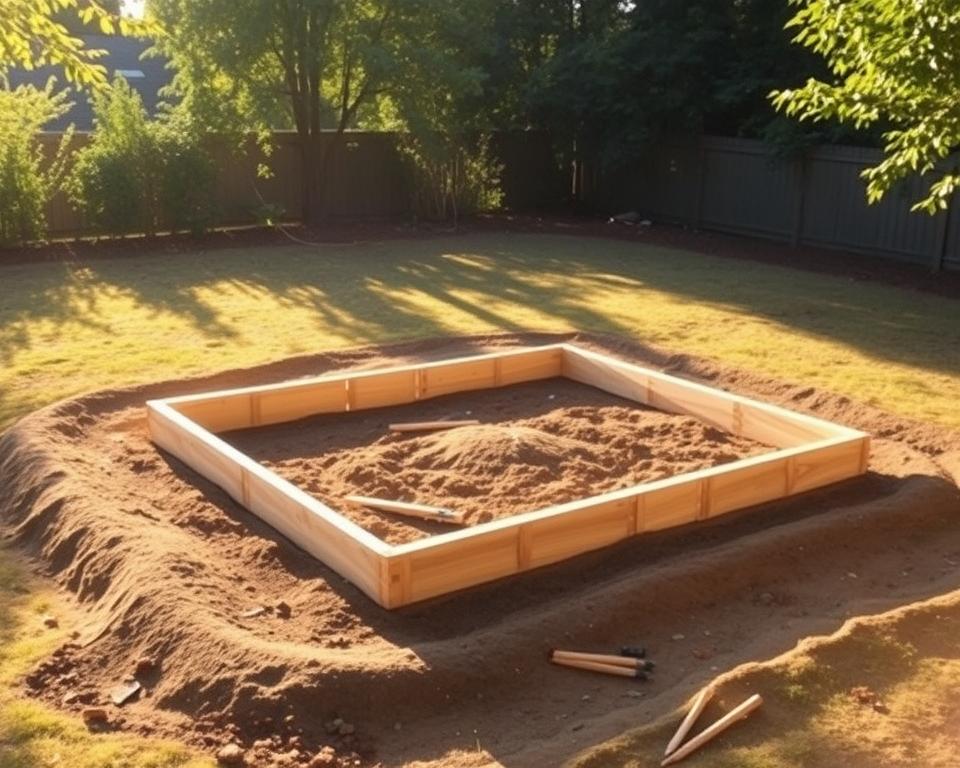
A pressure-treated timber frame provides a clear boundary for the base. It neatly contains gravel and prevents material from scattering. This addition offers a crisp, clean edge that enhances the overall appearance.
Installing a Neat Retaining Frame
The process begins by cutting 4×6 timbers to the required length. For a typical 12×14 base, two pieces measure 14 feet and two measure approximately 11 feet 5 inches. This accounts for the timber’s width at the corners.
Lay the timbers in place, ensuring firm contact with the ground. Join the corners securely using screws for a strong connection. To guarantee the frame is perfectly square, measure the diagonals with a string.
When these two diagonal string measurements match, the frame is square. Drill holes through the timber and drive 2-foot rebar pins into the ground. Place two pins at each corner and space others about 4 feet apart.
Benefits of Defined Edges for Longevity
A well-constructed frame does more than just look good. It adds considerable stability to the entire structure. The frame helps keep foundation blocks properly aligned over time.
On sloped sites, additional timber courses can be stacked. These are secured with landscape spikes to create a retaining wall. This extra support is crucial for maintaining the base height and integrity.
This enhancement simplifies maintenance and improves drainage around the shed. Although it requires extra effort, the investment pays off with a more durable and professional-looking result.
Finalising and Compacting Your Shed Base
The concluding phase of the foundation work solidifies all previous efforts. This critical step transforms a prepared area into a robust platform ready for the garden building.

A consistent 4-6 inch layer of 3/4″ crushed stone gravel is spread across the entire base. Using a rake ensures even distribution. This layer is fundamental for stability and drainage.
Ensuring Consistent Compaction and Level Checks
Compaction is the next essential step. A hand tamper or mechanical compactor is used to press the gravel firmly. This action eliminates air pockets and prevents future settling of the base.
The top surface is then smoothed with a straight 2×4 board. Dragging it across the gravel creates a flat plane. It is vital to make sure the spirit level confirms a perfect level surface in multiple directions.
Any low spots are filled with additional gravel. High spots are gently tamped down. This meticulous process guarantees the shed will have a stable foundation.
Finishing Touches for a Durable Foundation
Attention turns to the foundation blocks. Gravel should fill all spaces between them for maximum stability. The top of each block must align perfectly.
A final inspection checks all corners and edges. The completed base must extend at least 12 inches beyond the shed on all sides. This provides essential support and improves drainage away from the structure.
This careful final step ensures the base will support the shed effectively for many years.
| Task | Tool | Key Check |
|---|---|---|
| Spread Gravel | Rake | Even 4-6 inch depth |
| Compact Base | Tamper | No loose material |
| Level Surface | 2×4 Board & Spirit Level | Flat plane in all directions |
| Final Inspection | Visual | Base extends 12+ inches beyond shed |
FAQ
Why is a level base crucial for a shed?
A level base ensures the shed’s structural integrity, preventing warping of the frame and doors. It also promotes proper water drainage away from the structure, protecting it from moisture damage and rot over many years.
What are the primary advantages of using a no-dig method?
No-dig methods save considerable time and labour by avoiding extensive excavation. They are less disruptive to the garden landscape and can provide excellent stability and drainage when constructed correctly with materials like gravel.
Which tools are essential for levelling ground without digging?
Essential equipment includes a shovel for minor adjustments, a robust spirit level for accuracy, a hand tamper for compaction, and string lines for establishing a level perimeter. A tape measure is also vital for precise measurements.
Can concrete paving slabs be used with a no-dig approach?
Yes, concrete slabs are a popular choice. They are laid on a well-compacted gravel bed to create a solid, level surface. This method offers a permanent and highly stable foundation for the shed.
How can one ensure the prepared area remains level over time?
Proper compaction of the soil and gravel layers is key. Using a tamper to compress each layer prevents future settling. It is also wise to check the final surface with a level in multiple directions before placing the shed.
Is it necessary to build a perimeter frame for the base?
A> While not always essential, a timber or concrete edging frame adds significant stability. It contains the gravel base, prevents shifting, and provides a clear, neat edge that enhances the overall installation.
What should be done if the ground has a significant slope?
For larger slopes, it may be necessary to build up the lower area with additional compacted gravel to create a level pad. In extreme cases, a combination of landscaping timbers or concrete blocks might be required to establish a level starting point.