
How to Plant a Raised Bed with Various Herbs – Tips
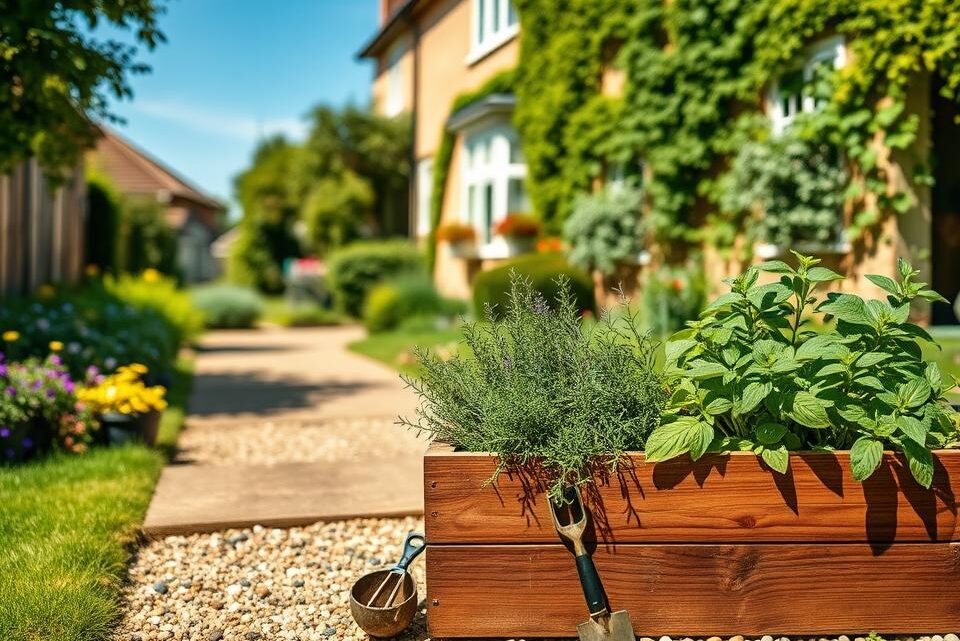
Creating a raised bed herb garden in the UK offers gardeners an exceptional opportunity to grow vibrant, flavourful herbs in a controlled environment. Your raised bed herb garden can transform even the smallest outdoor space into a productive culinary haven, addressing challenges like poor soil conditions and limited growing areas.
Growing herbs in raised beds provides unparalleled advantages for UK gardeners. These elevated garden spaces deliver superior drainage, improved soil quality, and easier maintenance compared to traditional ground-level planting. You’ll discover how a well-designed raised bed herb garden can extend your growing season and produce abundant, fresh herbs right outside your kitchen door.
This comprehensive guide will walk you through every step of creating a thriving herb garden in raised beds. From selecting the perfect location to understanding soil composition and planting techniques, you’ll gain the knowledge needed to cultivate a successful herb garden that meets the unique challenges of the British climate.
Inhaltsverzeichnis
Key Takeaways
- Raised bed herb gardens offer superior growing conditions
- Improved drainage and soil control are critical benefits
- Suitable for small gardens and challenging UK landscapes
- Enables easier herb maintenance and harvesting
- Provides greater control over growing environment
Understanding the Benefits of Growing Herbs in Raised Beds
Transforming your herb gardening experience begins with understanding the remarkable raised bed advantages. These elevated growing spaces offer a game-changing approach to cultivating your favourite culinary and medicinal herbs right in your own garden.
The herb garden benefits of raised beds extend far beyond traditional ground planting. These structured gardens provide exceptional advantages for herb enthusiasts:
- Enhanced soil control for optimal herb growth
- Improved drainage preventing root rot
- Faster soil warming in early spring
- Reduced physical strain during gardening
Improved drainage herbs thrive particularly well in raised beds. Mediterranean varieties like rosemary, thyme, and lavender absolutely love the well-draining environment these beds create. The elevated design prevents waterlogging, which can be detrimental to delicate herb roots.
Your raised bed allows you to create a microclimate perfectly tailored to your herbs’ specific needs. Whether you’re dealing with heavy clay soil or challenging garden conditions, these beds provide a solution that transforms your gardening potential.
A raised bed is not just a planting space—it’s a precision instrument for herb cultivation.
By investing in a raised bed, you’re not just growing herbs; you’re creating a productive, beautiful, and ergonomic garden space that will reward you with fresh, aromatic herbs throughout the growing season.
Choosing the Right Location for Your Herb Garden
Selecting the perfect herb garden location is crucial for successful herb cultivation in the UK. Your garden’s placement will determine the health and productivity of your herbs. Understanding how to choose an optimal spot involves careful consideration of several key factors.
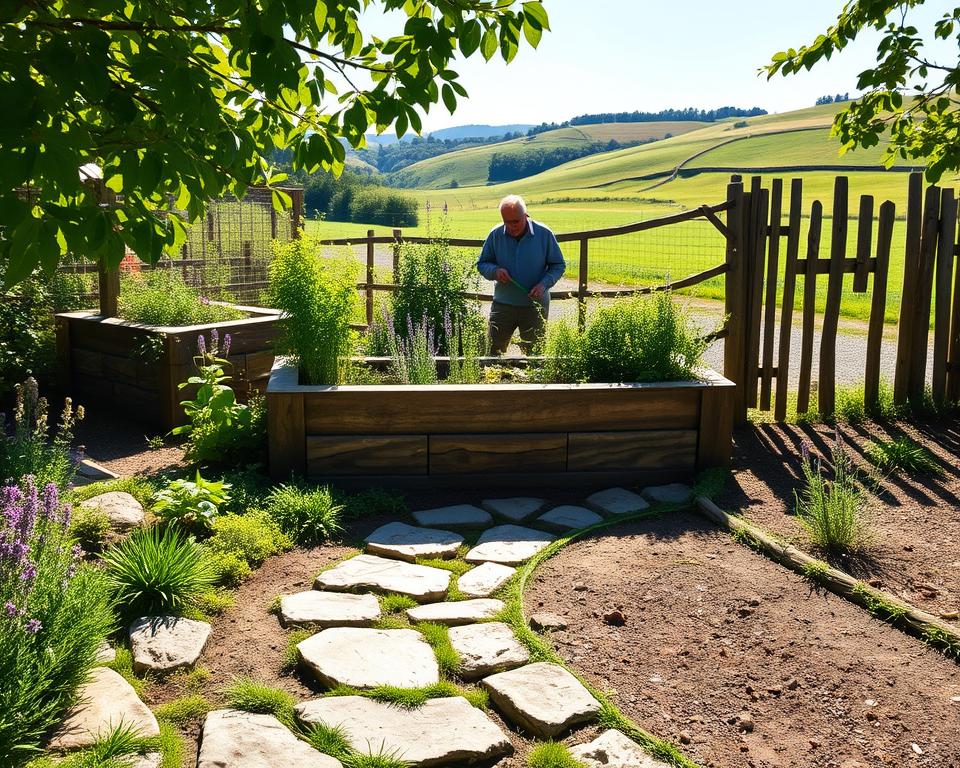
When planning your herb garden location, sunlight for herbs becomes a primary concern. Most culinary herbs require at least six hours of direct sunlight daily to thrive and develop robust flavours.
Assessing Sunlight Requirements
Different herbs have varying sunlight needs. Here’s a quick guide to help you understand herb garden placement in the UK:
- Full sun herbs (6-8 hours direct sunlight):
- Rosemary
- Thyme
- Sage
- Partial shade herbs (4-6 hours sunlight):
- Mint
- Parsley
- Chervil
Considering Drainage and Accessibility
When choosing your herb garden location, drainage plays a critical role. Raised beds offer excellent drainage, but positioning is key. Avoid low-lying areas where water might collect.
| Location Factor | Ideal Conditions | Potential Issues |
|---|---|---|
| Sunlight | 6-8 hours direct sunlight | Shade or excessive heat |
| Drainage | Slight slope, well-draining soil | Water-logged ground |
| Accessibility | Near kitchen, easy reach | Remote or inconvenient location |
Consider practical aspects like proximity to your kitchen for convenient harvesting and access to water sources. Your herb garden location should balance sunlight exposure, protection from harsh winds, and ease of maintenance.
Selecting the Perfect Raised Bed Design
Designing your herb garden requires careful consideration of raised bed materials and construction. The right raised bed design can transform your gardening experience, providing an ideal environment for growing aromatic and flavourful herbs.

When exploring raised bed design options, you’ll want to consider several key factors:
- Material durability for herb garden construction
- Size and dimensions of your growing space
- Aesthetic appeal and garden integration
- Budget and long-term maintenance
Your choice of raised bed materials plays a crucial role in the success of your herb garden. Popular options include:
- Timber: Cedar and oak offer natural resistance to decay
- Composite materials: Low-maintenance and weather-resistant
- Metal: Modern look with excellent durability
- Stone or brick: Classic appearance with excellent insulation
For optimal herb growth, aim for a bed width of 1.2 metres, allowing easy access from both sides. Height recommendations typically range between 30-45 centimetres, providing adequate root space for most herb varieties.
Pro tip: Select materials that complement your garden’s existing landscape while ensuring proper drainage and root health.
Whether you choose a pre-fabricated kit or opt for a custom-built solution, prioritise your herbs’ growing requirements and your personal gardening style when selecting the perfect raised bed design.
Preparing the Soil Mix for Optimal Herb Growth
Creating the perfect raised bed soil mix is crucial for growing healthy, vibrant herbs. Your herb growing medium plays a vital role in determining the success of your garden. Understanding the right composition can transform your raised bed into a thriving herb paradise.
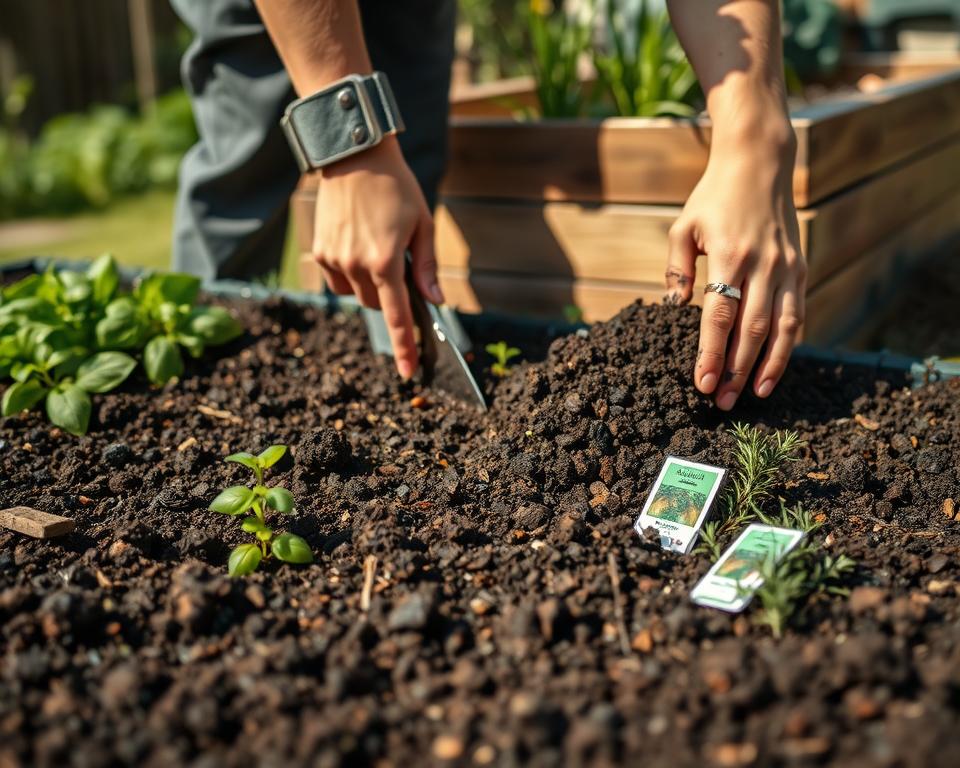
The ideal herb growing medium requires careful balance. Most herbs thrive in well-draining soil with specific nutritional characteristics. Your compost for herbs will be the foundation of a successful garden.
Creating the Ideal Soil Composition
When developing your raised bed soil mix, follow this expert-recommended formula:
- 60% high-quality topsoil
- 30% organic compost
- 10% drainage material (perlite or coarse sand)
Different herbs have unique soil preferences. Mediterranean herbs like rosemary and thyme prefer leaner, grittier soil, while moisture-loving herbs such as mint require more organic matter.
Adding Organic Matter and Nutrients
Enhance your herb growing medium by incorporating these organic elements:
- Well-rotted manure
- Leaf mould
- Aged garden compost
Aim for a slightly alkaline to neutral pH (6.5-7.5). Test your soil and adjust accordingly to create the optimal environment for your herbs to flourish.
Pro tip: Avoid over-fertilising, as this can reduce the essential oils that give herbs their distinctive flavours.
Best Herbs to Grow Together in a Raised Bed
Creating successful herb combinations in your raised bed requires understanding how different culinary herbs UK gardeners love can thrive together. Your herb garden’s success depends on selecting compatible plants with similar growing requirements.

When planning your herb combinations, consider grouping plants with similar needs. Perennial and annual herbs have distinct characteristics that influence their compatibility.
- Mediterranean herb group (dry conditions):
- Rosemary
- Thyme
- Sage
- Oregano
- Lavender
- Moisture-loving herb group:
- Mint
- Parsley
- Chives
- Coriander
Strategic placement matters in your raised bed. Taller herbs like fennel should be positioned at the north side to prevent shading smaller plants. Mint requires special attention – plant it in a contained pot to prevent spreading.
| Herb Type | Growing Characteristics | Recommended Combinations |
|---|---|---|
| Perennial Herbs | Return yearly | Thyme, Sage, Chives |
| Annual Herbs | Replant each season | Basil, Coriander, Dill |
Consider creating themed herb beds like a pizza garden with basil, oregano, and thyme, or a tea garden featuring chamomile and mint. Your raised bed can become a productive and aromatic space with careful planning.
How to Plant a Raised Bed with Various Herbs – Tips
Creating a thriving herb garden requires careful planning and precise techniques. Your success depends on understanding the nuanced art of herb planting tips and implementing a strategic herb spacing guide.
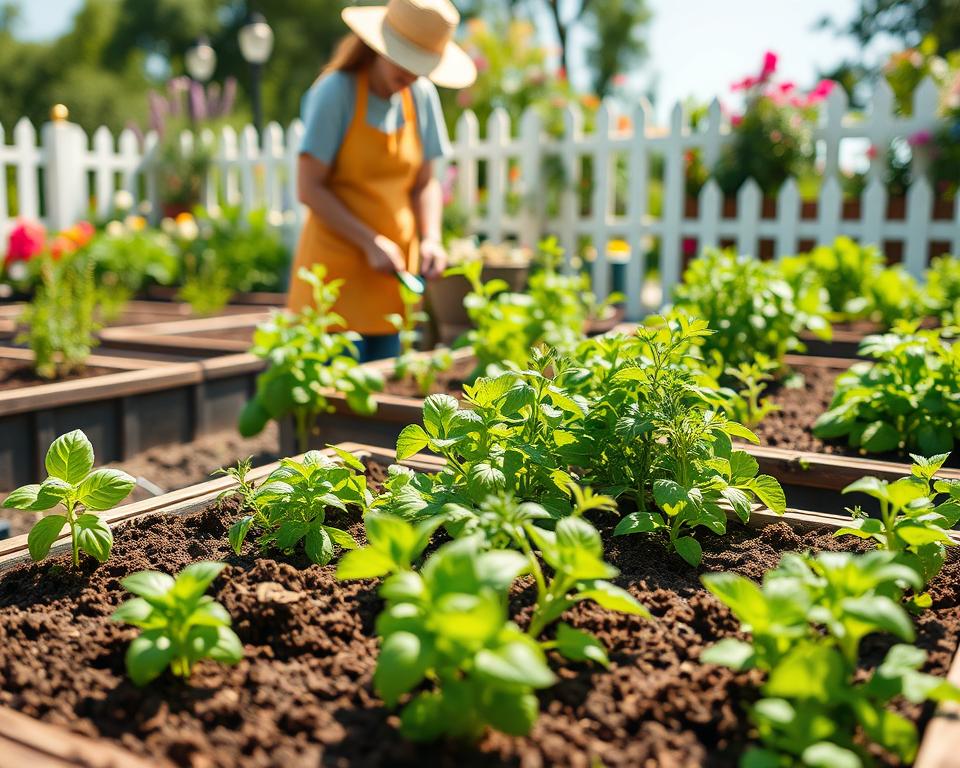
Transplanting herbs demands attention to detail and a methodical approach. Each herb has unique requirements that can significantly impact its growth and productivity.
Spacing Your Herbs Correctly
Proper herb spacing is crucial for healthy plant development. Different herbs require specific distances to flourish:
- Small herbs (thyme, chives): 20-30 centimetres apart
- Medium herbs (basil, parsley): 30-45 centimetres apart
- Large herbs (rosemary, sage): 45-60 centimetres apart
Accurate spacing ensures optimal air circulation, reduces disease risk, and allows each plant to access sufficient light and nutrients.
Planting Techniques for Different Herb Types
When transplanting herbs, follow these essential steps:
- Water plants thoroughly before transplanting
- Dig holes slightly larger than the root ball
- Gently loosen pot-bound roots
- Plant at the same depth as the original container
- Firm soil around the base
- Water generously after planting
For UK gardens, timing is critical. Hardy herbs can be planted from early spring, while tender varieties like basil should wait until after the last frost, typically late May or early June.
Pro tip: Some herbs, such as dill and coriander, prefer direct sowing and dislike transplanting.
Companion Planting Strategies for Herbs
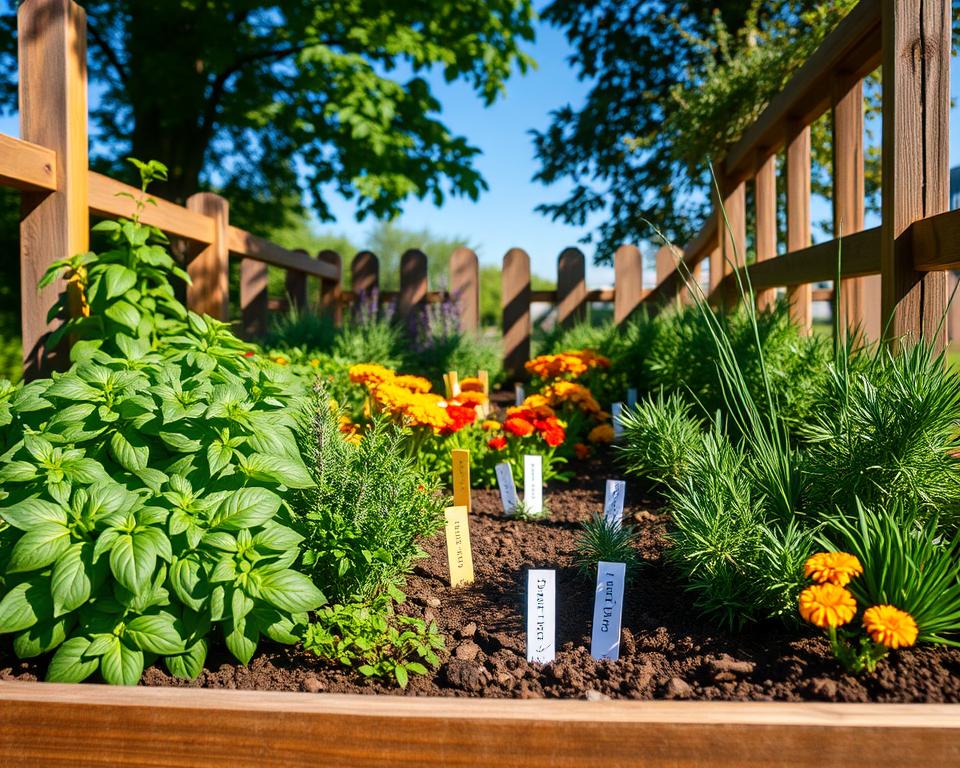
Companion planting herbs is a clever gardening technique that maximises your raised bed’s potential. By understanding beneficial herb combinations, you can create a thriving ecosystem where plants support each other’s growth and health.
Strategic herb garden planning involves pairing compatible herbs that enhance flavour, deter pests, and promote robust growth. Some herbs release natural compounds that protect neighbouring plants, making companion planting a smart approach for organic gardening.
- Basil protects tomatoes from hornworms
- Chives repel aphids from nearby plants
- Chamomile improves flavour of mint and other herbs
Not all herbs play nicely together. Some combinations can hinder growth or create competition. Understanding these relationships is crucial for successful herb cultivation.
| Herb Pair | Benefit | Considerations |
|---|---|---|
| Basil & Oregano | Enhanced flavour | Ensure adequate spacing |
| Dill & Fennel | Potential cross-pollination | Plant separately |
| Rosemary & Carrots | Pest deterrence | Helps repel carrot flies |
When implementing companion planting herbs, prioritise each plant’s fundamental needs. Sunlight, water, and soil quality remain paramount for healthy herb growth.
Watering and Drainage Requirements for Raised Bed Herbs

Successful herb irrigation is crucial for maintaining a thriving raised bed garden. Understanding the nuanced watering needs of different herbs can transform your gardening experience and prevent common moisture-related problems.
Establishing a Watering Schedule
Your watering herb garden strategy depends on several key factors. Newly planted herbs require consistent moisture during their initial establishment phase. Follow these essential guidelines:
- Water newly planted herbs every 2-3 days
- Check soil moisture by inserting your finger 5 centimetres deep
- Adjust frequency based on herb type and local climate
Different herbs have unique water requirements. Mediterranean herbs like rosemary and thyme prefer drier conditions, while parsley and mint thrive with more frequent watering. Raised beds typically dry out faster than ground-level gardens, necessitating more attentive herb irrigation.
Preventing Waterlogging Issues
Drainage solutions are vital for maintaining herb health. Excess moisture can quickly damage root systems and promote fungal growth. Implement these strategies to ensure optimal drainage:
- Create drainage holes in your raised bed base
- Add a gravel layer underneath soil mix
- Use well-draining organic compost
- Apply a 5-centimetre mulch layer to regulate moisture
Watch for signs of poor drainage, such as standing water or consistently soggy soil. By monitoring your herbs’ moisture levels and implementing smart irrigation techniques, you’ll cultivate a robust and healthy raised bed garden.
Maintaining Your Herb Garden Throughout the Seasons
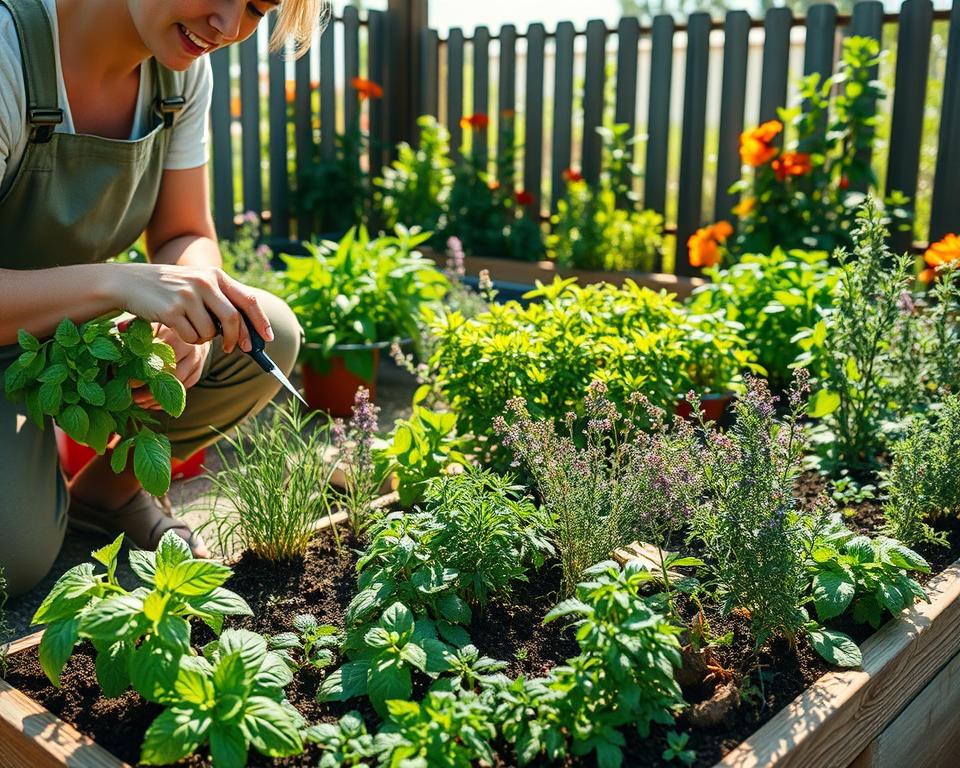
Successful herb garden maintenance requires understanding the unique needs of your plants throughout the year. Seasonal herb care in the UK demands specific attention to ensure your raised bed remains productive and healthy.
During spring, focus on revitalising your herb garden after winter. Remove protective mulch and inspect plants for winter damage. This is an ideal time for pruning herbs UK gardeners recommend, especially for perennial varieties like thyme and oregano.
- Clear winter debris from your raised bed
- Divide overcrowded perennial herbs
- Prepare for new herb plantings
Summer brings vibrant growth and requires consistent care. Regular harvesting encourages bushier plants and prevents early flowering. Cut stems rather than individual leaves to maintain plant health and productivity.
| Season | Key Maintenance Tasks |
|---|---|
| Spring | Remove winter protection, divide perennials |
| Summer | Regular harvesting, light fertilisation |
| Autumn | Cut back perennials, protect tender herbs |
| Winter | Protect sensitive herbs, minimal maintenance |
Autumn preparation is crucial for UK herb gardens. Cut back perennial herbs after flowering and protect tender varieties. Some herbs like rosemary may need additional winter protection, while hardy varieties such as chives can withstand colder temperatures.
Winter maintenance focuses on protecting your most vulnerable herbs. Move container herbs to sheltered locations and apply mulch to insulate root systems. Monitor for pest activity and ensure proper drainage to prevent root rot.
Common Mistakes to Avoid When Planting Herbs in Raised Beds
Creating a thriving herb garden requires more than just enthusiasm. Many gardeners encounter frustrating herb growing mistakes that can compromise their raised bed success. Understanding these common pitfalls will help you develop a robust and productive herb garden.

Herb garden troubleshooting begins with recognising the most frequent challenges gardeners face. Raised bed problems often stem from simple oversights that can be easily rectified with proper knowledge and planning.
Overcrowding and Poor Spatial Planning
One of the most critical herb growing mistakes is overcrowding your raised bed. Herbs need adequate space to thrive, and cramming too many plants together leads to:
- Reduced air circulation
- Increased disease risk
- Competition for nutrients
- Stunted growth
“A well-planned herb garden is a healthy herb garden” – Traditional Gardening Wisdom
Neglecting Soil Quality
Raised bed problems often originate from poor soil management. Your herbs require a nutrient-rich, well-draining soil mix that supports their unique growth requirements.
- Avoid using standard garden soil
- Create a specialised herb soil blend
- Refresh soil annually
- Monitor nutrient levels
By understanding these critical aspects of herb garden troubleshooting, you’ll be well-equipped to create a flourishing raised bed herb garden that produces flavourful, healthy plants.
Conclusion
Creating a raised bed herb garden is an exciting journey that transforms your culinary experience. Your growing herbs guide begins with understanding the fundamental principles of herb cultivation. From selecting the perfect location to mastering soil preparation, you’ve learned the essential steps for a thriving herb garden.
The raised bed summary you’ve explored provides a comprehensive roadmap to herb gardening success. Start with a manageable selection of herbs you frequently use in cooking. This approach allows you to build confidence and learn from each growing season. Remember that every garden is a living experiment, with each plant teaching you valuable lessons about nurturing and care.
Your herb garden will reward you with fresh, aromatic herbs just steps from your kitchen. The pleasure of harvesting herbs moments before cooking cannot be understated. You’ll experience superior flavour, incredible freshness, and the satisfaction of growing your own produce. As you gain experience, you’ll find your herb garden becoming an increasingly intuitive and enjoyable part of your gardening journey.
Embrace the learning process, be patient with yourself, and enjoy the sensory delights of your herb garden. With time and practice, you’ll develop the skills to create a lush, productive raised bed that provides fresh herbs throughout the growing season. Your culinary creations will never be the same once you’ve experienced the magic of home-grown herbs.
FAQ
What are the advantages of growing herbs in a raised bed?
Raised beds offer several benefits for herb cultivation in the UK, including improved drainage, better soil control, easier access for harvesting, and extended growing seasons. They warm up more quickly in spring, provide superior drainage to prevent waterlogging, and allow you to create the perfect soil composition regardless of your existing ground conditions.
How wide should my raised herb bed be?
Experts recommend keeping your raised bed no wider than 1.2 metres. This width ensures you can comfortably reach the centre of the bed from either side without compacting the soil, making planting, maintenance, and harvesting much easier.
What is the ideal soil mix for a herb raised bed?
The recommended soil composition is approximately 60% topsoil, 30% compost, and 10% drainage material like perlite or horticultural grit. This mixture provides the perfect balance of nutrients, moisture retention, and drainage that most herbs require, with slight variations depending on specific herb types.
Can I grow different types of herbs together?
Yes, but you’ll want to group herbs with similar growing requirements. Mediterranean herbs like rosemary and thyme prefer drier conditions and full sun, while herbs like mint and parsley enjoy more moisture and partial shade. Pay attention to each herb’s specific needs and growth habits when planning your raised bed.
How often should I water herbs in a raised bed?
Watering frequency depends on the specific herbs and weather conditions. Newly planted herbs need consistent moisture every 2-3 days, while established herbs have different requirements. Mediterranean herbs need water only when the top 5 centimetres of soil are dry, whereas moisture-loving herbs like parsley require more frequent watering.
What herbs are best for companion planting?
Some excellent companion planting combinations include basil near oregano to enhance flavour, chives to deter aphids, and chamomile near mint to improve its taste. Avoid planting fennel near other herbs as it can inhibit their growth. Strategic herb placement can improve growth, flavour, and pest management.
How do I prevent herbs from spreading too much?
For aggressive herbs like mint, use physical containment methods such as planting in separate pots within the raised bed or using root barriers. Ensure proper spacing between herbs and monitor their growth regularly. Some herbs, like mint, will require more aggressive management to prevent them from taking over your entire raised bed.
When is the best time to plant herbs in the UK?
Hardy herbs can be planted from early spring, but tender herbs like basil should wait until after the last frost, typically late May or early June in most UK regions. Consider your local microclimate and be prepared to protect plants during unexpected cold snaps.
How do I harvest herbs without damaging the plants?
Use proper harvesting techniques by cutting stems rather than individual leaves. Never remove more than one-third of the plant at once to ensure continued vigour. Harvest in the morning after dew has dried but before the day’s heat, and regularly trim to encourage bushy growth and prevent flowering in herbs like basil.
What are common mistakes to avoid when growing herbs in raised beds?
Common mistakes include overcrowding plants, using poor-quality soil, neglecting drainage, over-fertilising, planting at the wrong time, and failing to group herbs with similar requirements. Start with a manageable selection of herbs, use well-draining soil, and pay attention to each herb’s specific needs to ensure successful growth.

