How to Start a Garden Greenhouse

Embarking on the journey of creating a glasshouse can feel like a significant undertaking, even for seasoned gardening enthusiasts. A glasshouse, also known as a greenhouse, is a structure specifically designed to nurture and shield delicate plants. It protects them from harsh conditions like frost or intense heat.
Modern structures typically feature glass or plastic panels on a minimalist frame. This design maximises the amount of natural light available. The sunlight that enters enables plants to photosynthesise effectively. Meanwhile, the transparent walls and roof trap the sun’s warmth, creating an environment that is consistently warmer than the outside air.
This guide offers a clear, structured path for establishing your first greenhouse. It covers every essential step, from initial planning and selecting the right structure to managing temperature, watering systems, and pest control. The practice of using protected environments for cultivation has evolved remarkably since Roman times.
While a greenhouse offers a controlled setting, it requires attentive management. It is not a simple “set and forget” solution. With proper guidance, this gardening method becomes an achievable and deeply rewarding pursuit.
Inhaltsverzeichnis
Key Takeaways
- A greenhouse provides a protected environment for nurturing plants.
- These structures work by trapping sunlight to create a warmer microclimate.
- Benefits include season extension and the ability to grow a wider variety of species.
- Successful greenhouse gardening requires active management of conditions.
- This guide provides a comprehensive step-by-step approach for beginners.
Planning Your Garden Greenhouse Project
The foundation of any productive greenhouse lies in thorough assessment of available area and local weather patterns. This initial phase prevents costly errors and ensures optimal growing conditions for years.
Assessing your space and climate
Location selection demands careful consideration of multiple factors. Sunlight exposure, wind patterns, and ground stability all influence greenhouse performance.
An ideal site receives maximum daylight throughout the year. In northern latitudes, east-west orientation with clear southern exposure maximises solar gain. Level, well-drained ground provides essential stability.
| Location Factor | Ideal Condition | Considerations |
|---|---|---|
| Sunlight Exposure | Full sun, south-facing | Monitor seasonal shadow changes |
| Wind Protection | Semi-sheltered near structure | Avoid complete wind blockage |
| Ground Surface | Level and well-drained | Modification feasibility |
| Utility Access | Water and power proximity | Convenience versus space optimisation |
Setting clear objectives for your gardening goals
Defining purpose guides structural decisions and space allocation. Consider whether the focus is vegetable production, ornamental cultivation, or seedling propagation.
Family needs determine scale requirements. A common guideline suggests 20-25 square feet per person for vegetable gardening. Many experts recommend selecting a slightly larger structure than initially anticipated.
Year-round usage necessitates different considerations than seasonal operation. Clear objectives help prioritise features and allocate resources effectively from the beginning.
Choosing the Right Greenhouse Structure
The materials and design of a structure directly influence its performance and plant health. Modern options present gardeners with significant choices between traditional and contemporary construction approaches.
Comparing glass and plastic options
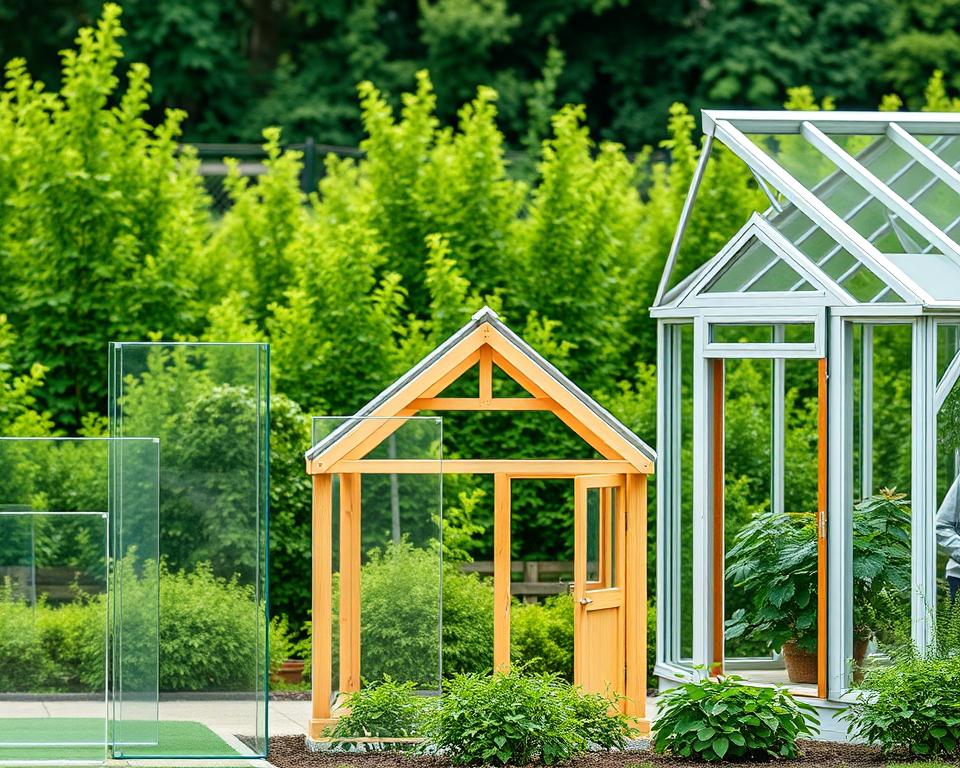
Glass remains the classic choice for these structures, offering superior light transmission and traditional aesthetics. However, single-pane glass provides limited insulation, leading to rapid heat loss during cold nights.
Polycarbonate panels represent a modern alternative with enhanced durability and thermal efficiency. Their multi-wall construction traps insulating air between layers while maintaining adequate light penetration for healthy growth.
Designs that maximise natural light
Structural design significantly impacts light distribution. Freestanding models offer placement flexibility, while lean-to designs utilise existing walls for support. The angle of the roof should capture sunlight efficiently throughout the day.
Proper ventilation is equally crucial. Quality greenhouses feature strategically placed vents, particularly in the roof where hot air naturally escapes. This prevents overheating during sunny periods.
Hobby kits provide practical solutions for limited space, incorporating these design principles into pre-engineered systems. The ideal choice depends on local weather patterns, intended use, and personal preference for different materials.
How to Start a Garden Greenhouse
Proper equipment selection forms the backbone of successful greenhouse cultivation. The right tools transform the structure into a productive space for nurturing vegetation.
Essential equipment and materials
Seed-starting containers like trays and plugs provide optimal spacing for young specimens. Sterile potting mix prevents disease introduction, unlike regular garden soil which may harbour pests.
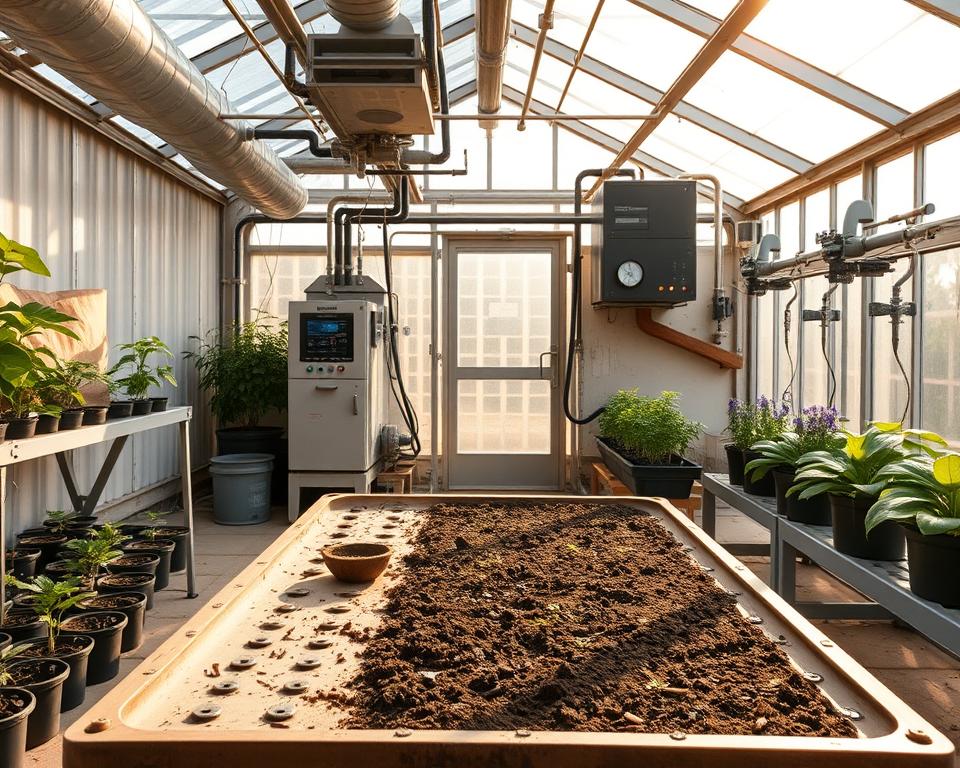
Watering systems range from simple cans to automated drip irrigation. Climate control accessories like digital thermometers and fans maintain ideal conditions. Shelving and potting benches create organised workspaces.
Benefits of a dedicated greenhouse environment
The protected setting extends the growing season significantly. Tender plants receive shelter from frost and extreme weather. This controlled environment enables cultivation of tropical or rare species.
Greenhouse structures offer substantial pest protection. While not eliminating all threats, the enclosed space reduces exposure to common garden pests. This allows for targeted biological control methods.
Preparing the Ideal Gardening Space
Before any planting begins, meticulous groundwork ensures the long-term success of the cultivation space. This phase combines structural considerations with horticultural preparation.
Soil preparation and organic amendments
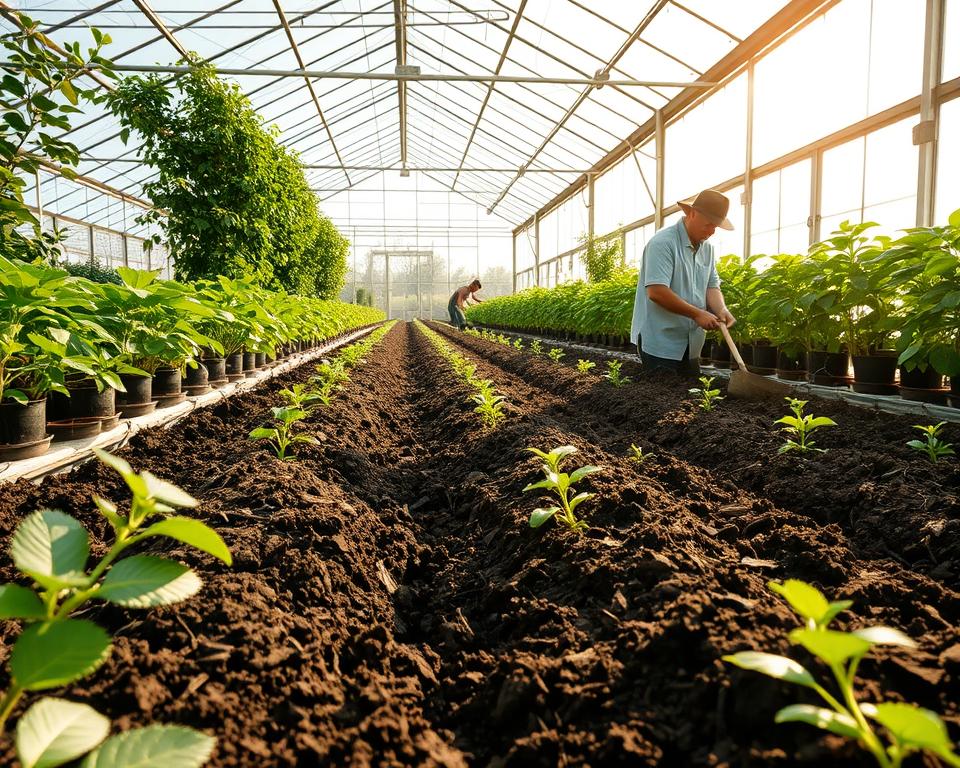
Testing existing soil provides essential information about its composition. The squeeze test determines texture, while pH and nutrient tests reveal acidity levels and fertility. Most vegetables prefer slightly acidic conditions between 5.8 and 6.5.
Creating the ideal growing medium involves specific proportions. A blend of 60% loam, 30% finished compost, and 10% bark mulch or coconut coir offers optimal structure and nutrition. This mixture supports healthy root development and proper moisture retention.
Ensuring proper drainage and wind protection
The foundation establishes stability while preventing heat loss and pest entry. Various materials serve different purposes in creating this essential base.
| Foundation Type | Best Use Case | Installation Complexity |
|---|---|---|
| Wooden Frame (cedar/redwood) | Temporary or movable structures | Moderate |
| Concrete Blocks | Permanent installations needing height | High |
| Gravel Trench | Simple, cost-effective solutions | Low |
| Concrete Slab | Long-term, heavy-use scenarios | High |
Inside the greenhouse, pea gravel over landscape fabric provides excellent drainage. Proper anchoring and strategic placement near walls offer wind protection. This careful preparation creates a stable environment for productive garden cultivation.
Temperature and Light Management in a Greenhouse
The ability to control temperature and light exposure transforms a simple structure into a productive growing environment. Proper management ensures plants thrive regardless of external weather conditions throughout the year.
Heating and cooling systems for year-round use
Summer cooling begins with passive ventilation. Opening roof vents and doors in the morning allows hot air to escape naturally. Automated thermal sensing arms provide consistent temperature regulation without electricity.
Active cooling methods include circulation fans and evaporative systems. Shade cloth blocking 30-50% of UV rays protects plants during intense midday heat. The technique of damping down involves wetting surfaces to cool through evaporation.
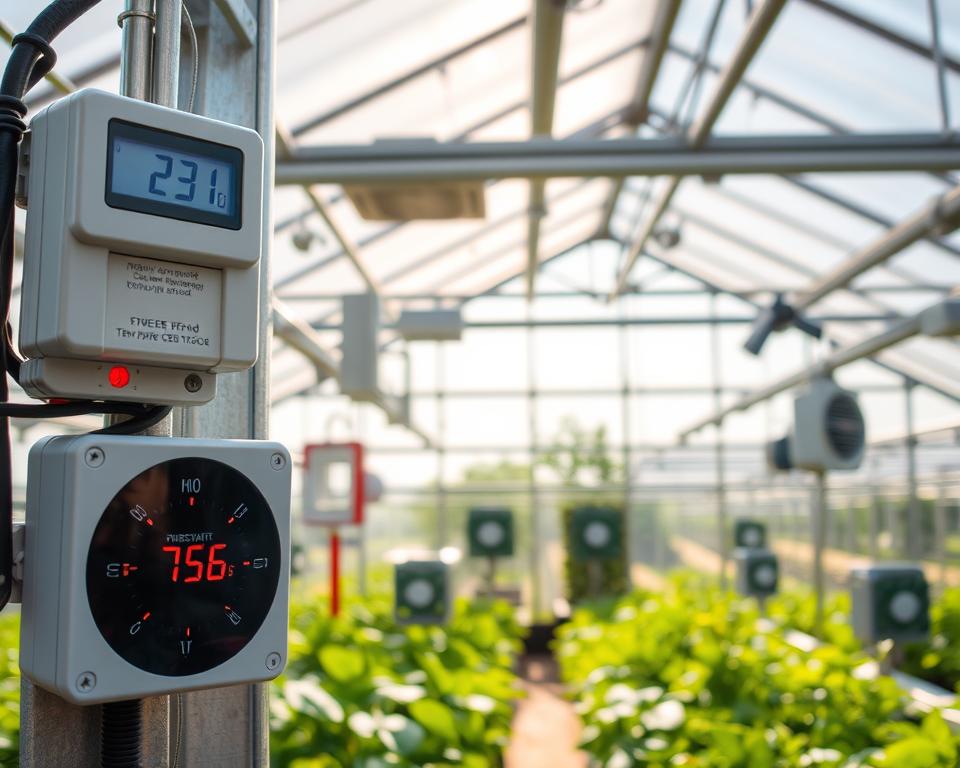
Winter presents different challenges. Thermal mass solutions like black water drums absorb daytime heat and radiate warmth at night. Supplemental heating becomes essential during cold winter periods.
Optimising natural light and using grow lights
Maximising sunlight penetration is crucial for plant health. Proper orientation and clean glazing materials enhance natural illumination. During short days, supplemental lighting becomes necessary.
LED grow lights and fluorescent strips provide full-spectrum illumination. These systems support photosynthesis when natural light is insufficient. Strategic placement ensures even light distribution across all plants.
Efficient Watering and Humidity Control Techniques
The enclosed nature of greenhouse environments creates unique challenges for water distribution and atmospheric control. Unlike outdoor gardening, where rainfall provides natural irrigation, greenhouse cultivators must carefully manage both moisture levels in the soil and humidity in the air.
| Watering Method | Best For | Efficiency Rating |
|---|---|---|
| Drip Irrigation | Established plants, water conservation | Excellent |
| Soaker Hoses | Bed planting, even distribution | Very Good |
| Hand Watering | Seedlings, precise control | Good (labour intensive) |
| Misting Systems | Humidity-sensitive plants | Specialised |
Irrigation systems and drip setups
Automated drip systems deliver water directly to root zones, reducing evaporation and leaf wetness. These systems can be programmed with timers to provide consistent moisture at optimal times, typically early morning.
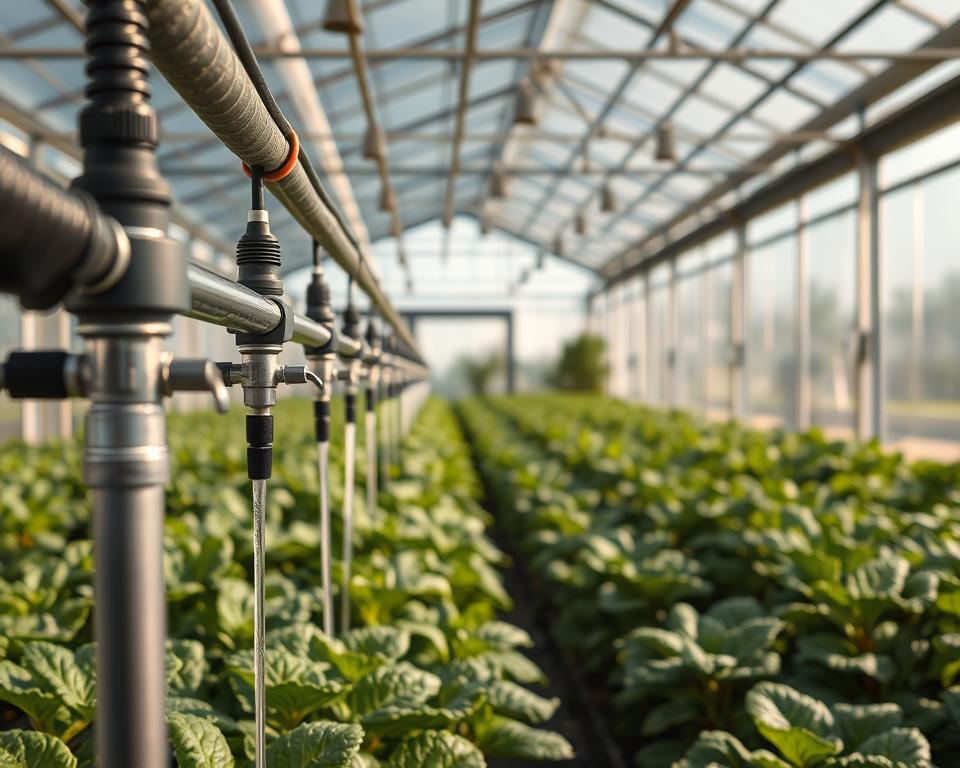
Different plants require varying amounts of hydration. Seedlings need daily attention due to shallow roots, while mature specimens benefit from deeper, less frequent watering.
Maintaining appropriate humidity levels
Greenhouses naturally maintain higher humidity than outdoor spaces. While most vegetables appreciate this environment, excessive moisture can encourage fungal diseases.
Water deeply but infrequently, allowing the soil to dry slightly between applications. This encourages strong root development and prevents waterlogging.
Proper ventilation through roof and side vents manages atmospheric humidity. Monitoring equipment helps maintain ideal conditions for different plants throughout seasonal changes.
Managing Pests and Disease in Greenhouses
A vigilant approach to plant health is essential for any enclosed cultivation space. While these structures offer excellent protection from many outdoor threats, the warm, humid conditions can be attractive to certain pests. Effective management focuses on prevention and early intervention.
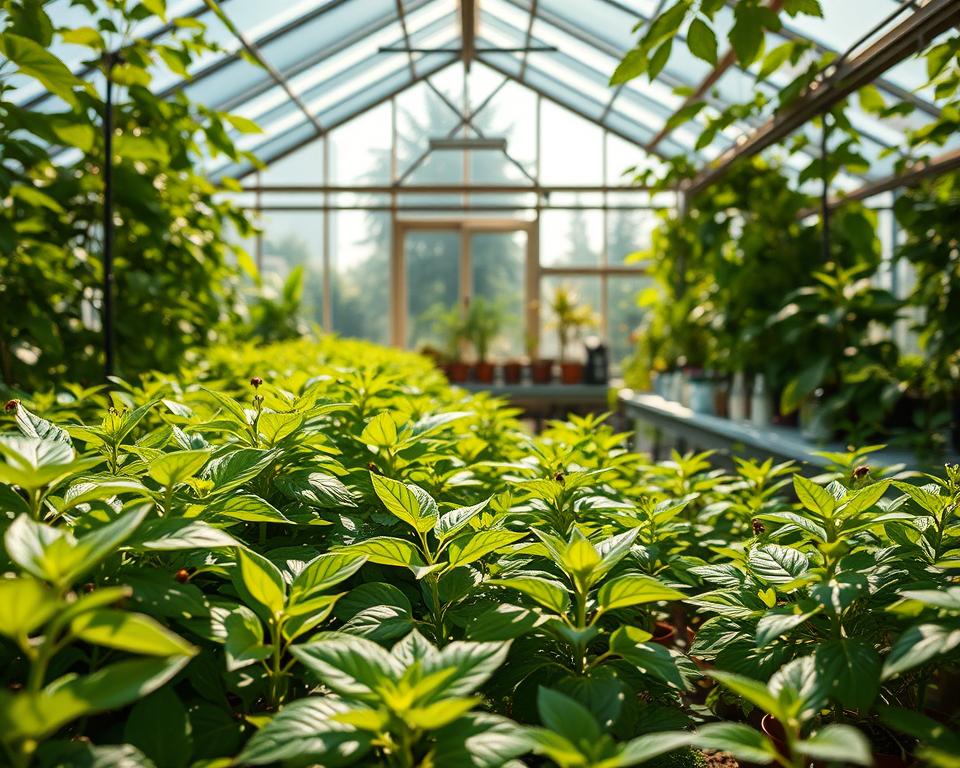
Good ventilation and strict sanitation are the most effective ways to discourage problems. A clean environment leaves little shelter for unwanted guests.
Preventative measures and early detection
Regular inspections are crucial. Gardeners should check the undersides of leaves, looking for signs of infestation like discolouration or webbing. Early detection makes control much simpler.
Promptly remove dead leaves, spent plants, and any debris that could harbour pests or disease spores. An annual deep clean, scrubbing all surfaces, is highly recommended.
Effective natural pest control strategies
Different pests require specific strategies. Understanding the enemy is the first step towards effective control.
| Common Pest | Identification | Natural Control Method |
|---|---|---|
| Aphids | Small, soft-bodied insects on leaf undersides | Spray with water or prune affected leaves |
| Thrips | Tiny brown or black insects | Use sticky traps and ensure good weed control |
| Slugs & Snails | Nocturnal, fleshy creatures | Maintain cleanliness to remove hiding spots |
For persistent issues, introducing beneficial insects like ladybirds can provide biological control. Managing air flow and humidity levels also helps prevent many fungal diseases from taking hold.
Consistent care and cleanliness create a resilient environment where plants can thrive with minimal intervention.
Essential Greenhouse Accessories and Technology
Modern greenhouse technology offers numerous tools to simplify cultivation and improve results. The right accessories enhance functionality while reducing manual labour requirements.
Shelving, potting benches and space optimisation
Effective use of vertical space is crucial in any greenhouse. Slotted or wire shelving allows proper water drainage from containers. This prevents standing water that encourages fungal diseases.
Rust-resistant metal racks offer adjustable configurations for seasonal flexibility. Custom benches from rot-resistant woods like cedar provide sturdy support. They can be sized precisely to fit specific greenhouse dimensions.
| Shelving Type | Best Features | Maintenance Level |
|---|---|---|
| Metal Racks | Adjustable, stackable, rust-resistant | Low |
| Wire Mesh over Frame | Excellent drainage, sturdy support | Medium |
| Custom Wood Benches | Precise sizing, natural rot-resistance | Medium |
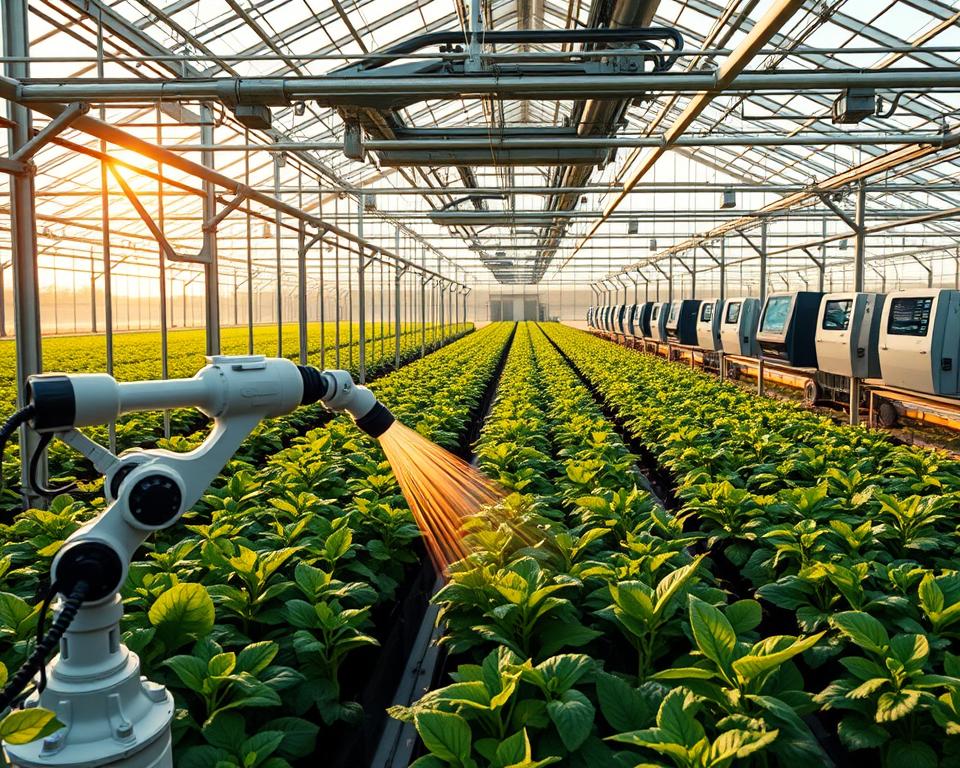
Utilising digital thermometers and airflow monitors
Digital thermometers and hygrometers are critical for tracking conditions. Wireless models allow remote monitoring from inside the house. This enables quick responses to temperature spikes that could damage plants.
Greenhouse fans serve multiple purposes beyond simple cooling. They maintain constant air circulation that strengthens plant stems. Good airflow also prevents fungal diseases by keeping foliage dry.
Automated ventilation systems activate based on temperature thresholds. These technologies ensure consistent conditions regardless of external weather variations.
Year-Round Planting and Seasonal Considerations
The true advantage of controlled environments emerges when gardeners learn to navigate seasonal changes effectively. Proper planning transforms a simple structure into a productive space across all seasons.
Extending the growing season with heat and insulation
Strategic insulation and heating systems enable cultivation beyond traditional periods. Cold-hardy greens like kale and lettuce thrive throughout winter months.
Succession planting ensures continuous harvests. Fast-maturing crops can be interplanted with slower-growing varieties.
| Season | Primary Crops | Key Strategies |
|---|---|---|
| Spring | Tomatoes, peppers, cucumbers | Start seeds 6-8 weeks before last frost |
| Summer | Tropical plants, autumn starters | Provide shade, maintain moisture |
| Autumn | Winter greens, overwintering plants | Sow cold-hardy varieties in late summer |
| Winter | Lettuce, spinach, herbs | Use thermal mass, supplemental heat |

Planning for tender plants and crop rotation
Tender perennials like geraniums and peppers benefit from overwintering protection. They resume growth earlier in spring compared to new plantings.
Crop rotation prevents soil depletion and pest buildup. Record-keeping helps track successful varieties and planting times.
Beginner-friendly options include radishes, peas, and leafy greens. These tolerate minor environmental fluctuations while providing reliable yields.
Conclusion
Protected growing spaces unlock possibilities that extend far beyond traditional seasonal limitations. The investment in a greenhouse yields substantial returns through year-round cultivation and extended harvest periods.
This comprehensive guide demonstrates that successful gardening under glass is achievable for enthusiasts at every level. The fundamental principles of planning, environmental control, and attentive management form the foundation for success.
Beginning with straightforward crops allows any gardener to build confidence over time. The unique joy of harvesting fresh produce during inclement weather makes the effort thoroughly rewarding.
Each season brings new learning opportunities and improved results. With the knowledge from this resource, readers can confidently use greenhouse technology to enhance their growing capabilities and enjoy the pleasures of protected cultivation.
FAQ
What is the primary advantage of using a greenhouse?
A greenhouse provides a controlled environment that protects tender plants from harsh weather. It significantly extends the growing season, allowing gardeners to cultivate crops year-round and start seeds earlier in the spring.
How does one manage heat inside a garden greenhouse during winter?
Managing winter heat involves insulation, a dedicated heating system, and thermal mass. Using materials like bubble wrap on the glazing and placing water barrels inside helps retain warmth. Electric or gas heaters offer reliable temperature control for delicate plants.
What are the most effective ways to control pests and disease?
Effective control starts with preventative measures. Good ventilation, careful watering to avoid excess moisture, and regular plant inspections are crucial. Introducing beneficial insects provides a natural pest control strategy, reducing the need for chemicals.
Can a greenhouse be used for starting seeds?
Absolutely. A greenhouse is an ideal environment for starting seeds. It offers consistent warmth and humidity, which encourages strong germination. Using seed trays and quality soil ensures seedlings get the best possible start before transplanting.
Is it possible to garden year-round in a greenhouse?
Yes, with proper planning and climate control, a greenhouse enables gardening throughout the year. By using heat in winter and shade in summer, gardeners can create a stable environment for a continuous cycle of planting and harvesting.
What essential accessories are recommended for a new greenhouse?
A> Key accessories include sturdy shelving to maximise space, a potting bench for convenience, and environmental monitors. Digital thermometers and hygrometers help gardeners track temperature and humidity levels accurately for optimal plant health.