How Long Does a Wooden Shed Last? Factors Affecting Lifespan
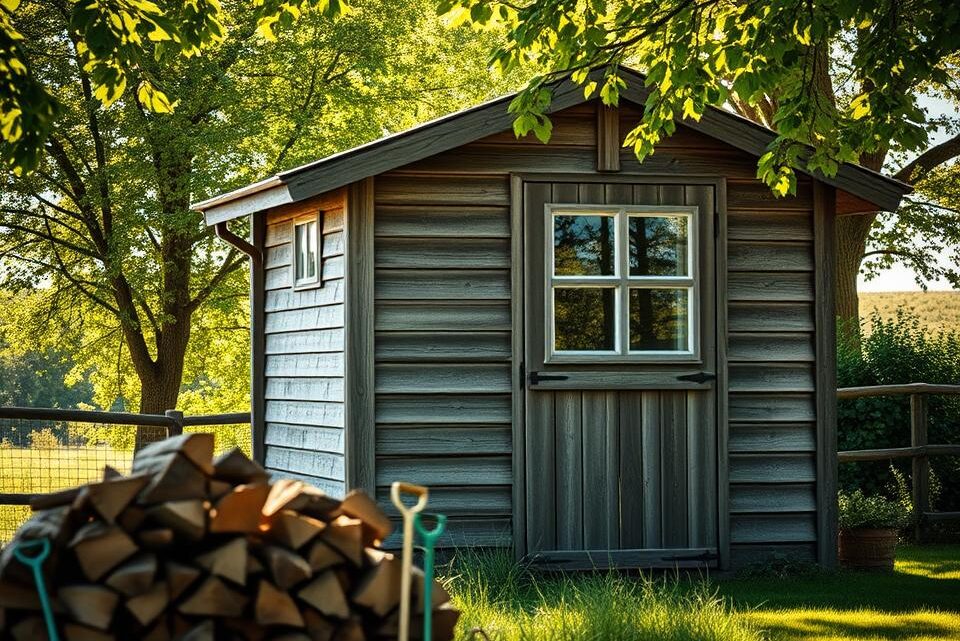
Adding extra storage space to a property is a common consideration for many homeowners. A key question that often arises concerns the durability of a garden shed. Understanding the expected service life of a wooden shed is crucial before making this significant investment.
With proper care and attention, a high-quality structure can provide decades of reliable service. Its lifespan is not a fixed number but is influenced by several key factors. These include the type of timber used, construction standards, and exposure to the British climate.
This comprehensive guide will explore all the critical elements that determine how long your garden building will endure. It offers practical advice for maximising its longevity. While wooden structures require more upkeep than some alternatives, their natural beauty and versatility make them a popular choice.
Inhaltsverzeichnis
Key Takeaways
- A wooden shed represents a significant investment for garden storage.
- Its lifespan is influenced by multiple variables, including wood quality and maintenance.
- Proper care can extend the service life of a garden building considerably.
- Understanding these factors helps protect your investment over the long term.
- This guide provides essential insights for making an informed purchase decision.
Understanding Shed Lifespan and Material Impact
Material selection plays a crucial role in determining the service life of outdoor storage buildings. The construction material directly influences how many years a structure will provide reliable storage.
Overview of Shed Lifespan Estimates
Timber structures typically offer 15-25 years of service with proper maintenance. Basic untreated softwood sheds may only last 5-10 years before significant deterioration occurs.
Pressure-treated timber extends this timeframe to 15-20+ years. Hardwood options like cedar can push the lifespan to 20-30 years or beyond.
Differences Between Wood, Vinyl, Plastic and Metal Sheds
Vinyl sheds represent the longest-lasting option, often serving for 25-30+ years with minimal upkeep. They require the least maintenance while providing maximum durability.
Plastic or resin structures typically last 5-7 years before cracking from sun exposure. Metal sheds frequently deteriorate in less than 5 years due to rust in British weather conditions.
These figures are estimates, as actual longevity depends on quality, treatment, and environmental factors. Wooden sheds offer an attractive balance of durability, aesthetics, and cost-effectiveness for most garden applications.
Key Factors Affecting the Durability of Wooden Sheds
Several pivotal considerations govern the service life of timber garden buildings, with construction quality and environmental exposure being paramount. Understanding these factors helps homeowners make informed decisions about their shed investment.
Quality Workmanship and Construction
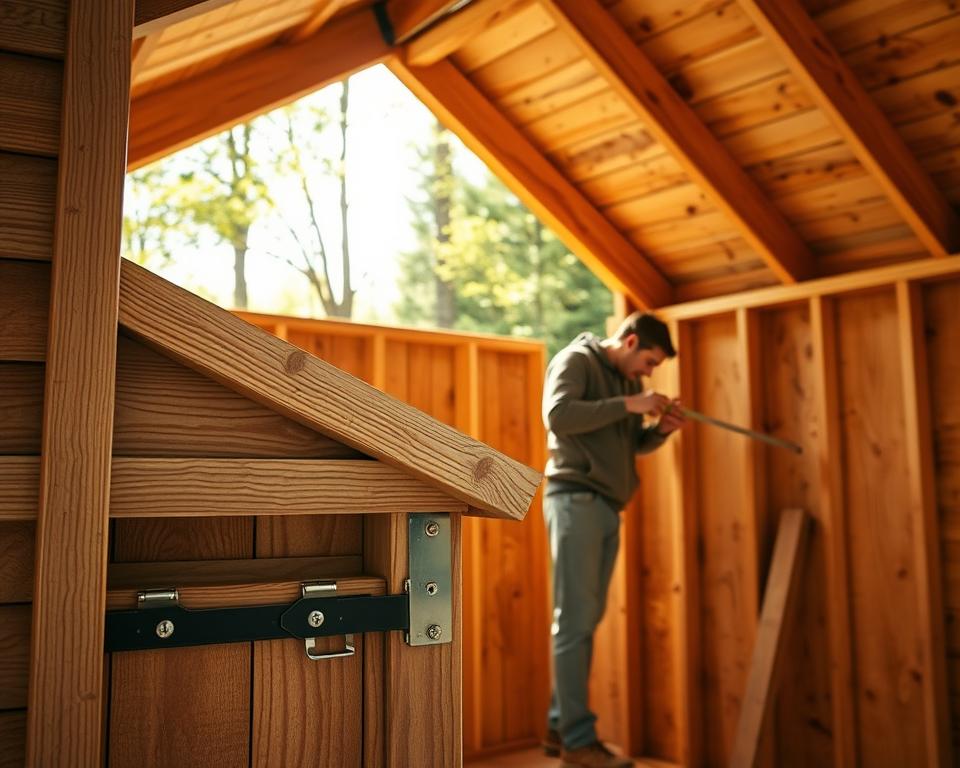
Superior construction standards form the bedrock of shed longevity. Even premium materials cannot overcome poor building techniques. Reputable contractors with proven expertise deliver structures that withstand decades of use.
Pressure-treated timber for floor joists provides essential decay resistance. A sturdy frame prevents warping and premature failure. Concrete-block foundations offer optimal stability while reducing moisture issues.
Exposure to Weather and Moisture
Environmental conditions significantly impact wooden structures. Prolonged water exposure causes expansion, contraction, and eventual rot. Proper sealing and treatment protect against these damage mechanisms.
Strategic positioning shields sheds from prevailing winds and heavy rainfall. Adequate drainage prevents moisture accumulation. These measures address common issues that lead to structural damage.
Extreme weather tests shed durability relentlessly. Addressing moisture concerns through proper ventilation and sealing prevents the most frequent causes of premature failure in timber buildings.
How Long Does a Wooden Shed Last?
The expected longevity of timber outbuildings varies significantly based on material quality and upkeep. With appropriate care and installation, these structures typically provide 15-20 years of reliable service.
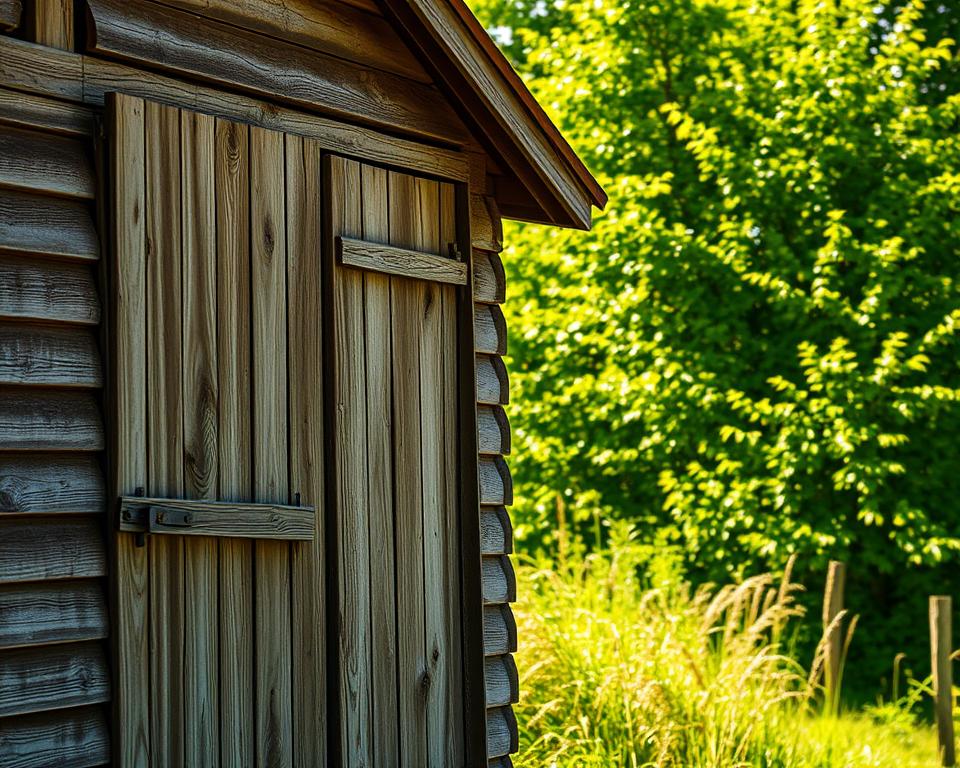
Different timber types offer varying durability. Untreated softwood structures may only endure 5-10 years, while pressure-treated options often reach 15-20+ years. Premium hardwoods like cedar can achieve 20-30+ years due to natural oils that resist moisture.
Pressure-treated timber receives preservatives forced deep into the wood grain. This process creates superior resistance against rot, decay, and insect damage. In exceptional cases with optimal maintenance, these sheds can approach 40 years of service.
The actual time a structure remains functional depends heavily on local climate conditions. UK weather patterns present particular challenges that proper care addresses effectively. Regular maintenance practices are essential throughout the building’s life.
High-quality timber structures represent excellent long-term value despite higher initial costs. They require less frequent replacement compared to budget alternatives. Consistent care and prompt repairs significantly influence how many years of service homeowners can expect.
Maintenance Tips to Extend Shed Life
Implementing a systematic maintenance schedule is essential for protecting your garden shed investment. Consistent care prevents minor issues from escalating into major structural damage.

Regular Inspections and Timely Repairs
Weekly visual checks help identify early warning signs of deterioration. Look for cracks, warping, or water stains. Monthly detailed inspections should cover roof integrity and foundation stability.
Addressing problems promptly saves time and money. Small cracks can lead to rot if left untreated. Check for pests and remove vegetation around the structure.
Applying Sealants, Paint, and Preservatives
Protective coatings provide crucial protection against moisture. Different timber types require specific treatment schedules. Dip-treated structures need re-treatment every 12 months.
Pressure-treated wooden buildings benefit from sealants every 2-3 years. Hardwood options may only need attention every 3-5 years. Paint or stain refreshes appearance while adding protection.
Structures in direct sunlight require more frequent re-painting. Regular maintenance ensures your shed remains functional for many years.
Design, Construction and Material Selection
Investing in superior timber and robust design principles provides the strongest foundation for a long-lasting garden structure. The initial selection of material and construction methods dictates the building’s resilience for years to come.
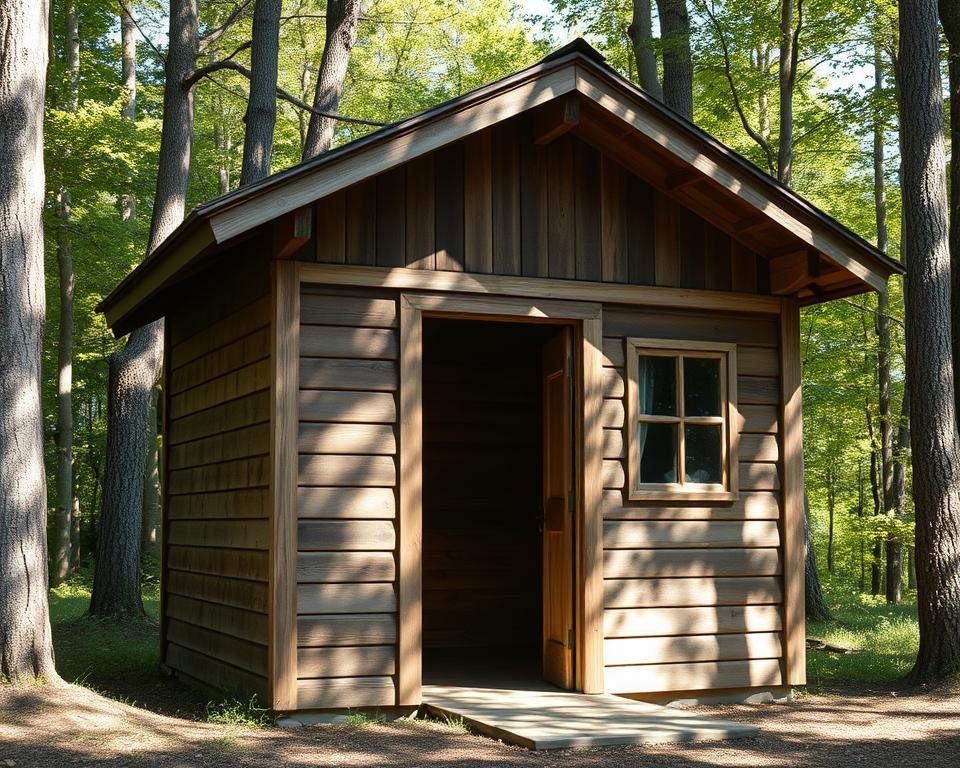
Timber Quality and Treatment Options
The type of wood chosen is paramount. Untreated softwoods like pine offer a lower cost but a shorter lifespan of 5-10 years due to vulnerability. Dip-treatment provides surface-level protection, extending life to around a decade.
For a permanent solution, pressure-treatment forces preservatives deep into the timber, offering 15-20+ years of protection. Premium hardwoods like cedar possess natural oils that resist moisture, potentially achieving a longevity of 20-30 years or more.
Impact of Design on Longevity
Thoughtful design is equally critical. Cladding type matters greatly; interlocking shiplap or tongue-and-groove boards prevent water ingress and draughts.
Roof design should feature a slope for runoff, with overhangs to direct rain away from walls. A thicker frame, typically 45mm x 45mm or larger, ensures the structure remains rigid over time.
The floor must also be robust, using pressure-treated joists and sturdy boarding to withstand storage loads. This initial investment in quality proves more economical than replacing cheaper sheds frequently.
Selecting the Right Base and Location for Your Shed
Proper placement and base construction represent permanent decisions that profoundly influence a garden shed‘s service life. These choices cannot easily be corrected once the structure is installed.

Foundation and Drainage Considerations
A sturdy foundation is vital for any outdoor structure. Concrete-block or slab bases provide optimal stability and prevent ground moisture from reaching the floor.
Proper site preparation includes ground levelling and creating a slight slope away from the shed. This prevents water pooling and ensures adequate drainage.
Finding a Suitable, Weather-Protected Spot
Positioning requires balancing weather protection with adequate air circulation. Partially sheltered spots near fences or walls offer wind protection while maintaining clearance.
Areas with excessive shade encourage dampness, while constant sunlight causes issues. The roof design should include guttering to direct rain away from walls and base.
| Foundation Type | Advantages | Considerations |
|---|---|---|
| Concrete Slabs | Maximum stability, excellent moisture barrier | Permanent installation, requires professional help |
| Concrete Blocks | Good drainage, adjustable height | Needs proper levelling, periodic checking |
| Gravel Base | Good drainage, easy installation | May shift over time, requires edging |
“The right foundation transforms a temporary structure into a permanent garden asset.”
Thoughtful placement considers UK weather conditions, avoiding areas under trees where falling branches and leaf accumulation pose risks. Investing time in proper base construction prevents years of moisture-related problems.
Conclusion
A well-built timber garden structure represents a significant long-term investment that can deliver decades of reliable service. With proper care, these buildings typically offer 15-20 years of functional life, extending to 30+ years with premium materials and consistent attention.
The actual lifespan depends on multiple interconnected factors. Timber type, treatment quality, construction standards, and environmental exposure all play crucial roles. Strategic decisions about foundation and location have permanent effects on durability.
While wooden structures require more maintenance than vinyl alternatives, their aesthetic appeal and versatility justify the effort for most homeowners. Regular inspections and prompt repairs prevent minor issues from escalating.
Viewing your garden building as a permanent asset rather than temporary storage encourages the consistent care needed for maximum longevity. Quality materials, proper installation, and ongoing maintenance work together to protect your investment.
This guide provides the knowledge needed to make informed decisions about your wooden shed. With careful consideration of these factors, homeowners can enjoy their garden structure for many years to come.
FAQ
What is the typical lifespan of a wooden garden shed?
A well-maintained wooden shed can last for 15 to 20 years. Its longevity depends heavily on the quality of construction, timber treatment, and ongoing care.
How does weather exposure affect a shed’s durability?
Constant exposure to rain, sun, and moisture can cause timber to rot, warp, or fade. Proper sealing and a protective finish are essential to shield the structure from harsh conditions.
What maintenance is required to extend a shed’s life?
Regular maintenance includes annual inspections for damage, reapplying wood preservative every few years, and ensuring the roof and felt remain intact to prevent water ingress.
Does the foundation impact how long a shed lasts?
Yes, a solid, level base is crucial. It prevents moisture absorption from the ground, protects the shed’s floor from rot, and ensures the entire structure remains stable over time.
Are certain wood treatments better for shed longevity?
Pressure-treated timber offers superior resistance to decay and pests. Stains and sealants designed for outdoor use also provide an extra layer of protection against the elements.