How to Treat the Exterior of a Log Cabin
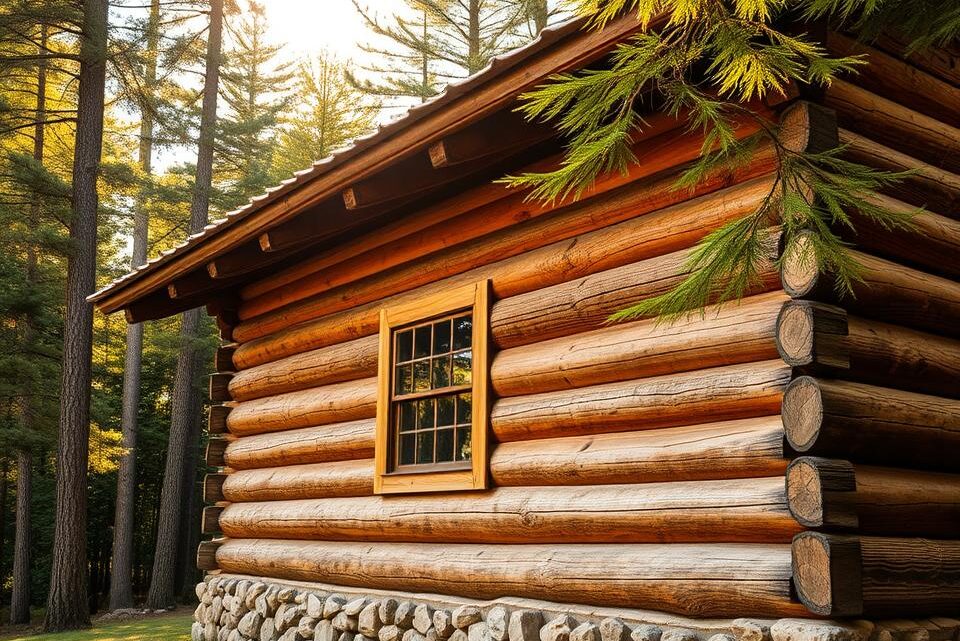
A log cabin possesses a unique, rustic charm that many homeowners admire. Its distinctive interlocking corners and textured surfaces showcase the natural beauty of the timber. These structures are typically built from robust wood species like cedar, pine, or spruce, chosen for their inherent durability.
Despite this natural strength, the exterior is constantly exposed to the elements. Sun, rain, and pests can quickly compromise the wood’s integrity. Without proper treatment, attractive features can become vulnerabilities, leading to discolouration, warping, and decay. Therefore, applying the right protection is a vital investment, not just a cosmetic enhancement.
This comprehensive guide is designed to demystify the process for cabin owners. It will cover essential steps, from initial preparation and product selection to application methods and long-term maintenance. With the correct approach, owners can ensure their cherished structure remains both beautiful and structurally sound for decades.
Inhaltsverzeichnis
Key Takeaways
- Log cabin exteriors require specific protection to maintain their aesthetic and structural integrity.
- Untreated wood is highly susceptible to damage from weather, moisture, and insect infestation.
- Exterior treatment is a crucial investment that prevents premature deterioration.
- Proper preparation of the wood surface is essential for any treatment to be effective.
- Selecting the right products for your specific wood type and climate is fundamental.
- Regular maintenance is key to extending the lifespan of the treatment and the cabin itself.
The Importance of Protecting Your Log Cabin’s Exterior
Neglecting the outer shell of a timber structure invites a host of problems. A robust protection strategy is not merely about aesthetics; it is a fundamental defence for the wood itself. Without it, the elements begin their relentless assault.
Understanding Weather Impact and Moisture Damage
Moisture is a primary culprit in wood degradation. When rain soaks into untreated logs, it softens the fibres. This creates a perfect environment for rot and fungal growth.
Prolonged exposure to water causes the timber to swell and contract. This movement leads to warping and cracking over years. Such damage compromises the structural integrity of the entire cabin.
Defence Against Pests and UV Radiation
Insects are naturally drawn to untreated wood. Termites and beetles can burrow into the timber, causing unseen damage. This infestation weakens the log cabin from within.
Furthermore, UV rays from the sun break down the surface fibres. This initially causes a greyed appearance but eventually leads to brittleness. Choosing a treatment with UV resistance is crucial for long-term protection.
With a consistent maintenance regimen, owners can safeguard their investment. This ensures the cabin remains beautiful and strong for years to come.
How to Treat the Exterior of a Log Cabin
Achieving optimal results with timber treatments requires careful planning of application timing. The natural characteristics of wood demand respect for its drying processes.
Freshly machined timber contains elevated moisture levels. After installation, the wood needs adequate time to settle and dry properly. Applying any protective coating too soon leads to poor absorption.
Proper Timing and Moisture Considerations
The ideal window for application typically falls between one to three weeks after construction. This timeframe depends heavily on weather conditions and the initial moisture content of the timber.
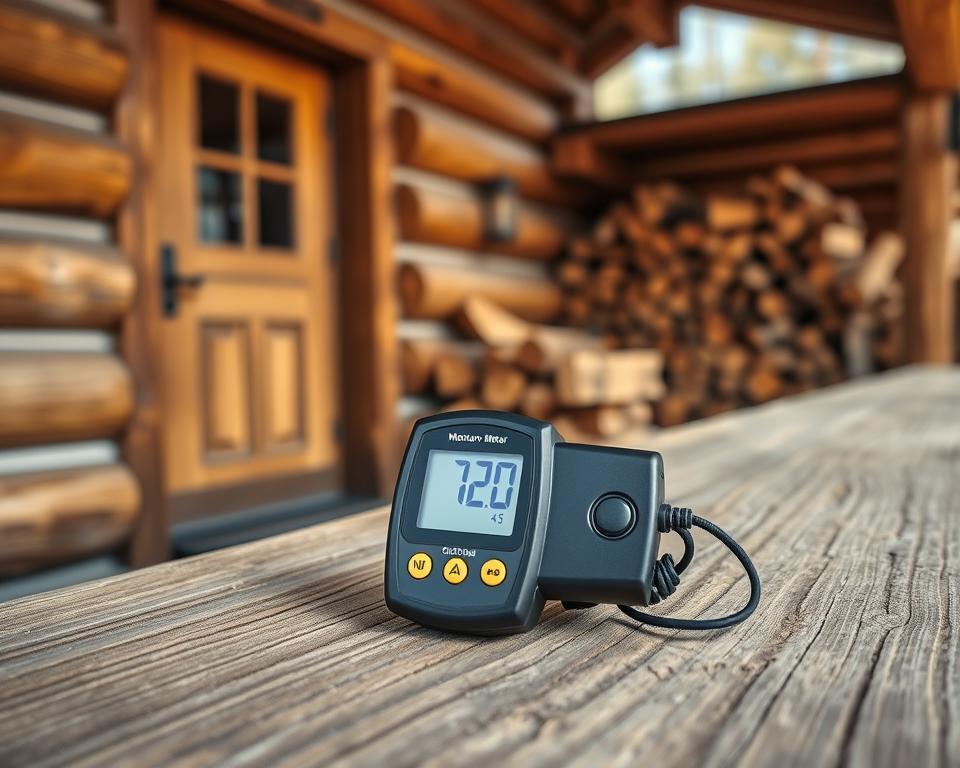
Using a moisture meter provides accurate assessment of readiness. Timber should register below 20% moisture before any treatment begins. This ensures proper product adhesion and penetration.
Managing Early and Delayed Treatments
When treatment occurs prematurely, moisture becomes trapped within wood fibres. This causes uneven coverage, flaking, and potential failure. The solution involves allowing extended drying time with improved air circulation.
Conversely, delaying treatment invites significant issues. UV exposure causes greying as wood fibres break down. Prolonged exposure leads to cracking, warping, and internal decay.
Understanding these timing principles ensures treatments perform as intended. Proper scheduling protects the investment for years to come.
Essential Preparation and Repair Steps
Before any protective coating touches the timber, meticulous preparation of the cabin’s exterior is paramount. Applying treatment to a dirty or damaged surface traps debris and prevents proper product adhesion, compromising the entire process. These initial steps ensure the finish is both effective and long-lasting.
Cleaning and Debris Removal Techniques
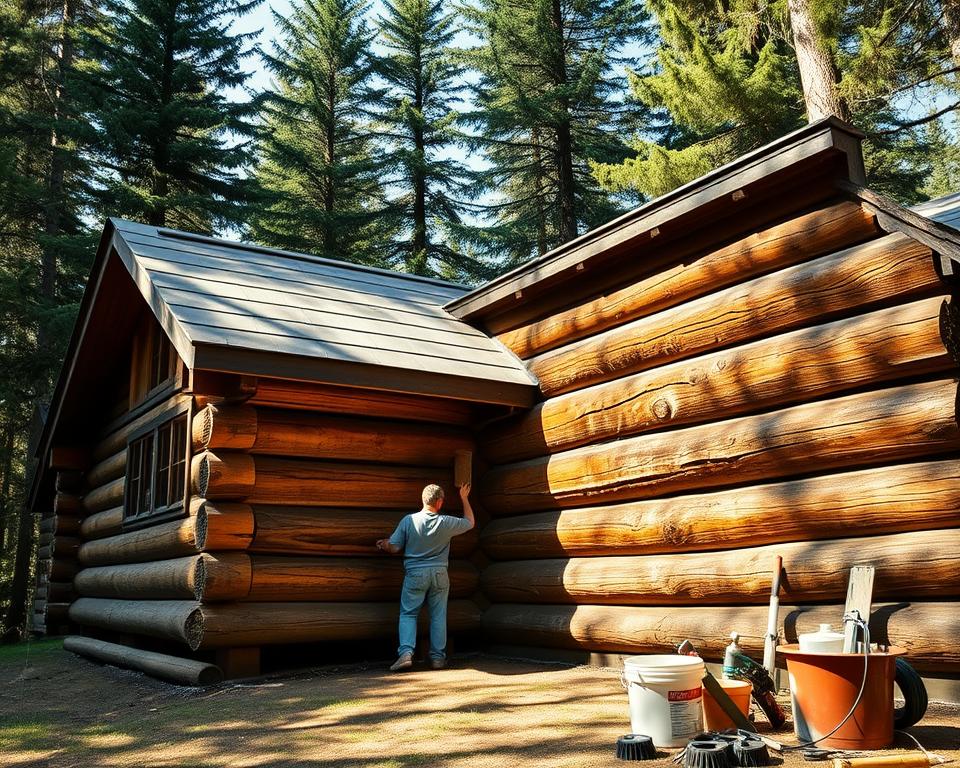
Start by manually removing all loose debris like leaves and cobwebs. Use a stiff-bristled brush to gently scrub the log surfaces, loosening embedded dirt and mould.
Prepare a bucket with a solution of mild detergent and water. Scrub the wood in circular motions, working from the top down. This method prevents streaking.
Rinse thoroughly with a hose or a low-pressure washer. For stubborn stains, a specialist timber cleaner is recommended. Pay close attention to corners and other hard-to-reach areas with a smaller brush.
The cabin must dry completely before moving to the next phase. Any residual moisture will hinder treatment absorption.
Inspecting and Restoring Damaged Timber
A thorough inspection reveals any damage caused by the elements or pests. Rotted or cracked sections require immediate attention.
Carefully remove the affected log using appropriate tools. Measure it accurately to source a matching replacement. The new piece should share the same species, size, and texture.
Secure the new log in place and use a quality wood filler to seal any gaps. Sand the repaired area smooth for a seamless finish. Applying a matching stain helps the repair blend visually with the rest of the cabin.
Choosing the Right Stain, Paint, or Preserver
Selecting the final protective coating is a pivotal decision that balances aesthetics with durability. The choice fundamentally alters the building’s appearance and the level of upkeep required.

Owners must weigh the desired look against practical considerations like climate and maintenance schedules.
Stain Versus Paint: Pros and Cons
Stains are designed to soak into the wood fibres. They enhance the natural grain and colour of the timber, preserving its organic character.
These products are available in a range of opacities. Transparent options offer a subtle finish, while solid stains provide more coverage and protection.
In contrast, paint creates a robust, opaque layer on the surface. It delivers maximum coverage and an extensive range of colours, but it completely hides the wood‘s texture.
Both paint and stains offer effective protection. The decision often comes down to whether the goal is to showcase or conceal the wood‘s natural beauty.
Selecting High-Quality, Breathable Products
Quality is paramount. For superior results, opt for exterior wood products labelled as joinery-grade. These formulations are specifically engineered for durability.
Water-based paints and preservers are highly recommended. They penetrate deeply, allow the timber to breathe, and often feature low VOC content.
This makes them safer for the environment and for applicators. A colour scheme using a dark mahogany stain on walls with white paint on trim creates a classic, striking finish.
Applying a wood preserver before the topcoat adds an essential layer of defence against rot and insects.
Practical Tips for Application and Maintenance
Executing the application correctly and committing to a maintenance routine are the final, crucial steps. This ensures the protective finish performs as intended for years.

Proper preparation and the right equipment make the entire process smoother and safer.
Tools, Safety Gear, and Application Methods
Gathering the correct tools is the first step. Essential items include high-quality exterior wood paint, a wood preserver, various brushes, rollers, and masking tape.
Safety is paramount. Always wear gloves, goggles, and a dust mask. Cover windows and the garden area with dust sheets to protect them.
Begin application at the top of the building. Use a brush for detailed areas and a roller for large, flat surfaces. Apply the treatment in long, vertical strokes for even coverage.
A thin brush is useful for getting between log seams. This hand technique prevents untreated spots.
Allow the first coat to dry completely. Then apply subsequent coats as needed for a durable finish.
| Tool | Primary Use | Key Benefit |
|---|---|---|
| Angled Paint Brush | Detailed areas & corners | Precise application |
| Paint Roller | Large, flat surfaces | Fast, even coverage |
| Wood Preserver | Base coat protection | Fights rot and insects |
| Masking Tape | Protecting windows | Clean, professional look |
Regular Maintenance and Future Repairs
Timber structures settle over time. Newly treated log cabins may show unpainted spots after a few months. Inspect and touch up these areas.
Schedule an annual inspection. Look for signs of weather damage, decay, or pest infestation. Catching issues early preserves the appearance.
Keep the exterior clean from dirt and debris. Trim back any overhanging vegetation from the garden. This reduces moisture buildup and pest access.
Reapply protective paint or stains as recommended by the manufacturer. This ongoing care is a vital step for long-term preservation.
Conclusion
Investing effort into the protection of a log cabin is a vital commitment to its future. This guide has outlined the necessary steps to shield the timber from weather, water, and pests.
Proper preparation and selecting the right product are fundamental. Whether choosing a stain or exterior wood paint, a quality finish defends against damage while enhancing appearance. Regular maintenance ensures this protection lasts for many years.
Ultimately, this process safeguards the structural integrity and rustic charm of the building. A well-maintained cabin stands as a beautiful, durable feature in any garden for years to come.
FAQ
What is the most critical step before applying any exterior wood treatment?
The most critical step is thorough preparation. This includes cleaning the surface to remove dirt, mildew, and old flaking finishes, followed by a detailed inspection for any damage like rot. Proper preparation ensures the new treatment adheres correctly and provides maximum protection for the timber.
Should I use a stain or a paint on my log cabin?
Stains are generally recommended for log cabins as they penetrate the wood grain, allowing the timber to breathe and managing moisture effectively. They also enhance the natural appearance of the wood. Paint forms a surface film that can trap moisture and is more prone to peeling over time, especially on a building that expands and contracts.
How often does a log cabin need to be retreated?
The retreating schedule depends on the product used and local weather conditions. Typically, a high-quality stain or preserver will offer protection for several years. It is advisable to inspect the cabin’s exterior annually for signs of wear, such as fading colour or reduced water repellence, to determine when a new coat is necessary.
Can I treat a new log cabin immediately after construction?
No, it is essential to allow new timber to dry out and reach an appropriate moisture content first. Treating wood that is too damp can trap moisture inside, leading to problems like rot. A building may need several months to acclimatise, depending on the season and timber type, before the initial treatment is applied.
What is the best time of year to treat a log cabin’s exterior?
The ideal time is during dry, mild weather. Avoid periods of heavy rain, high humidity, or extreme temperatures. Spring and early autumn often provide the best conditions, allowing the product to dry and cure properly for optimal performance and durability.
How do I protect my cabin from UV radiation and water damage?
Using a product that contains both a biocide to prevent mould and algae and UV filters to shield against the sun’s rays is crucial. These components work together to prevent colour fading and structural damage caused by water penetration, ensuring long-term defence against the elements.