Discover What Defines a Modern Shed: Uses and Features
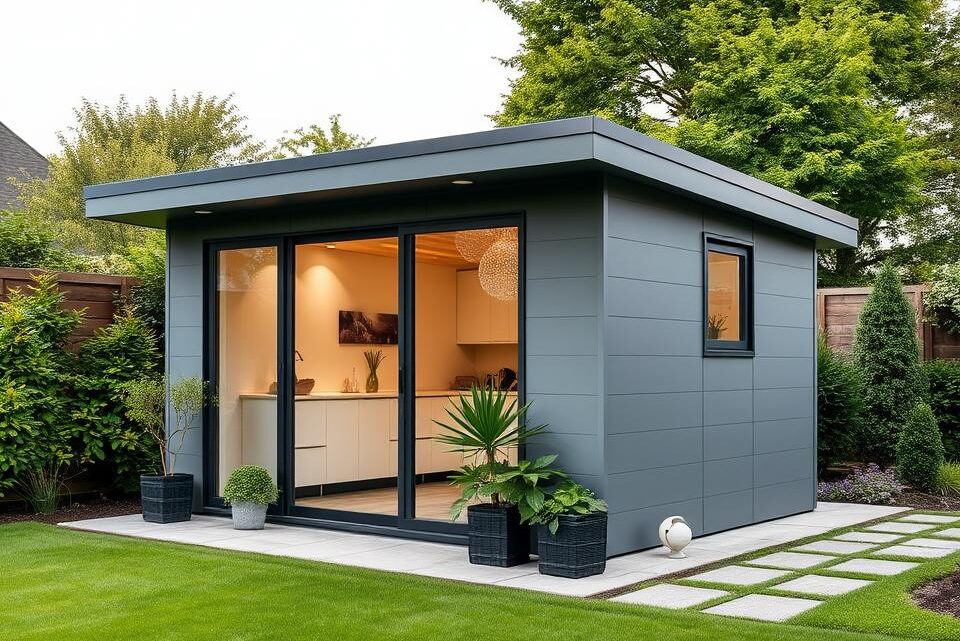
Garden buildings have undergone a remarkable transformation. The traditional timber shed for simple storage is now a thing of the past. Contemporary designs offer so much more for today’s homeowner.
These structures now serve as versatile extensions of the living space. They are cleverly designed to function as home offices, tranquil art studios, or even vibrant garden bars. The focus is on blending practicality with a clean, modern aesthetic.
Key architectural features set these buildings apart. You will notice large windows that flood the interior with natural light. Sleek, single-slope roofs and durable materials like pressure-treated wood are common.
This evolution means your garden can become a multi-functional haven. A modern shed maximises your outdoor area beautifully. It provides a dedicated space for work, hobbies, or relaxation.
Inhaltsverzeichnis
Key Takeaways
- Contemporary garden sheds have evolved far beyond basic storage functions.
- They now serve as flexible spaces for offices, gyms, studios, and entertainment areas.
- Distinctive design elements include clean lines and large windows for excellent illumination.
- Modern materials and construction techniques ensure enhanced durability and a sleek appearance.
- These structures offer a practical solution to maximise usable garden space.
- They represent a significant upgrade, combining functionality with stylish aesthetics.
Understanding Modern Shed Trends
Today’s shed owners are transforming basic storage units into multifunctional retreats. The traditional concept of a simple garden shed has evolved dramatically. Homeowners now seek structures that serve multiple lifestyle purposes.
Popular conversions include fully-equipped garden bars with counter space and seating. Home gyms with proper flooring and equipment are also trending. Personal relaxation spaces provide quiet retreats from busy households.
Contemporary design trends favour clean lines and minimalist aesthetics. These shed designs move away from boxy traditional shapes. Architectural elements create visual interest while maintaining functionality.
The influence of social media has accelerated these changes. Homeowners increasingly view their garden structures as living space extensions. This shift reflects broader movements in outdoor space utilisation.
Modern garden buildings now incorporate extensive glazing and asymmetrical profiles. These features connect interior spaces with the surrounding landscape. The result is a seamless blend of indoor comfort and outdoor beauty.
What Defines a Modern Shed: Uses and Features
Contemporary garden structures have evolved beyond simple tool storage to become versatile extensions of living areas. These buildings now sheds offer remarkable design flexibility that accommodates diverse homeowner needs.

Space-saving solutions like lean-to configurations maximise functionality in compact gardens. Custom sizing options ensure every space receives optimal utilisation while maintaining aesthetic appeal.
The construction incorporates durable materials with weather-resistant finishes. Security elements protect valuable equipment, making these structures reliable for long-term storage requirements.
Practical features enhance user comfort significantly. Integrated ventilation systems prevent condensation, while lighting provisions create usable environments after dark. Sturdy base structures ensure stability across seasons.
This combination of versatile uses and thoughtful design features creates garden buildings that adapt to changing needs. The modern shed represents a perfect balance between practical storage solutions and enhanced living space.
Innovative Shed Design and Aesthetic Appeal
The evolution of shed construction now prioritises aesthetic integration with landscape design. These structures serve as more than storage solutions. They enhance the overall visual appeal of outdoor spaces.

Modern Design Features
Tongue and groove cladding provides a polished, contemporary appearance. This construction method ensures watertight durability. It creates clean lines that define the modern aesthetic.
Pent-roof styles offer simple, single-sloped profiles. These roof configurations add architectural interest. They maximise interior headroom effectively.
Large windows and skylights transform interior spaces. Natural light floods the area, creating bright environments. These design elements make spaces feel open and welcoming.
Wide double doors facilitate easy access. Flexible layouts with interchangeable panels allow customisation. These features like modular designs adapt to various needs.
Enhancing Garden Aesthetics
Contemporary shed designs serve as a focal point within the garden. Their architectural elements draw the eye. They complement the surrounding landscape beautifully.
Strategic lighting enhances both functionality and visual appeal. Natural light from windows creates dynamic shadows. Artificial lighting extends usability after dark.
The roof profile contributes to the overall aesthetic appeal. It works with other garden structures. This creates a cohesive outdoor environment.
Material choices and colour selections harmonise with nature. They create structures that blend with the garden. The result is enhanced aesthetic appeal throughout the space.
Versatile Uses of Modern Sheds in the Garden
Today’s garden structures offer unprecedented flexibility, transforming basic storage into personalised living spaces. These buildings adapt seamlessly to various homeowner needs while maximising available outdoor space.

Practical Storage Solutions
Contemporary designs provide excellent organisation for garden tools and equipment. They create dedicated areas for seasonal items, machinery, and hobby materials.
This approach frees up valuable garage and house space. Proper storage solutions ensure everything remains accessible yet neatly organised.
| Primary Use | Key Features | Space Benefits |
|---|---|---|
| Tool Storage | Shelving systems, tool racks | Frees garage space |
| Equipment Housing | Wide doors, durable flooring | Protects valuable machinery |
| Seasonal Items | Climate control, security | Reduces household clutter |
| Hobby Materials | Custom storage, organisation | Creates dedicated work area |
Creative Outdoor Retreats
Many homeowners transform their sheds into personal retreats. These spaces serve as garden bars, home offices, or artistic studios.
The functionality extends to wellness areas like home gyms and yoga spaces. Each configuration offers a unique retreat from daily life.
Creative uses demonstrate how these structures enhance outdoor living. They provide comfortable areas for work, relaxation, and entertainment.
Contemporary Shed Styles and Materials
Current construction materials and architectural designs offer homeowners an impressive selection. These structures shed come in a variety styles to suit different gardens and purposes.
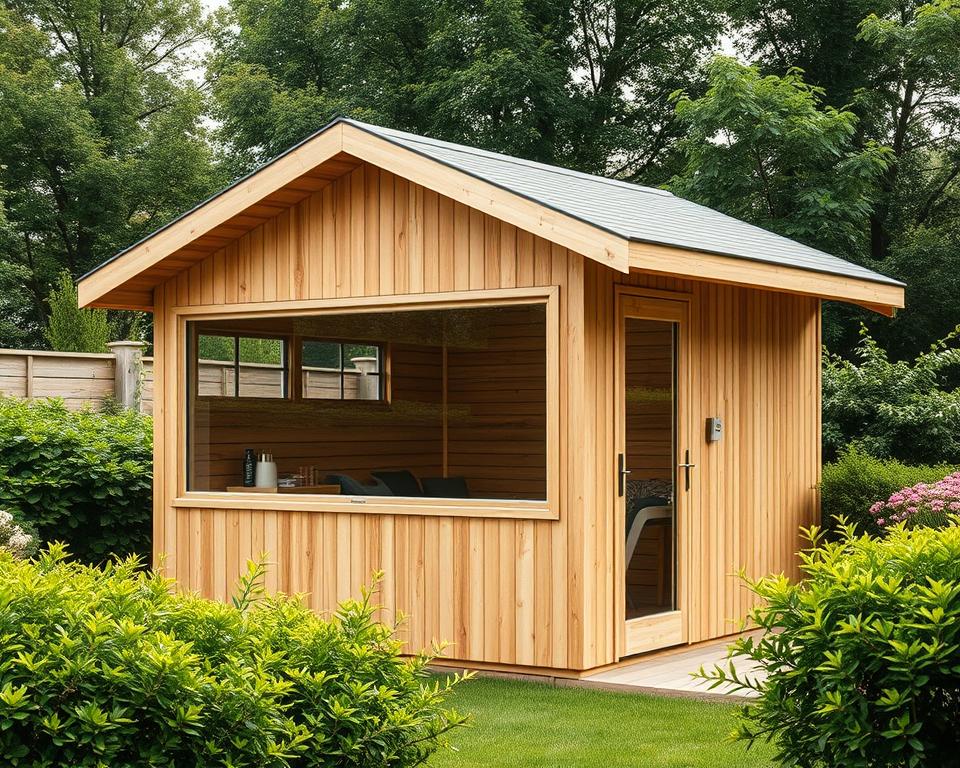
Pressure-treated wood is a leading choice for longevity. It boasts enhanced resistance to rot and decay. Many suppliers now offer extended 15-year guarantees, a significant upgrade from standard options.
Metal shed construction has seen notable innovations. Hot-dipped galvanisation provides excellent rust and corrosion resistance. This process allows for durable, attractive finishes in colours like anthracite grey.
Modern plastic shed options are also highly durable. Constructed from tough polypropylene, they are often reinforced with aluminium or metal frames. These materials offer a low-maintenance alternative.
Each design incorporates a specific roof style that defines its character. From single-slope profiles to classic gable designs, the roof is a key architectural feature.
Popular style choices include the Urban Modern shed with clean lines. The Studio Gable design blends traditional forms with modern elements. Each roof type offers distinct benefits for headroom and water drainage.
These materials and designs ensure that every garden can host a beautiful and functional structure. The right combination of wood, metal, or plastic creates a lasting outdoor asset.
Exploring Window and Skylight Benefits
The integration of ample glazing represents one of the most significant advances in contemporary garden building design. This evolution marks a departure from traditional windowless structures.

Maximising Natural Light
Strategic placement of windows allows natural light to penetrate deeply into the interior. This creates brighter, more inviting environments throughout the day.
Skylights provide overhead illumination that transforms the atmosphere. They make compact spaces feel significantly larger and more open.
The benefits extend beyond simple visibility. Ample light reduces the need for artificial lighting during daylight hours. This contributes to energy efficiency.
Proper lighting enhances functionality for various applications. Workshop tasks become easier with good natural light. Home offices benefit from well-lit conditions.
Window design considerations impact both aesthetics and performance. The size, placement, and glazing type all influence how light enters the space. These elements work together to create optimal environments.
The psychological benefits are equally important. Access to natural light improves mood and productivity. It makes any garden building more pleasant to occupy.
Customisation Options and Versatile Layouts
Today’s garden structures break from standardised moulds through innovative customisation approaches that cater to individual preferences. Homeowners can now select from various layout options to maximise their available space. This flexibility ensures the final structure meets specific needs.

Modular design principles allow for significant personalisation. Interchangeable panels enable changes to door placement and window configurations. This approach provides layout flexibility without requiring custom construction.
Flexible Layout Options
Contemporary garden buildings offer remarkable adaptability. Wide double doors facilitate access for larger items. Internal configurations can include workbenches or specialised storage solutions.
| Layout Type | Best For | Space Efficiency |
|---|---|---|
| Modular Design | Changing needs | High flexibility |
| Interchangeable Panels | Door/window placement | Custom configuration |
| Loft Storage | Vertical space use | Maximises floor area |
Tailored Storage Solutions
Built-in shelving systems provide organised storage solutions for tools and equipment. These features enhance the functionality of the space. Proper lighting options ensure usability during evening hours.
Ventilation systems and electrical installations represent additional customisation options. These features extend the building’s functionality across seasons. The right layout adapts as needs evolve over time.
Prefabricated vs. Customisable Sheds
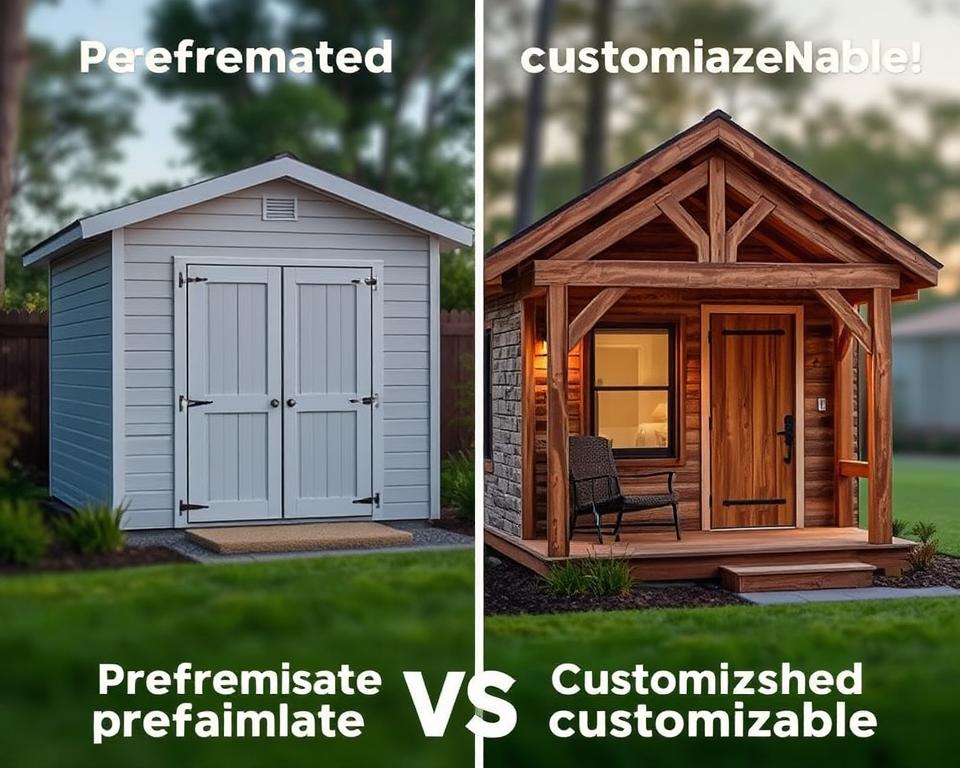
The decision between ready-made kits and bespoke designs represents a key consideration for garden building projects. Each approach offers distinct advantages that suit different homeowner requirements and circumstances.
Advantages of Prefabricated Sheds
Prefabricated sheds offer immediate convenience with pre-designed kits. These options eliminate complex planning and save significant time. Homeowners receive complete packages with instructions and hardware.
Assembly is straightforward, even for those with limited DIY experience. The streamlined process means your new shed becomes usable quickly. Cost predictability is another major benefit of prefabricated designs.
Benefits of Customisation
Customisable options provide complete flexibility to match specific needs. Homeowners can design spaces that perfectly fit their property and aesthetic preferences. This approach accommodates unusual site conditions.
Bespoke designs allow for unique features and precise dimensions. They create structures that reflect personal style while meeting functional requirements. Custom solutions transform ordinary garden spaces into tailored extensions of the home.
Both approaches have merits depending on budget, timeline, and specific needs. Many manufacturers now provide semi-custom options that blend standard bases with selectable features.
Multi-Purpose Sheds: Space-Saving Solutions
Multi-purpose sheds represent the pinnacle of efficient garden space utilisation. These innovative structures cleverly serve multiple functions within a single footprint, eliminating the need for separate buildings.
Dual Functionality
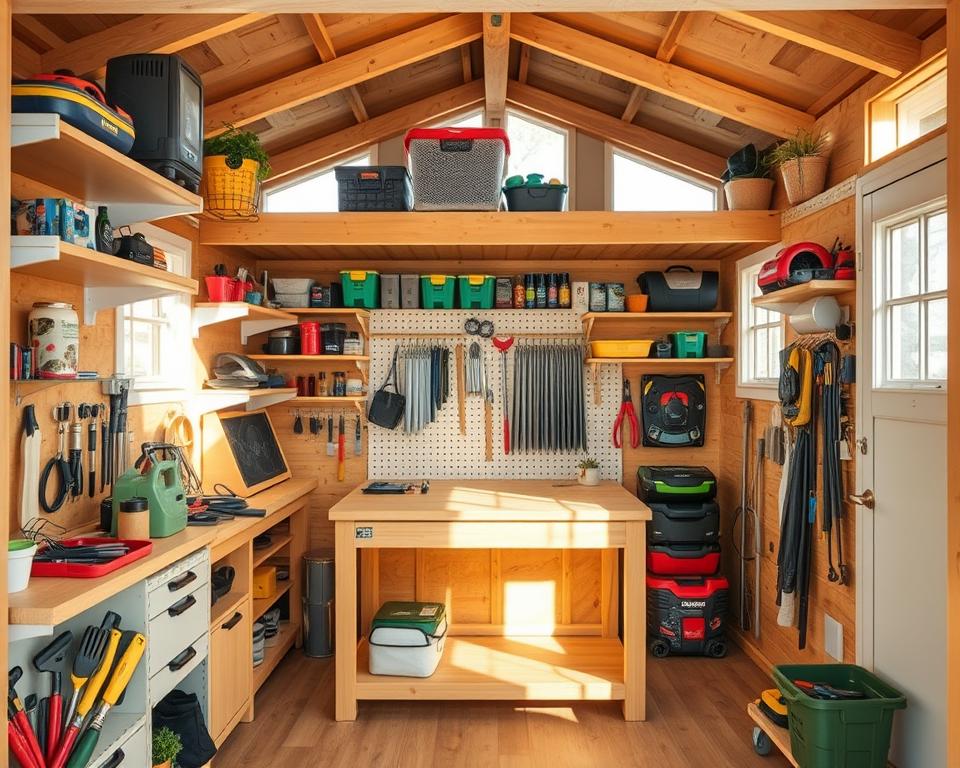
Contemporary designs excel at combining practical storage with active living areas. A garden office might incorporate discreet cupboards for equipment, while a workshop includes organised tool stations.
This dual approach maximises every square metre of available space. Homeowners benefit from having both secure storage and functional work or leisure zones.
Maximising Storage Capacity
Vertical solutions prove essential in multi-purpose configurations. Loft areas provide overhead storage for seasonal items, keeping floor space clear for daily activities.
Wall-mounted systems and shelving arrangements create dedicated zones for equipment organisation. These features like modular units adapt as needs change over time.
Integrated lighting serves both storage accessibility and workspace functionality. Thoughtful layouts ensure each area maintains its intended purpose without compromise.
Optimising Outdoor Space with Modern Shed Designs
Strategic design transforms previously overlooked garden corners into valuable functional zones. Contemporary approaches maximise every square metre of available ground.

Compact footprints provide substantial capacity without dominating the garden area. Vertical storage solutions increase usable space within limited ground coverage.
Placement considerations significantly impact overall outdoor space utilisation. Proximity to the house ensures convenient access. Integration with pathways creates cohesive activity zones.
Innovative configurations make productive use of challenging areas. Lean-to designs utilise existing walls to minimise their footprint. Corner placements effectively utilise awkward spaces.
| Optimisation Technique | Space Benefit | Garden Impact |
|---|---|---|
| Compact Footprint | Maximises ground area | Preserves open space |
| Vertical Storage | Increases capacity | Maintains sightlines |
| Corner Placement | Uses dead space | Creates focal points |
| Elevated Design | Works with slopes | Adds visual interest |
These structures enhance garden functionality beyond basic storage. They create dedicated retreats for relaxation and hobbies. This extends usable living space beyond the main house.
Lighting design contributes significantly to space optimisation. Natural light through windows creates inviting interiors. Artificial lighting extends usability into evening hours.
The right balance between practicality and visual appeal is essential. Attractive materials and thoughtful proportions ensure these buildings become garden features. They enhance rather than detract from overall outdoor aesthetics.
Durability and Maintenance Considerations
Choosing a garden building involves careful consideration of how it will withstand seasonal weather conditions over time. The right materials and construction ensure your structure passes the test time.

Contemporary garden buildings use robust materials designed for outdoor elements. Pressure-treated wood offers 15-year guarantees against rot. Hot-dipped galvanised metal provides excellent rust resistance. Reinforced polypropylene plastic withstands degradation effectively.
Maintenance requirements vary significantly between material types. Metal structures typically need minimal ongoing care. Plastic options require occasional cleaning with mild detergent. Wooden buildings benefit from periodic retreatment to maintain protective qualities.
Regular maintenance extends the lifespan of any garden shed. Inspect the roof regularly for damage or blockages. Check for signs of wear after extreme weather conditions. Address minor issues promptly to prevent major problems.
Quality construction details contribute significantly to durability. Proper base installation prevents moisture damage. Secure roof attachment withstands strong winds. Adequate ventilation protects against condensation from outdoor elements.
Understanding these factors helps homeowners make informed decisions. The right balance between initial investment and ongoing maintenance requirements ensures long-term satisfaction with your garden building.
Selecting the Right Shed Design for Your Garden
Choosing the perfect garden building requires careful planning. It is essential to balance your specific needs with the practical realities of your garden.
This process ensures the final structure provides maximum value. It becomes a seamless extension of your outdoor living space.
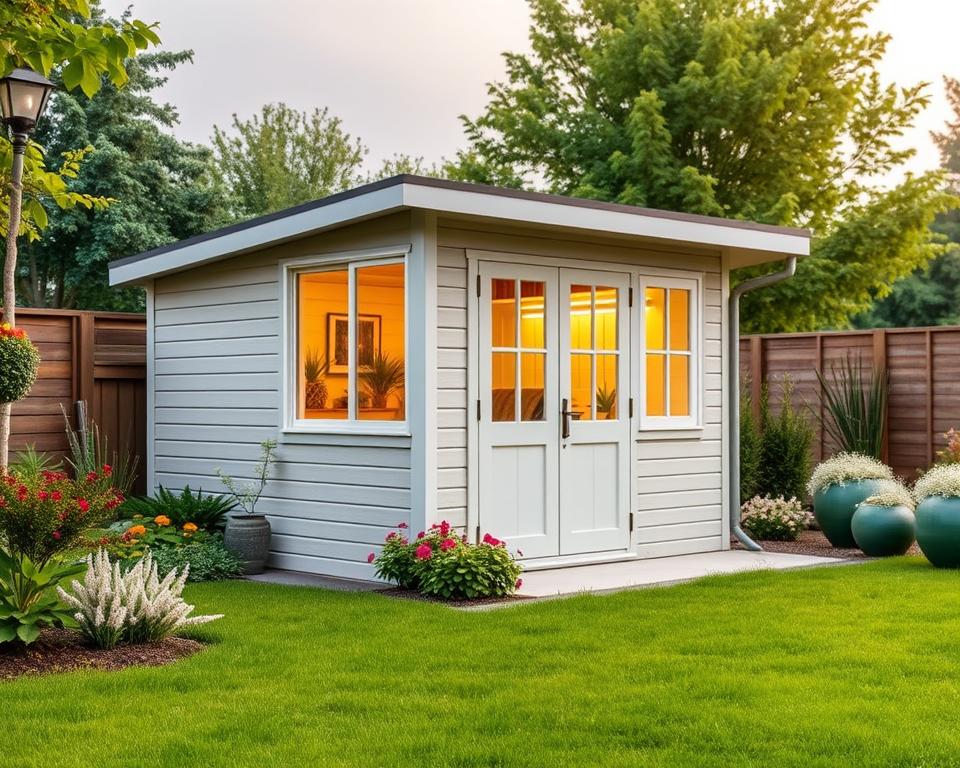
Measuring Available Space
Accurate measurement of your garden area is the crucial first step. Always take account of boundaries and existing structures.
Consider future access for maintenance and delivery. A well-planned layout maximises the functionality of your available space.
Budget Considerations
Financial planning is vital for a successful project. Costs vary significantly based on size, materials, and designs.
It is wise to take account of both initial outlay and long-term value. Investing in quality often proves more economical over time.
| Shed Size Category | Typical Dimensions | Primary Function |
|---|---|---|
| Small | 6×8 to 10×10 | Basic storage for garden tools |
| Medium | 8×12 to 10×14 | Additional storage plus workspace |
| Large | 10×16 to 12×24 | Extensive storage for bulky equipment |
Evaluate your primary purpose and storage requirements. The right size and layout options will meet your needs effectively.
Consider potential future uses to avoid premature replacement. A slightly larger size can offer valuable flexibility.
Impact of Local Weather Conditions on Shed Materials
Material selection for garden buildings must account for specific local weather challenges. Different materials respond uniquely to climate elements, affecting their longevity and performance.
Pressure-treated wood offers excellent moisture resistance in damp regions. However, extremely wet climates may require periodic retreatment to maintain protective qualities.
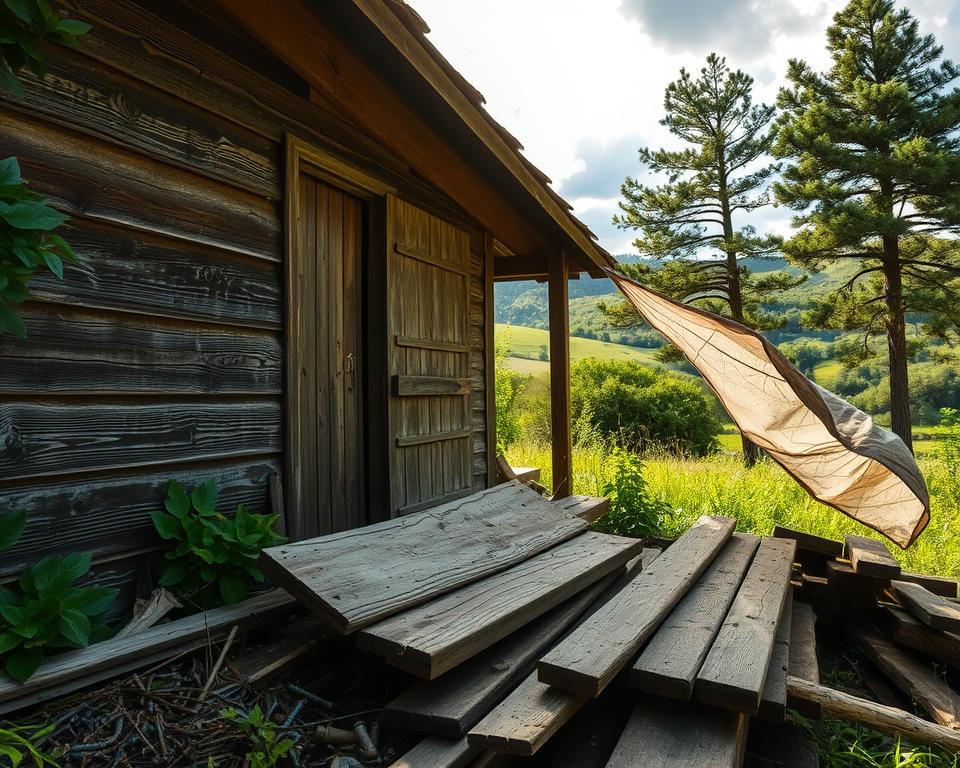
Galvanised metal sheds withstand rain and wind effectively. Thermal expansion can become a consideration in areas with significant temperature variations between seasons.
Plastic materials resist moisture well but may become brittle in very cold conditions. UV degradation is another factor in sunny climates.
| Material Type | Best Climate Suitability | Weather Considerations |
|---|---|---|
| Pressure-Treated Wood | Temperate, damp regions | Periodic treatment in extreme wetness |
| Galvanised Metal | Rainy, moderate climates | Thermal expansion in temperature extremes |
| Reinforced Plastic | Various conditions | Brittleness in cold, UV protection needed |
Roof design significantly interacts with local weather patterns. Pitch angles affect water drainage in rainy regions. Structural reinforcement becomes important in areas with heavy snow loads.
Proper securing is essential for locations prone to high winds. The right roof configuration enhances overall building durability against weather elements.
Homeowners should match material properties to their region’s predominant climate challenges. This ensures optimal performance and longevity for their garden shed investment.
Incorporating Modern Elements into Traditional Garden Spaces
Harmonising new additions with traditional gardens presents an exciting design challenge. Thoughtful approaches can blend contemporary structures with established landscape features beautifully.

Blending Old and New Styles
Successful integration begins with material selection. Natural wood finishes that age gracefully often complement traditional settings. Neutral colour palettes help structures blend with the surrounding landscape.
Proportion and scale are crucial considerations. A well-designed layout respects the existing garden hierarchy. Modern structures can serve as focal points without overwhelming established features.
Architectural details offer opportunities for harmony. Simple lines can reference classic forms while maintaining contemporary appeal. This approach helps new additions stand the test of time.
Landscaping creates gentle transitions between different eras. Planting schemes can soften modern edges and connect structures to mature gardens. Pathways and hardscaping elements further unify the space.
Homeowners should consider how their new structure relates to the main house. Coordinating elements creates a cohesive outdoor area. The result enhances the overall aesthetic appeal of the property.
These design strategies allow modern elements to refresh traditional spaces. They demonstrate how different styles can coexist beautifully in one garden area.
Where to Buy Modern Sheds: Trusted UK Retailers
UK homeowners seeking quality outdoor structures have several excellent purchasing avenues available. Reputable suppliers offer diverse solutions to match various garden requirements and personal preferences.
Overview of Top Sellers
Gardenhouse24 stands out as a premier destination for contemporary garden buildings. They provide high-quality structures with customised designs catering to diverse homeowner needs.
ModernSheds.com specialises in thoughtfully curated assortments of stylish storage options. Their user-friendly platform streamlines the browsing and purchasing process for busy homeowners.
The Modern Shed Store offers comprehensive selections of premium solutions. Their range includes everything from compact units to spacious multi-functional structures.
Custom Shed Builder Options
Specialised websites enable homeowners to create personalised structures matching exact specifications. These platforms offer extensive customisation covering design elements and materials.
Custom builders provide bespoke solutions for unique requirements or specific site constraints. This approach ensures the final structure perfectly meets specific household needs.
Both purchasing methods offer distinct advantages. Online retailers provide convenience and established product ranges. Custom builders deliver tailored solutions for precise home and garden applications.
Conclusion
A well-chosen garden building serves as a true extension of the home. It moves far beyond simple storage, offering versatile space for work, hobbies, and relaxation. This evolution reflects a significant shift in how we utilise our outdoor areas.
The defining features of contemporary design are clear. Clean lines, ample glazing, and durable materials create structures that are both beautiful and practical. These sheds enhance the garden rather than simply occupying it.
Selecting the right shed requires careful thought. Homeowners should consider their intended use, available space, and local conditions. This ensures the garden building meets their specific needs effectively.
Ultimately, investing in a quality shed adds significant value. It provides essential storage while creating a dedicated space for various activities. The right choice stands as a lasting and valuable addition to any property.
FAQ
What are the primary uses for a modern shed?
Modern sheds offer incredible versatility, moving beyond simple storage for garden tools. They are frequently used as home offices, art studios, gyms, or tranquil garden retreats. Their design prioritises functionality and comfort, making them a genuine extension of the living space.
How do windows and skylights enhance a modern shed?
Incorporating windows and skylights is a key feature for maximising natural light. This creates a brighter, more inviting interior, reduces the need for artificial lighting, and can make the space feel larger. It also helps to improve ventilation, which is crucial for comfort and protecting contents from damp.
What materials are best for a durable modern shed?
The best materials balance aesthetic appeal with longevity. Pressure-treated wood, like cedar, offers a classic look and natural resistance to rot. Modern materials like robust, low-maintenance composite cladding or galvanised steel are excellent for withstanding harsh British weather conditions with minimal upkeep.
Can a modern shed be customised to fit a specific space or need?
Absolutely. Many UK retailers, such as Waltons and Garden Buildings Direct, offer a range of customisation options. Homeowners can tailor the shed’s size, layout, window placement, and interior features like shelving or insulation to meet specific requirements and enhance functionality.
What maintenance is required for a modern garden shed?
Regular maintenance requirements depend on the materials. Wooden sheds typically need re-treatment with a protective stain or preservative every few years. Sheds made from composite materials or metal often require less frequent upkeep, usually just an occasional wash to maintain their appearance.
How can a modern shed improve the overall garden design?
A well-designed modern shed can become a beautiful focal point in the garden. Its clean lines and thoughtful placement can complement the surrounding landscape. Choosing a style and colour that harmonises with the house and garden enhances the property’s overall aesthetic appeal.