Japanese Garden Decor: Inspiration for Your Garden
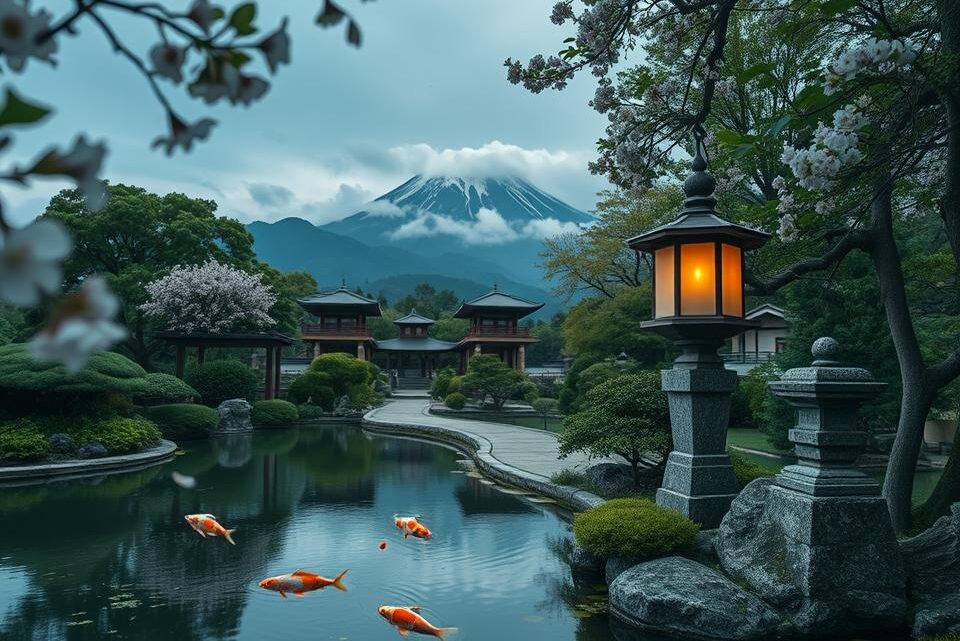
Creating a tranquil outdoor space is a universal desire, and Japanese garden decor offers a unique approach to achieving this goal. By combining natural beauty with spiritual elements, Japanese gardens create a sense of peace and harmony.
The appeal of Japanese garden style has been growing in the UK since the late 19th century, as it provides a serene escape from the stresses of everyday life. Each element in a Japanese garden, from water features to carefully selected plants and stones, is chosen to promote a sense of calm and contemplation.
This article will explore the key elements of Japanese garden design, including how to incorporate them into your outdoor space, regardless of its size or budget.
Inhaltsverzeichnis
Key Takeaways
- Discover how to create a tranquil atmosphere in your outdoor space using Japanese garden decor principles.
- Learn about the key elements that make up a traditional Japanese garden, including water features and carefully selected plants.
- Understand how to adapt Japanese garden design to suit your garden size and budget.
- Explore the importance of balance and harmony in Japanese garden style.
- Find out how to create a personal sanctuary in your own garden using Japanese garden decor inspiration.
Understanding Japanese Garden Philosophy
To truly understand Japanese garden design, one must first grasp the underlying philosophy that informs its principles. Japanese gardens are designed to evoke a sense of tranquility and connection to nature, reflecting a deep-rooted cultural and philosophical heritage.
The History and Cultural Significance
Japanese garden design has its roots in ancient traditions and philosophies, including Buddhism and Shintoism. The gardens are designed to create a harmonious balance between nature and human-made elements, symbolizing the interconnectedness of all things. This balance is achieved through careful consideration of the garden’s layout and the selection of its elements.
Key Design Principles
Japanese Zen garden design is guided by five key principles: simplicity (kanso), naturalness (shinzen), subtlety (yugen), magic (datsuzoku), and stillness (seijaku). These principles translate into practical design elements, such as the use of asymmetry and the avoidance of straight lines and perfect symmetry. The concept of “borrowed scenery” (shakkei) incorporates distant landscapes into the garden view, while “hide and reveal” (miegakure) creates a sense of discovery as the garden unfolds gradually.
The three main elements of Japanese gardens are stone, water, and plants. Stone is used to echo the structure of the landscape, water symbolizes the rhythm and force of life, and planting provides naturalistic colour that changes seasonally. These elements work together to create a harmonious and balanced garden design that reflects the natural world.
Essential Elements of Japanese Garden Decor
When designing a Japanese garden, several essential elements must be considered to create a harmonious and tranquil space. These elements work together to produce a unique and serene atmosphere that is characteristic of Japanese garden decor.
Water Features: Ponds, Streams and Waterfalls
Water features are a crucial component of Japanese gardens, adding visual and auditory interest to the space. Ponds, streams, and waterfalls can be used to create a sense of movement and tranquility. The sound of gently flowing water can be particularly soothing, helping to mask other noises and create a peaceful ambiance.
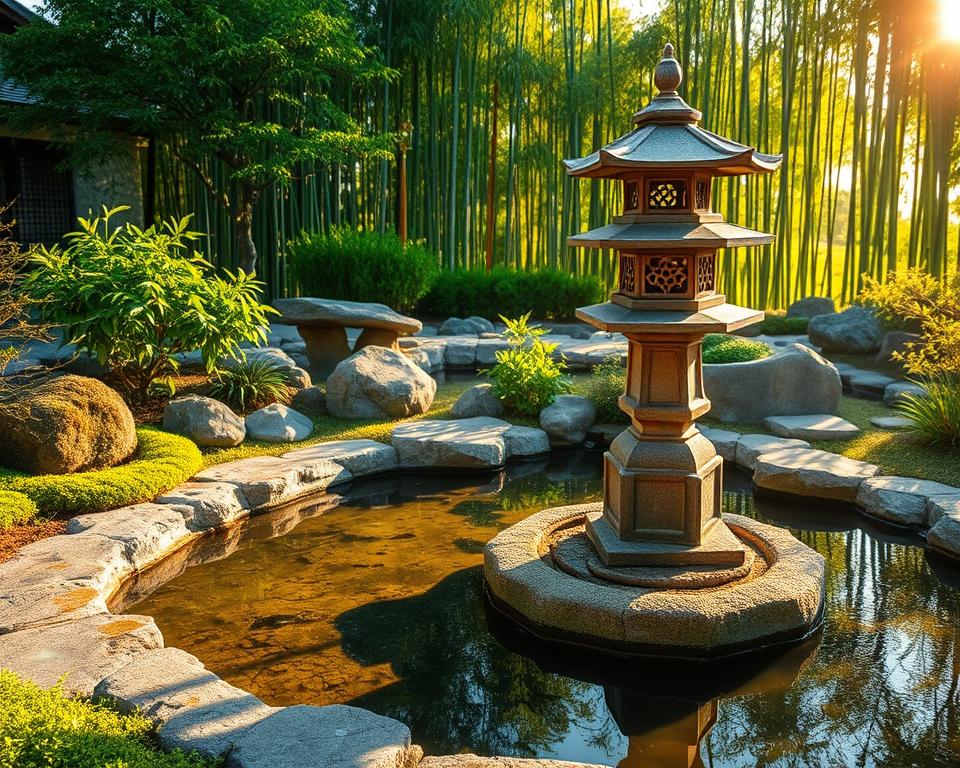
Stones and Rocks: The Foundation of Design
Stones and rocks are fundamental to Japanese garden design, often used to create pathways, define different areas within the garden, and add texture and visual interest. The careful placement of stones can also help to guide visitors through the garden, creating a sense of journey and discovery.
| Stone Type | Characteristics | Usage |
|---|---|---|
| Granite | Durable, coarse-grained | Pathways, stepping stones |
| Basalt | Dark-colored, fine-grained | Decorative features, water features |
| Limestone | Light-colored, porous | Rock gardens, decorative features |
Plants and Trees for Japanese Gardens
The selection of plants and trees is critical in creating a authentic Japanese garden. Many plants that originate from Japan, such as camellias, magnolias, and Japanese acers, thrive in the UK climate. These plants are chosen not only for their flowers but also for their overall form and texture, which contribute to the garden’s aesthetic. Evergreen plants like pines and bamboo provide year-round structure, while moss is used as a ground cover to create a sense of age and tranquility.
By incorporating these essential elements, you can create a beautiful and serene Japanese garden that reflects the natural world and promotes a sense of calm.
Creating Tranquil Spaces with Japanese Garden Structures
Incorporating traditional Japanese garden structures can elevate the tranquility of your outdoor space. These structures are designed to create a serene atmosphere, guiding visitors through a thoughtful and intentional journey.
Stone Lanterns and Their Significance
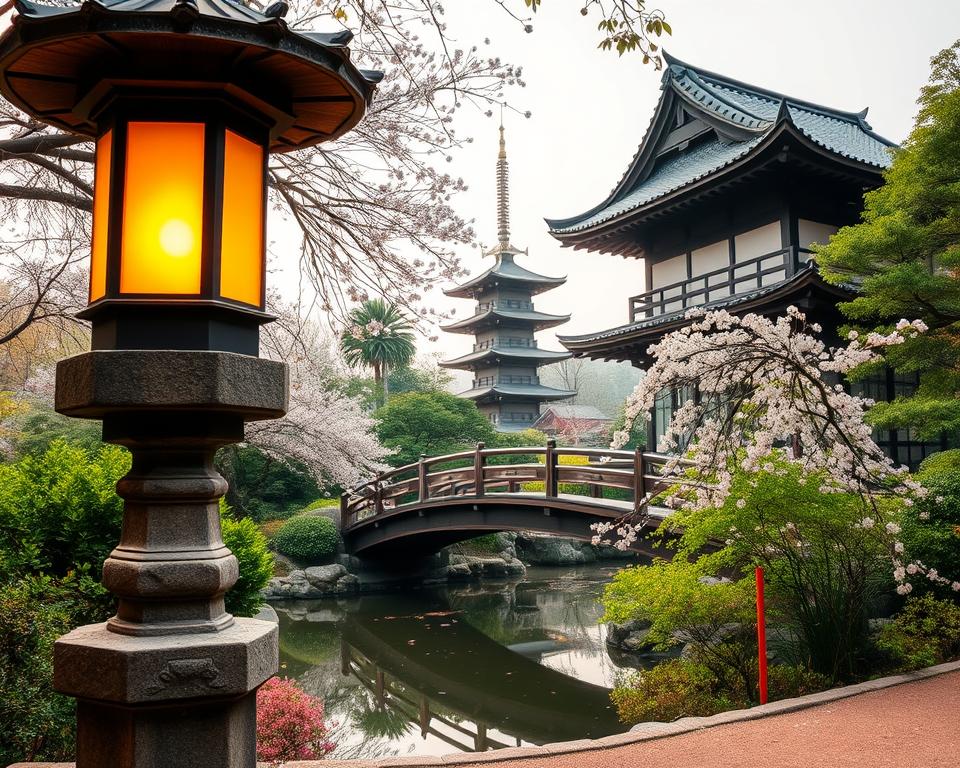
Stone lanterns are a common feature in Japanese gardens, serving both practical and symbolic purposes. They provide soft lighting, creating a warm ambiance in the evening, and are often placed at significant locations to guide visitors through the garden.
Bridges: Connecting Garden Elements
Bridges in Japanese gardens not only connect different areas but also create a sense of progression and discovery. They can be made from various materials, including wood, stone, or a combination of both, and are designed to blend seamlessly into the surrounding landscape.
Tea Houses and Meditation Spaces
Tea houses and meditation spaces are integral to the traditional Japanese garden, providing secluded areas for contemplation and relaxation. These structures are typically designed to be simple, yet elegant, and are often surrounded by carefully selected plants and natural elements.
Paths and Stepping Stones
The journey around your garden is crucial in Japanese garden design. Paths and stepping stones are intentionally designed to influence how you progress through the space and control views of the garden. Stepping stones, for example, are carefully positioned to slow your movement, encouraging mindfulness and a deeper appreciation of the surroundings.
The concept of “hide and reveal” (miegakure) is also significant in Japanese garden design. Paths lead visitors on a discovery journey, revealing new views and elements of the garden at each turn. The use of different materials for paths, such as gravel, stone, and wood, adds texture and visual interest, while also helping to frame views and create focal points.
| Path Material | Characteristics | Best Use |
|---|---|---|
| Gravel | Easy to maintain, versatile | Main pathways, creating a sense of flow |
| Stone | Durable, visually appealing | Stepping stones, creating a sense of journey |
| Wood | Natural, warm aesthetic | Boardwalks, adding texture and interest |
When laying stepping stones or creating gravel paths, it’s essential to consider the spacing and layout to achieve the desired effect. By doing so, you can create a sense of flow and connection between different areas of your garden, making the journey through the garden as enjoyable as the destination.
Japanese Garden Decor: Inspiration for Your Garden
To evoke the essence of a Japanese garden, it’s essential to balance natural elements with careful planning. This balance creates a serene and tranquil atmosphere, perfect for relaxation and contemplation.
One of the key aspects of Japanese garden design is the incorporation of various elements that work together to create a harmonious whole. Let’s explore some of these elements in more detail.
Zen Sand and Gravel Gardens
Zen sand and gravel gardens are a distinctive feature of Japanese garden design. These gardens use carefully raked sand and gravel to create a sense of calm and serenity. The raked patterns can be simple or intricate, depending on the desired effect. To create a Zen sand and gravel garden, you’ll need a flat area, sand or gravel, and a raking tool. The simplicity of these gardens makes them ideal for small spaces.
Moss Gardens for Shaded Areas
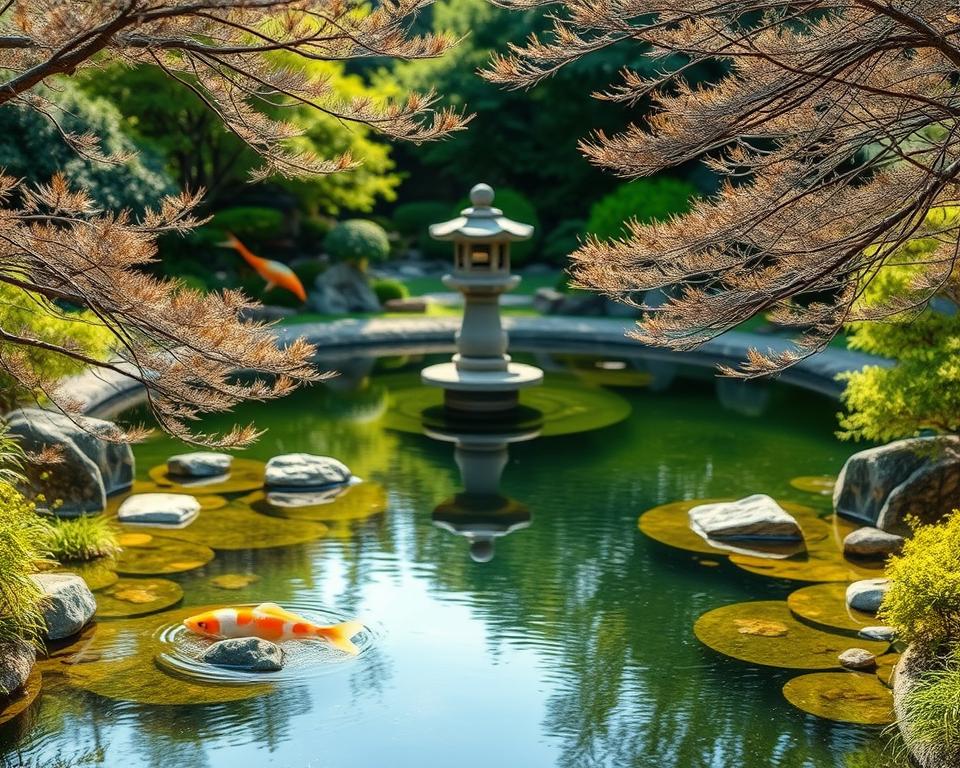
Moss gardens are another beautiful element of Japanese garden design. They thrive in shaded areas and can add a soft, lush texture to your garden. To create a moss garden, choose a shaded area with consistent moisture, and select moss species suitable for your climate. Moss gardens require minimal maintenance and can be a lovely addition to a Japanese-inspired garden.
Water Bowl Gardens for Small Spaces
Water bowl gardens are perfect for small spaces or for those new to Japanese garden design. These miniature water gardens capture the essence of larger Japanese ponds, using a low-maintenance water bowl as the central feature. To create a water bowl garden, select a suitable container, add pebbles and aquatic plants like miniature water lilies, and position it in a quiet spot. The sound of gently moving water can add a soothing element to your garden.
By incorporating these elements, you can create a beautiful and tranquil Japanese garden that brings a sense of calm to your outdoor space.
Seasonal Considerations for Japanese Gardens
The beauty of a Japanese garden lies in its capacity to evolve with the seasons, offering a unique experience throughout the year. As you design your garden, it’s essential to consider how different elements will contribute to its overall aesthetic and tranquility across the seasons.

Spring and Summer Elements
During spring and summer, your Japanese garden comes alive with vibrant colours and lush greenery. Incorporating plants like cherry blossoms and irises can add dynamic visual interest. The quote, “A planting of wildflowers encourages butterflies, bees, and other insects, which bring the garden alive with fleeting movement and sounds,” highlights the importance of creating a biodiverse garden ecosystem.
Autumn Colour Planning
Autumn brings a kaleidoscope of colours to your Japanese garden. To maximize the visual impact, consider incorporating maple trees, known for their brilliant autumn foliage. The changing leaves create a picturesque landscape, reflecting the transient nature of life.
Winter Interest in Japanese Gardens
Even in winter, a well-designed Japanese garden retains its beauty. Structural elements like stones and lanterns provide year-round interest. Snowfall can transform your garden, highlighting architectural forms and creating new patterns. The concept of “snow viewing” or yukimi is a cherished tradition in Japanese garden culture, encouraging you to appreciate the serene beauty of snow-covered landscapes.
To maintain interest during winter, consider incorporating evergreen plants that provide structure and colour. The simplicity of winter reveals the underlying design of your garden, allowing you to appreciate subtle details often overlooked in more abundant seasons.
Conclusion: Creating Your Own Japanese-Inspired Sanctuary
As you embark on designing your Japanese-inspired garden, remember that it’s a personal journey that can be tailored to your individual preferences and space. Throughout this article, we’ve explored the key principles and elements of Japanese garden design, from the significance of water features and stones to the importance of plants and trees.
By incorporating these elements, you can create a tranquil oasis that not only enhances your outdoor space but also provides a sense of calm and connection with nature. Start small and gradually develop your garden over time, allowing it to evolve and mature.
Japanese gardens are not just aesthetically pleasing; they also offer numerous benefits for mental wellbeing. As you create your own Japanese-inspired sanctuary, consider exploring further resources on Japanese garden design to inspire your journey. Even incorporating a few Japanese elements can transform your outdoor space, bringing beauty, tranquility, and meaning into your everyday life.
FAQ
What are the key elements to include in a Japanese-style garden?
To create a serene Japanese-style garden, incorporate natural elements such as water features, stones, and carefully selected plants and trees. Consider adding stone lanterns, bridges, and stepping stones to enhance the tranquil atmosphere.
How do I choose the right plants for my Japanese garden?
Select plants that are native to Japan or have a similar aesthetic, such as acers, bamboo, and moss. Consider the mature size of the plants, their texture, and how they will change with the seasons to create a dynamic and interesting landscape.
What is the significance of gravel and sand in Japanese garden design?
Gravel and sand are used to create Zen sand and gravel gardens, which are designed to promote meditation and contemplation. The carefully raked patterns and textures create a sense of calm and serenity.
Can I create a Japanese-style garden in a small space?
Yes, you can create a beautiful Japanese-style garden even in a small space. Consider using a water bowl or a small pond, and incorporate plants and stones that are proportionate to the size of your garden.
How do I maintain my Japanese garden?
Regular maintenance is essential to keep your Japanese garden looking its best. This includes pruning plants and trees, raking gravel and sand, and ensuring that water features are clean and functioning properly.
What are some common mistakes to avoid when designing a Japanese garden?
Avoid over-accessorizing or using too many bright colours, as this can detract from the serene atmosphere. Also, be mindful of the scale and proportion of the elements in your garden, and ensure that they are in harmony with the surrounding landscape.