Explore Large Summerhouse Ideas for Your Backyard
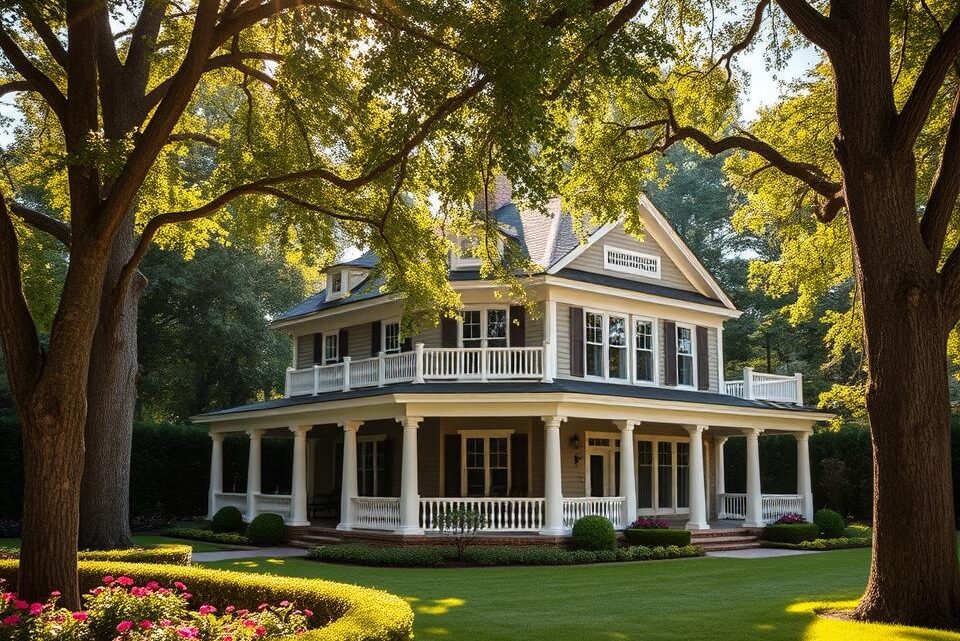
Garden structures have come a long way from their humble beginnings. Originally, these wooden shelters served as simple refuges from summer heat or unexpected rain showers. They provided a quiet retreat within one’s own outdoor space.
Today, these garden buildings fulfil many more roles. They act as detached extensions of the main house, offering versatile functionality throughout the year. Homeowners now use them for offices, guest accommodation, gyms, and creative studios.
This evolution brings incredible diversity in design aesthetics. From minimalist contemporary styles to traditional wooden constructions, the possibilities are extensive. The right structure can transform any garden into a multi-functional living space.
Regardless of property size or personal taste, there exists a perfect solution. These garden additions enhance property functionality while creating valuable extra room. They offer personalisation opportunities beyond the constraints of the main dwelling.
Inhaltsverzeichnis
Key Takeaways
- Modern garden structures serve multiple purposes beyond traditional summer use
- These buildings function as detached extensions to the main house
- Design possibilities range from minimalist to traditional aesthetics
- They create valuable additional living and working space
- Suitable solutions exist for gardens of various sizes and styles
- These investments enhance property functionality year-round
- They offer personalisation opportunities beyond the main dwelling
Introduction: The Evolution of Summerhouses
What began as simple wooden shelters has evolved into sophisticated architectural additions to residential properties. These structures now serve diverse purposes beyond their original seasonal function.
From Garden Shelters to Versatile Extensions
Traditional garden buildings provided secluded refuge during warm weather. People used them for relaxation and hobby pursuits away from the main residence.
Modern lifestyles have transformed these spaces into year-round extensions. Home working and desire for extra living space drive this evolution. Today’s structures function as offices, guest rooms, and creative studios.
| Historical Features | Modern Adaptations | Functional Benefits |
|---|---|---|
| Seasonal use only | Year-round functionality | Extended utility period |
| Basic wooden construction | Insulated, weatherproof designs | Improved comfort and durability |
| Single-purpose shelters | Multi-functional spaces | Versatile usage options |
| Traditional aesthetic only | Diverse design range | Personalisation opportunities |
Historical Inspirations and Modern Trends
Victorian and colonial architectural influences inform contemporary design approaches. These historical elements blend with modern materials and technologies.
The current range of styles accommodates various garden sizes and personal preferences. From minimalist structures to traditional wooden constructions, homeowners enjoy extensive choice. This diversity enables perfect integration with any outdoor space.
Innovative Large Summerhouse Ideas for Every Garden
Today’s garden extensions present homeowners with an extensive array of design possibilities that go beyond traditional expectations. These structures blend functionality with aesthetic appeal, creating versatile spaces that complement any outdoor area.
Design Inspirations Tailored for UK Gardens
Modern garden buildings showcase remarkable diversity in their architectural approaches. From minimalist designs with clean lines to nature-integrated structures, each concept offers unique benefits.
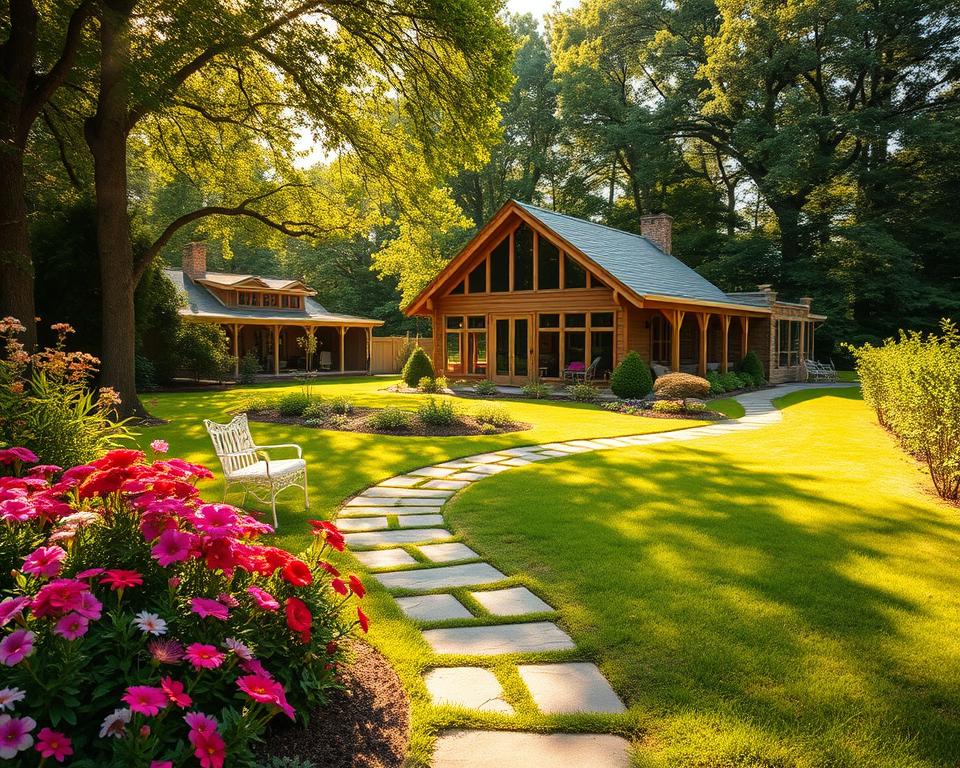
Corner summer house designs maximise limited garden space effectively. They provide generous internal areas while maintaining traditional colonial aesthetics. This approach suits smaller gardens perfectly.
Contemporary styles incorporate innovative materials and forms. Mirror-clad exteriors create visual expansion, while curved organic shapes offer futuristic appeal. Horizontal joists frame views while providing weather protection.
| Design Style | Key Features | Garden Suitability |
|---|---|---|
| Minimalist | Straight lines, sliding doors | Modern landscapes |
| Nature-Integrated | Living roofs, plant walls | Natural gardens |
| Traditional Colonial | Corner placement, classic aesthetics | Smaller spaces |
| Contemporary | Mirror cladding, organic forms | Various garden types |
Victorian-inspired octagonal shapes with French windows provide panoramic views. They suit period properties beautifully. Each design adapts to individual garden characteristics and personal preferences.
Bold colour schemes and eclectic finishes demonstrate that summerhouse exteriors need not follow conventional patterns. These creative approaches transform garden buildings into distinctive focal points.
Embracing Natural Light and Open Spaces
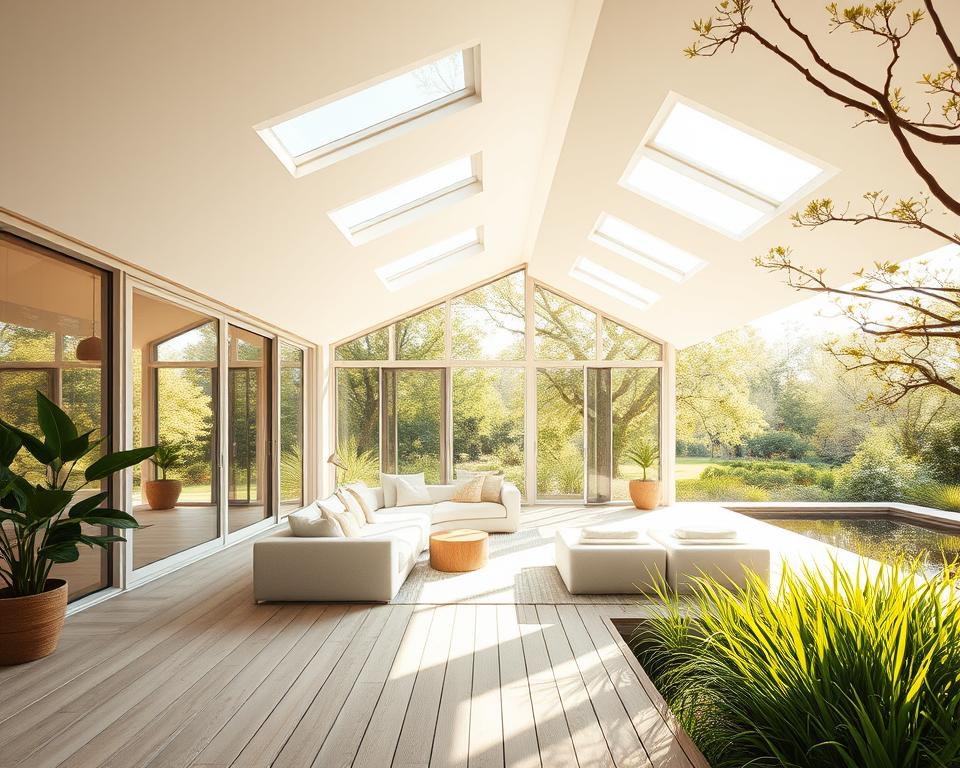
Integrating generous amounts of natural light fundamentally transforms a garden building into a bright and uplifting retreat. Thoughtful glazing strategies ensure the interior feels spacious and connected to the outdoors.
Maximising Glazing and Large Patio Doors
Sliding patio doors and expansive windows are instrumental in this approach. They allow sunlight to pour into the room effortlessly, creating a cheerful and energising atmosphere. This abundance of light is particularly beneficial for home offices and creative studios.
Quality window treatments, such as built-in blinds, are essential. They offer control over light levels and ensure privacy without sacrificing the benefits of a bright interior.
Blending Indoor and Outdoor Living
A well-designed patio acts as a natural extension of the interior. It creates a seamless flow, making the entire area feel more expansive. This connection is perfect for entertaining or quiet relaxation.
External canopies provide sheltered spots outside, extending the usable space. They allow one to enjoy the garden even during a light rain shower or intense sun.
| Feature | Primary Benefit | Consideration |
|---|---|---|
| Sliding Patio Doors | Maximises opening width | Space-saving operation |
| Floor-to-Ceiling Windows | Uninterrupted garden views | Requires quality glazing |
| External Canopy | Creates sheltered outdoor area | Enhances year-round use |
| Built-in Blinds | Controls light and privacy | Integrated, sleek appearance |
By orienting the structure to capture the best light and incorporating these elements, the garden building becomes a bright, versatile haven that blurs the line between inside and out.
Material Choices and Finishing Touches
Material decisions represent one of the most critical aspects of summerhouse construction. These choices determine both the visual character and long-term performance of the garden building.
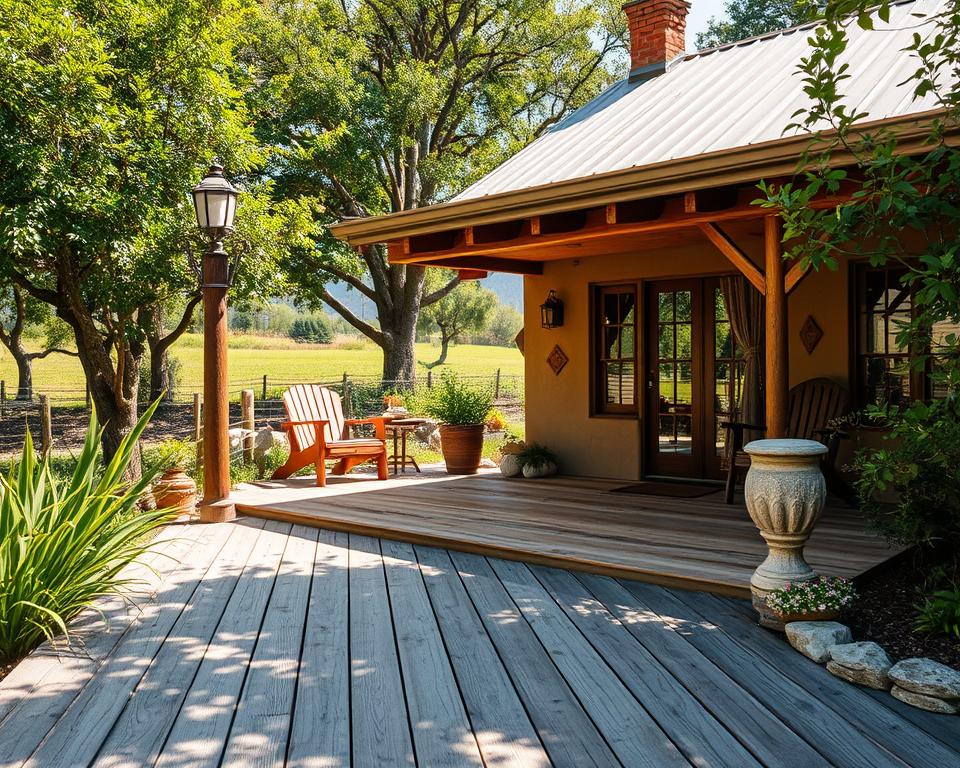
Traditional timber remains the foundation for most structures. Purpose-built wooden construction offers natural beauty and excellent insulation properties. This versatile approach suits various architectural styles.
Quality Materials for a Long-lasting Structure
Roofing selections between felt and tiled options impact durability significantly. Felt provides cost-effective weather protection. Tiles offer enhanced longevity and premium aesthetics for higher-specification builds.
Innovative material approaches demonstrate creative possibilities. Reclaimed wooden pallets provide characterful sustainable construction. Natural materials like branches create organic aesthetics, while mirror cladding produces dramatic visual effects.
Exterior cladding choices influence integration with garden surroundings. Options range from natural wood finishes to painted surfaces. Homeowners can choose traditional tones or bold contemporary statements.
Combining multiple cladding types creates dynamic visual interest. This approach allows for personalisation while maintaining coherent aesthetics. Quality material selection ensures weather resistance and structural integrity.
Finishing touches including trim details and hardware selections contribute significantly. These elements should complement both the summerhouse style and the property’s existing character. Thoughtful choices represent prudent long-term investment.
Multi-functional Uses Across the Seasons
Versatility defines contemporary summerhouses, transforming them into dynamic spaces that evolve with household requirements. These garden buildings serve diverse functions beyond traditional seasonal use.
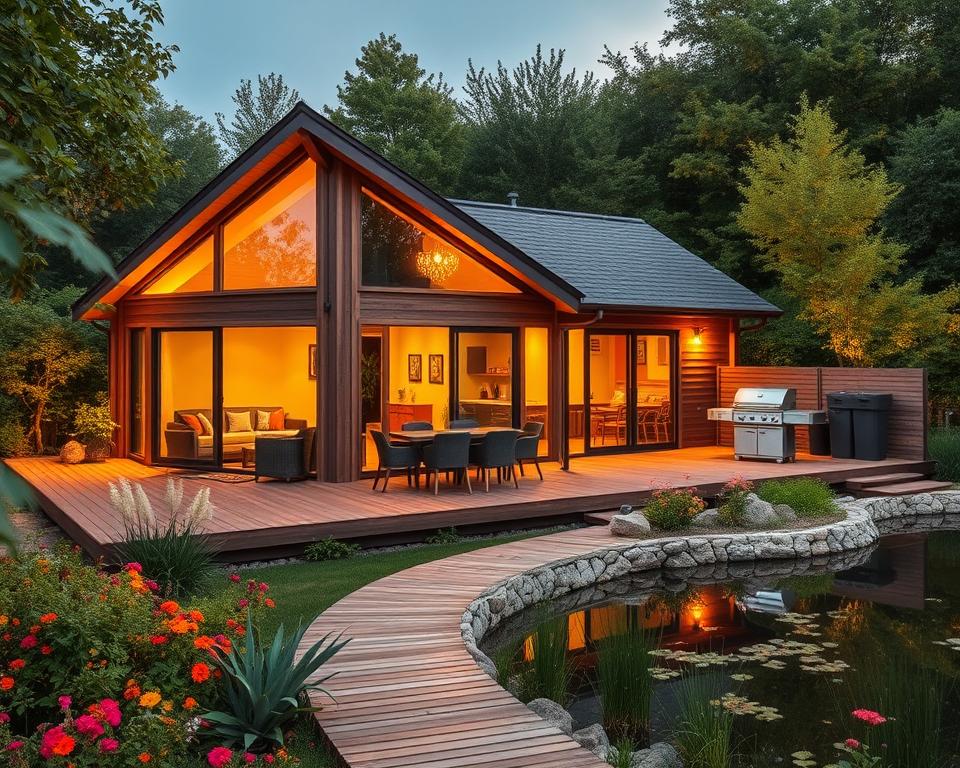
The modern approach treats these structures as adaptable extensions rather than single-purpose rooms. This flexibility ensures year-round value from the investment.
Transforming the Space for Work and Leisure
Many people now utilise their garden room as a dedicated home office. This creates clear separation between professional and domestic life.
The same space can serve creative purposes during evenings and weekends. Art studios, music rooms, and writing spaces benefit from the tranquil garden setting.
Entertainment functions include garden bars and home cinemas. These options provide perfect venues for social gatherings with family and guests.
Flexible Layouts for Year-round Enjoyment
Smart design enables rapid transformation between different uses. Convertible furniture and clever storage solutions facilitate this adaptability.
An office by day can become an entertainment area by evening. Guest accommodation needs are easily accommodated with thoughtful planning.
| Primary Function | Secondary Use | Key Features Required |
|---|---|---|
| Home Office | Creative Studio | Desk space, storage, good lighting |
| Garden Bar | Entertainment Area | Counter space, seating, refrigeration |
| Fitness Zone | Wellness Retreat | Floor space, mirrors, ventilation |
| Guest Room | Hobby Space | Convertible bed, storage, privacy |
This multi-purpose approach ensures the summer house remains valuable as family needs change over time. Proper insulation and heating extend comfortable use throughout the year.
Sustainable Design and Insulation Considerations
Sustainable construction methods are revolutionising how garden buildings perform throughout the changing seasons. These approaches ensure structures remain comfortable regardless of outdoor temperatures.

Eco-friendly Materials and Energy Efficiency
Proper insulation transforms a summer house from seasonal to year-round use. This is vital for home offices where consistent temperatures matter. Sustainable materials like reclaimed timber reduce environmental impact.
Energy efficiency extends beyond insulation to include window glazing and ventilation. These elements work together to maintain comfort while lowering energy costs.
| Material Type | Insulation Value | Environmental Benefit |
|---|---|---|
| Reclaimed timber | High thermal mass | Reduces waste |
| Straw bales | Excellent insulator | Renewable resource |
| Recycled insulation | Superior R-value | Minimises landfill |
| Green roof systems | Natural regulation | Supports biodiversity |
Building regulations now emphasise thermal performance. Quality insulation justifies initial investment through long-term savings. It ensures the space remains comfortable during winter months.
These sustainable approaches create eco-friendly garden buildings that serve homeowners reliably throughout the year.
Positioning Your Summerhouse for Optimal Garden Use
Strategic placement transforms a garden building from a simple addition into a truly integrated feature. It ensures the structure complements the garden without dominating it.
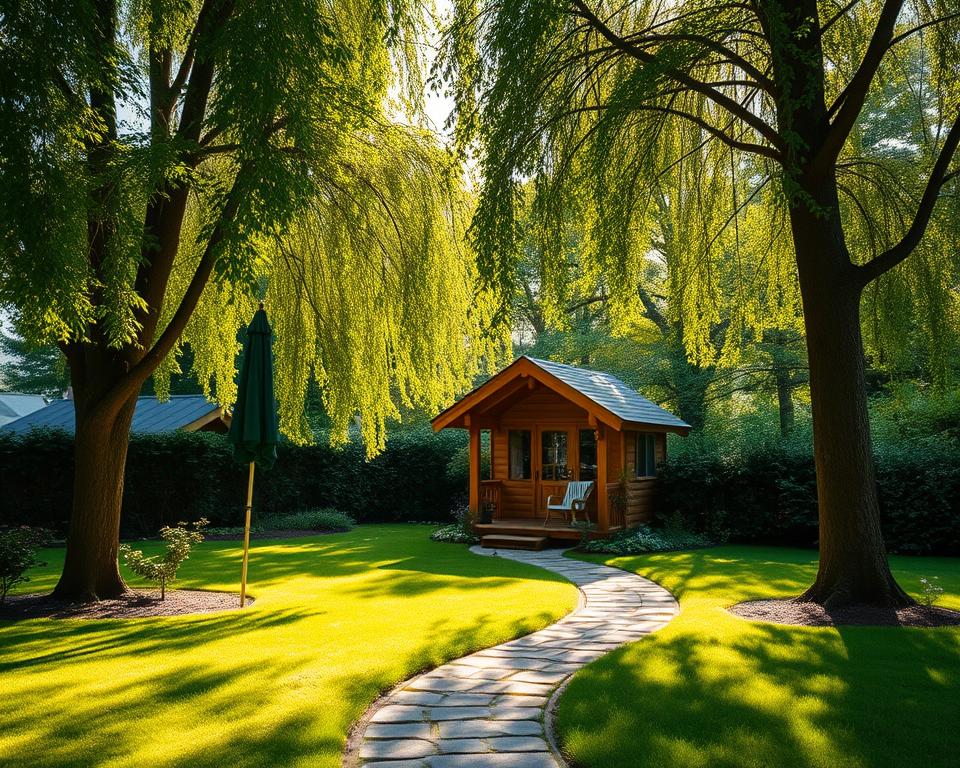
Choosing the ideal spot requires balancing aesthetics, functionality, and practical considerations.
Choosing the Ideal Spot in Your Garden
The far end garden position is often preferred. It creates a secluded sanctuary that feels distinct from the main home. This placement maximises usable lawn area and preserves open views.
Avoiding the centre of the garden prevents the space from feeling cramped. It allows the structure to anchor the landscape rather than divide it.
The best position allows the building to become a destination, not an obstruction.
Maintaining a good distance from the house is crucial. It ensures the summer house becomes its own entity and avoids casting shadows on the main property.
Orientation for natural light is key. Consider the primary use to decide between morning or afternoon sun exposure.
| Placement Location | Primary Benefit | Key Consideration |
|---|---|---|
| End of Garden | Creates seclusion | Longer access path |
| Side of Garden | Easy access from house | Can reduce usable lawn |
| Near Boundary | Efficient use of space | Check planning permission rules |
A well-constructed path is essential. It provides a clear route, protects the lawn, and prevents mud being carried inside.
Most structures do not need planning permission, but it is wise to check with the local council. This is especially true for larger builds or properties in conservation areas.
Consider the garden’s slope and existing features. Level sites are easier, while sloped land might offer better views.
Thoughtful positioning in this way ensures the summer building enhances the garden for years to come.
Creative Interior Styling and Furniture Ideas
Furnishing a garden building allows for a design freedom that is often unattainable within the confines of the primary home. This space becomes a perfect canvas for expressing personal style without the constraints of the main house decor.
Personalising Your Summerhouse Decor
Homeowners can embrace themes they might hesitate to use indoors. A bright, vibrant colour scheme works wonderfully if the room doubles as a playroom for the family.
For a calmer interior, a white-washed Scandinavian theme promotes minimal furniture and a serene atmosphere. Alternatively, a relaxed bohemian finish thrives on mix-and-match items and contrasting textures.

This personalisation should extend to the exterior. Pastel blues or greens can create a marvellous look, moving beyond traditional wooden tones and making the summer house a distinctive garden feature.
Incorporating Storage without Compromise
While a summerhouse serves different purposes to a shed, incorporating storage is often essential. Many gardens lack space for both structures.
The key idea is to keep storage areas completely separate from the living space. If possible, dividing the house into two rooms with an adjoining door is the ideal solution.
This approach allows for storing essential items like lawnmowers while the main interior remains a fabulous, functional retreat. Multi-purpose furniture can also provide discreet storage options.
Enhancing the Outdoor Environment
Thoughtful external design elements elevate a garden building from standalone structure to integrated retreat. The journey to and from the house should be as considered as the destination itself.
Designing Attractive Garden Paths and Lighting
A well-planned path serves both practical and aesthetic purposes. It provides dry access during wet weather while preventing muddy footprints in the lovely garden room.

Material choices should complement the architectural style. Natural stone, gravel, or timber decking create visual continuity with the surroundings. These selections help the structure blend seamlessly into the garden.
Lighting extends usability into evening hours. Subtle ground-level markers ensure safe passage while creating magical atmospheric effects. Uplighting can highlight architectural features of the summer house.
Foundation plantings soften building edges and help integrate the structure. Climbing plants on trellises create natural transitions between manicured and natural areas.
The overall design should create cohesive outdoor environments. This approach ensures the building becomes a focal point without dominating the space. It maintains visual balance throughout the gardens.
Seasonal plantings provide year-round interest around the summerhouse. Evergreen structure, spring bulbs, and autumn colour keep the setting attractive in every season.
Conclusion
Designing a bespoke garden structure involves synthesizing various influences to create a space that serves multiple purposes effectively. Homeowners can cherry-pick elements from different designs to build their perfect vision.
These versatile additions enhance any property, regardless of garden size. They provide valuable extra room that adapts to changing lifestyle needs.
The beauty of these outdoor buildings lies in their customisable nature. They offer practical solutions while adding significant value to any home.
By combining preferred features and personal style, anyone can create the perfect garden retreat. These structures represent achievable enhancements that enrich outdoor living experiences.
FAQ
Do I need planning permission for a large summerhouse?
In many cases, a garden building can be erected under permitted development rights, meaning planning permission is not required. However, specific rules apply regarding its size, height, location on the property, and intended use. It is always advisable to consult with your local planning authority before starting any building work to ensure compliance.
What are the best materials for a long-lasting garden room?
For a durable structure that withstands the British climate, high-quality materials are essential. Pressure-treated timber, such as cedar or redwood, offers excellent natural resistance to rot. Alternatively, modern composite materials and robust uPVC provide low-maintenance options with strong weatherproofing qualities.
How can I make my summerhouse comfortable for year-round use?
To use the space throughout the year, proper insulation is key. Insulating the walls, floor, and roof will retain heat in winter. Incorporating double-glazed windows and a efficient heating solution, such as an electric radiator or underfloor heating, will ensure the room remains a cosy retreat even in colder months.
What interior design styles work well in a summer house?
The design can reflect personal taste, but many opt for a light and airy aesthetic to complement the garden setting. Scandinavian-inspired decor with light woods and neutral tones is popular. A coastal or rustic style also works beautifully, creating a tranquil escape that blends seamlessly with the outdoor environment.
Can a large summerhouse be used as a home office?
Absolutely. A well-insulated and powered garden building makes an ideal home office. It provides a dedicated, quiet space separate from the main house, which can boost productivity. Ensuring a stable internet connection and adequate lighting are important steps for creating a functional workspace.
Where is the best position in the garden for a summerhouse?
The ideal spot maximises natural light and enjoys pleasant views. A south-facing position captures the most sunlight. Consider placing it in a quiet corner for privacy, ensuring it is easily accessible via a garden path. Also, check for any overhanging trees that could drop leaves or block light.