Planting, growing, caring for garden bonsai + species
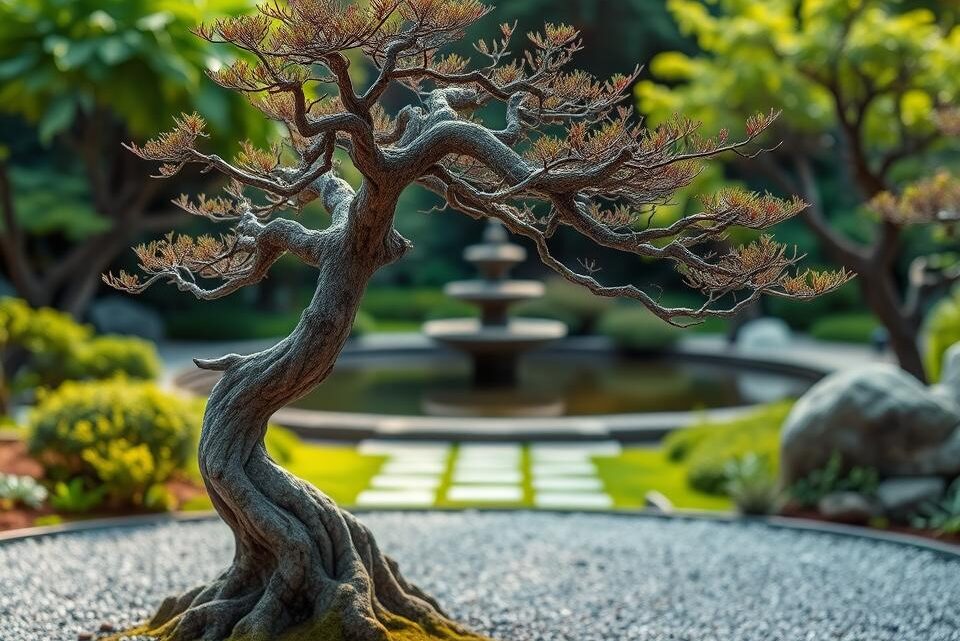
You’ve decided to bring the ancient art of bonsai into your garden, a decision that combines horticultural science with artistic expression. The best time to start was ten years ago, but the second-best time is today.
Outdoor bonsai trees require specific care, different from their indoor counterparts. You need to consider the climate, select the right species, and understand seasonal care routines to help your miniature tree thrive.
This guide will walk you through selecting the right species for your garden conditions and mastering essential maintenance techniques. You’ll learn how different tree species respond to various environments and the differences between cultivating indoor and outdoor bonsai varieties.
Inhaltsverzeichnis
Key Takeaways
- Understand the basics of bonsai care and its artistic significance.
- Learn to select the right tree species for your climate.
- Discover essential maintenance techniques for outdoor bonsai.
- Explore the differences between indoor and outdoor bonsai trees.
- Gain insights into seasonal care routines for your bonsai.
Understanding the Art of Garden Bonsai
The art of garden bonsai is a nuanced practice that requires a deep understanding of the intricate relationship between nature and cultivation. As you embark on this journey, you’ll discover that garden bonsai is not just about growing trees in containers, but about creating a harmonious balance between the natural growth patterns of the tree and your artistic vision.
What Makes Garden Bonsai Different from Indoor Varieties
Garden bonsai differs significantly from indoor bonsai in terms of their environmental requirements. Outdoor bonsai trees need to experience natural seasonal cycles, including winter dormancy periods, to maintain their health and vigour. In contrast, indoor bonsai are typically tropical or subtropical species that thrive in consistent year-round conditions. By embracing the natural rhythm of the seasons, garden bonsai develop unique characteristics that reflect their exposure to changing weather patterns.
As you care for your garden bonsai, you’ll notice that it responds to the changing seasons, offering a dynamic display of growth, dormancy, and renewal. This natural cycle is essential to the tree’s health and is a key aspect of what makes garden bonsai so rewarding.
“A bonsai tree doesn’t always have to be ‘bonsai shaped’. There’s no need to pinch, snip and shorten branches as soon as they start to grow.”
The History and Philosophy Behind Bonsai Cultivation
The art of bonsai originated in China over a thousand years ago and was later refined in Japan, where it evolved into a sophisticated practice that represents the harmony between human intervention and natural growth patterns. Traditional bonsai philosophy emphasizes patience and contemplation, with trees often being cultivated over decades or even centuries, passed down through generations as living works of art.
| Aspect | Garden Bonsai | Indoor Bonsai |
|---|---|---|
| Environmental Requirements | Needs natural seasonal cycles | Requires consistent year-round conditions |
| Species | Temperate species | Tropical or subtropical species |
| Growth Patterns | Reflects natural seasonal changes | Less seasonal variation |
Understanding the core principles of bonsai cultivation helps you appreciate that these miniature trees are not merely decorative objects but living entities that require respect for their natural growth patterns. By embracing this philosophy, you’ll be able to cultivate a deeper connection with your garden bonsai and enjoy the many rewards it has to offer.
Selecting the Right Bonsai Species for Your Garden
The success of your outdoor bonsai depends significantly on selecting a species that is well-suited to your local climate and garden conditions. When choosing a bonsai species, you must consider factors such as temperature, sunlight, and the specific microclimate of your garden.
Climate Considerations for Outdoor Bonsai
Understanding your local climate is crucial when selecting an outdoor bonsai species. Different species have varying levels of tolerance to temperature extremes, humidity, and sunlight exposure. For instance, species like Olive and Pomegranate thrive in Mediterranean climates with plenty of sunlight, while Japanese Maple prefers cooler temperatures and partial shade.

Popular Outdoor Bonsai Species
Several bonsai species are well-suited for outdoor cultivation in various climates. These include deciduous and coniferous trees, each offering unique characteristics and challenges.
Deciduous Trees for Bonsai
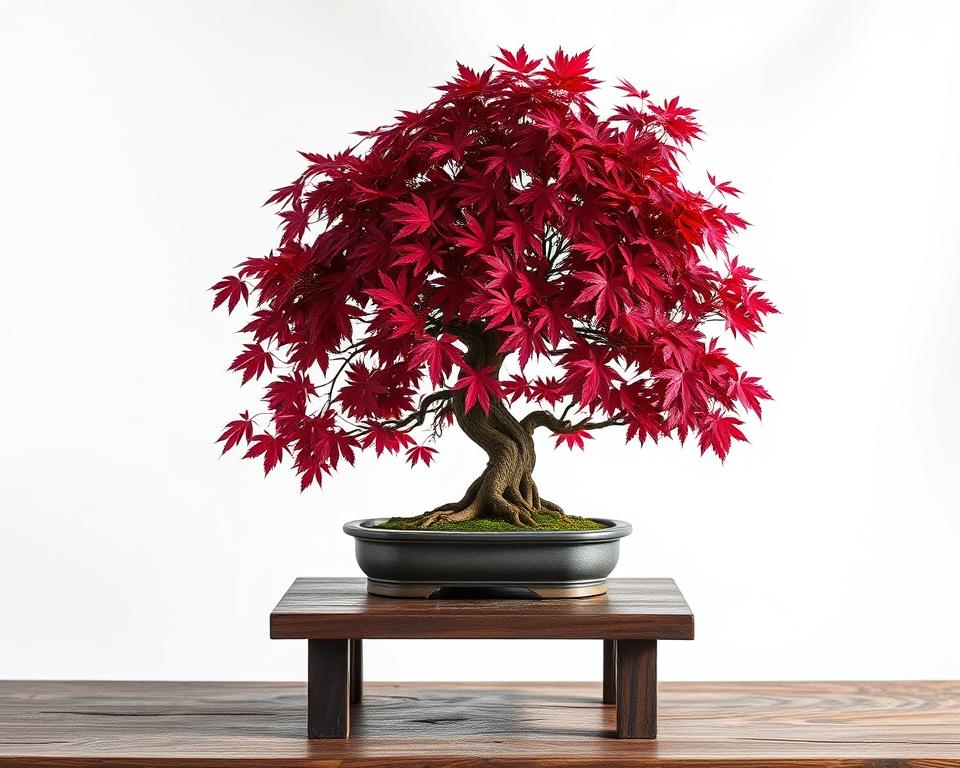
Deciduous trees, such as Japanese Maple (Acer palmatum) and Chinese Elm (Ulmus parvifolia), are popular choices for bonsai. They offer dramatic seasonal changes, with vibrant leaf colours in autumn and interesting branch structures in winter.
Coniferous Trees for Bonsai
Coniferous trees like junipers, pines, and yews are also excellent for outdoor bonsai. They are evergreen, providing year-round foliage, and can be trained to develop impressive, aged appearances.
Matching Species to Your Garden Conditions
Beyond climate, the specific conditions of your garden play a critical role in selecting the right bonsai species. Consider factors such as sun exposure, wind patterns, and ambient humidity. For example, if your garden is exposed to strong winds, a robust species like Chinese Elm may be more suitable than a delicate species like Japanese Maple.
- Assess your local climate and choose species that are naturally adapted to your region’s weather patterns.
- Consider the specific microclimate of your garden, including sun exposure and wind patterns.
- Select species that match your garden’s conditions, ensuring they receive the right amount of sunlight and protection from extreme weather.
By carefully selecting a bonsai species that matches your garden’s conditions, you can enjoy a thriving and beautiful outdoor bonsai that enhances your garden’s aesthetic appeal.
Planting and Growing Garden Bonsai
To successfully cultivate a garden bonsai, you must first understand the fundamentals of planting and growing these unique trees. The art of bonsai cultivation is not just about the tree itself, but also about creating a harmonious balance between the tree, its container, and the surrounding environment.
Choosing the Right Container and Soil Mix
Selecting the appropriate container and soil mix is crucial for the health and aesthetics of your bonsai tree. The container should complement the tree’s shape and size, much like a frame enhances a picture.
Creating the Perfect Bonsai Soil Mixture
A good bonsai soil mixture should retain moisture but also drain well. You can create your own mix using two parts peat-substitute potting compost, two parts lime-free alpine grit, and one part John Innes No 3 (or more potting compost for ericaceous plants).
Selecting Appropriate Bonsai Containers
When choosing a container, consider the size, material, and colour. The pot should be shallow to encourage the development of fine surface roots and should harmonise with the tree’s design.

Planting Techniques for Garden Bonsai
Proper root preparation is essential when planting a bonsai tree. Carefully trim and arrange the roots before securing the tree in its container with wire to prevent movement during the establishment period.
Positioning Your Bonsai in the Garden
Positioning your garden bonsai requires careful consideration of each species’ light requirements. Most outdoor varieties need at least several hours of direct sunlight daily to maintain compact growth and healthy foliage.
Seasonal Growth Patterns
Understanding seasonal growth patterns allows you to work with your bonsai’s natural rhythms. Spring typically brings vigorous new growth that requires regular pruning to maintain the desired shape.
By carefully selecting the right container and soil mix, employing proper planting techniques, and positioning your bonsai correctly, you can ensure the healthy growth and development of your garden bonsai.
Essential Care and Maintenance for Garden Bonsai
To keep your garden bonsai thriving, it’s crucial to understand the essentials of its care and maintenance. A well-cared-for bonsai tree not only enhances the beauty of your garden but also reflects your dedication and patience.
Watering Requirements Throughout the Seasons
Watering is perhaps the most critical aspect of bonsai care, requiring careful observation rather than following a fixed schedule. Your bonsai’s watering needs will vary dramatically with the seasons, weather conditions, and individual species requirements. During hot summer months, garden bonsai may require watering twice daily, while in winter, the same tree might need water only once every few days.
Learning to assess soil moisture by weight and appearance is an essential skill for every bonsai enthusiast. Never water on a routine; instead, monitor your tree and only water when needed. This could be once in three days or several times a day, depending on the weather, species, and size of your bonsai tree.
Fertilising Your Outdoor Bonsai
Fertilising your outdoor bonsai requires a balanced approach. Most species benefit from regular applications of diluted liquid fertiliser during the growing season and reduced feeding during dormant periods. A slow-release balanced fertiliser can be added when re-potting, followed by a balanced liquid feed at the recommended low dose once every two weeks during the growing season.
Overfeeding can result in excessive growth prone to pests and diseases, so it’s essential to strike the right balance. Your bonsai tree needs nutrients to grow, but these must be provided in a controlled manner.
Pruning and Training Techniques
Pruning techniques for garden bonsai vary between maintenance pruning, which involves removing unwanted growth to maintain shape, and structural pruning, which makes significant cuts to develop the tree’s basic form and branch structure. Branch pruning focuses on creating the desired silhouette and internal structure, guided by both aesthetic principles and the tree’s natural growth patterns.
Branch Pruning for Shape and Form
Branch pruning is an art that requires patience and understanding of your bonsai tree’s growth habits. By carefully selecting which branches to remove or shorten, you can enhance the overall appearance of your bonsai.
Wiring and Training Methods
Wiring allows you to guide branches into positions they wouldn’t naturally assume. Aluminium or copper wire is carefully wrapped around branches and left in place until the wood hardens in the desired position. This technique is crucial for creating the intricate shapes characteristic of bonsai trees.
Root Pruning and Repotting
Root pruning and repotting are essential maintenance tasks that rejuvenate your bonsai by removing circling roots, refreshing the growing medium, and encouraging the development of fine feeder roots that improve nutrient uptake. These tasks should be carried out at two- or three-year intervals, depending on the species and growth rate of your bonsai tree.
For slow-growing trees like pines, root pruning is needed every three-to-five years, while rapid-growing trees like birch require annual attention. By understanding and implementing these care techniques, you can ensure your garden bonsai remains healthy and thrives.
Protecting and Troubleshooting Garden Bonsai
The key to a thriving garden bonsai lies in understanding and mitigating the risks associated with seasonal changes. As the seasons shift, your bonsai’s needs change, requiring careful attention to protection and maintenance.
During the winter months, it’s crucial to shield your bonsai from harsh winds and extreme temperatures. Placing your trees in cold frames or sheltered areas can provide the necessary protection. Even hardy varieties can become vulnerable when grown in shallow containers, making winter frost protection particularly important.
As spring arrives, new growth emerges, and your bonsai becomes susceptible to late frosts and pests. Regular inspection and proper air circulation can help control common pests like aphids and spider mites. Maintaining adequate humidity around your bonsai during hot, dry periods is also vital, using techniques like humidity trays and misting.
Summer heat can quickly dry out bonsai soil, making consistent moisture monitoring essential. Most bonsai trees need sunlight for at least a few hours a day to maintain compact growth and healthy foliage. In autumn, prepare your bonsai for winter dormancy by reducing watering and fertilisation.
By understanding these seasonal challenges and taking proactive steps, you can ensure your garden bonsai remains healthy and visually appealing throughout the year. Regular care and attention to detail are key to enjoying the beauty of your bonsai for years to come.
FAQ
What are the ideal conditions for outdoor bonsai trees?
Outdoor bonsai trees require a location with sufficient sunlight and humidity. Ensure your tree receives the right amount of water and is protected from extreme temperatures.
How often should I water my outdoor bonsai tree?
The frequency of watering depends on the tree species, soil mix, and climate. Check the soil moisture daily, and adjust your watering schedule accordingly.
What is the best way to fertilise my outdoor bonsai tree?
Use a balanced, water-soluble fertiliser during the growing season. You can also consider using organic fertilisers like compost or manure tea to provide nutrients.
How do I protect my outdoor bonsai tree from pests?
Regularly inspect your tree for pests like insects or diseases. Use organic pest control methods whenever possible, and consider applying insecticidal soap or neem oil as needed.
Can I keep my outdoor bonsai tree in the same pot forever?
No, root pruning and repotting are essential for maintaining the health of your bonsai tree. Typically, you should repot your tree every 2-5 years, depending on the tree’s growth rate and root development.
How do I prune my outdoor bonsai tree?
Prune your bonsai tree regularly to maintain its shape and promote healthy growth. Use sharp pruning tools, and remove any dead or damaged branches to prevent disease.
What are the benefits of using a wire to shape my bonsai tree?
Using wire allows you to shape and train your bonsai tree’s branches and trunk. This technique helps create the desired shape and promotes a balanced structure.
How can I protect my outdoor bonsai tree from extreme weather conditions?
Provide protection from extreme temperatures, wind, and sunlight by using shade cloth, windbreaks, or mulching. Bring your tree to a sheltered location during harsh weather conditions if possible.