Questions to Consider Before Installing Garden Building Electricity

Adding electrical power to an outdoor structure transforms it from basic storage into a fully functional living area. Many homeowners now see their garden buildings as valuable extensions of their main property. These spaces can serve as offices, gyms, studios, or guest accommodation with the right setup.
The trend of utilising outdoor structures has grown significantly, particularly with the rise of remote work. A well-equipped garden room offers a peaceful retreat while maintaining all modern comforts. However, electrical installation requires careful planning and professional expertise.
This is not a simple DIY project that homeowners should undertake lightly. It demands adherence to UK safety regulations and proper technical knowledge. The process involves considering regulatory compliance, working with qualified electricians, selecting appropriate components, and managing budgets effectively.
This guide serves as a practical resource for anyone contemplating this upgrade. It provides essential information to help make informed decisions about creating a safe, functional outdoor space.
Inhaltsverzeichnis
Key Takeaways
- Electrical installation transforms basic garden structures into versatile living spaces
- Proper planning is essential for safety and functionality
- Professional expertise ensures compliance with UK regulations
- Consider the intended use of the space when planning electrical needs
- Budgeting should include both installation and ongoing costs
- Remote work trends have increased demand for powered garden buildings
- Safety standards must be prioritised throughout the process
Understanding the Importance of Garden Building Electricity
Power connectivity turns a basic garden structure into a multi-functional space for work and leisure. Without proper electrical installation, these outdoor rooms remain limited in their potential. The addition of electricity unlocks significant functionality that transforms simple sheds into valuable extensions of the home.
Modern garden offices require reliable power for computers, printers, and internet connectivity. Home gyms need electricity for equipment operation and proper lighting. Entertainment spaces benefit from audio-visual systems and climate control. Even basic lighting extends usability into evening hours.
Planning electrical requirements during the design phase is crucial. Retrospective installation proves more complicated and expensive. Proper foresight ensures the space meets all intended needs from the start.
| Feature | With Electricity | Without Electricity |
|---|---|---|
| Lighting | Full illumination for evening use | Limited to daylight hours |
| Heating | Year-round comfort | Seasonal limitations |
| Technology | Computers, Wi-Fi, devices | Manual operations only |
| Appliance Use | Refrigeration, kitchen tools | No powered appliances |
The right electrical setup makes any garden room a comfortable, year-round space. It genuinely extends the home’s living area with full functionality. Proper planning ensures the space delivers its full potential as a versatile, practical extension.
Planning Your Garden Building Electricity Installation
When preparing for electrical work in a garden room, homeowners must address both internal and external power requirements. The process involves planning the wiring for sockets and switches inside the structure, plus establishing a safe supply connection from the main property.
Wiring and Cable Options
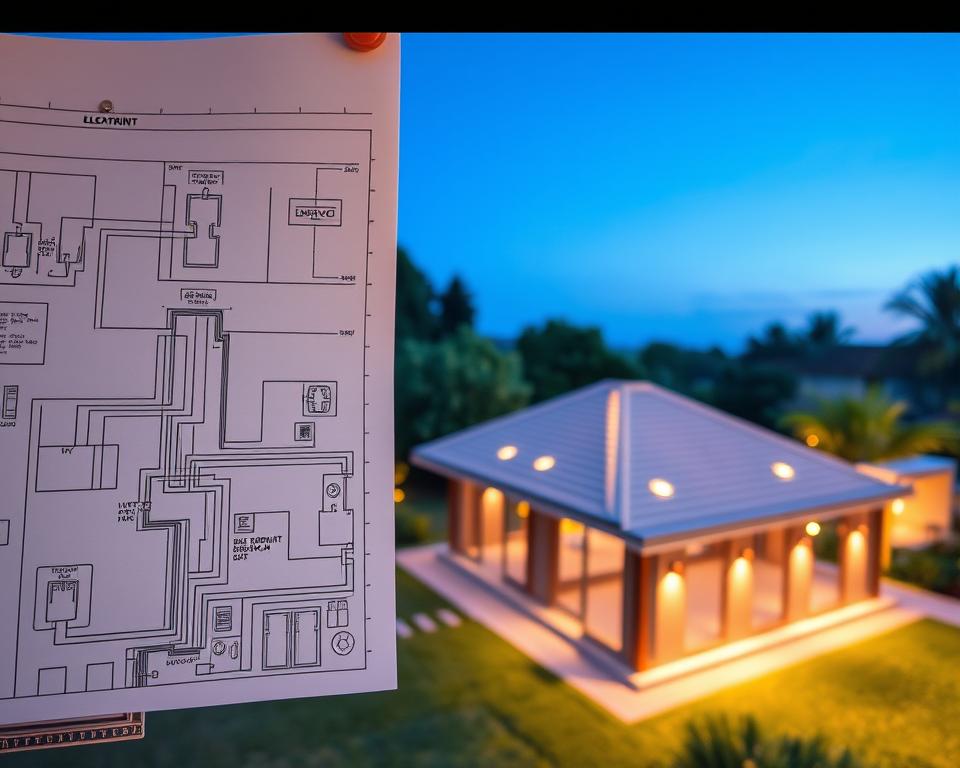
Selecting the right cable is crucial for safety and performance. For basic needs with runs under 50 metres, a 6mm 3-core armoured cable typically suffices. This handles standard lighting and power outlets effectively.
Higher energy demands require upgraded specifications. Underfloor heating, professional equipment, or longer distances exceeding 50 metres need a 10mm 3-core armoured cable. A 32A 30mA RCD protected supply offers optimal protection for most garden installations.
Consumer Unit and Electrical Pack Considerations
Every garden room requires its own consumer unit (fuse box). This dedicated unit must match the specifications of the main house electrical board. Proper planning ensures the system remains safe and future-proof.
Assessing specific power needs helps homeowners communicate effectively with electricians. Considering cable routes and capacity requirements from the outset prevents complications during the installation process.
Questions to Consider Before Installing Garden Building Electricity
A systematic approach to electrical planning helps homeowners create a space that truly meets their lifestyle requirements. It prevents costly changes later and ensures the final installation delivers maximum value.

Homeowners should begin by listing all intended uses and equipment. This includes lighting, heating, office gear, kitchen appliances, or fitness machinery. Each item has specific power demands that influence the overall system design.
Spatial arrangement deserves careful thought. Mapping out furniture placement helps determine optimal socket and switch locations. This foresight prevents inconvenient layouts and potential safety hazards.
Future expansion possibilities should influence the initial design. An electrical system with spare capacity accommodates new equipment without expensive upgrades. This forward-thinking approach provides long-term value.
| Planning Aspect | Well-Planned Approach | Poorly-Planned Approach |
|---|---|---|
| Socket Placement | Strategic locations based on usage | Random placement causing inconvenience |
| Circuit Capacity | Ample capacity for future needs | Frequent overloads and tripping |
| Safety Features | Proper protection integrated | Basic compliance only |
| Cost Efficiency | Long-term savings | Frequent modifications needed |
Timing coordination proves crucial for smooth project execution. Engaging a professional early allows proper scheduling around construction phases. This prevents delays and ensures electrical work happens at the optimal stage.
Budget assessment should include both installation and potential DIY contributions. Understanding cost variables helps homeowners make informed decisions about where to invest for best results.
Assessing Electrical Safety and UK Regulations
Understanding legal requirements protects homeowners from serious safety and financial risks. Outdoor electrical installations face unique challenges that demand strict compliance with national standards.
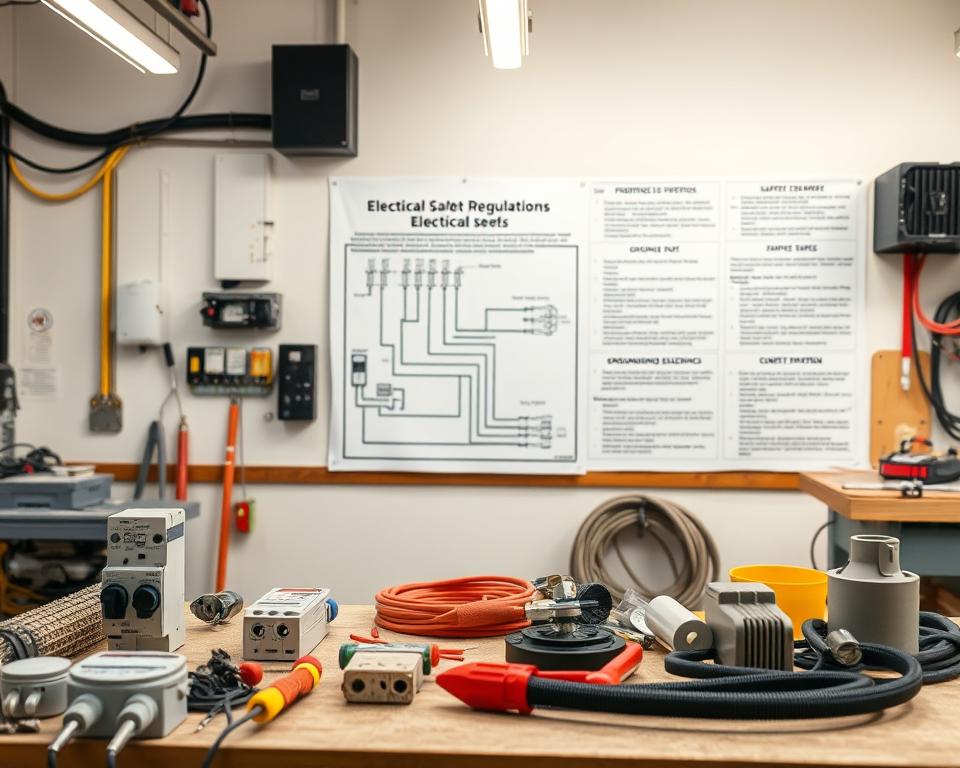
Proper adherence to regulations ensures all electrical work meets mandatory safety benchmarks. This protects both property and occupants from potential hazards.
Compliance with Part P and BS 7671
In England and Wales, garden building electricity falls under Part P of the Building Regulations. This requires major installations to be completed by competent professionals.
Registered electricians with NICEIC, ELECSA or NAPIT certification ensure proper electrical safety. They follow BS 7671 Wiring Regulations for all technical specifications.
Scotland maintains equivalent standards under Scottish Building Standards. All regions require BS 7671 compliance for safe installation practices.
| Aspect | Compliant Approach | Non-Compliant Risk |
|---|---|---|
| Professional Certification | Registered electrician completes work | Potential fines up to £5,000 |
| Safety Standards | BS 7671 compliance ensured | Fire and shock hazards |
| Documentation | Certificate of Work provided | Insurance and sale complications |
| Weather Protection | Proper damp and weather proofing | Damage from outdoor elements |
Outdoor electrical safety faces added risks from damp conditions and garden tools. Unqualified installations can lead to dangerous situations in some cases.
Homeowners must obtain a Certificate of Work upon completion. This document serves as legal proof of compliance and becomes essential during property transactions.
Working with a Qualified Electrician
The expertise of a certified electrical professional makes all the difference in creating a reliable power supply for garden rooms. Choosing the right specialist ensures safety compliance and quality results.

Homeowners should prioritise finding a registered qualified electrician with proper credentials. This selection process requires careful consideration of several key factors.
Importance of Certification
Certification bodies like NICEIC, ELECSA, and NAPIT provide essential validation of an electrician’s competence. Registered professionals can self-certify their work, eliminating the need for separate local authority inspections.
This saves both time and additional fees while ensuring full regulatory compliance. Homeowners gain peace of mind knowing their installation meets the highest safety standards.
Coordinating Installation Timelines
Effective scheduling prevents project delays and ensures smooth progress. Engaging an electrician early allows proper coordination with construction phases.
The structure should be ready with foundations and panels installed before electrical work begins. Most installations require half to a full day depending on complexity.
| Selection Factor | Certified Electrician | Non-Certified Practitioner |
|---|---|---|
| Regulatory Compliance | Self-certification capability | Separate inspections required |
| Safety Assurance | Verified training and standards | Unverified competence level |
| Project Timeline | Efficient scheduling | Potential delays |
| Long-term Value | Quality guarantee | Uncertain durability |
Clear communication about intended usage helps the professional design an optimal system. Detailed quotes should itemise all costs for informed decision-making.
Seeking recommendations and checking reviews provides valuable insight into an electrician’s experience and reliability. This due diligence ensures homeowners select the best qualified electrician for their specific needs.
Selecting Suitable Electrical Components for Your Garden
Electrical packs provide a comprehensive solution for powering outdoor structures with professional-grade components. These pre-configured systems include sockets, switches, and lighting circuits designed specifically for garden buildings. They must be installed during construction as retrofitting proves impractical.
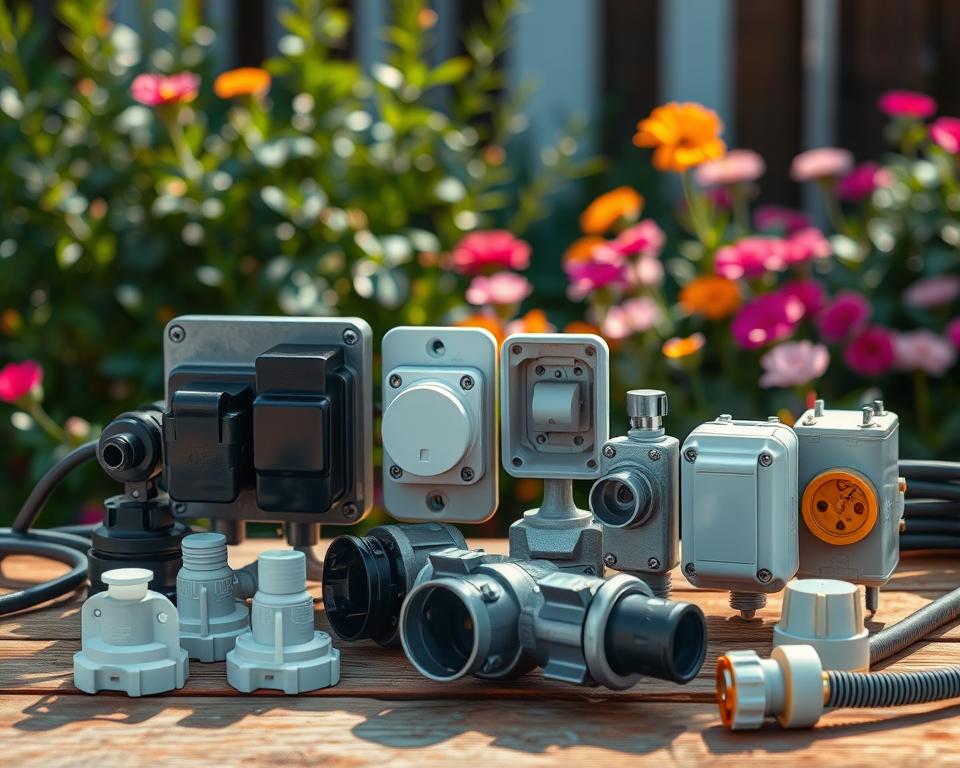
All electrical fittings should carry IP ratings for moisture resistance. This protection ensures durability in damp outdoor environments. Homeowners gain peace of mind knowing their setup meets safety standards.
Planning socket placement requires considering furniture layout and equipment needs. Sketching the room’s design helps visualise optimal outlet positions. This foresight prevents inconvenient arrangements later.
Lighting options should combine overhead illumination with task lighting for work areas. Ambient lights create relaxing atmospheres for leisure use. A balanced approach delivers both functionality and comfort.
Specialised requirements like underfloor heating need dedicated circuits. High-draw appliances demand consistent power supplies. Discussing these features with electricians ensures adequate capacity.
Integration possibilities extend to controlling outdoor lighting from the garden room. Security systems and smart home connectivity can enhance the setup. Comprehensive planning during design phase delivers maximum value.
Trench Digging and Cable Installation Essentials
Establishing a safe underground power route requires careful trench preparation and cable selection. This critical phase ensures reliable electricity delivery to your outdoor space while meeting safety standards.

Trench Depth and Preparation Techniques
Homeowners must dig trench routes measuring 450-600mm deep, with 600mm being the recommended standard. This depth protects against accidental damage from gardening activities.
Proper preparation begins with route planning using spray paint or string markers. Selecting paths that minimise disruption to established garden features proves essential. Consistent depth maintenance throughout the excavation prevents future issues.
Armoured Cable Installation and Safety
Steel Wire Armoured (cable) provides robust protection against weather, roots, and accidental strikes. Qualified electricians lay this specialised cable in the prepared trench, ensuring proper bedding.
Surface mounting along fences offers an alternative where burial proves impractical. However, this method provides less protection than underground installation. The trench digging process represents a significant cost component, making DIY preparation a valuable cost-saving opportunity.
Cost Considerations and Budgeting for Your Installation
Budgeting accurately for an electrical connection to an outdoor structure is a vital step. The final cost depends heavily on the specific requirements of the project and the existing conditions.

A basic setup for a small shed near the house typically falls within a range of £600 to £900. This option usually includes minimal lighting and a couple of sockets.
For a more comprehensive installation, such as a garden office, costs increase. A mid-range setup with multiple circuits and a longer cable run may cost between £1,000 and £1,500.
Labour, Materials and Certification Expenses
Hiring a qualified electrician is a significant part of the budget. Their expertise ensures safety and compliance. The fees reflect the skill required for a proper installation.
Material costs vary. A longer cable run to a distant shed requires more armoured cable. More sockets and dedicated circuits also increase material expenses.
Certification is included in a registered electrician’s quote. This self-certification avoids costly local authority inspections. It provides essential paperwork for insurance and future property sales.
| Cost Factor | Basic Setup | Mid-Range Setup | High-Spec Setup |
|---|---|---|---|
| Typical Price Range | £600 – £900 | £1,000 – £1,500 | £1,500 – £3,000+ |
| Cable Run Length | Short | Medium | Long |
| Number of Circuits | Few | Multiple | Many |
| Example Use | Storage shed | Workshop | Office/Gym |
Homeowners should also budget for potential extras. An outdated main fuse box at the house might need upgrading. This ensures the electrical system can handle the new load safely.
Tips for DIY Tasks to Reduce Installation Costs
Strategic DIY involvement presents a practical approach for reducing electrical installation costs while maintaining professional standards. Homeowners can undertake specific preparatory tasks that significantly lower labour charges without compromising safety.
The most substantial cost-saving opportunity involves trench preparation. Excavating the required 450-600mm deep trench represents considerable labour expense that homeowners can eliminate through their own efforts. This groundwork allows the electrician to focus exclusively on technical installation.

Additional preparatory tasks include clearing cable routes and ensuring unobstructed access to both the main consumer unit and the garden building. Proper coordination with the electrical professional ensures all preparatory work meets exact specifications.
| Task Type | Suitable for DIY | Requires Electrician |
|---|
Homeowners should discuss their willingness to undertake preparatory work during the quotation process. This enables accurate pricing that reflects reduced labour requirements. Completing groundwork in advance allows immediate commencement of technical work.
All electrical connections, circuit design, and certification must remain exclusively within the qualified electrician’s scope. This clear division ensures full regulatory compliance and long-term safety for the garden building installation.
Integrating Lighting and Appliance Setups in Your Garden Building
The strategic placement of lights and sockets significantly impacts the usability of an outdoor room. A well-planned setup ensures the space functions efficiently for its intended purpose.
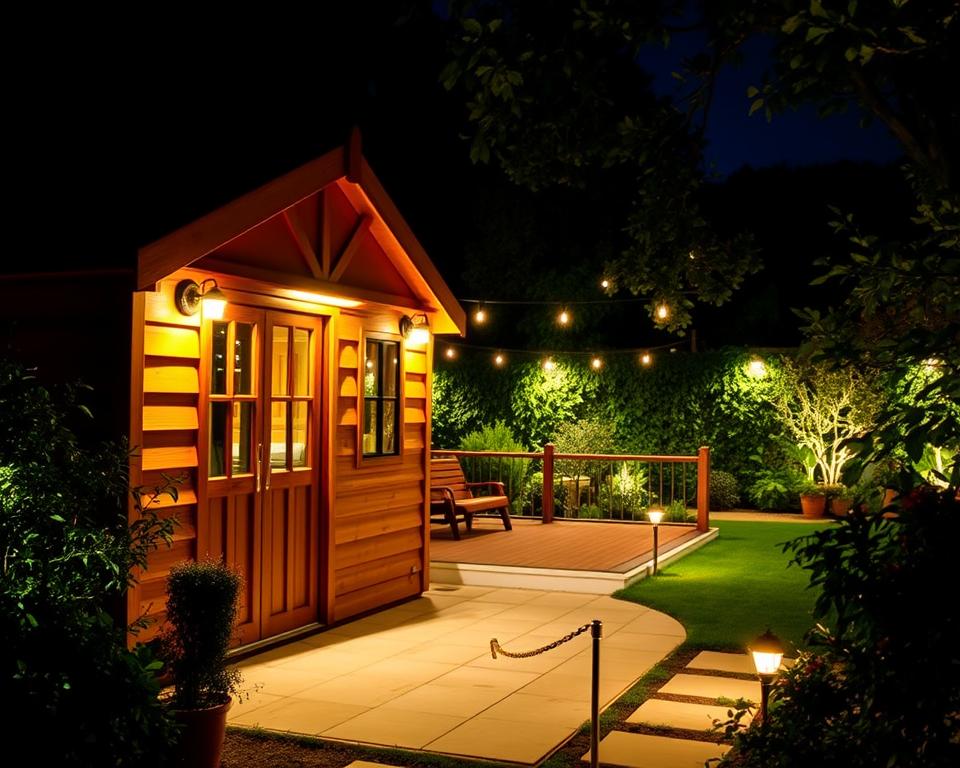
Lighting design should incorporate multiple layers. Overhead illumination provides general visibility throughout the room. Task lighting focuses on specific work areas like desks or kitchen counters. Ambient lighting creates a comfortable atmosphere for relaxation.
Heating options range from electric radiators to underfloor systems. Each choice affects the overall power requirements. Connectivity needs include dedicated circuits for Wi-Fi boosters and networking equipment.
Office equipment demands reliable electricity for computers, printers, and monitors. Specialised appliances may require higher capacity circuits. Providing electricians with a comprehensive equipment list helps them calculate loads accurately.
All electrical fittings should carry appropriate IP ratings for moisture protection. This ensures durability in the garden environment. Planning for future expansion prevents costly upgrades later.
A thoughtful approach to integrating these systems creates a truly functional space. It balances immediate needs with long-term flexibility.
Adapting Your Garden Building for Multifunctional Use
Modern garden buildings evolve beyond single-use limitations through thoughtful electrical integration. This approach creates spaces that serve diverse household requirements throughout the day and seasons.

A well-electrified garden room offers remarkable versatility. It can function as a productive garden office during work hours, then transform into an entertainment area or relaxation zone afterwards. The same space accommodates fitness equipment, creative projects, or guest accommodation as needs change.
Comprehensive electrical systems ensure year-round comfort. Proper heating, lighting, and power supply make these rooms usable regardless of weather conditions. This transforms seasonal structures into genuine extensions of the home’s living area.
For garden office setups, reliable electricity supports technology and connectivity. Adequate lighting maintains productivity, while climate control ensures comfortable working conditions. These features enable professional work standards in a peaceful outdoor setting.
Investing in quality electrical infrastructure during construction proves cost-effective. It prevents expensive upgrades when requirements expand. This forward-thinking approach adds significant property value while supporting changing lifestyle needs over time.
Conclusion
Proper electrical integration ensures your garden room becomes a versatile, year-round asset to your home. This upgrade transforms a basic structure into a comfortable space for work, leisure, or fitness. The investment in a safe and compliant electrical supply is fundamental to unlocking this potential.
Engaging a qualified electrician guarantees that all electrical work adheres to UK regulations. They ensure the correct consumer unit and cable are used for a safe installation. Homeowners can contribute by preparing the cable run trench, but the core work must be done by a professional.
A well-executed setup provides ample lighting and sockets tailored to your needs. It powers essential features like heating, making the room usable in all weather. This careful planning protects your home and investment.
For those who would like to get electricity to their shed or office, consulting an expert is the wisest first step. Their experience ensures a seamless process from start to finish.
FAQ
Why is it important to have a proper electrical installation in a garden building?
A correct electrical installation ensures safety from shocks and fires. It also allows the building to be a functional space, whether used as an office, gym, or studio.
What should be considered when planning the electrical setup for a garden room?
Homeowners should think about the intended use of the space. This determines the number of sockets, lighting requirements, and whether high-power appliances like heaters are needed.
Is it necessary to hire a qualified electrician for the installation?
A> Yes. Electrical work must comply with Part P building regulations. A certified electrician registered with a competent person scheme like NICEIC or ELECSA will ensure the installation is safe and legal.
What type of cable is required to supply electricity to a garden building?
An armoured cable is typically used for underground supplies. It is designed to be buried and offers protection against moisture, corrosion, and physical damage.
How deep should a trench be for burying the electrical cable?
The trench should be a minimum of 450mm deep. It is often recommended to lay warning tape above the cable to alert anyone digging in the area.
What are the key cost factors for a garden building electrical installation?
The main costs include labour for the electrician, materials like the consumer unit and cable, and certification fees. The distance from the house and complexity of the setup also affect the price.
Can any DIY tasks help reduce the overall installation cost?
Homeowners can often undertake preparatory work, such as digging the trench to the correct specifications. However, all electrical connections and testing must be completed by a qualified professional.
How can the electrical setup support multifunctional use of a garden building?
A> A well-planned system with ample sockets and dedicated circuits allows for flexibility. It can easily support a combination of office equipment, lighting, and entertainment systems.