Should I buy a Glass or Polycarbonate Greenhouse?
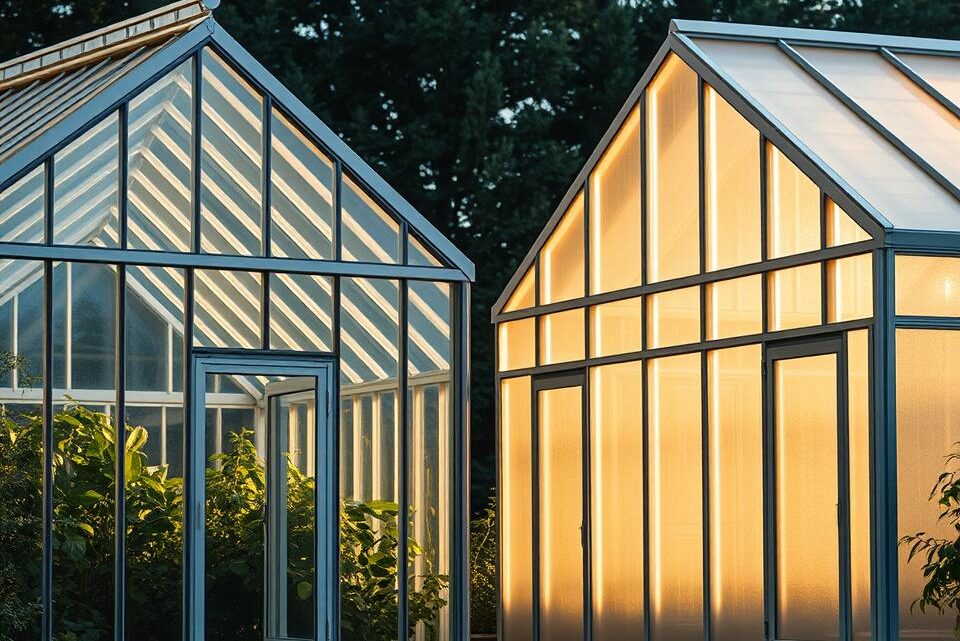
Choosing the right material for a garden greenhouse represents a significant decision for any gardener. This choice determines the growing environment’s success and influences long-term satisfaction. The glazing material acts as the structure’s skin, controlling light, heat, and protection.
For centuries, glass has been the traditional choice, prized for its clarity and excellent light transmission. It creates a classic aesthetic many gardeners favour. However, modern technology offers a robust alternative in polycarbonate. This material provides superior insulation and better light diffusion.
Each option presents a unique set of advantages and limitations. These differences affect plant health, maintenance needs, and the initial financial outlay. The ideal selection depends on personal circumstances, local climate, and specific gardening ambitions.
Inhaltsverzeichnis
Key Takeaways
- The selection of glazing material is a pivotal decision that shapes the entire growing environment.
- Glass is the traditional option, offering maximum light clarity and a timeless appearance.
- Polycarbonate is a modern alternative known for its durability and excellent insulating properties.
- Factors like weather resilience, heat retention, and installation complexity must be evaluated.
- The ultimate choice should align with individual gardening goals, budget, and local climate conditions.
Overview of Greenhouse Glazing Materials
Greenhouse performance hinges significantly on the choice of transparent or translucent covering materials. These elements serve as the primary barrier between external conditions and the internal environment.
Understanding the Role of Glazing in Greenhouses
Glazing materials function as the essential interface in any protected growing structure. They control light penetration for photosynthesis while managing heat retention. This delicate balance supports plant development throughout seasonal changes.
The selection of appropriate glazing directly impacts temperature regulation. Effective materials trap solar radiation efficiently, creating stable conditions for cultivation. They also provide necessary protection from weather extremes.
Historical and Modern Perspectives
For generations, traditional glass dominated greenhouse construction. Its clarity and light transmission properties made it the preferred choice. This material established standards for optical performance.
Contemporary developments introduced alternatives like polycarbonate panels. These modern options address limitations of earlier materials. They offer enhanced durability and improved thermal efficiency for today’s gardening needs.
The evolution of glazing technologies provides gardeners with diverse options. Each material presents distinct advantages for specific applications and climates.
Benefits and Limitations of Glass Greenhouses
The selection of glass as a glazing material brings both notable advantages and specific considerations for greenhouse owners. This traditional option continues to appeal to gardeners who value clarity and classic aesthetics.
Visual Appeal and High Light Transmission
Glass panels provide crystal-clear transparency that creates an unobstructed view of plants. This material offers excellent light transmission rates essential for healthy growth.
High-quality greenhouse glass maintains its clarity for decades without yellowing. The material represents a natural, recyclable resource that can be sourced sustainably.

Challenges with Fragility and Insulation
Glass presents significant fragility concerns, being susceptible to shattering from impacts or severe weather. Single-pane options offer minimal insulation properties, leading to rapid heat loss.
The material’s considerable weight requires robust framing and often professional installation. Glass surfaces need regular cleaning to maintain optimal performance and appearance.
Direct sunlight can create hotspots without proper diffusion, potentially harming sensitive plants. These factors contribute to the overall maintenance requirements of glass structures.
Advantages and Considerations for Polycarbonate Greenhouses
The evolution of greenhouse glazing has introduced polycarbonate panels as a durable and efficient solution. This modern material offers distinct benefits that address specific gardening challenges.
Superior Insulation and Heat Retention
Multi-wall construction creates insulating air pockets within polycarbonate sheets. These pockets trap heat effectively, maintaining stable temperatures.
This superior insulation reduces energy costs during colder months. It supports year-round cultivation of temperature-sensitive plants.
Durability, Safety and Low Maintenance
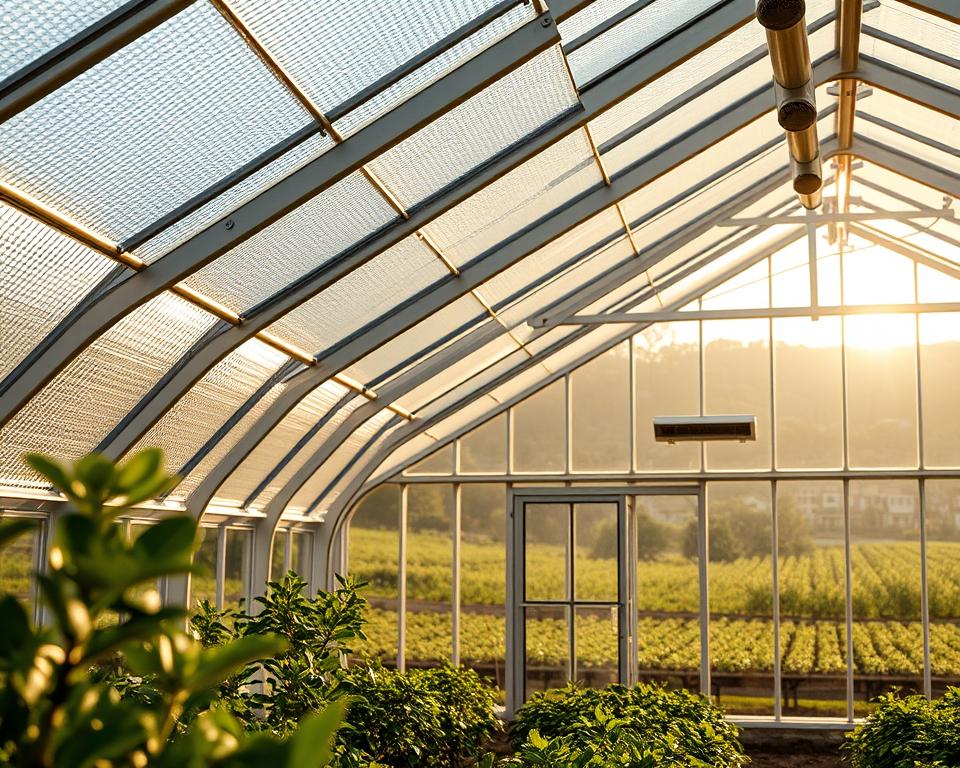
Polycarbonate panels demonstrate exceptional impact resistance. They withstand severe weather conditions that would shatter traditional materials.
The material’s shatter-resistant properties enhance safety in family gardens. It requires minimal maintenance compared to other options.
| Feature | Polycarbonate Advantage | Practical Benefit |
|---|---|---|
| Thermal Insulation | Multi-wall air pockets | Reduced heating costs |
| Light Diffusion | Even distribution | Uniform plant growth |
| Impact Resistance | Virtually indestructible | Long-term durability |
| UV Protection | Built-in blocking | Healthier plants |
| Weight | Lightweight sheets | Easy DIY installation |
Light diffusion properties scatter sunlight evenly throughout the space. This prevents hotspots and promotes consistent plant growth.
Over time, proper installation prevents dust accumulation between layers. The material’s longevity typically spans 10-25 years with appropriate care.
Should I buy a Glass or Polycarbonate Greenhouse?
Optimal plant development depends heavily on the protective material chosen for cultivation spaces. The decision involves weighing multiple factors that impact both immediate results and future satisfaction.
Key Factors to Consider for Your Garden
Gardening experience significantly influences the ideal choice. Novice growers often benefit from materials offering better durability and thermal performance. Local weather conditions also play a crucial role in determining suitability.
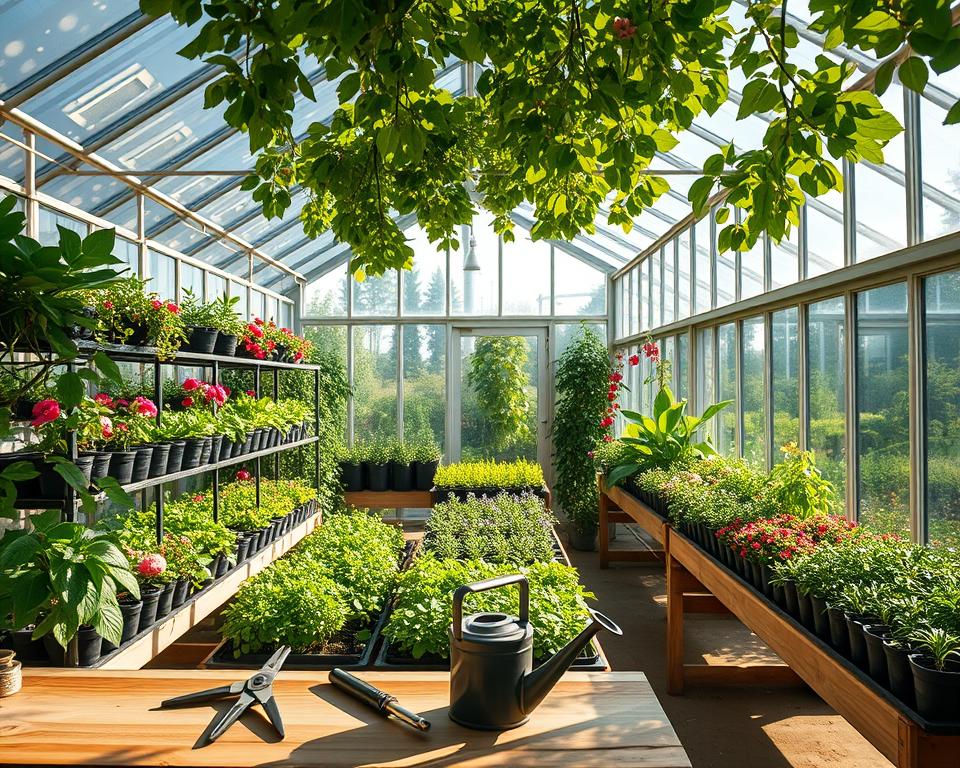
The intended use of the structure matters greatly. Year-round cultivation demands superior insulation properties. Seasonal displays might accommodate different material characteristics.
Long-Term Benefits and Investment Potential
Financial considerations extend beyond initial costs. Energy efficiency becomes increasingly important over time. Materials with better insulation can reduce heating expenses significantly.
Durability affects long-term value. Some options maintain performance for many years with minimal maintenance. Others might require more frequent attention or replacement.
The investment analysis should account for ongoing operational costs. Quality selection ensures the structure serves its purpose effectively while providing good return on investment.
Cost, Insulation and Durability Comparison
Financial investment and long-term performance form the core comparison between these two popular greenhouse materials. Gardeners must evaluate both immediate expenses and ongoing operational efficiency.

Cost Efficiency and Initial Investment
Polycarbonate sheets typically cost around £0.10 per square foot, representing a lower initial outlay. Glass panels range from £1-£2 per square foot, creating a significant price difference.
The lightweight nature of polycarbonate enables straightforward DIY installation. Glass often requires professional fitting due to weight and fragility, adding labour expenses.
Long-term analysis must include heating costs. Polycarbonate’s superior insulation can reduce energy bills substantially over time.
Performance in UK Weather Conditions
Britain’s changeable weather tests greenhouse durability extensively. Polycarbonate demonstrates exceptional impact resistance against hail and falling branches.
The multi-wall construction creates insulating air pockets that maintain stable temperatures during cold nights. Single-pane glass loses heat rapidly, potentially endangering plants.
| Comparison Factor | Polycarbonate Performance | Glass Performance |
|---|---|---|
| Material Cost per sq ft | Approx. £0.10 | £1-£2 |
| Expected Lifespan | 10-25 years | 30-50 years |
| Weather Resistance | High impact resistance | Susceptible to breakage |
| Thermal Insulation | Superior heat retention | Rapid heat loss |
| Installation Complexity | DIY possible | Often requires professionals |
Both materials withstand frequent rain, though glass requires more cleaning. The choice ultimately balances initial cost against long-term performance in local conditions.
Practical Considerations for UK Gardeners
Practical implementation requires careful consideration of local conditions and long-term upkeep. Britain’s temperate maritime climate presents unique challenges for protected growing spaces.
The variable weather patterns influence material performance significantly. Northern regions with harsher winters benefit from enhanced insulation properties.
Climate, Customisation and Local Installation Tips
Wooden frames on modern structures offer excellent customisation potential. Gardeners can paint these to match existing garden aesthetics seamlessly.
Proper foundation preparation proves crucial for stable construction. Level concrete bases prevent settling issues that could damage rigid materials.

Edge sealing prevents moisture infiltration between panel layers. This simple step protects against mould and insect accumulation over time.
Maintenance Requirements and Lifespan
Cleaning demands vary considerably between different materials. Hard water areas present particular challenges for maintaining surface clarity.
Some options require shade cloth installation during summer months. This prevents potential damage to sensitive plants from intense sunlight.
Expected lifespan represents another important practical factor. Quality materials can serve gardeners reliably for many years with appropriate care.
The natural light diffusion properties of certain panels eliminate hotspot concerns. This promotes uniform plant growth throughout the entire cultivation space.
Conclusion
The final decision on greenhouse glazing material balances practical performance with personal preference. Both polycarbonate panels and traditional glass greenhouses can create productive growing spaces.
For many gardeners, the benefits of a polycarbonate greenhouse make it the leading choice. Its superior insulation, excellent light diffusion, and weather resistance suit the UK climate well. This option supports healthy plant growth with less maintenance.
However, glass remains a valid option for those prioritising a classic aesthetic or crystal clarity. The best material depends on individual gardening goals, budget, and local conditions.
Investing in quality products from reputable suppliers ensures a durable structure and long-term satisfaction. Consider the total cost of ownership, not just the initial price.
FAQ
What is the main difference in light transmission between glass and polycarbonate?
Glass typically offers higher, clearer light transmission, which is ideal for plants requiring maximum sunlight. Polycarbonate panels often provide excellent light diffusion, scattering rays to reduce shadows and prevent plant scorching, promoting more uniform growth.
Which glazing material provides better insulation for a garden greenhouse?
Polycarbonate, especially in multi-wall or twin-wall sheet configurations, offers superior thermal insulation compared to single-pane horticultural glass. This superior heat retention helps maintain a more stable temperature, reducing heating costs in colder months.
How does the durability of a polycarbonate greenhouse compare to a glass one?
Polycarbonate panels are significantly more impact-resistant and durable than glass. They are virtually unbreakable, making them a much safer option in gardens with high wind conditions or where safety is a primary concern, such as in family spaces.
Is a glass or polycarbonate greenhouse more cost-effective over time?
While the initial cost of a polycarbonate greenhouse can be lower, its long-term value is enhanced by excellent durability and insulation properties, which can save on replacement and heating expenses. Glass greenhouses represent a classic, long-lasting investment but may incur higher initial and potential repair costs.
How do both materials perform in typical UK weather conditions?
Polycarbonate greenhouses excel in the UK’s variable climate. Their structure and material offer great resistance to hail, heavy rain, and strong winds. Glass greenhouses are robust but can be vulnerable to damage from severe weather events without reinforced framing.
What are the maintenance requirements for each greenhouse type?
Glass requires regular cleaning to maintain optimal light transmission and can need resealing over time. Polycarbonate is generally low-maintenance but may require occasional cleaning to prevent algae growth and can yellow slightly after many years, potentially affecting light levels.
Can plants thrive equally well under both glazing materials?
Yes, most plants thrive under both. The choice often depends on specific plant needs. Glass provides intense, direct light suitable for many Mediterranean species. Polycarbonate’s diffused light is excellent for seedlings and shade-loving plants, reducing the risk of leaf burn.