The Best Paint Colours for a Garden Shed
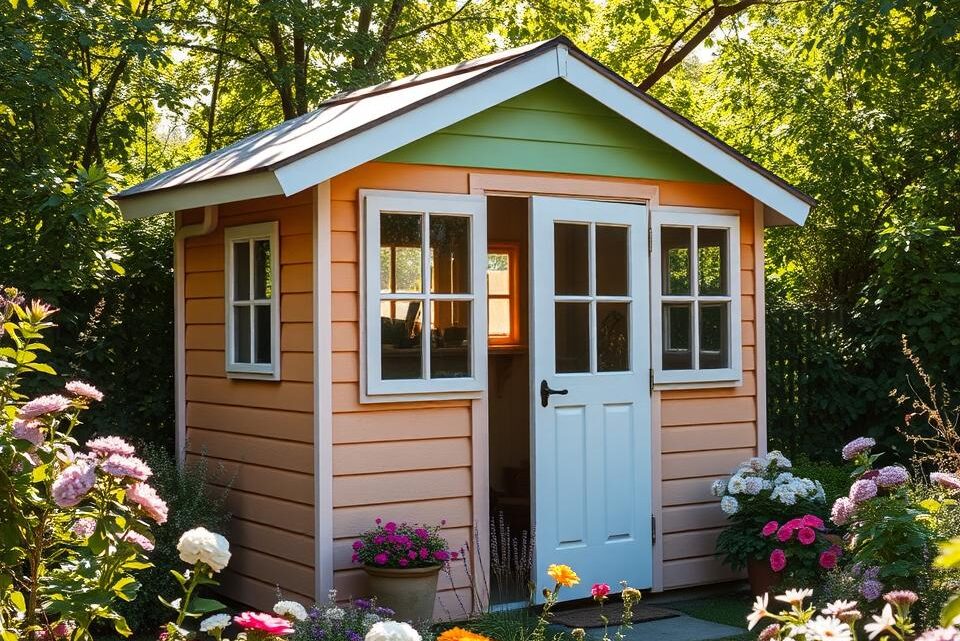
Selecting the right colour for an outdoor structure involves more than aesthetic considerations. A well-chosen shade can dramatically transform both appearance and durability. This decision impacts how the building integrates with its surroundings.
Applying protective coatings serves dual purposes. It shields timber from harsh weather conditions while enhancing visual appeal. Properly selected hues create harmony within outdoor spaces. They can make a functional item become a design feature.
Several factors influence colour selection for exterior woodwork. Garden style, structure placement, and local climate all play crucial roles. Personal design preferences also guide the final choice. Homeowners increasingly view these buildings as integral to garden character.
Quality exterior coatings offer practical advantages beyond mere decoration. They provide weather resistance and UV protection. This reduces maintenance needs over time. Professional insights help determine whether a structure should blend in or stand out.
This comprehensive guide explores various aspects of exterior finishing. It covers coating types, trending palettes, and application methods. Readers will gain knowledge to make informed decisions about their outdoor projects.
Inhaltsverzeichnis
Key Takeaways
- Colour selection significantly impacts both aesthetics and protection
- Exterior coatings serve dual purposes of preservation and enhancement
- Multiple factors influence ideal colour choices for outdoor structures
- Quality finishes reduce long-term maintenance requirements
- Modern trends treat functional buildings as design elements
- Professional application techniques ensure optimal results
- Climate considerations are particularly important in UK conditions
Understanding the Importance of Shed Paint
Neglecting the exterior of a wooden shed can lead to rapid deterioration under UK weather conditions. Moisture, UV rays, and temperature changes attack untreated timber, causing rot, warping, and splits. This compromises the structure’s strength and often demands expensive repairs.
A quality finish acts as a vital shield. It provides essential protection that preserves the wood’s integrity for years. This defence stops the cycle of frequent maintenance, saving both time and money in the long run.
Enhancing Durability and Aesthetic Appeal
The benefits are twofold. While safeguarding the material, a new coat also transforms the shed’s visual appeal. What might be an eyesore becomes an attractive garden feature. Homeowners must choose between paint and stain applications.
Paint offers a solid, opaque colour layer with robust protection. Stain soaks into the wood, highlighting the grain with a more translucent finish. The choice depends on the desired look and the current state of the exterior wood.
Quality shed paint provides up to 6 years of all-weather protection according to professional-grade products like Dulux Trade Weathershield Quick Dry Exterior Satin.
Investing in premium products is a wise decision. While the initial cost is higher, the extended lifespan of the coating reduces repainting frequency. This long-term value prevents the need for costly wood replacement, making it a practical choice for any garden structure.
How to Choose the Right Paint for Your Garden Shed
Making an informed selection for exterior wood coatings requires understanding local climate demands. British weather presents unique challenges with persistent rain and humidity. Homeowners should prioritise products designed specifically for these conditions.
Factors to Consider in the UK Climate
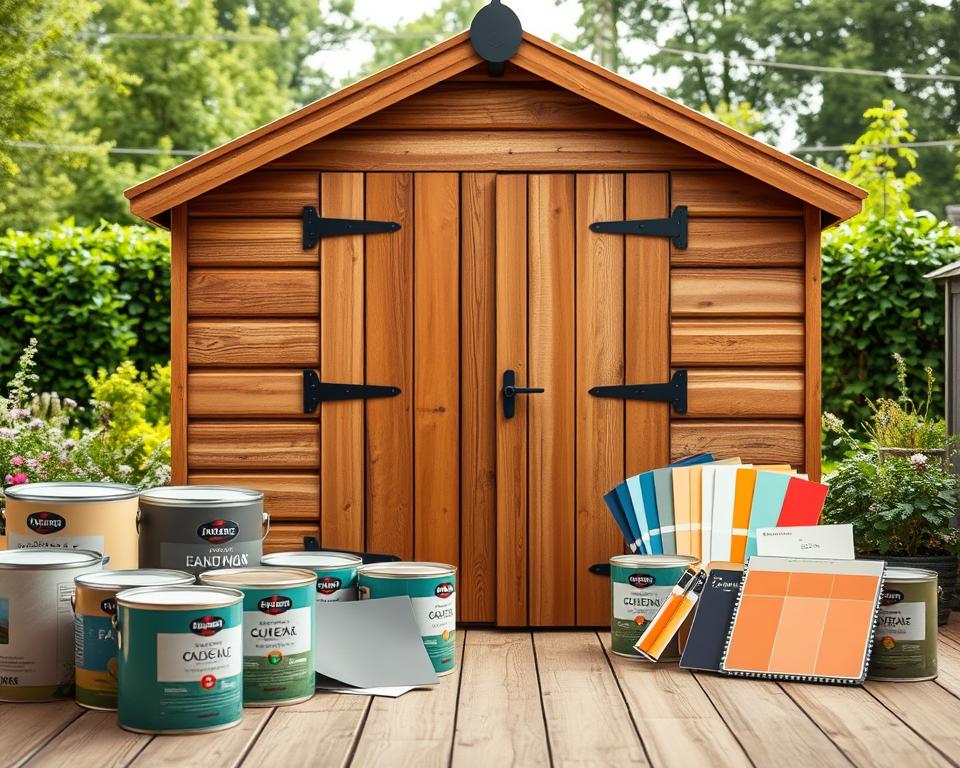
Quality shed paint must withstand moisture, temperature changes, and UV exposure. Leading brands like Sadolin, Osmo, and Ronseal offer formulations with mould resistance and flexibility. These properties accommodate wood expansion throughout seasonal shifts.
Water-based and oil-based paints each have distinct advantages. Water-based options dry quickly with lower odour, while oil-based varieties often provide enhanced durability. The finish selection—matt, satin, or gloss—also impacts both appearance and performance.
Essential Painting Techniques
Proper application ensures long-lasting results. Surface preparation is crucial, including cleaning and sanding. Apply coatings in the direction of the wood grain for optimal coverage.
Many suppliers provide colour-matching services to coordinate with existing garden elements. Testing samples on the actual surface under natural light prevents disappointment. Specialist outdoor products yield truer colour results compared to interior alternatives.
Trending Shed Colours for a Modern Garden
The palette chosen for an outdoor building can either anchor it within the landscape or make it a vibrant focal point. Current preferences show a strong inclination towards hues that create a cohesive and stylish outdoor space.
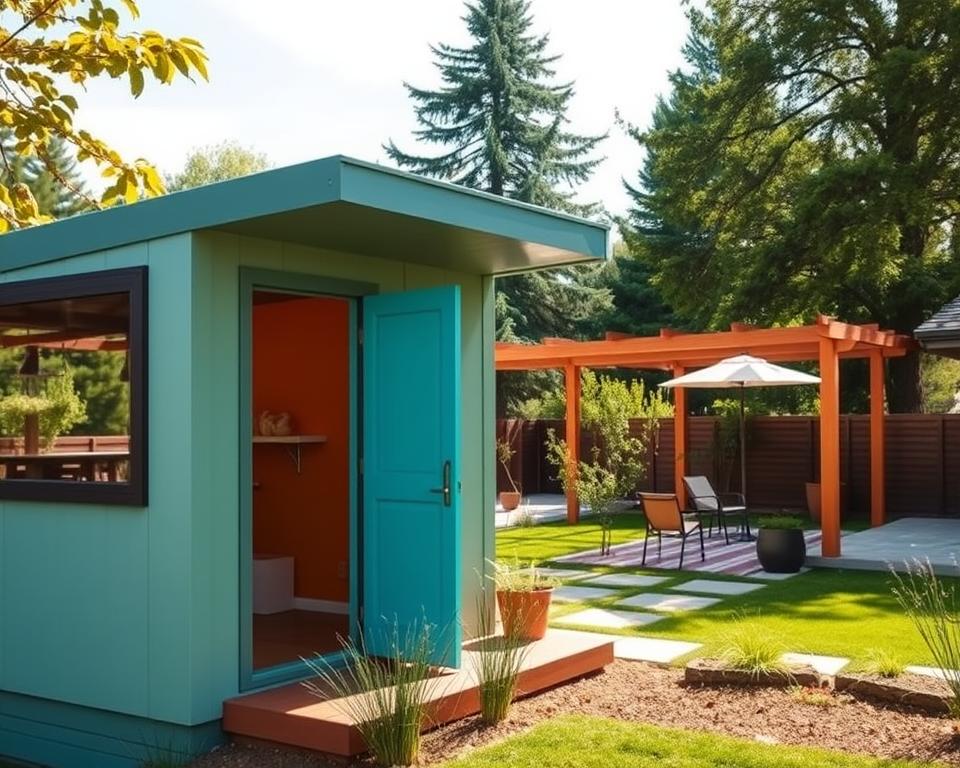
Industry data indicates that neutral, green, and grey shades are overwhelmingly popular. These colours offer versatility and timeless appeal.
Vintage and Natural Hues
Vintage-style colours evoke a sense of nostalgia and charm. Duck-egg blue, soft sage green, and pebble grey are particularly favoured.
These shades blend seamlessly into a garden setting. They complement both traditional cottage plots and contemporary designs. Nature-inspired tones like forest green and sky blue are also enduring choices.
Bold and Bright Options
For those seeking a statement, vibrant colours are gaining traction. Sunny yellows, pastel pinks, and turquoise can transform a structure into a centrepiece.
Successful integration involves coordinating with planting schemes or furniture. Testing samples outdoors is crucial, as natural light dramatically alters a colour‘s appearance.
| Style | Typical Colours | Best For | Effect |
|---|---|---|---|
| Vintage & Natural | Duck-egg blue, Sage green, Pebble grey | Blending with nature, classic looks | Subtle, harmonious integration |
| Bold & Bright | Sunny yellow, Pastel pink, Lime green | Making a focal point, modern gardens | Energetic, personalised statement |
Expert Tips for a Flawless Paint Job
Surface preparation forms the foundation for any successful exterior painting project. Proper techniques ensure lasting results that withstand British weather conditions.
Surface Preparation Essentials
Thorough cleaning is essential before any paint application. Start by removing all cobwebs, dirt, and debris using a hard-bristled brush. This initial step prevents contaminants from affecting adhesion.
For stubborn residue, a sugar soap and water solution works effectively. Fungicidal wash products help eliminate organic growth that could compromise the finish. Allow the surface to dry completely before proceeding.

Address any imperfections in the wood surface. Sand rough areas smooth and repair damaged sections. Proper preparation ensures optimal results from your chosen products.
Applying Primer and Multiple Coats
A quality primer provides essential protection and improves paint adhesion. This initial coat creates a uniform surface for subsequent layers. It’s particularly important for bare wood or previously painted surfaces.
Apply the first coat evenly, following the wood grain direction. Allow adequate drying time of 4-6 hours between applications. Most colours require two coats for complete coverage.
Lighter shades may need an additional coat to prevent wood grain from showing through. Patience during this stage ensures professional-looking results that last for years.
The Best Paint Colours for a Garden Shed: A Comprehensive List
Exploring the vast selection of exterior wood coatings can feel overwhelming. This guide simplifies the process by highlighting trusted brands and popular shades favoured across the UK.
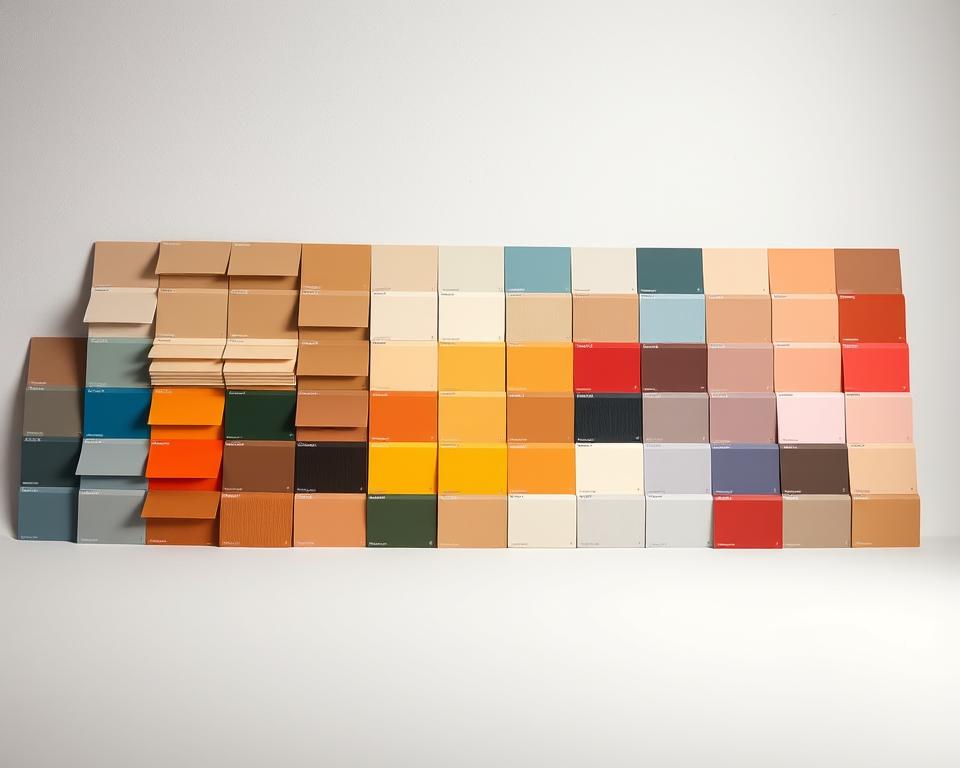
Homeowners have a wide range of high-quality products to consider. Brands like Sadolin, Osmo, and Jotun Demidekk are renowned for their durability. Farrow & Ball, Cuprinol, and Ronseal also offer excellent formulations. Dulux Trade Weathershield Quick Dry Exterior Satin is another top-tier option.
Top Brand Recommendations
These manufacturers specialise in creating shed paint that stands up to British weather. Their products often feature mould resistance and flexibility to handle seasonal changes. Many suppliers, like The Paint Shed, offer convenient services such as free delivery on orders over £50.
This makes it easier to acquire the right materials for your project.
Popular Shades in the UK
Neutral tones remain a steadfast choice for many. Farrow & Ball’s Black Blue is a sophisticated dark hue that helps structures blend into their surroundings. Conversely, their Hardwick White offers a crisp, clean appearance outdoors.
Green shades are perennially popular. Sanderson Amsterdam Green provides a deep, barn-door aesthetic. Softer options like sage green with dark green trim create a natural, cohesive look. Pebble grey and duck-egg blue are timeless selections that suit many garden styles.
For those seeking a bold statement, vibrant options like Cuprinol’s Sweet Sundae pink make a striking focal point. Utilising a colour match service can ensure perfect harmony with other garden elements.
Practical Advice for Paint Application and Long-Lasting Protection
Timing your shed painting project correctly can significantly impact both application quality and long-term protection. Weather conditions dictate when work should begin and how coatings will perform over subsequent years.
Weather and Environmental Considerations
Successful application requires completely dry wood with no rain forecast for at least 48 hours. Temperature ranges between 10-25°C with moderate humidity provide ideal drying conditions. Late spring through early autumn typically offers the most favourable painting windows.
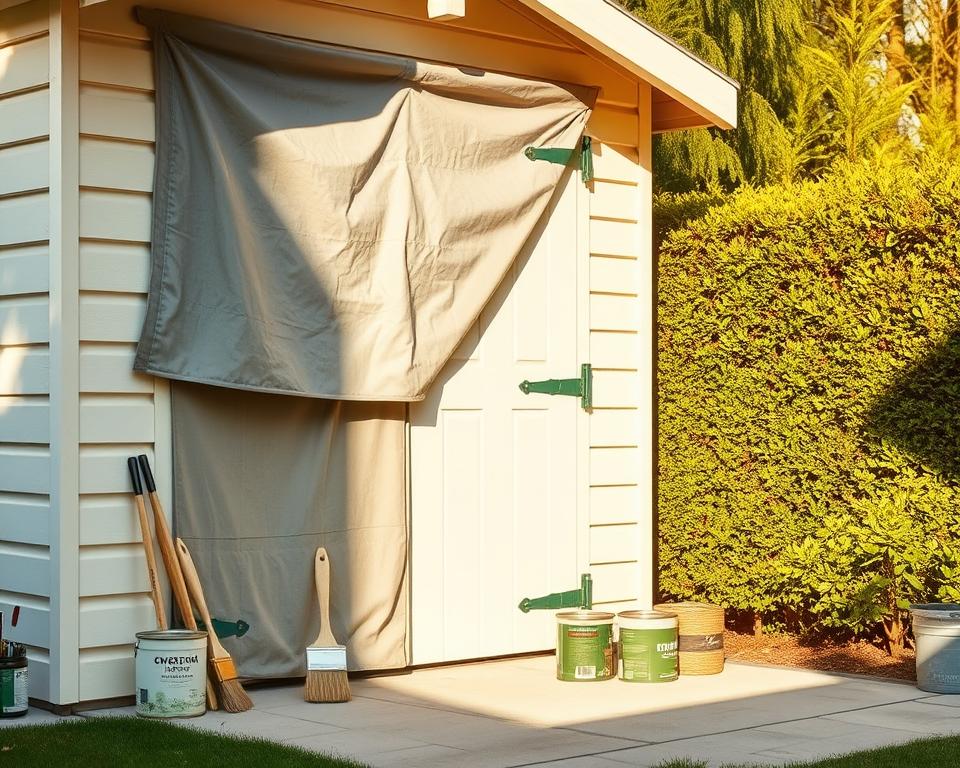
Professional-grade exterior paints can deliver effective protection for up to six years. This longevity depends on exposure levels and application thoroughness. Direct sun and persistent moisture accelerate degradation, requiring more frequent maintenance.
Outdoor painting proves more forgiving than interior work. Minor imperfections become unnoticeable when viewed within the complete garden context. Some homeowners creatively use single coats to achieve attractive weathered effects.
Regular inspection routines help identify early wear signs. Touch-up techniques extend time between complete repainting projects. Proper planning around environmental factors ensures optimal results for your exterior wood structure.
Creative Colour Matching and Design Inspiration for Your Garden
Achieving visual harmony in outdoor spaces involves strategic colour matching across all structures. This approach transforms functional items into cohesive design elements that enhance the overall aesthetic.
Integrating with Your Garden’s Aesthetic
Award-winning designer Charlotte Rowe recommends dark colours to make boundary structures recede. This technique creates the illusion of larger garden spaces. Lighter shades can make features advance as focal points.
Consistent application across various elements creates visual calm. Painting all outdoor structures the same colour achieves sophisticated unity. This includes garden sheds, bin storage, gates, and even water butts.
Designing with Colour Blocking and Contrasts
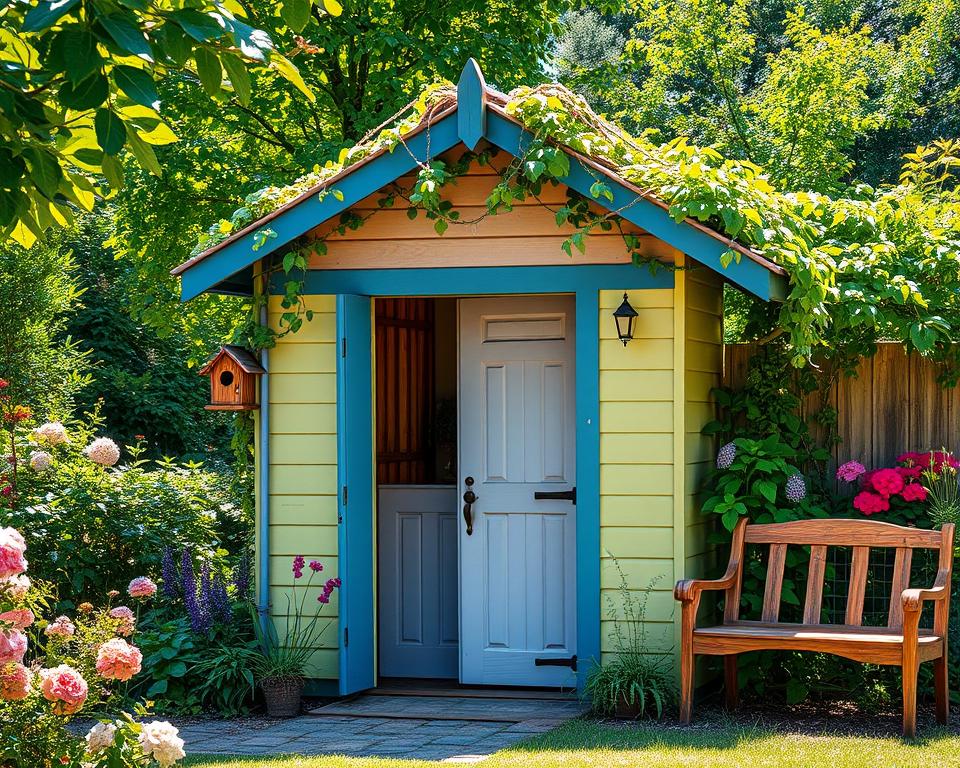
Colour blocking creates striking contemporary effects. Tonal approaches use different shades within the same family. Sage green with dark green trim offers elegant contrast.
Bold combinations like navy blue with bright white accents make dramatic statements. These techniques add visual interest without overwhelming the garden design. They help different zones feel connected.
Using Accent Colours on Doors and Facades
Painting doors in contrasting colours whilst keeping main walls neutral creates remarkable visual interest. This approach adds personality without commitment to overwhelming schemes.
Thematic designs coordinate shed colour with planting schemes. Pink structures paired with pink flowering plants create cohesive stories. This match ties planting and structures together beautifully.
Conclusion
A successful exterior wood project combines practical protection with creative vision. Choosing the right finish offers essential protection against the elements while dramatically enhancing outdoor spaces.
Homeowners should consider climate-appropriate formulations and proper surface preparation. This ensures a durable finish that lasts for years.
From versatile neutrals to bold statement shades, the choice of colour allows for personal expression. Whether aiming to blend in or stand out, a thoughtful approach to colour match and design creates a cohesive look.
Investing in quality products and application techniques yields lasting satisfaction. This accessible project transforms a functional shed into a valuable garden asset.
FAQ
What type of paint is best for an exterior shed?
For maximum protection against the UK weather, a high-quality exterior wood paint is recommended. These products are specifically formulated to be durable, flexible, and water-resistant, offering superior protection against rain, sun, and frost compared to standard interior paints.
How long does shed paint typically last before needing a refresh?
A well-applied coat of a high-grade exterior paint can last for many years. Factors such as exposure to sunlight and prevailing weather conditions will affect longevity. Generally, one can expect a quality finish to remain in good condition for around five to ten years before a new coat may be required.
Is it necessary to apply a primer before painting a shed?
Yes, using a primer is highly advisable, especially on bare wood or if there are patches of old, flaking paint. A primer improves adhesion, provides a uniform surface for the topcoat, and enhances the overall durability and finish of the paint job.
Can I use the same paint on both the shed’s walls and its furniture?
A> Many exterior wood paints are suitable for both sheds and garden furniture. However, it is crucial to check the manufacturer’s guidelines. Furniture may require a more hardwearing finish due to frequent contact, so choosing a product designed for such use is essential.
How do I choose a colour that will match my garden’s aesthetic?
Consider the existing colours within your garden space. Neutral tones like soft greys or earthy shades offer flexibility. For a bolder statement, consider accent colours on doors or window frames. Testing sample pots on a small, discreet area of the shed is always a wise step before committing.
What is the process for painting a previously painted shed?
Proper preparation is key. Start by washing the surface to remove dirt and grime. Lightly sand to create a smooth, keyed surface for the new paint to adhere to. Fill any cracks or holes, and ensure the wood is completely dry before applying a primer and then your chosen topcoat.
How many coats of paint will my shed need?
A> Typically, two coats are recommended for full coverage and a durable finish. The first coat acts as a base, while the second provides depth of colour and enhanced protection. Always allow sufficient drying time between coats as specified by the paint manufacturer.
Are there specific colours that help hide dirt and wear?
Yes, mid to darker shades, such as sage green, grey, or navy, are generally more effective at concealing dirt and minor imperfections than very light colours. A matte or eggshell finish can also be more forgiving than a high-gloss one.