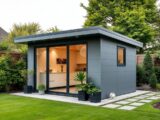
Discover The Best Wooden Shed Cladding Ideas
A garden building’s exterior is its first line of defence. Choosing the right shed cladding is a crucial decision for any homeowner. It protects the structure from the UK’s unpredictable weather while defining its character.
This comprehensive guide explores the various options available. It helps you make an informed choice that balances aesthetics, budget, and durability. Whether building new or renovating, the right material enhances your garden space.
Factors like timber species, profile styles, and maintenance needs are all examined. Professional insights assist both DIY enthusiasts and those hiring professionals. The goal is a durable, attractive outdoor shed.
Inhaltsverzeichnis
Key Takeaways
- Cladding serves as both protection and a key design feature.
- Numerous material and style options exist to suit different tastes.
- Informed decisions balance aesthetic appeal with practical requirements.
- Considerations include timber type, installation methods, and long-term upkeep.
- Expert advice simplifies the selection process for a successful project.
Overview of Wooden Shed Cladding
Understanding the fundamental components of shed construction begins with its protective outer layer. This external material, known as cladding, serves multiple essential purposes beyond mere appearance.
What is Shed Cladding?
Cladding represents the primary wall material covering a garden building’s structural frame. It forms the protective shell that shields interior contents from weather elements.
The material typically consists of interlocking boards or panels fitted using specific joining methods. Different installation techniques affect both visual characteristics and performance capabilities.
Benefits for Garden and Outdoor Spaces
Quality cladding provides significant advantages for outdoor storage structures. It prevents moisture ingress while maintaining structural stability through seasonal changes.
Properly selected material reduces maintenance requirements and extends functional lifespan. The right choice enhances both protection and aesthetic appeal within garden settings.
Homeowners benefit from improved thermal insulation and enhanced durability. These factors make informed material selection crucial for long-term performance.
The Best Wooden Shed Cladding Ideas
Choosing the right external finish for a garden structure demands attention to both design trends and material properties. Current preferences favour materials that offer lasting beauty with minimal maintenance.
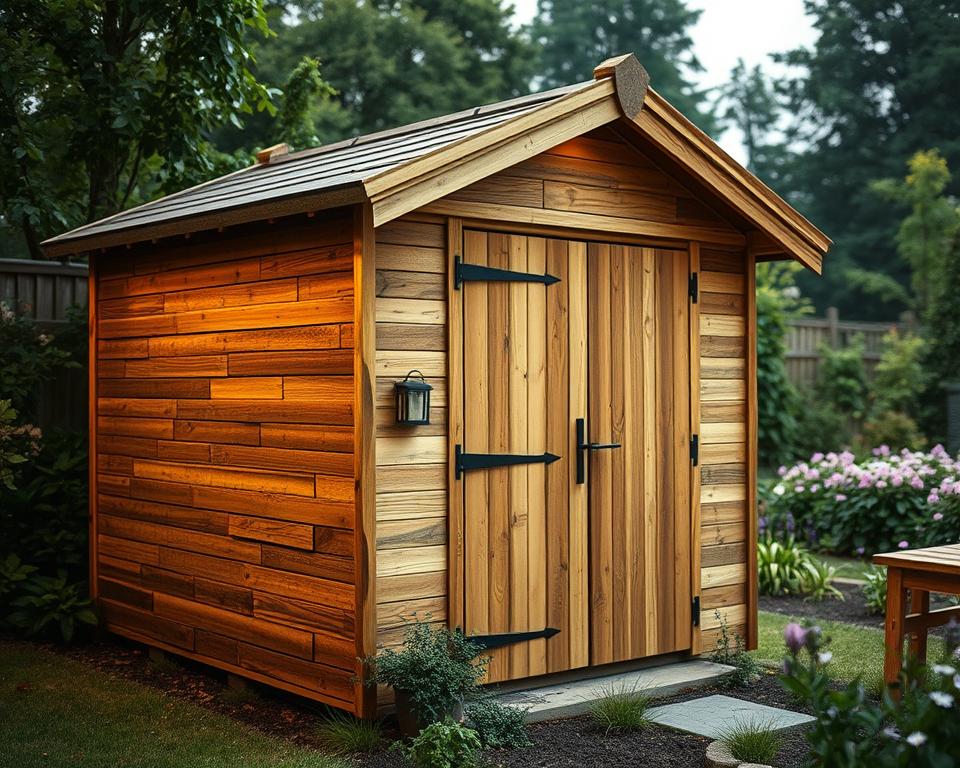
Latest Trends and Design Inspirations
Modern garden buildings showcase a preference for natural materials that age gracefully. Many homeowners select timber species known for developing attractive patinas over time.
Design trends emphasise clean lines and natural textures. Vertical installations of boards create visual height, while horizontal patterns offer a traditional look. The variety of available profiles allows for customisation.
Current styles favour wood that showcases grain patterns and natural colour variations. This approach celebrates the material’s inherent beauty while ensuring durable performance.
Expert Advice on Material Selection
Professionals consistently recommend prioritising naturally durable timber species. These options provide superior longevity without chemical treatments.
Avoid standard pressure-treated spruce found in DIY stores. Instead, consider premium species that combine aesthetic appeal with structural integrity.
The right choice balances appearance with practical considerations like dimensional stability. This ensures the cladding maintains its look through seasonal changes.
Consider how different materials complement your garden’s overall style. The exterior finish should create a cohesive appearance throughout the outdoor space.
Evaluating Timber Species for Shed Cladding
Different wood types offer unique combinations of durability and aesthetic qualities. The selection process involves balancing natural resistance with visual characteristics.
Homeowners should consider how each species performs against British weather elements. Long-term performance depends on the timber’s inherent properties.
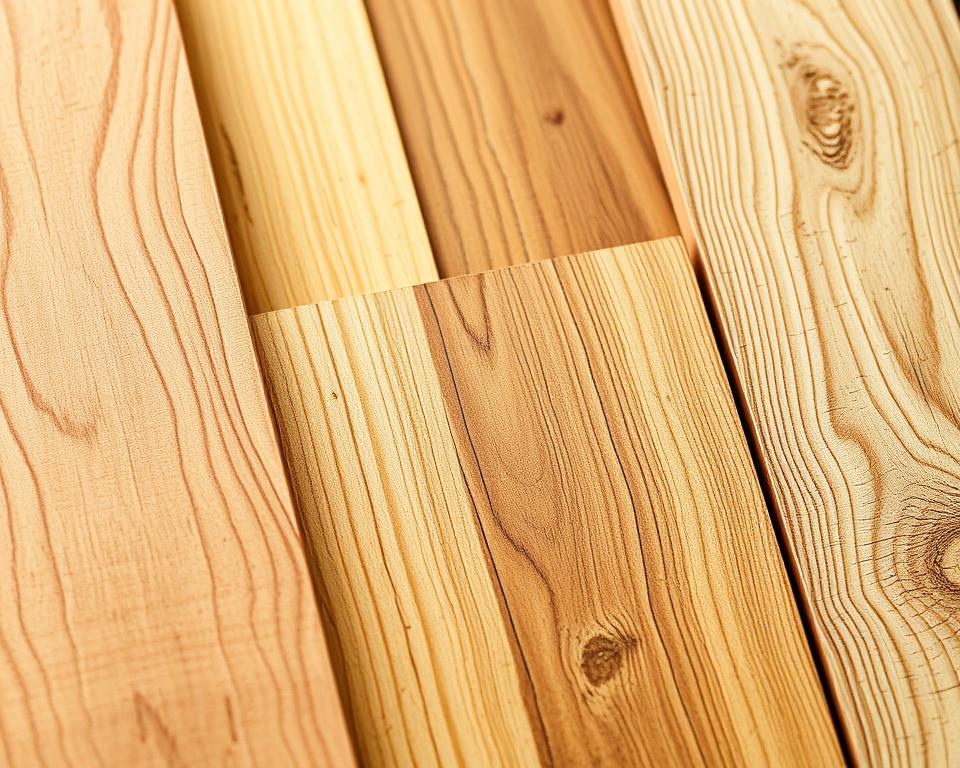
Western Red Cedar and Its Durability
This Canadian import boasts remarkable rot resistance. Natural compounds called thujaplicins provide protection without chemical treatments.
The wood features a distinctive reddish-brown colour with attractive streaks. It maintains excellent dimensional stability when exposed to moisture.
Stainless steel fixings prevent black staining over time. This premium choice offers exceptional longevity for exterior applications.
European Oak and Traditional Appeal
European oak delivers a classic appearance with solid performance. Its traditional character suits many garden settings.
Finger-jointed lengths enhance stability by joining defect-free pieces. The material provides moderate to good resistance to decay.
This option balances heritage aesthetics with practical durability requirements.
Siberian Larch: Strength and Character
Siberian larch develops impressive strength from slow growth in harsh climates. Despite being a softwood, its density reaches 575kg/m³.
Homeowners can choose between Grade A (fewer knots) and Grade B (more character). Both grades maintain excellent performance standards.
Proper installation ensures a service life exceeding 50 years. The wood develops a beautiful silver-grey patina if left untreated.
| Timber Species | Durability Rating | Key Feature | Maintenance Requirement |
|---|---|---|---|
| Western Red Cedar | Class 2 (BS EN 350) | Natural rot resistance | Low |
| European Oak | Class 2 | Traditional appearance | Moderate |
| Siberian Larch | Class 3-4 | High density strength | Low to moderate |
Exploring Cladding Styles and Profiles
Cladding styles play a crucial role in determining how well a garden building withstands weather elements over time. The profile selected affects both visual appeal and functional performance.

Shiplap Cladding: Timeless and Functional
Shiplap represents the most popular choice for garden structures. This profile features an ingenious overlapping design where each board’s L-shaped edge fits snugly over the next.
The overlapping mechanism creates a flat, smooth surface that’s both attractive and practical. A smooth curved lip actively promotes rainwater runoff, directing moisture away from the structure.
This type of cladding provides excellent waterproof protection while maintaining a classic appearance. It’s thicker than basic overlap profiles yet features thinner sections due to its distinctive shape.
Tongue and Groove: A Seamless Look
Tongue and groove construction offers a premium alternative for those seeking superior weather protection. Boards interlock edge-to-edge with precision engineering.
A tongue on one side fits precisely into a groove on the adjacent piece. This creates an exceptionally tight seal with no visible gaps between panels.
The seamless finish achieved provides the strongest weather-resistant option available. Consistent board thicknesses ranging from 11mm to 15mm enhance both structural integrity and insulation properties.
Other profiles like feather edge and V-groove offer additional design possibilities. Each style serves different aesthetic preferences while maintaining functional requirements for exterior protection.
Maintenance, Installation and Cost Considerations
Investment in quality materials requires corresponding attention to installation methods and maintenance routines. These factors determine how well external finishes withstand British weather over time.
Tips for Minimal Upkeep and Longevity
Different timber species offer varying maintenance requirements. Naturally durable options like cedar and oak need less intensive care than treated alternatives.
Regular cleaning and prompt board replacement preserve the exterior appearance. Protective treatments such as natural oils extend service life significantly.
Some homeowners prefer leaving certain woods untreated to develop a silvery-grey patina. This approach eliminates ongoing treatment needs while maintaining structural integrity.
Installation Best Practices for Weather Resistance
Proper fixing methods are crucial for weather resistance. Stainless steel fasteners prevent black staining when used with cedar and oak.
Professional techniques ensure interlocking profiles create effective moisture barriers. Correct spacing accommodates natural expansion during seasonal changes.
Following manufacturer guidelines improves resistance to driving rain and humidity. Adequate ventilation behind boards prevents moisture buildup.
| Timber Type | Maintenance Level | Treatment Options | Weathering Outcome |
|---|---|---|---|
| Western Red Cedar | Low | Oils, stains, or untreated | Silvery-grey patina if untreated |
| European Oak | Moderate | Oils or left natural | Distinguished silver appearance |
| Siberian Larch | Low to Moderate | Stains or natural weathering | Attractive silver-grey finish |
| Douglas Fir | Moderate | Takes finishes well | Requires protective treatments |
Cost considerations extend beyond initial purchase prices. Douglas fir offers budget-friendly performance at approximately £45 per m², while premium cedar provides superior natural resistance at around £55 per m².
Conclusion
Ultimately, the perfect finish for a garden building balances long-term performance with personal taste. This guide has outlined the critical factors—from timber species and profile style to budget and maintenance needs—that inform a successful choice.
Homeowners have a impressive variety of options. Whether selecting durable cedar, characterful larch, or classic shiplap and tongue and groove profiles, each material offers a unique blend of appearance and resistance.
Considering the total cost over many years, including installation and minimal upkeep, is vital. A well-planned investment in quality cladding boards ensures a beautiful, functional garden space that provides reliable storage and protection from the elements for a long time.
FAQ
What is the most cost-effective wooden cladding option for a garden shed?
For those on a budget, pressure-treated softwood shiplap often provides excellent value. It offers good durability and weather resistance at a lower price point than hardwoods like oak or cedar. It is a popular choice for many storage sheds.
How does tongue and groove cladding differ from shiplap?
Tongue and groove boards fit together with a protruding ‘tongue’ on one edge that slots into a ‘groove’ on the next, creating a very tight, seamless wall. Shiplap boards have a rabbeted edge that overlaps, which also sheds water effectively but can leave a small, visible gap. Both are strong options for exterior cladding.
Which wood species offers the best natural durability without treatment?
Western Red Cedar and Siberian Larch are renowned for their natural resistance to rot and insects. They contain natural oils that protect them from moisture, meaning they can last for many years with minimal upkeep, often developing an attractive silvery-grey patina over time.
Is it necessary to treat or finish wooden shed cladding?
While some durable timbers can be left untreated, applying a protective finish is generally recommended. A quality wood stain or preservative enhances water resistance, protects against UV damage, and can prolong the material’s lifespan significantly, maintaining its appearance for longer.
What are the key factors to consider during installation for weather resistance?
Proper installation is crucial. This includes ensuring adequate ventilation behind the boards to prevent moisture buildup, using corrosion-resistant fixings, and applying a suitable damp-proof course. Correctly overlapped boards are essential to direct water away from the shed’s structure.
Can different cladding styles be combined on one shed?
Absolutely. Combining profiles, such as using vertical boards on one wall and horizontal shiplap on another, can create a unique and dynamic exterior look. This approach allows for personalisation and can highlight architectural features of the garden building.