Transform Your Garden Shed into a Functional Laundry Room Now
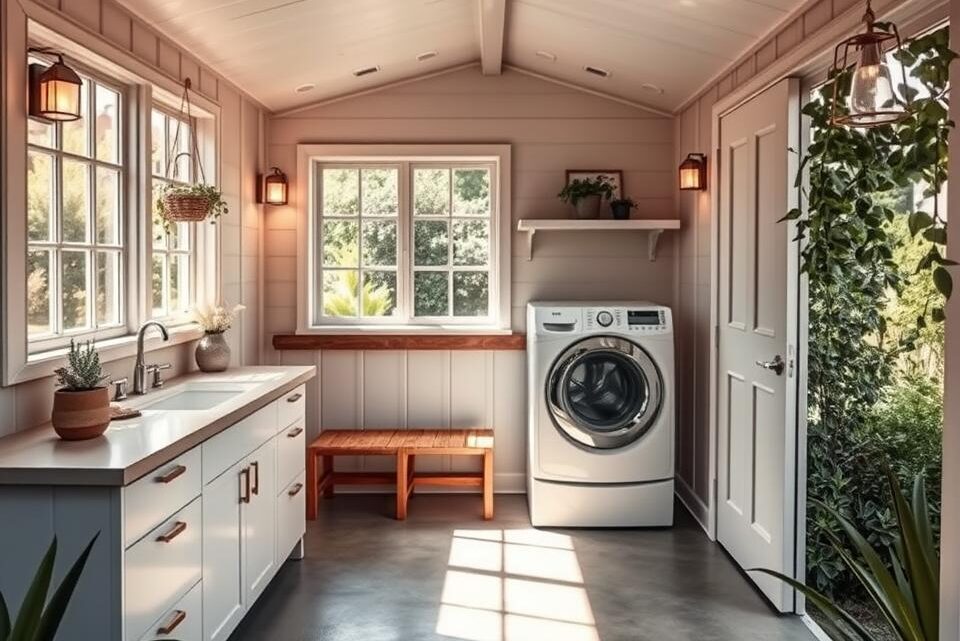
Many households face a common challenge: finding enough room for laundry tasks. Indoor space is often limited, making it difficult to create a dedicated area for washing and drying. This is where an innovative solution comes into play.
A garden building offers a fantastic opportunity to create a purposeful utility space. It provides a separate area for laundry, helping to free up valuable square footage inside the home. This clever use of an existing structure avoids the need for costly extensions.
Relocating laundry facilities outdoors brings several advantages. It reduces noise and moisture levels within the main dwelling, contributing to a more comfortable living environment. This approach also enhances overall property organisation and functionality.
With careful planning and the right adjustments, any standard shed can become a fully operational laundry space. Proper utility connections and weatherproofing measures ensure it works efficiently all year round. This project is an achievable goal that adds genuine value.
Inhaltsverzeichnis
Key Takeaways
- Creating a dedicated laundry area in an outdoor structure solves indoor space constraints.
- This project is a cost-effective alternative to a full home extension.
- Moving laundry outdoors reduces noise and dampness inside the main house.
- Proper planning is essential for installing utilities and ensuring weatherproofing.
- This conversion can increase the functionality and value of a property.
Benefits of Repurposing Garden Sheds as Laundry Rooms
Utilising a garden outbuilding as a laundry facility yields significant lifestyle and financial rewards. This clever use of existing space creates a dedicated area for washing tasks. It frees up valuable indoor space within the main home.
Separating laundry facilities from the living area offers practical advantages. It reduces indoor humidity levels significantly. The noise from spinning cycles no longer disturbs household activities. Lingering detergent scents stay contained in the outdoor laundry room.
This approach provides a purposeful workspace for sorting, washing and folding. It prevents laundry baskets from cluttering hallways and bathrooms. The dedicated design meets the needs of efficient clothing care.
Financially, this conversion avoids costly home extensions. It demonstrates creative use of existing structures. This can increase property value by enhancing functionality.
The outdoor location offers flexibility for messy tasks. Heavily soiled gardening clothes or pet bedding can be handled conveniently. This prevents dirt from being tracked through the house.
Households benefit from scheduling flexibility. Laundry can be done at any time without disturbing others. This is ideal for families with varying routines.
This solution provides an alternative way to install utilities. It works well for homes with limited indoor plumbing options. The approach avoids major internal renovations.
Environmentally, outdoor laundry spaces encourage natural air-drying. This reduces energy consumption from tumble dryers. Fresh air and sunlight provide natural fabric conditioning.
Planning and Designing Your Outdoor Laundry Space
Before any physical work begins, careful consideration of layout and utilities is paramount. The initial design phase determines how well the finished laundry room will function. Proper planning ensures the space meets all practical requirements.
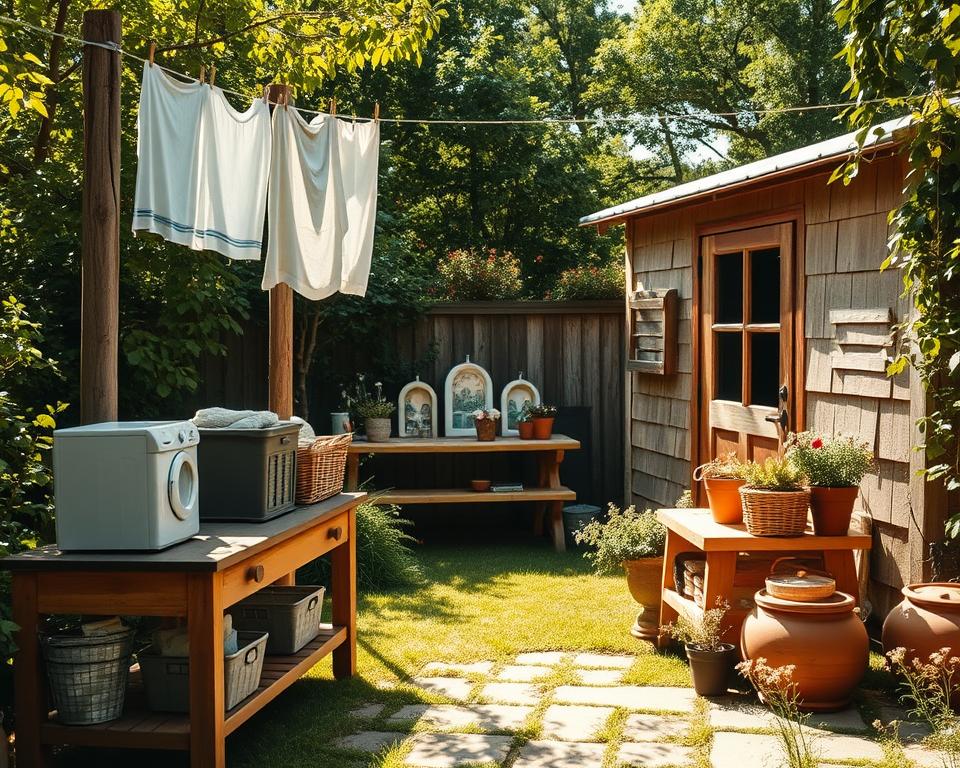
Space Requirements and Layout Considerations
A minimum area of 40 square feet (8′ x 5′) provides comfortable accommodation for standard appliances. This space allows for storage and movement around the units. Interior height matters significantly too.
The shed should have a minimum height of 7 feet for top-loading machines. This clearance ensures comfortable use and allows for overhead storage. Allow at least 24 inches around appliances for maintenance access.
Consider drainage patterns when positioning the building. The ground should slope away from the structure to prevent water accumulation. This protects the floor and creates better working conditions.
Utility Connections and Permits
Electrical requirements include a dedicated 220-volt circuit for dryers. A separate 120-volt circuit powers the washing machine. Make sure to hire licensed electricians for safe installation.
Plumbing needs encompass hot and cold water lines with proper drainage. Install frost-free outdoor faucets with insulated pipes. This prevents freezing during colder months.
Most local jurisdictions require permits for both the shed structure and utility connections. Contact your local building department early in the process. They can advise on setback requirements from property lines.
Transform Your Garden Shed into a Functional Laundry Room
Appliance selection represents a critical decision point in creating an efficient external laundry area. The right choices ensure the space meets household needs while maximising functionality.

Selecting Energy-Efficient Appliances
Front-loading machines offer excellent space utilisation within the shed. They can be positioned side-by-side, creating valuable countertop space for folding clothes.
Stacking dryers above washing machines makes optimal use of vertical room. This configuration suits compact garden buildings perfectly. Energy-efficient models maintain performance in varying temperatures.
Customised Cabinetry and Counter Solutions
Bespoke cabinets designed for the shed’s exact dimensions provide organised storage. They accommodate laundry baskets, irons, and drying racks efficiently.
Countertops serve dual purposes for folding fresh laundry and ironing. Well-placed shelves on the wall keep essential items within easy reach.
Installing a Utility Sink and Indoor Washing Line
A utility sink handles delicate hand-washing and pre-treatment of stained clothes. It also serves for cleaning gardening tools and other equipment.
An indoor drying line utilises vertical areas for air-drying without weather concerns. Homeowners should make sure adequate air circulation surrounds the installation.
Ventilation, Weatherproofing and Insulation Solutions
A successful outdoor utility space relies on a robust environmental control system. Proper management of air quality and temperature is essential for protecting both the building and its contents.
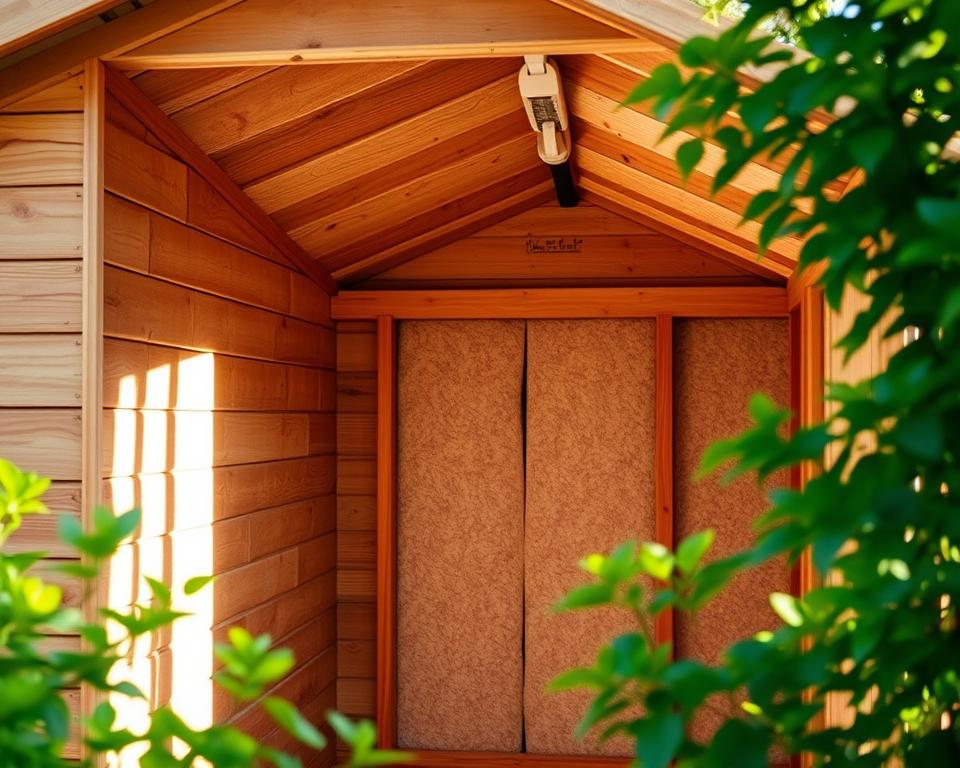
This section details the critical steps to create a comfortable and durable laundry area.
Effective Ventilation Strategies
Good ventilation is key to preventing moisture buildup. Installing intake and outlet vents creates a continuous flow of fresh air. This is vital because appliances generate significant dampness.
Improved airflow speeds up drying times and reduces musty odours. In areas with high humidity, a dehumidifier offers extra protection. Homeowners should make sure any windows can be opened to aid ventilation.
Moisture Control and Weather Protection
Protecting the structure from the weather starts at the foundation. A vapour barrier prevents ground moisture from rising. Exterior walls need durable materials like vinyl siding with proper seals.
The roof requires weather-resistant materials and gutters to direct water away. Insulation is crucial for temperature control. Foam board in walls and a reflective barrier in the roof maintain stable conditions.
Finally, seal all gaps with weather stripping and caulking. This keeps the internal spaces dry and draft-free.
| Component | Purpose | Key Consideration |
|---|---|---|
| Vents | Manages airflow to reduce moisture | Install both intake and outlet for cross-ventilation |
| Vapour Barrier | Blocks ground moisture | Place beneath the shed foundation |
| Wall Insulation | Regulates temperature | Use foam board with high R-value |
| Weather Stripping | Seals gaps around doors and windows | Prevents drafts and moisture ingress |
Optimising Storage and Organisational Techniques
A well-organised utility area maximises efficiency and simplifies daily chores. Intelligent storage solutions are the key to converting a basic outbuilding into a highly functional workspace.

Innovative Shelf Designs and Cabinets
Adjustable shelving units offer versatile storage along the wall. They accommodate various items like detergents and cleaning supplies. Clear, labelled containers keep everything organised and visible.
Wall-mounted cabinets provide excellent storage above appliances. They keep items elevated and safe from moisture. A sturdy, fold-down table offers a surface for folding, saving valuable floor space.
Utilising Vertical Space for Maximum Efficiency
Look upwards to unlock potential. The back of the door is ideal for over-the-door organisers. These hold smaller items like stain removers and sewing kits.
Pegboards on empty wall areas create customisable systems for tools and accessories. Corner shelves make use of awkward spots. Slim rolling carts fit into narrow gaps for frequently accessed items.
Position laundry baskets strategically to support a smooth workflow. Always maintain clearance around appliances for maintenance and ventilation.
Practical DIY Steps and Expert Advice
Homeowners embarking on this conversion journey must carefully evaluate their skills against the technical demands of the project. A realistic assessment determines which tasks can be safely handled independently and which require professional expertise.

Many cosmetic and organisational elements suit the diy approach. Painting the interior and exterior, installing shelves, and assembling storage solutions are manageable tasks. Homeowners can also handle basic weatherproofing treatments using common tools.
Engaging Qualified Professionals for Installation
Critical systems demand licensed professionals for safe installation. Electrical work requires a certified electrician to ensure compliance with local codes. The wiring must be properly protected for outdoor use.
Plumbing connections are equally specialised. Licensed plumbers handle hot and cold water lines, drainage systems, and utility sinks. They ensure all connections meet code requirements and prevent freezing issues.
Preparation work before professionals arrive saves time and reduces costs. Clearing the garden area and levelling the ground are helpful preparatory tasks. Organising supplies and equipment streamlines the workflow.
| DIY Tasks | Professional Requirements | Key Considerations |
|---|---|---|
| Painting & decorating | Electrical installation | Weatherproofing for outdoor use |
| Shelving assembly | Plumbing connections | Local code compliance |
| Basic cleaning | Utility sink setup | Proper drainage systems |
| Storage organisation | Appliance hookup | Frost protection measures |
Working with licensed professionals ensures all work passes inspections efficiently. Homeowners should make sure to keep permit documentation for insurance and future reference. Proper coordination between different trades saves valuable time.
Conclusion
Creating a separate laundry utility area in an outdoor shed offers a smart solution for modern living. This project effectively tackles the challenge of limited indoor space. It provides a dedicated place for washing tasks, freeing up valuable room within the main home.
Following the steps outlined ensures a safe and efficient laundry room. Careful planning, from drainage to permits, is crucial. The result is a weather-protected space that adds real value to your property.
This investment pays off by improving household organisation. It creates a purpose-built area that meets specific needs. Whether tackling it yourself or hiring experts, the outcome is a highly functional utility room.
Start by assessing your garden shed and local regulations. With the right approach, you can create an outdoor laundry area that serves your household for years to come.
FAQ
What are the main benefits of creating a laundry room in a garden shed?
Repurposing a garden shed for laundry use frees up valuable space inside the main house. It also helps to keep noise and moisture from washing machines and tumble dryers away from living areas. This solution can increase a property’s utility and organisation.
Is planning permission required to convert a shed into a laundry room?
Planning permission is often not required if the shed already exists and the work is internal, but it is essential to check with the local council. Building regulations approval may be needed for electrical work, plumbing, and drainage to ensure safety and compliance.
How can one ensure the shed is properly weatherproofed and insulated?
Effective weatherproofing involves checking and sealing the roof, walls, and floor to prevent moisture ingress. Insulation is crucial for temperature control, protecting appliances from frost and making the space comfortable. Proper ventilation also manages condensation and maintains air quality.
What should be considered when installing plumbing and electrical systems?
It is vital to hire qualified professionals for plumbing and electrical installation. They will ensure that water supply, waste pipes, and drainage are correctly fitted. For electricity, a certified electrician must install appropriate power sources for laundry machines, lighting, and safety compliance.
What storage solutions work best in a compact outdoor laundry space?
Utilising vertical space with tall cabinets and wall-mounted shelves maximises storage. Built-in solutions like pull-out laundry baskets, sliding shelves, and overhead cupboards keep detergents and cleaning items organised while saving floor space.
Are there special considerations for ventilation in a shed laundry room?
A> Yes, good ventilation is critical to manage humidity from washing and drying. An extractor fan, opening windows, or venting a tumble dryer to the outside helps prevent dampness and mould. This protects clothes, appliances, and the building materials.