
What’s the Difference Between a Summerhouse and a Sunroom?

Choosing the right outdoor structure for a garden can be confusing. Many people use terms like summerhouse, sunroom, and garden room interchangeably. This creates uncertainty when planning an extension to one’s living space.
The price difference is often the first point of confusion. A good-sized summerhouse might cost around £1,200. A similar-sized garden room, however, can easily cost over £13,000. This vast gap suggests these are fundamentally different building types, not just luxury versions of the same thing.
Adding to the complexity is the sunroom. This structure is attached to the main home, unlike a standalone summerhouse. It features a solid roof, distinguishing it from a conservatory. Understanding these distinctions is crucial for making a sound investment.
This article will cut through the confusion. It provides a clear, factual comparison across ten critical areas. These include construction, materials, insulation, and expected lifespan. The goal is to empower homeowners to select the perfect garden room or summerhouse for their needs and budget.
Inhaltsverzeichnis
Key Takeaways
- A significant price difference exists between a basic summerhouse and a fully-equipped garden room.
- Sunrooms are attached to the house and feature a solid roof, unlike conservatories.
- These structures differ fundamentally in their construction methods and material quality.
- Key differentiators include insulation, glazing, and electrical installations.
- Understanding these factors is essential for long-term usability and property value.
- The right choice depends on individual needs, budget, and intended use of the space.
Introduction to Summerhouses and Sunrooms
Outdoor room options range from simple seasonal retreats to sophisticated year-round extensions of the home environment. Each structure serves distinct purposes with varying construction standards.
Defining the Concepts
A summerhouse represents a traditional garden building designed primarily for warmer months. These timber structures typically feature outward-opening French doors and simpler construction methods.
Garden rooms offer more substantial, insulated spaces suitable for year-round use. They employ multi-layer construction systems similar to modern house building techniques.
Sunrooms attach directly to the main house with solid roofing. This distinguishes them from conservatories, which feature transparent roofs that can cause temperature fluctuations.
| Structure Type | Primary Use | Construction | Positioning |
|---|---|---|---|
| Summerhouse | Seasonal leisure | Timber frame | Any garden area |
| Garden Room | Year-round multi-use | House-quality build | Flexible garden placement |
| Sunroom | Light-filled living | Solid roof attachment | House-connected |
| Conservatory | Sunlight-focused | Glass roof system | House-integrated |
Overview of Garden Rooms and Outdoor Spaces
Placement flexibility represents a key distinction between these outdoor rooms. Summerhouses and garden rooms can occupy any suitable garden area. This allows optimal orientation for sunlight and privacy.
Industry terminology sometimes overlaps, with “garden room” describing various specifications. Careful examination of construction details proves more reliable than marketing names alone.
All these structures can enhance property value and garden enjoyment. Their suitability depends on specific requirements for usability, budget, and intended purposes throughout the year.
Understanding Construction Techniques
The construction methods used for garden buildings are the primary factor determining their durability and functionality. They dictate how the structure performs in different seasons.

Panel Construction in Summerhouses
Traditional summerhouse building relies on a simple panel system. A lightweight timber frame, often using 2″ x 1″ studs, forms the skeleton.
A single layer of softwood tongue and groove boards is fixed to this frame. This board acts as both the exterior cladding and interior finish. The framework remains visible inside, offering a rustic look.
This efficient process keeps costs low. However, it provides minimal insulation and weather protection.
Multi-layer Systems in Sunrooms and Garden Rooms
In contrast, a garden room uses a robust, multi-layered construction method. The framework employs much larger timber sections, like 3″ x 2″ or even 6″ x 2″.
This stronger frame supports multiple layers of materials. The sequence typically includes:
- Structural sheathing for strength
- Breather membranes for weatherproofing
- Thick insulation between studs
- Vapour control layers
- Professional interior finishes
This complex process creates a highly insulated, weather-tight space. It is suitable for year-round use, much like a house extension. The building can support heavier fixtures and larger glazing.
This fundamental difference in construction means garden rooms and sunrooms are designed for daily use. They offer comfort in all weather conditions.
Materials and Durability
The longevity of outdoor structures depends heavily on material selection and construction quality. Different materials used in garden buildings determine their resistance to weather and maintenance needs over time.

Timber Types and Cladding Options
Summerhouses typically use pressure-treated softwood for both framework and cladding. This cost-effective material requires regular staining or painting to withstand weather exposure.
Garden rooms often feature premium timber like Western Red Cedar. This high-quality material contains natural oils that resist decay and insects. It can last over 20 years without annual treatment.
The table below shows how material choices affect durability:
| Component | Summerhouse | Garden Room | Lifespan |
|---|---|---|---|
| Exterior Cladding | Softwood (painted) | Cedar/Thermowood | 5-10 years vs 25+ years |
| Roof Covering | Felt | EPDM/Fibreglass | 5-7 years vs 25+ years |
| Interior Finish | Exposed timber | Plasterboard/Panels | Requires maintenance vs Low maintenance |
Maintenance Requirements and Lifespan
Summerhouses demand considerable maintenance effort. They need roof replacement every 5-7 years and exterior refinishing biennially. Timber doors often require adjustment as they swell with seasonal changes.
Garden rooms are engineered for minimal upkeep. Their high-quality materials and construction methods ensure decades of service with little intervention. This building approach saves significant time and cost over the long term.
The choice between these structures involves balancing initial investment against ongoing maintenance. While summerhouses have lower upfront costs, garden rooms offer better value over time through reduced upkeep.
Insulation and Glazing Considerations
Effective climate control in garden structures depends on proper insulation and advanced glazing systems. These elements determine whether a space remains comfortable during extreme weather conditions.

Insulation Methods for Year-Round Use
Garden rooms feature comprehensive insulation throughout their structure. This includes floor insulation beneath the decking, wall cavity insulation, and substantial roof insulation. The multi-layer approach creates a thermal envelope that maintains stable temperatures.
This insulation works both ways – keeping warmth inside during winter and reflecting heat during summer. Proper insulation means heating requirements remain modest while ensuring comfortable occupation throughout the year.
Glazing Solutions to Enhance Energy Efficiency
High-performance glazing significantly impacts thermal efficiency. Garden rooms typically feature double-glazed units with low-emissivity coatings. These systems reflect heat back into the room while reducing solar gain.
Advanced options include triple glazing for exceptional performance. Such glazing, combined with proper insulation, enables true year-round use of the space. The result is an energy-efficient extension to any home.
Doors, Windows and Electrics
The quality of doors, windows, and electrical systems marks another critical distinction between these garden buildings. These elements directly influence security, functionality, and the overall user experience.
Joinery Options and Security Features
Traditional summerhouse designs typically feature basic timber-framed French doors with simple mortise locks. These single-point locks offer minimal security.
In contrast, a modern garden room employs residential-grade joinery. uPVC or aluminium-clad frames provide superior stability and require little maintenance.
Homeowners have several options for their garden room doors and windows:
- French doors for a classic look.
- Sliding doors to save space.
- Bi-fold systems for wide, seamless openings.
These systems feature multi-point locking mechanisms, engaging the frame at multiple points for enhanced security.

Electrics Installation: From Surface Mounting to Integrated Systems
Electrical provisions differ vastly. A summerhouse usually has no electrics as standard. Adding them is an expensive retrofit.
Cables must be surface-mounted in visible conduit due to the building‘s solid wall construction. This results in a less polished finish.
Conversely, garden rooms are wired during construction. Cables are hidden within wall cavities, leading to flush, professional fittings.
These rooms can include sophisticated specifications like data cabling, smart controls, and dedicated circuits for heating. This makes them ideal for professional use as a home office or studio.
Usability and Adaptability Throughout the Year
A key factor in choosing a garden structure is understanding its practical application across different seasons. The intended use dictates whether a building offers seasonal charm or genuine year-round use.

Seasonal Versus Year-Round Functionality
A summerhouse is designed for enjoyment during warmer months. It provides a lovely retreat in summer for relaxation or hobbies. However, its basic construction makes it impractical for colder periods.
Attempting to heat a summerhouse in winter is inefficient. Heat escapes quickly through thin walls and single-glazed windows. Dampness can also be an issue, potentially damaging soft furnishings.
In contrast, a garden room is built for year-round use. Its insulated walls and double glazing maintain a comfortable temperature. This makes the room usable every day, regardless of the weather outside.
Optimising Space for Work and Leisure
The consistent environment of a garden room allows for diverse use. It can reliably serve as a home office, housing computers and important paperwork without damp concerns.
This versatile space can adapt over time. It might start as a home office, then become a gym or artist’s studio. The robust construction supports this change in use.
These rooms become a true extension of your home. They offer a secure, comfortable, and dry space for work or leisure throughout all seasons.
Price, Investment and Added Home Value
The investment required for outdoor buildings spans a wide spectrum, reflecting substantial differences in materials and workmanship. Understanding the full financial picture helps homeowners make informed decisions about their garden enhancement projects.
Cost Comparisons and Value for Money
Initial price points reveal the fundamental gap between these structures. A basic summerhouse might start around £1,200 for a 3.6m × 2.4m model. However, this headline figure excludes essential extras that quickly increase the total cost.
Hidden expenses include base preparation (£300-£600), delivery charges (£150-£300), and installation labour (£300-£500). Electrical installation adds another £800-£1,200. These additions can effectively double the initial purchase price.
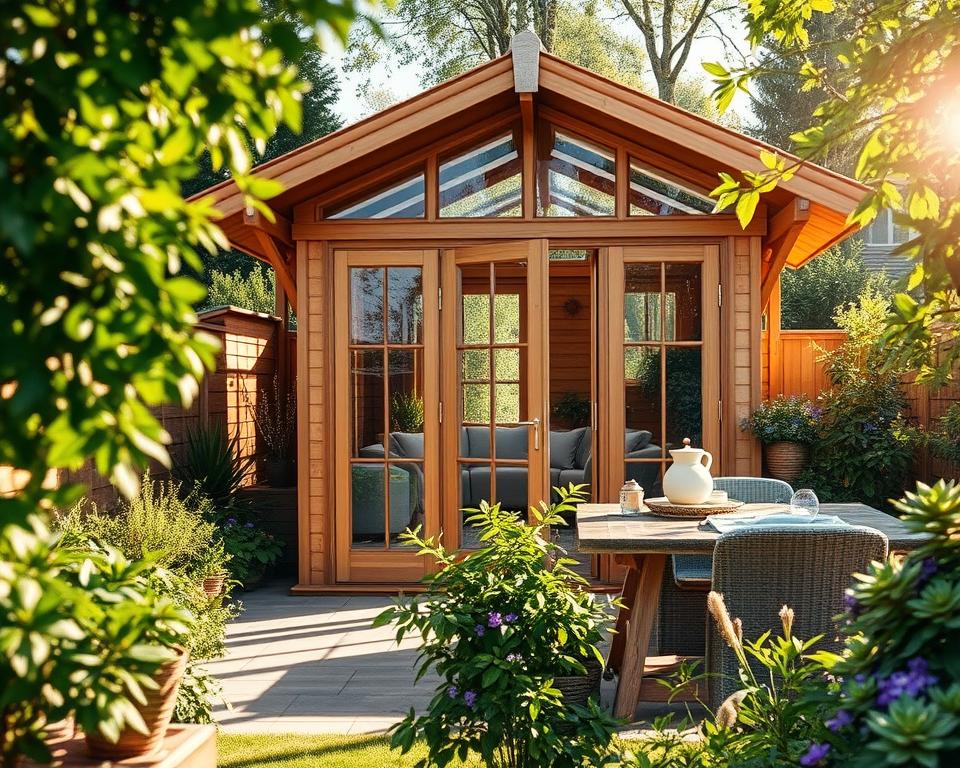
In contrast, garden room pricing begins around £13,000-£15,000 for similar dimensions. This comprehensive price includes groundworks, base construction, and professional installation. The higher investment reflects superior construction quality and long-term performance.
| Cost Component | Summerhouse | Garden Room |
|---|---|---|
| Base Price (3.6m × 2.4m) | £1,200 | £13,000+ |
| Included Installation | No | Yes |
| Annual Maintenance | £200-£400 | £50-£100 |
| Potential Home Value Increase | £1,000-£2,000 | Up to 5% |
Investment Benefits and Home Resale Impact
Quality garden rooms can significantly enhance property value. Estate agents often cite a 5% increase in house value for well-designed installations. On a £300,000 home, this represents £15,000 in added value.
This investment return stems from creating genuine additional living space. Buyers particularly value dedicated home office areas in today’s hybrid working environment. The building becomes a versatile extension of the main house.
Garden rooms also retain resale value as standalone structures. Established manufacturers offer relocation services, with well-maintained buildings keeping 40-60% of their original value. Summerhouses offer limited financial return due to their seasonal nature and basic construction.
What’s the Difference Between a Summerhouse and a Sunroom?
The choice between different garden buildings ultimately comes down to intended usage patterns and long-term requirements. Each option serves distinct needs based on construction quality and performance capabilities.
Key Differentiators in Design and Performance
The fundamental difference lies in construction philosophy. A summerhouse employs simple panel construction suitable for seasonal use. Garden rooms feature multi-layer systems for year-round comfort.
Material quality varies significantly between these structures. Summerhouse frames use basic softwood requiring regular maintenance. Premium garden room construction employs durable timbers like cedar.
| Aspect | Summerhouse | Garden Room |
|---|---|---|
| Construction | Single-layer panel | Multi-layer system |
| Insulation | Minimal | Comprehensive |
| Lifespan | 10-15 years | 25+ years |
| Maintenance | High | Low |

Deciding Which Option Meets Your Needs
Consider your primary needs when selecting a garden space. A summerhouse works well for seasonal relaxation. It is an affordable option for warmer months.
Garden rooms suit those requiring year-round functionality. This design supports daily use as a home office or hobby space. The higher investment delivers long-term value.
The main thing to remember is these serve different purposes. Choose based on your budget and how you plan to use the space. Each option addresses specific needs effectively.
Conclusion
Selecting a garden building is a significant decision that balances budget, intended use, and long-term needs. This comparison clearly shows these structures serve different purposes. A summerhouse offers a charming seasonal retreat, while a garden room provides a robust, year-round space.
Honest assessment is crucial. For a dedicated home office or daily hobby room, the higher investment in a well-insulated building is justified. Its superior construction and materials ensure comfort in all weather. For occasional summer enjoyment, a summerhouse is a cost-effective option.
Always consider planning regulations, as size and location matter. Assess the available garden area carefully. Mark out the footprint to visualise the internal space. Prioritise quality materials and a solid roof for longevity.
Ultimately, the right choice enhances your home and lifestyle. Proper research and clear goals lead to a satisfying garden building that meets your needs for years to come.
FAQ
Can a summerhouse be used all year round?
A standard summerhouse is typically designed for warmer months and may lack sufficient insulation for comfortable winter use. For year-round functionality, selecting a model with enhanced insulation, double glazing, and options for heating is essential. Many modern garden buildings are now built to these higher specifications.
What are the main construction differences between these garden buildings?
Summerhouses often utilise simpler panel construction. In contrast, sunrooms and high-specification garden rooms frequently employ advanced multi-layer systems. These systems integrate structural integrity, thermal insulation, and vapour barriers, creating a more robust and energy-efficient structure.
How does the choice of materials affect durability and maintenance?
The materials used, such as pressure-treated timber or premium cladding options, directly influence a building’s lifespan and upkeep. Higher-quality materials generally require less maintenance and offer better resistance to weathering, protecting your investment over time.
Is planning permission required for a summerhouse or sunroom?
Many garden buildings fall under ‘Permitted Development’ rights in the UK, meaning planning permission is not usually needed. However, rules depend on the structure’s size, location, and intended use. It is always advisable to check with the local planning authority before proceeding.
Can these structures genuinely add value to a property?
Yes, a well-designed and professionally installed garden room can add significant value to a home. It creates additional functional space, which is highly appealing to potential buyers, especially when configured as a home office or leisure area.
What should I consider regarding doors, windows, and electrical installation?
A> For security and energy efficiency, look for robust joinery options like double-glazed doors and windows. For electrics, consider whether surface-mounted trunking or a more discreet integrated system better suits your needs. A qualified electrician must always carry out the installation.

